Oct 24, 2025
Iranian “Businessman” Reports Record-High Oil Exports Despite Sanctions
The October 24 edition of the Iran Media Review examines a report by an Iranian “businessman” claiming that Iran’s oil exports are at a record high and rising.

Access to reliable information about Iran’s oil exports, revenue, and gold or foreign currency reserves has become increasingly limited, as the Iranian regime seeks to shield itself from mounting U.S. economic warfare and, more recently, the United Nations’ “snapback” sanctions. Some caution is therefore advisable when reading overly optimistic assessments of Iran’s oil performance. Still, one fact remains clear: As long as China continues to import Iranian oil, the regime appears to be capable of remaining economically afloat.
- October 23: In a commentary published in reformist Etemad, Amir-Reza Etemadi, who identified himself as a “businessman,” argued that the “snapback” sanctions have had little impact on Iran’s oil exports:
- “The Europeans, citing Iran’s violation of the Joint Comprehensive Plan of Action, called for the reinstatement of six U.N. sanction resolutions in late September … However, unlike the original resolutions from the 2000s, they do not explicitly sanction the purchase or sale of Iranian oil.”
- “To counter currency shocks resulting from renewed pressure, Iranian officials decided to strengthen the country’s foreign exchange reserves through alternative markets for currency and gold. Imports of gold bullion rose sharply: Official Chinese customs data show that in December 2024 and January 2025, Iran imported more than 2.25 tons of raw gold from China, paying roughly $201 million for it. According to former bank of industry and mine officials, Iran’s gold imports during the 2024 calendar year (up to fall 2024) reached about 100 tons – valued at over $8 billion … This policy of physically purchasing gold instead of repatriating foreign currency from oil exports represents a deliberate attempt to strengthen reserves and evade dollar-based sanctions.”
- “At the same time, Iran’s official data indicates that 2024 saw the highest oil revenue in nearly a decade: Total oil exports reached $67 billion – an unprecedented figure under sanctions. Meanwhile, media coverage has shown that secret envoys from India have recently signaled their readiness to buy Iranian oil. A member of Iran’s parliamentary Energy Commission confirmed that New Delhi had formally expressed interest in purchasing Iranian oil, and that during the first seven months of 2025 India imported about $205 million worth of crude oil and refined products from Iran … However, during the early months of 2025, China continued to be Iran’s main oil customer: Its imports of Iranian crude reached an all-time record of roughly 1.7 million barrels per day to 1.8 mb/d in March, accounting for nearly 90% of Iran’s oil exports.”
- “Credible analytical data shows that in June Iran’s average crude oil exports reached 1.8 mb/d, the highest figure in recent history … According to the International Energy Agency, Iran’s average oil exports during the first half of 2025 were around 1.7 mb/d, indicating that the country not only adapted to the hardships of sanctions but also managed to boost exports even amid escalating restrictions.”
The views represented herein are the author's or speaker's own and do not necessarily reflect the views of AGSI, its staff, or its board of directors.
Related
Iran Media Review
Oct 21, 2025
Khamenei Rules Out “Deal” Involving Iran’s Missile Program
The October 21 edition of the Iran Media Review highlights comments by Ayatollah Khamenei rejecting a deal with the United States that would limit Iran’s missile program.
Iran Media Review
Oct 17, 2025
Iranian Media Discuss the Merits of the Gaza War
The October 17 edition of the Iran Media Review examines Iranian media analysis of the Israel-Hamas cease-fire deal.
Iran Media Review
Oct 14, 2025
Fearing War and Doubting Prospects for Energy Exports, Iranians Buy Gold
The October 14 edition of the Iran Media Review analyzes Iranian reactions to a new economic report forecasting a rise in inflation despite increasing oil exports.
Oct 21, 2025
Khamenei Rules Out “Deal” Involving Iran’s Missile Program
The October 21 edition of the Iran Media Review highlights comments by Ayatollah Khamenei rejecting a deal with the United States that would limit Iran’s missile program.
Oct 17, 2025
Iranian Media Discuss the Merits of the Gaza War
The October 17 edition of the Iran Media Review examines Iranian media analysis of the Israel-Hamas cease-fire deal.
Oct 14, 2025
Fearing War and Doubting Prospects for Energy Exports, Iranians Buy Gold
The October 14 edition of the Iran Media Review analyzes Iranian reactions to a new economic report forecasting a rise in inflation despite increasing oil exports.
Analysis
The Islamic Republic Returns to Offense
After U.S.-Israeli strikes killed Supreme Leader Ayatollah Ali Khamenei on February 28, Iran’s collective leadership has concluded that the best defense is a good offense.
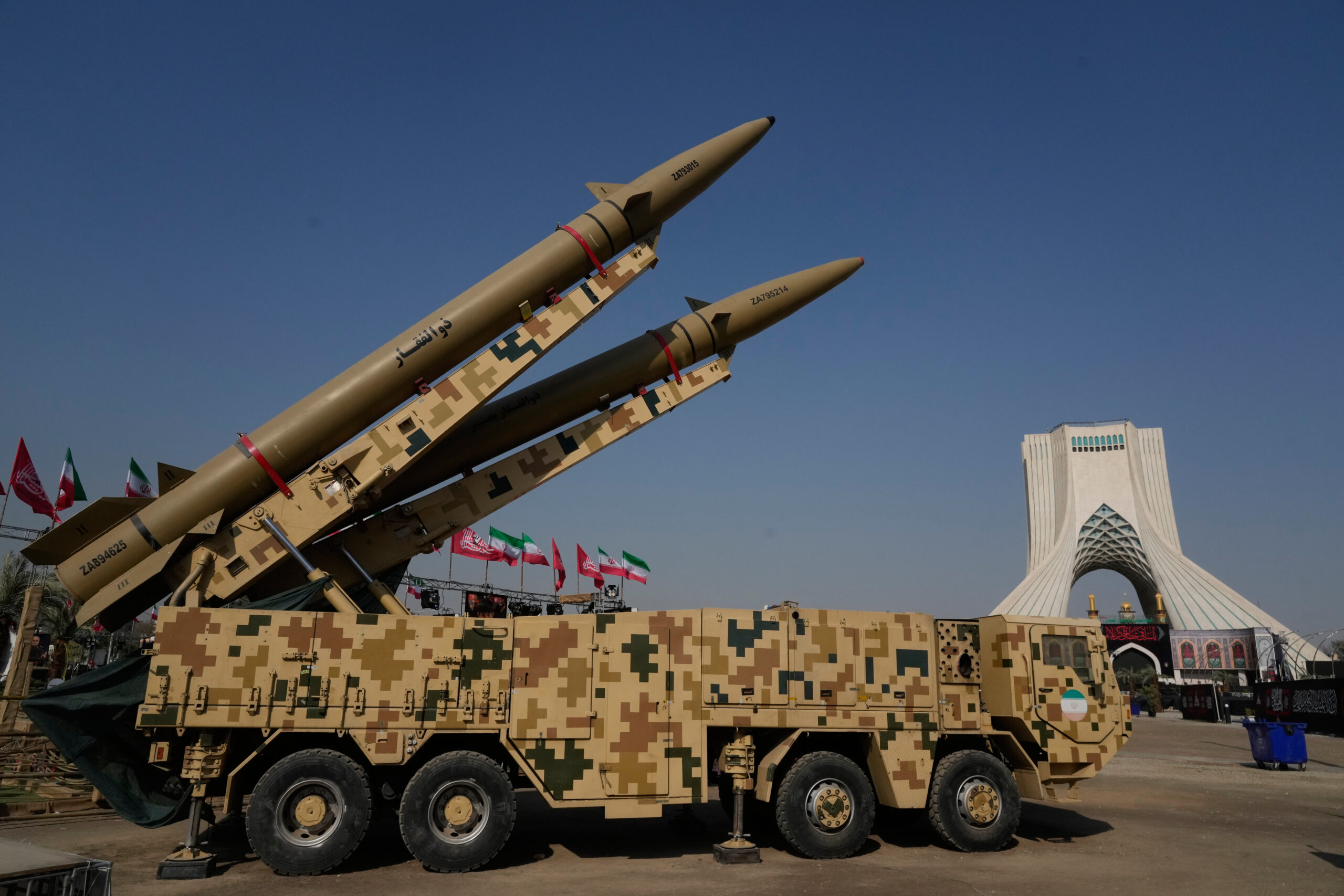
Iran’s Collective Strategic Decision Making
Wartime pressure has temporarily aligned the leadership’s overriding interest in regime survival, even as its members continue to differ over the costs, methods, and ultimate objectives of the war.
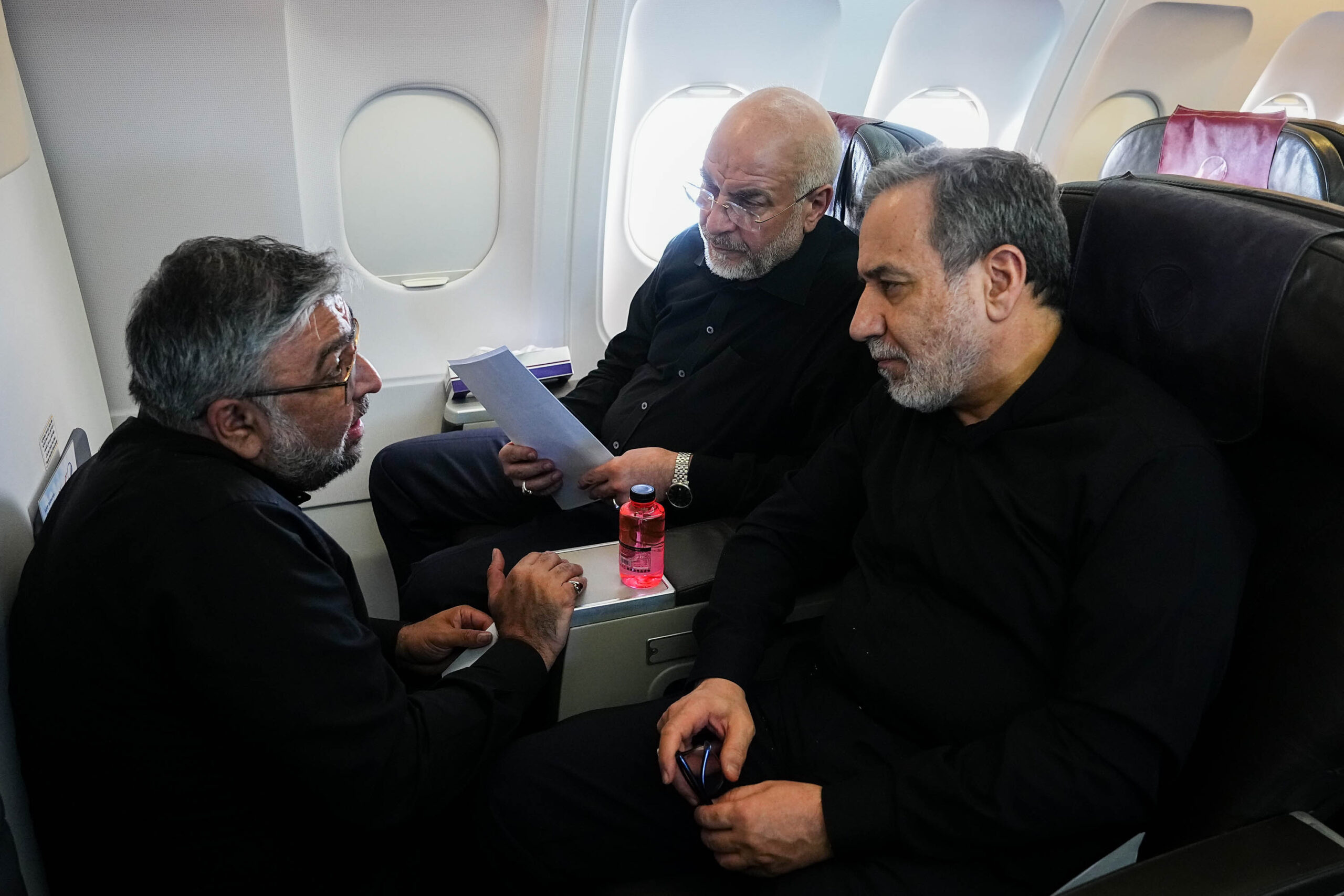
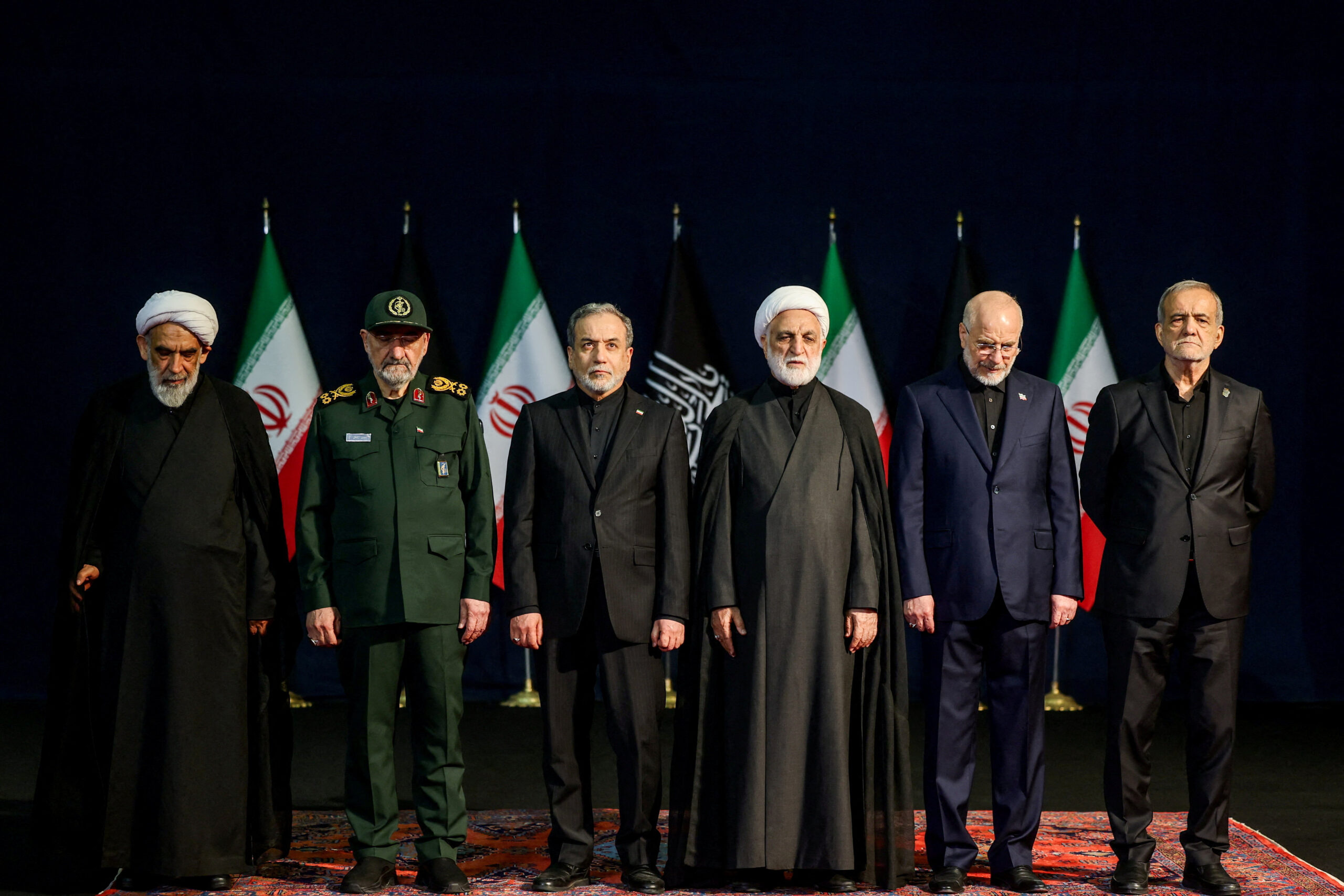
The Islamic Republic’s Collective Leadership
While there is historical precedent for collective leadership in Iran, today’s leadership includes representatives of the IRGC and regular military – a reflection of the IRGC’s expanding role and the necessities of governing under wartime conditions.
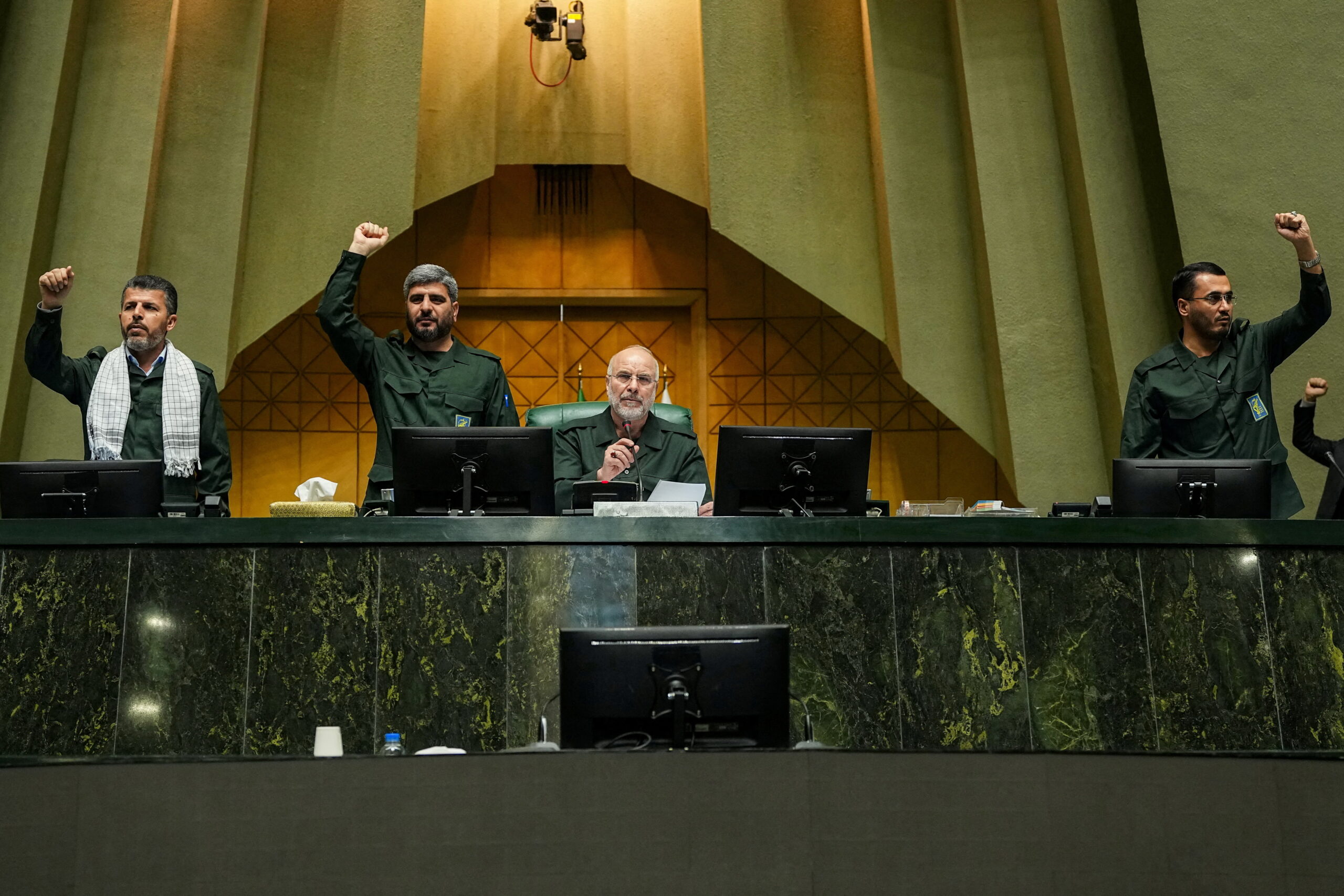
How Did the IRGC Seize Power in Iran?
The IRGC did not seize power in a single stroke. It accumulated it – patiently, methodically – until no counterweight remained.
Events
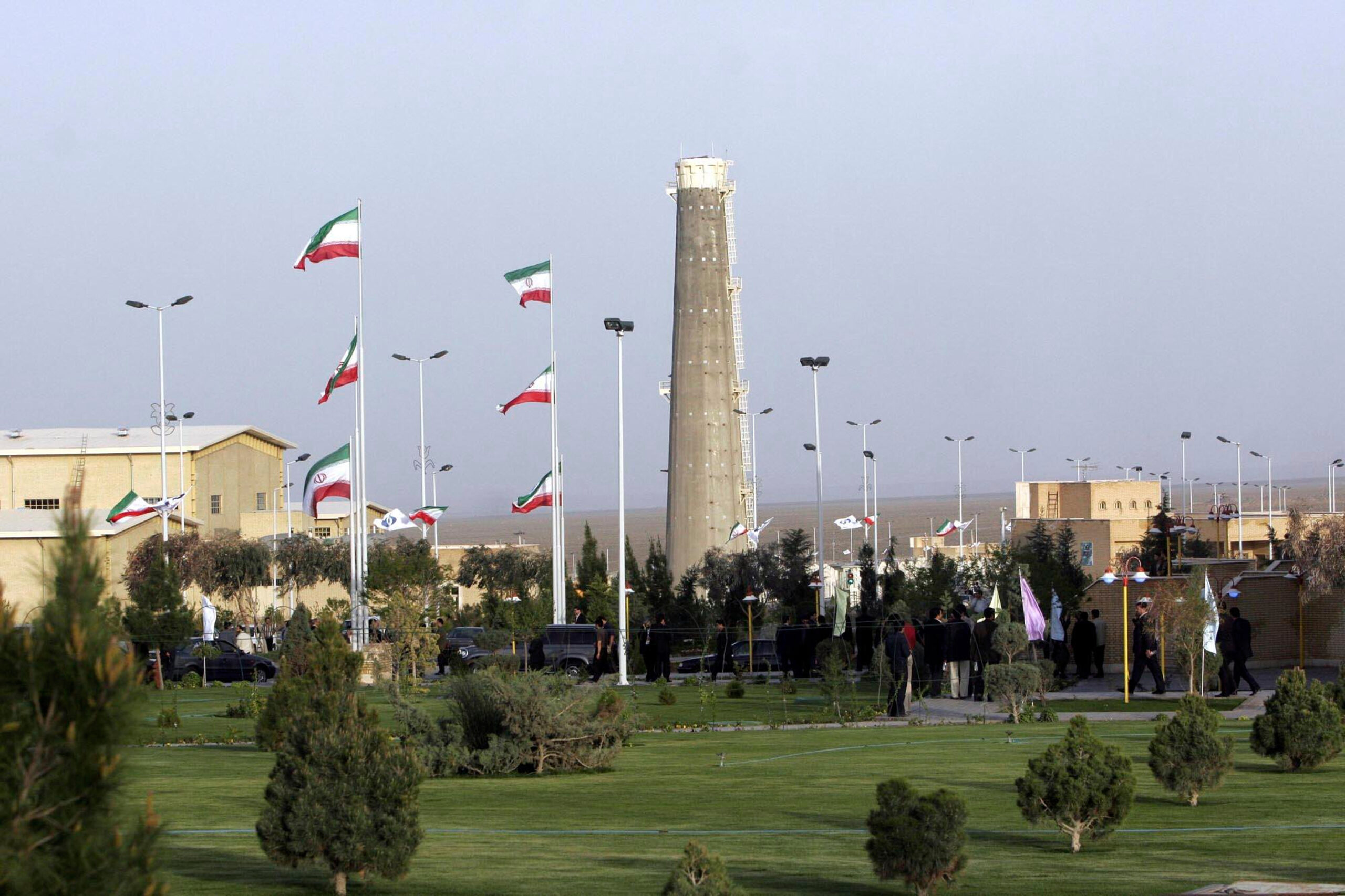
Book Talk: Iran and the Bomb: The United States, Iran and the Nuclear Question
On June 16, AGSI hosted a discussion on the evolution of Iran's nuclear program.
Speakers


Apr 21, 2026
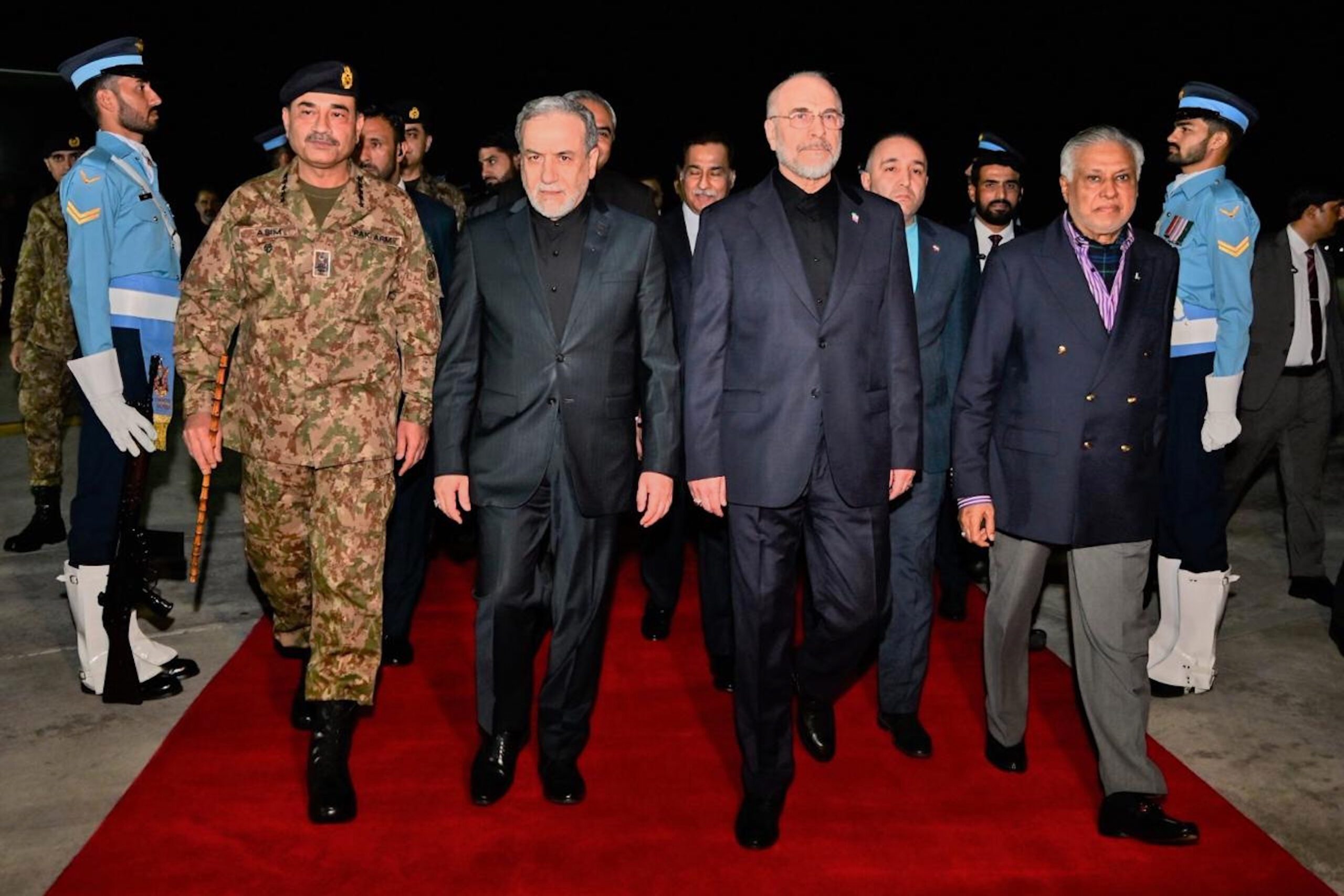
Inside Iran’s Wartime Leadership: Power, Succession, and Regime Stability
On April 21, AGSI hosted a discussion on the evolution of Iran's leadership during the war.
Speakers

Mar 18, 2026
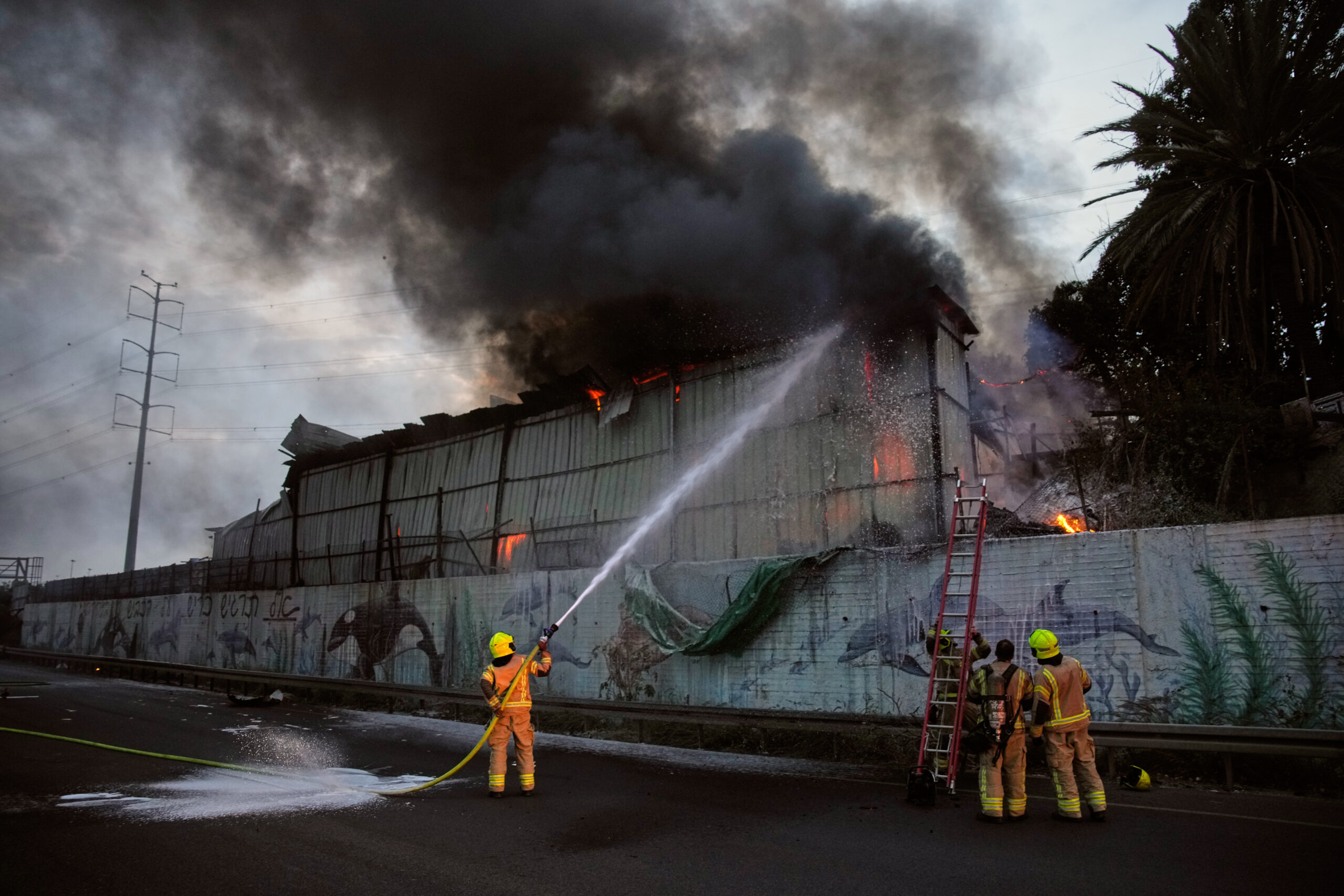
In Its Conflict With the United States and Israel, Does Escalation Favor Iran?
On March 18, AGSI hosted a discussion on the escalation of the Iran war.
Speakers



Mar 2, 2026
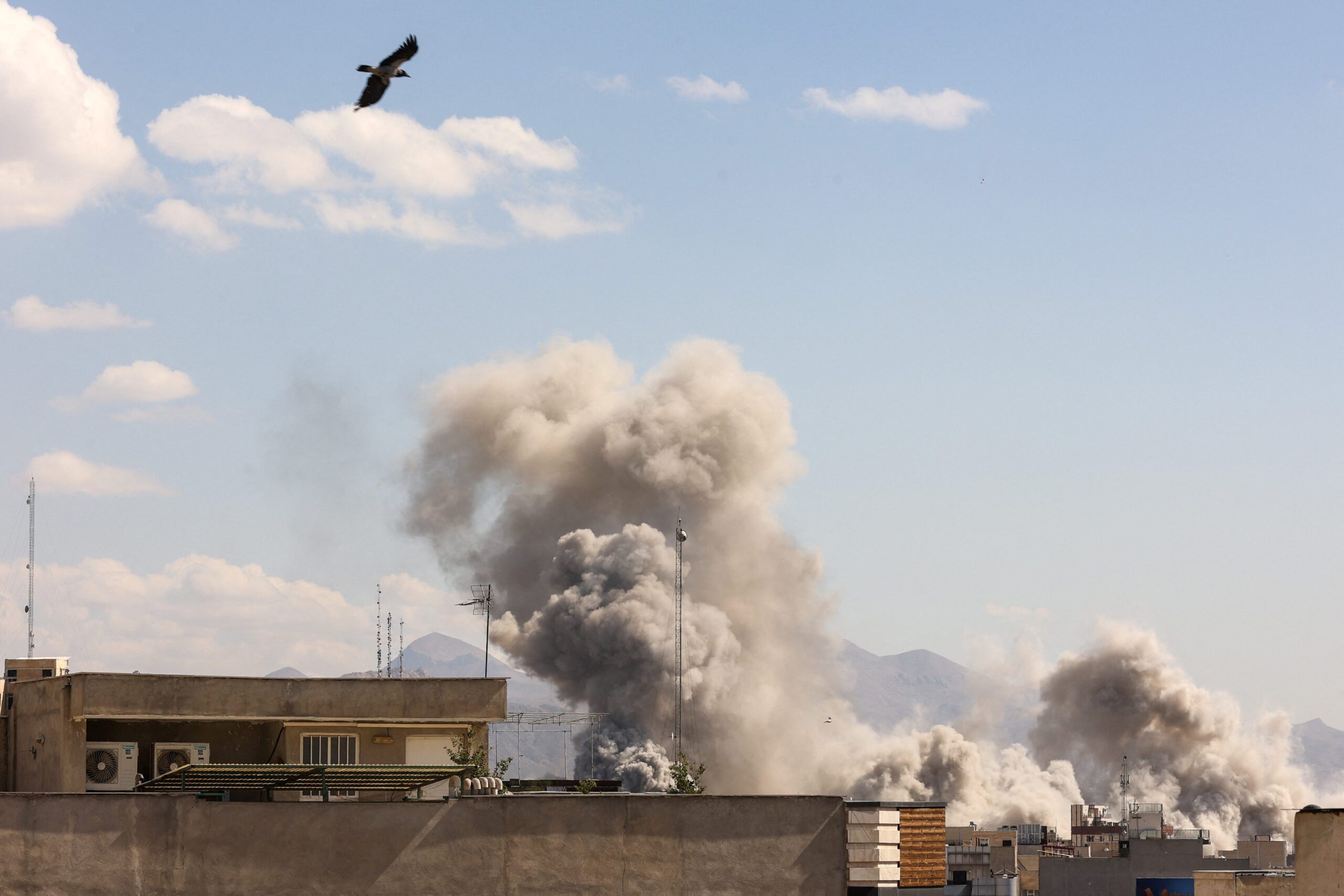
After the Shock: Implications of the U.S.–Israeli Strikes and Iran’s Leadership Transition
On March 2, AGSI hosted a discussion on the U.S.-Israeli strikes on Iran.
Speakers