Having Failed to Prevent a U.S. Attack Against Iran, Gulf Arab Countries Must Watch With Alarm
Gulf Arab countries urged the United States not to strike Iran, but now that is happening, they are in danger of being sucked into a conflict they cannot control but that will likely reshape their present and future realities.
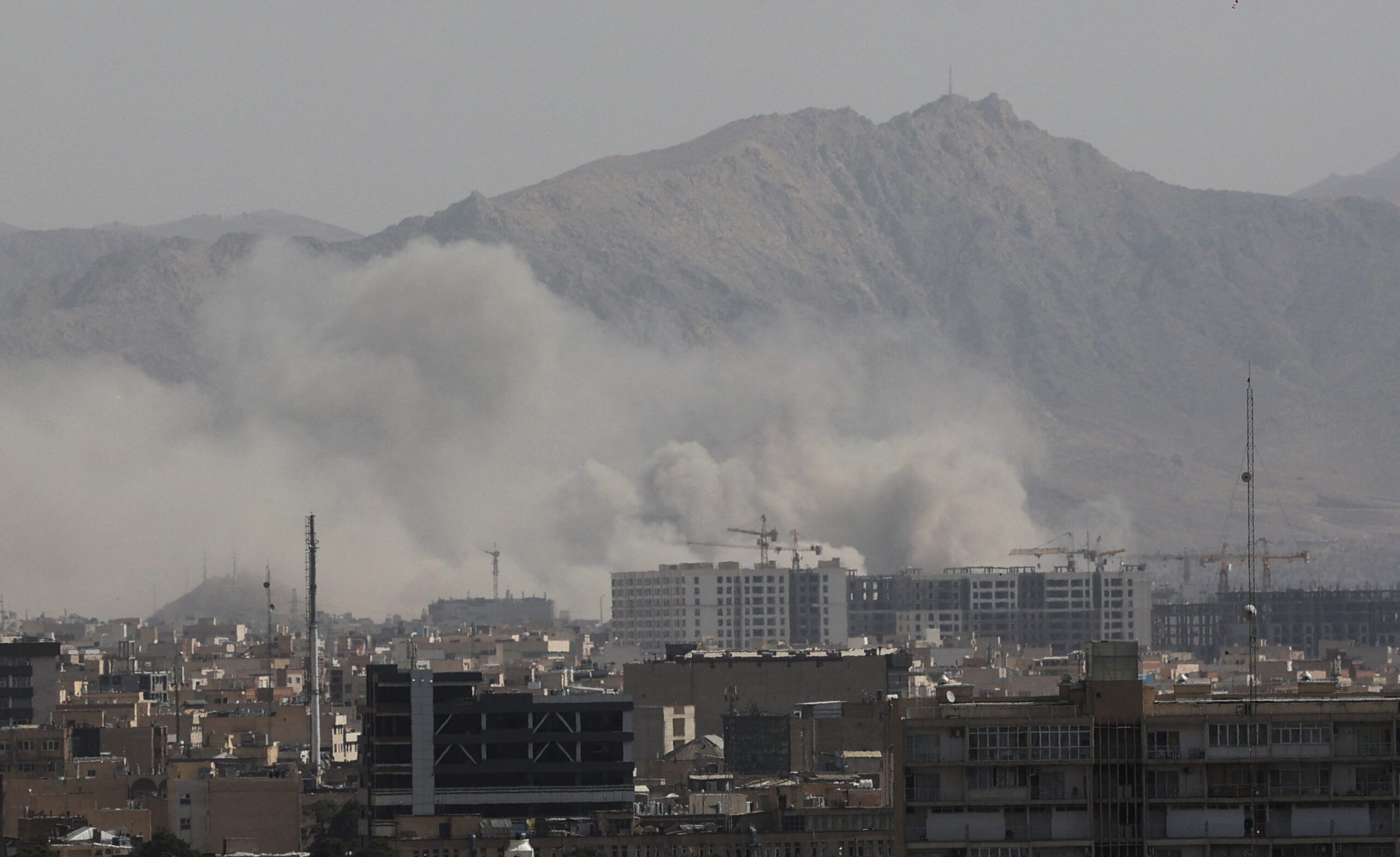
Smoke rises following an explosion, after Israel and the United States launched strikes on Iran, in Tehran, Iran, February 28. (Majid Asgaripour/WANA via REUTERS)
When U.S. and Israeli forces began a major bombing campaign inside Iran on February 28, a dramatic military escalation all the Gulf Arab countries had feared and worked to prevent suddenly commenced. Collectively and individually, they will now feel exposed, vulnerable, and once again largely spectators of the actions of third parties – the United States, Israel, and Iran, among others – that will largely dictate the condition and immediate future of their national security and strategic circumstances.
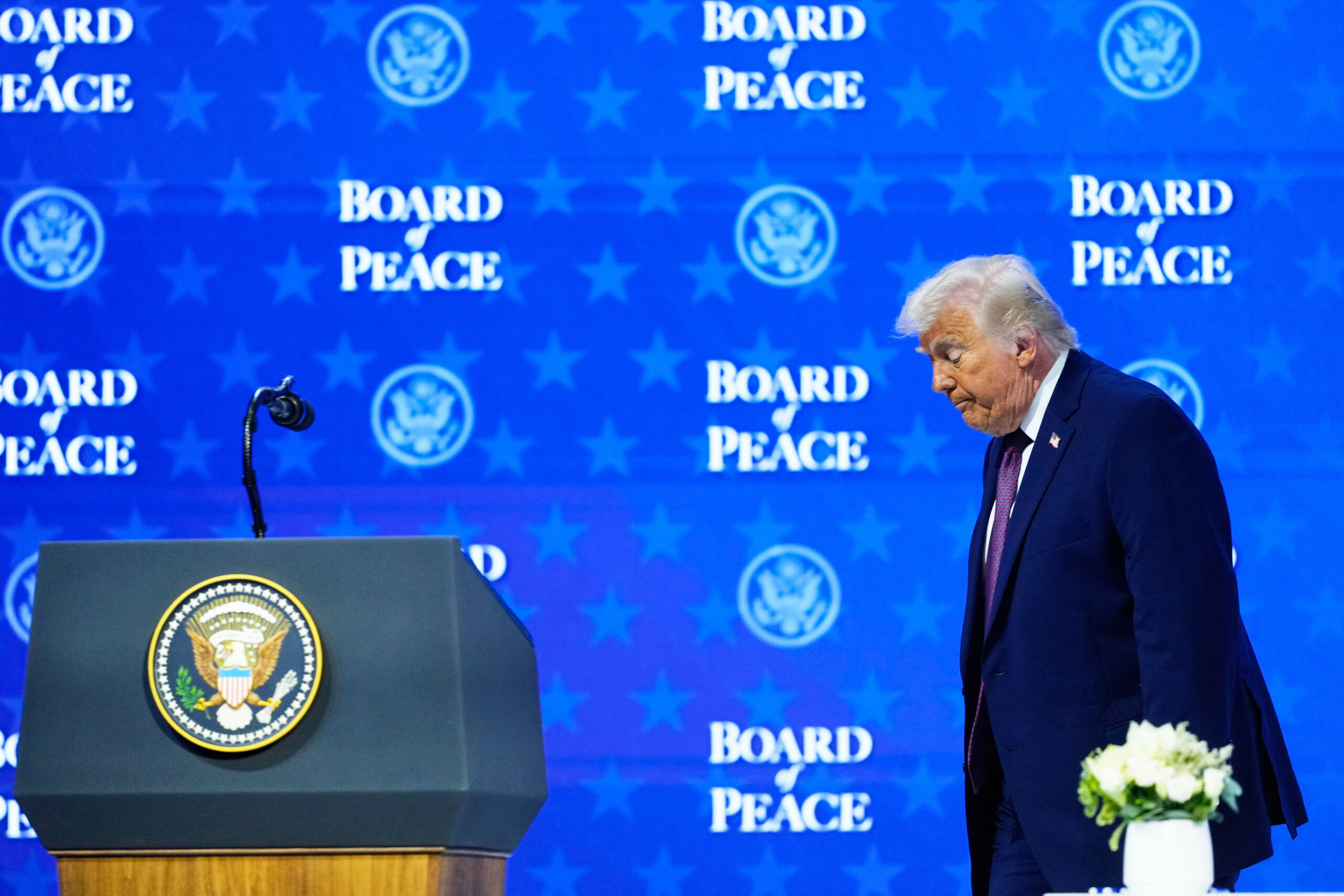
President Donald J. Trump’s decision to attack seemed in equal measures inevitable and inexplicable. As with the last major U.S. military adventure in the Arab world, the 2003 invasion of Iraq, there is no single, clear consensus or achievable strategic or political goal informing the new campaign. The biggest difference appears to be that, in this instance, the United States and Israel have appeared determined to restrict the conflict to aerial bombardment without boots on the ground. That means that among the many incongruous and, in some ways, contradictory, mishmash of goals that Trump has articulated for the offensive, one of the most ambitious – regime change – will depend entirely upon Iranians to independently secure. While there is no established historical precedent for regime change being conclusively affected by aerial bombardment alone, Trump has once again urged the Iranian people to act decisively to overthrow the regime, saying “to the great proud people of Iran … the hour of your freedom is at hand.” After warning Iranians to “Stay sheltered” during the bombings, he urged that “When we are finished, take over your government. It will be yours to take. This will be probably your only chance for generations.”
But Trump implicitly acknowledged that this will be up to Iranians and merely claimed to be giving them an unprecedented opportunity to change their system. He did not indicate what other political order or leadership he would prefer or whether he is hoping for a mass uprising, military coup, or change of leadership from within the current regime. Presumably any or all would be entirely welcome by the U.S. administration. Should the Iranian regime change, it will not be mourned by any of the Gulf countries, but the last thing they need is a chaotic, war-torn Iran unleashing instability, violence, and waves of refugees around neighboring states.
Gulf countries also stand to potentially benefit from some of the more achievable stated goals of the U.S.-Israeli attack – and if the campaign is concluded relatively quickly and as a generally agreed-upon success, may even come to praise it in retrospect despite the profound current misgivings. Trump said Iran’s missile and drone arsenal and production capabilities will be totally “obliterated.” He has also vowed to “annihilate” Iran’s modest navy, render its militia group proxies in the Arab world irrelevant or incapable, and ensure that Iran never acquires a nuclear weapon (despite his mystifying boast in June 2025 to have “obliterated” Iran’s entire nuclear weapons program).
The promise to focus on Iran’s missile and drone capabilities and production facilities most directly addresses the major security threat Tehran currently poses to Gulf Arab countries. If Iran truly were to be effectively disarmed in terms of missiles and drones – a goal that seems almost unattainable in the short run and, barring regime change, certainly unattainable in the long run – Gulf countries, particularly Saudi Arabia and the United Arab Emirates, would be spared one of their most pressing and alarming security nightmares. However, by initiating the current conflict, the Trump administration has created exactly the kind of scenario that could provoke Iran to unleash such weapons against these countries.
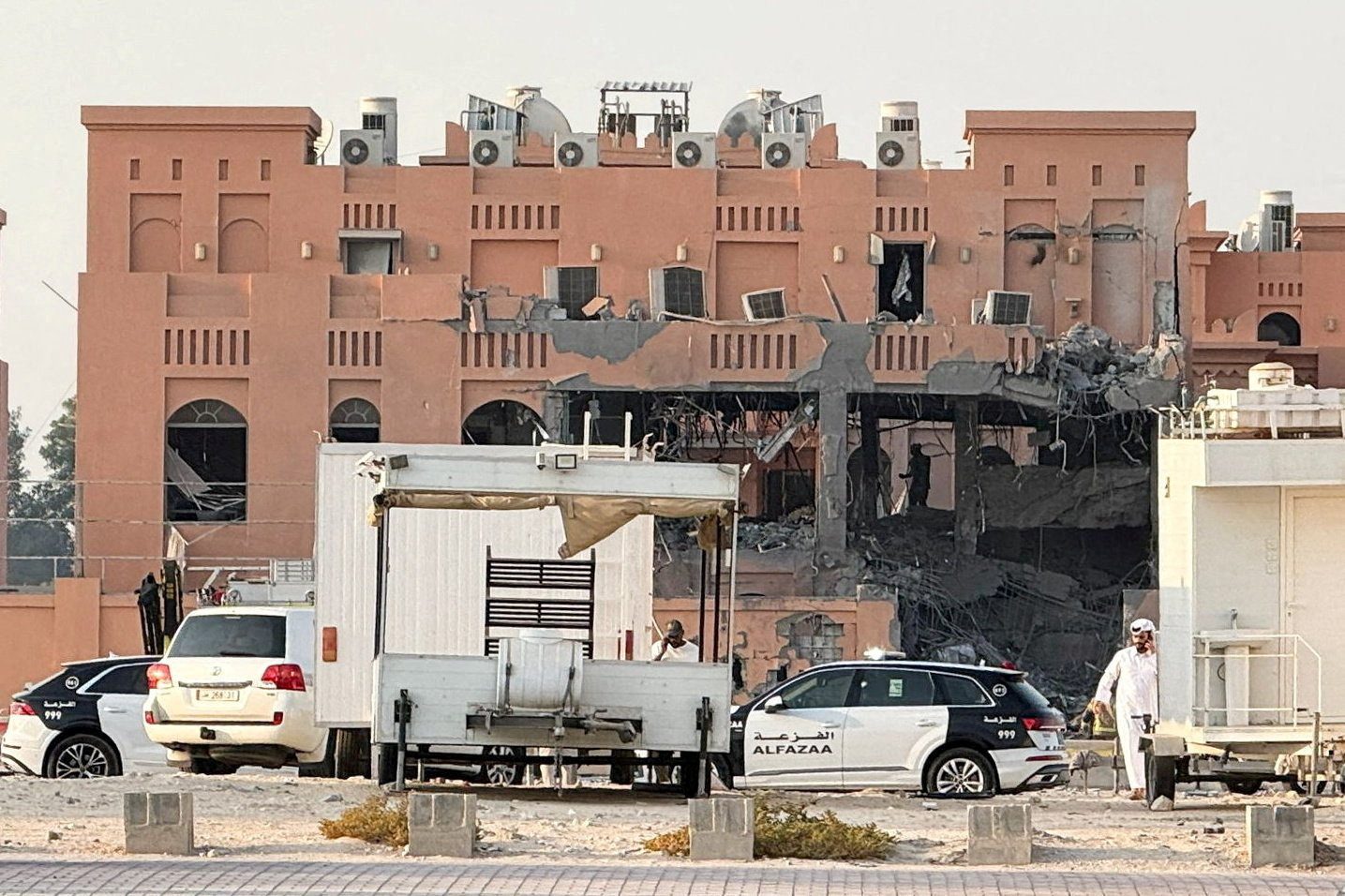
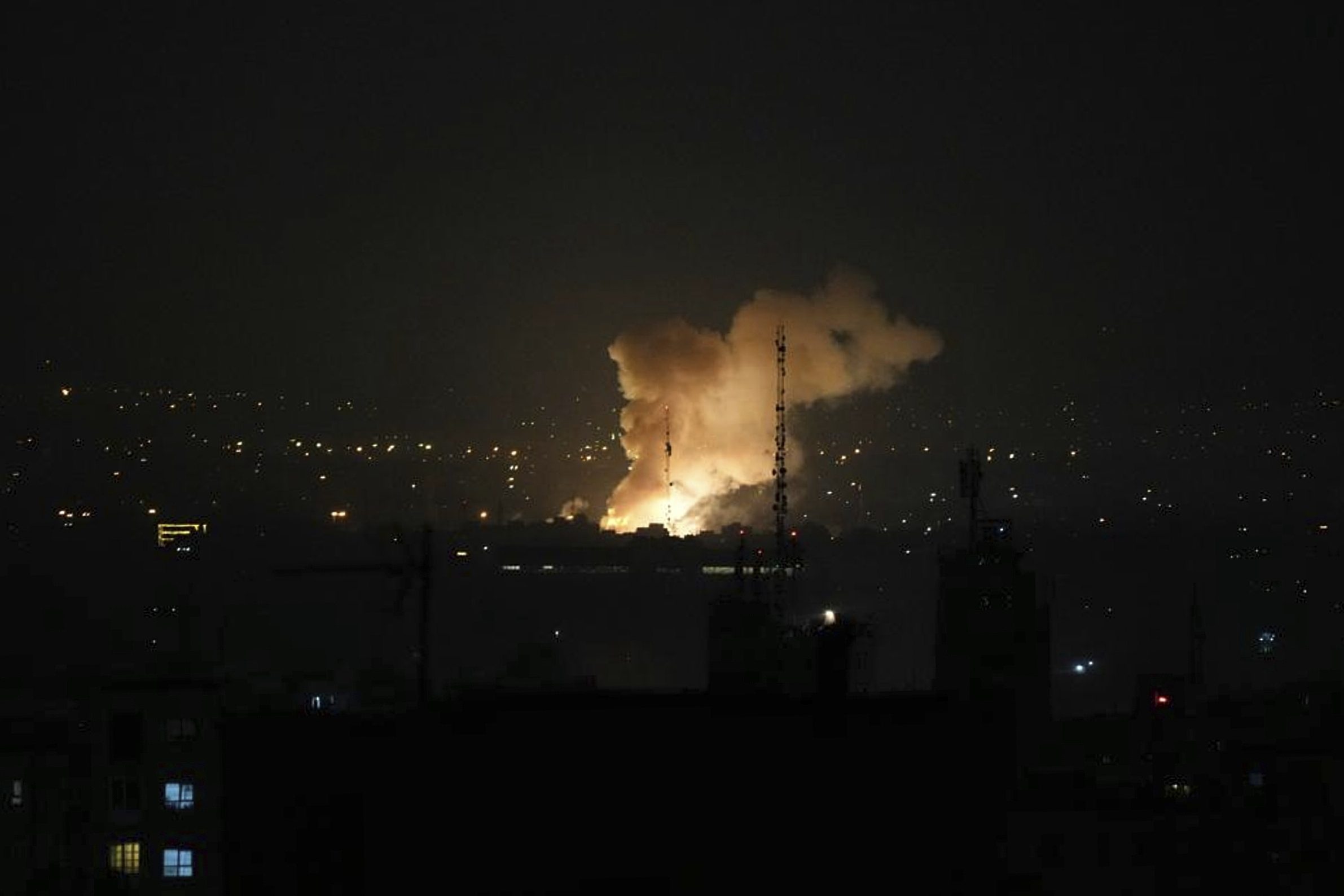
Already there are reports of attacks from Iran targeting U.S. military facilities in the UAE, Bahrain, Qatar, and Kuwait. The cost is already mounting, given that a civilian in the UAE has been reported killed by falling debris from a missile intercept. Most of the Gulf Cooperation Council countries are potentially vulnerable to such Iranian counterstrikes in coming days. Moreover, key U.S. partners, such as the UAE, Qatar, and Saudi Arabia, are potentially vulnerable to ongoing attacks on their own assets, including civilian infrastructure. Saudi Arabia was the most recent country to report having come under direct Iranian attack, saying that its capital, Riyadh, and Eastern Province had both been struck by Iran. Saudi Arabia said it reserved the right to retaliate against Iran and had earlier condemned “the blatant Iranian aggression and the flagrant violation of the sovereignty of the United Arab Emirates, the Kingdom of Bahrain, the state of Qatar, the state of Kuwait, and the Hashemite Kingdom of Jordan.”
Despite their heavy investment in missile defense, all these countries remain vulnerable to major missile and drone attacks because of the relative inefficacy of antimissile systems. Shooting down a bullet with a bullet remains largely aspirational despite decades of technological improvements, and even the most sophisticated network of systems is vulnerable to attacks, particularly when missiles and drones swarm a set of clustered targets. So, for the Gulf countries, even a serious degradation in Iran’s drone and missile capabilities may come at a heavy cost in terms of the use of those very weapons against them in the process. And they could end up facing a wounded, enraged, and not fully disarmed Iran looking for ways of “restoring deterrence” (also known as taking revenge) by attacking neighboring countries perceived as too close to the United States and, in some cases, Israel.
Iran may also seek to disrupt commercial shipping in the Gulf waters and potentially try to close the Strait of Hormuz, directly threatening the commercial interests of all of the Gulf Arab countries. If that happens, they will be largely depending on a U.S.-led naval campaign to successfully reopen those shipping lanes, once again demonstrating the extent to which they are currently trapped as observers to the most crucial developments shaping their core realities. The Gulf countries also provide Iran with a rich potential environment for gray-zone retaliatory action (potentially including acts of terrorism) either by Iranian agents or, especially in the case of Bahrain, potentially small local groups sympathetic to, or perhaps even guided by, Tehran. Even more than with drones and missiles, this threat would not dissipate at the end of a prolonged bombing campaign, assuming regime change does not somehow result. Instead, the potential for a sustained or even sporadic Iranian campaign of gray-zone attacks, sabotage, or terrorism would probably be greater in the months and years following the U.S.-Israeli bombardment that has just commenced.
For all these reasons, the Gulf Arab countries unanimously concluded in recent years that they likely stood little to gain but potentially had much to lose from a U.S.-led bombing campaign against Iran, and all of them sought to help prevent that from developing through intensive diplomacy with Iran and focused messaging in Washington. Despite their best efforts, it did not work. Iran did not provide the Trump administration with sufficient concessions in recent negotiations, and the U.S. president decided to use rather than lose the giant armada he had built up near Iran, largely in the waters surrounding the Arabian Peninsula. By far the largest military buildup in the region since the 2003 U.S. invasion of Iraq, it could not have been sustained much longer without intolerable financial costs and strategic vulnerabilities elsewhere. Trump was repeatedly warned that he had to decide either to act against Iran or take a decisive step back toward sustained diplomacy rather than brief talks in the context of major threats.
To no one’s surprise, he decided to act, strong warnings from the United States’ Gulf Arab partners notwithstanding. Trump has wagered heavily on this attack, gambling that it will rapidly produce clear accomplishments (which may be one of the reasons for his laundry list of strategic and political goals) without resulting in significant or unmanageable disasters. It will, however, be difficult to simply declare victory and stop the bombardment if nothing decisive is accomplished regarding either regime change or the extreme degradation of Iran’s military, intelligence, command-and-control, and national security assets. Trump is clearly hoping to avoid another “forever war” in the Middle East by relying entirely on airpower, but that comes at the cost of efficacy and predictability of outcome. With boots on the ground, transformations ranging from regime decapitation to regime change can be affected with certainty.
Changes on the ground in a country resulting from aerial bombardment are typically difficult to predict and even ascertain. And even if Iran’s military, intelligence, and command-and-control networks are demonstrably badly damaged, if the regime and its core assets remain fundamentally in place, it will be difficult to claim that a great deal has been accomplished. This, above all, was undoubtedly the concern motivating a united GCC in warning Washington against such an adventure. The GCC states’ warnings were ignored in 2003, and they have been ignored again in 2026. Now there is little the Gulf countries can do to shape the outcome of the new conflict, but, in reality, neither the Trump administration nor the Iranian regime can do that either. In 1871, Prussian Field Marshal Helmuth von Moltke observed, “No plan of operations extends with any certainty beyond the first contact with the main hostile force.” Carl von Clausewitz similarly called war “the province of chance.” More recently, Mike Tyson simply noted, “Everyone has a plan until you get punched in the mouth.”
The views represented herein are the author's or speaker's own and do not necessarily reflect the views of AGSI, its staff, or its board of directors.
AGSI explains what Israel’s sudden and massive attack on Iran is likely to mean for Gulf Arab states, Iran, the United States, and global and regional economies.
When quickly debunked rumors in the Israeli media that the UAE was seeking to manage postconflict Gaza were widely welcomed in Israel, it demonstrated both the trust the UAE has built among Israelis but also their lack of understanding of Emirati policies and interests.
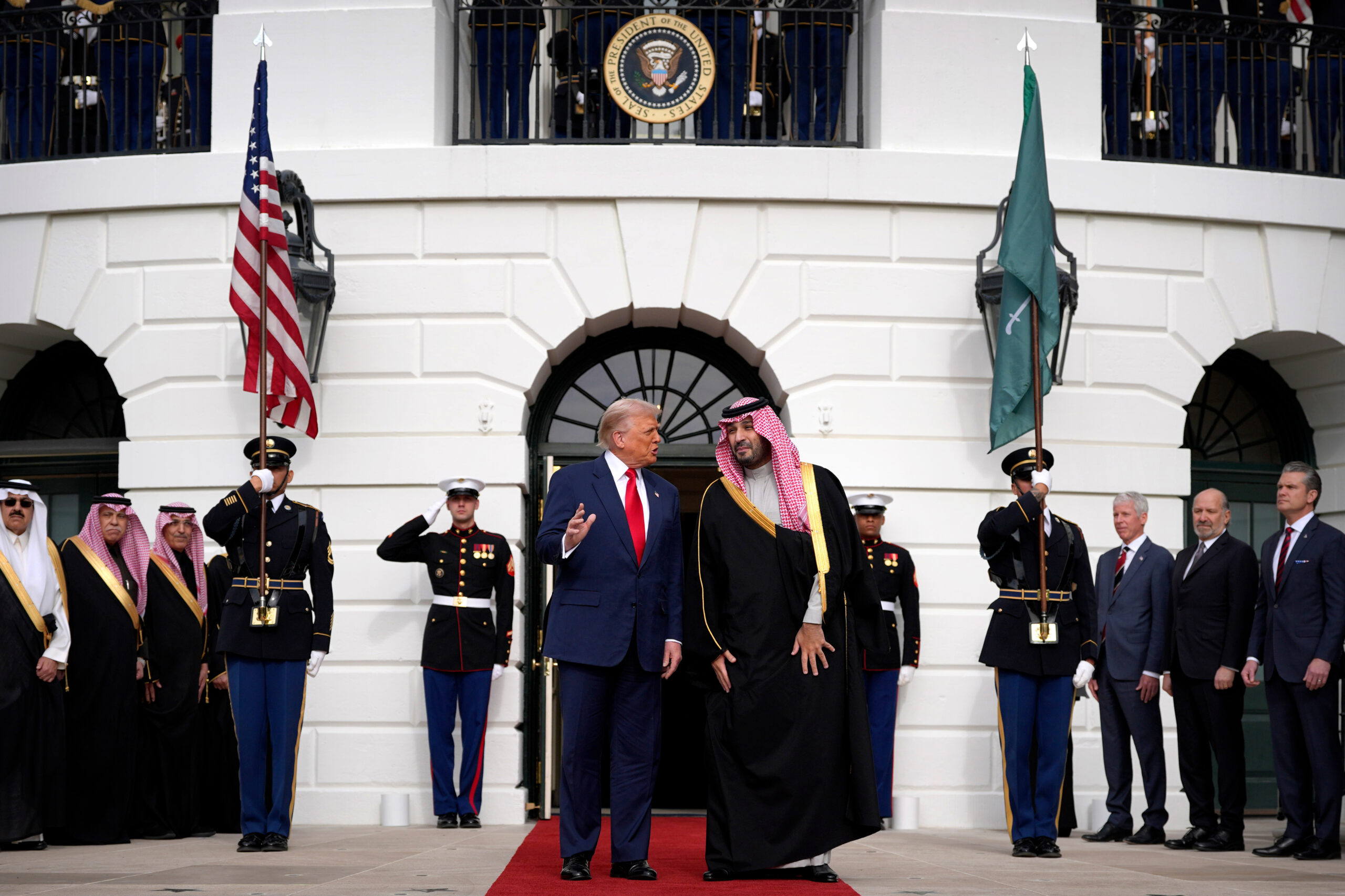
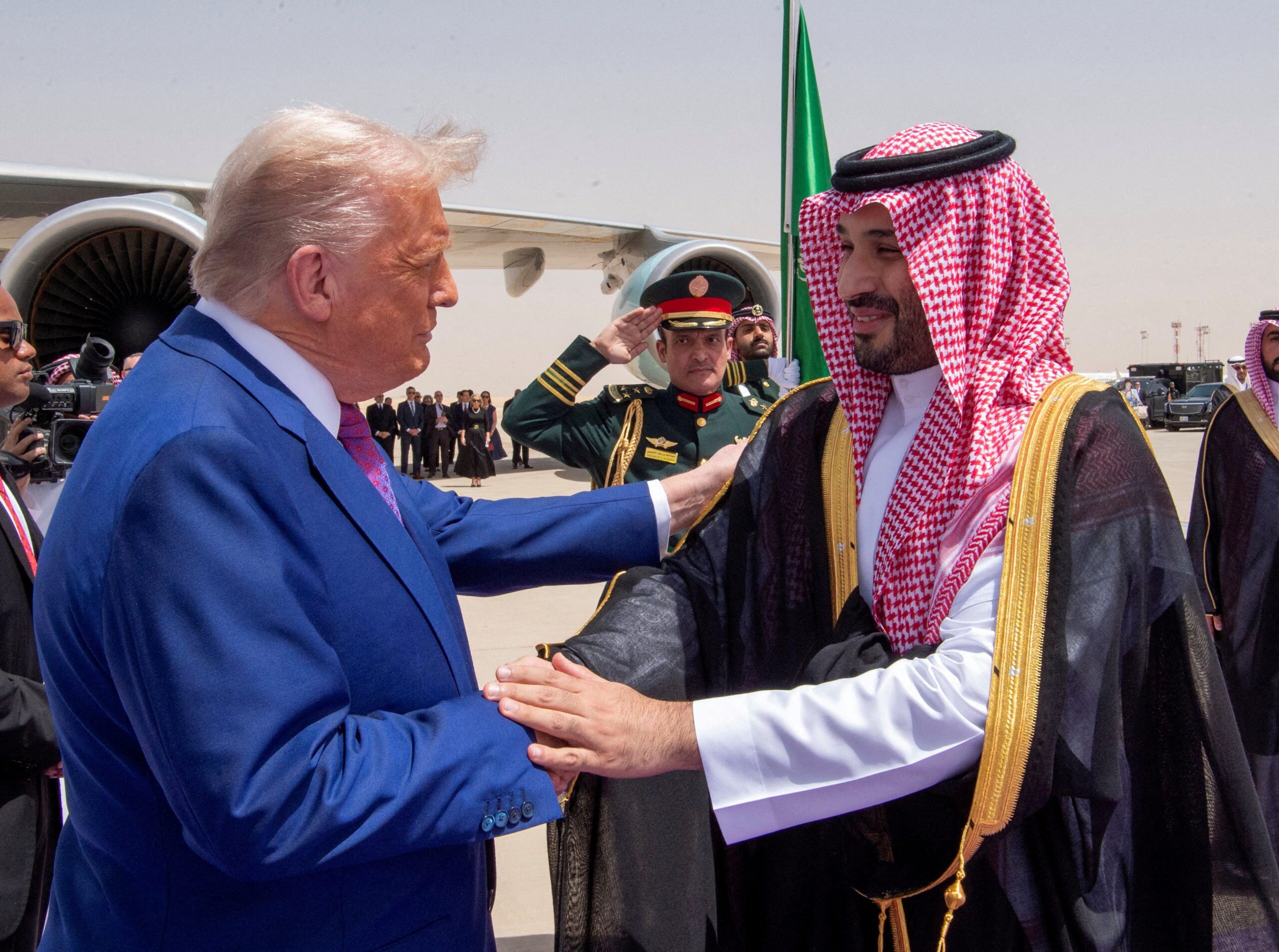
When the Saudi crown prince meets President Trump in Washington, the main topics of discussion are likely to be commercial deals, a defense pact, a Saudi civilian nuclear program, and normalization with Israel.
The GCC states now consider an attack on one to be an attack on all, and Saudi Arabia may be covered by a Pakistani rather than U.S. military umbrella.
On January 8, AGSI hosted a virtual roundtable with its leadership and scholars as they look ahead and assess trends likely to shape the Gulf region and U.S. foreign policy during the coming year.