Has Gaza Created Structural Impediments to Normalization?
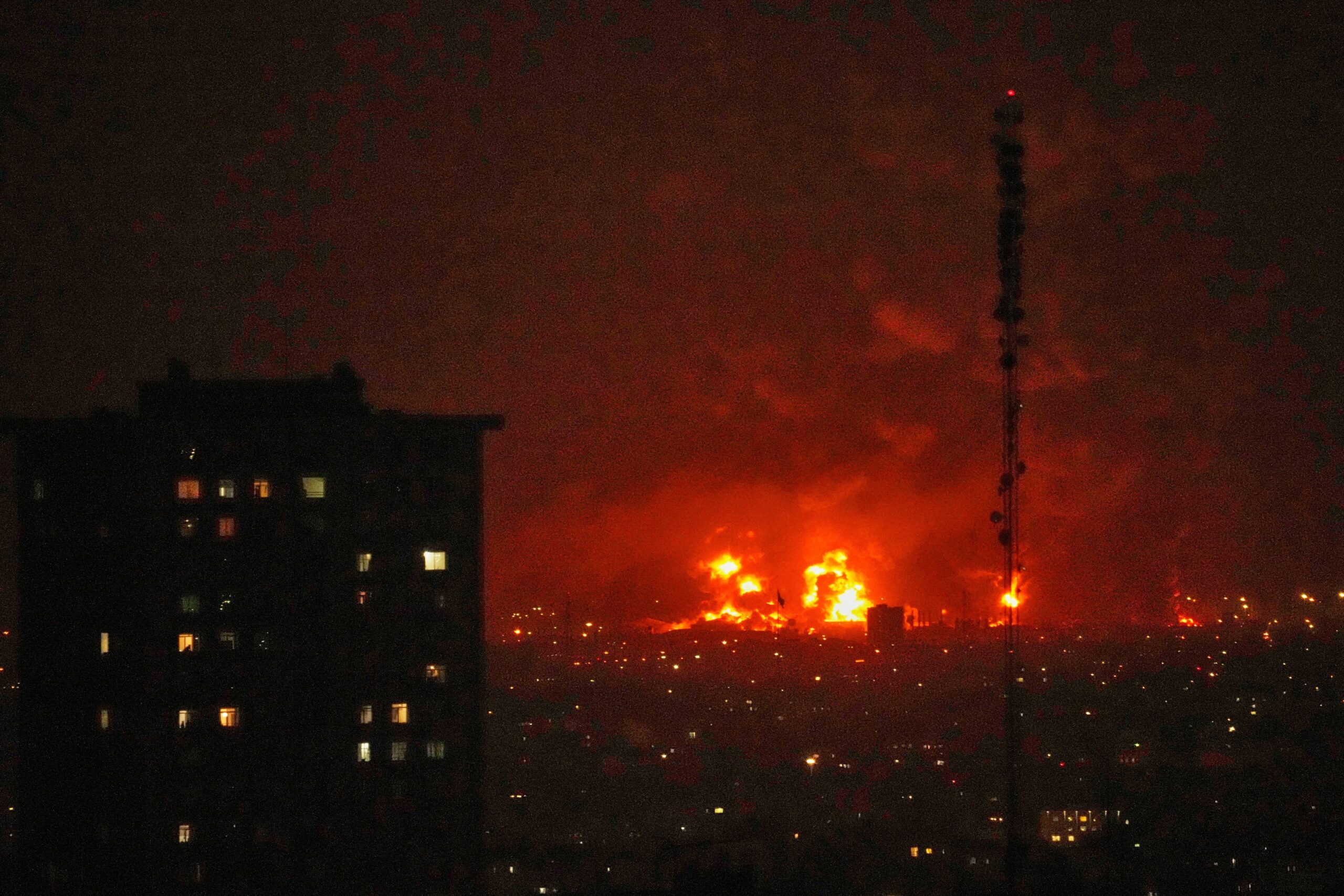
An elusive Gaza cease-fire, a potential collapse in viability of a two-state solution between Israel and the Palestinians, and ratcheting Israel-Hezbollah tensions are key obstacles to the resumption of normalization progress between Israel and Gulf states.
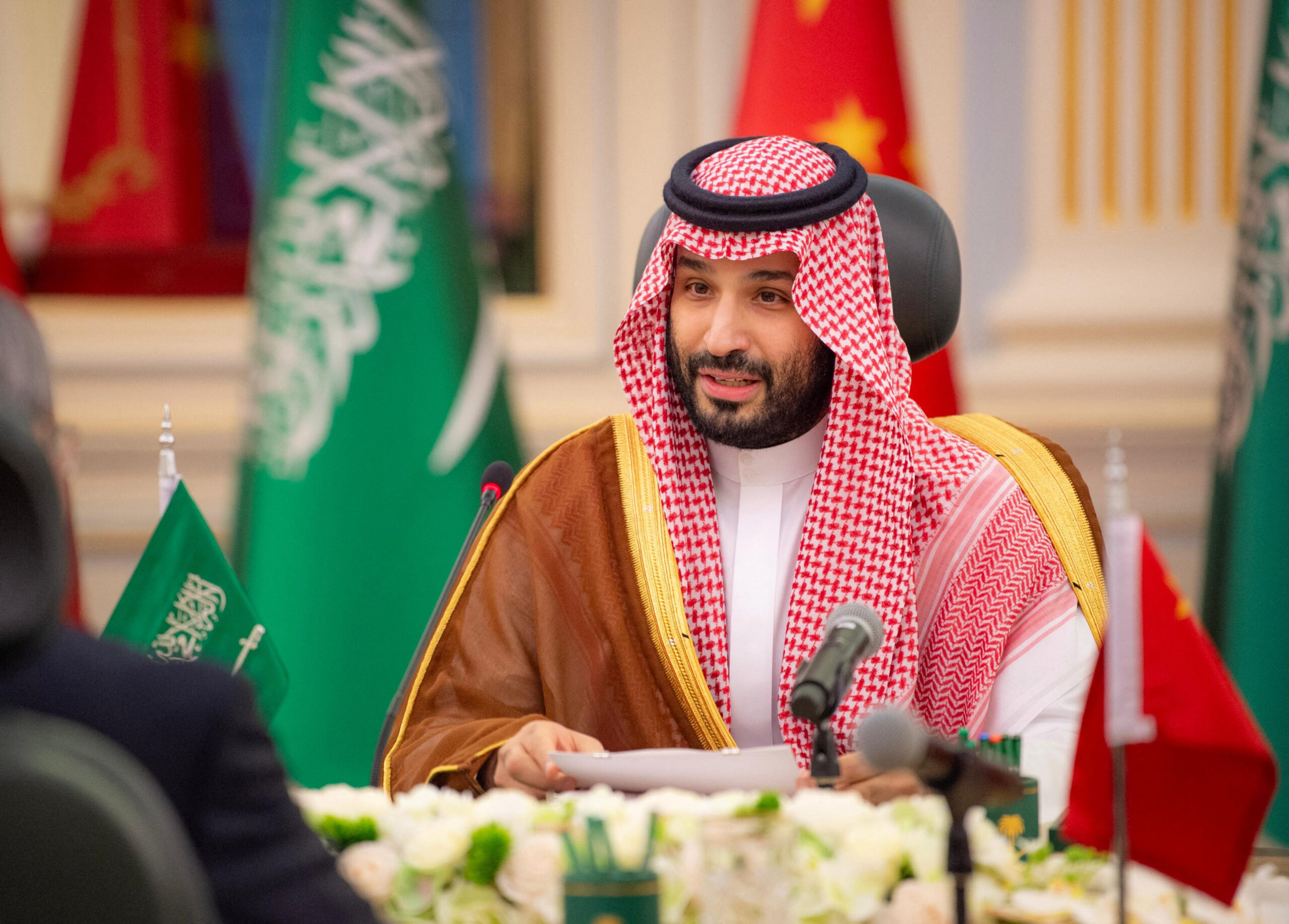
Saudi Crown Prince Mohammed bin Salman attends a meeting in Riyadh, Saudi Arabia, September 11. (Saudi Press Agency/Handout via REUTERS)
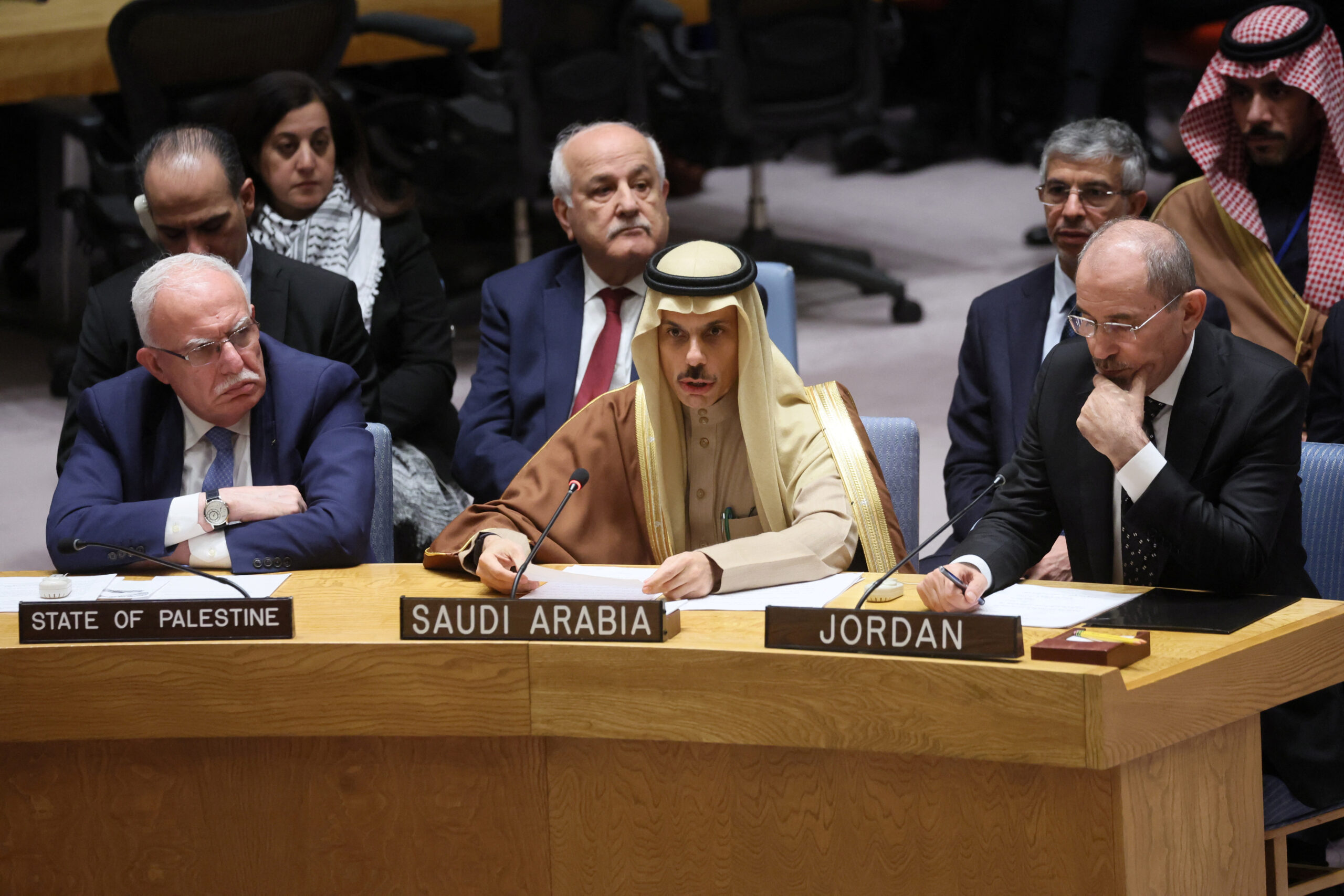
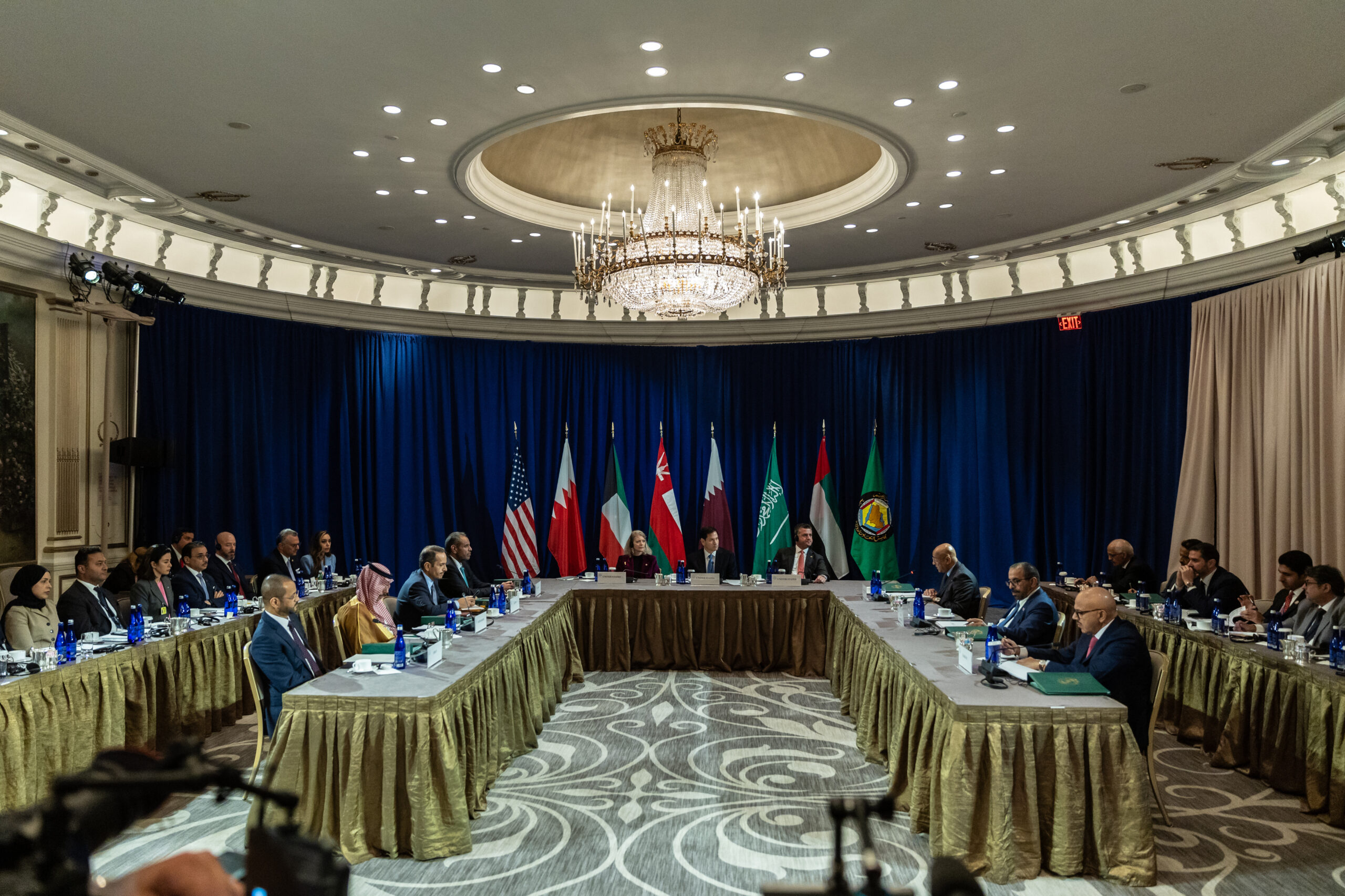
On September 16, the United Arab Emirates Deputy Prime Minister and Foreign Minister Abullah bin Zayed al-Nahyan made clear the UAE will not support postwar efforts in Gaza without the creation of a Palestinian state. With its explicit conditionality and reference to a “status quo” in Gaza that would prevent postwar UAE involvement, the statement represents a modulated toughening of previous UAE expressions of willingness to participate in a temporary international mission after the war. Along parallel lines September 16, a senior Omani Foreign Ministry official insisted Oman “had no intention” of normalizing relations with Israel and called for an immediate stop to Israel’s “barbaric war on Gaza.”
The relative hardening of these Gulf states’ positions on normalizing ties with Israel, or reengagement if the normalization process is already in place, raises the question whether the war in Gaza has created structural challenges that will make a return to a pre-October 7 era of normalization difficult. Has the inner logic of normalization been undermined in a fundamental way by the sheer scale of death and destruction? One way to assess the damage is to try to identify and examine obstacles to a return to the relatively open-ended normalization status quo and trajectory that existed before the war in Gaza began.
Intense Public Anger is Obstacle One
The first obstacle to any return to the normalization process is the intense public anger that has been stirred up – in the Arab world (including Gulf countries), in Israel, and among the Palestinians. In the Gulf and broader region, this anger is forcing governments to harden public positions toward normalizing ties with Israel. For those countries that began normalizing ties with the Abraham Accords in 2020, there is pressure to maintain whatever steps they took in the early days of the war to signal displeasure with Israel’s conduct. For those like Saudi Arabia, that haven’t normalized relations yet, official statements and those by key surrogates indicate the cost for first steps in normalization has gone up considerably. Over the winter, as the suffering and destruction in Gaza mounted, Saudi Arabia began articulating a toughened, more detailed position, for example, voicing the need for an independent Palestinian state recognized on 1967 lines, with Jerusalem as its capital. As the war dragged on, the Saudis became more specific in what Israel would need to do. Reports beginning in May, citing sources in Riyadh, began referring to a “plan B” for comprehensive Saudi-U.S. negotiations on a security agreement, with other elements in a package that would not include an Israel component. Most recently, Crown Prince Mohammed bin Salman insisted Saudi Arabia would not establish diplomatic relations with Israel without the establishment of a Palestinian state with East Jerusalem as its capital. Some analysts insisted that anger in the region had changed the calculations of the Saudis.
A counter view, expressed by Bernard Haykel, professor of Near Eastern Studies at Princeton University and a member of the board of directors of AGSIW, characterized the Saudi move as increasing the price of normalization after the war began. While he acknowledged the Saudis were increasingly expressing some detail as to what would be required of Israel, he viewed their calculations as constant. Their focus remains on Vision 2030 and the massive challenges involved in developing and transforming their country. They needed the security agreement from the United States, with the other elements under negotiation, and viewed normalization with Israel as the U.S. requirement. While anger in the region might shape tactical delays or tweaks in their public language, Saudi strategic calculations have remained the same, according to Haykel.
In Israel, public outrage over the horrendous October 7, 2023 killings, hostage taking, and widespread abuses has hardened attitudes toward a Palestinian state. According to recent polling, support in Israel post-October 7 for some notion of a Palestinian state has settled at around 26%, down from 35% the months before the Gaza war began, and barely half the level of support that existed in 2013. In the same poll, 40% of Israelis said they thought Israel should govern Gaza (the number goes up to 50% among Israeli Jews). Polling in January indicated 94% of Jewish Israelis believed the levels of force being used in Gaza were appropriate or even insufficient. The general consensus in Israel in the decade or more before October 7 was that the issues of settlements and occupation, like the creation of a Palestinian state, were off the table. Those attitudes hardened considerably after October 7. Only 13% of Israelis polled post-October 7 thought lasting peace with Palestinians was possible.
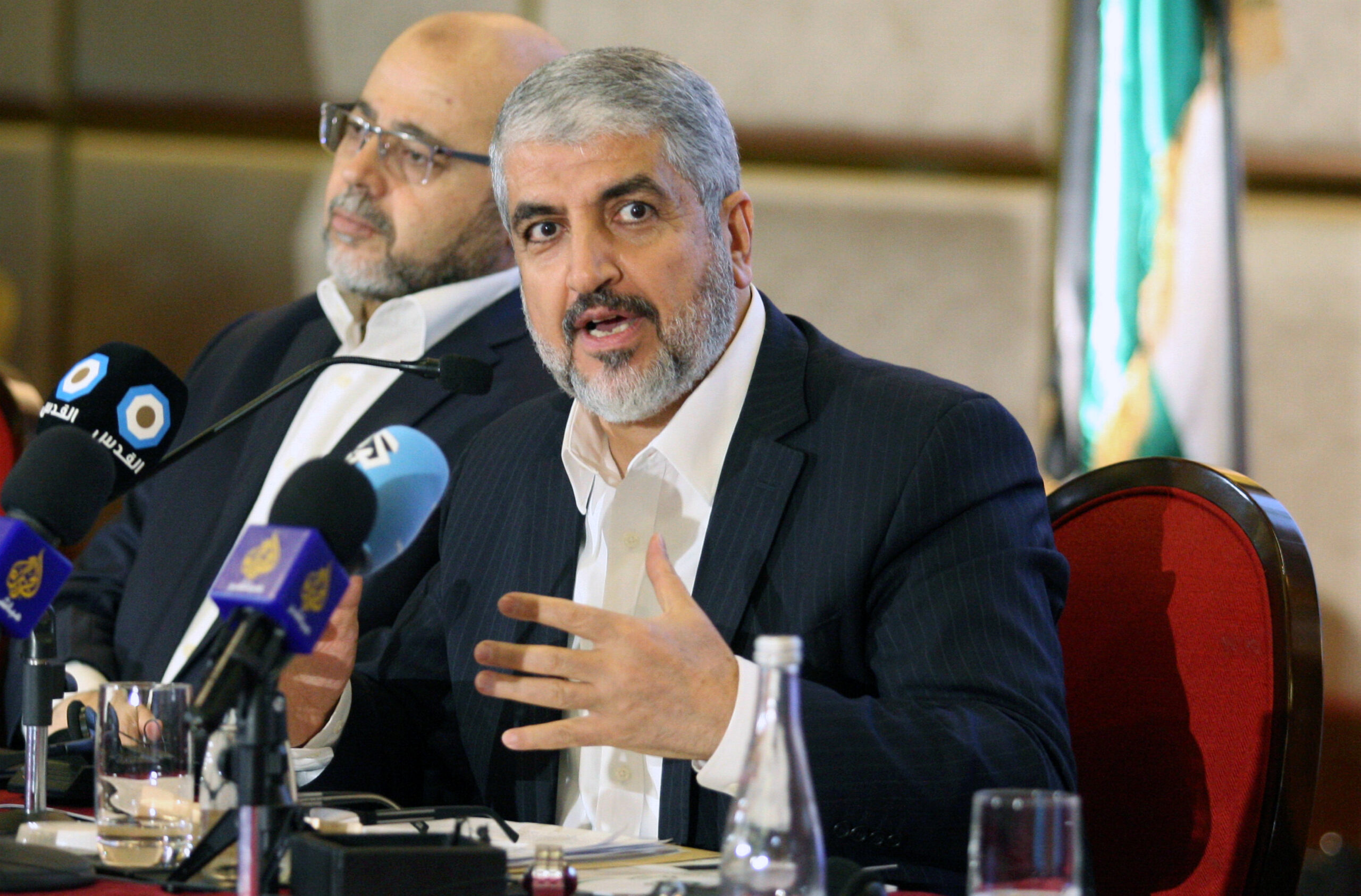
The hardening of Israeli attitudes has been mirrored to a significant degree in post-October 7 Palestinian attitudes, although trends are moderating somewhat. Support for Hamas remains the highest compared to all Palestinian factions (although there has been a moderate drop in support since June). Support for armed struggle has declined slightly in the past three months but remains at nearly 50% of Palestinians polled.
Eroding Prospects for a Two-State Solution
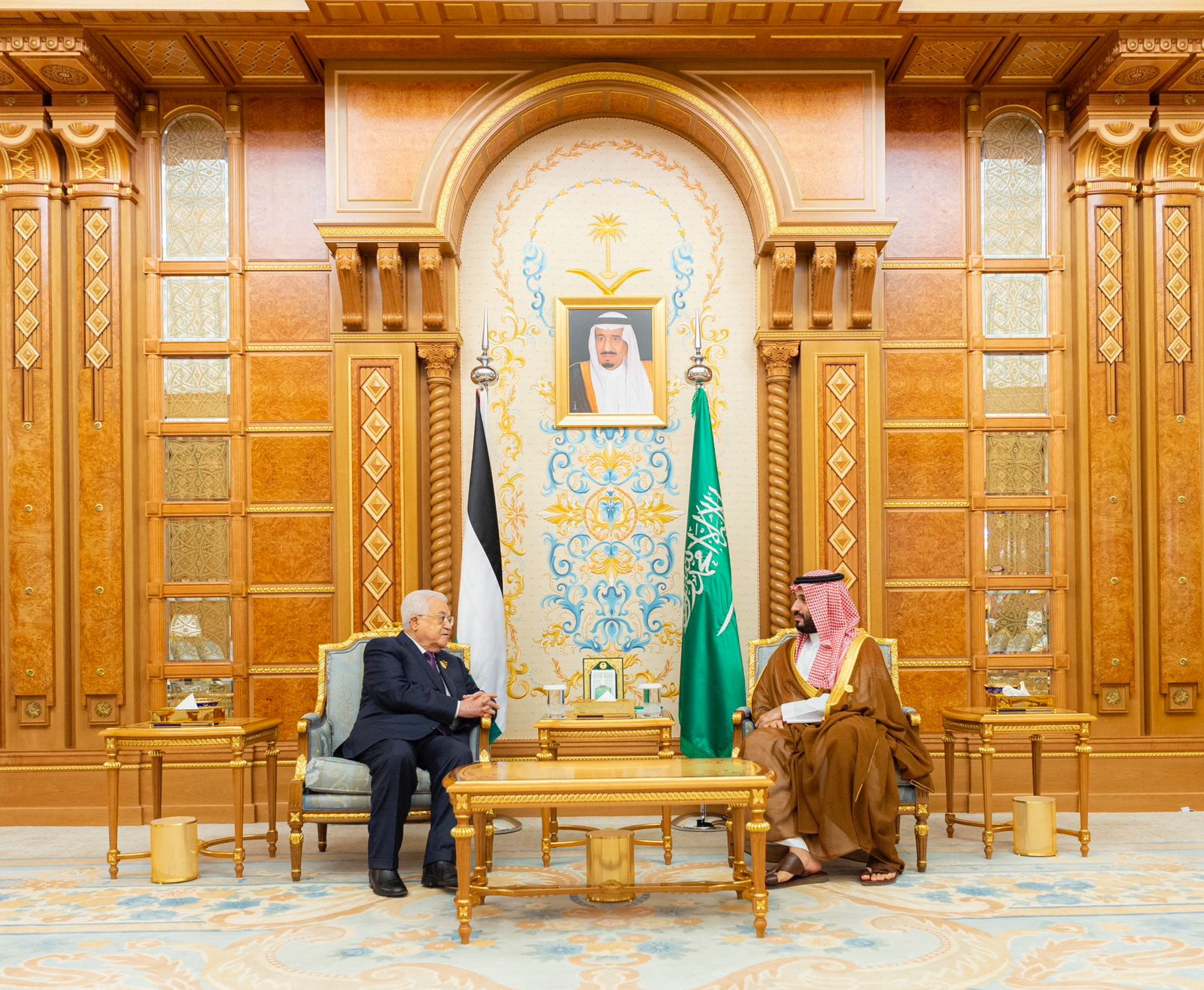
In addition to the anger cited above, leadership challenges among Israelis and Palestinians and broader political trends are eroding prospects for a two-state solution. The prospect of a two-state solution, even factoring in all the difficulties getting there, helps pave the way for further normalization after the war. But the obstacles seem close to overwhelming that prospect. On the Palestinian side, the Palestinian Authority remains deeply unpopular, with less than one-quarter of Palestinians polled expressing satisfaction with its performance, although the numbers improved a bit over the summer. There is a more significant rise – 6% – in the same poll in Palestinian support for a two-state solution.
On the Israeli side, Prime Minister Benjamin Netanyahu is boxed in by two key factors: extreme right-wing coalition elements adamantly opposed to the creation of a Palestinian state and ideologically driven to maximize occupation, expanding settlements in the West Bank, and theorizing about future possibilities for expelling the Palestinian populations in Gaza and the West Bank. The problems go beyond extreme coalition elements. The Israeli Knesset July 17 voted overwhelmingly in favor of a resolution opposing the creation of a Palestinian state. Netanyahu is also boxed in by potential legal jeopardy that incentivizes staying in power (and avoiding a cease-fire and the inevitable investigations into October 7 lapses).
If current trajectories hold, the prospects for a two-state solution are dim, which means Arab normalizing states may eventually have to confront the reality that there is and will remain only a single state – Israel – with a military occupation ruling in perpetuity over second-class Palestinian residents without rights in that state and threatened by occupation impunity and settler expansionism. Such a reality, which was already discernible pre-October 7 on the horizon, looms since the Gaza war in a more pronounced way. Daniel C. Kurtzer, former U.S. ambassador to Israel and Egypt, thought such a scenario likely if there is not movement on a two-state solution. While such a situation “was manageable,” perhaps for a decade or more, people were deluding themselves if they thought it was sustainable permanently. In Kurtzer’s view, allowing Israel to discard any prospect of a two-state solution while maintaining an occupation and expanding settlements would seriously de-legitimize the state of Israel and cast it internationally into permanent pariah status that over time would even erode still-strong bipartisan and widespread public support in the United States for Israel.
In the more immediate term, one former senior State Department official, speaking on condition of anonymity, foresaw postwar spikes in anger in the region that would also be problematic for normalization. He speculated that it was possible, as outsiders get access to Gaza again after the war, there could be the discovery of further human rights abuses and higher death tolls that would inflame Palestinian and Arab opinion.
The Leverage of Normalization
While the situation for normalization is extremely challenging at present, some see a faint silver lining. In this view, the current situation has incentivized leaders in the Gulf and broader region to use their normalization-sourced leverage to insist Israel take steps to support a cease-fire and two-state solution. Daniel Seidemann, an Israeli attorney specializing in legal and public issues in East Jerusalem, assessed the situation in this way, saying normalization trends before the Gaza war “disincentivized Israelis from looking at the costs of the occupation,” including the massive human and reputational costs that would be required for Israel to sustain it long term. He expressed hope that Arab leaders who supported normalization would eventually recognize that Gaza – in many ways but including through common Palestinian attitudes and elements of Hamas ideology, for example – is inextricably linked to the Al-Aqsa Mosque in Jerusalem and the broader religious identity of Jerusalem and its future status. He hoped this realization would prevent Arab stakeholders in the normalization process from “walking away” from Gaza in the critical period after the war ends.
Prospects for Normalization After the War Ends
In diplomacy, there are no real physical structures. Using the term to describe the difficult challenges normalization prospects face in the region is merely a convenient metaphor. But it does give a sense of the significant challenges the process faces and the pressures that Gulf leaders are under as they consider moving forward with – or seek to maintain – normalization with Israel. For now, there is the storm before the quiet. C. David Welch, former U.S. assistant secretary for Near Eastern Affairs and current interim president of AGSIW’s board of directors, believes that eventually, after the war ends and as the anger diminishes and rebuilding in Gaza takes place, the atmosphere for normalization will improve, although the pacing and breadth for improvement remain unclear at this stage. In his assessment, despite the horrendous human loss and trauma on both sides, policymakers in Washington and the region have not fundamentally changed their calculations regarding normalization with Israel and the threat posed by Iran. It would be those calculations that eventually bridge the obstacles that prospects for normalization are currently confronting. In the meantime, with hostilities ratcheting up between Israel and Hezbollah, it could be a sustained interval before those strategic calculations reassert themselves.
The views represented herein are the author's or speaker's own and do not necessarily reflect the views of AGSI, its staff, or its board of directors.
The underlying logic of normalizing ties with Israel remains intact for Gulf states. However, public anger, increased focus on the Palestinian issue, and the rising diplomatic price for Israel will impact the future of normalization.
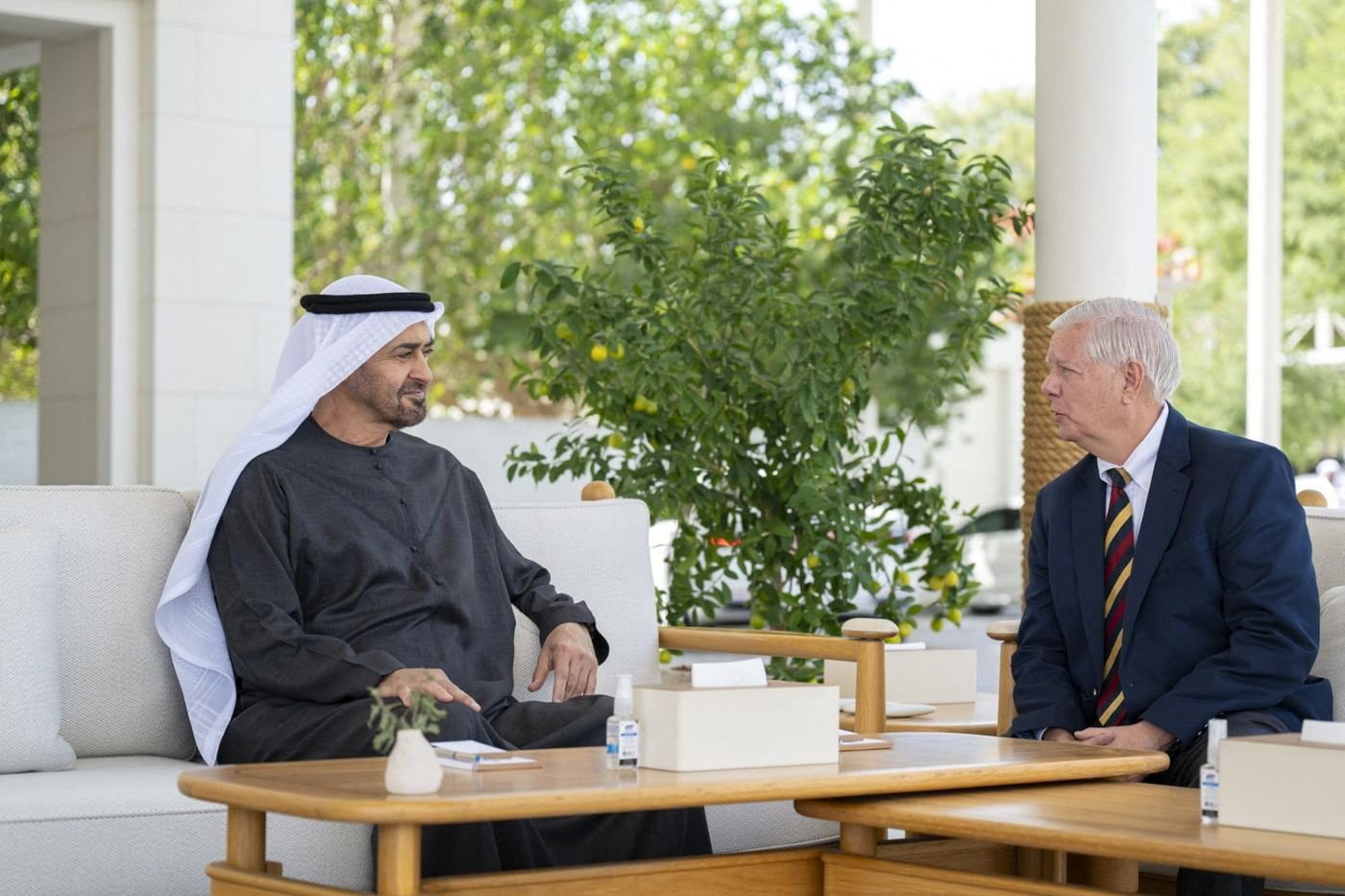
To respond to harsh Saudi criticisms, the Emiratis have sought to reframe, deflect, and calibrate, avoiding escalation while also benefitting from powerful advocates, including Senator Lindsey Graham.
Disputes in the Gulf tend to be structurally constrained by dense interdependence, established patterns of dispute management, and various shades of elite empathy among leaderships.
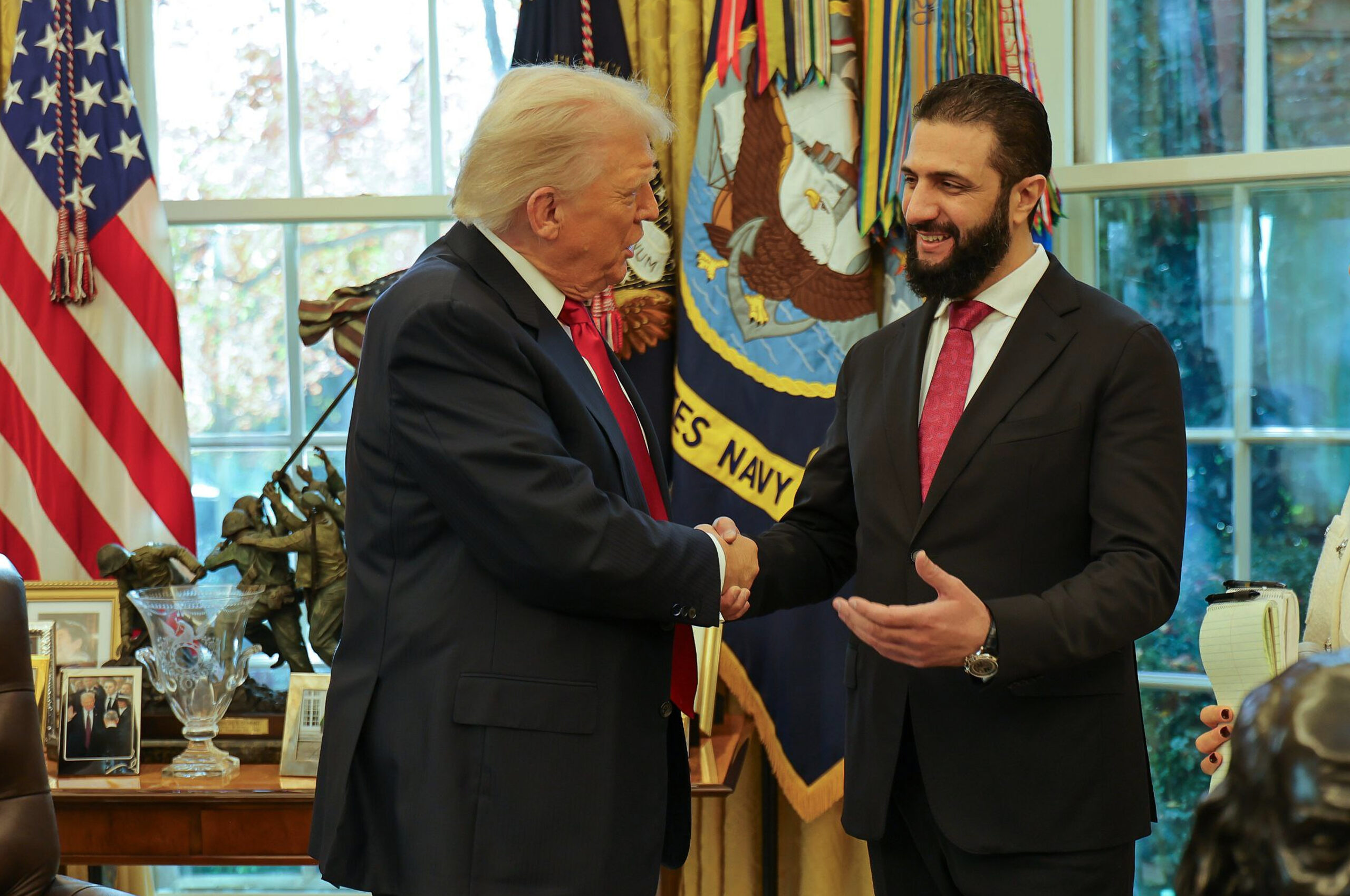
Syria’s challenge moving ahead will be the difficult effort to develop a political system that will empower Syria’s people to embrace the more pedestrian but necessary political compromises upon which inclusion and representative government are based.
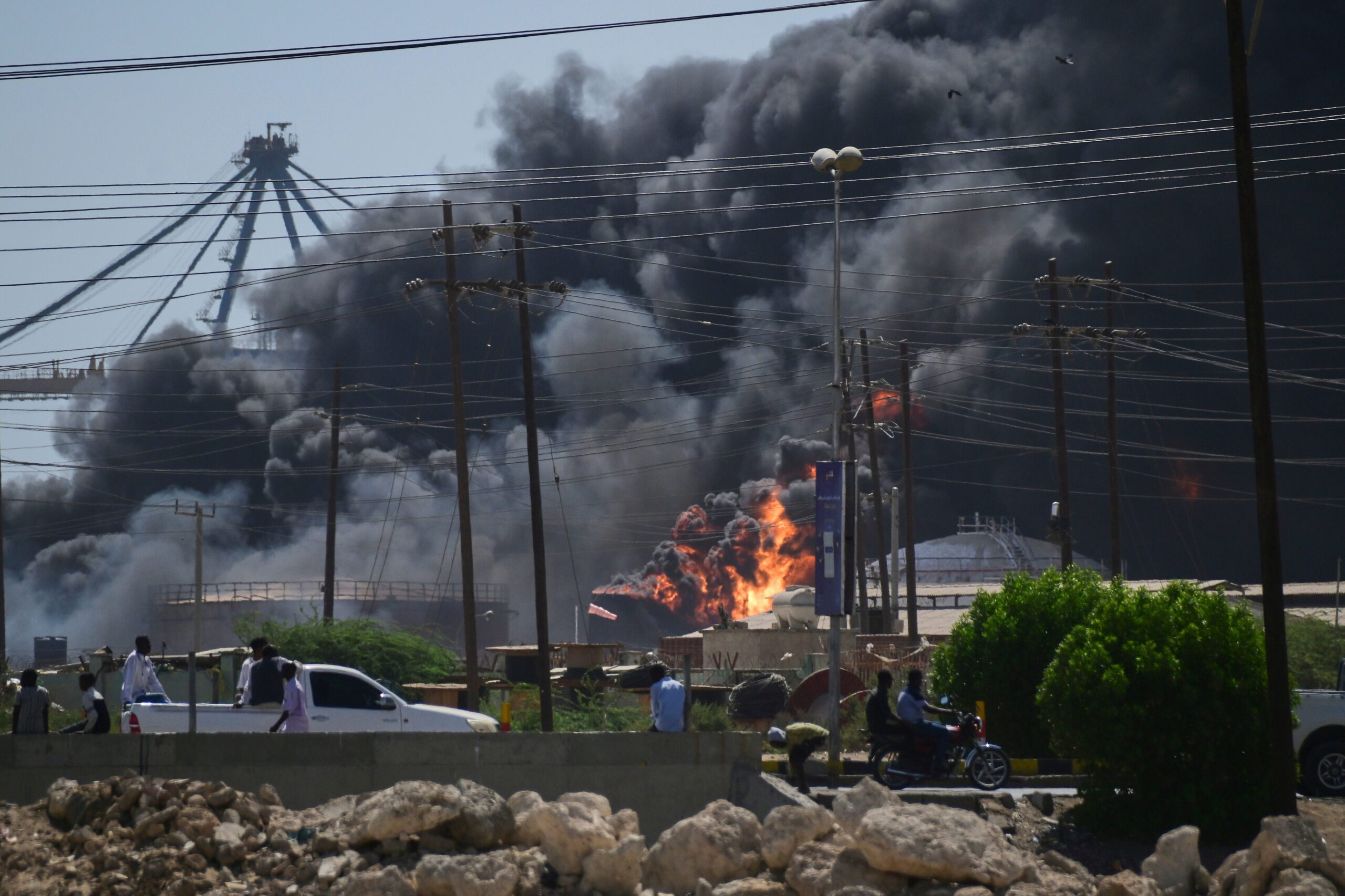
The recent visit by the Saudi crown prince to Washington turbocharged prospects for U.S.-led mediation on Sudan, but the case for skepticism remains compelling.
On January 8, AGSI hosted a virtual roundtable with its leadership and scholars as they look ahead and assess trends likely to shape the Gulf region and U.S. foreign policy during the coming year.