Sep 5, 2023
Former President Mohammad Khatami: Regime Reform or Destruction
The September 5 edition of the Iran Media Review highlights a forceful call for political reform by former President Mohammad Khatami.
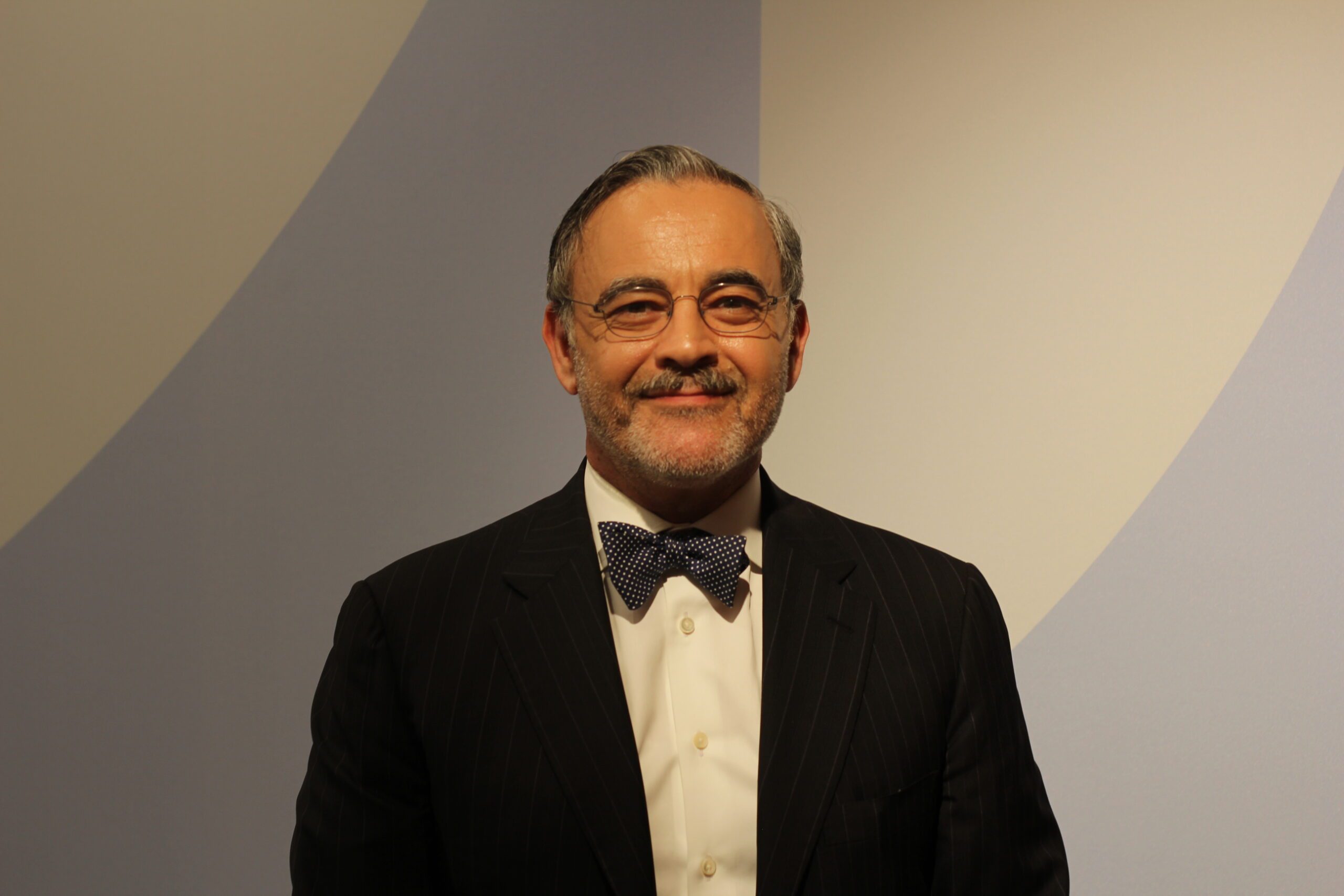
Mohammad Khatami, who served as Iran’s president from 1997 to 2005, was mockingly called “Ayatollah Gorbachev” by regime hard-liners, a reference to the Soviet leader whose reforms accelerated public demands for change and led to the undoing of the Soviet Union. Breaking almost two decades of political silence, Khatami is once again urging Iran to reform itself or brace for total destruction.
- August 23: Addressing the Council of Muslim Political Prisoners Imprisoned Prior to the Revolution, Khatami said, as quoted by reformist Ensaf News:
- “Political regimes must have the ability to reform themselves.” The inability of regimes to correct themselves, Khatami said, “harms Islam, the people, and Iran itself, which will be dealt irreparable damage.”
- Calling the middle class the “engine of society,” Khatami asked: “Where is the middle class? A part of it has been suppressed to the level of the unprivileged classes. Some emigrated, and the rest who have remained in the country are struggling with all sorts of problems.”
- Using uncharacteristically strong words to attack President Ebrahim Raisi and the practice of political filtering of candidates, Khatami continued: “The people are not slaves. Bring someone to office who is capable of doing the job and answering the needs of the people. Now, if you say, ‘We are in power, and this is the way it is’ – well, why do you do it in the name of Islam?”
- Looking back at the 1979 referendum in which the vast majority of Iranian voters voted in favor of the establishment of the Islamic Republic, Khatami asked: “What if we had told people that this republic on the ballot neither respects the vote of the people nor popular sovereignty. It is a republic in which the Parliament has no meaning. Would the people have voted for such a regime? Is the ‘Islamic’ that appears as the prefix to our ‘Republic’ the same as the Islam explained in Neauphle-le-Chateau?” referencing Grand Ayatollah Ruhollah Khomeini’s statements while in exile in France. “This Islam, meaning this particular interpretation of Islam” dominant in the Islamic Republic today, “is not compatible with republicanism, democracy, and the rule of the people. This is the root cause of all inefficacies.”
- Concluding his remarks, Khatami said: “We do not regret the revolution, nor am I dismissing the Islamic Republic, but we are saying that the present state of affairs is far from the Islamic Republic … A regime whose goals are not development, welfare, and justice – in the real meaning of the word – will not last. As I have said before: If you do not reform yourself, your destruction is assured.”
- Asked about parliamentary elections in a question and answer session, Khatami said: “Elections are held for the sake of the people, and elections must be real. You can’t bind someone’s hands and feet and say, ‘Swim’! When all the doors are shut and large parts of the people do not have any candidate” representing their viewpoints, “for whom should the people vote?”
The views represented herein are the author's or speaker's own and do not necessarily reflect the views of AGSI, its staff, or its board of directors.
Related
Iran Media Review
Sep 1, 2023
Entekhab Analyst’s Comparison of Iranian and Saudi Foreign Policy
The September 1 edition of the Iran Media Review highlights an increasingly common critique of Iranian foreign policy vis-à-vis great powers.
Iran Media Review
Aug 29, 2023
Iranian Oil Officials Optimistic About the United States, Concerned About the Russian Rival
The August 29 edition of the Iran Media Review examines the potential impact of reduced U.S.-Iranian tensions on Iran’s oil exports.
Sep 1, 2023
Entekhab Analyst’s Comparison of Iranian and Saudi Foreign Policy
The September 1 edition of the Iran Media Review highlights an increasingly common critique of Iranian foreign policy vis-à-vis great powers.
Aug 29, 2023
Iranian Oil Officials Optimistic About the United States, Concerned About the Russian Rival
The August 29 edition of the Iran Media Review examines the potential impact of reduced U.S.-Iranian tensions on Iran’s oil exports.
Analysis
Political Life and Legacy of Iran’s Ayatollah Khamenei
Ayatollah Ali Khamenei was killed in his office in Tehran at age 86, leaving behind a country in ruins and on the verge of civil war and potential disintegration.
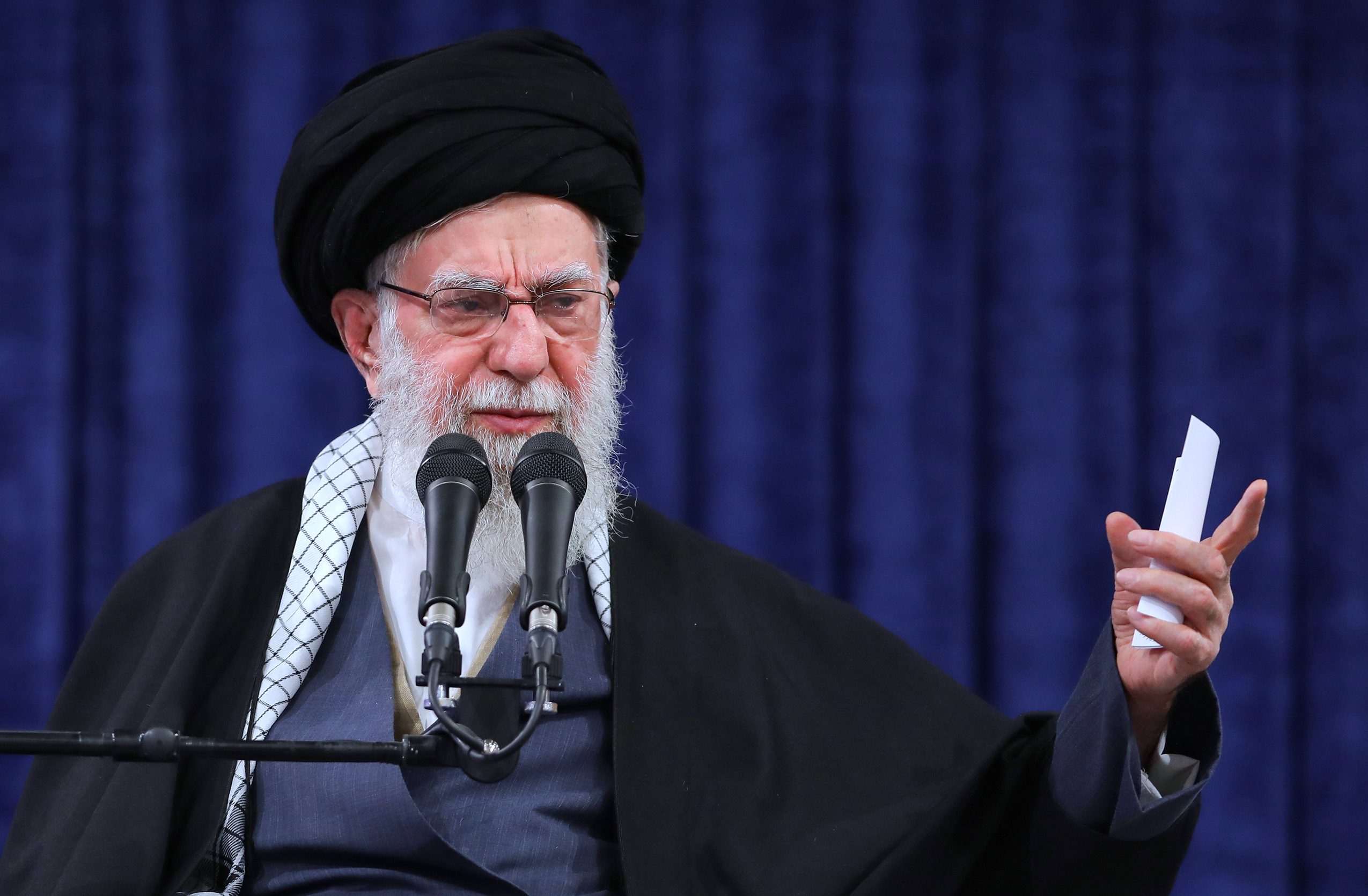
Iranian Regime Fighting for Survival
Iran is signaling that it will not absorb attacks passively. But whether this strategy ensures the regime’s survival, seals its fate, or accelerates a broader catastrophe will shape the region for years to come.
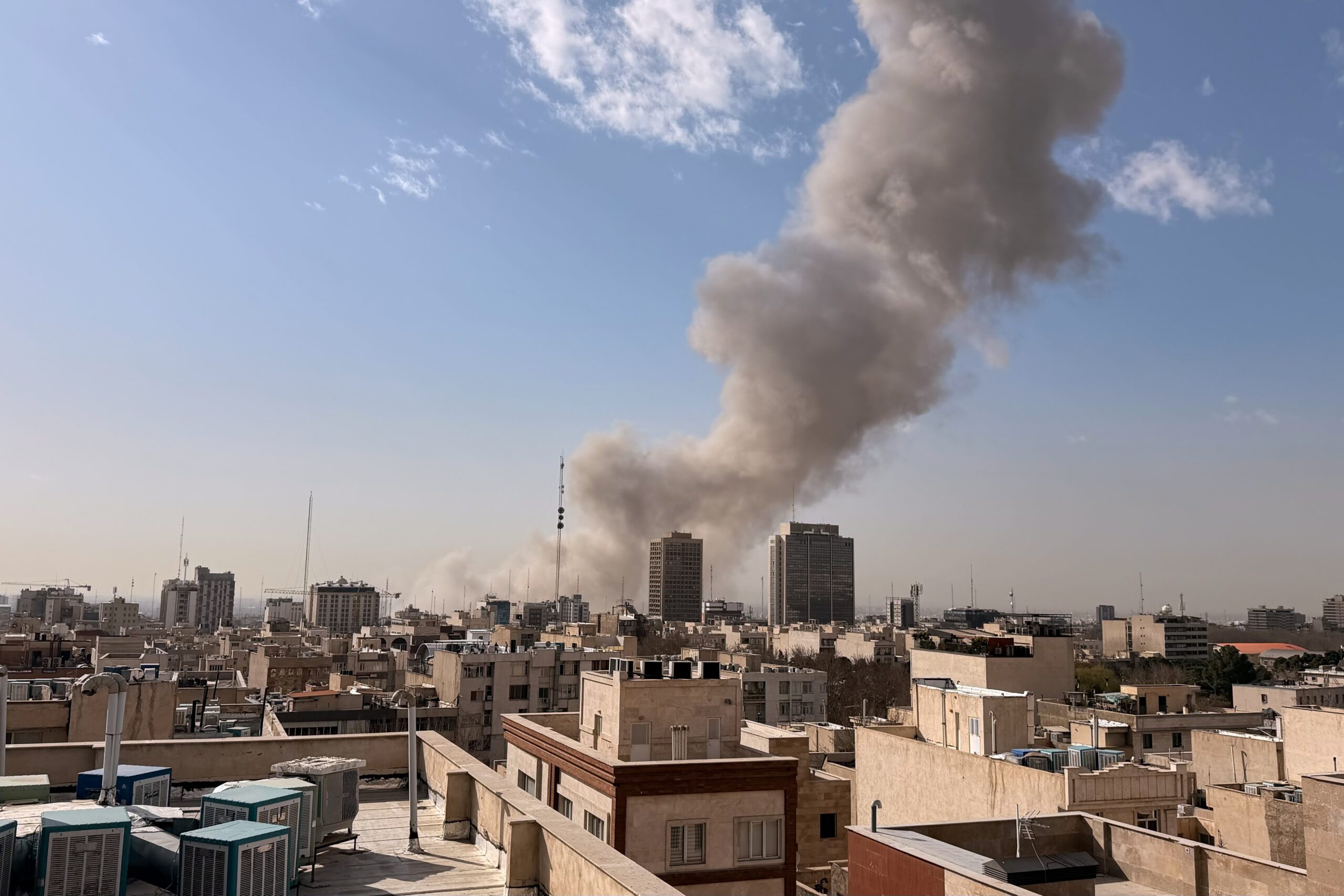
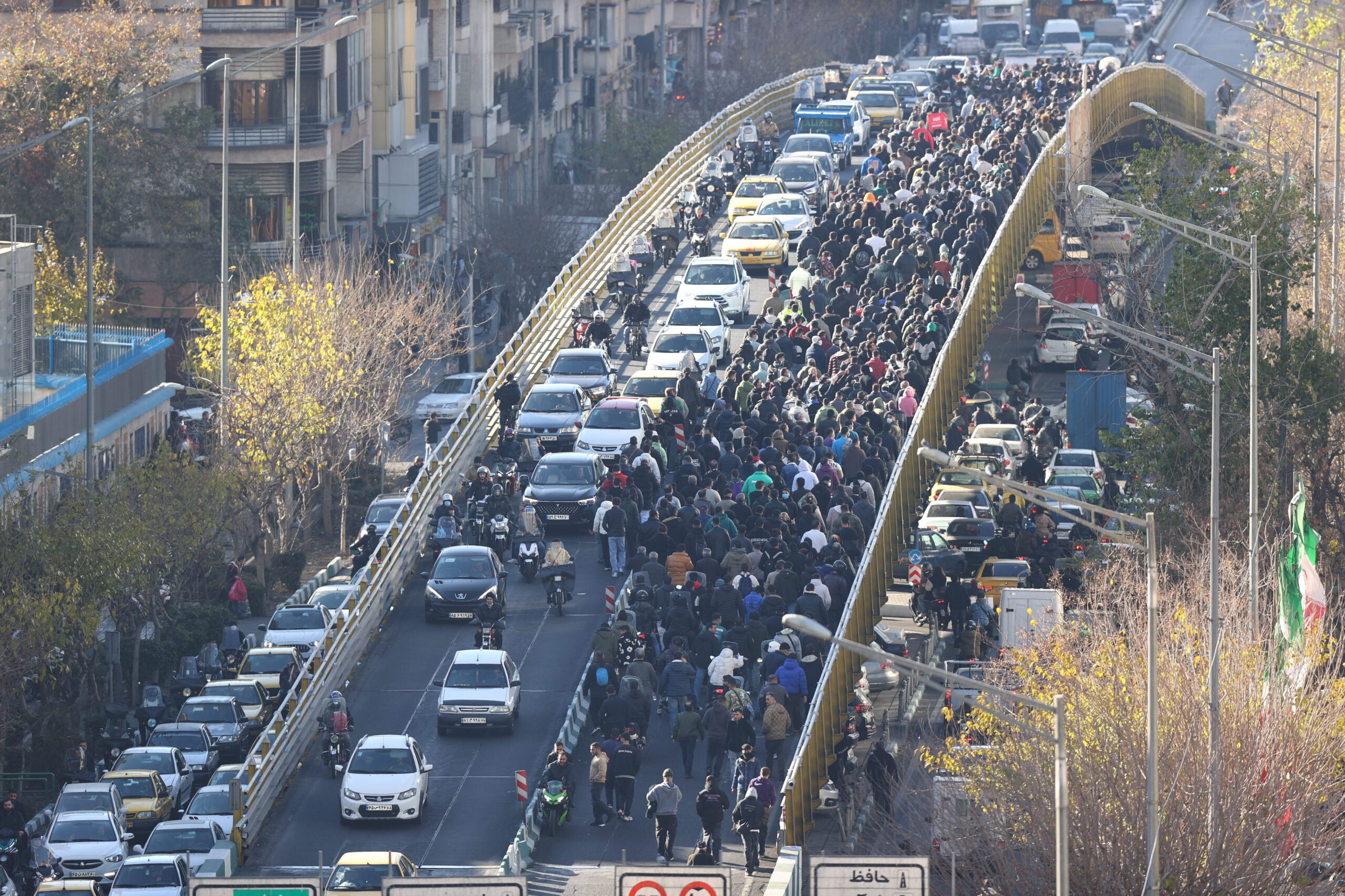
Iran’s 2025-26 Protests in Perspective
The erosion of the regime’s legitimacy across broad segments of society, combined with the breadth of the 2025-26 protest coalition, raises the possibility that a new confrontation could trigger renewed anti-regime mobilization.
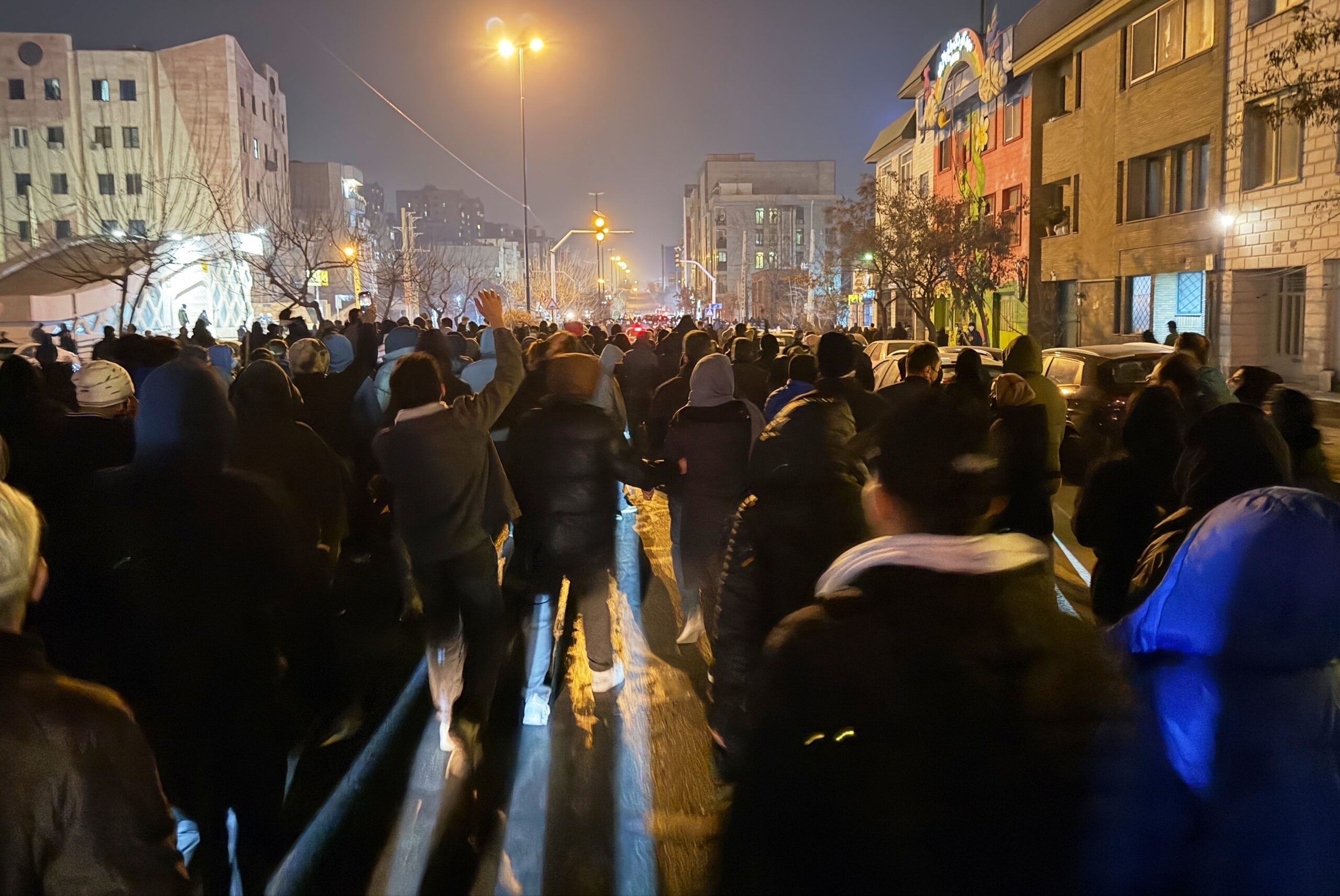
Protests in Iran: Regime Deal With Trump or Degrade Toward Collapse?
Though the Iranian regime is facing increasing pressure from protesters and armed insurgent groups, it is not yet doomed – but without a deal with the United States, the regime is likely headed for a slow collapse.
Events
Mar 2, 2026
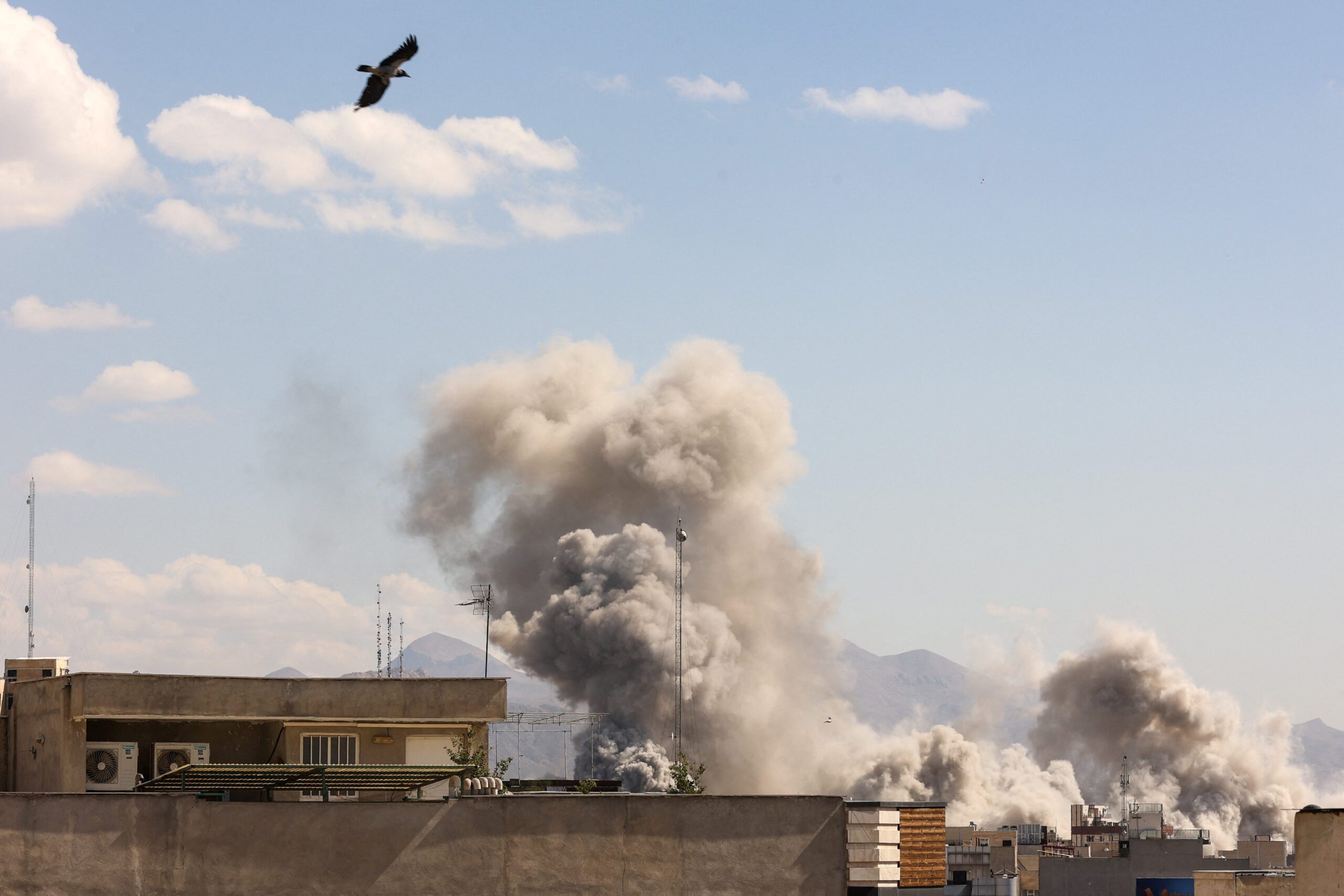
After the Shock: Implications of the U.S.–Israeli Strikes and Iran’s Leadership Transition
On March 2, AGSI hosted a discussion on the U.S.-Israeli strikes on Iran.
Speakers



Jan 8, 2026
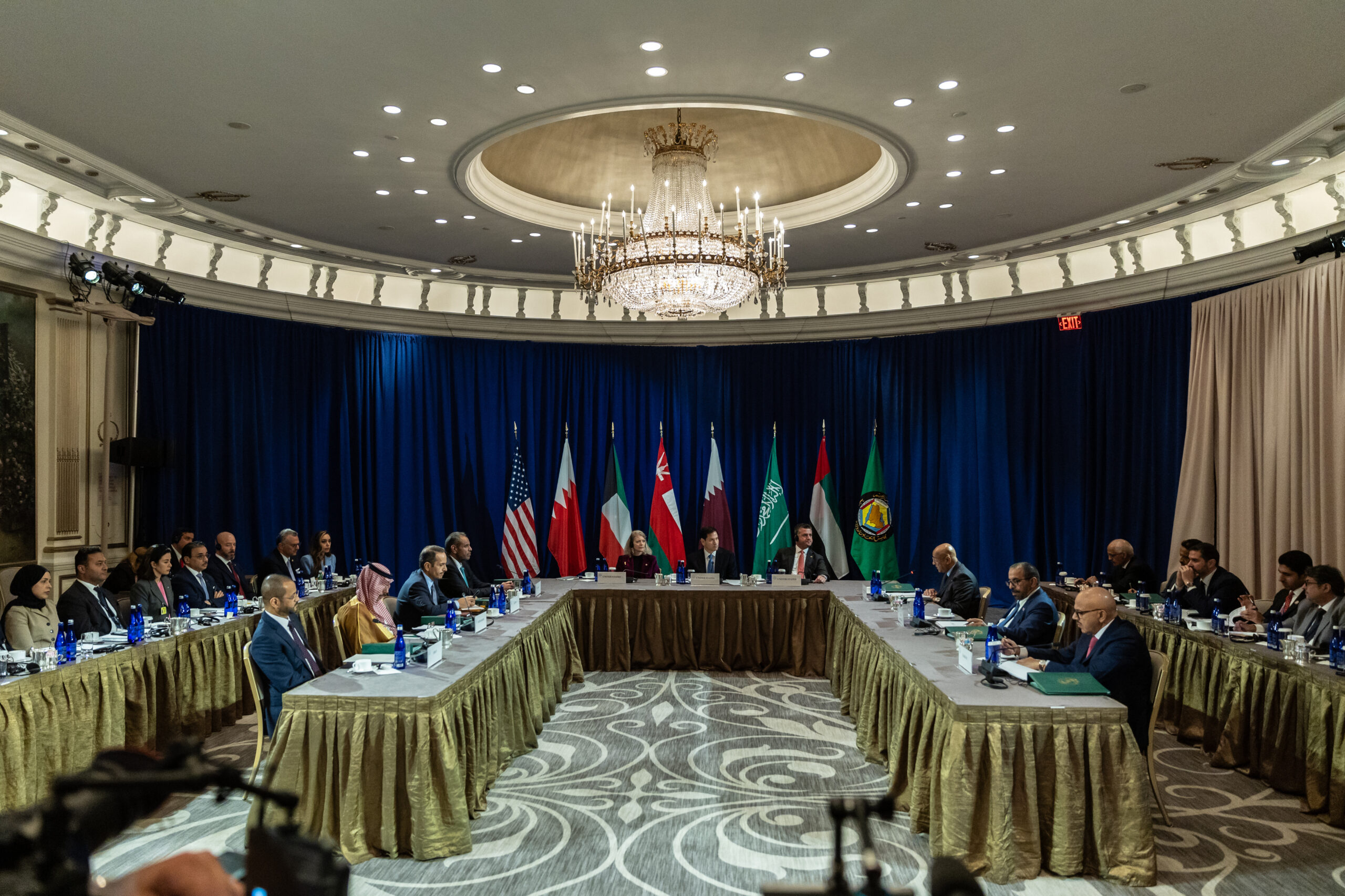
Outlook 2026: Prospects and Priorities for U.S.-Gulf Relations in the Year Ahead
On January 8, AGSI hosted a virtual roundtable with its leadership and scholars as they look ahead and assess trends likely to shape the Gulf region and U.S. foreign policy during the coming year.
Speakers
Sep 16, 2025
Book Talk: Iran’s Grand Strategy: A Political History
On September 16, AGSI hosted a discussion on the roots of Iran's strategic outlook.
Speakers
Jun 23, 2025
U.S. Strike on Iran: Regional and Diplomatic Fallout
On June 23, AGSI hosted a discussion on the United States' attack on Iranian nuclear sites.
Speakers
