Book Review – The Wages of Oil: Parliaments and Economic Development in Kuwait and the UAE
Perspectives on Politics, Volume 13, Issue 03, September 2015, pp 898-899 Michael Herb is an accomplished scholar of the Gulf Arab states and his new book appeals to the growing academic and policy interest in the sub-region. Conducting research in the Gulf Cooperation Council (GCC) states presents challenges: state surveillance, lack of transparency in government...
Michael Herb is an accomplished scholar of the Gulf Arab states and his new book appeals to the growing academic and policy interest in the sub-region. Conducting research in the Gulf Cooperation Council (GCC) states presents challenges: state surveillance, lack of transparency in government decision-making, including access to basic demographic and economic data, and the cultural aversion to discussing political matters publicly. Herb makes an important move forward in the field by applying both methodological discipline and standard concepts of comparative politics to his cases.
How the Gulf states choose to invest now could determine not just how they survive this crisis but how they sustain their role as both allocators and magnets of capital and superpowers in the global energy system.
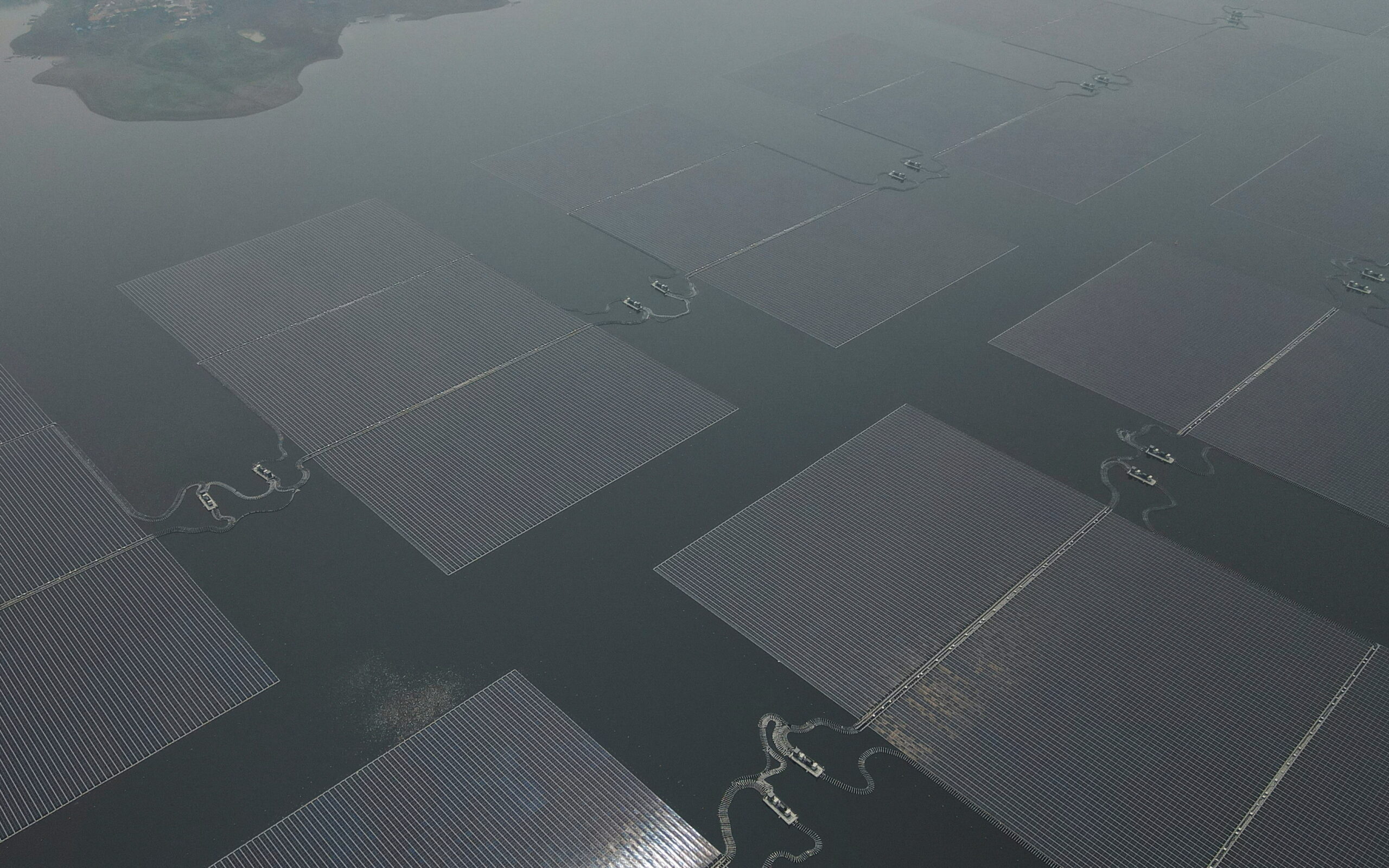
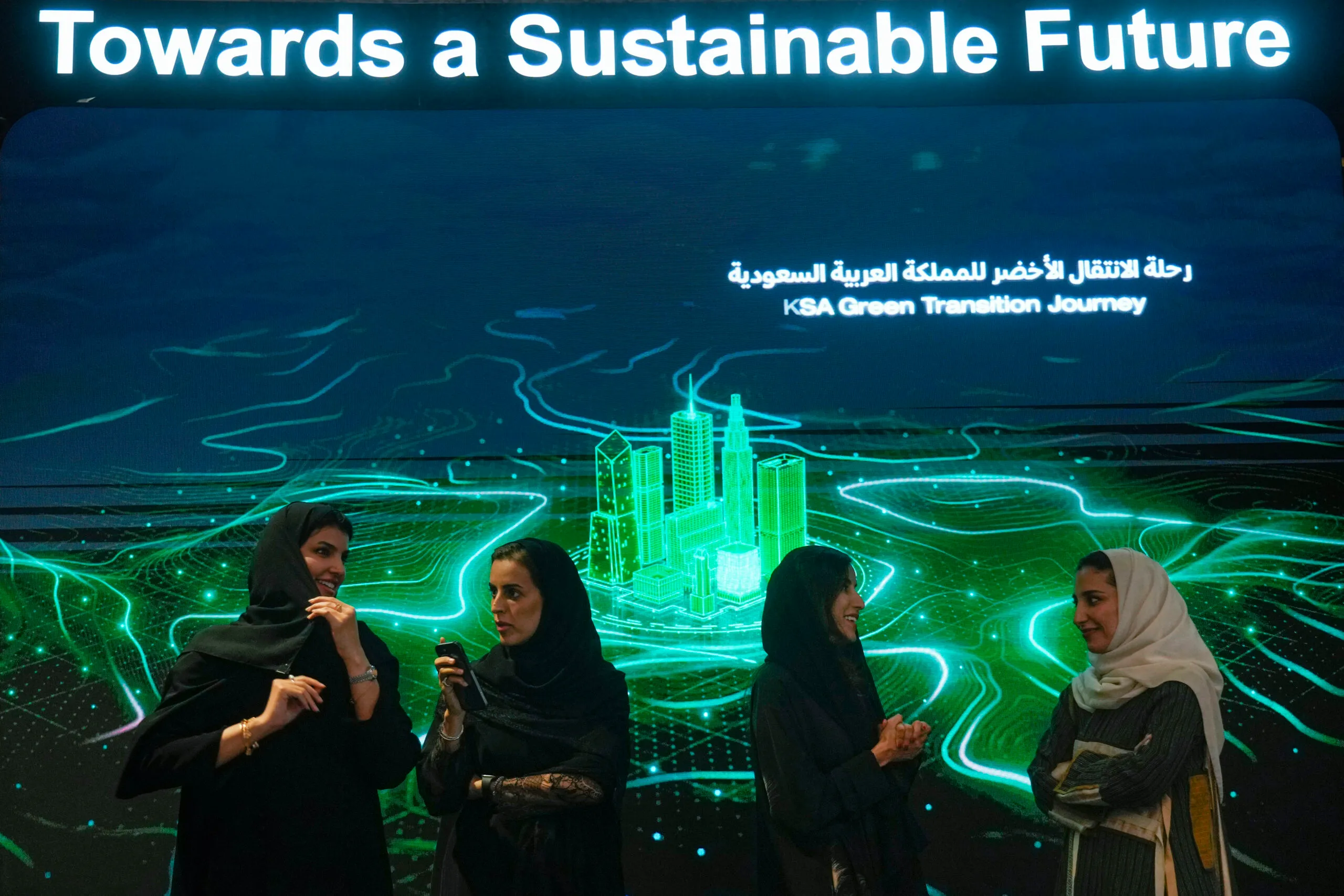
The conflict has turned renewables into security assets at home, and rendered them far more expensive to build out, while Gulf states send clean energy capital abroad.
Senior Research Scholar, Center on Global Energy Policy, Columbia University’s School of International and Public Affairs; Senior Fellow, Middle East Institute
How the Gulf states choose to invest now could determine not just how they survive this crisis but how they sustain their role as both allocators and magnets of capital and superpowers in the global energy system.
AGSI explains what Israel’s sudden and massive attack on Iran is likely to mean for Gulf Arab states, Iran, the United States, and global and regional economies.
The conflict in Yemen has exacted a disastrous toll on the country. This paper considers the outside forces in the conflict, seeking to elucidate who they are, what the nature is of their involvement, and what their converging and conflicting interests mean for reconstruction.
 Michael Herb is an accomplished scholar of the Gulf Arab states and his new book appeals to the growing academic and policy interest in the sub-region. Conducting research in the Gulf Cooperation Council (GCC) states presents challenges: state surveillance, lack of transparency in government decision-making, including access to basic demographic and economic data, and the cultural aversion to discussing political matters publicly. Herb makes an important move forward in the field by applying both methodological discipline and standard concepts of comparative politics to his cases.











Sep 9, 2015
Book Review – The Wages of Oil: Parliaments and Economic Development in Kuwait and the UAE
Perspectives on Politics, Volume 13, Issue 03, September 2015, pp 898-899 Michael Herb is an accomplished scholar of the Gulf Arab states and his new book appeals to the growing academic and policy interest in the sub-region. Conducting research in the Gulf Cooperation Council (GCC) states presents challenges: state surveillance, lack of transparency in government...
1 min read