Jul 8, 2022
Bahrain Reduced to Province of Iran on President Raisi’s Instagram
The July 8 edition of the Iran Media Review considers whether using the question of Bahraini sovereignty is worth the risk of increasing tensions with neighbors and perpetuating diplomatic isolation.

On May 14, 1970, the Iranian Parliament recognized the independence of Bahrain pursuant to United Nations Security Council Resolution 278. In doing so, Iran renounced its historical claims to the island country, and the Islamic Republic, too, officially recognizes Bahrain as a sovereign state. But periodically, state-censored Iranian media outlets revive the question of Bahrain’s independence and sovereignty:
- June 10, 2022: Iranian President Ebrahim Raisi’s Instagram account posted a map of Iran including Bahrain. The map has since been deleted, so while Raisi’s personal view is unclear, removal of the post seems to reaffirm the Islamic Republic’s long-standing official stance – oft toyed with over the years – on the sovereignty of Bahrain.
- July 9, 2007: Kayhan newspaper’s editor-in-chief, Hossein Shariatmadari, in an editorial responding to a Gulf Cooperation Council statement on Bahrain, wrote: “Today, the main demand of the people of Bahrain is return of this province, which was severed from Iran, back to its original and maternal land, meaning Islamic Iran. This, obviously, is the incontrovertible right of Iran and the right of the people of the severed province, which must and cannot be ignored.” As the newspaper at times serves as the unofficial mouthpiece of Supreme Leader Ayatollah Ali Khamenei, the piece caused a stir, which regime officials tried to calm by emphasizing that the Islamic Republic recognizes Bahrain as a sovereign state.
- February 10, 2009: Ali-Akbar Nateq Nouri, former speaker of parliament, commemorating the 30th anniversary of the revolution in Iran, caused another stir by emphasizing that Bahrain used to be Iran’s “fourteenth province” and was “represented in the Iranian Parliament.” Following renewed protests from the GCC, Iranian officials reiterated the official position of the Islamic Republic in an attempt to repair the damage.
- May 14, 2012: In the wake of the proposed union between Bahrain and Saudi Arabia, Hossein Ali Shahriari, a parliamentarian, said in a speech in front of Parliament: “If something is about to happen in Bahrain, the Islamic Republic of Iran has rights over this country, and not Saudi Arabia … I am asking our statesmen to follow up on this issue. Bahrain must be handed over to the Islamic Republic of Iran and not to the Al Saud ruling family.” This address also was followed by the familiar pattern of Arab protests and damage control attempts by Islamic Republic officials.
- June 5, 2022: Fars News Agency ran a backgrounder with the headline: “How is it possible to dismember a part of the land, which for thousands of years has belonged to a state? The British do such things through divide and rule. This is how they managed to separate the dear land of Bahrain from Iran.”
The Bahraini government and the GCC have not yet reacted to the Iranian president’s Instagram post, but to what end does Iran’s state-censored media produce such pieces? Stirring up nationalist sentiments in Iran seems unworthy of the risk in increasing tensions with neighbors and perpetuating diplomatic isolation.
AGSIW’s Iran Media Review monitors, translates, and reviews critical Persian-language media sources identifying important developments and trends in the Islamic Republic of Iran.
The views represented herein are the author's or speaker's own and do not necessarily reflect the views of AGSI, its staff, or its board of directors.
Related
Iran Media Review
Oct 13, 2026
From Neighbor to Target: Iranian Analysts on the UAE
The October 13 edition of the Iran Media Review explores calls by senior Iranian strategists for Iran to target the United Arab Emirates and Dubai’s airport.
Iran Media Review
Oct 9, 2026
Food Baskets for the Faithful Servants
The October 9 edition of the Iran Media Review considers Iranian media questions regarding aid distribution to government employees and the resentment building among Iranians left outside the circle.
Iran Media Review
Oct 6, 2026
Is Iran’s Economy in Free Fall or Will It Prove Resilient?
The October 6 edition of the Iran Media Review examines contrasting assessments of Iran’s economy.
Oct 13, 2026
From Neighbor to Target: Iranian Analysts on the UAE
The October 13 edition of the Iran Media Review explores calls by senior Iranian strategists for Iran to target the United Arab Emirates and Dubai’s airport.
Oct 9, 2026
Food Baskets for the Faithful Servants
The October 9 edition of the Iran Media Review considers Iranian media questions regarding aid distribution to government employees and the resentment building among Iranians left outside the circle.
Oct 6, 2026
Is Iran’s Economy in Free Fall or Will It Prove Resilient?
The October 6 edition of the Iran Media Review examines contrasting assessments of Iran’s economy.
Analysis
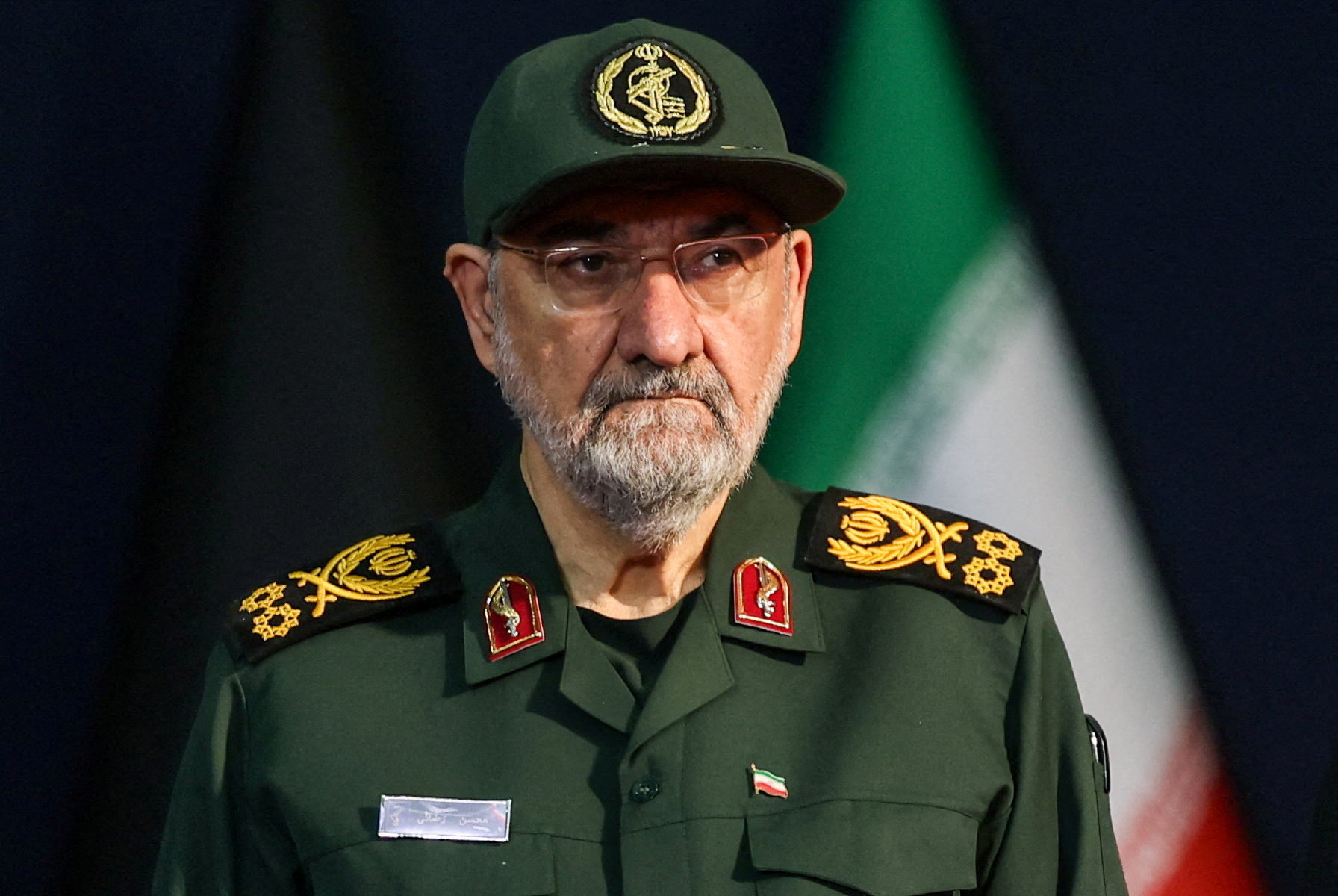
Mohsen Rezaei at the Helm of Iran’s Supreme National Security Council
Under Rezaei, the SNSC could prove constructive or paralyze strategic decision making.
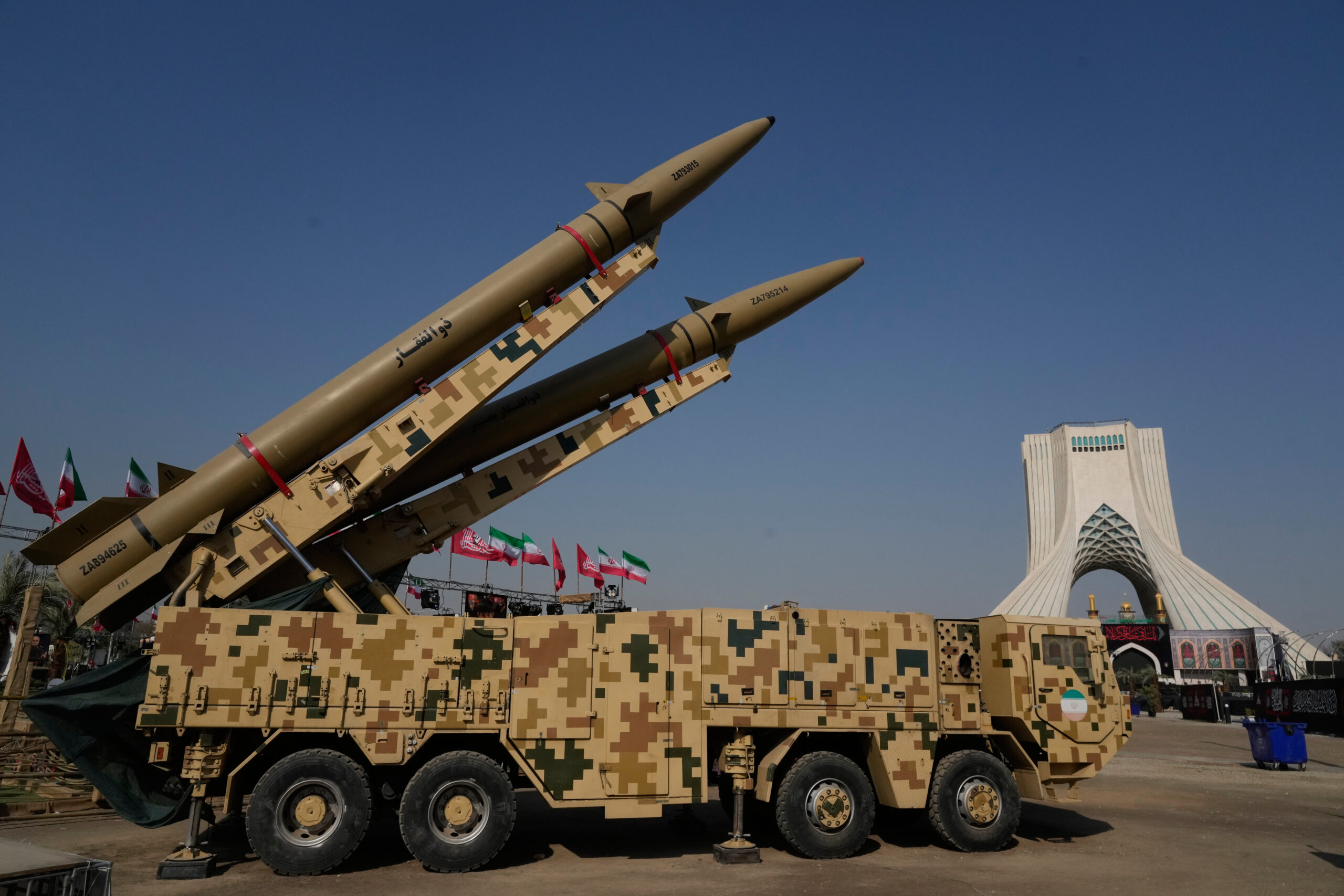
The Islamic Republic Returns to Offense
After U.S.-Israeli strikes killed Supreme Leader Ayatollah Ali Khamenei on February 28, Iran’s collective leadership has concluded that the best defense is a good offense.
Iran’s Collective Strategic Decision Making
Wartime pressure has temporarily aligned the leadership’s overriding interest in regime survival, even as its members continue to differ over the costs, methods, and ultimate objectives of the war.
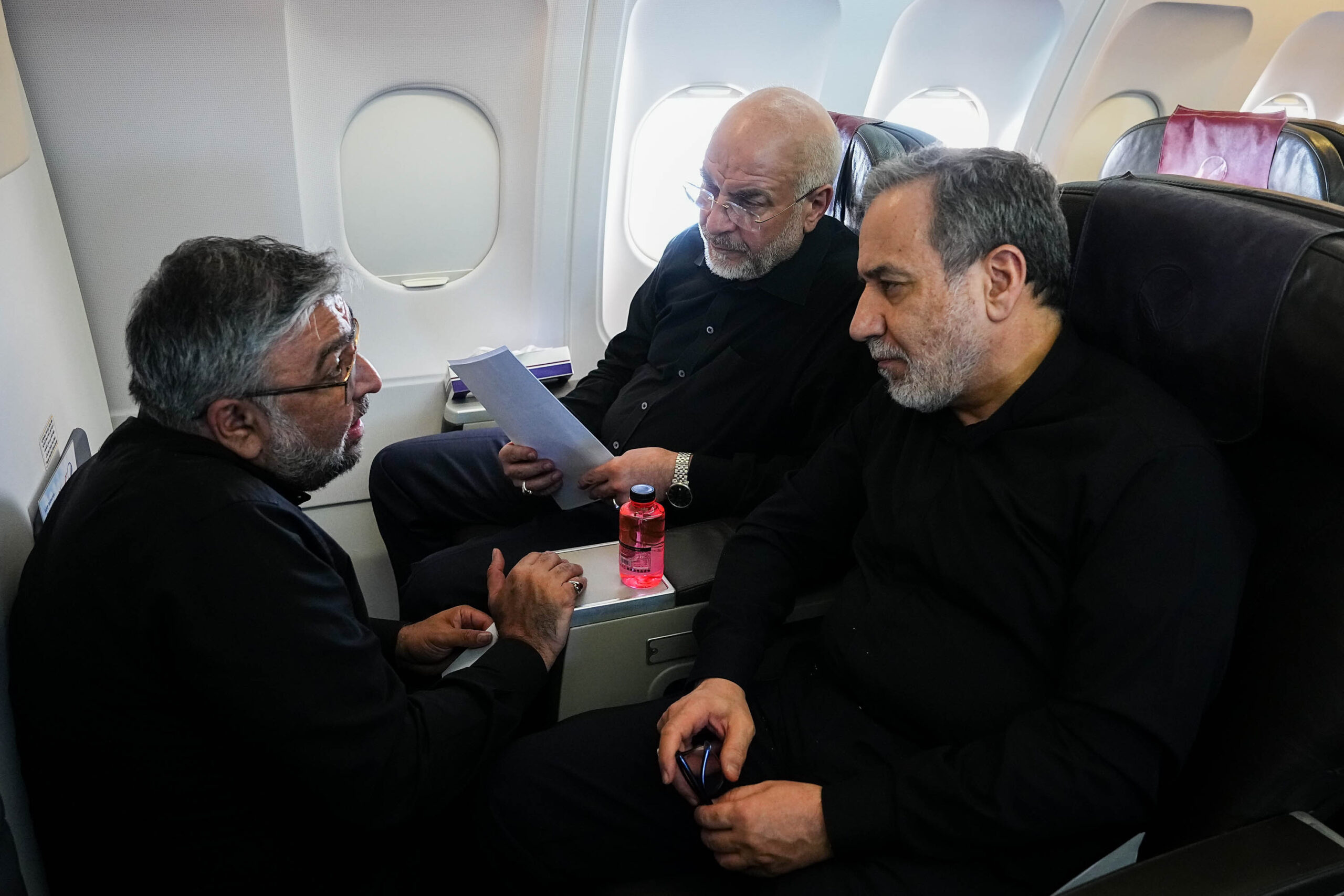
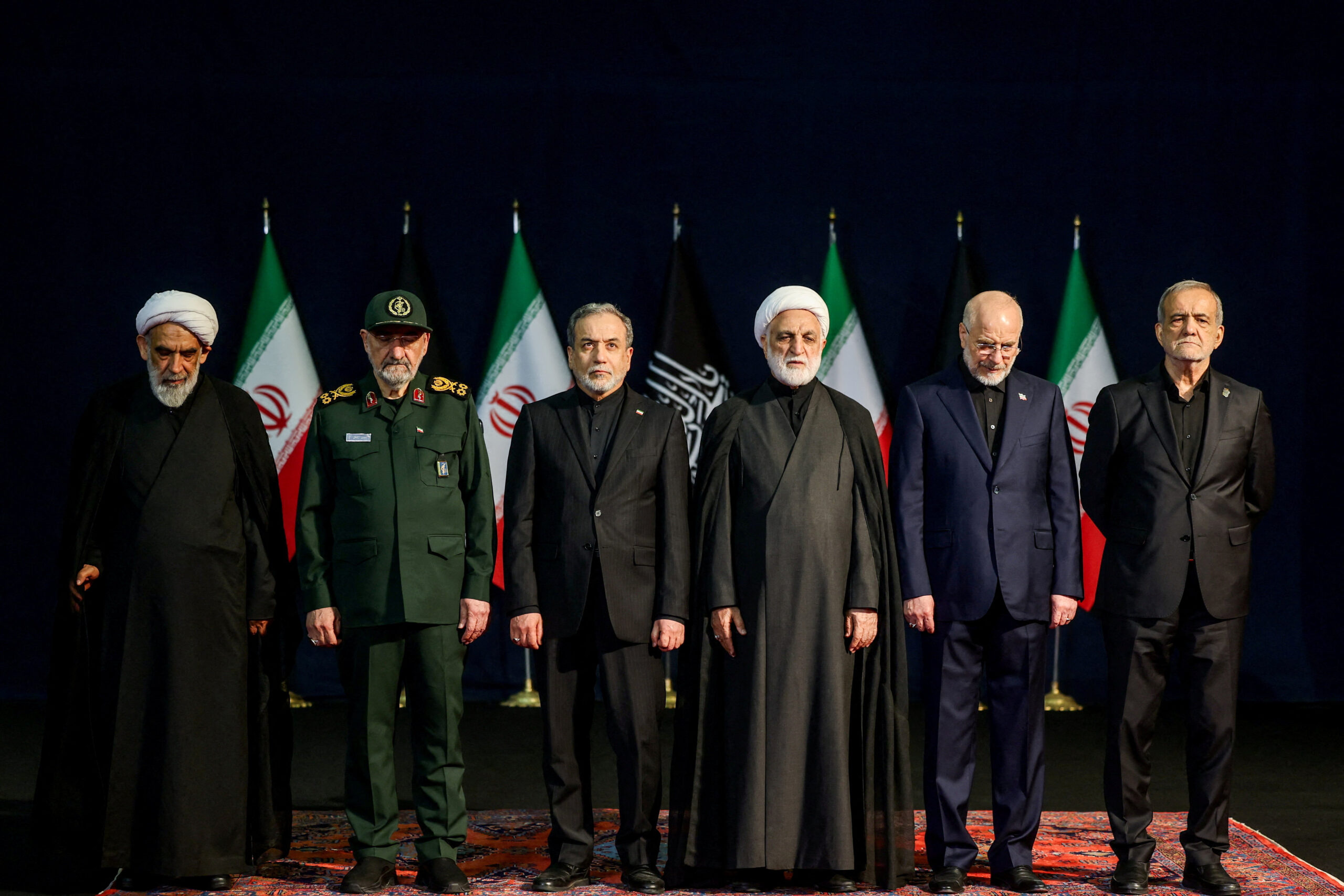
The Islamic Republic’s Collective Leadership
While there is historical precedent for collective leadership in Iran, today’s leadership includes representatives of the IRGC and regular military – a reflection of the IRGC’s expanding role and the necessities of governing under wartime conditions.
Events
Oct 6, 2026
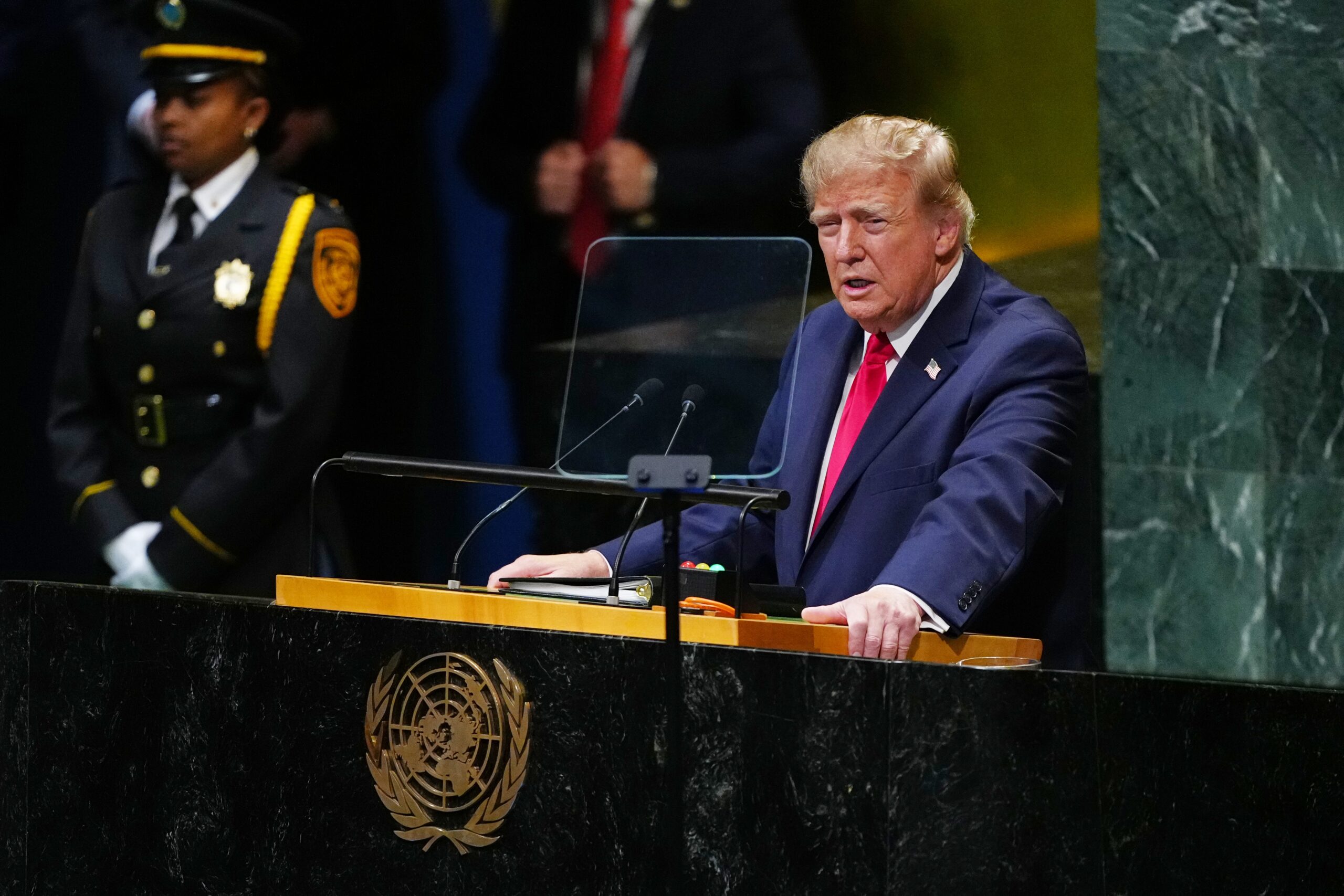
Is the U.S.-Iran Stalemate a “New Normal” or the Prelude to Another Explosion?
On October 6, AGSI hosted a discussion on the U.S.-Iran stalemate and the prospects for a cease-fire.
Speakers



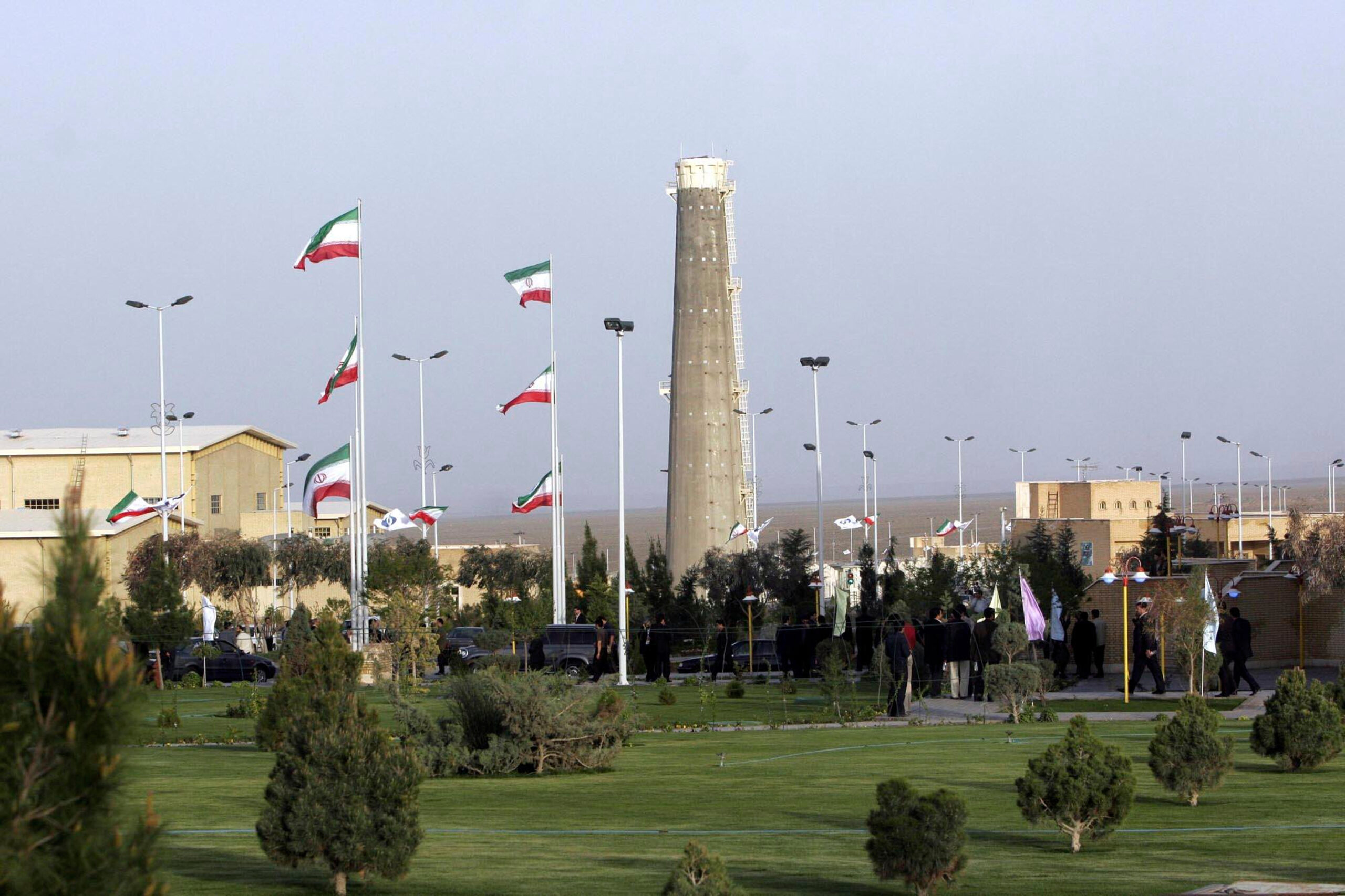
Book Talk: Iran and the Bomb: The United States, Iran and the Nuclear Question
On June 16, AGSI hosted a discussion on the evolution of Iran's nuclear program.
Speakers
Apr 21, 2026
Inside Iran’s Wartime Leadership: Power, Succession, and Regime Stability
On April 21, AGSI hosted a discussion on the evolution of Iran's leadership during the war.
Speakers

Mar 18, 2026
In Its Conflict With the United States and Israel, Does Escalation Favor Iran?
On March 18, AGSI hosted a discussion on the escalation of the Iran war.
Speakers