Jul 12, 2022
Al-Wefaq Warns Against Israeli Radars in Bahrain
The July 12 edition of the Iran Media Review considers the response of Bahrain’s banned Shia Islamist political society al-Wefaq to Israeli reports of radar deployments in the Gulf.

In late June, Israeli media reported deployment of radars in the United Arab Emirates and possibly Bahrain, suggesting they may be part of “the regional defense network Israel is attempting to establish with the US and its Gulf allies against Iran.” The reports were met by reactions from the Bahraini opposition and Nour News, unofficial mouthpiece of Iran’s Supreme National Security Council:
- June 26: Hussain Aldaihi, the deputy secretary general of Bahrain’s banned Shia Islamist political society al-Wefaq, in an interview with Fars News Agency, warned the Bahraini government against entangling the country in Israel’s future wars: “Relations between Bahrain and Israel are not equal, as Bahrain will be threatened by any conflict in which Israel is involved. This is particularly true if military equipment is based in Bahrain. This will make Bahrain the hot center and core of conflicts, both regional and extraregional, which threaten its sovereignty and independence.” In the interview, Aldaihi also accused the Bahraini government of “treason” by “surrendering Bahraini sovereignty to the Zionists.” Shifting focus to U.S. and British naval bases in Bahrain, he said: “Matters of sovereignty must not just be government decisions … such decisions must be taken by the nation.”
- July 10: Nour News tweeted, “The U.S. and, secretly, the rogue Zionist regime, establishing and managing an integrated defense system in the region, is a threat. Should execution of such plans in any way threaten the security of the Islamic Republic of Iran, the response will be directed to the geographically closest targets within reach.”
There is no mention of Iran in the interview, but Aldaihi is clearly warning against Bahrain’s exposure to dangers of war in the case of a military conflict between Israel and Iran. What Aldaihi fails to realize are the veiled and unveiled threats from the Islamic Republic, which chased Arab states into the arms of Israel in an attempt to counterbalance Iran. Still worse, such statements, and repetition of the message by media close to Iran’s SNSC, may reinforce accusations against Bahrain’s once largest, but since 2016 banned, political society of serving foreign masters. Finally, Aldaihi’s response regarding the future of the U.S. naval presence in Bahrain is not likely to gain him friends in Washington.
AGSIW’s Iran Media Review monitors, translates, and reviews critical Persian-language media sources identifying important developments and trends in the Islamic Republic of Iran.
The views represented herein are the author's or speaker's own and do not necessarily reflect the views of AGSI, its staff, or its board of directors.
Related
Iran Media Review
Sep 15, 2026
Despite Tactical Victories, Iran Struggles to Restore Deterrence
The September 15 edition of the Iran Media Review examines Iranian statements on a possible nuclear bomb, Iran’s relationship with the UAE, and developments in Yemen.
Iran Media Review
Sep 11, 2026
Diminishing Importance of the Straits?
The September 11 edition of the Iran Media Review contrasts hard-liners’ celebration of oil prices rising with a technocratic Iranian newspaper’s warning that the regime’s ability to take the world economy hostage is diminishing.
Iran Media Review
Sep 8, 2026
Mohsen Rezaei Explains Tehran’s Strategy
The September 8 edition of the Iran Media Review outlines the Iranian Supreme National Security Council secretary’s remarks on Iran’s strategic response to the U.S. naval blockade.
Sep 15, 2026
Despite Tactical Victories, Iran Struggles to Restore Deterrence
The September 15 edition of the Iran Media Review examines Iranian statements on a possible nuclear bomb, Iran’s relationship with the UAE, and developments in Yemen.
Sep 11, 2026
Diminishing Importance of the Straits?
The September 11 edition of the Iran Media Review contrasts hard-liners’ celebration of oil prices rising with a technocratic Iranian newspaper’s warning that the regime’s ability to take the world economy hostage is diminishing.
Sep 8, 2026
Mohsen Rezaei Explains Tehran’s Strategy
The September 8 edition of the Iran Media Review outlines the Iranian Supreme National Security Council secretary’s remarks on Iran’s strategic response to the U.S. naval blockade.
Analysis
The Islamic Republic Returns to Offense
After U.S.-Israeli strikes killed Supreme Leader Ayatollah Ali Khamenei on February 28, Iran’s collective leadership has concluded that the best defense is a good offense.
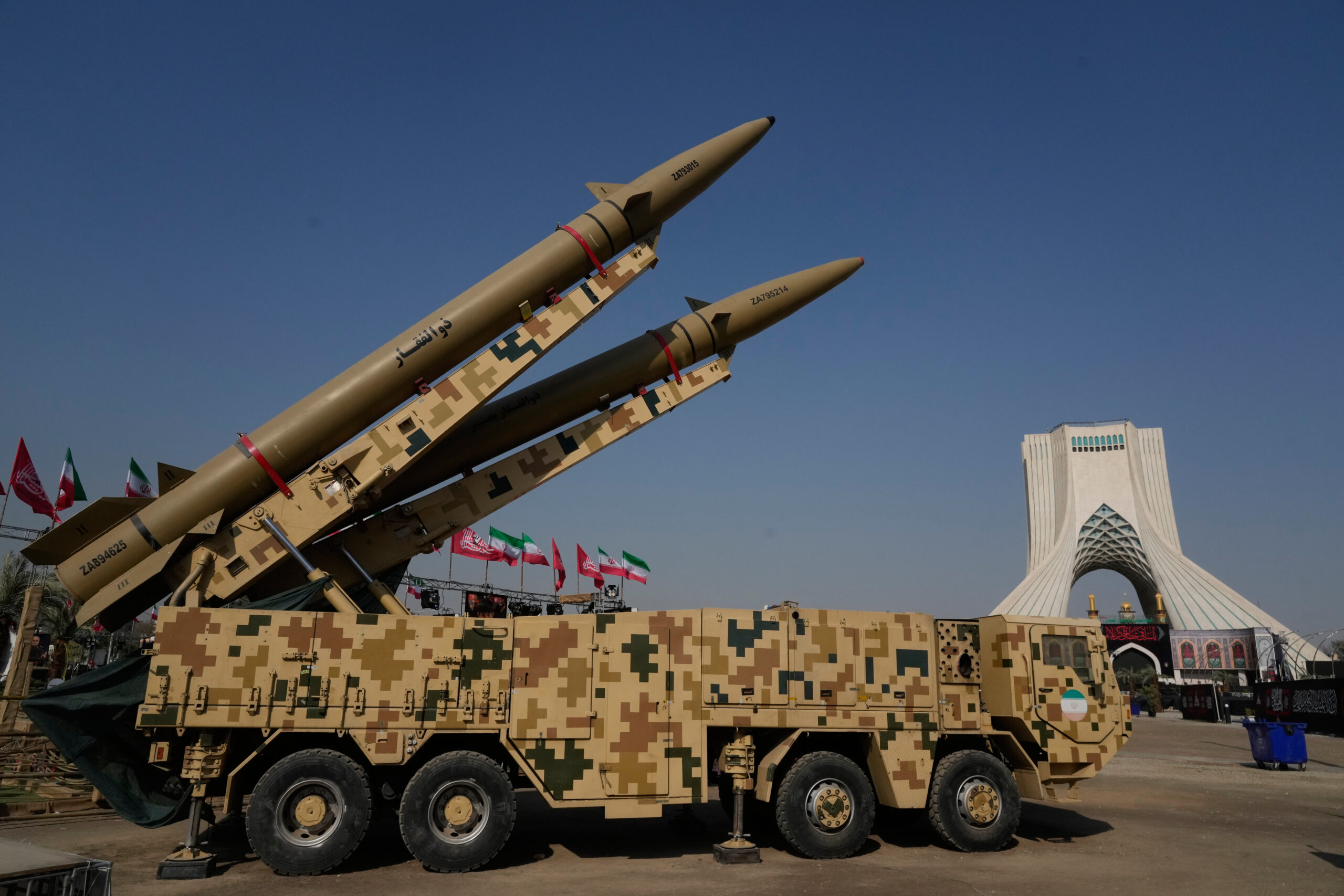
Iran’s Collective Strategic Decision Making
Wartime pressure has temporarily aligned the leadership’s overriding interest in regime survival, even as its members continue to differ over the costs, methods, and ultimate objectives of the war.
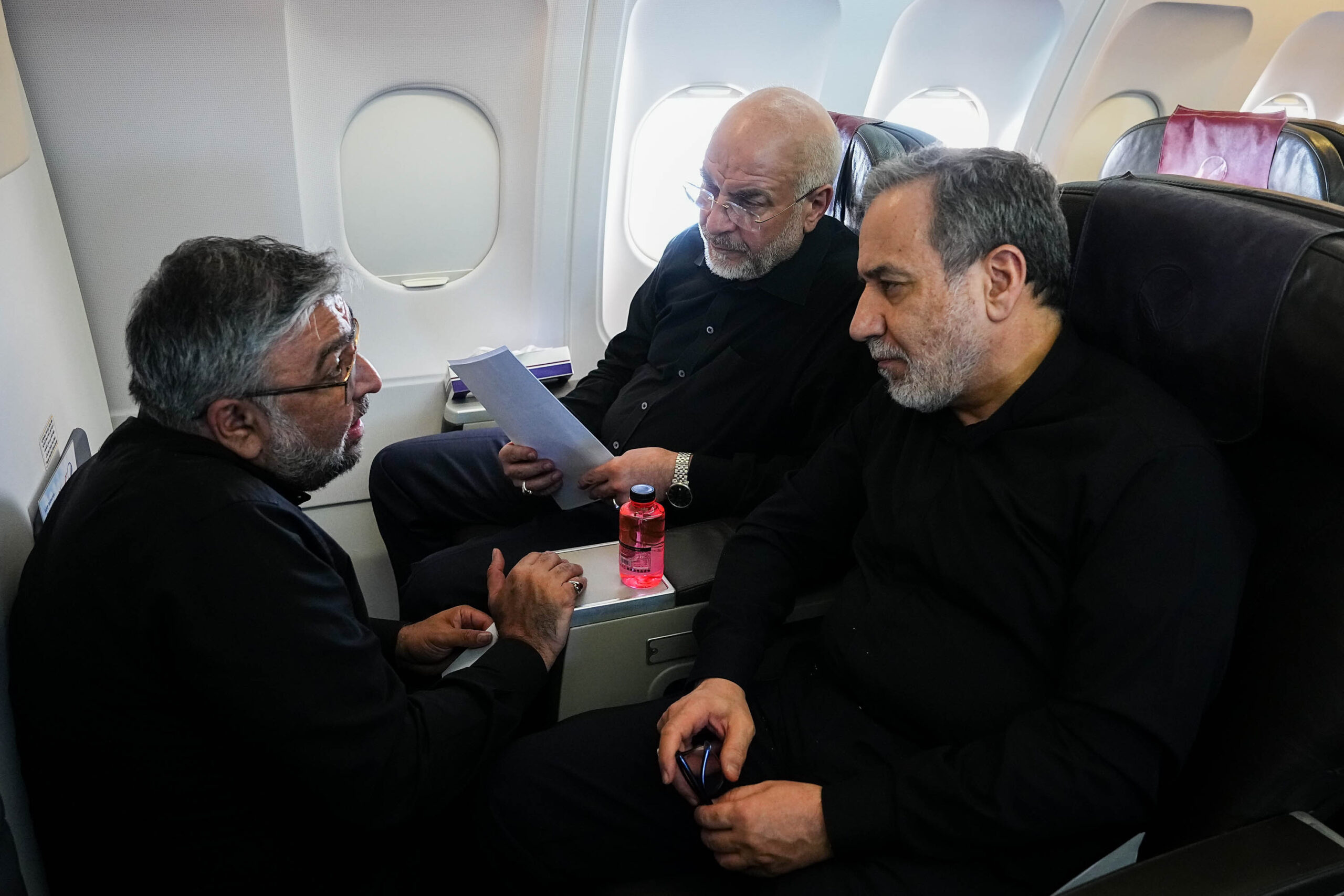
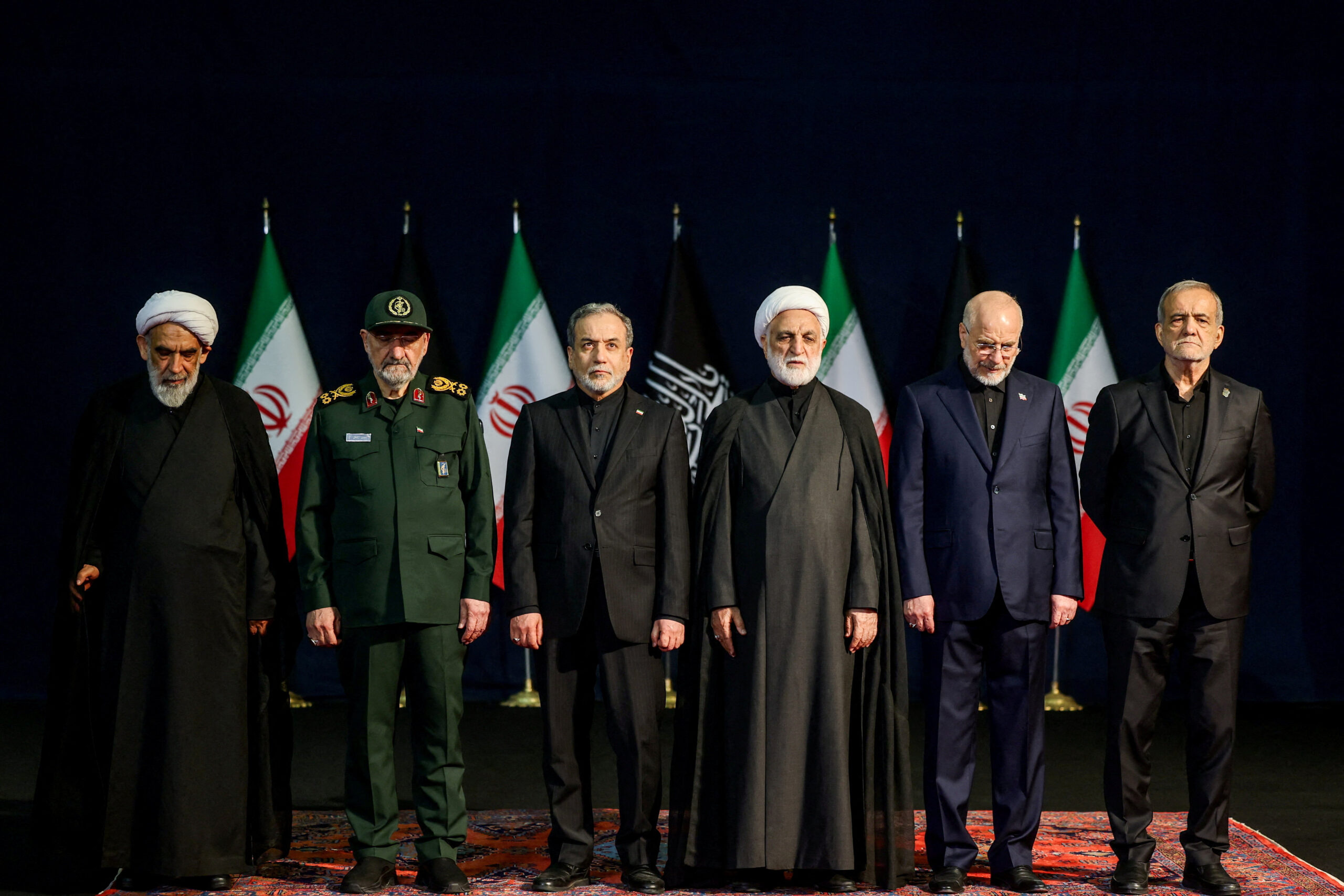
The Islamic Republic’s Collective Leadership
While there is historical precedent for collective leadership in Iran, today’s leadership includes representatives of the IRGC and regular military – a reflection of the IRGC’s expanding role and the necessities of governing under wartime conditions.
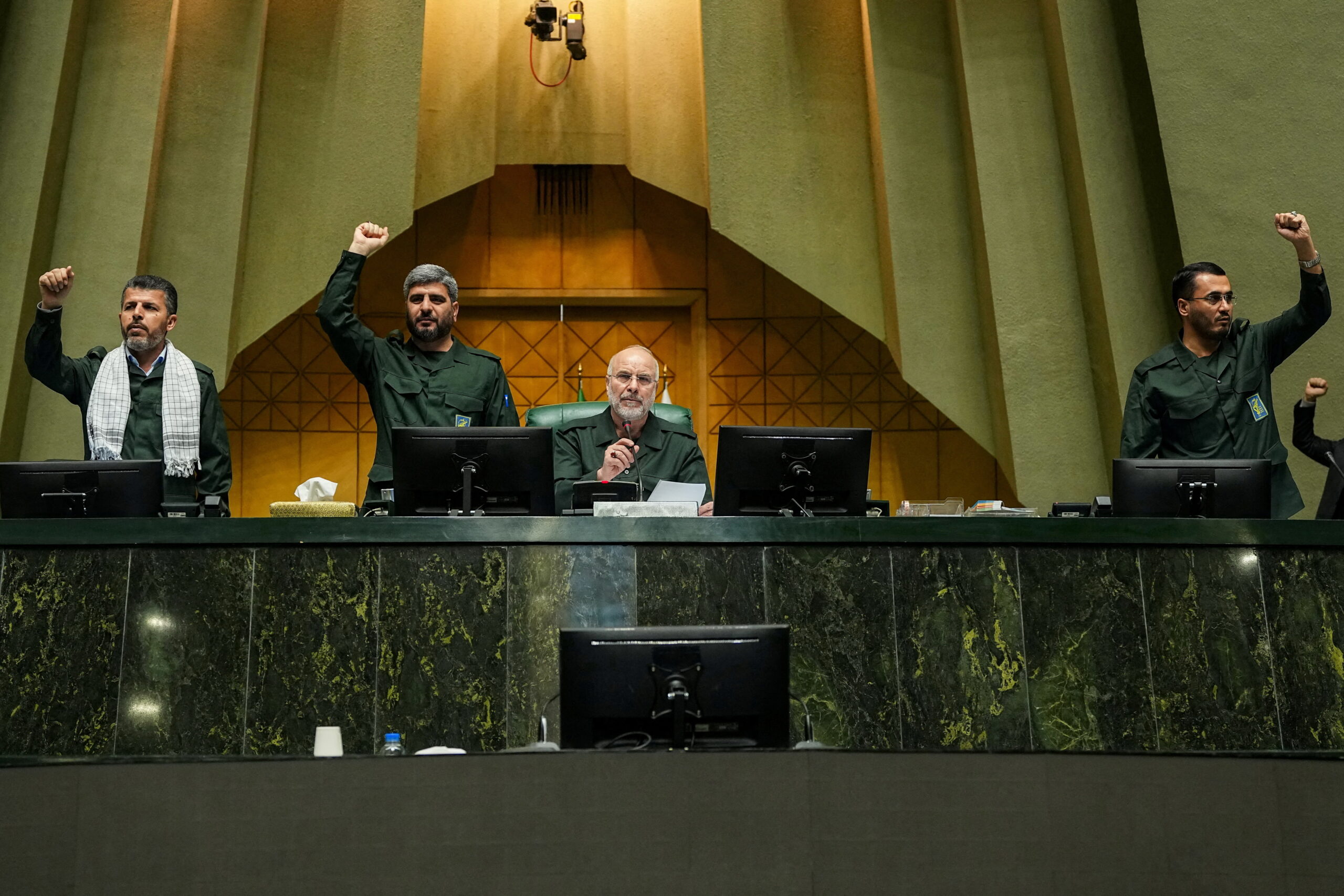
How Did the IRGC Seize Power in Iran?
The IRGC did not seize power in a single stroke. It accumulated it – patiently, methodically – until no counterweight remained.
Events
Book Talk: Iran and the Bomb: The United States, Iran and the Nuclear Question
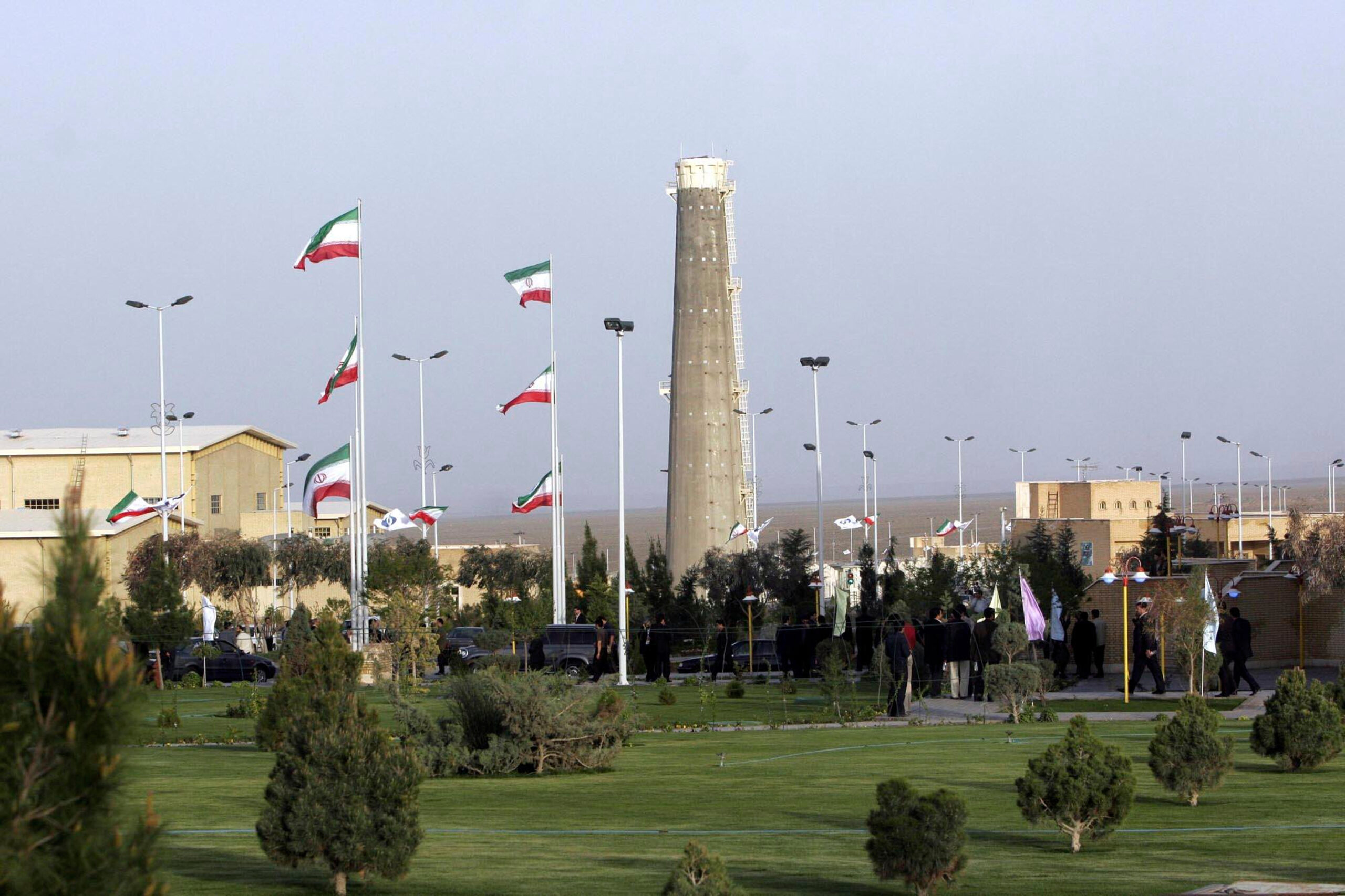
On June 16, AGSI hosted a discussion on the evolution of Iran's nuclear program.
Speakers

Apr 21, 2026
Inside Iran’s Wartime Leadership: Power, Succession, and Regime Stability
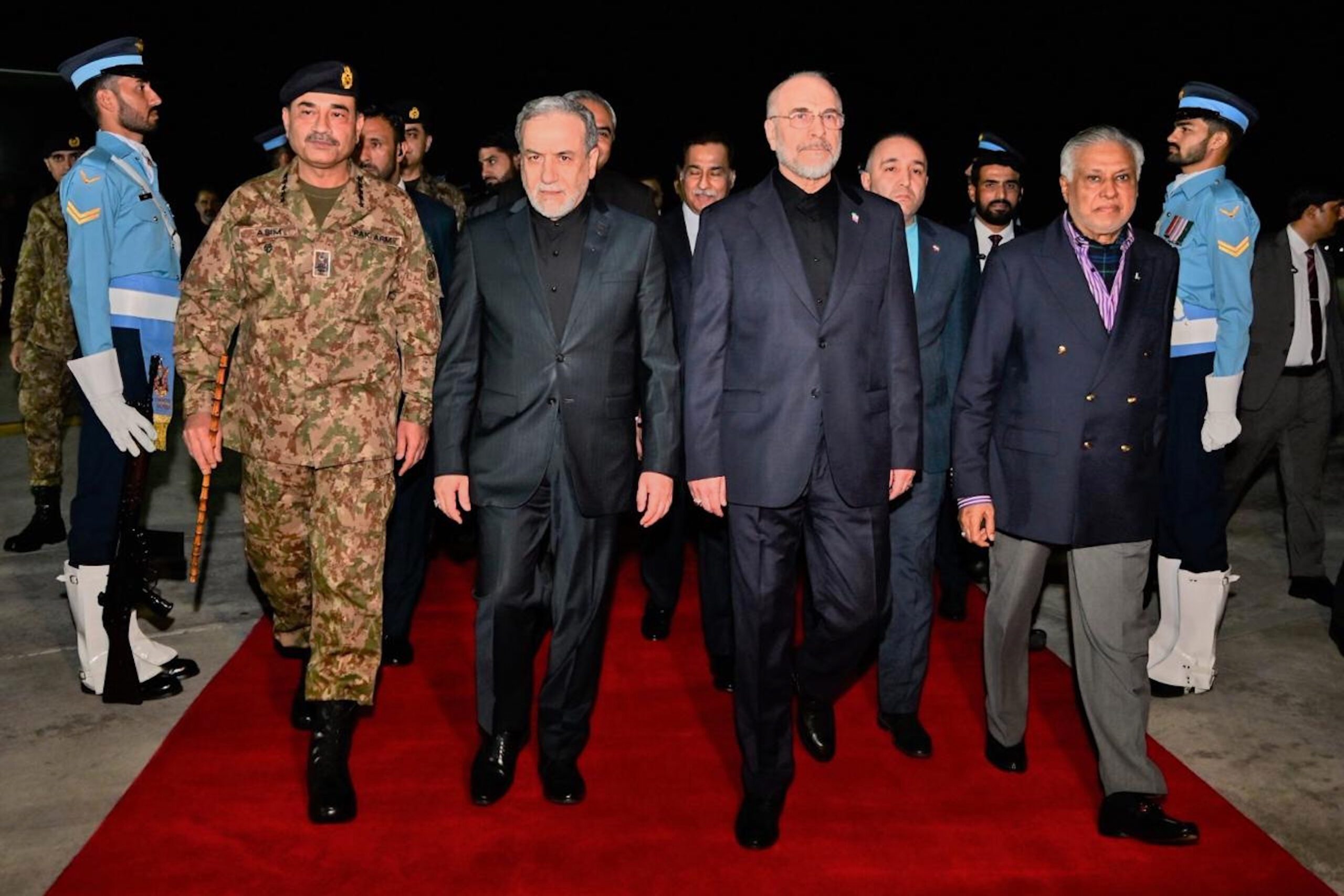
On April 21, AGSI hosted a discussion on the evolution of Iran's leadership during the war.
Speakers

Mar 18, 2026
In Its Conflict With the United States and Israel, Does Escalation Favor Iran?
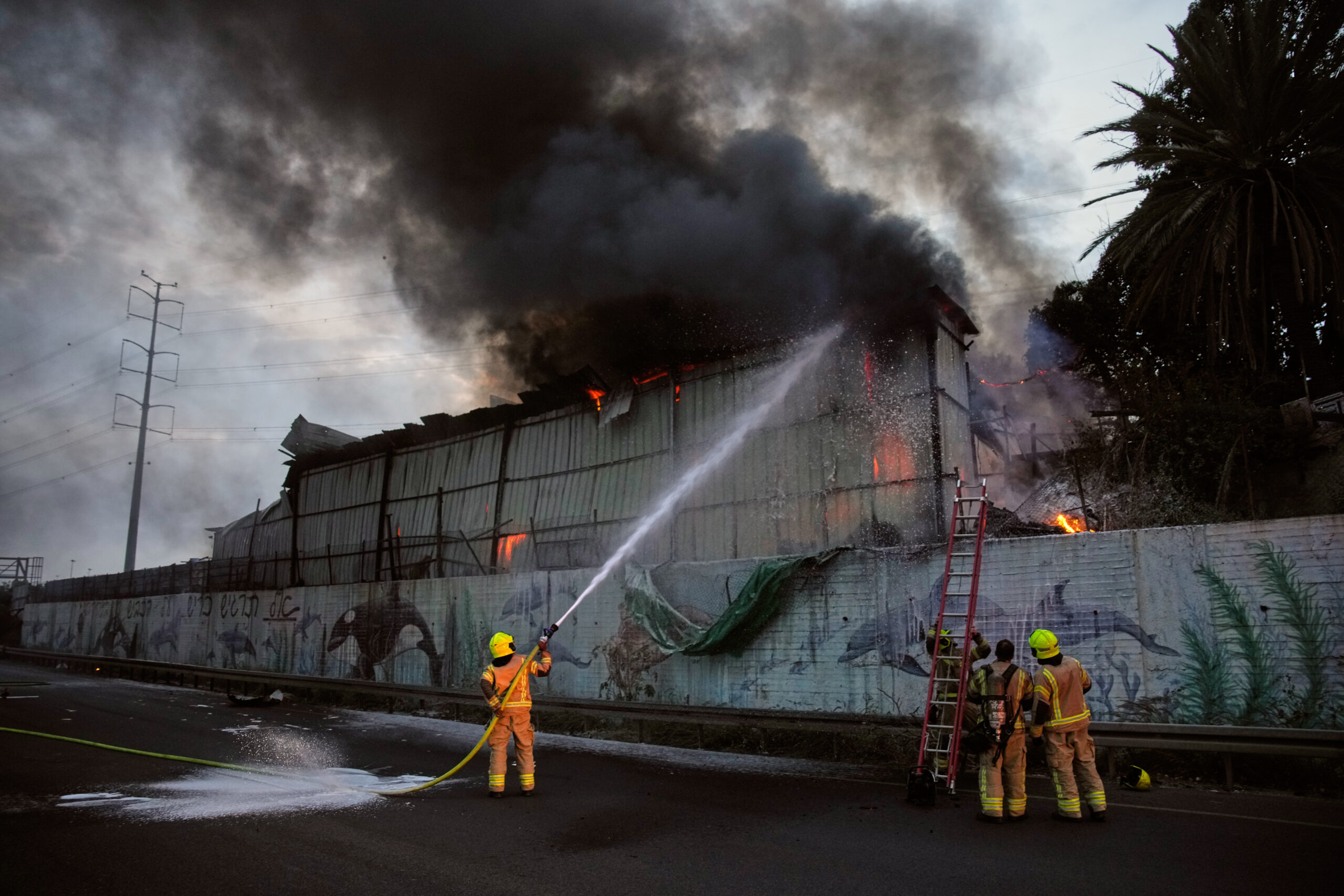
On March 18, AGSI hosted a discussion on the escalation of the Iran war.
Speakers


Mar 2, 2026
After the Shock: Implications of the U.S.–Israeli Strikes and Iran’s Leadership Transition
On March 2, AGSI hosted a discussion on the U.S.-Israeli strikes on Iran.
Speakers