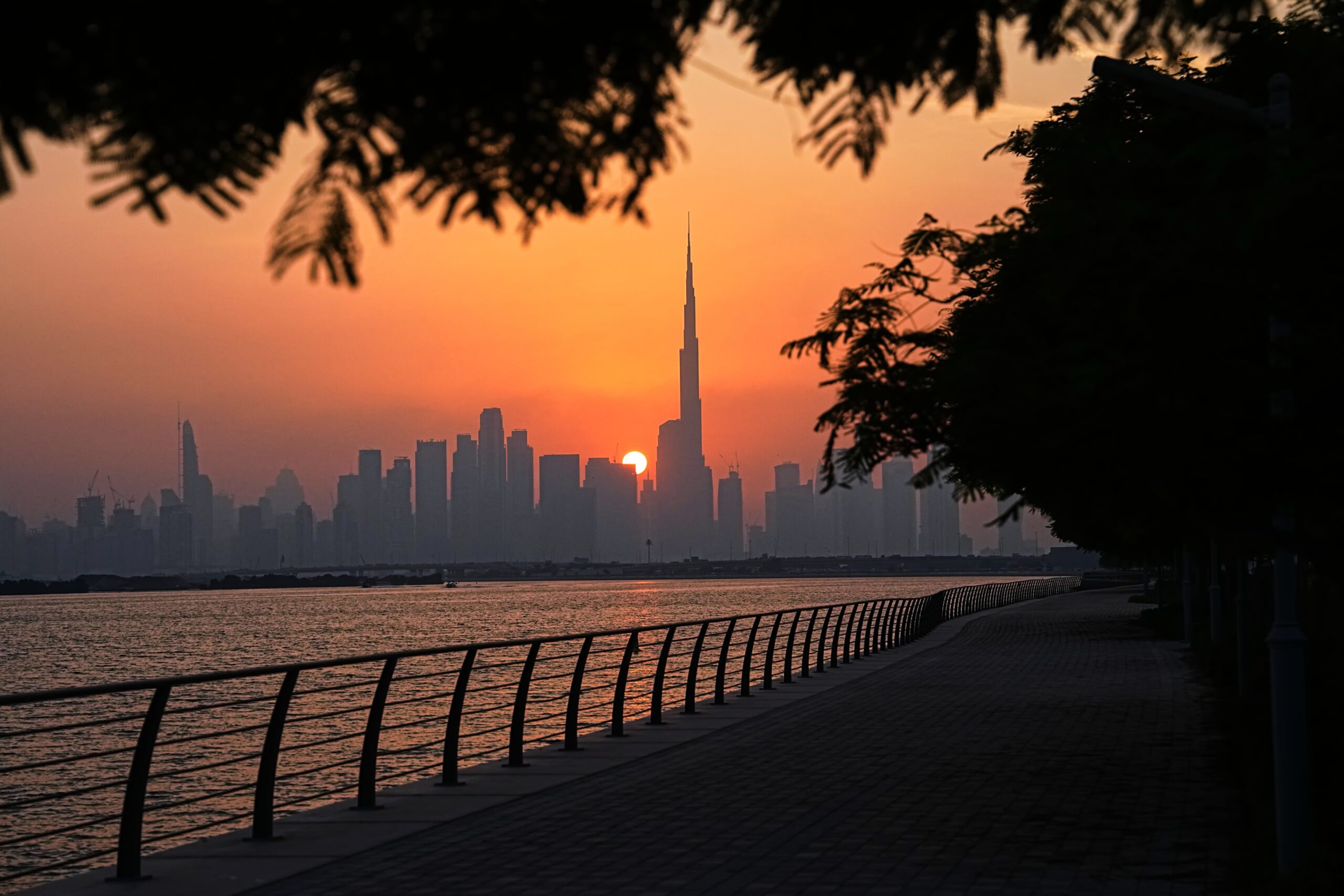
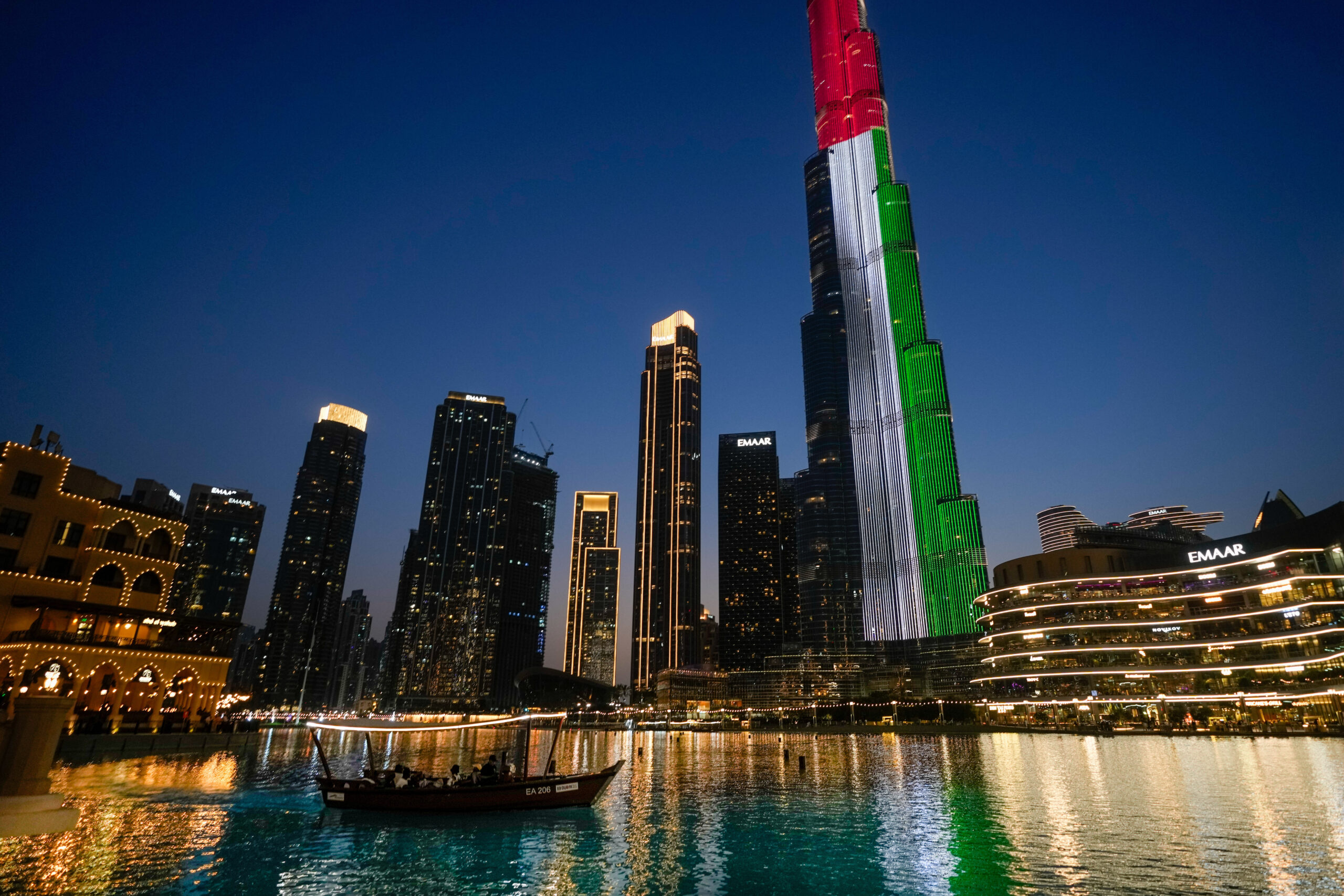
The city skyline with Burj Khalifa is silhouetted during sunset in Dubai, United Arab Emirates, October 15. (AP Photo/Fatima Shbair)
Gulf sovereign wealth funds are expected to invest $136 billion by the end of 2026, with Abu Dhabi-based Mubadala having served as the leading regional sovereign investor so far in 2026. For its part, L’imad, Abu Dhabi’s newest sovereign wealth fund, is planning to invest billions in port-related infrastructure outside of the Strait of Hormuz. Media coverage continues to fuel interest in the direction of Gulf sovereign wealth fund capital deployment trends and investment strategies, especially in light of the ongoing Iran war.
A pressing question associated with new regional dynamics is how much Gulf sovereign wealth funds will turn inward and focus on their domestic economies. Indeed, sovereign wealth funds are one set of economic policy tools available to regional governments to address new challenges and seize emerging opportunities. The trendline of growing domestic roles for regional sovereign wealth funds, which predates the Iran war, is coming into sharper focus but is far from clear cut. A domestic-oriented lens alone remains insufficient for understanding the multifaceted and evolving investment strategies of these investment vehicles.
Sovereign wealth funds can provide ways and means for addressing various domestic needs and interests. The rising influence of Abu Dhabi’s crown prince has occurred alongside the growing significance of the sovereign wealth fund he chairs: L’imad. The consolidation of ADQ under L’imad earlier in 2026 created an investment vehicle with roughly $300 billion in assets under management. New and expanding economic corridors and connectivity initiatives within and across the United Arab Emirates provide Emirati sovereign wealth funds, such as L’imad – and those of other Gulf countries – new avenues to deepen influence in increasingly strategic sectors.
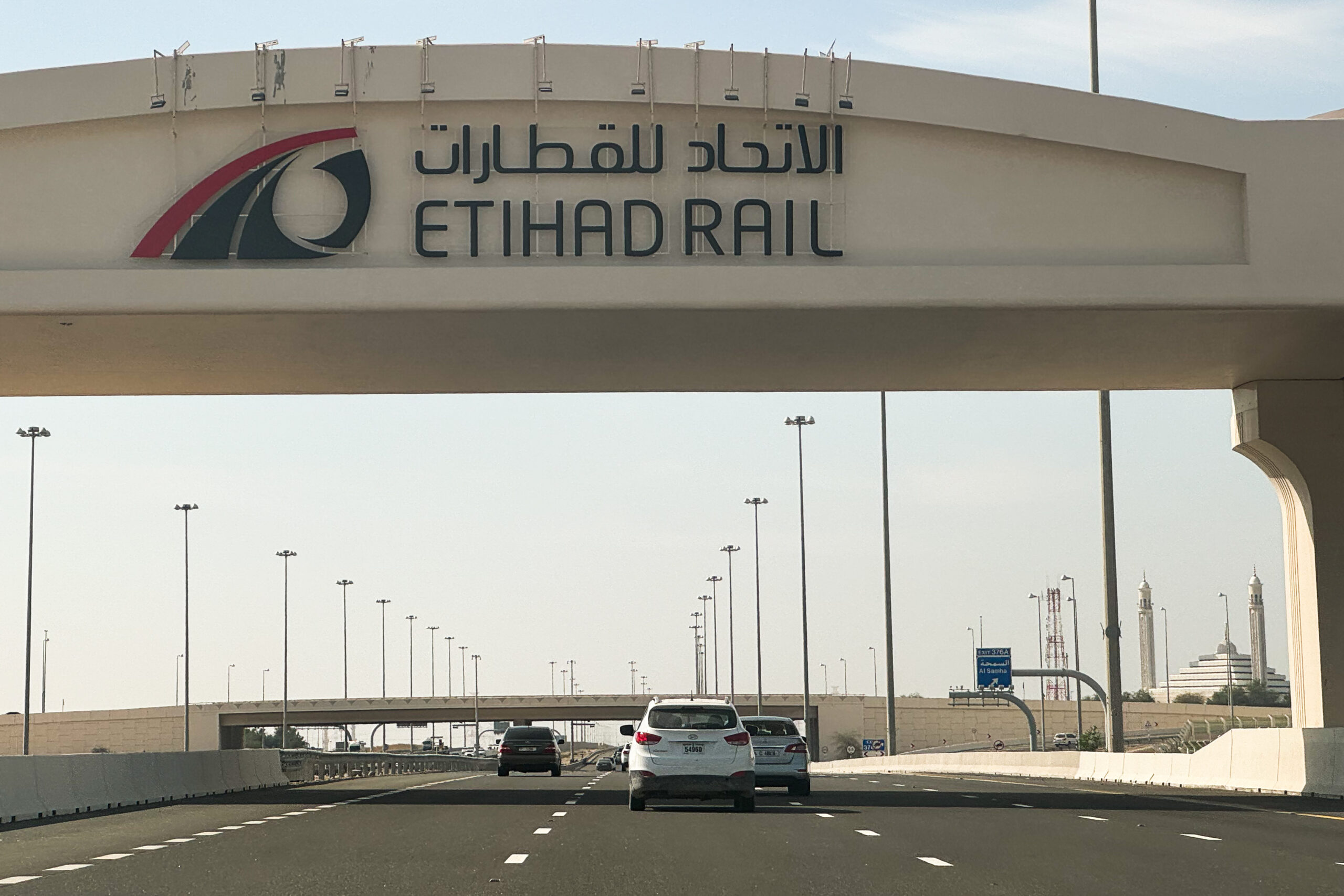
Portfolios heavily skewed toward local assets and government-related entities ultimately help support such domestic development-oriented roles. AD Ports Group sits within L’imad’s ports and logistics portfolio along with Etihad Rail and Aramex. Port, rail, and logistics companies are going to be critical players in the coming economic infrastructure buildout across the region.
Indeed, the commercial activities of Gulf sovereign wealth funds’ subsidiary companies themselves offer insight into the domestic roles of these investment vehicles, even if indirectly. In September, Emirates Global Aluminium – which is owned jointly by Abu Dhabi’s Mubadala and the Investment Corporation of Dubai – signed an agreement with Gulftainer to ship more aluminum exports from the UAE’s eastern coast.
Not all sovereign wealth funds can quickly and easily pivot to play a greater domestic role. Abu Dhabi Investment Authority – the largest Emirati sovereign wealth fund – has virtually no domestic exposure in its portfolio. Growing into a greater domestic mandate would therefore reflect a major shift for the $1.1 trillion fund.
For its part, Saudi Arabia’s Public Investment Fund oversees a strong concentration of domestic assets in its portfolio and has demonstrated a concerted inward investment push recently. A recalibration of the portfolio was already underway before the Iran war, with a particular focus on reassessing development priorities for expensive gigaprojects, such as Neom. Moreover, the PIF’s 2026-30 strategy, announced in April, includes a Vision Portfolio intended to “drive the growth of the local economy.”
These factors make the PIF a suitable candidate to support growing needs on the home front, from economic infrastructure to defense-related initiatives. Earlier in 2026, Saudi planners sought to position the port of Neom as a key node in a multimodal land bridge linking Europe, Egypt, and the Gulf. The PIF’s Vision Portfolio includes Saudi Arabian Military Industries and GDC Middle East, an aviation and defense company. Repeated and deadly Houthi attacks on the country will heighten the need for defense and security investments.
At the same time, Gulf sovereign wealth funds must ensure that their portfolios are aligned with national interests and fit for purpose. For example, in September, the Qatar Investment Authority announced plans to consolidate its domestic assets into the dedicated investment vehicle Doha Investments. This process was considered years before the Iran war; however, there is a more compelling need at the moment, given acute conflict-related pressures on Qatar’s economy.
Some domestic activities of sovereign wealth funds will reflect more reshuffling of assets among government entities and streamlining business operations than actual investment capital deployment in local economies. Following the political leadership transition of early 2020, the Omani government undertook a major restructuring of its sovereign wealth. The subsequent emergence of the Oman Investment Authority entailed a strong focus on improving the efficiency and profitability of government-related entities. Future asset reshuffles and emerging strategies will nevertheless likely create more space in their portfolios for defense-related assets and economic security-oriented investment initiatives.
To be sure, international investment partners will also continue to serve as crucial components for domestic progress. The number of fund and asset managers in Abu Dhabi Global Market, a financial free zone, climbed throughout the first half of 2026 despite the Iran war. Sovereign wealth fund-related efforts to enhance economic resilience through bolstering strategic industries or advancing regional integration initiatives will inevitably involve collaboration with international firms.
Gulf sovereign wealth fund officials have many priorities to balance, including maximizing returns, maintaining U.S. investment commitments, and integrating into the global economy through other investment destinations. Around half of Gulf sovereign wealth fund investments by September went into the United States. Yet Mubadala – the region’s top sovereign investor so far in 2026 – is also working “diligently” to increase its exposure to Asia.
Gulf sovereign wealth funds benefit from a long-term investment horizon. Yet the regional events of 2026 have made it harder for fund officials to look beyond the home front. The strategic pull of a growing domestic investment focus for most Gulf sovereign wealth funds looks set to continue.
The views represented herein are the author's or speaker's own and do not necessarily reflect the views of AGSI, its staff, or its board of directors.
In its new strategy, the Saudi Public Investment Fund seems to focus more on investment returns and less on asset growth. How this will work in practice is less clear, including what it means for the future of existing projects, such as Neom.
How the Gulf states choose to invest now could determine not just how they survive this crisis but how they sustain their role as both allocators and magnets of capital and superpowers in the global energy system.
Beijing keeps treading carefully around conflict in the Middle East while seeking opportunities to deepen ties with key country partners through a longer-term regional engagement strategy.
The UAE’s decision to halt trade and commercial ties with Iran reflects an exercise in applying carefully calibrated geoeconomic pressure amid an uncertain and evolving geopolitical context.