Aug 28, 2026
Iran Signals Interest in Reviving Hormuz Deal While Warning of Psychological Warfare
The August 28 edition of the Iran Media Review examines statements by Iranian officials suggesting openness to restarting negotiation with the United States and concern about domestic discontent.

Iranian President Masoud Pezeshkian, Parliamentary Speaker Mohammad-Bagher Qalibaf, and Islamic Revolutionary Guard Corps spokesman Brigadier General Hossein Mohebbi have each made public statements regarding Iran’s preconditions for resuming negotiations with the United States and “reopening the Strait of Hormuz.” Supreme National Security Council Secretary Mohsen Rezaei is now conveying the same message: Iran is interested in reviving the memorandum of understanding. Meanwhile, warnings issued by the IRGC Intelligence Organization to the Iranian public betray the regime’s concerns about Israeli and U.S. psychological operations, even as it seeks to project strength.
- August 27: In an interview with Lebanese Hezbollah’s Al-Manar TV, Supreme National Security Council Secretary Mohsen Rezaei commented on Iran’s conditions for reopening the Strait of Hormuz, as reported by the reformist Entekhab News Agency:
- “Reopening of the Strait of Hormuz is conditioned upon the United States meeting Iran’s demands … Foremost among these conditions is an end to the wars in West Asia, particularly in Lebanon and Gaza … Iran has prepared a list of its conditions to be conveyed to the Americans. For the time being, it has authorized vessels to use a designated temporary passage through the middle of the strait, on the condition that future navigation through it be governed by a memorandum of understanding with Washington.”
- August 27: In a statement released by Islamic Revolutionary Guard Corps-affiliated Mashregh News Agency, the IRGC Intelligence Organization declared:
- “Closer monitoring of political, economic, and social threats – as well as military activities – over the past 60 days indicates that, recognizing its own limitations and the Islamic Revolution’s advantages, the enemy is attempting to pursue the aforementioned plan by relying more heavily on cognitive- and intelligence-warfare tools along the following lines:
- Portraying the Strait of Hormuz as ineffective in safeguarding the national security of the Islamic Republic of Iran.
- Preventing the Islamic Republic of Iran from engaging in another regional war.
- Portraying the capabilities of the Axis of Resistance in the region as limited.
- Imposing a naval blockade.
- Eroding the ‘sacred unity,’ promoting discontent and polarization, and exaggerating disagreements.
- Exaggerating and exploiting certain domestic weaknesses, shortages, and constraints affecting the governance of the country.
- Inciting the public to take their grievances to the streets.
- “Therefore, at this juncture, the center of gravity of this plan is its focus on ‘disrupting stability and weakening the Iranian people’s national resilience’ by launching cognitive warfare and generating fear and uncertainty. This is a development whose consequences the organization had previously warned about in its three statements issued during the attempted coup” of December 22, 2025 to January 20, 2026.
- “Closer monitoring of political, economic, and social threats – as well as military activities – over the past 60 days indicates that, recognizing its own limitations and the Islamic Revolution’s advantages, the enemy is attempting to pursue the aforementioned plan by relying more heavily on cognitive- and intelligence-warfare tools along the following lines:
The views represented herein are the author's or speaker's own and do not necessarily reflect the views of AGSI, its staff, or its board of directors.
Related
Iran Media Review
Aug 25, 2026
Iran’s Central Bank Governor Seeks to Reassure Public of Economic Resilience
The August 25 edition of the Iran Media Review highlights Iran’s central bank governor’s response to U.S. Treasury Secretary Scott Bessent’s “economic D-Day” warning against Iran.
Iran Media Review
Aug 21, 2026
Qalibaf and Pezeshkian at Odds With the IRGC?
The August 21 edition of the Iran Media Review examines arguments from Iranian leaders for ending the war with the United States through negotiations rather than escalating.
Iran Media Review
Aug 18, 2026
Qalibaf: The Strait of Hormuz Will Not Reopen
The August 18 edition of the Iran Media Review highlights a speech by Iran’s parliamentary speaker pledging not to reopen the Strait of Hormuz until the United States fulfills the conditions of the Islamabad memorandum of understanding.
Aug 25, 2026
Iran’s Central Bank Governor Seeks to Reassure Public of Economic Resilience
The August 25 edition of the Iran Media Review highlights Iran’s central bank governor’s response to U.S. Treasury Secretary Scott Bessent’s “economic D-Day” warning against Iran.
Aug 21, 2026
Qalibaf and Pezeshkian at Odds With the IRGC?
The August 21 edition of the Iran Media Review examines arguments from Iranian leaders for ending the war with the United States through negotiations rather than escalating.
Aug 18, 2026
Qalibaf: The Strait of Hormuz Will Not Reopen
The August 18 edition of the Iran Media Review highlights a speech by Iran’s parliamentary speaker pledging not to reopen the Strait of Hormuz until the United States fulfills the conditions of the Islamabad memorandum of understanding.
Analysis
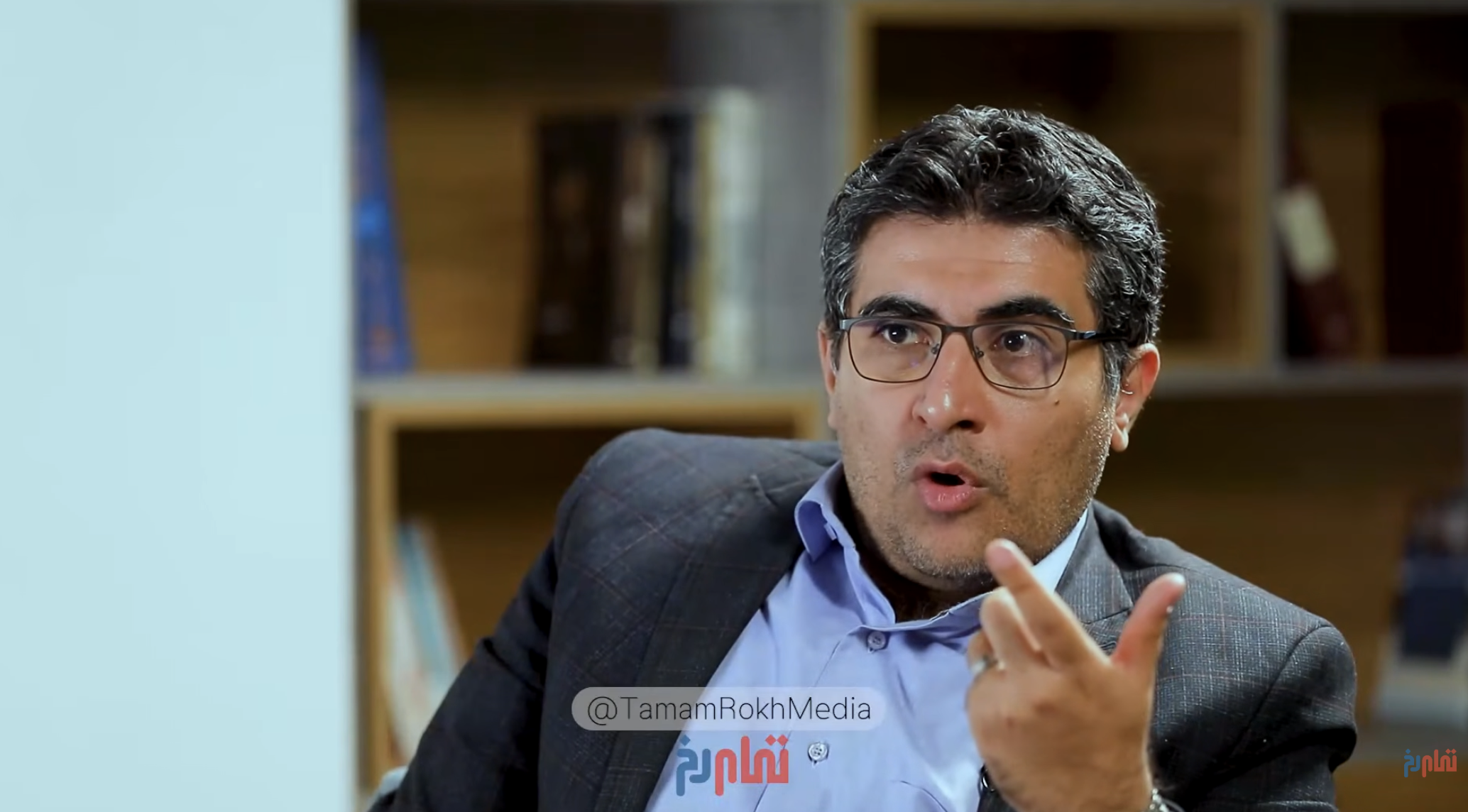
Debating Policy in Public: Iranian Elites Turn to YouTube
Rival camps within the Islamic Republic are increasingly turning to YouTube for policy debate, but there is a limit to the regime’s tolerance for that debate.
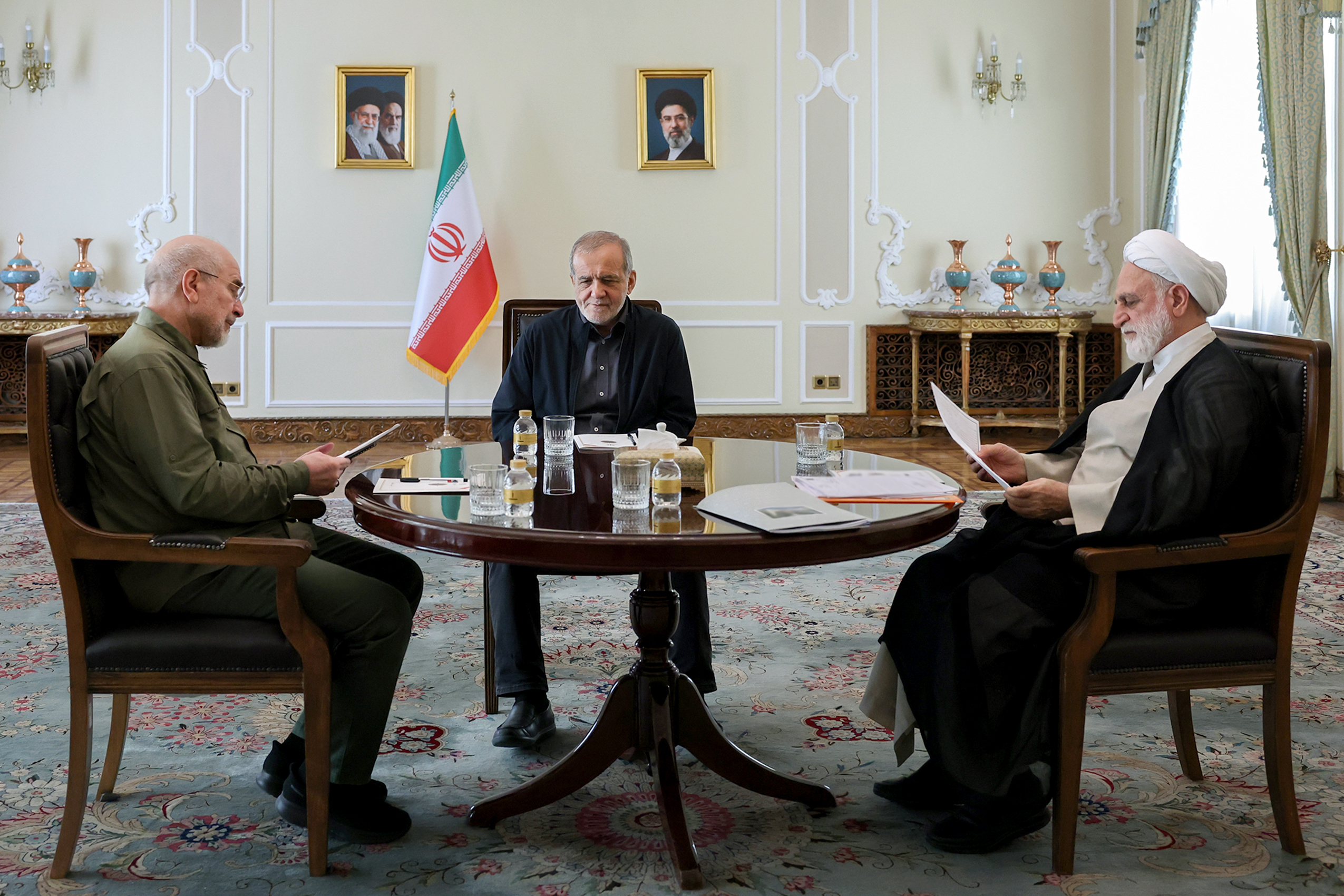
The Committee of Six and Strategic Decision Making in Iran
Remarks by Iran’s president offer a rare glimpse of how the Islamic Republic has adapted its decision making to the absence of its supreme leader.
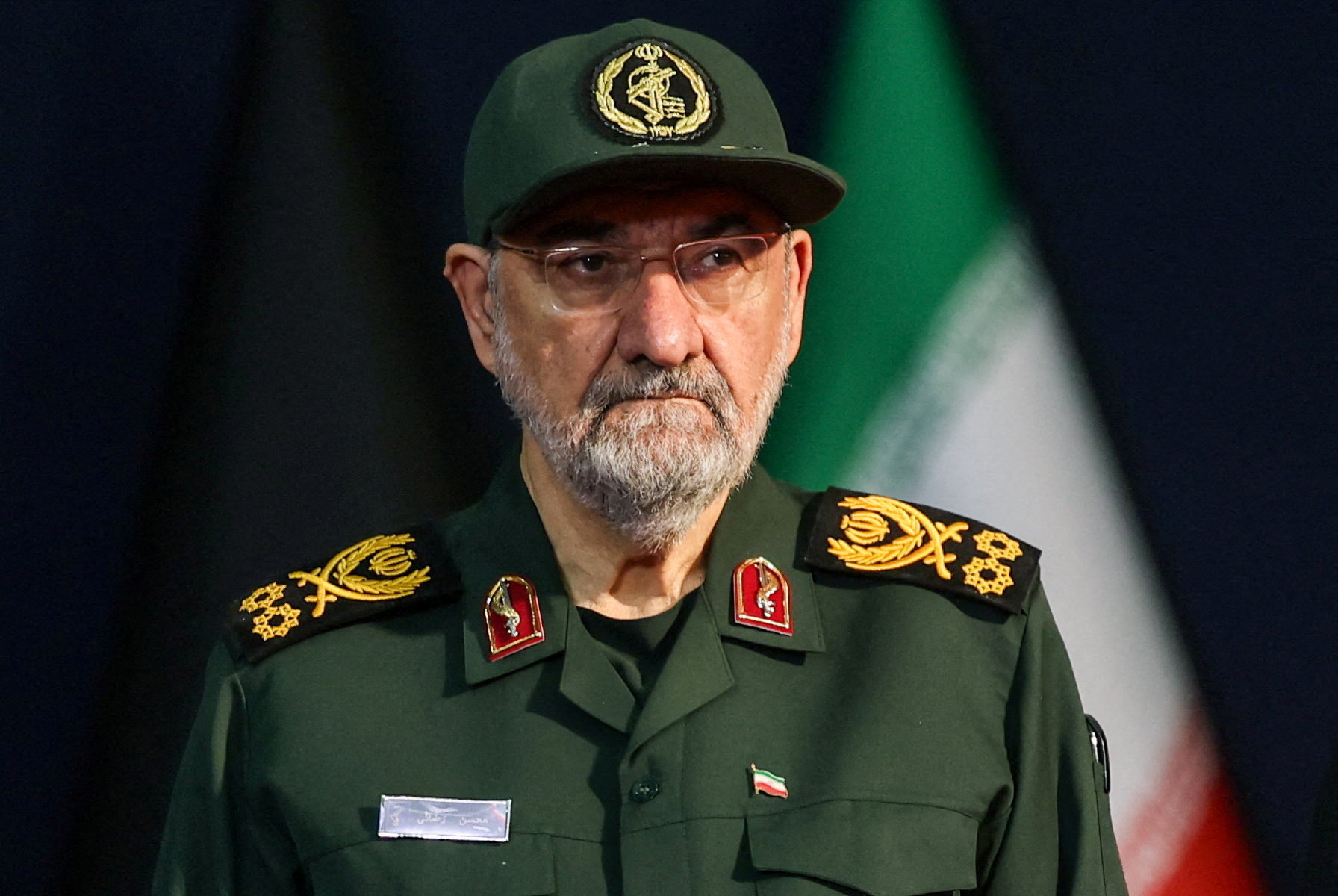
Mohsen Rezaei at the Helm of Iran’s Supreme National Security Council
Under Rezaei, the SNSC could prove constructive or paralyze strategic decision making.
The Islamic Republic Returns to Offense
After U.S.-Israeli strikes killed Supreme Leader Ayatollah Ali Khamenei on February 28, Iran’s collective leadership has concluded that the best defense is a good offense.
Events
Oct 6, 2026
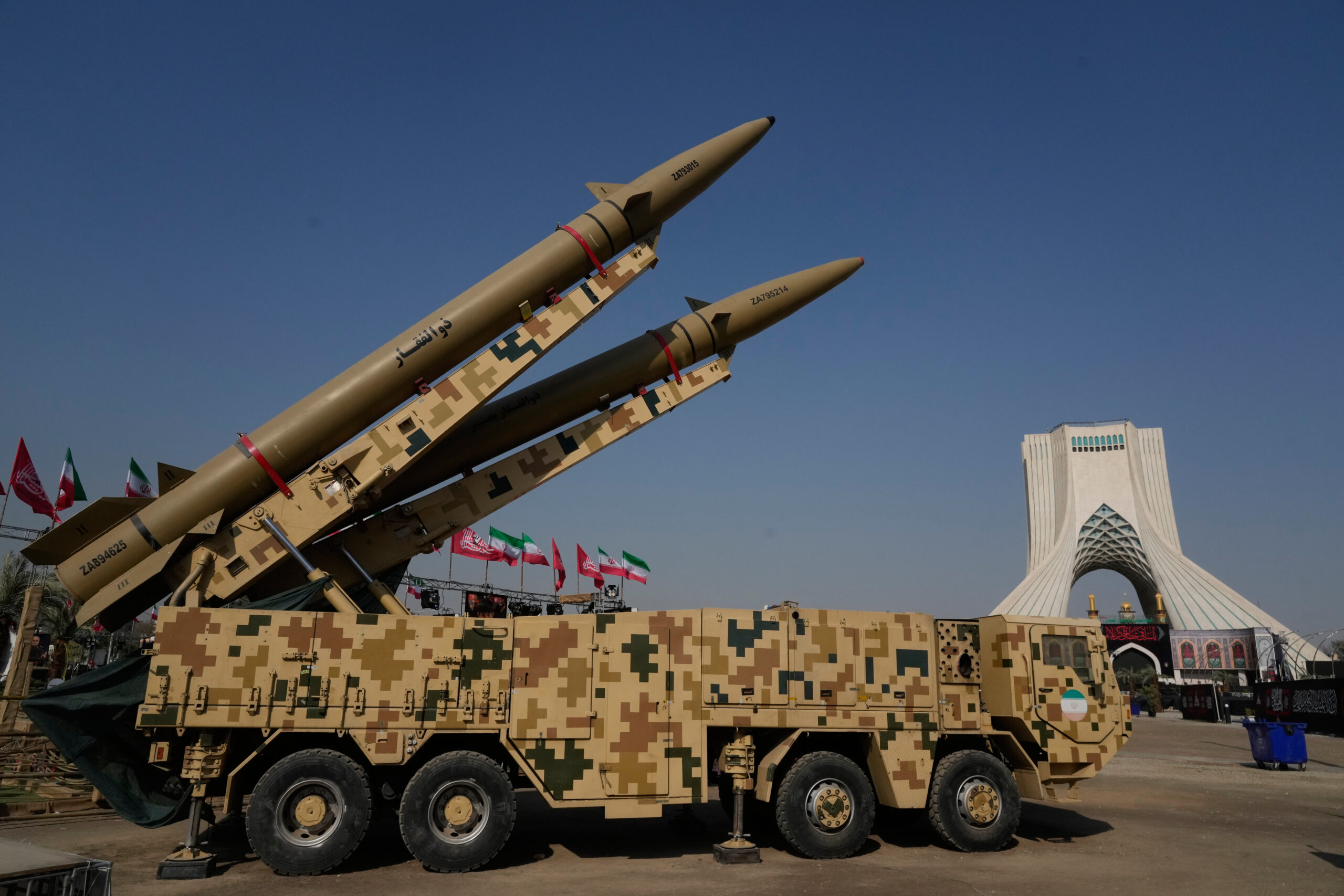
Is the U.S.-Iran Stalemate a “New Normal” or the Prelude to Another Explosion?
On October 6, AGSI hosted a discussion on the U.S.-Iran stalemate and the prospects for a cease-fire.
Speakers



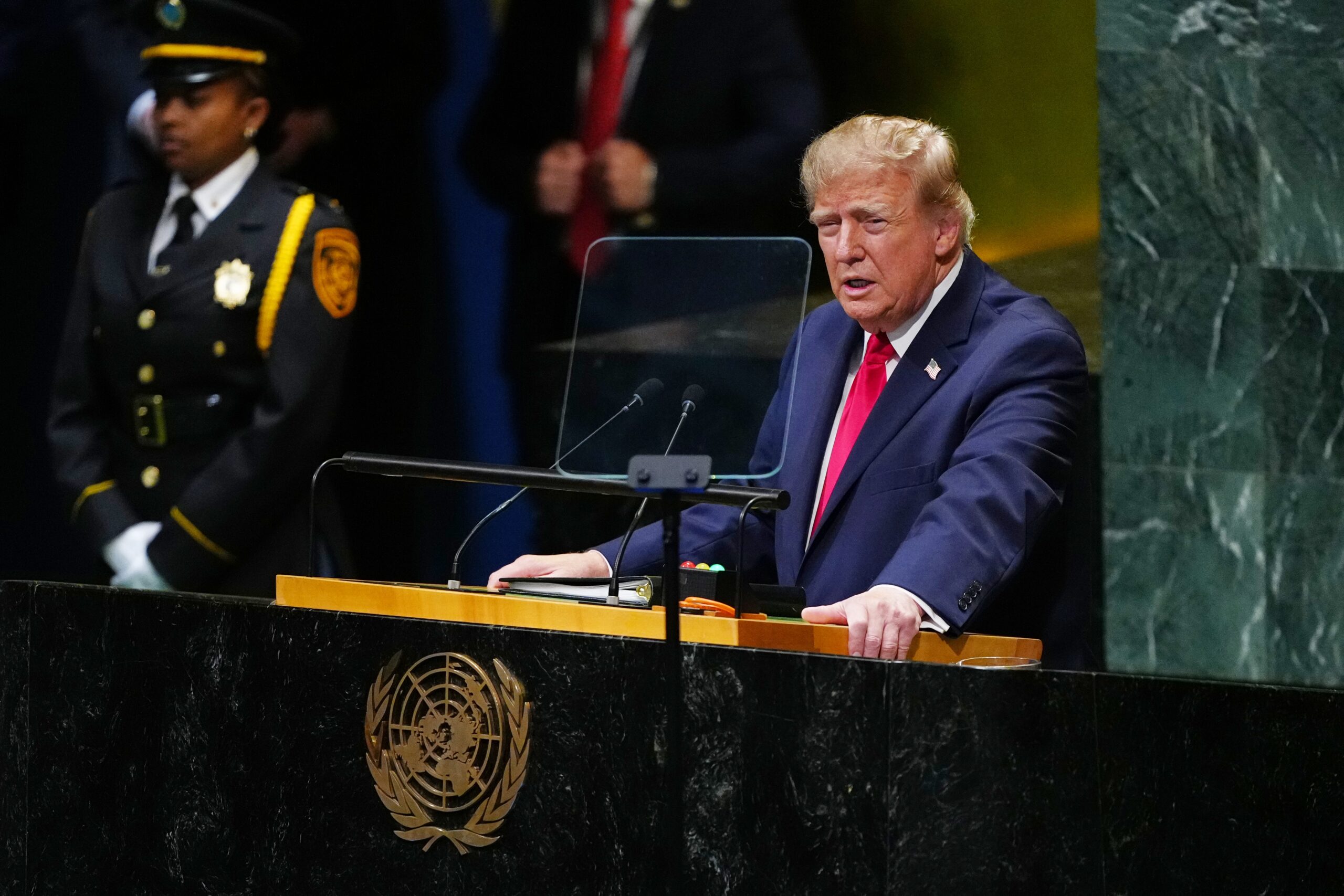
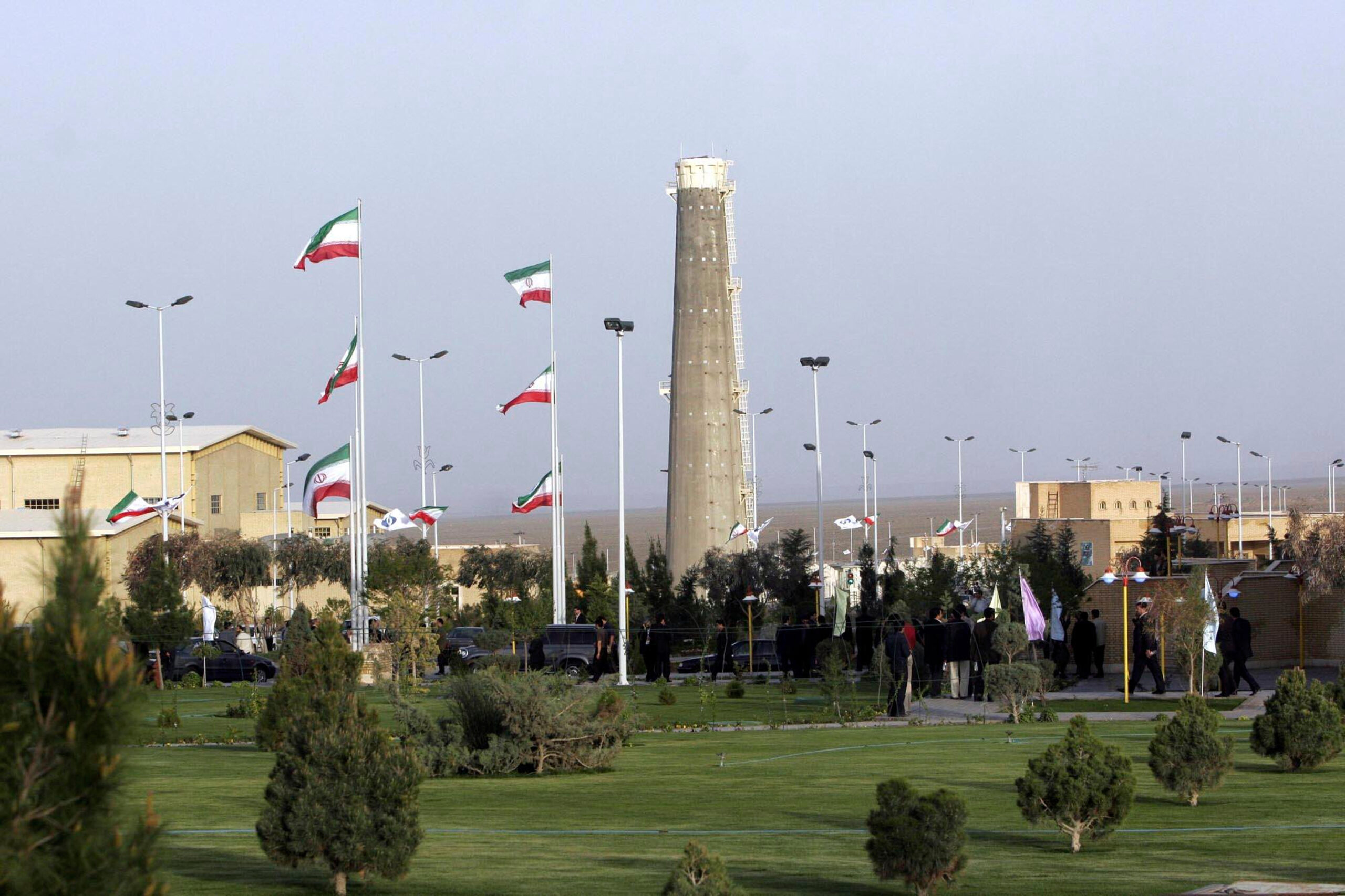
Book Talk: Iran and the Bomb: The United States, Iran and the Nuclear Question
On June 16, AGSI hosted a discussion on the evolution of Iran's nuclear program.
Speakers
Apr 21, 2026
Inside Iran’s Wartime Leadership: Power, Succession, and Regime Stability
On April 21, AGSI hosted a discussion on the evolution of Iran's leadership during the war.
Speakers

Mar 18, 2026
In Its Conflict With the United States and Israel, Does Escalation Favor Iran?
On March 18, AGSI hosted a discussion on the escalation of the Iran war.
Speakers