Caught between Iranian strikes and U.S.-Israeli pressure to join the fight, Gulf Arab states strive to maintain their autonomy over decision making, playing defense and preserving the space to maneuver when the war ends.
Passengers wait at Muscat International Airport as Oman facilitates the return of passengers to their home countries, in Muscat, Oman, March 5. (Oman News Agency/Handout via REUTERS)
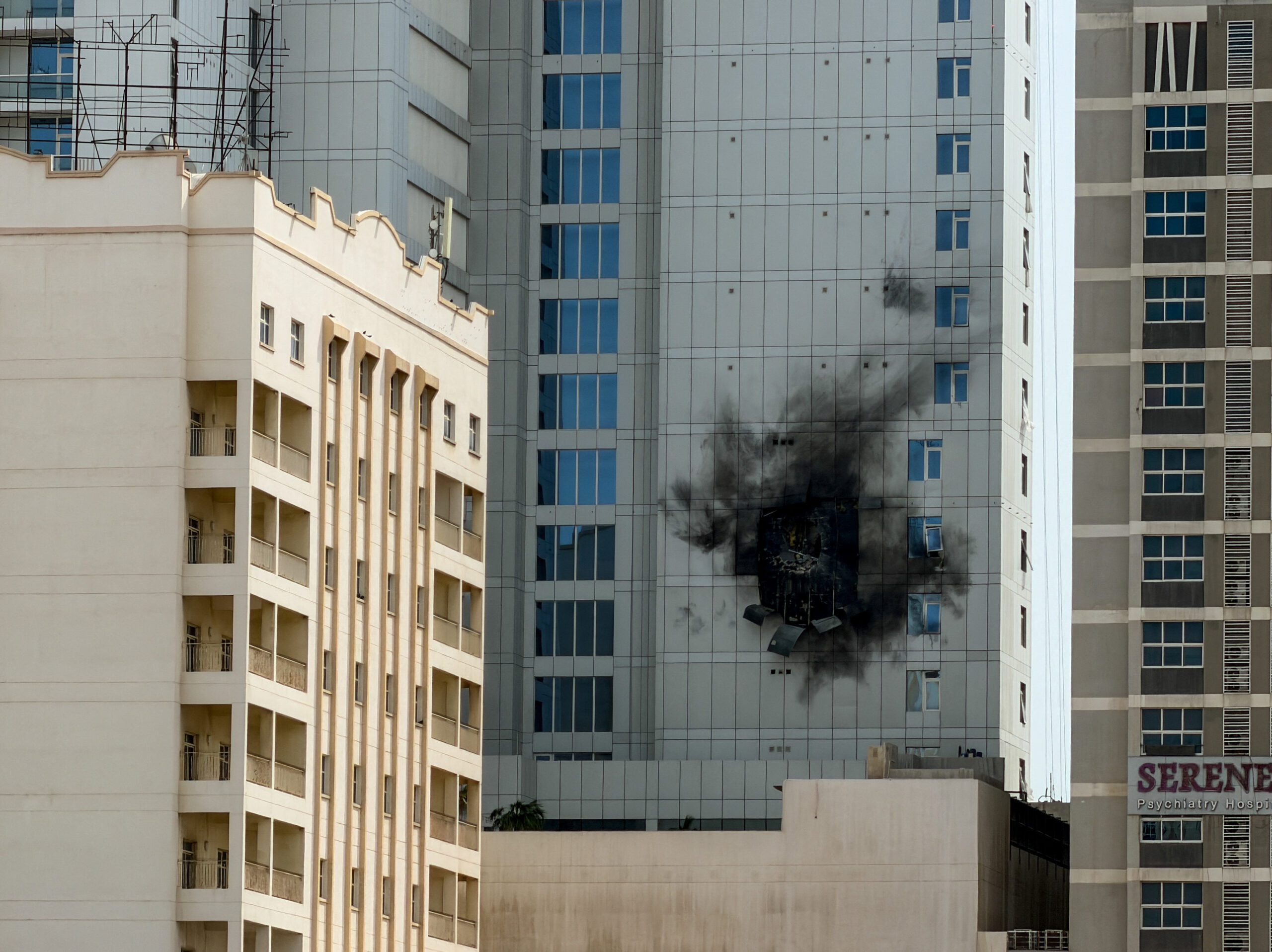
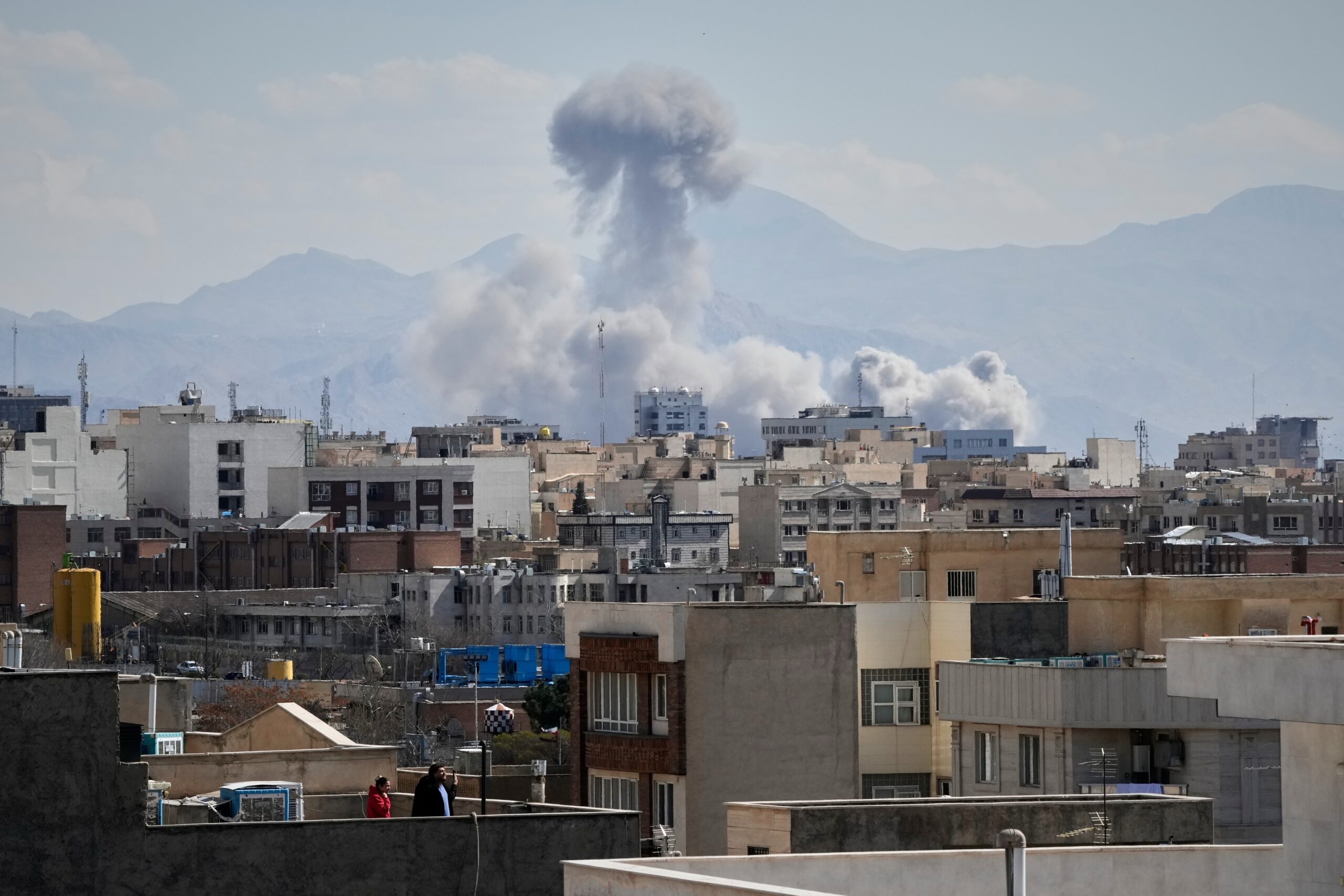
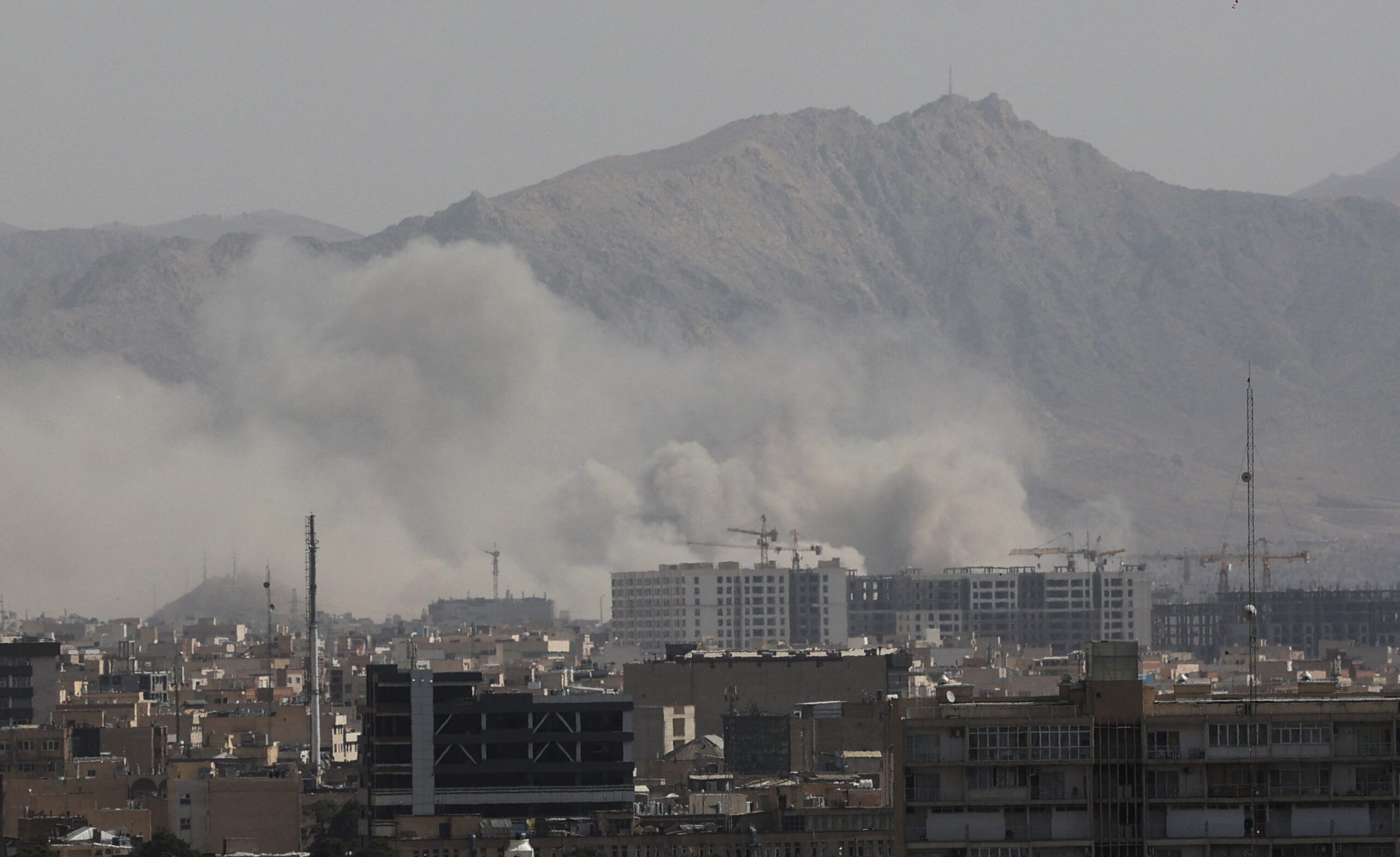
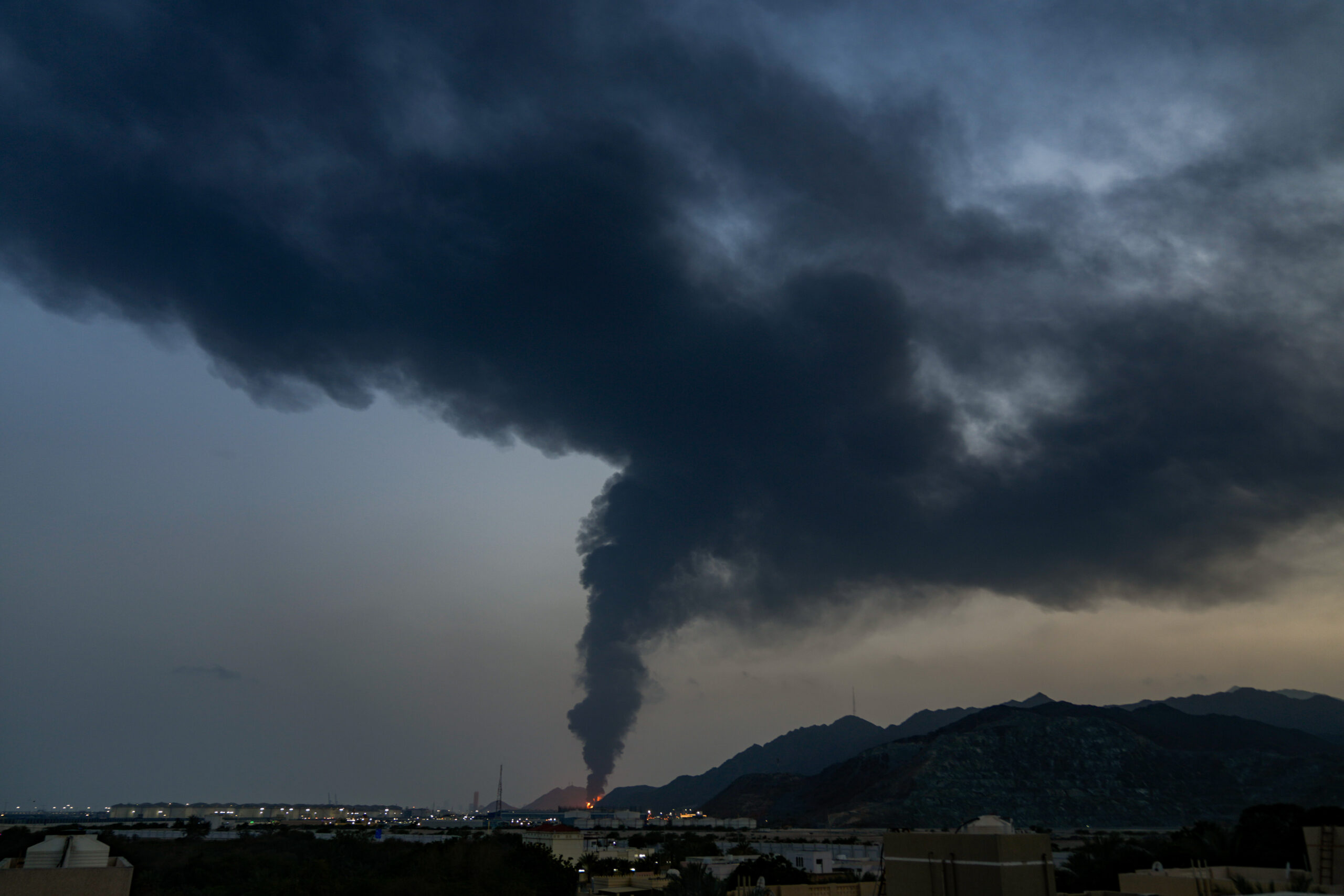
Gulf Arab states have entered the second week of a war, the course of which is being set by others, with insufficient regard to their interests and national welfare. In the military confrontation launched by the United States and Israel against Iran, Iran’s retaliation is falling disproportionately on its neighbors. Iranian aerial attacks are disrupting the key nodes of Gulf economies – transportation, energy, and hospitality – upending the lives of citizens and the foreign residents and tourists essential to their prosperity.
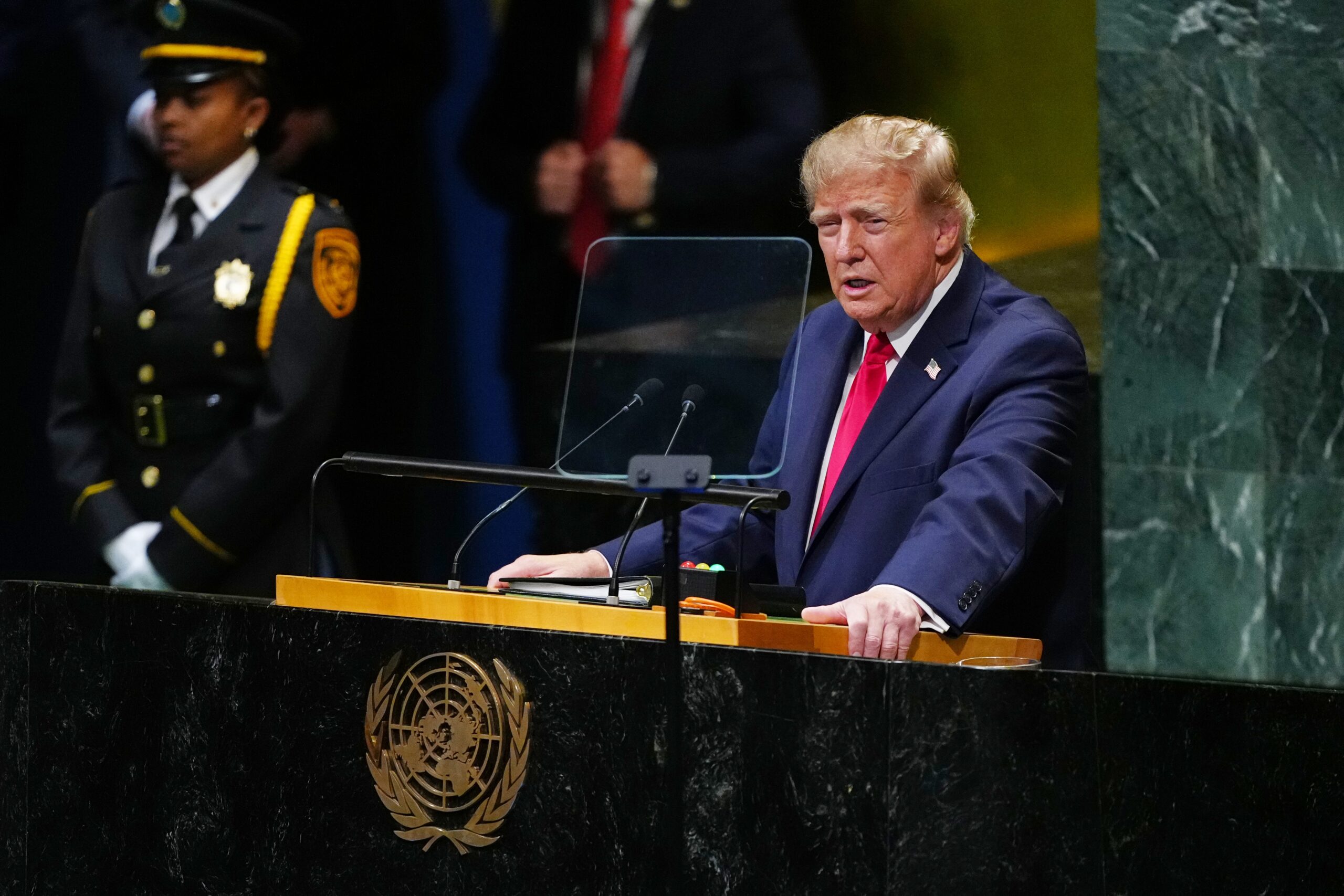
The U.S. and Israeli protagonists have been wildly inconsistent in their war aims and commitments. President Donald J. Trump has insisted that the military campaign will extend for weeks or until Iran’s “UNCONDITIONAL SURRENDER,” but then March 9 he said “the war is very complete.”
Thus, the Gulf Arab states are left to manage what they cannot control, in ways that best preserve both their security and the space for negotiations. While national defense is the priority, Gulf states also need to calibrate their diplomatic outreach with both the United States and Iran to either end the war or cope with the onslaught. In doing so they are facing down pressure – and battling disinformation – in a struggle to maintain an independent foreign policy and course of action.
Confronting the Iranian Assault
Gulf Arab leaders are clear headed as to the most immediate and direct threat they face. Their official statements at the start of the conflict were united in directing their condemnation at Iran for its attacks not at the United States and Israel for initiating the war. They have also been consistent in confronting Iran’s misdirection as to its intent and activities. The Saudi Foreign Ministry dismissed Iranian President Masoud Pezeshkian’s apology and assertion that Iran would end its attacks on its neighbors, even as air raid sirens sounded in Bahrain and Qatar, stating “the Kingdom can confirm that the Iranians have not applied this on the ground, before or after the president’s speech.” All Gulf Arab states have been resolute in reasserting their absolute right to defend their territories and deter aggression.
Still, subtle differences remain in their positions. Most notable has been Oman’s determination to maintain the autonomy necessary to preserve its status as mediator. Oman declined to join a joint statement from the United States and Gulf states condemning Iran’s indiscriminate attacks on civilian infrastructure. And Omani Sultan Haitham bin Tariq al-Said turned some heads with his congratulatory message welcoming Iran’s new supreme leader, Mojtaba Khamenei. That neutrality, and importantly the absence of U.S. military bases on its territory, has largely spared Oman from the Iranian aerial onslaught. But it has also benefitted its Gulf neighbors.
As Iranian drones shut down Gulf airspace, the Omani airport in Muscat remained a vital outlet for stranded travelers and tourists as well as people wishing to escape the uncertainty of the war or, conversely, return home to the Gulf region. But Oman’s mediation has also played a part in relieving its neighbors from a total shutdown. Back-channel negotiations with Iran, assisted by Qatar, permitted the opening of a specific flight corridor and the opening of Emirati airports to special flights. The release of another official statement by the Emirati Ministry of Foreign Affairs reaffirming that it had not decided to alter its defensive posture via Iran and is not a party to the war sealed the agreement. There are hopes that these windows may be expanded and some semblance of regular flights resumed.
Bloomberg further reported that Saudi Arabia has opened its own diplomatic back channel with Tehran and is engaged in near daily communication with the Iranian ambassador in Riyadh reiterating that the kingdom’s territory is not being used for an attack on Iran. Such contacts shouldn’t be misread as weakness. Gulf states continue to reserve their ability to take a more offensive posture if Iranian strikes persist and escalate. Yet, as these states face the Trump administration’s admittedly inconsistent commitment to a protracted war, the ability to alleviate the unrelenting pressure on transportation, and perhaps in other critical areas as well, is indispensable to managing the crisis and finding a modus vivendi with the Iranian regime at its end.
Combatting Verbal Threats and Misinformation
The preservation of this defensive posture has not been easy. While Iranian missiles and drones have rained down on one side, a campaign has emerged to enlist the Gulf Arab states directly in the battle or suggest that they already have entered the conflict.
In several public statements Trump has emphasized the eagerness of Gulf states to get involved and implied that they are attacking Iran. Gulf involvement was further mischaracterized in erroneous media reports alleging Qatari and Emirati attacks over Iranian territory. Qatari advisor to the prime minister and Foreign Ministry spokesperson Majed Al Ansari had to deny Israeli Channel 12 reporting that the Qatari air force crossed into Iranian territory to pursue Iranian fighter jets. Rather, they were shot down inside Qatar’s borders.
And on March 8, multiple Israeli media reports cited unnamed sources claiming the United Arab Emirates had attacked a water desalination plant on Kharg Island in Iran. This generated a second formal denial from the Emirati Ministry of Foreign Affairs, stating that the UAE “is in a state of defense” and “does not seek to be drawn into conflicts or escalation.” Emirati officials were said to be furious, with an Emirati source telling The Times of Israel that such leaks risk damaging diplomatic and security ties with Abu Dhabi. Anwar Gargash, an Emirati presidential advisor, followed up by emphasizing that any defensive measures taken against Iran will be made “public and clear.”
This misinformation, or perhaps even disinformation, can have dire consequences for Gulf Arab states, as they strive to prevent further escalation from the Iranian side: escalation that thus far has mostly been executed on their soil. Erroneous media reports, alongside public condemnation of their defensive posture – such as an extraordinary broadside from Trump advisor Senator Lindsey Graham threatening Saudi Arabia if it did not join the fight against Iran – raise Gulf suspicions of a campaign to embroil them in the war and erase their distinction from the United States and Israel.
Gulf States Between Iran and Israel
These concerns echo broader intellectual discussions taking place about the strategic positioning of the Gulf Arab states, caught between Iranian attacks and Israeli expansionism. While a belated virtual gathering of Arab foreign ministers decried the Iranian attack on Gulf states as a “massive strategic error,” Arab condemnation has been mixed, with an alternative focus on Israel’s role in initiating the war and its expansive policies in the Arab region. These differences were articulated in a revealing debate on X between the prominent Saudi journalist Abdulrahman al-Rashed and former Secretary General of the Arab League Amr Moussa. Moussa, an Egyptian, aimed his criticism at the United States and Israel, describing the war against Iran as an “American move that was planned, in which Washington employed Israel as a regional partner, in a major step toward reshaping the Middle East … into a geopolitical regional order that Israel seeks to lead.” Rashed underlined the cost of malign Iranian regional activities over 40 years: “The issue is ending a phase of militia and Iranian threats even if it happens at the hands of a power we disagree with.”
These debates are likely to persist into and beyond the war, with Iran’s expanding attacks on civilian facilities inviting greater military involvement of Gulf Arab states, while unease about Israeli dominance after the war divides public opinion. For the moment, Gulf states are playing defense.
The views represented herein are the author's or speaker's own and do not necessarily reflect the views of AGSI, its staff, or its board of directors.
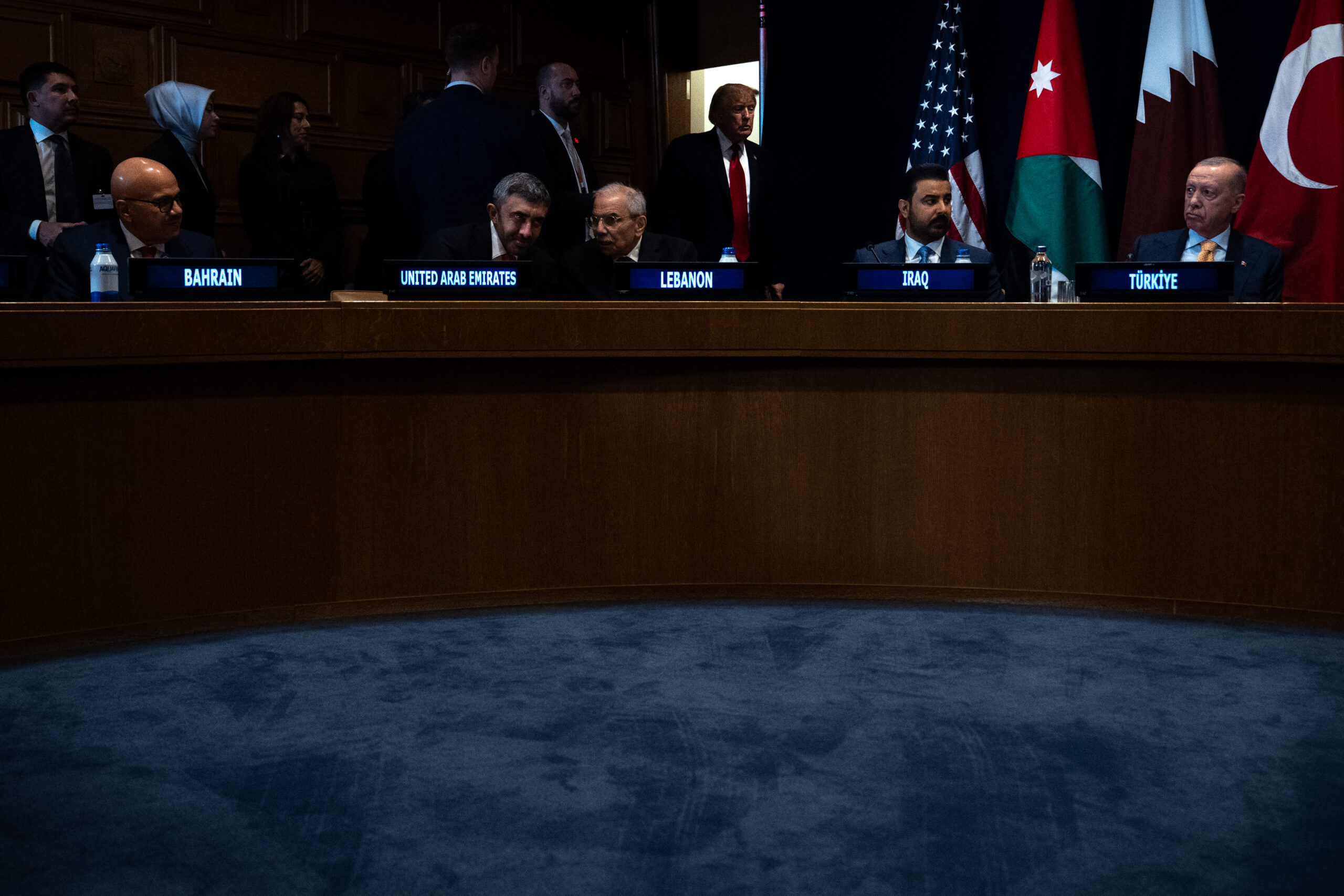
Though they were unsuccessful in preventing the current conflict, and, as expected, have been dragged into the U.S.-Israeli confrontation with Iran, Gulf Arab countries remain crucial to hopes for limiting the war and bringing it to a quick resolution.
Gulf Arab countries urged the United States not to strike Iran, but now that is happening, they are in danger of being sucked into a conflict they cannot control but that will likely reshape their present and future realities.
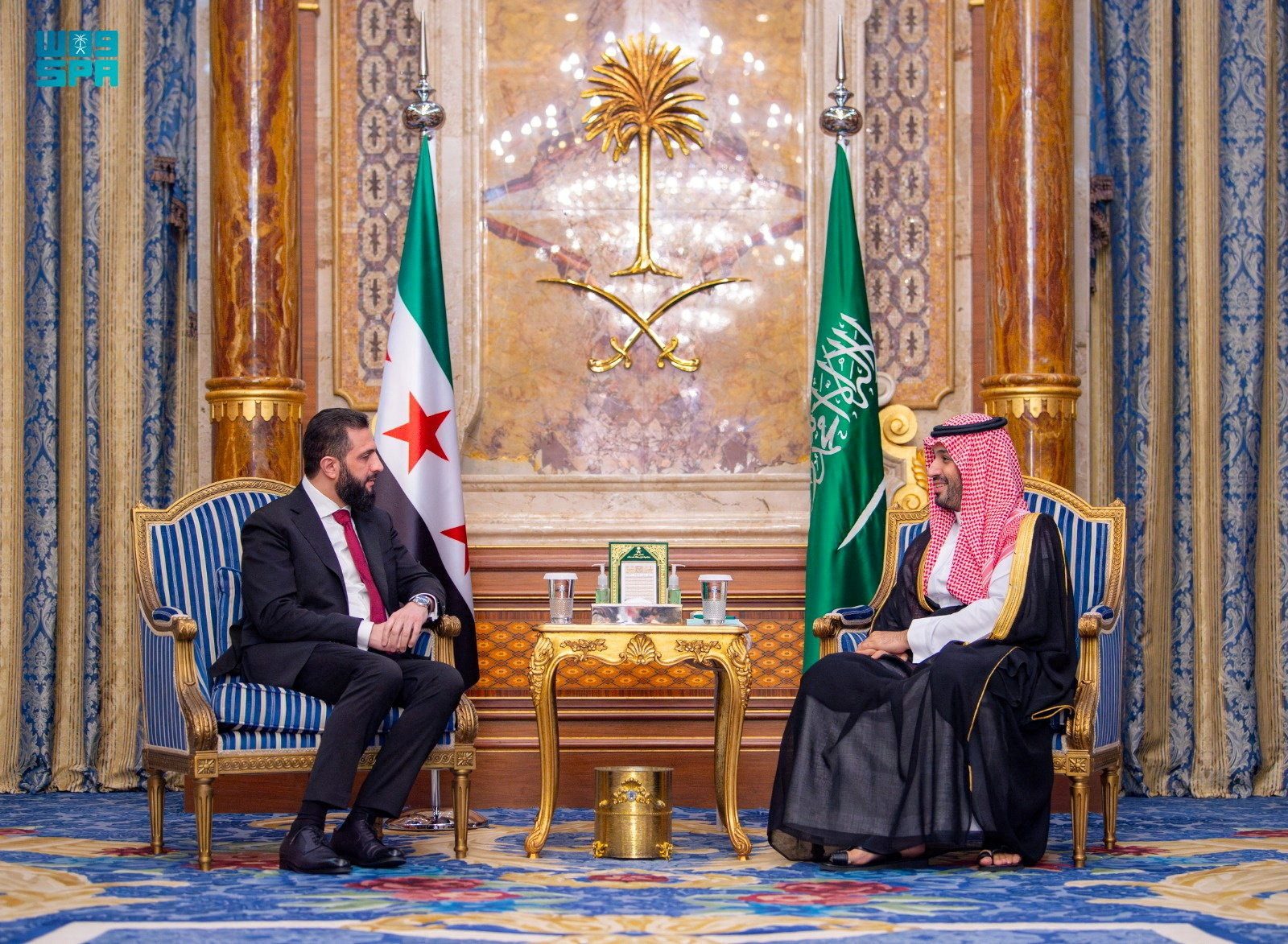
Syria hopes to use the Iran war to deepen its connection to its Gulf Arab partners. Can it compete for inclusion within the regional security order and emerging trade corridors?
The imperative for Gulf states to unify their position has grown since the onset of Iranian attacks on their countries. Yet under conditions of uncertainty about the U.S. position and the war's outcome, Gulf states are demonstrating differing regional alignments and preferences for managing the crisis.