Oct 28, 2025
Former IRGC Chief Weighs In on Potential for Renewed Conflict With Israel
The October 28 edition of the Iran Media Review highlights an interview with former IRGC Commander Major General Mohammad Ali Jafari about the possibility of a new war with Israel.

In its public information campaigns, Iran’s propaganda apparatus differentiates between messaging broadcast by Islamic Republic of Iran Broadcasting, which targets the general public, and content intended for more discerning media consumers – including the regime’s loyal base – distributed through select YouTube channels. Majaraa Media appears to be one such channel, having so far released nine interviews with Iranian officials regarding the June conflict with Israel and the United States. The latest episode featured former Islamic Revolutionary Guard Corps Commander Major General Mohammad Ali Jafari, who is best known for preparing Iran’s security services to suppress the 2009 antiregime protests and for predicting on the eve of Israel’s June 13 strikes that Israel “would not dare attack Iran.” In this interview, however, Jafari struck a more nuanced tone.
- October 23: Majaraa Media’s YouTube channel featured an interview with former Islamic Revolutionary Guard Corps Commander Major General Mohammad Ali Jafari, in which he stated:
- “Will war break out again? The reality is that this cannot be predicted. If the enemy wishes to act rationally, it should not reach such a decision. The enemy may, however, commit such audacity, but it must be remembered that previous examples have shown the enemy’s will has been constrained by divine will and the will of the people.”
- “The enemy may believe that, if it acts more quickly, we won’t have the chance to remedy our weaknesses and increase our readiness. Therefore, it may rush. Conversely, the consequences of starting a war – the economic pressures and the losses the enemy has suffered so far – prevent hasty decision making. Even political and domestic calculations, such as the situation of Israel’s prime minister and the need to preserve his position, influence that decision.”
- “The enemy’s mechanisms, sanctions, and preparatory measures can create conditions for hostile actions, but the experience and readiness of Iran’s armed forces and the backing of the people indicate that any aggression will be met with a proportionate response. Therefore, the outbreak of war is not certain and always depends on the enemy’s calculations and decisions.”
- Concluding the interview, Jafari stated that “the enemy’s real vulnerability is in the Persian Gulf,” and did not rule out Iran, in a defensive act, taking measures to “close the Strait of Hormuz.”
The views represented herein are the author's or speaker's own and do not necessarily reflect the views of AGSI, its staff, or its board of directors.
Related
Iran Media Review
Oct 24, 2025
Iranian “Businessman” Reports Record-High Oil Exports Despite Sanctions
The October 24 edition of the Iran Media Review examines a report by an Iranian “businessman” claiming that Iran’s oil exports are at a record high and rising.
Iran Media Review
Oct 21, 2025
Khamenei Rules Out “Deal” Involving Iran’s Missile Program
The October 21 edition of the Iran Media Review highlights comments by Ayatollah Khamenei rejecting a deal with the United States that would limit Iran’s missile program.
Iran Media Review
Oct 17, 2025
Iranian Media Discuss the Merits of the Gaza War
The October 17 edition of the Iran Media Review examines Iranian media analysis of the Israel-Hamas cease-fire deal.
Oct 24, 2025
Iranian “Businessman” Reports Record-High Oil Exports Despite Sanctions
The October 24 edition of the Iran Media Review examines a report by an Iranian “businessman” claiming that Iran’s oil exports are at a record high and rising.
Oct 21, 2025
Khamenei Rules Out “Deal” Involving Iran’s Missile Program
The October 21 edition of the Iran Media Review highlights comments by Ayatollah Khamenei rejecting a deal with the United States that would limit Iran’s missile program.
Oct 17, 2025
Iranian Media Discuss the Merits of the Gaza War
The October 17 edition of the Iran Media Review examines Iranian media analysis of the Israel-Hamas cease-fire deal.
Analysis
The Islamic Republic Returns to Offense
After U.S.-Israeli strikes killed Supreme Leader Ayatollah Ali Khamenei on February 28, Iran’s collective leadership has concluded that the best defense is a good offense.
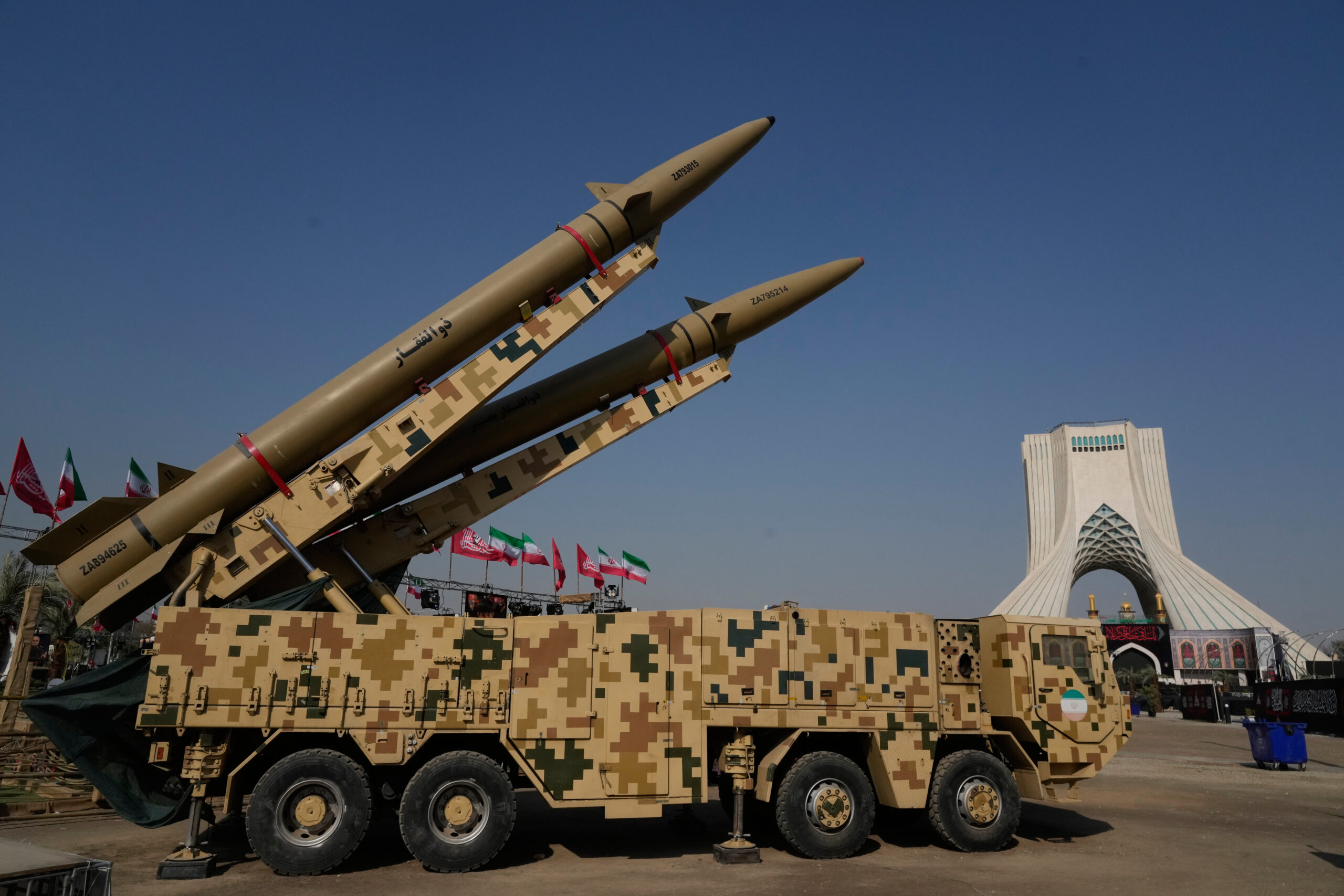
Iran’s Collective Strategic Decision Making
Wartime pressure has temporarily aligned the leadership’s overriding interest in regime survival, even as its members continue to differ over the costs, methods, and ultimate objectives of the war.
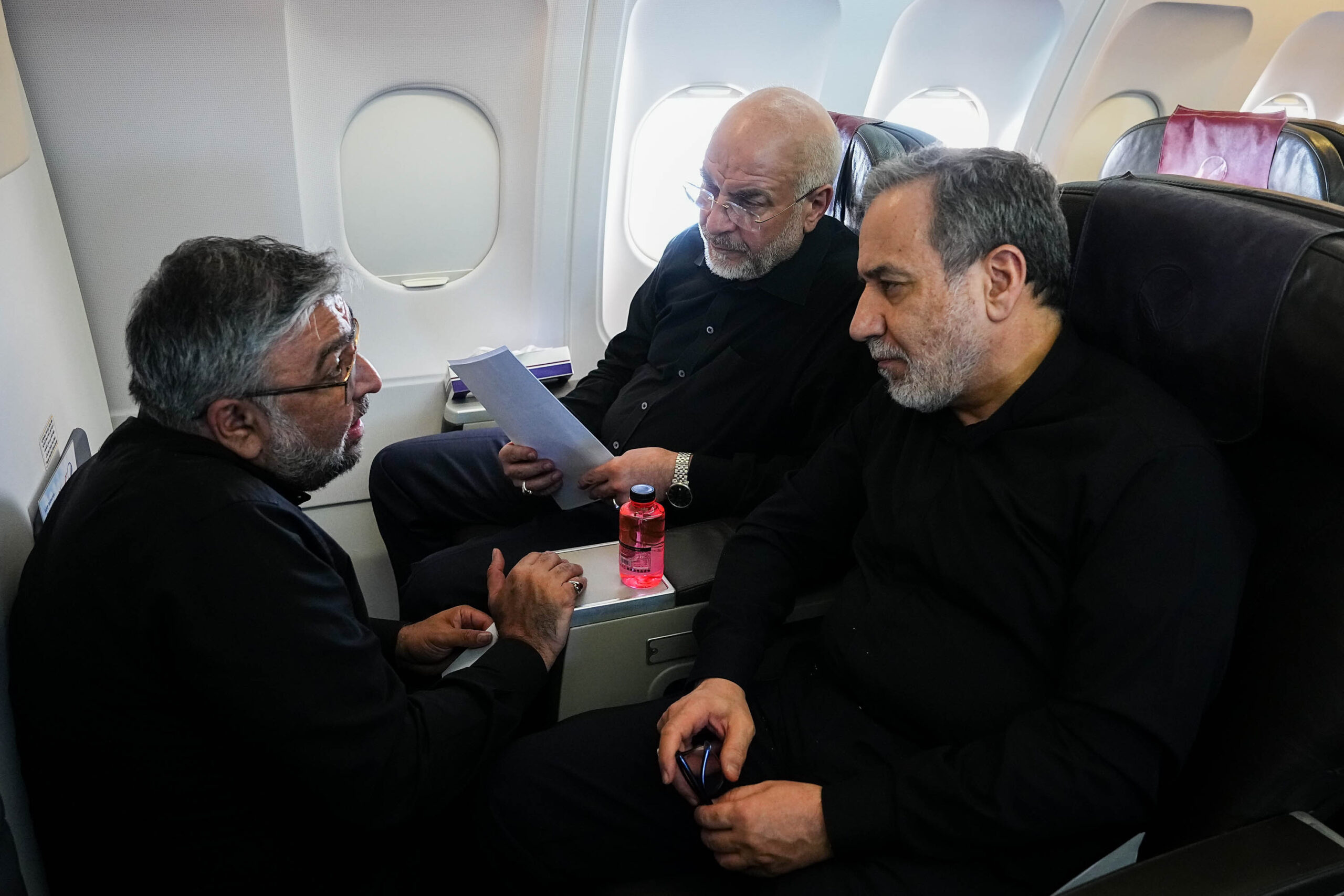
The Islamic Republic’s Collective Leadership
While there is historical precedent for collective leadership in Iran, today’s leadership includes representatives of the IRGC and regular military – a reflection of the IRGC’s expanding role and the necessities of governing under wartime conditions.
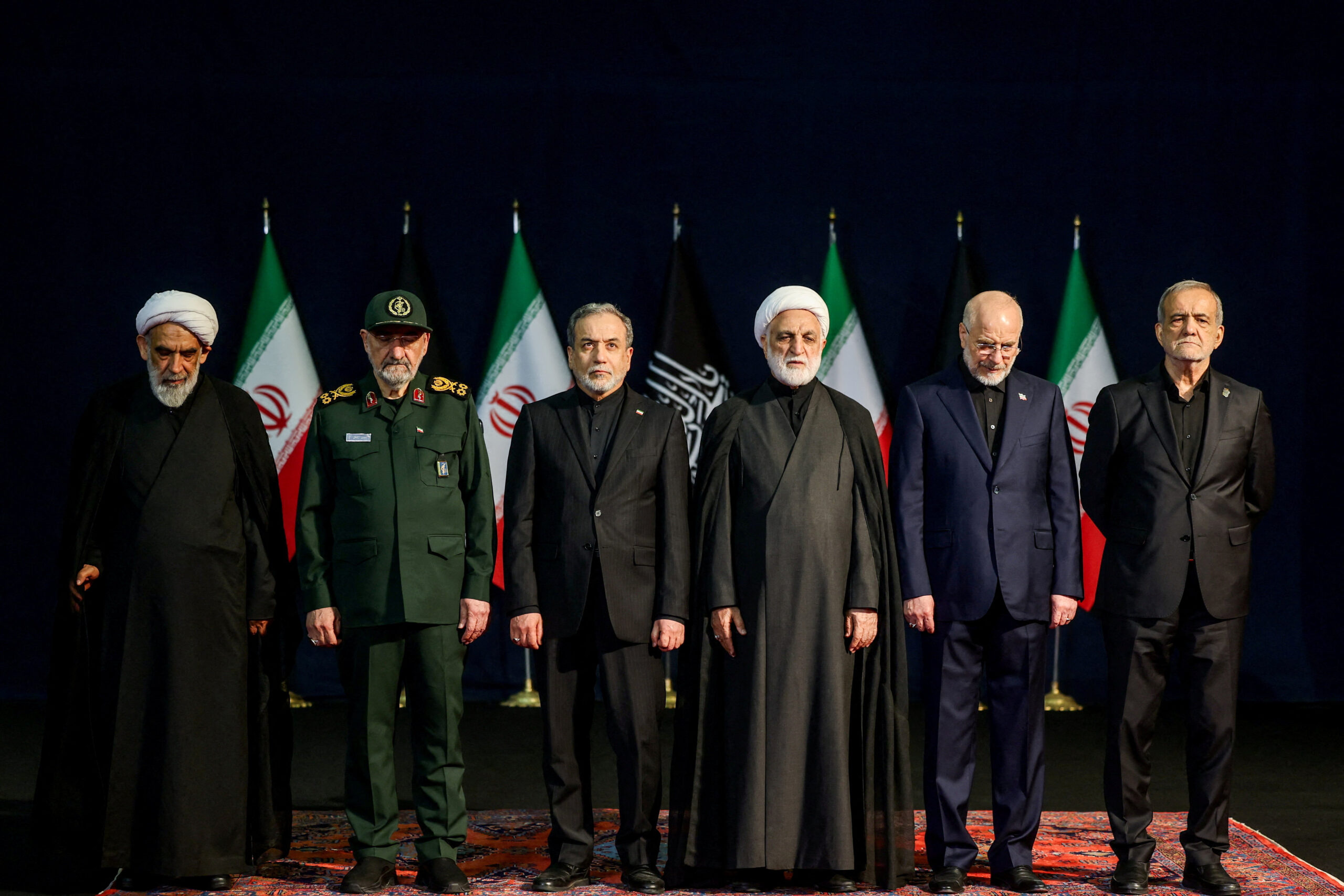
How Did the IRGC Seize Power in Iran?
The IRGC did not seize power in a single stroke. It accumulated it – patiently, methodically – until no counterweight remained.
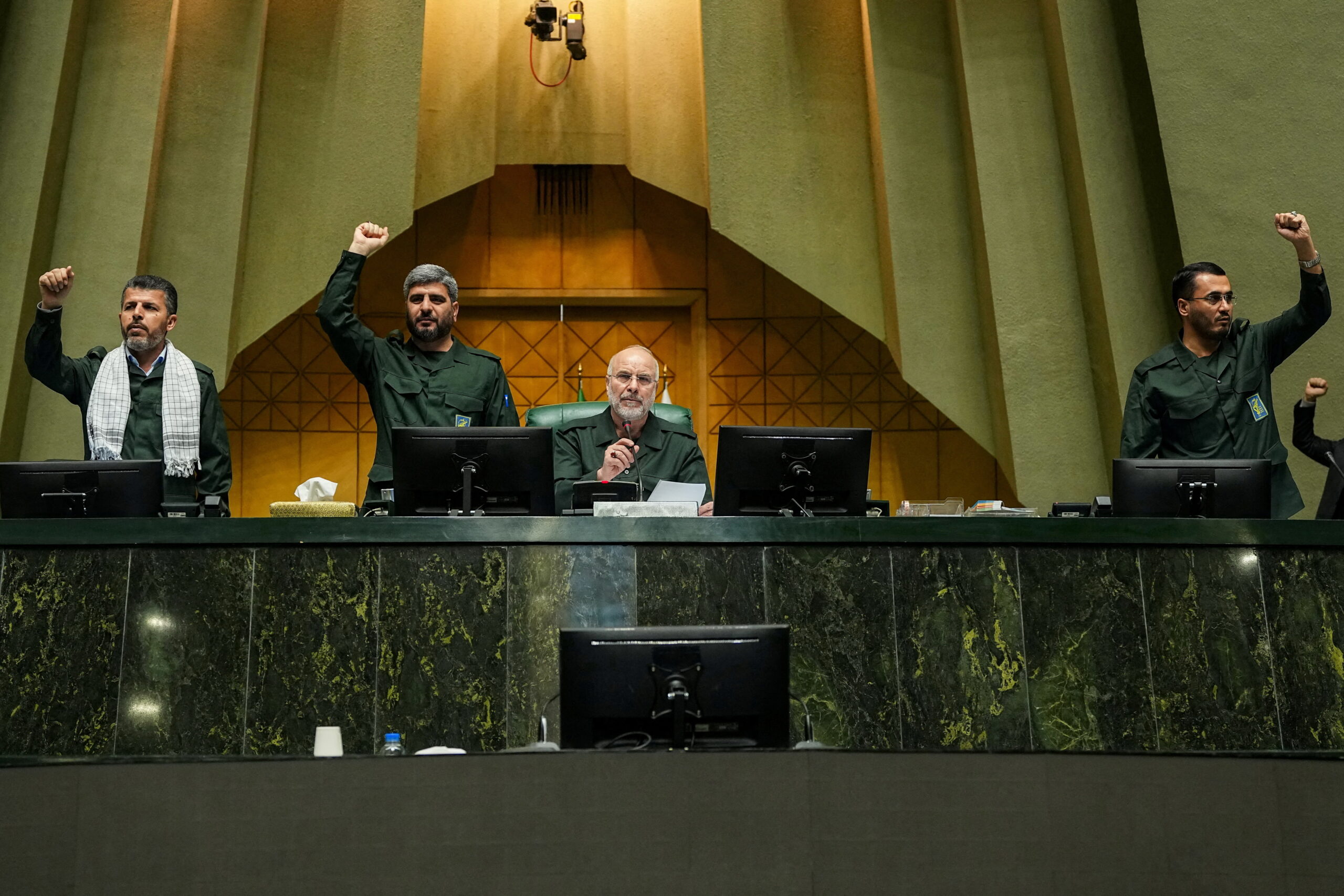
Events
Book Talk: Iran and the Bomb: The United States, Iran and the Nuclear Question
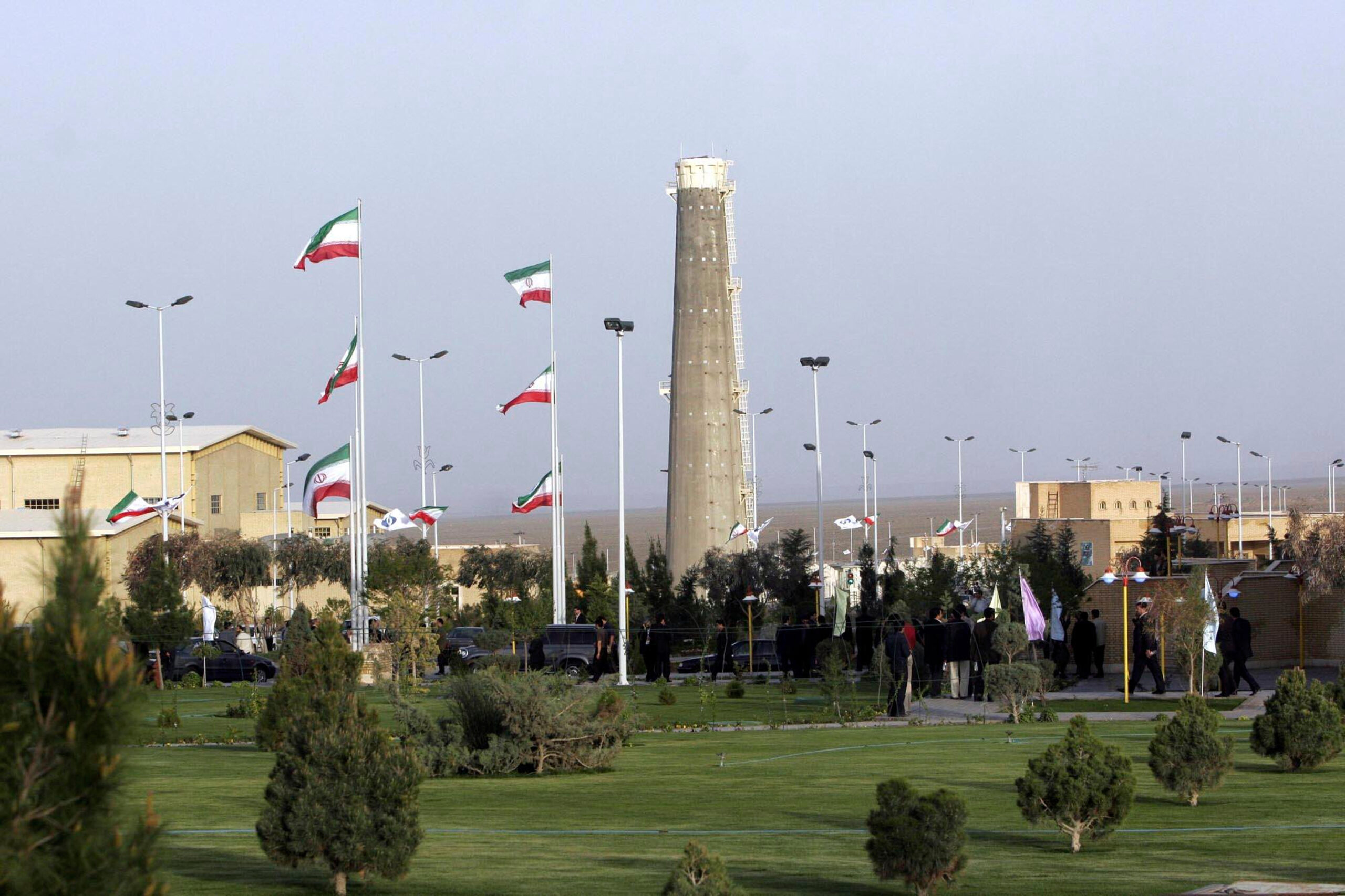
On June 16, AGSI hosted a discussion on the evolution of Iran's nuclear program.
Speakers

Apr 21, 2026
Inside Iran’s Wartime Leadership: Power, Succession, and Regime Stability
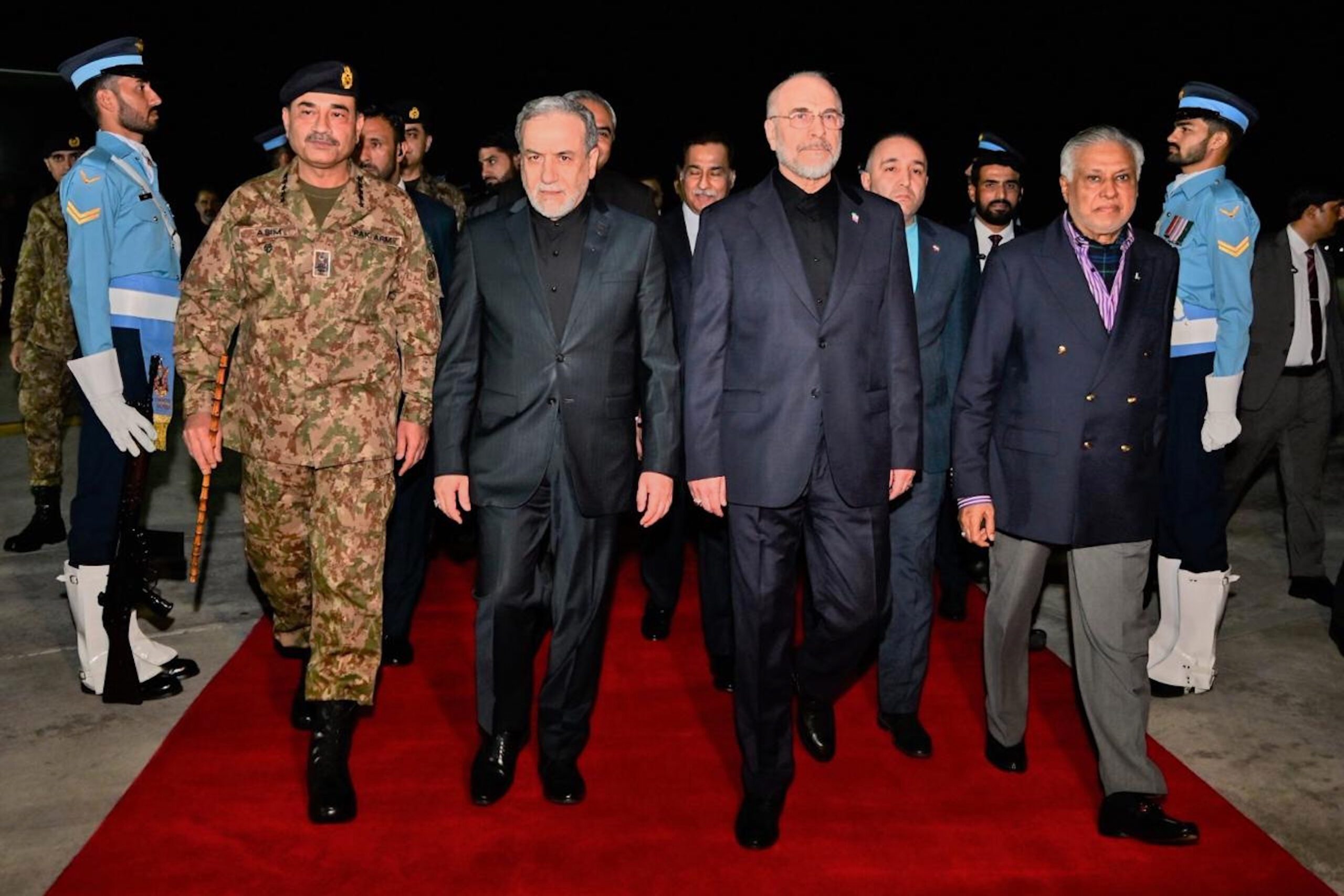
On April 21, AGSI hosted a discussion on the evolution of Iran's leadership during the war.
Speakers

Mar 18, 2026
In Its Conflict With the United States and Israel, Does Escalation Favor Iran?
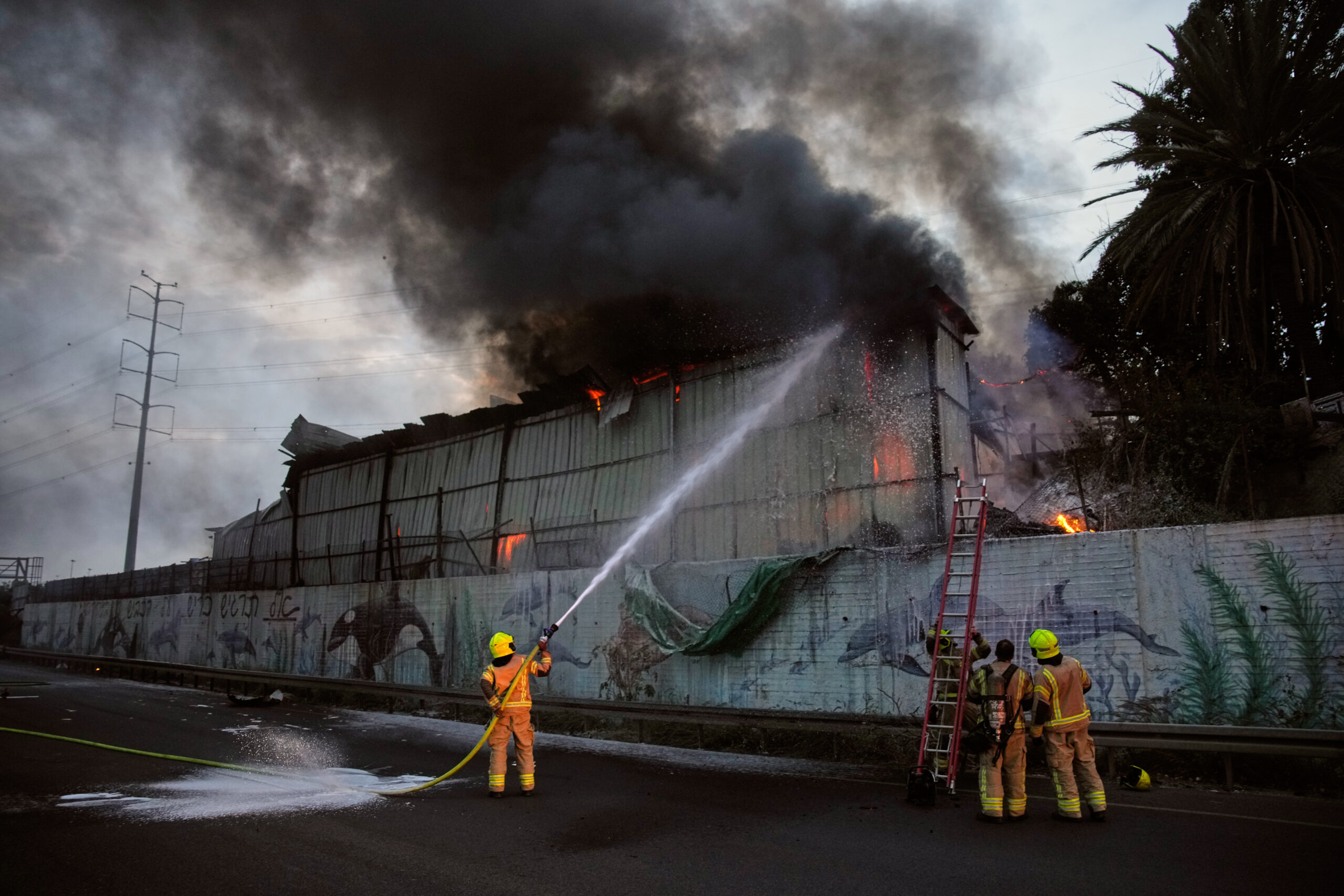
On March 18, AGSI hosted a discussion on the escalation of the Iran war.
Speakers



Mar 2, 2026
After the Shock: Implications of the U.S.–Israeli Strikes and Iran’s Leadership Transition
On March 2, AGSI hosted a discussion on the U.S.-Israeli strikes on Iran.
Speakers