Mar 19, 2024
On the Perils of “Oil-for-Services” Barter Deals With China
The March 19 edition of the Iran Media Review focuses on the debate over Iran bartering its oil for construction services to bypass U.S. sanctions.

In public commentary on the impact of the U.S. sanctions regime, Iranian officials shift between the two extremes, claiming the sanctions have no impact or exaggerating the impact of those same sanctions. As a remedy to bypass sanctions, particularly financial sector sanctions, which prevent Iran from receiving payment for its oil exports, Iran has at times used bartering, creating other problems.
- March 17: Reformist Shargh newspaper, quoting Iranian experts, discussed the perils of “oil-for-services” deals with China:
- Shargh’s anonymous columnist wrote: “Bartering oil for housing and sports stadium projects, along with expansion of the Imam Airport, is widely criticized by experts … Since September 2023, rumors have circulated about the Chinese bartering constructing housing” in Iran “for Iran’s oil, although the news has at times been dismissed and at other times confirmed by different officials … On November 25, 2023, Fars News Agency further reported that a Chinese company, in cooperation with the Khatam al-Anbia Construction Headquarters,” an Islamic Revolutionary Guard Corps company, “will be expanding the Imam Airport … And on January 17, Mehr News Agency reported on the signing of a memorandum of understanding with China concerning the construction of new sports stadiums in Tehran.”
- Shargh quoted Mohammad-Reza Rezaei Kouchi, a member of the parliamentary Construction and Development Committee: “With more than 500,000 construction engineers in this country, there is absolutely no reason for the presence of foreign companies in the housing sector.” Quoting anonymous sources, Shargh continued: “Those engaged in housing construction have said this is an unwelcome government intervention in the housing market, and there is no need for foreign investment or the involvement of foreign companies. Other media outlets accuse the government of auctioning the oil and warn there is no need to use oil revenue for unnecessary expenditures instead of fundamental infrastructure development … Other critics point at previous bad experiences with Chinese contractors … who left the Iranian market under the pretext of complying with the international sanctions regime.”
- Other critics interviewed by Shargh did not question the nature of bartering with China but rather criticized the projects being developed. Lotf-Ali Bakhshi, a retired economics professor, has started a “lobbying campaign” to persuade the government to cooperate with China to build solar energy plants instead of housing. Arash Najafi, a member of the Iran Chamber of Energy, accused the government of trying to build “showy” and “glitzy” projects for the public to see rather than attending to the fundamental needs of the country. Najafi also warned: “China is very risk averse when it comes to its investments and is unlikely to invest in Iran’s energy sector. Previously, China left the development of the Azadegan oil field and was not ready to invest in the South Pars gas field, but it is engaged in vast investments in the energy sector of the Arab states of the Persian Gulf … China even prefers Pakistan to Iran when it comes to energy sector investments.”
The views represented herein are the author's or speaker's own and do not necessarily reflect the views of AGSI, its staff, or its board of directors.
Related
Iran Media Review
Mar 15, 2024
All Quiet On the Lebanon/Syria Front
The March 15 edition of the Iran Media Review examines casualties suffered by Iranian and Iranian-backed forces in Lebanon and Syria since October 7, 2023.
Iran Media Review
Mar 12, 2024
Former Parliamentarian on Iran’s Parliamentary Elections
The March 12 edition of the Iran Media Review highlights a proposal by a former parliamentarian to increase voter participation following historically low turnout in Iran’s March 1 elections.
Mar 15, 2024
All Quiet On the Lebanon/Syria Front
The March 15 edition of the Iran Media Review examines casualties suffered by Iranian and Iranian-backed forces in Lebanon and Syria since October 7, 2023.
Mar 12, 2024
Former Parliamentarian on Iran’s Parliamentary Elections
The March 12 edition of the Iran Media Review highlights a proposal by a former parliamentarian to increase voter participation following historically low turnout in Iran’s March 1 elections.
Analysis
The Islamic Republic Returns to Offense
After U.S.-Israeli strikes killed Supreme Leader Ayatollah Ali Khamenei on February 28, Iran’s collective leadership has concluded that the best defense is a good offense.
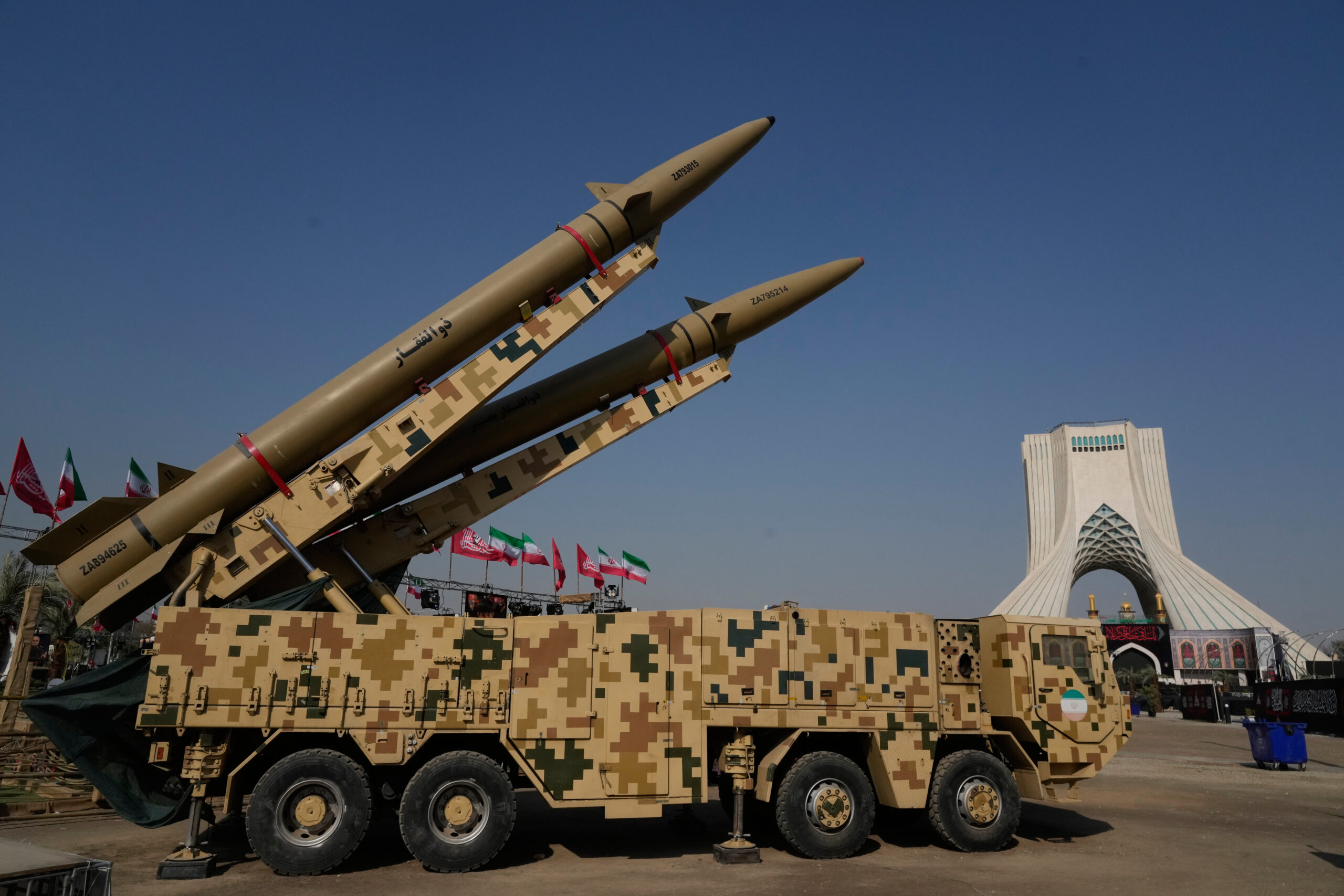
Iran’s Collective Strategic Decision Making
Wartime pressure has temporarily aligned the leadership’s overriding interest in regime survival, even as its members continue to differ over the costs, methods, and ultimate objectives of the war.
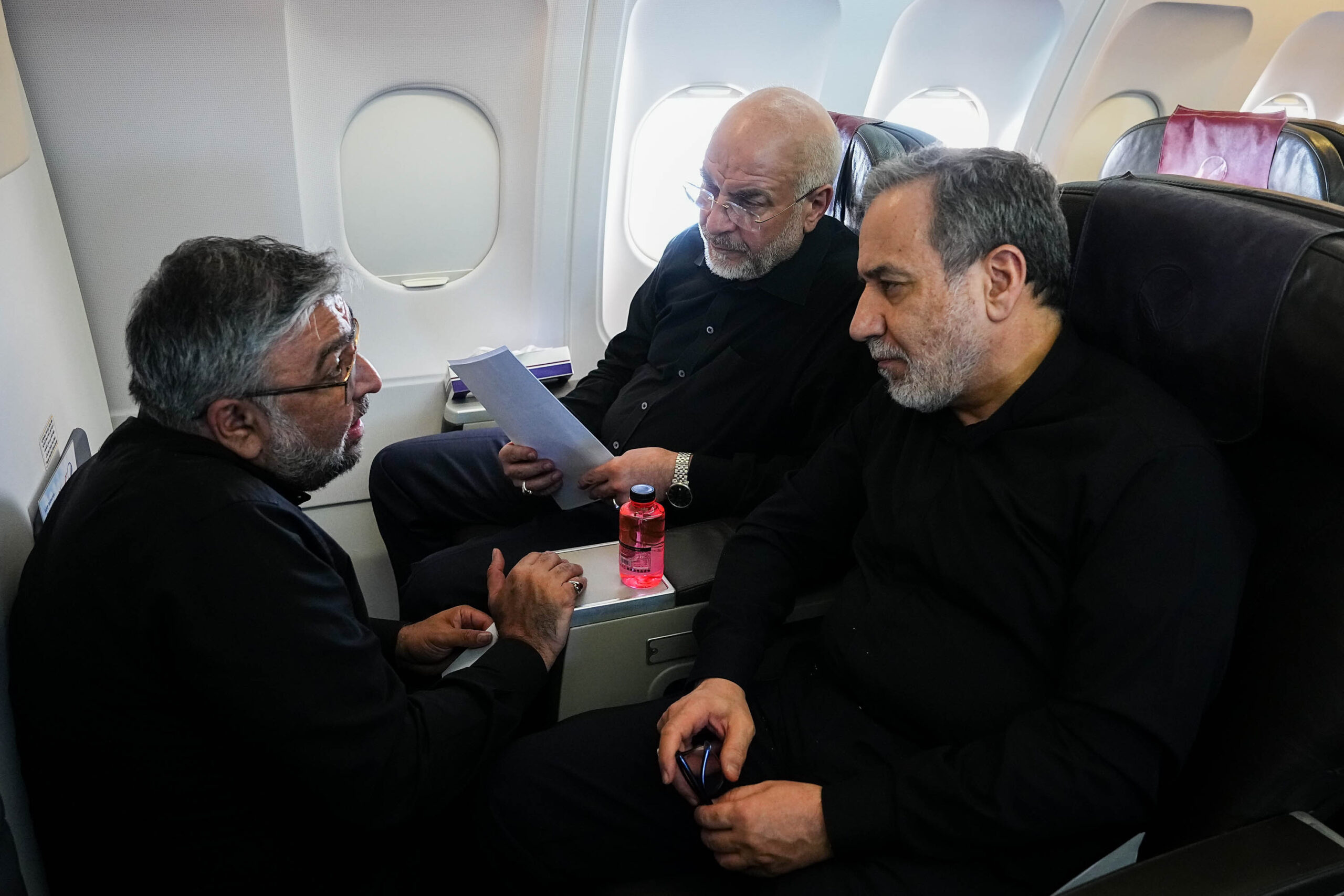
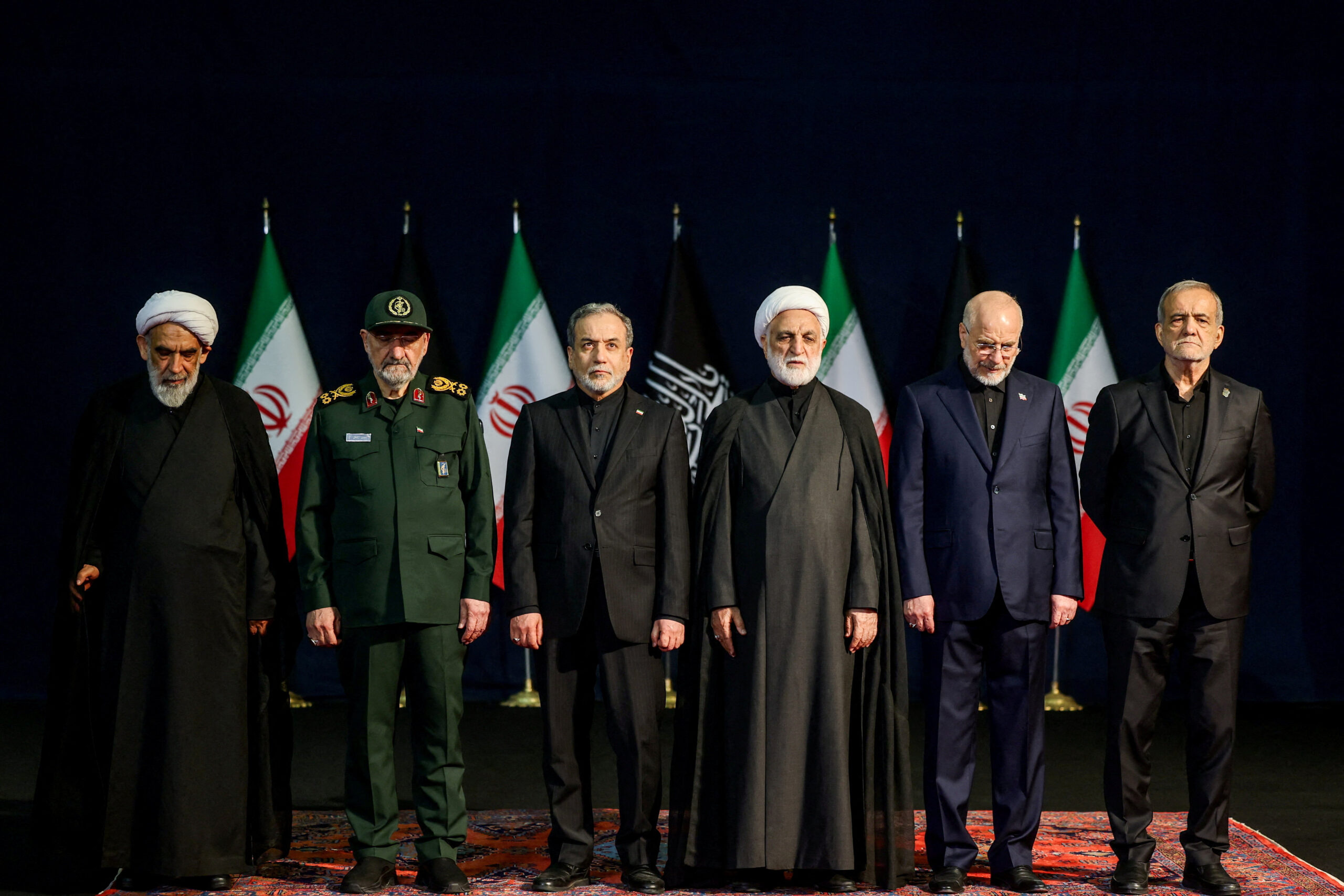
The Islamic Republic’s Collective Leadership
While there is historical precedent for collective leadership in Iran, today’s leadership includes representatives of the IRGC and regular military – a reflection of the IRGC’s expanding role and the necessities of governing under wartime conditions.
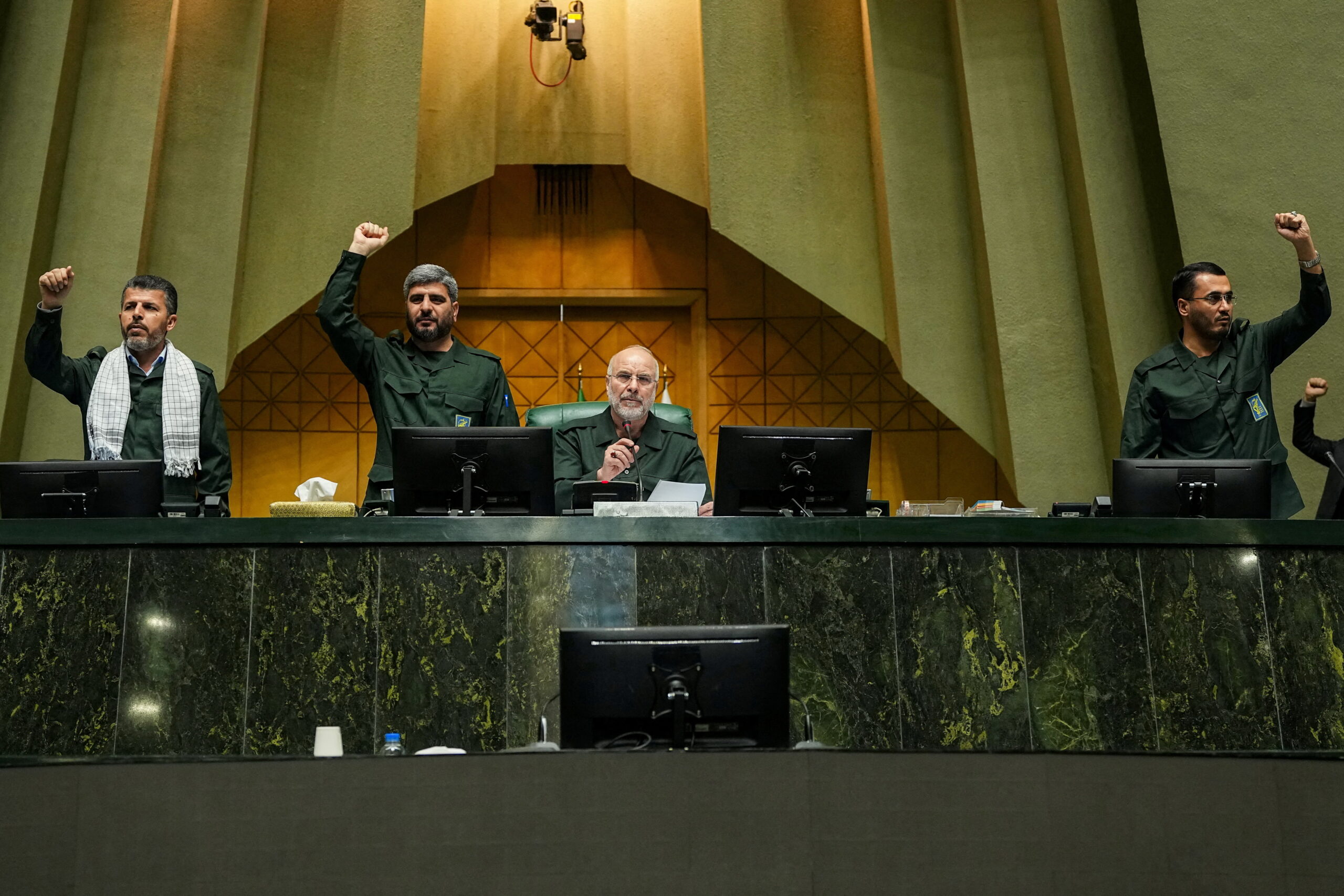
How Did the IRGC Seize Power in Iran?
The IRGC did not seize power in a single stroke. It accumulated it – patiently, methodically – until no counterweight remained.
Events
Book Talk: Iran and the Bomb: The United States, Iran and the Nuclear Question
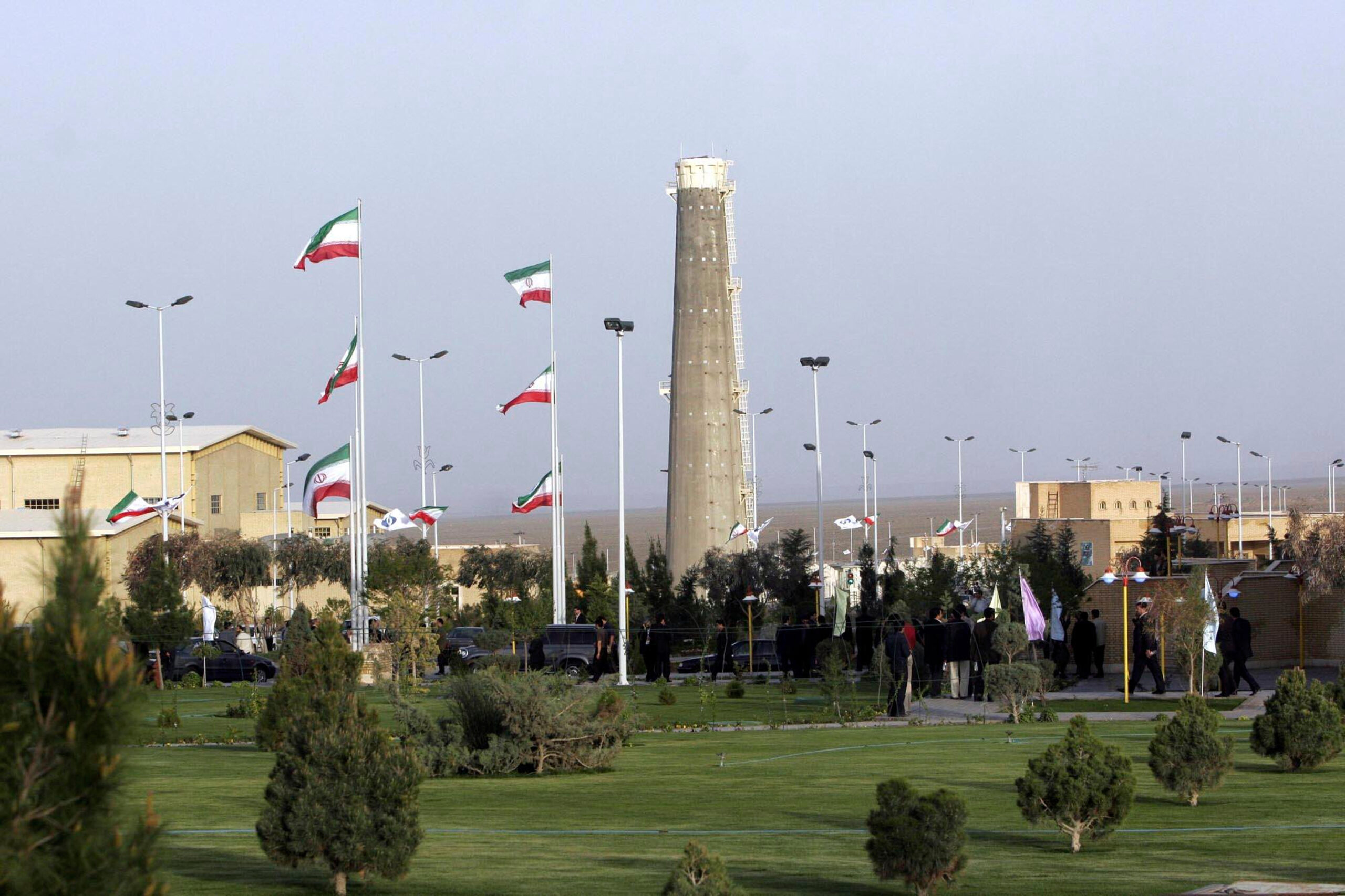
On June 16, AGSI hosted a discussion on the evolution of Iran's nuclear program.
Speakers

Apr 21, 2026
Inside Iran’s Wartime Leadership: Power, Succession, and Regime Stability
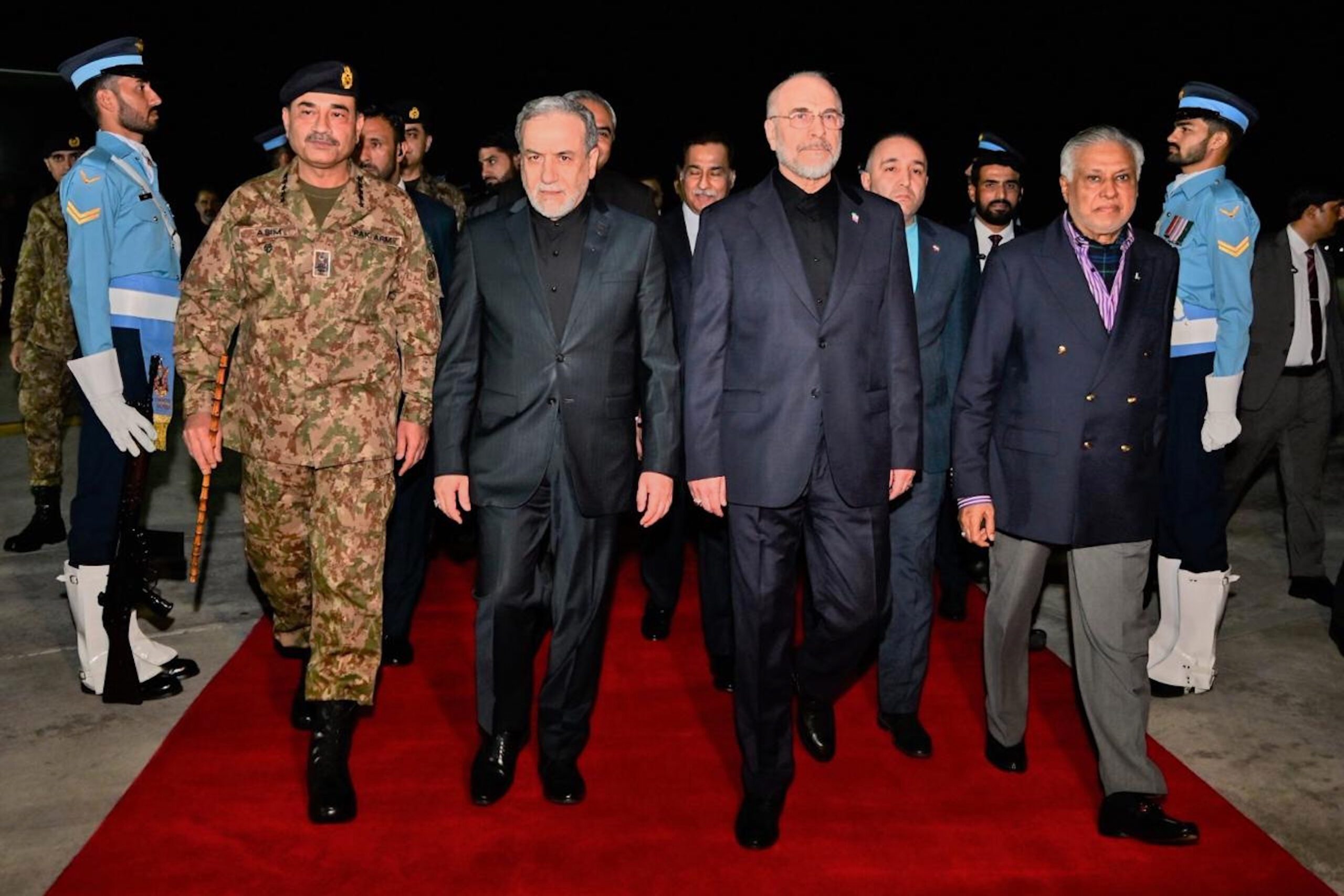
On April 21, AGSI hosted a discussion on the evolution of Iran's leadership during the war.
Speakers

Mar 18, 2026
In Its Conflict With the United States and Israel, Does Escalation Favor Iran?
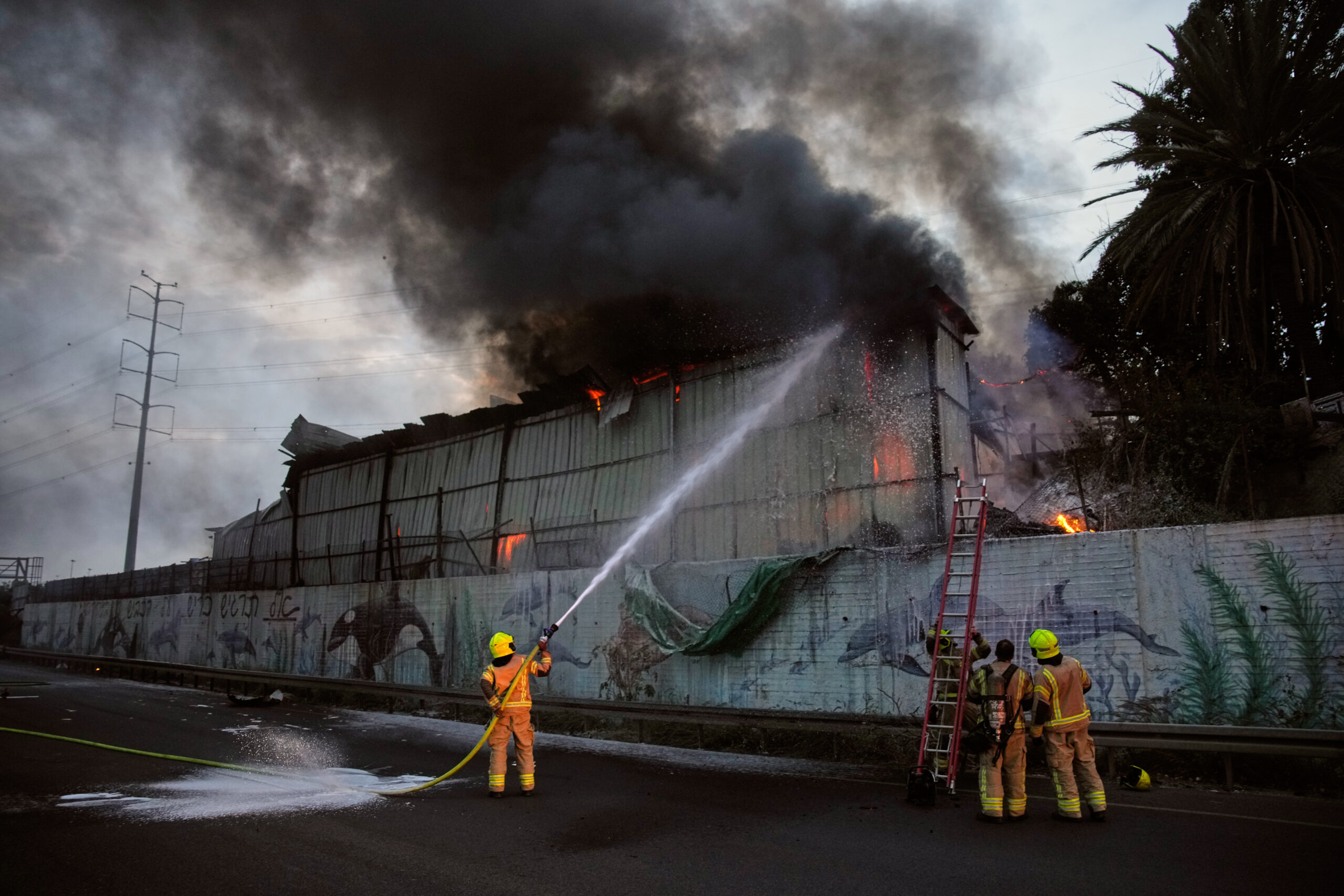
On March 18, AGSI hosted a discussion on the escalation of the Iran war.
Speakers


Mar 2, 2026
After the Shock: Implications of the U.S.–Israeli Strikes and Iran’s Leadership Transition
On March 2, AGSI hosted a discussion on the U.S.-Israeli strikes on Iran.
Speakers