Aug 8, 2023
Naval War Game and a Former Diplomat’s Warning on the Risk of Unintended Clashes With the U.S.
The August 8 edition of the Iran Media Review examines reactions to an Iranian naval exercise amid heightened tensions with the United States.

There is still no official response from Tehran to The Associated Press’ August 3 report on the potential deployment of armed U.S. personnel onboard commercial ships traveling through the Strait of Hormuz to protect international shipping from disruption by Iran. This story is particularly interesting in the context of earlier reports on the U.S. Navy’s increased presence near Oman. While the Islamic Revolutionary Guard Corps, counting on military preparedness as an effective deterrent, conducted a naval exercise, a veteran diplomat warned of an increased risk of war and urged the regime to abstain from moves that could provide foreign powers with a pretext to attack Iran.
- August 3: According to IRGC mouthpiece Mashregh News, the IRGC launched the “Martyr Eshaq Dara” war game, named after an IRGC officer killed in naval clashes with the U.S. Navy in the 1980s, with the aim of “demonstrating the prowess and defensive military capabilities of the IRGC navy in protecting security in the Persian Gulf and Iranian islands.”
- August 5: Asked in an interview with reformist Entekhab News about the message the United States is conveying to Iran with its force deployment near Oman, Kourosh Ahmadi, Iran’s former ambassador to the United Nations, said:
- “Anything is possible. It may, unfortunately, be an indicator of increased tensions between Iran and the United States … Western media has in recent weeks claimed Iran has engaged in certain acts concerning shipping and oil tankers in the vicinity of the Strait of Hormuz. Iran, in turn, has accused the United States of engaging in such acts. Therefore, Iran may be concerned about the United States increasing its sanctions against Iran and seizing a greater number of oil tankers transporting Iran’s oil.”
- Asked about Iran’s potential reaction to the increased U.S. maritime presence in the region, Ahmadi said: “Iran has staged war games to demonstrate the readiness of its defenses, but, unfortunately, all these things increase the risk of intended and unintended clashes, especially because the two parties have not established a hotline to control accidental clashes.”
- Turning to the strategic question of Iran and the region, Ahmadi said: “At least since Great Britain’s 1971 withdrawal from the Persian Gulf, Iran has always insisted that coastal states must safeguard the security of the Persian Gulf and international powers should not have a military presence in this region. Naturally, any attempt to bring about the presence – or increased presence – of world powers is contrary to Iran’s national security, particularly in the case of the United States, which is the military ally” of the Gulf Cooperation Council, “and maintains big and small military bases on the members’ territories. Under circumstances in which one member of the council, supported by other members, challenges and protests Iran’s territorial integrity, close relations between these countries and a world power could weaken Iran’s national security in the Persian Gulf. In order to safeguard its interests in the region and neutralize political and legal claims against its territorial integrity, Iran’s policy ought to concentrate on ensuring world powers have no military presence or a reduced military presence in the Persian Gulf, and it should, to the extent possible, abstain from actions that provide world powers a pretext to have a military presence in the Persian Gulf … In the 15 months until the elections,” referencing the 2024 U.S. presidential election, “the circumstances are more sensitive.”
- August 5: Under the headline “What Message Did the IRGC Navy’s Demonstration of Power Convey?,” Nour News, the official mouthpiece of the Supreme National Security Council, reported: “The war game for the first time showed the Qadir cruise missile system and the Fath ballistic missile system, which are deployed on Bou-Mousa Island,” an island claimed by both Iran and the United Arab Emirates also known as Abu Musa Island. “As with other war games, this maneuver is a messenger of peace and friendship to neighboring countries and a clear warning to those trying to upset the regional order and security. The recent behavior of the United States illustrates that this country … continues to make the region less secure by deploying its aircraft carriers and fighter jets.”
The views represented herein are the author's or speaker's own and do not necessarily reflect the views of AGSI, its staff, or its board of directors.
Related
Iran Media Review
Aug 4, 2023
Lone Voice Breaks Radio Silence on Likely Impact of Potential Israeli-Saudi Normalization
The August 4 edition of the Iran Media Review highlights commentary on the strategic implications for Iran of the normalization of relations between Israel and Saudi Arabia.
Iran Media Review
Aug 1, 2023
Potential Presidential Candidate? Former Foreign Minister Salehi Urges Talks With the U.S.
The August 1 edition of the Iran Media Review examines former Iranian Foreign Minister Ali Akbar Salehi’s call for a more balanced foreign policy.
Aug 4, 2023
Lone Voice Breaks Radio Silence on Likely Impact of Potential Israeli-Saudi Normalization
The August 4 edition of the Iran Media Review highlights commentary on the strategic implications for Iran of the normalization of relations between Israel and Saudi Arabia.
Aug 1, 2023
Potential Presidential Candidate? Former Foreign Minister Salehi Urges Talks With the U.S.
The August 1 edition of the Iran Media Review examines former Iranian Foreign Minister Ali Akbar Salehi’s call for a more balanced foreign policy.
Analysis
The Islamic Republic Returns to Offense
After U.S.-Israeli strikes killed Supreme Leader Ayatollah Ali Khamenei on February 28, Iran’s collective leadership has concluded that the best defense is a good offense.
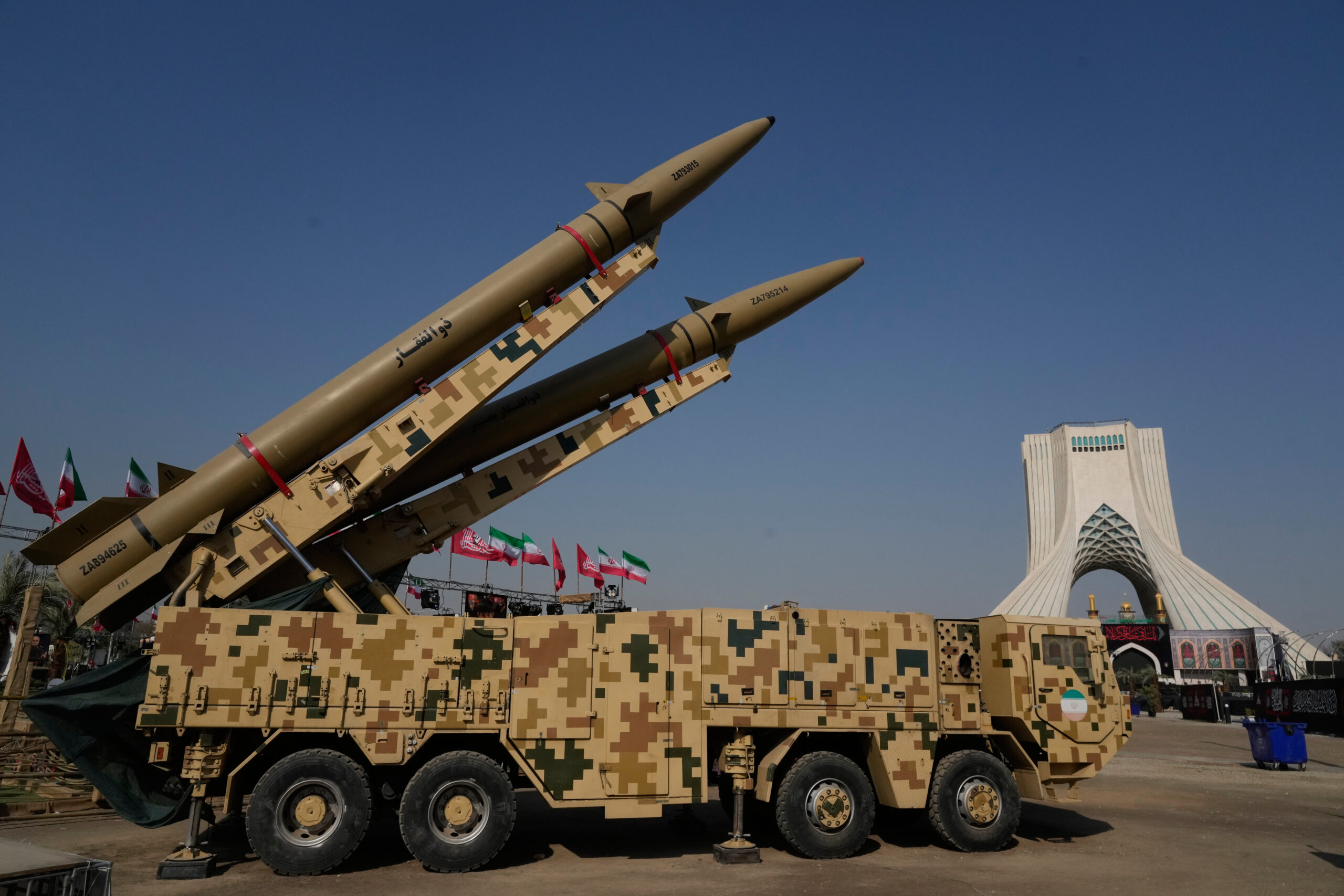
Iran’s Collective Strategic Decision Making
Wartime pressure has temporarily aligned the leadership’s overriding interest in regime survival, even as its members continue to differ over the costs, methods, and ultimate objectives of the war.
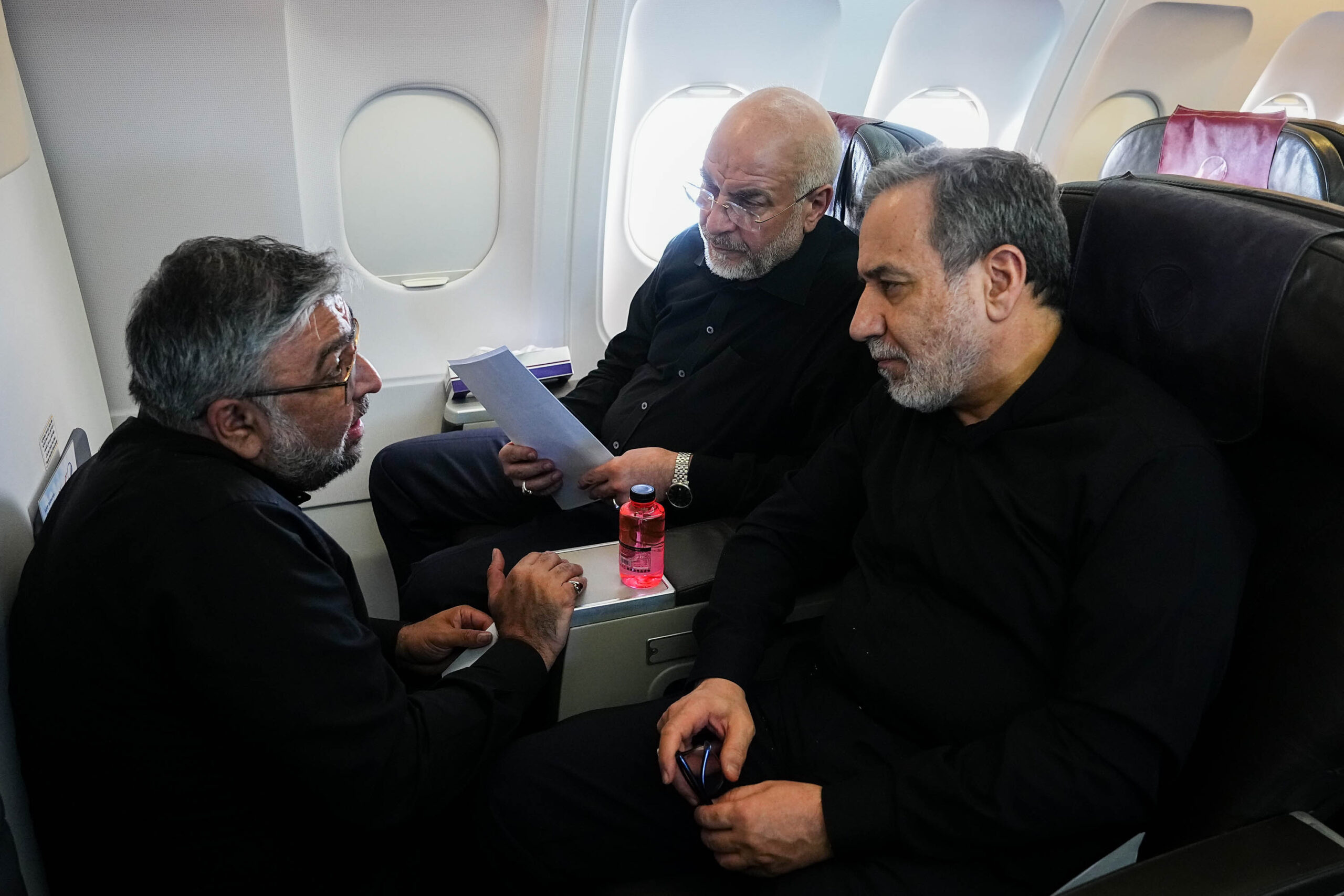
The Islamic Republic’s Collective Leadership
While there is historical precedent for collective leadership in Iran, today’s leadership includes representatives of the IRGC and regular military – a reflection of the IRGC’s expanding role and the necessities of governing under wartime conditions.
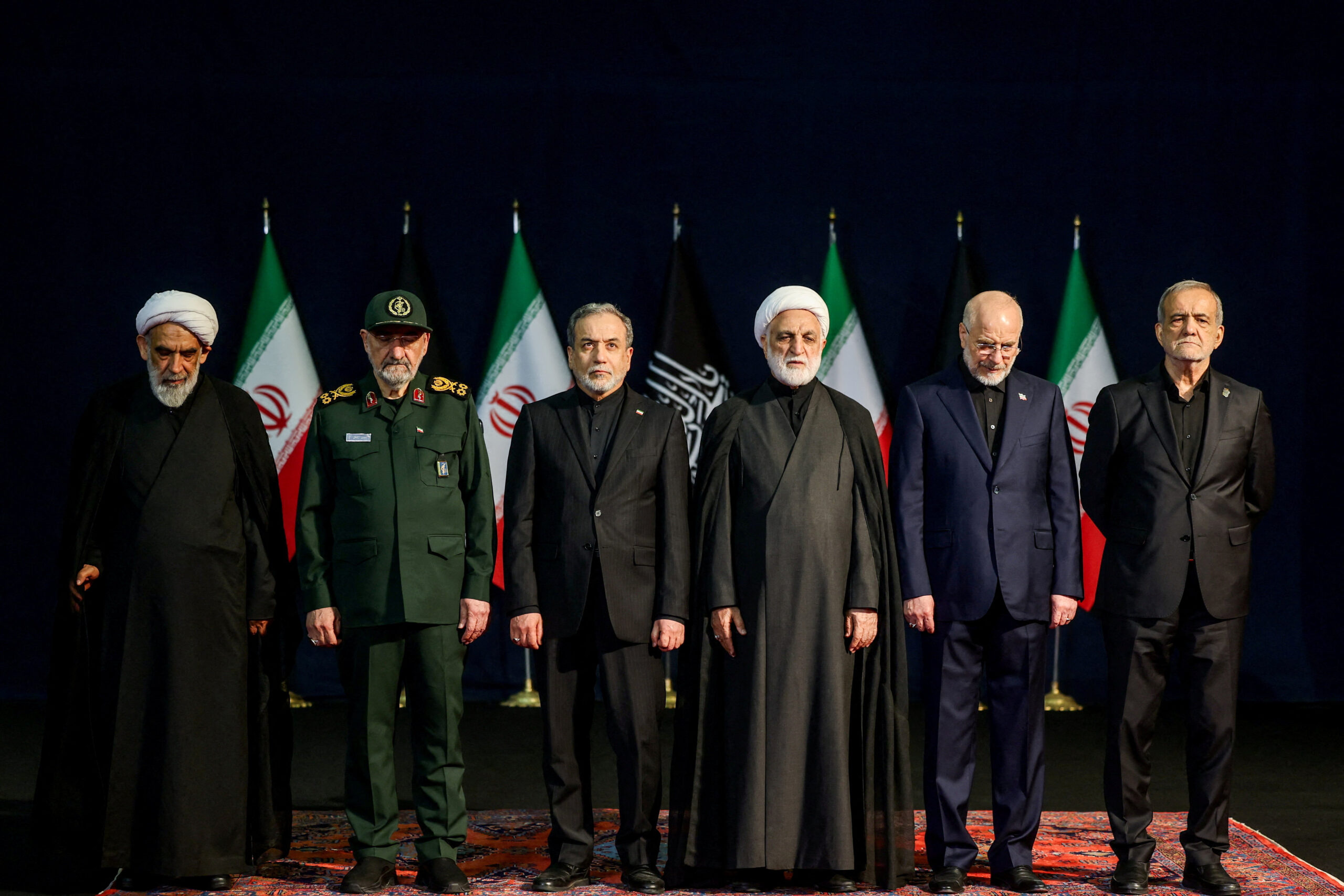
How Did the IRGC Seize Power in Iran?
The IRGC did not seize power in a single stroke. It accumulated it – patiently, methodically – until no counterweight remained.
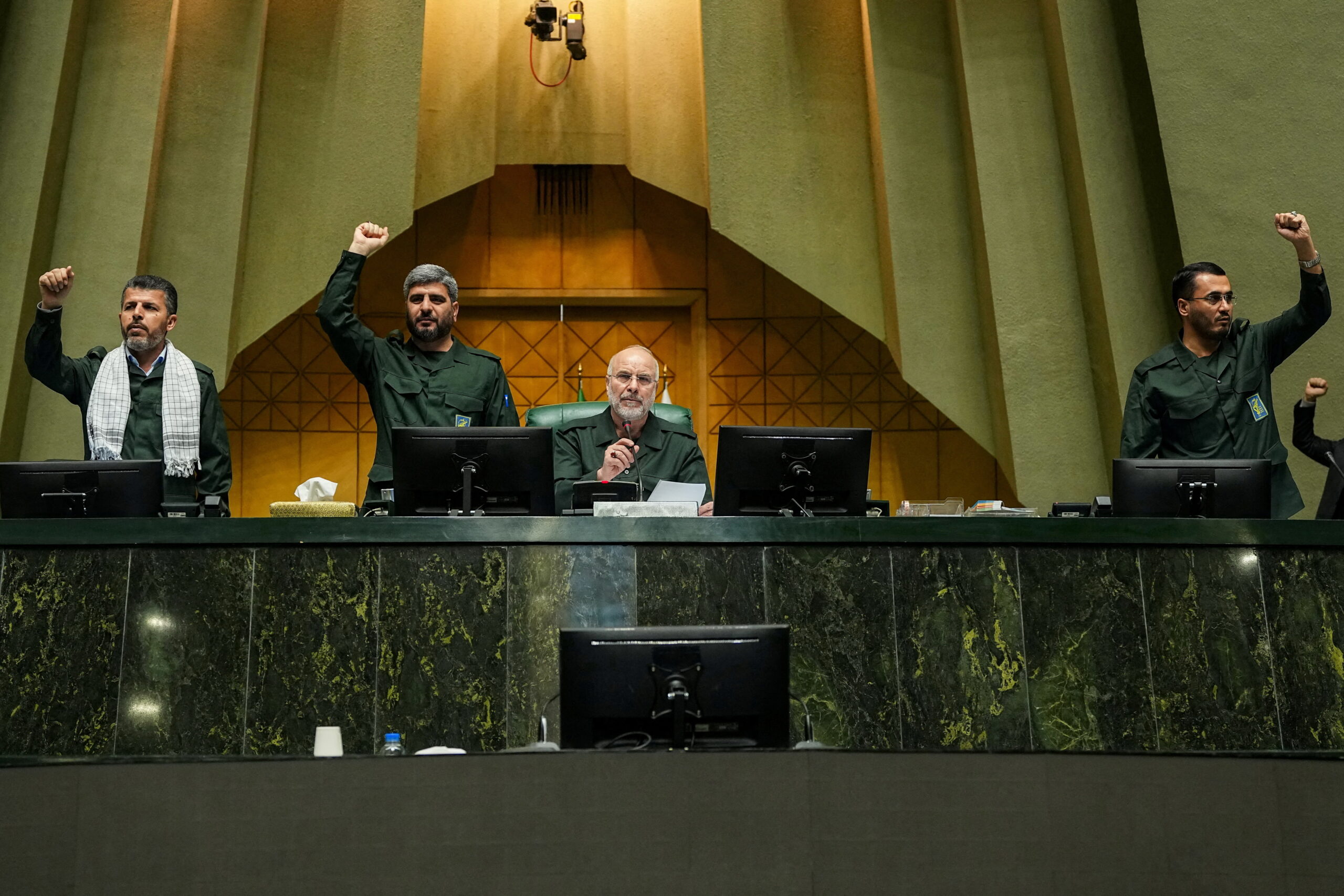
Events
Oct 6, 2026
10:00am - 11:00am
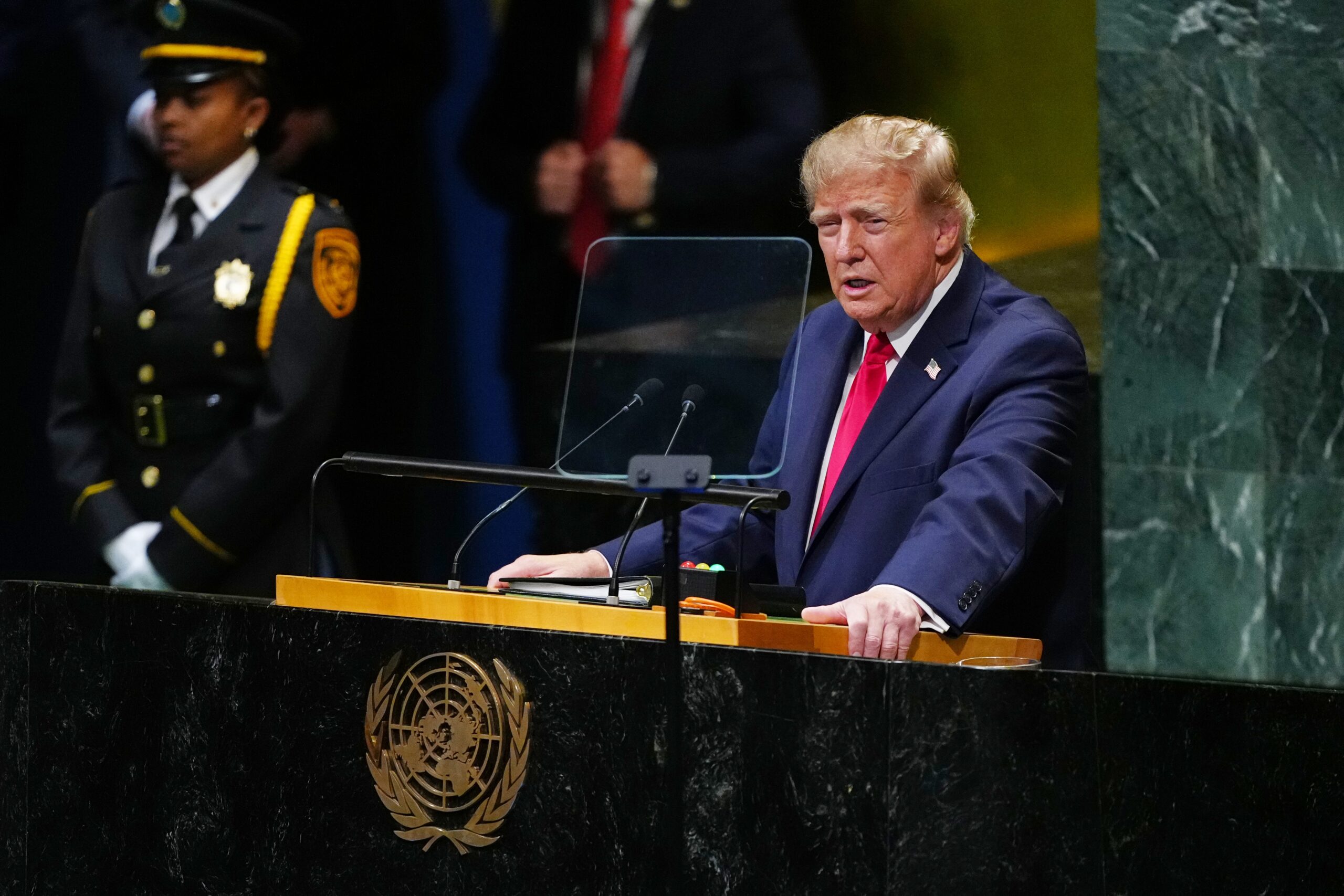
Is the U.S.-Iran Stalemate a “New Normal” or the Prelude to Another Explosion?
On October 6, AGSI will host a discussion on the U.S.-Iran stalemate and the prospects for a cease-fire.
Speakers



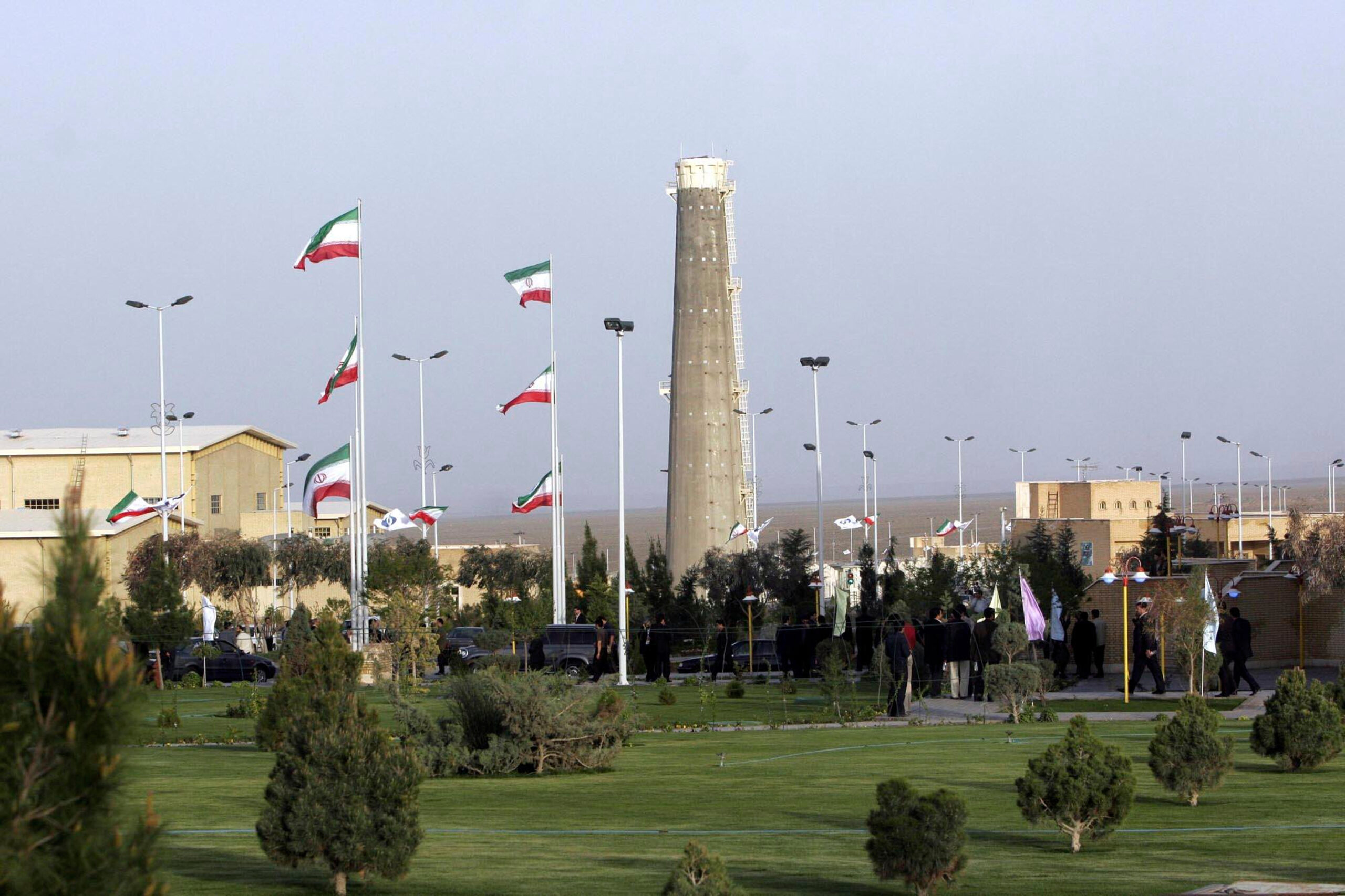
Book Talk: Iran and the Bomb: The United States, Iran and the Nuclear Question
On June 16, AGSI hosted a discussion on the evolution of Iran's nuclear program.
Speakers

Apr 21, 2026
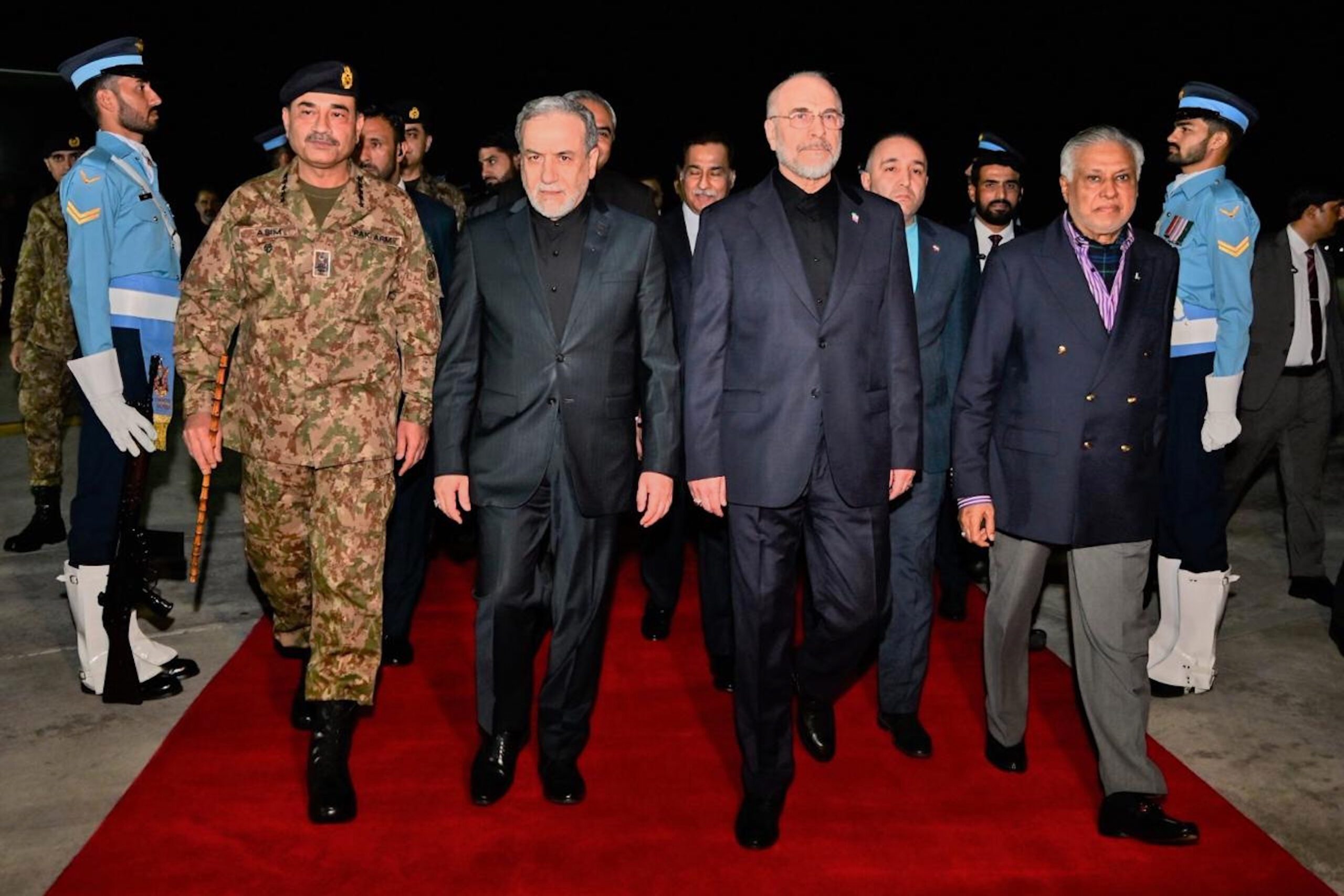
Inside Iran’s Wartime Leadership: Power, Succession, and Regime Stability
On April 21, AGSI hosted a discussion on the evolution of Iran's leadership during the war.
Speakers

Mar 18, 2026
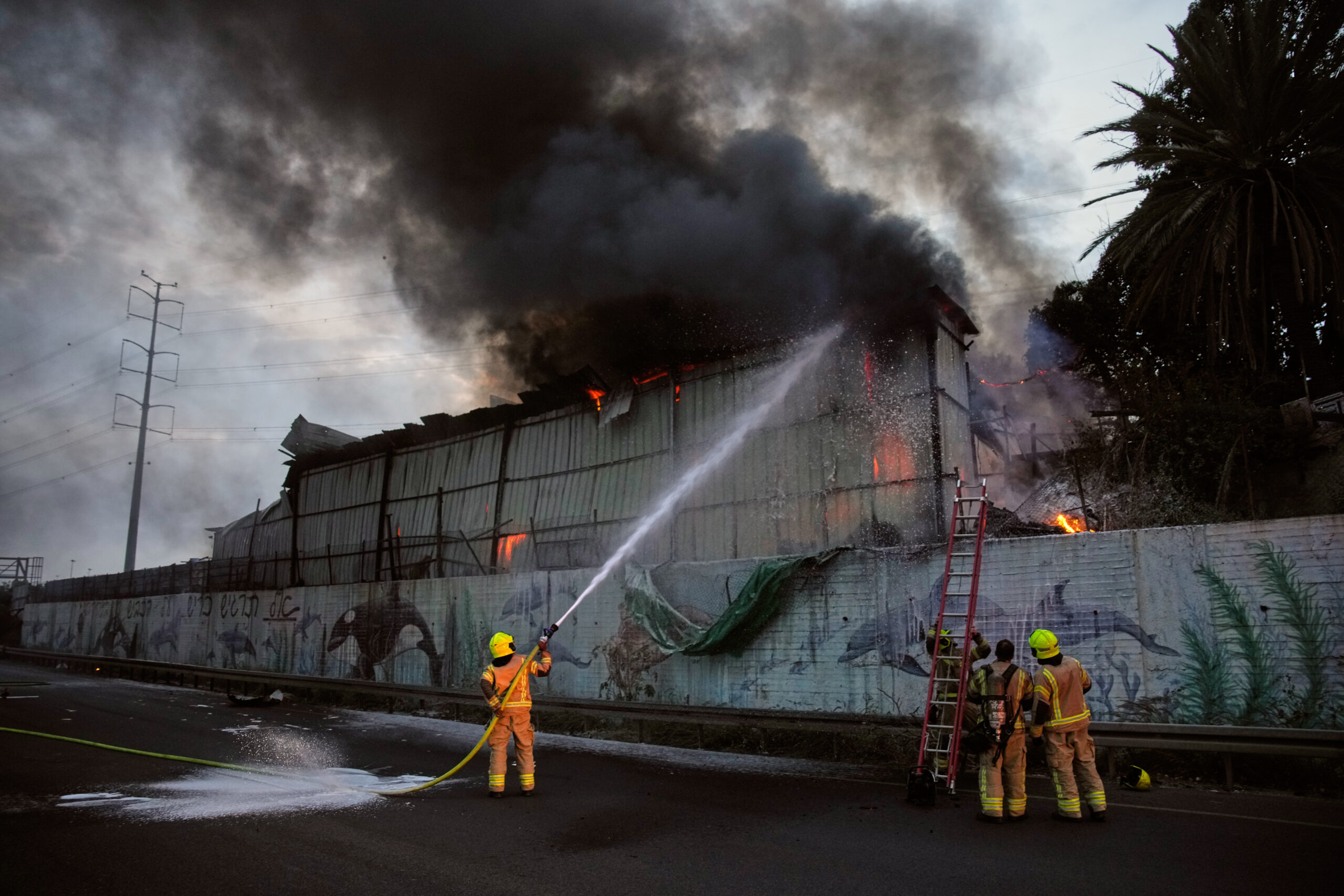
In Its Conflict With the United States and Israel, Does Escalation Favor Iran?
On March 18, AGSI hosted a discussion on the escalation of the Iran war.
Speakers