Jul 11, 2023
The Quiet Russian: Top Putin Aide in Tehran
The July 11 edition of the Iran Media Review examines a top Russian official’s recent visit to Tehran focused on transportation and energy infrastructure.

When Iranian officials received Igor Levitin, a top aide to Russian President Vladimir Putin, in Tehran July 4, the Iranians did most of the talking, and their Russian guest remained silent. This does not bode well for Iran’s expectations of Russian expertise and funding to develop its transportation and energy infrastructure.
- July 4: Centrist Shahrvand Online reported First Vice President Mohammad Mokhber’s meeting with Levitin in Tehran. Mokhber reportedly expressed satisfaction with the deepening and expansion of Iranian-Russian relations and said: “Negotiations during the visit of the head of the Central Bank of Russia to Iran … and the visit of Iran’s minister of roads and urban development to Russia were pathbreaking. Positive steps have been taken in removing obstacles to banking and the expansion of transit routes … We must follow up on existing problems with regard to establishing power plants and implementing memorandums of understanding concerning joint projects in the energy field.” Mokhber also emphasized the need to “utilize all potential in the logistics and transit fields” and “expand our ports … which requires speeding up the establishment of a joint shipping company and the expansion of cooperation in air transit.” Pointing to the importance of the north-south corridor between Iran and Russia, Mokhber said: “Russian companies should take advantage of investing in the Makran coastal strip and implement port and logistical center infrastructure. Speedy decision making is vital due to the neighboring countries and extraregional countries pursuing” similar projects in Pakistan.
- July 4: According to Nour News, the official mouthpiece of the Supreme National Security Council, while receiving Levitin in Tehran, SNSC Secretary Rear Admiral Ali Akbar Ahmadian said: “Global developments and their impact on geopolitical and geostrategic equations require both countries to engage in the speedy implementation of the north-south, western, marine, and eastern transit corridors … Speeding up the implementation of projects that have been agreed upon, including completing the north-west corridor, and memorandums of understanding in the oil and gas industry are among the most important priorities of the Islamic Republic of Iran in its bilateral relations with Russia … The memorandum of understanding concerning the Rasht-Astara railway that was signed by both countries in May is a firm step in consolidating economic relations between the two countries.” Levitin, in turn, congratulated Ahmadian on his appointment as SNSC secretary and “delivered a report concerning the latest developments in trade, banking, and joint economic projects.”
The views represented herein are the author's or speaker's own and do not necessarily reflect the views of AGSI, its staff, or its board of directors.
Related
Iran Media Review
Oct 16, 2026
Qalibaf’s New Equation: War, Negotiation, and Deterrence
The October 16 edition of the Iran Media Review highlights the call by Iran’s parliamentary speaker for a combination of war and negotiation to establish deterrence against further attacks on Iran.
Iran Media Review
Oct 13, 2026
From Neighbor to Target: Iranian Analysts on the UAE
The October 13 edition of the Iran Media Review explores calls by senior Iranian strategists for Iran to target the United Arab Emirates and Dubai’s airport.
Iran Media Review
Oct 9, 2026
Food Baskets for the Faithful Servants
The October 9 edition of the Iran Media Review considers Iranian media questions regarding aid distribution to government employees and the resentment building among Iranians left outside the circle.
Oct 16, 2026
Qalibaf’s New Equation: War, Negotiation, and Deterrence
The October 16 edition of the Iran Media Review highlights the call by Iran’s parliamentary speaker for a combination of war and negotiation to establish deterrence against further attacks on Iran.
Oct 13, 2026
From Neighbor to Target: Iranian Analysts on the UAE
The October 13 edition of the Iran Media Review explores calls by senior Iranian strategists for Iran to target the United Arab Emirates and Dubai’s airport.
Oct 9, 2026
Food Baskets for the Faithful Servants
The October 9 edition of the Iran Media Review considers Iranian media questions regarding aid distribution to government employees and the resentment building among Iranians left outside the circle.
Analysis
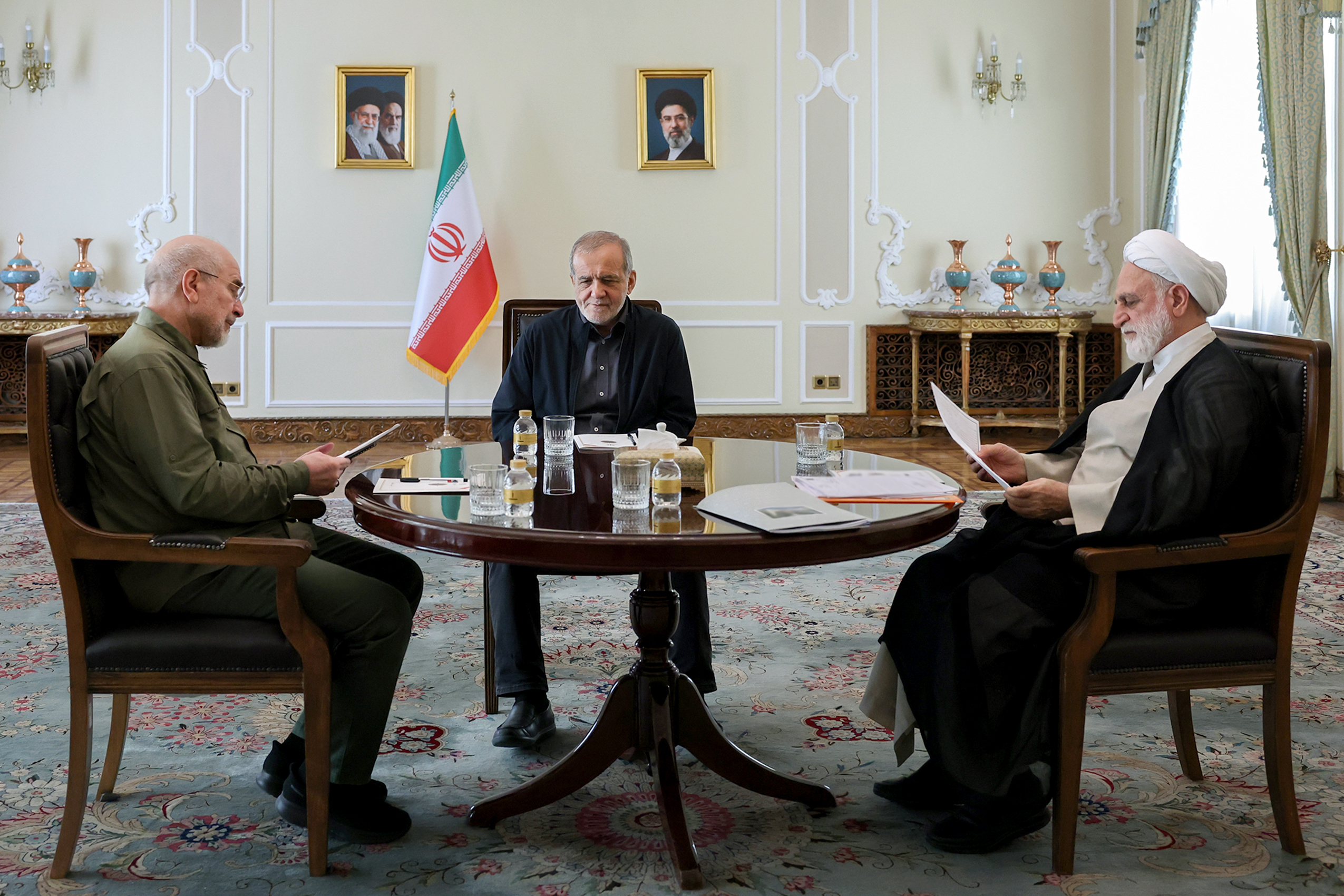
The Committee of Six and Strategic Decision Making in Iran
Remarks by Iran’s president offer a rare glimpse of how the Islamic Republic has adapted its decision making to the absence of its supreme leader.
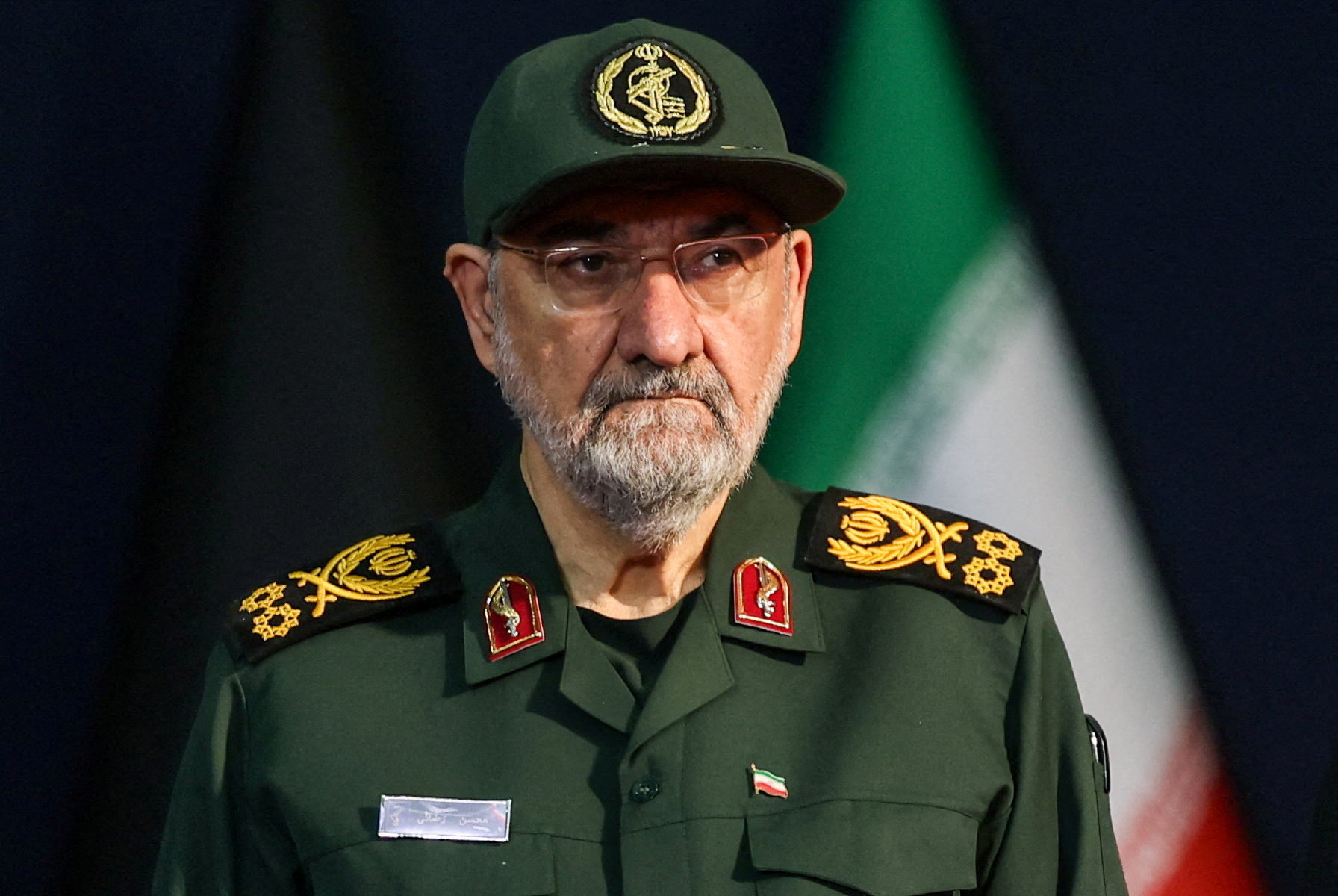
Mohsen Rezaei at the Helm of Iran’s Supreme National Security Council
Under Rezaei, the SNSC could prove constructive or paralyze strategic decision making.
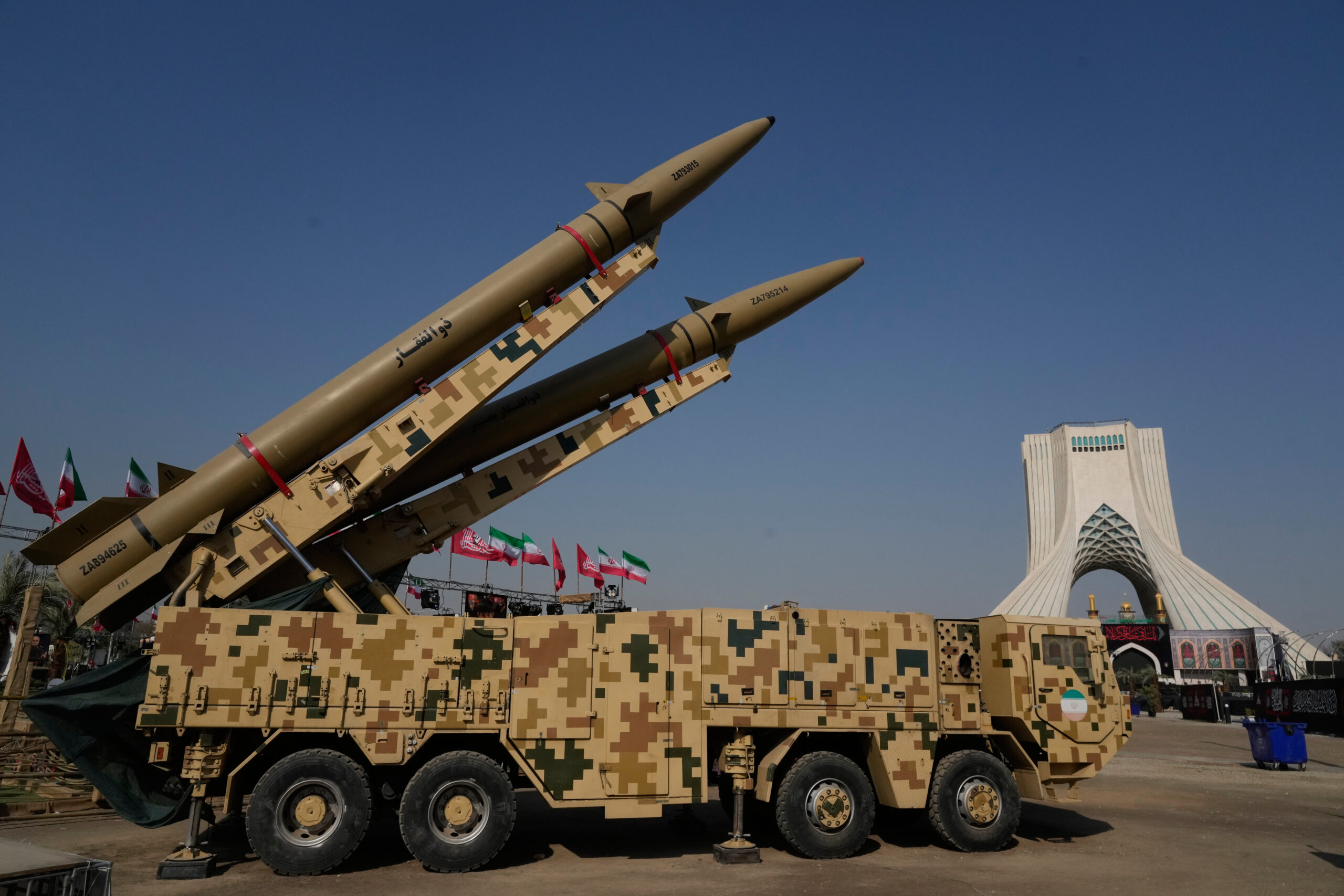
The Islamic Republic Returns to Offense
After U.S.-Israeli strikes killed Supreme Leader Ayatollah Ali Khamenei on February 28, Iran’s collective leadership has concluded that the best defense is a good offense.
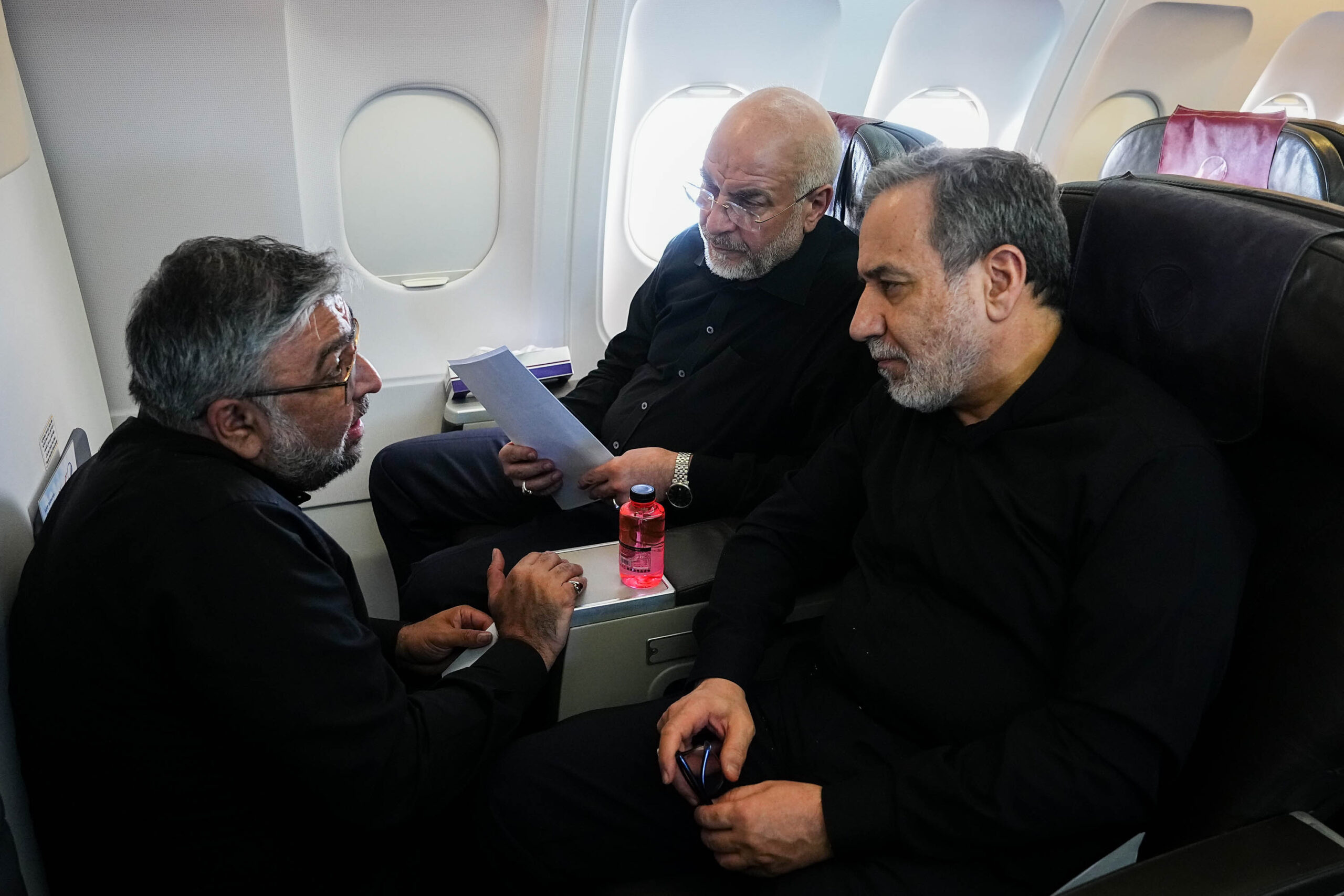
Iran’s Collective Strategic Decision Making
Wartime pressure has temporarily aligned the leadership’s overriding interest in regime survival, even as its members continue to differ over the costs, methods, and ultimate objectives of the war.
Events
Oct 6, 2026
Is the U.S.-Iran Stalemate a “New Normal” or the Prelude to Another Explosion?
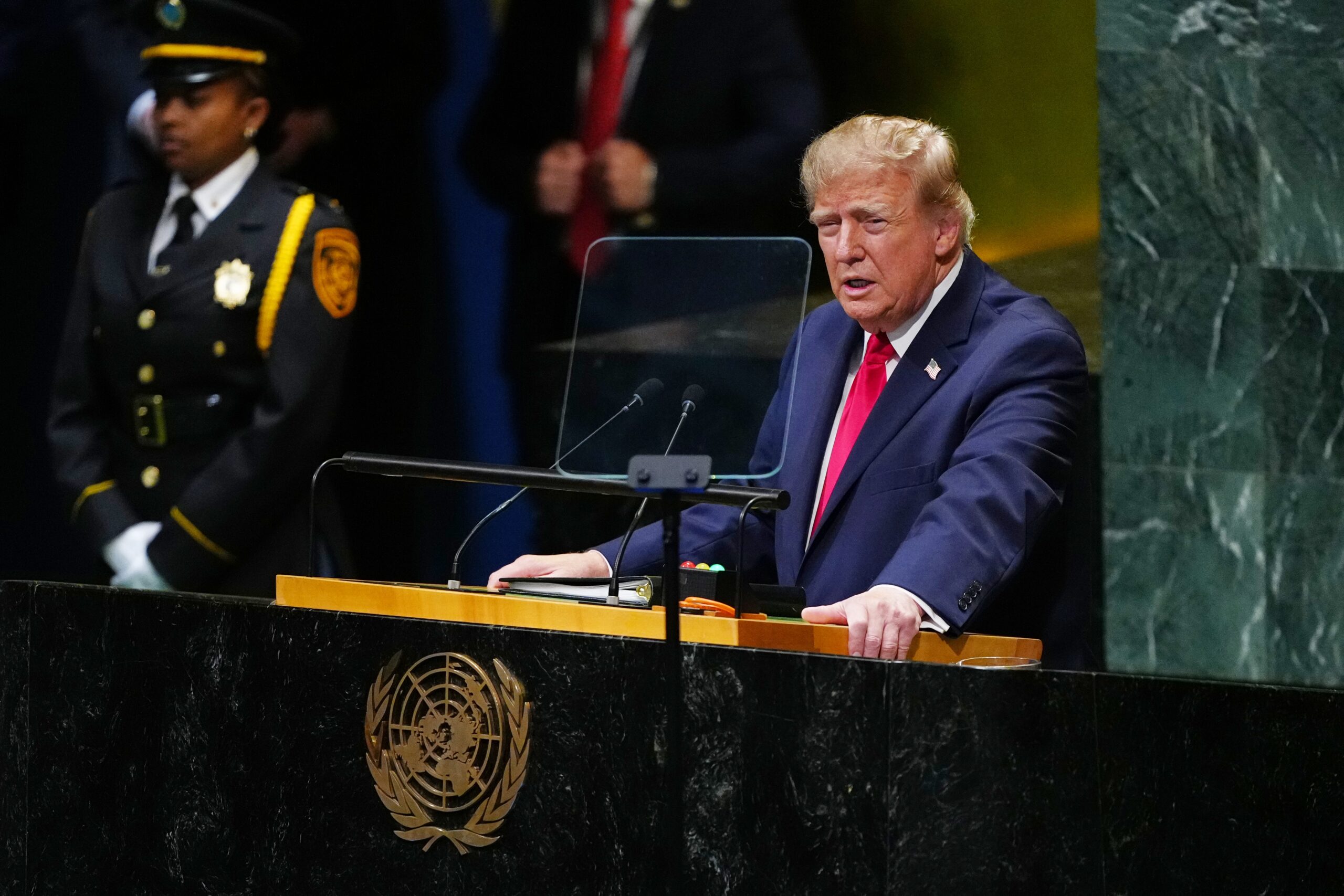
On October 6, AGSI hosted a discussion on the U.S.-Iran stalemate and the prospects for a cease-fire.
Speakers



Book Talk: Iran and the Bomb: The United States, Iran and the Nuclear Question
On June 16, AGSI hosted a discussion on the evolution of Iran's nuclear program.

Speakers

Apr 21, 2026
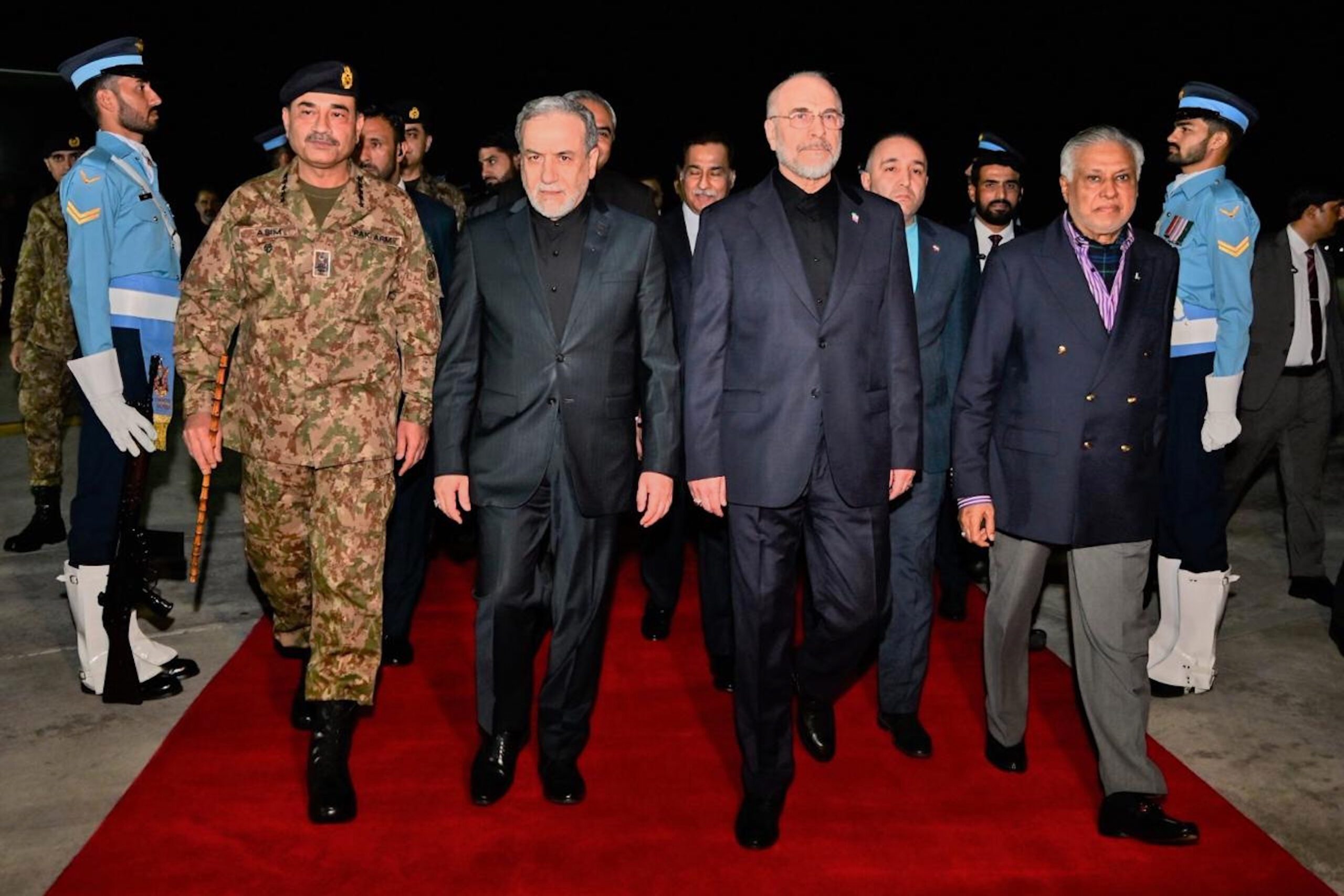
Inside Iran’s Wartime Leadership: Power, Succession, and Regime Stability
On April 21, AGSI hosted a discussion on the evolution of Iran's leadership during the war.
Speakers

Mar 18, 2026
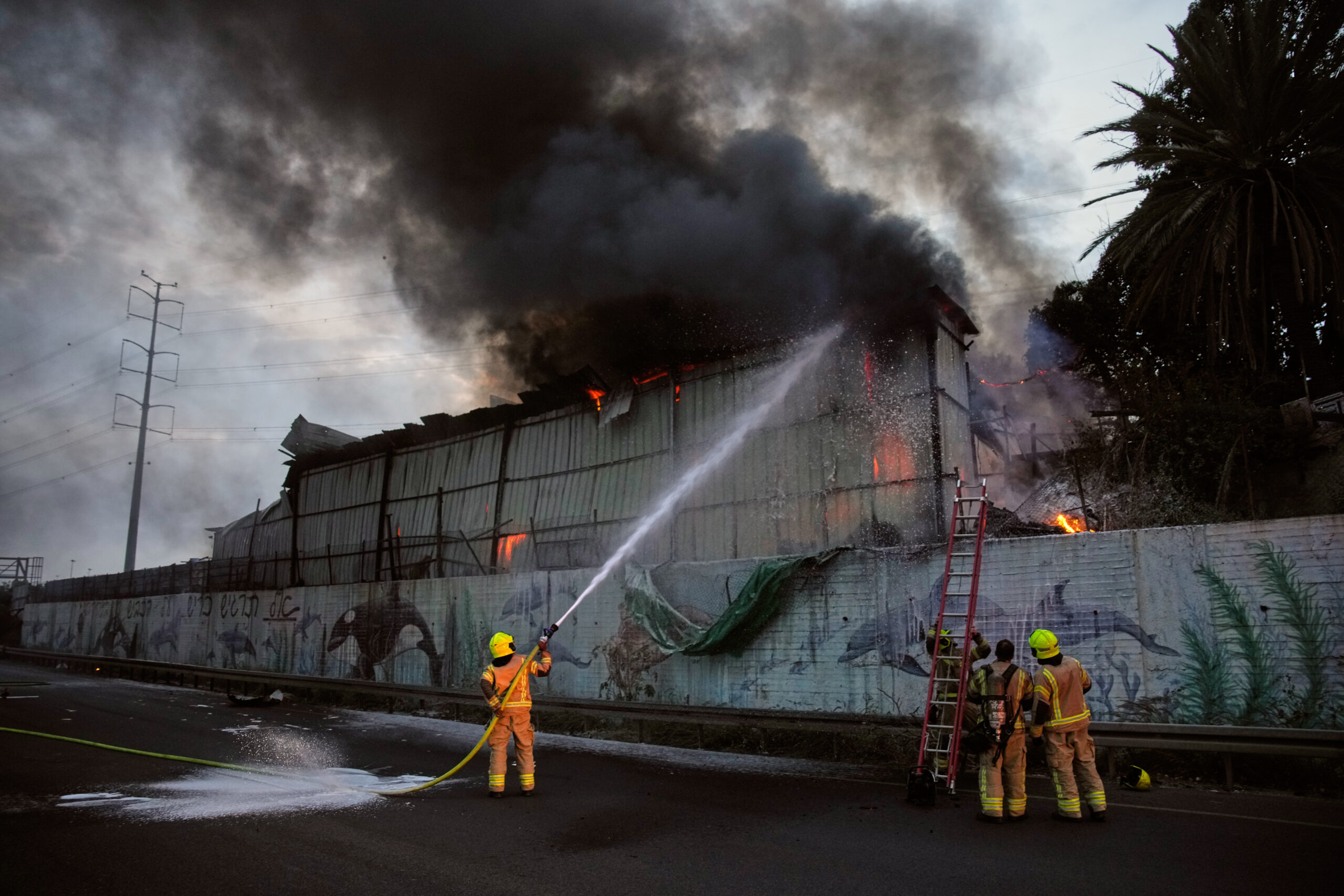
In Its Conflict With the United States and Israel, Does Escalation Favor Iran?
On March 18, AGSI hosted a discussion on the escalation of the Iran war.
Speakers