The United Arab Emirates will reopen its embassy in Damascus, and Bahrain and Kuwait are following suit. Sudan’s President Omar Al Bashir just visited Syria, the first time an Arab League leader has been there since the nation’s uprising began in 2011. All this marks a new phase in the struggle for Syria: a regional re-engagement with the regime of Bashar Al Assad.
Many Arab governments, including those of Egypt and Algeria, never really broke with the Syrian regime. But for those that did, hopes of regime change effectively ended with the fall of Aleppo to pro-Assad forces in January 2017.
That was the culmination of a massive joint intervention launched in September 2015 to save the Syrian dictatorship by Russia, Iran and Hezbollah. The intervention left the regime in control of what it deemed “necessary Syria”, as opposed to areas it viewed as relatively marginal and still held by rebel groups or ISIS. The Syrian war was effectively over at that point.
Then it was simply a matter of when and how Arab countries that had backed the rebels and demanded the removal of the Assad regime would come to terms with the practical necessity of dealing with the government in Syria.
It is not surprising that the UAE has taken the lead in this process.
Unlike Turkey and Qatar – and even, to some extent, Saudi Arabia – the UAE was never enthusiastic enough about the Syrian uprising to support armed rebel groups. It preferred to work with Jordan and the United States, mainly on humanitarian and intelligence undertakings, in the south of the country.
While everyone agreed on the need to combat ISIS, the UAE was always sceptical of the Arab Spring uprisings, even when directed at regimes such as those in Libya and Syria. Those doubts persisted even as UAE forces participated in the international intervention to prevent a massacre in Libya in 2011.
Over time, a series of disastrous developments doomed the Syrian uprising.
The administration of Barack Obama abandoned any serious US effort to engage with, and influence the outcome of, the conflict.
The Assad regime, nonetheless, appeared on the brink of collapse, but then Russia, Iran and Hezbollah charged to the rescue and flipped the momentum back in its favour.
For this and other reasons Turkey abandoned its efforts to promote regime change in Syria and focused instead on combating Kurdish groups near its southern border.
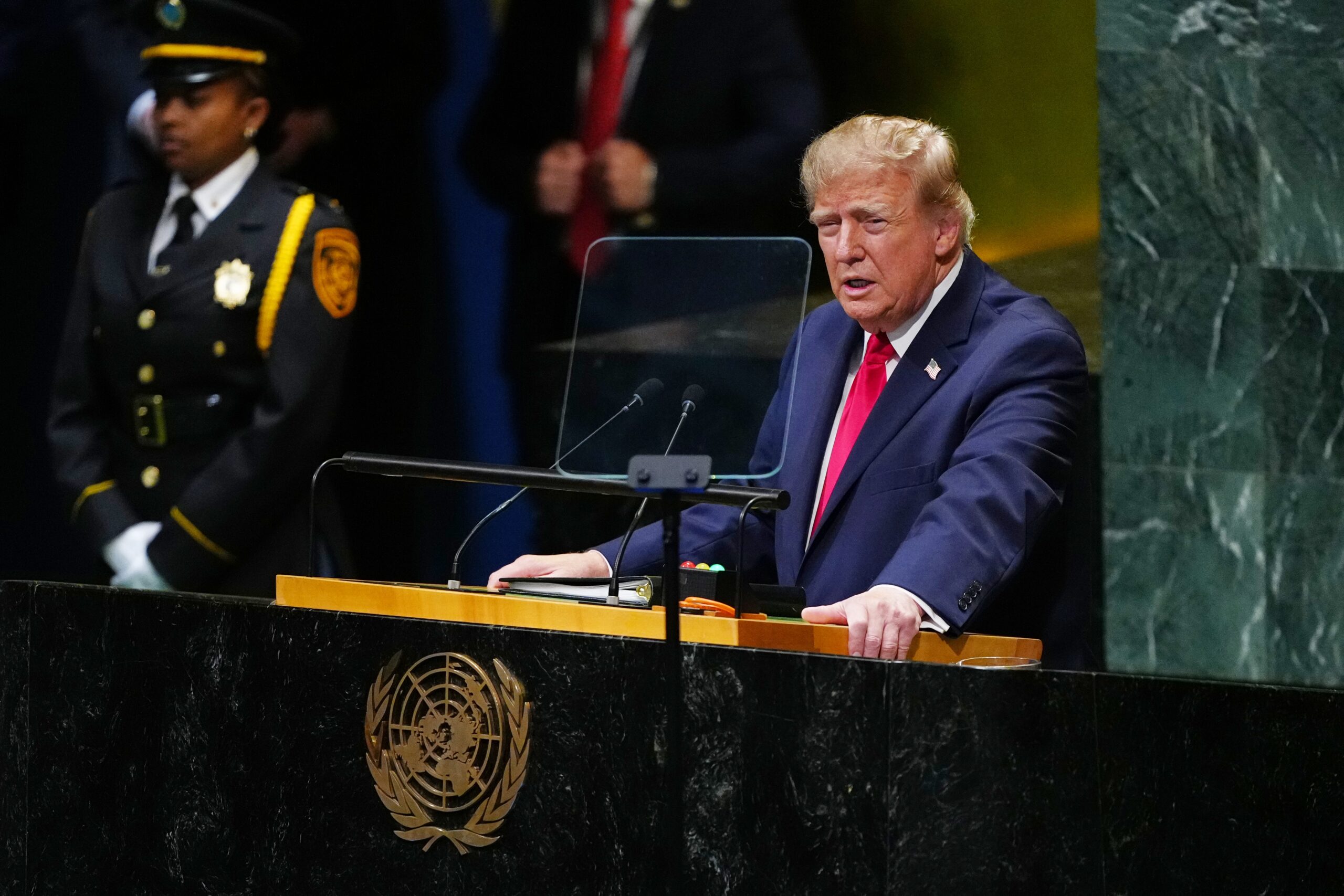
The final blow, as if one were needed, was US President Donald Trump’s announcement that all American forces will be suddenly withdrawn from Syria in coming weeks.
The few voices in Washington who support this move dismiss the efficacy of the American presence in the north and east of the country.
But while the US base at Al Tanf and troops near Al Bukamal may not have much impact on power in Damascus, they do effectively block the creation of an Iranian military corridor to the Mediterranean at the two major crossings from Iraq into Syria.
Mr Trump’s backers claim Israel can block Iran on the other side of Syria, towards the south-west. But that could allow Iran to get within 60km or even less of the Lebanese border – just waiting for a chance to complete the circuit.
Even if Washington goes through with the colossal folly of abandoning Al Tanf and other highly strategic areas – of limited importance to the regime, but strongly coveted by Tehran – that is indicative of the situation in Syria, post-Aleppo and post-ISIS.
The battles now are over Kurdish areas in the north and sparsely populated zones in the east, which have more strategic significance regionally then nationally. All this underscores the fact that the main war in Syria is, and has long been, over.
Few Arabs will be happy about re-opening embassies in Damascus, given the hundreds of thousands killed and millions displaced by the regime – a perfect example, if ever there was one, of a rogue government’s war against its own people.
But the struggle for Syria, like that in Iraq, must now be pursued at political and diplomatic registers. Re-engagement in Syria is essential, because the goal now must be to split the Astana talks partnership of Russia, Turkey and Iran, and to even draw the Assad regime away from Iran and Hezbollah.
Recent developments in Iraq suggest that serious diplomatic and political efforts based on positive inducements, promoting Arab identity, and leveraging specific national interests, rather than dependency on Iran can be effective even under circumstances where Tehran once seemed to be in complete control.
The realities of Syria’s dictatorship may make this task even more complex than the fragmented politics of Iraq did. But there is no way Russia or the Assad regime wish to remain forever at the mercy of Iran.
There is much to work with already, and such fissures can and should be widened and exploited. In an abstracted moral universe, no one would ever again deal with such a blood-soaked regime. But in the real world, everyone is going to have to. They may as well get started now.
The views represented herein are the author's or speaker's own and do not necessarily reflect the views of AGSI, its staff, or its board of directors.
If the U.S. F-35 sale goes through, it will add a new layer to Saudi airpower. But the fifth-generation fighter by itself will not address Saudi Arabia’s present and future vulnerabilities.
President Trump has led the United States into an impossible dilemma in which resuming and intensifying the war presents one set of alarming consequences while ending it under current circumstances offers at least as many disasters for Washington.
The Trump administration has positioned the United States at a crossroads between a new regime of containment against Iran or a historic drawdown of U.S. influence in the Gulf and broader Middle East.
Riyadh and Abu Dhabi urged President Trump not to attack Iran, but now that the war is into its second month, leaving the current situation in place would be an unthinkable fiasco for them.
Though they were unsuccessful in preventing the current conflict, and, as expected, have been dragged into the U.S.-Israeli confrontation with Iran, Gulf Arab countries remain crucial to hopes for limiting the war and bringing it to a quick resolution.












Dec 29, 2018
Dealing with the Syrian Regime is a Sad but Inevitable Reality
The United Arab Emirates will reopen its embassy in Damascus, and Bahrain and Kuwait are following suit.
5 min read