"*" indicates required fields

This field is for validation purposes and should be left unchanged.

Subscribe

By subscribing you agree to our Privacy Policy

Subscription Settings
Analysis

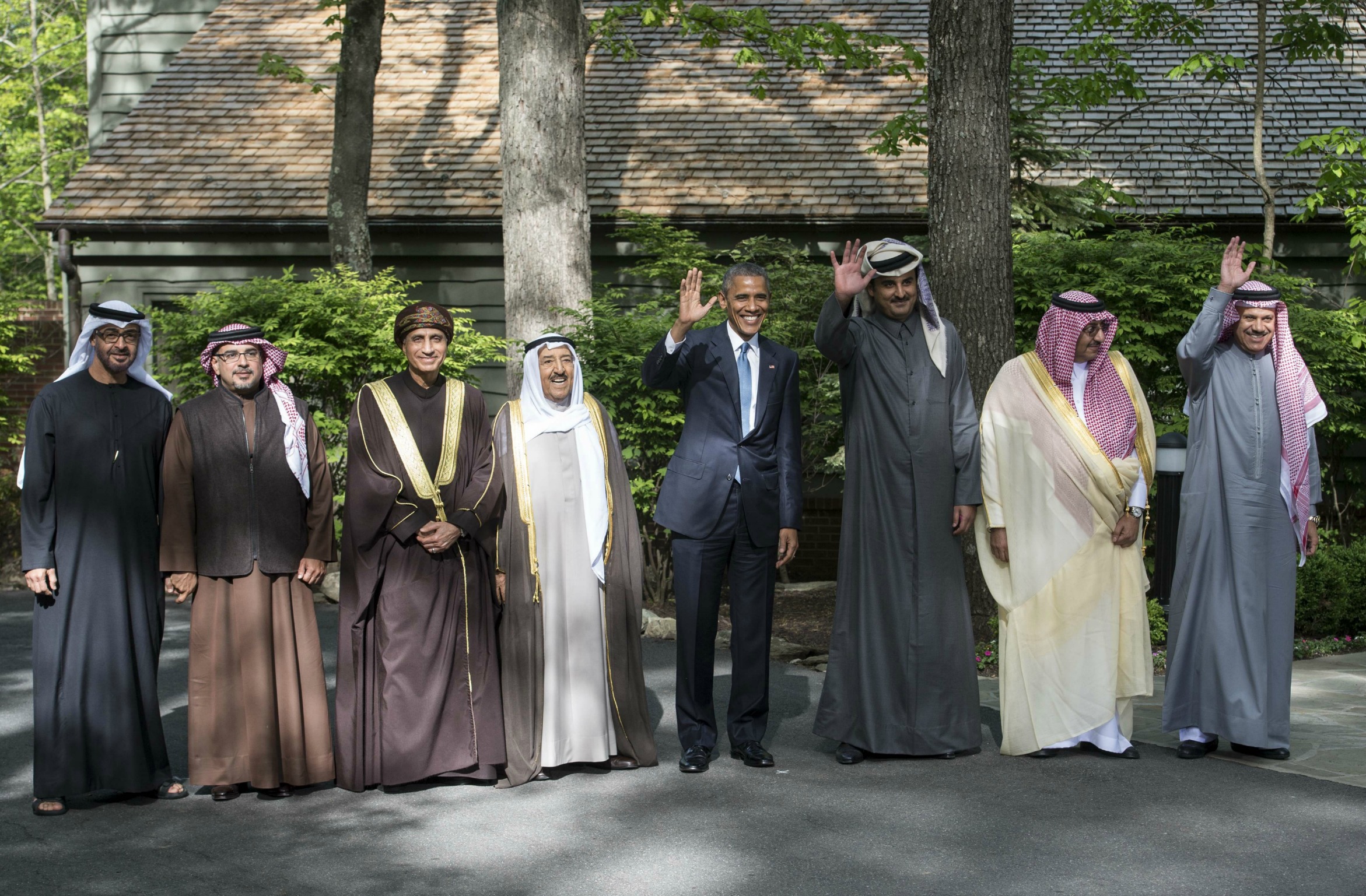
Narrowing the Gulf: U.S. and GCC Revamp Relations at Camp David Summit

Following several years of strained relations, the U.S.- GCC summit provided the parties with a crucial opportunity to reset their partnership.

Hussein Ibish

1 min read

Executive Summary

When U.S. President Barack Obama announced on April 2 that the international negotiating consortium known as the P5+1 (the five permanent members of the United Nations Security Council and Germany) had concluded a framework with Iran outlining a potential agreement on its nuclear program, to be achieved by June 30, he expressed concern about opposition from traditional U.S. allies. He said he had already spoken with Saudi Arabia’s King Salman and intended to invite the heads of state of the six members of the Gulf Cooperation Council (GCC) to meetings later that spring “to discuss how we can further strengthen our security cooperation while resolving the multiple conflicts that have caused so much hardship and instability throughout the Middle East.” The invitations were subsequently issued for a dinner at the White House on May 13 followed by meetings at Camp David on May 14.

Read full paper

The views represented herein are the author's or speaker's own and do not necessarily reflect the views of AGSI, its staff, or its board of directors.

Hussein Ibish

Senior Resident Scholar, AGSI

Analysis

Why Saudi Arabia and the UAE Are Urging Trump to Continue a War They Did Not Want

Riyadh and Abu Dhabi urged President Trump not to attack Iran, but now that the war is into its second month, leaving the current situation in place would be an unthinkable fiasco for them.

Hussein Ibish

8 min read

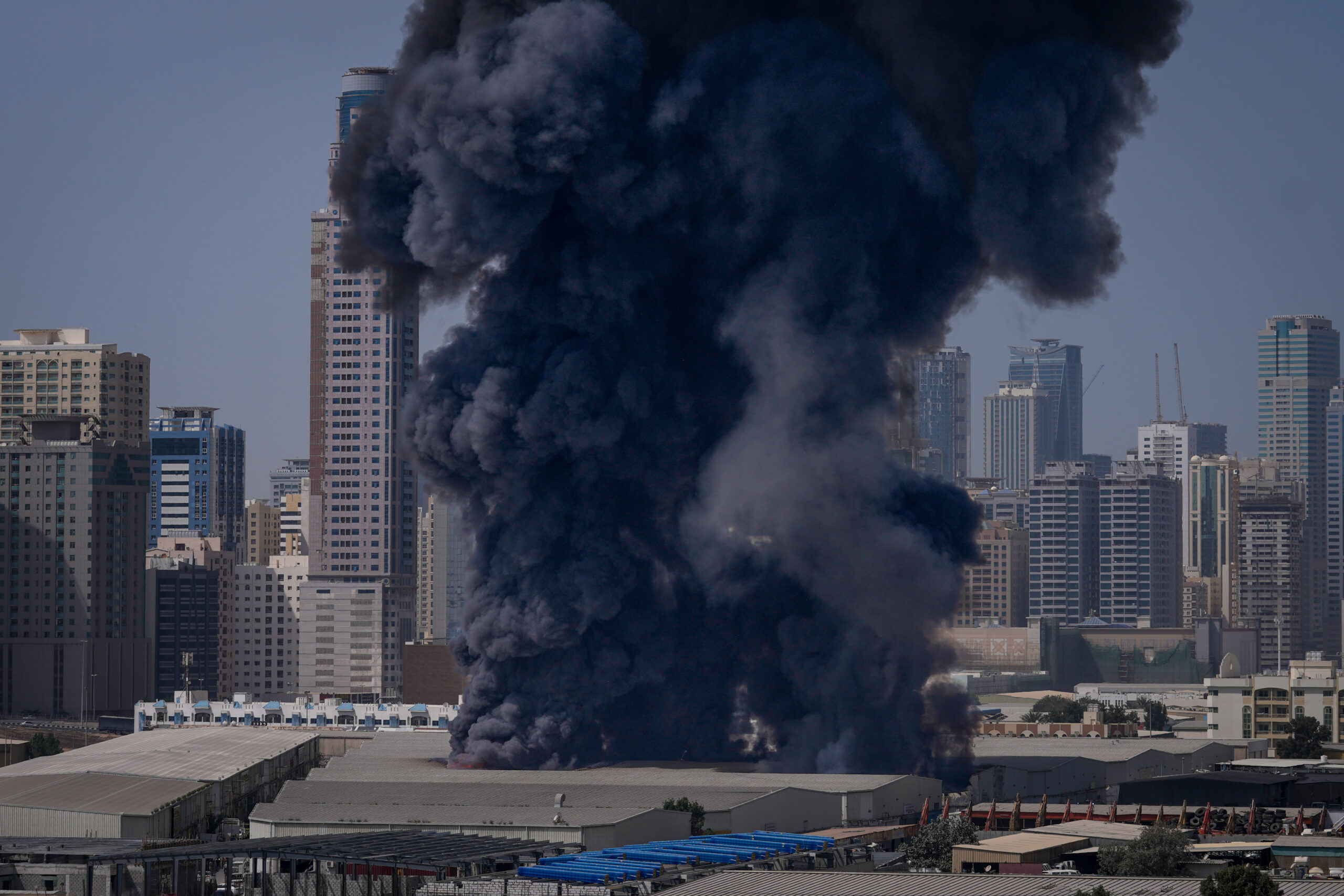
A black plume of smoke rises from a warehouse at the industrial area of Sharjah in the United Arab Emirates, March 1. (AP Photo/Altaf Qadri)

Caught in the Crosshairs, Gulf Arab Countries Remain Crucial to Peace

Though they were unsuccessful in preventing the current conflict, and, as expected, have been dragged into the U.S.-Israeli confrontation with Iran, Gulf Arab countries remain crucial to hopes for limiting the war and bringing it to a quick resolution.

Hussein Ibish

13 min read

A building damaged by an Iranian drone attack in Juffair, Manama, Bahrain, March 1. (REUTERS/Hamad I Mohammed)

Iran War Provides Decisive Test for Lebanon to Assert Authority Over Hezbollah

After decades of tolerating Hezbollah’s warmaking independence, the current crisis has compelled Lebanese leaders to ban its military activities; this project will do much to determine the reach Iran can maintain in the Arab world.

Hussein Ibish

8 min read

Smoke rises from Israeli airstrikes that struck a building housing Al-Manar channel studios in Dahiyeh, a southern suburb of Beirut, Lebanon, March 3. (AP Photo/Bilal Hussein)

Having Failed to Prevent a U.S. Attack Against Iran, Gulf Arab Countries Must Watch With Alarm

Gulf Arab countries urged the United States not to strike Iran, but now that is happening, they are in danger of being sucked into a conflict they cannot control but that will likely reshape their present and future realities.

Hussein Ibish

9 min read

Smoke rises following an explosion, after Israel and the U.S. launched strikes on Iran, in Tehran, Iran, February 28. (Majid Asgaripour/WANA via REUTERS)
View All

Events

Mar 2, 2026

After the Shock: Implications of the U.S.–Israeli Strikes and Iran’s Leadership Transition

On March 2, AGSI hosted a discussion on the U.S.-Israeli strikes on Iran.

Smoke rises following an explosion, after Israel and the U.S. launched strikes on Iran, in Tehran, Iran, March 1. (Majid Asgaripour/WANA via REUTERS)
Smoke rises following an explosion, after Israel and the United States launched strikes on Iran, in Tehran, Iran, March 1. (Majid Asgaripour/WANA via REUTERS)

Jan 8, 2026

Outlook 2026: Prospects and Priorities for U.S.-Gulf Relations in the Year Ahead

On January 8, AGSI hosted a virtual roundtable with its leadership and scholars as they look ahead and assess trends likely to shape the Gulf region and U.S. foreign policy during the coming year. 

Secretary of State Marco Rubio attends a meeting with the foreign ministers of the Gulf Cooperation Council states as part of the 80th session of the United Nations General Assembly at the Lotte Palace Hotel in New York, September 24. (AP Photo/Stefan Jeremiah, Pool)

Dec 4, 2025

A Pivotal Visit: Takeaways From Mohammed bin Salman’s Visit to Washington

On December 4, AGSI hosted a discussion on the outcomes of Saudi Crown Prince Mohammed bin Salman's visit to the United States.

President Donald J. Trump welcomes Saudi Crown Prince Mohammed bin Salman to the White House, Nov. 18, in Washington. (AP Photo/Mark Schiefelbein)

Nov 12, 2025

The U.S.-Saudi Partnership Ahead of the Crown Prince’s Washington Visit

On November 12, AGSI hosted a discussion about the U.S.-Saudi partnership ahead of Saudi Crown Prince Mohammed bin Salman's visit to Washington.

President Donald Trump shakes hands with Saudi Crown Prince Mohammed bin Salman during a welcoming ceremony in Riyadh, Saudi Arabia, May 13. (Bandar Algaloud/Courtesy of Saudi Royal Court/Handout via REUTERS)
President Donald J. Trump shakes hands with Saudi Crown Prince Mohammed bin Salman during a welcoming ceremony in Riyadh, Saudi Arabia, May 13. (Bandar Algaloud/Courtesy of Saudi Royal Court/Handout via REUTERS)
View All