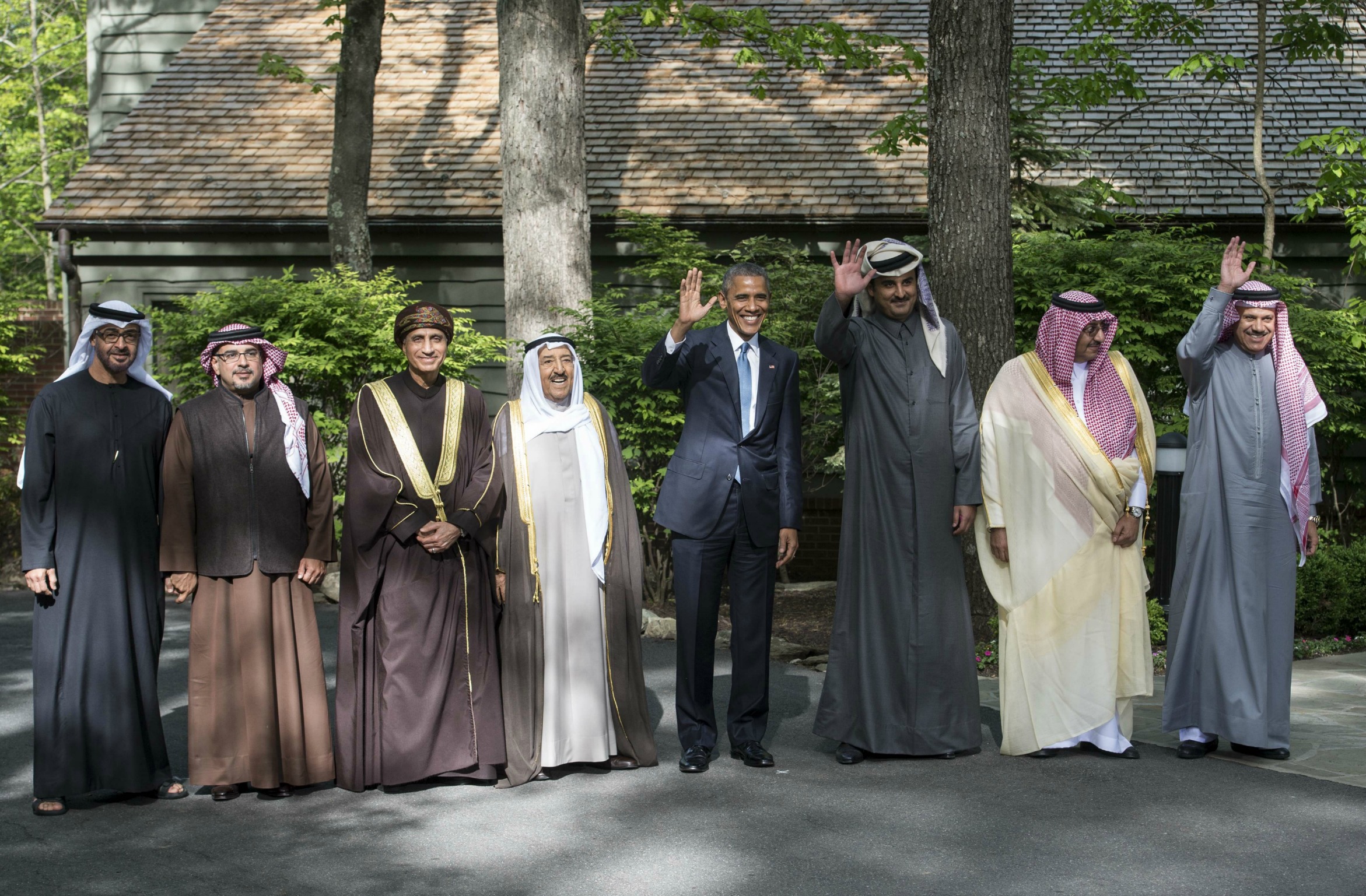
When U.S. President Barack Obama announced on April 2 that the international negotiating consortium known as the P5+1 (the five permanent members of the United Nations Security Council and Germany) had concluded a framework with Iran outlining a potential agreement on its nuclear program, to be achieved by June 30, he expressed concern about opposition from traditional U.S. allies. He said he had already spoken with Saudi Arabia’s King Salman and intended to invite the heads of state of the six members of the Gulf Cooperation Council (GCC) to meetings later that spring “to discuss how we can further strengthen our security cooperation while resolving the multiple conflicts that have caused so much hardship and instability throughout the Middle East.” The invitations were subsequently issued for a dinner at the White House on May 13 followed by meetings at Camp David on May 14.
In tandem with President Trump’s refusal to offer help with the Houthis, the Saudis are facing grim options to reverse Houthi military successes and a chokehold over their oil exports.
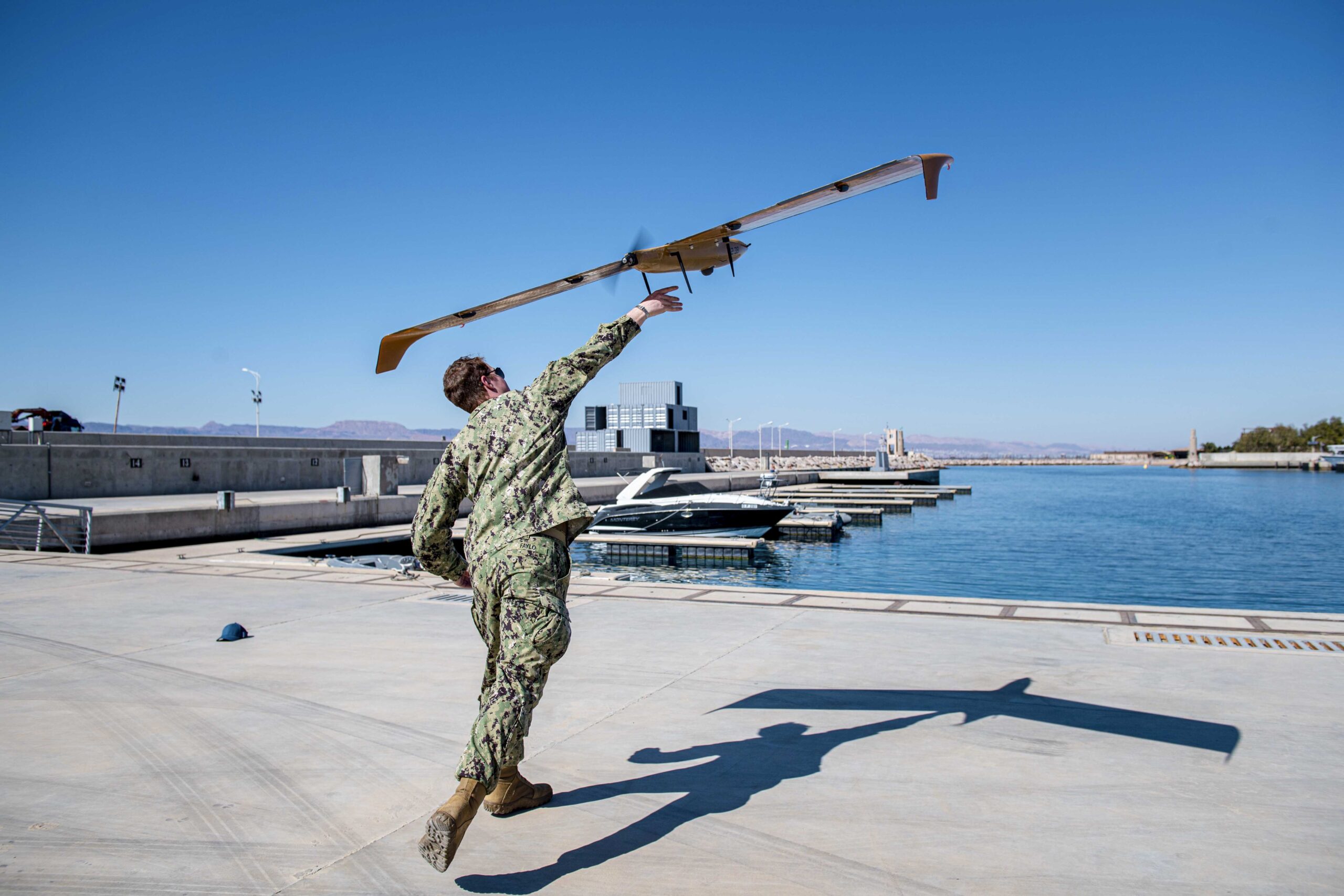
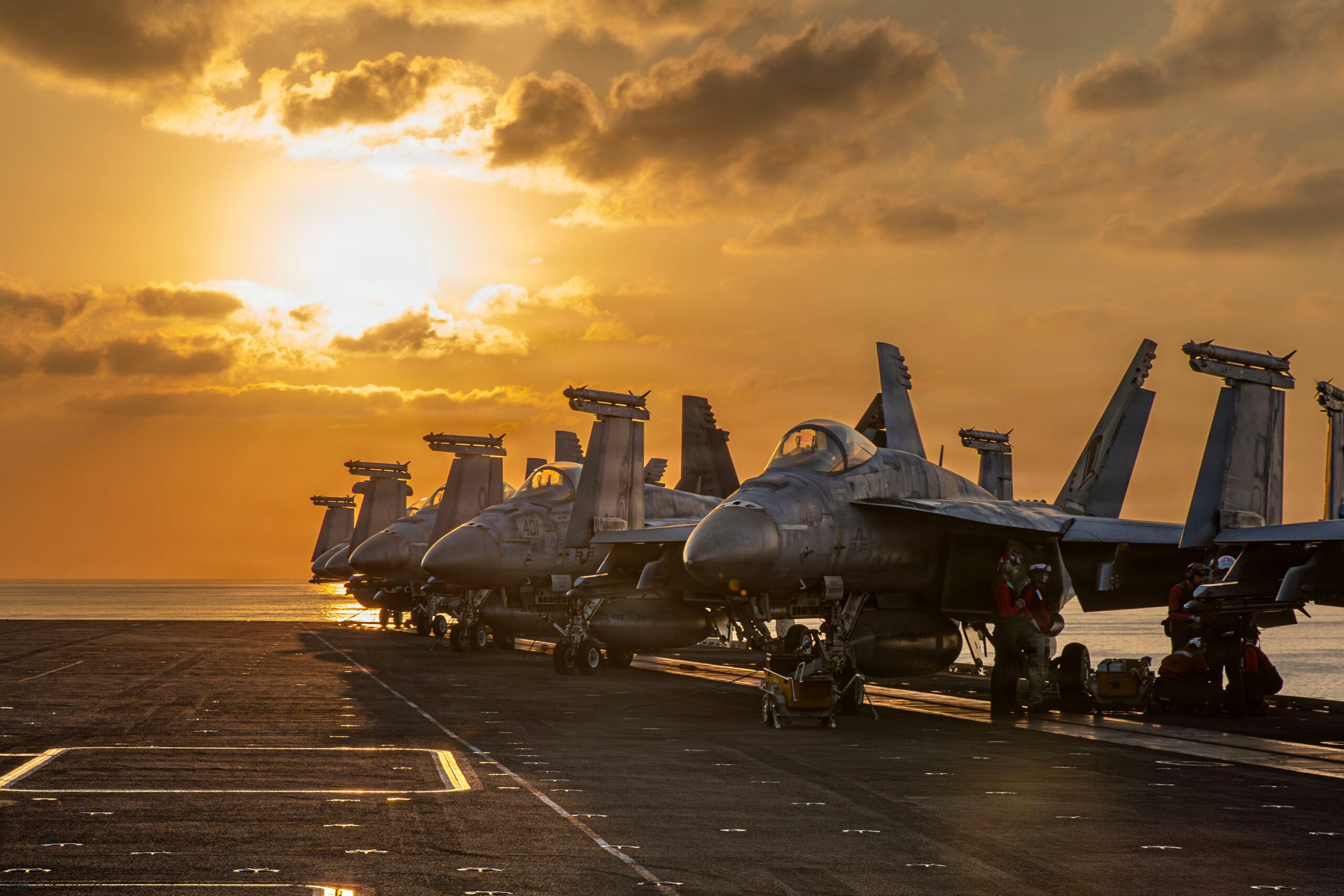
U.S. force projection in the Gulf is increasingly relying on artificial intelligence, unmanned platforms, and space technology, using these systems to augment existing military infrastructure.
President Trump has led the United States into an impossible dilemma in which resuming and intensifying the war presents one set of alarming consequences while ending it under current circumstances offers at least as many disasters for Washington.
The Trump administration has positioned the United States at a crossroads between a new regime of containment against Iran or a historic drawdown of U.S. influence in the Gulf and broader Middle East.
Riyadh and Abu Dhabi urged President Trump not to attack Iran, but now that the war is into its second month, leaving the current situation in place would be an unthinkable fiasco for them.
Though they were unsuccessful in preventing the current conflict, and, as expected, have been dragged into the U.S.-Israeli confrontation with Iran, Gulf Arab countries remain crucial to hopes for limiting the war and bringing it to a quick resolution.