At this week’s summit at Camp David, both American and Gulf Cooperation Council (GCC) leaders will be genuinely hoping for a reset in their recently frayed relations. The challenges are difficult, but hardly insurmountable. The single most important issue is international nuclear negotiations with Iran. Washington initiated the meeting explicitly as a means of addressing...
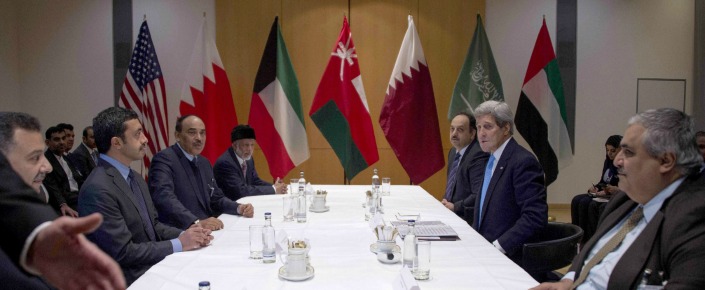
US Secretary of State John Kerry (2nd R) meets with Bahraini Foreign Minister Sheikh Khaled bin Ahmed Al Khalifa (R), Qatar Foreign Minister Khalid bin Mohammad al-Attiya (3rd R),Oman Foreign Minister Yousef bin Alawi bin Abdullah (4th L), Kuwait First Deputy Prime Minister and Foreign Minister Sheikh Sabah Khaled Al-Hamad Al-Sabah (3rdL), United Arab Emirates Foreign Minister Sheik Abdullah bin Zayed (2nd L), and Saudi Arabia Deputy Foreign Minister Abdul Aziz (L) during a meeting of the Gulf Co-operation Council (GCC) as part of the Munich Security Conference (MSC) in Munich, southern Germany, on February 6, 2015. The Ukraine conflict, Islamic State group jihadists and the wider 'collapse of the global order' will occupy the world's security community at the annual meeting. AFP PHOTO / POOL / JIM WATSON (Photo credit should read JIM WATSON/AFP/Getty Images)
At this week’s summit at Camp David, both American and Gulf Cooperation Council (GCC) leaders will be genuinely hoping for a reset in their recently frayed relations. The challenges are difficult, but hardly insurmountable.
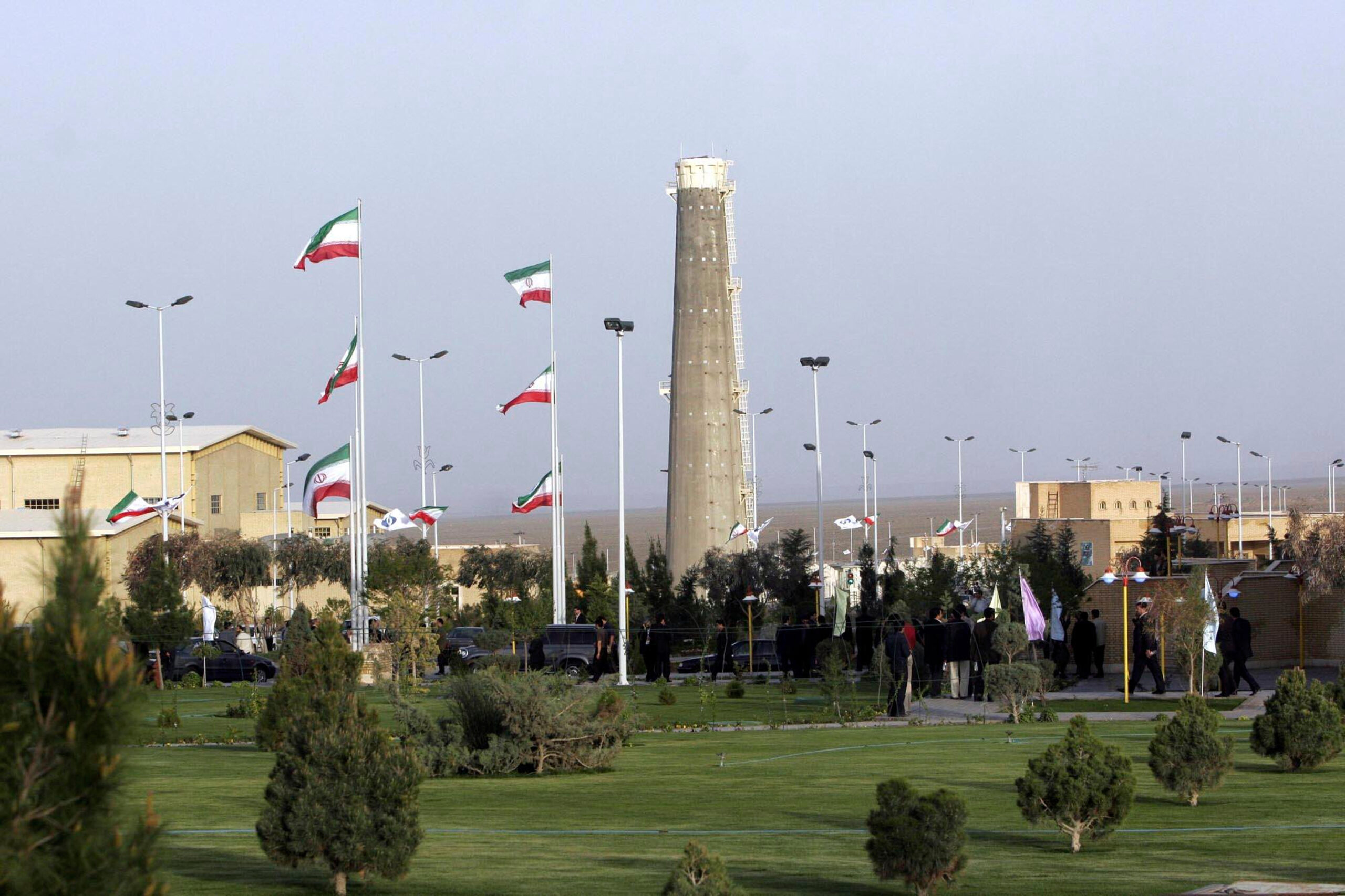
The single most important issue is international nuclear negotiations with Iran. Washington initiated the meeting explicitly as a means of addressing the concerns of Gulf Arab states regarding the talks with Iran. The American side will try to explain what, precisely, Washington is trying to accomplish, and how all the states in the region will benefit from a nuclear agreement.
The Americans will undoubtedly point out that such negotiations are the only viable means short of a conflict to prevent Iran from gaining nuclear weapons. They will say that a conflict would be potentially devastating to all parties, including the Arab Gulf states. They will make the case that gaining leverage with Iran allows the United States to pursue a whole range of concerns in order to modify Tehran’s behaviour and curb its excesses.
The GCC states are a willing, but somewhat sceptical, audience on these points. Their concerns do not lie entirely, or even mainly, in the problem of whether or not Iran will eventually acquire a nuclear weapon. Instead, they tend to focus on the spread of Iran’s regional influence and its foothold in Arab countries such as Syria, Iraq, Lebanon and Yemen. And what they fear, above all, is that, for one reason or another, American policy is beginning to “tilt” towards Tehran and away from traditional US allies in the region.
Even if the United States and its negotiating partners secure an agreement with Iran that ultimately prevents the development of a “Persian bomb”, a nightmare scenario for the Arab states might still emerge. If, as part of an elaborate quid pro quo, the traditional American opposition to Iran’s expanded influence in the region were to be dropped or reduced in importance without a significant alteration of Iranian policies that would be a disaster from a GCC perspective.
As the United States insists that it’s not “tilting” towards Tehran, the GCC states will seek corroborative evidence through deeds rather than words. In particular, they will want to see how far the United States is willing to go in rolling back the influence of Iran and its allies in Syria, Iraq and/or Yemen. There is particular dissatisfaction with the increasingly ambiguous American stance towards Syrian dictator Bashar Al Assad, and the widespread impression, right or wrong, that Washington has discarded its former position that he must go. But in the Obama administration there is little appetite for a more assertive Syria policy, beyond the campaign against ISIL.
The Gulf states will also be looking for enhanced security arrangements and guarantees. Specifically, as the UAE ambassador to Washington Youssef Al Otaiba put it last week: “We need something in writing.” But the administration is not even going to try to sell Congress and the American public on new strategic treaty obligations towards the Gulf countries that would mandate a greater commitment in the Middle East. On the contrary, the dominant American political sentiment at almost all levels of society is to reduce rather than expand Middle East deployments, obligations and entanglements.
The Arab side may have to settle for a little less than what they hope for on multiple fronts.
Instead of a new formal security treaty, they might be able to secure, in writing, something like a reiteration of the 1980 Carter Doctrine, which pledged to defend Gulf security from any external threats. And they might be able to establish a consultative mechanism for urgent strategic threats, perhaps loosely modelled on Nato’s Article 4 process that allows signatories to convene emergency meetings.
Just as the Gulf seeks a qualitative military edge over Iran, Israel seeks to maintain one over the Arab states, and this complicates GCC requests. So, instead of the very highest level of military technology transfer, such as F-35 fifth-generation fighter jets, they may get other forms of new technology such as the (initially unarmed) Predator drones due to be sold to the UAE. New high-tech weapons sales can be backed-up with greater intelligence sharing and coordination and joint military exercises.
And instead of being placed under a direct and automatic American “nuclear umbrella”, the Gulf states are reportedly likely to be offered American assistance in developing their own, joint missile-defence programme.
If the GCC states press the Americans too hard, and possibly even if they don’t, they could find themselves answering some pointed questions themselves. The American side might not only raise familiar concerns about intolerant rhetoric among clerics and others and financial support for extremists by wealthy individuals. They might also pursue Mr Obama’s idea that the “biggest threat” US Arab allies face is “dissatisfaction inside their own countries”.
But the frank airing of concerns by both sides at the meetings should pose no obstacle to a reset. There are ample grounds for significant progress because the US and GCC members have numerous shared vital interests.The summit should be just the beginning of a much longer, intensified dialogue between two parts of the world that, like it or not, still need each other as much as ever.
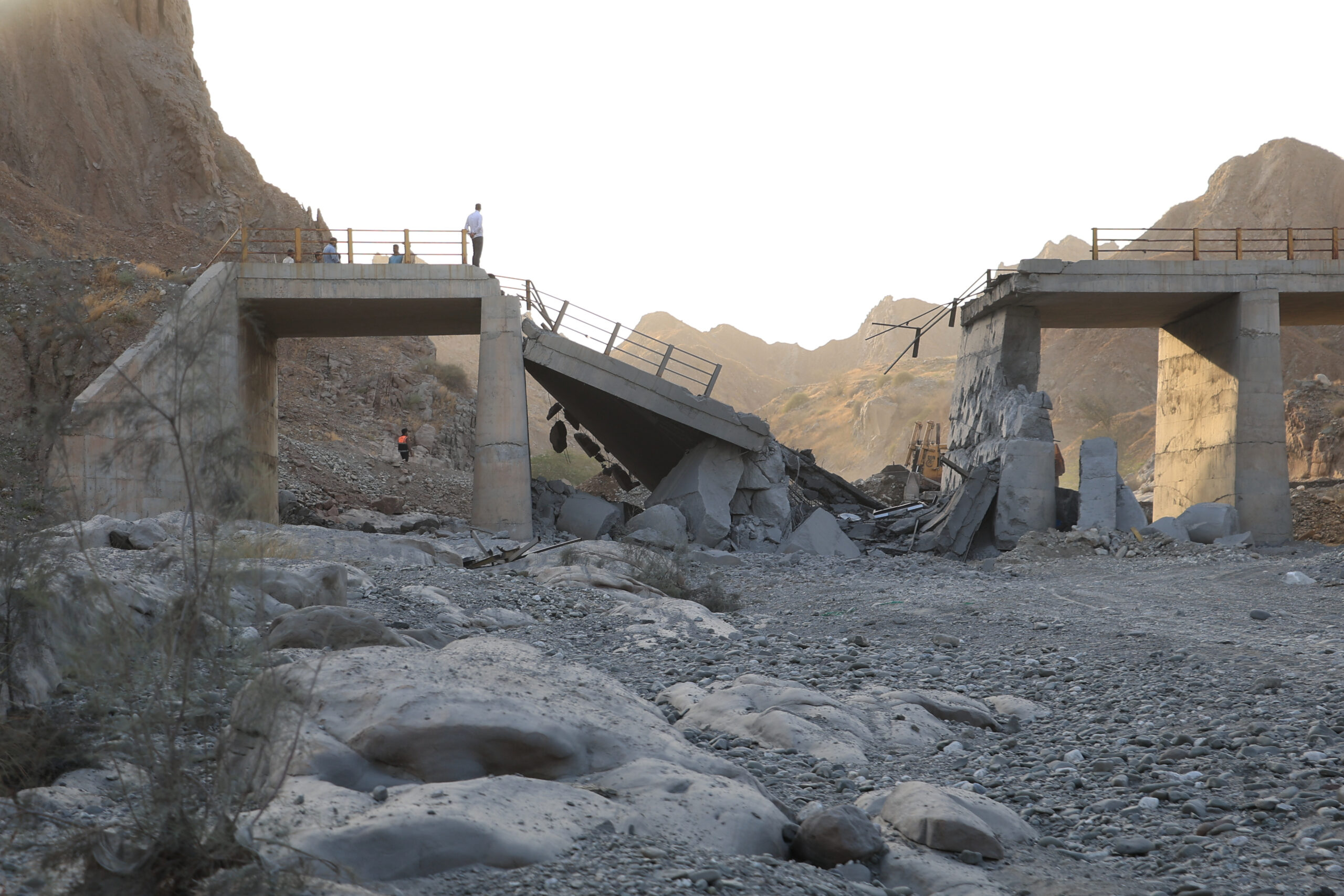
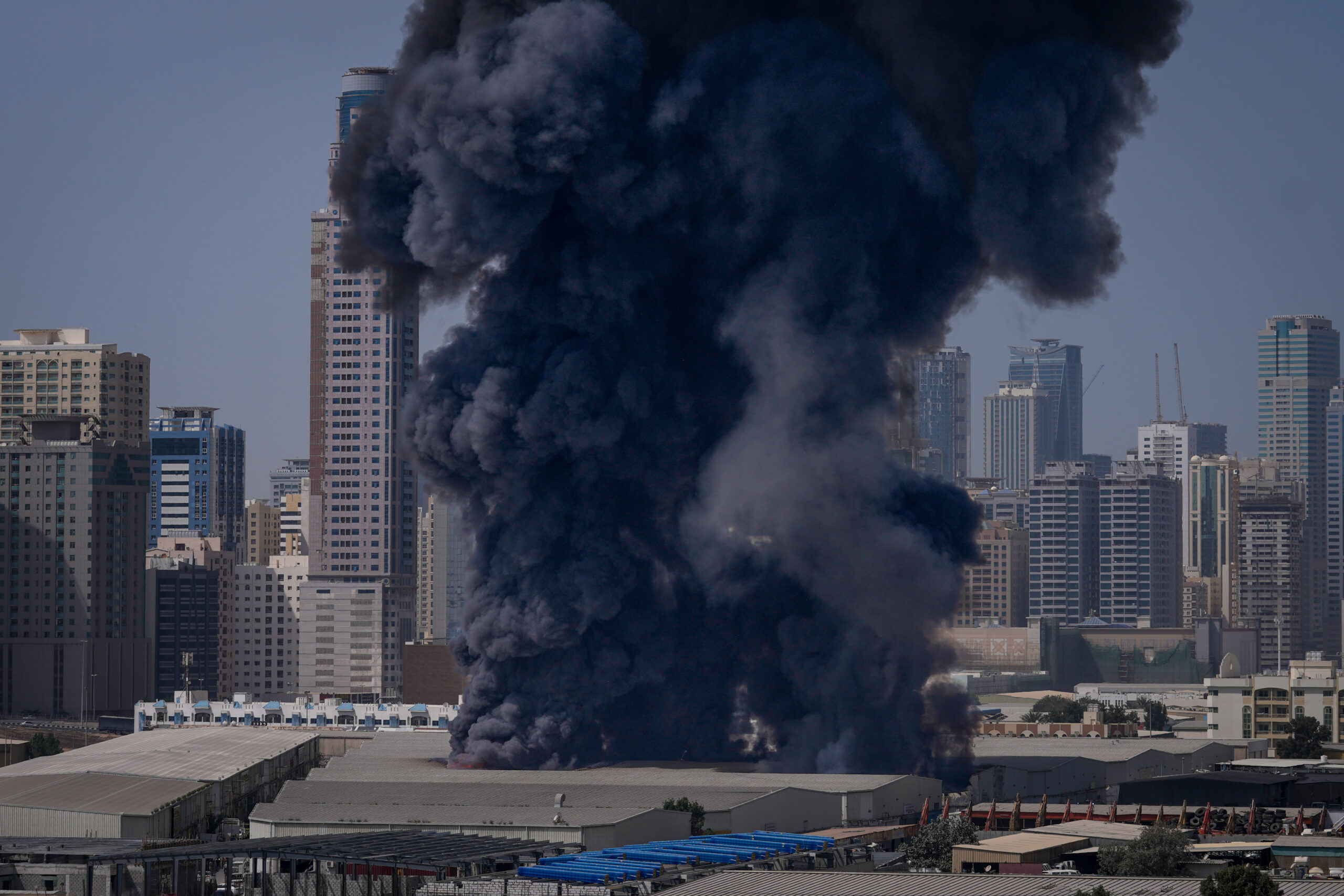
President Trump has led the United States into an impossible dilemma in which resuming and intensifying the war presents one set of alarming consequences while ending it under current circumstances offers at least as many disasters for Washington.
The Trump administration has positioned the United States at a crossroads between a new regime of containment against Iran or a historic drawdown of U.S. influence in the Gulf and broader Middle East.
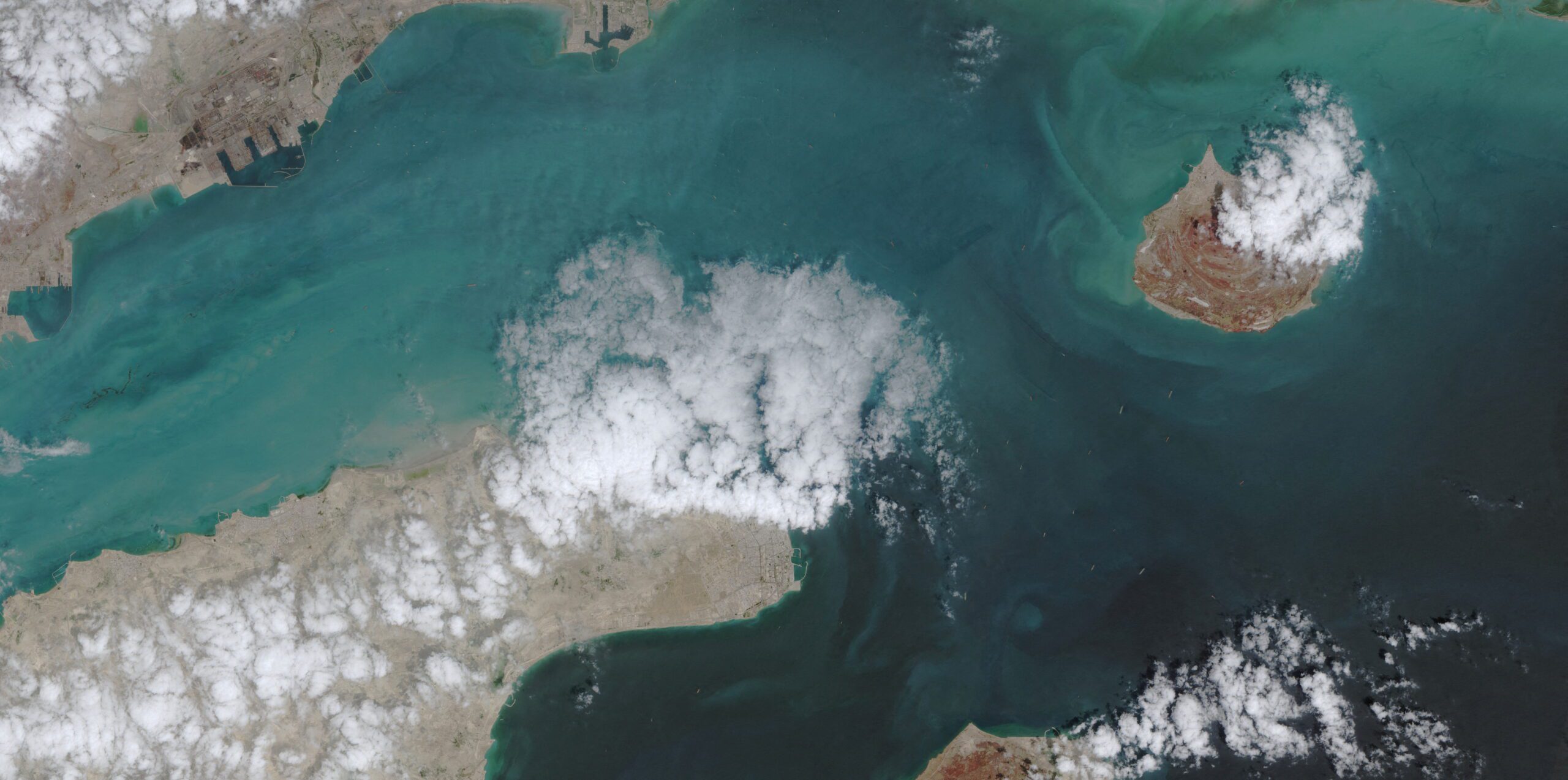
Riyadh and Abu Dhabi urged President Trump not to attack Iran, but now that the war is into its second month, leaving the current situation in place would be an unthinkable fiasco for them.
Though they were unsuccessful in preventing the current conflict, and, as expected, have been dragged into the U.S.-Israeli confrontation with Iran, Gulf Arab countries remain crucial to hopes for limiting the war and bringing it to a quick resolution.