What Motivated the U.S.-Brokered UAE-Israel Agreement?
Palestinians are fuming, but the United States, the United Arab Emirates, and Israel all see clear benefits in the normalization of relations between a key Arab state and Israel.
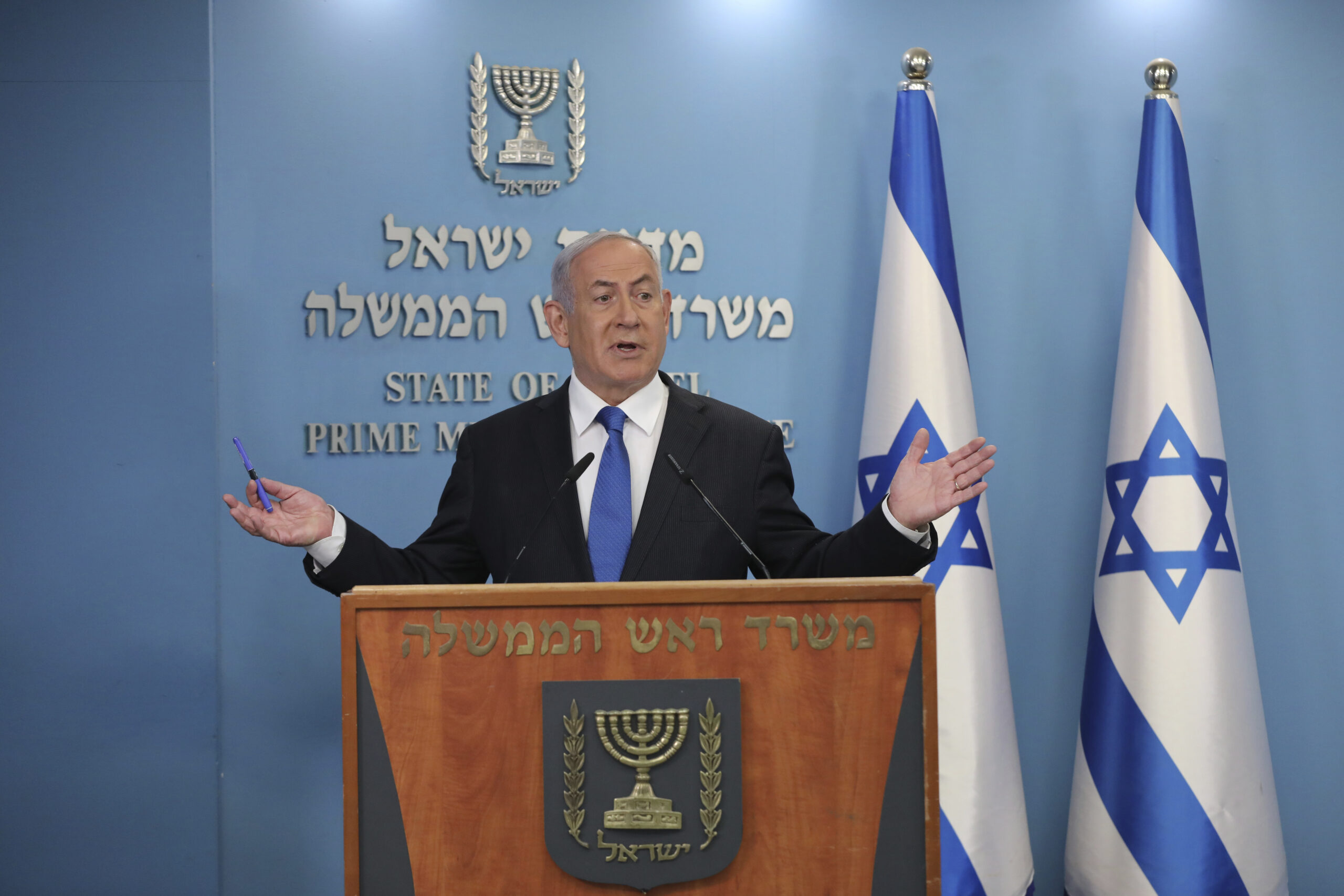
Israeli Prime Minister Benjamin Netanyahu announces full diplomatic ties will be established with the United Arab Emirates during a news conference in Jerusalem, Aug. 13. (Abir Sultan/Pool Photo via AP)
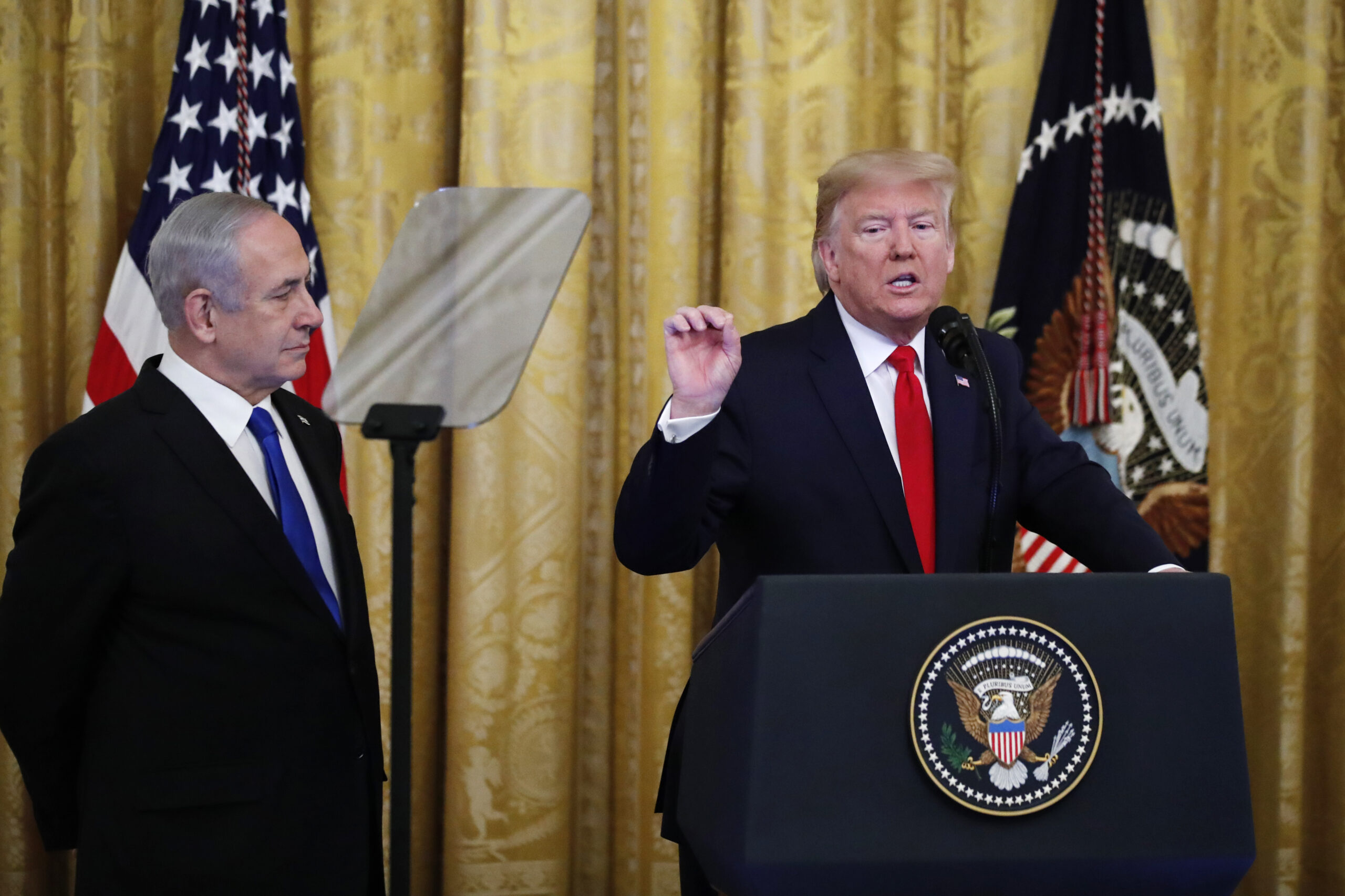
The August 13 announcement that the administration of President Donald J. Trump had brokered an agreement between the United Arab Emirates and Israel was perhaps not as surprising as it might have appeared at first blush. The agreement wasn’t anticipated at this time, but there has been clear evidence of increasing ties between Israel and a number of Gulf Arab countries – both publicly and behind the scenes.
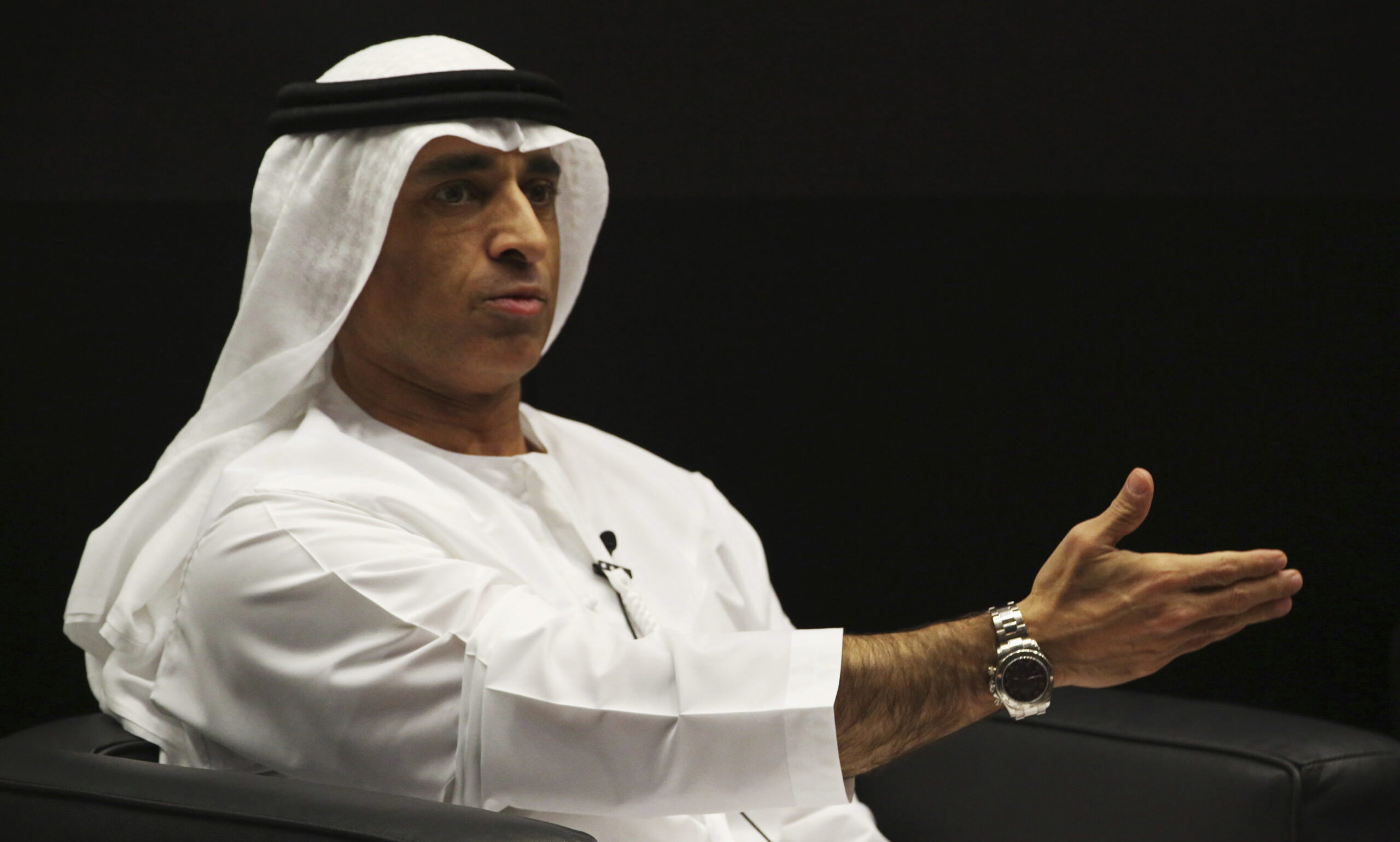
A key turning point was UAE Ambassador to the United States Yousef Al Otaiba’s direct appeal to Israel and Israelis, in both Hebrew and English, not to go forward with planned annexations because the move would severely impair the process of improving relations. Whatever happened diplomatically behind the scenes, the result is this dramatic agreement in which Israel suspends annexation in exchange for a process aimed at full normalization of relations with the UAE. That process will begin with a series of agreements, likely including areas of practical cooperation. The opening of an Emirati embassy in Tel Aviv may be a long way off.
But why now, and what’s in it for all three countries?
The answers are political, diplomatic, and strategic, but it is not difficult to glean why all three felt this was the right moment to do something they wanted to do for their own reasons, and they are using the agreement to avoid decisions they didn’t want to make.
Arguably, the most important aspect of the timing has to do with Trump’s struggling reelection campaign. Both Israeli Prime Minister Benjamin Netanyahu and the UAE government welcomed Trump’s victory in 2016 and have been generally pleased with the course of relations since. Netanyahu is a personal ally of Trump and his son-in-law, Jared Kushner, the broker of the deal. The UAE, too, has maintained strong ties to the administration and Kushner, and both were presumably inclined to help Trump claim a significant foreign-policy victory.
For the UAE, there is also the imperative of repairing its somewhat damaged reputation in Washington. The country’s reputation has suffered primarily because of its involvement in the war in Yemen – although its counterterrorism operations in southern Yemen have been uncontroversial and excluded from every major congressional bill restricting U.S. aid for the war itself. In addition, the UAE’s strong identification with the Trump administration and Saudi Arabia – itself a frequent target of congressional criticism – has also led to strained relations with certain quarters in Washington.
The UAE is also certainly thinking of its interests regarding the intersection of technology, security, and commerce. The country is a significant high-tech player in the Middle East and plausibly views Israel as a logical partner in developing those industries and capabilities. In particular, the UAE will be interested in Israeli cybersecurity, surveillance, and military technologies and the potential to partner with Israeli tech companies in developing those systems. Additionally, the agreement is no doubt intended to help the UAE overcome long-standing objections, based on the United States’ commitment to maintain Israel’s qualitative military edge, to the sale and transfer of the highest levels of U.S. weaponry, such as Lockheed Martin’s F-35 fifth-generation fighter jet.
Because the UAE’s dramatic decision will benefit the president’s reelection bid, the Emirati government is taking a risk in the context of U.S. domestic politics. However, Joe Biden’s campaign and most of the leading Democratic members of Congress have welcomed the agreement, and that is a strong indication that the Democratic mainstream remains effectively pro-Israel. Moreover, the Biden campaign and Democratic candidates around the country do not need to lose much sleep over voters’ reactions to this agreement, since very few Americans vote on foreign policy issues unless a significant war or major terrorist threat is at hand.
Both the administration and most Democrats will welcome two key U.S. allies in the confrontation with Iran developing closer relations. It has long been an Achilles heel of the anti-Iran coalition that, even though it is much bigger and stronger in theory, its members are scattered and frequently at odds, while Tehran’s coalition, including Syria, Hezbollah, pro-Iranian militias in Iraq, and the Houthis in Yemen, is relatively streamlined, disciplined, and unified.
But what about Israel and the UAE? Netanyahu is contemplating calling Israel’s fourth parliamentary elections in two years and has been doggedly clinging to office despite failing to secure a clear mandate and fending off serious criminal charges. This gives him another argument to Israeli voters that he can deliver both Arabs and Americans alike, playing at a different international and regional level than any of his rivals. He can claim to have been the author of a major breakthrough for Israel.
Trump is certainly doing that and so is Mohammed bin Zayed al-Nahyan, the crown prince of Abu Dhabi and de facto ruler of the UAE. The UAE is only the fourth Arab country to commit to full normalization of relations with Israel, following Egypt, Jordan, and Mauritania. But Egypt and Jordan had territorial and immediate security interests at stake, and Mauritania is relatively remote.
For Israel, the breakthrough is huge because it shatters the consensus on the Arab Peace Initiative, presented by Saudi Arabia in 2002 and adopted unanimously by the Arab League and the Organization of Islamic Cooperation. The initiative promises full normalization of relations with Israel but only after the conclusion of a two-state peace agreement with the Palestinians. Not only has that not happened in this case, to the contrary, Israel was considering annexation, which, as the UAE argued, would permanently invalidate a two-state solution.
Meanwhile, the UAE is strenuously arguing that, by using the promise of diplomatic normalization to leverage Israel to forego annexation, it has saved both the prospect of Palestinian statehood and, therefore, the Arab Peace Initiative. Few Palestinians will accept this argument and Palestinian President Mahmoud Abbas has described the agreement as a “betrayal” and demanded it be rescinded. But the UAE may have a more plausible argument that Palestinians benefit from its agreement to normalize relations with Israel than Egypt did when it concluded the first Arab peace treaty with the Israelis. It arguably saved Palestinians from losing even more, at least for now, a claim that could not have been made by Egypt, Jordan, or Mauritania.
Netanyahu appears to have been looking for an excuse not to go forward with annexation, which he continuously promised his right-wing supporters, because of numerous security concerns and, apparently, pressure from Trump. This agreement provides him with that opportunity. The UAE can plausibly claim that its outreach to Israel, beginning with Otaiba’s appeal, began a conversation that not only gave Netanyahu a way to suspend annexation but also a real incentive not to proceed in the future. But many Palestinians will argue that the cost of breaking the consensus on the Arab Peace Initiative is prohibitive for them.
The most important factor, though, is almost certainly the regional threat perception shared by Israel and the UAE of Iran combined with an emergent challenge posed by Turkey. Israel and the UAE are concerned that Turkey is developing into a budding regional hegemon that is attempting to leverage Sunni Islamism in a manner analogous to the way Iran has deployed Shia Islamism as a unifying ideological principle. While Egypt appears to share this concern, Saudi Arabia and others remain largely focused on Iran.
The United States, the UAE, and Israel have ample reasons to welcome this agreement. Trump gets a foreign policy success in the Middle East, and the United States brings key allies together. Netanyahu scores his own foreign policy success: Israel breaks the consensus on the Arab Peace Initiative, weakens the Palestinian diplomatic hand, and gets out of the annexation conundrum. The UAE gains a crucial new ally against Iran and its proxies, as well as Turkey and its network, and takes a potentially major step toward restoring its reputation in Washington while at the same time helping a beleaguered President Trump. For all three, it feels like a win.
The views represented herein are the author's or speaker's own and do not necessarily reflect the views of AGSI, its staff, or its board of directors.
Public opposition to social and political normalization with Israel appears to be holding fast among most nationals, even as some governments allow more room for advocates of Gulf-Israel relations to make their case.
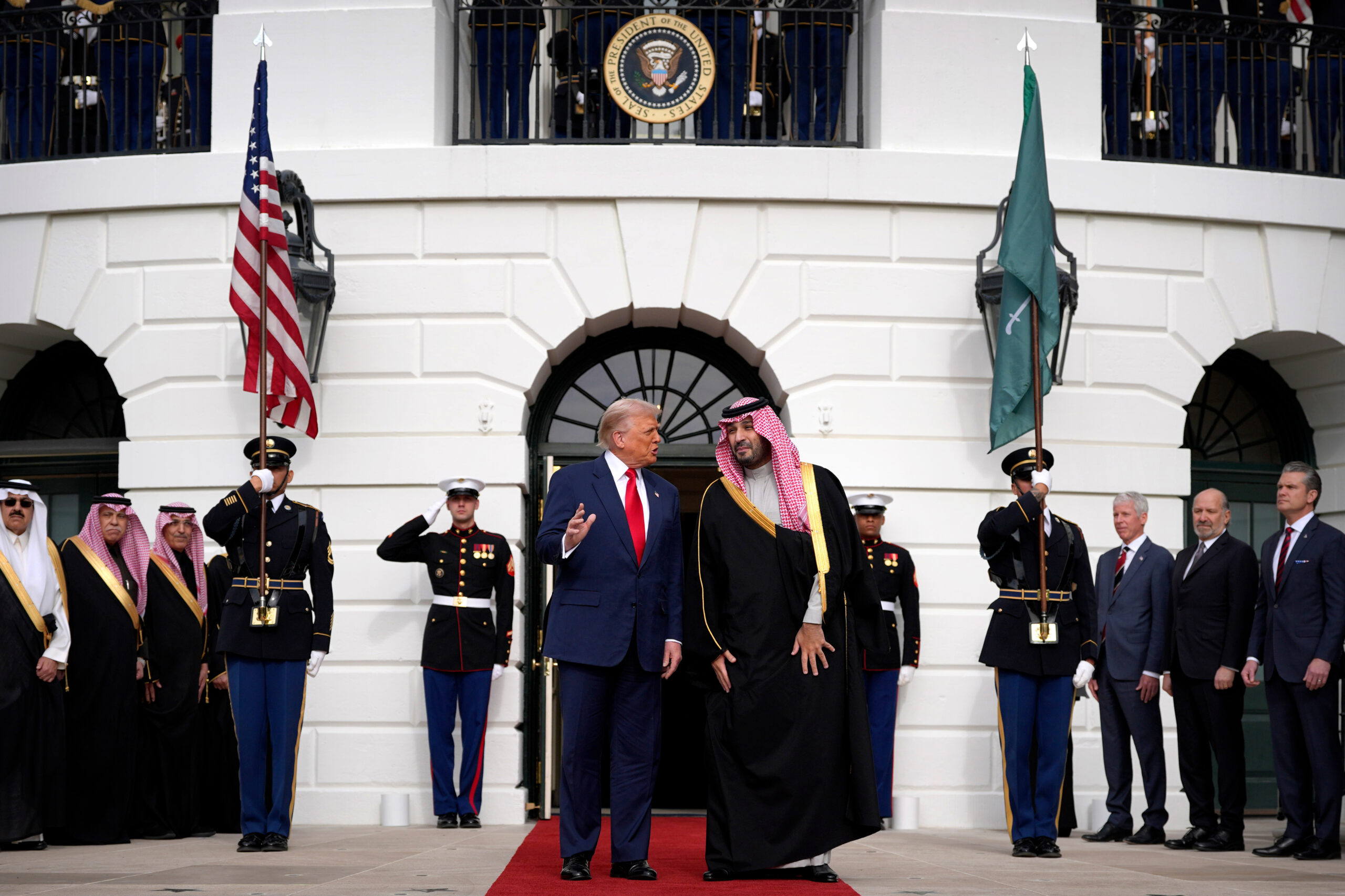
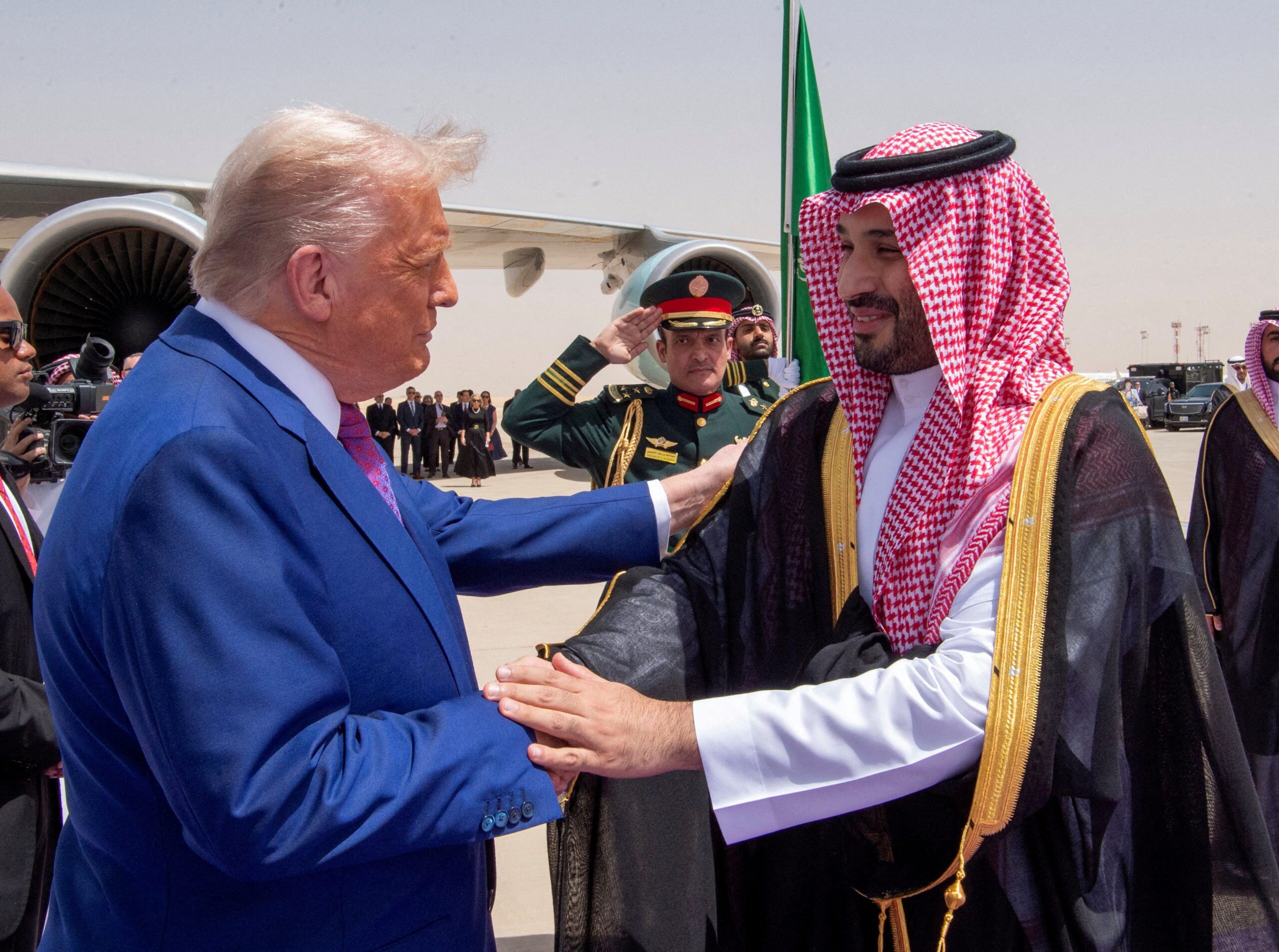
When the Saudi crown prince meets President Trump in Washington, the main topics of discussion are likely to be commercial deals, a defense pact, a Saudi civilian nuclear program, and normalization with Israel.
The GCC states now consider an attack on one to be an attack on all, and Saudi Arabia may be covered by a Pakistani rather than U.S. military umbrella.
On January 8, AGSI hosted a virtual roundtable with its leadership and scholars as they look ahead and assess trends likely to shape the Gulf region and U.S. foreign policy during the coming year.