The Aftershocks of Aleppo’s Fall Continue to Shake the Region
From the establishment of the Turkey-Russia-Iran triumvirate to the ongoing Arab efforts to re-engage with Syria, everything can be traced back to the events of December 2016.
'Syrian troops and pro-government gunmen stand in the Ansari neighborhood, east Aleppo, Syria, Dec. 23, 2016. (SANA via AP)'
In international relations, change is constant but often subtle. As in a moving kaleidoscope, the biggest patterns continuously, yet often almost imperceptibly, readjust themselves via delicate and discrete shifts.
Occasionally, though, there is a dramatic twist and the whole constellation is suddenly rearranged.
Sometimes it’s obvious, as with the 9/11 terrorist attacks or the 2003 US invasion of Iraq. In other cases, the full significance only becomes clear over time.
The fall of rebel-held portions of Aleppo to pro-regime forces in Syria in December 2016 is the most recent Middle Eastern example of a subtle political tremor that, perhaps surprisingly, has repositioned many key tectonic plates underneath the strategic landscape.
At the time, most observers understood that it was a big deal, signalling the practical end of the major fighting in Syria and, therefore, the comprehensive victory of Bashar Al Assad’s regime and its Russian, Iranian and Hezbollah backers.
But the aftershocks have reverberated so powerfully that it is now hard not to begin many conversations about Middle Eastern strategic realities without saying: “After the fall of Aleppo…”
Perhaps the most far-reaching impact has been the significantly transformed regional role of Turkey.
Ankara was already moving away from a commitment to regime change in Damascus and focusing on containing Kurdish gains in northern Syria. But Aleppo made Turkey’s altered profile practically irreversible.
From then on, Ankara no longer saw Tehran as a fundamental adversary, but reconceptualised Iran, along with Russia, as a necessary partner in ensuring an acceptable post-conflict stabilisation in Syria.
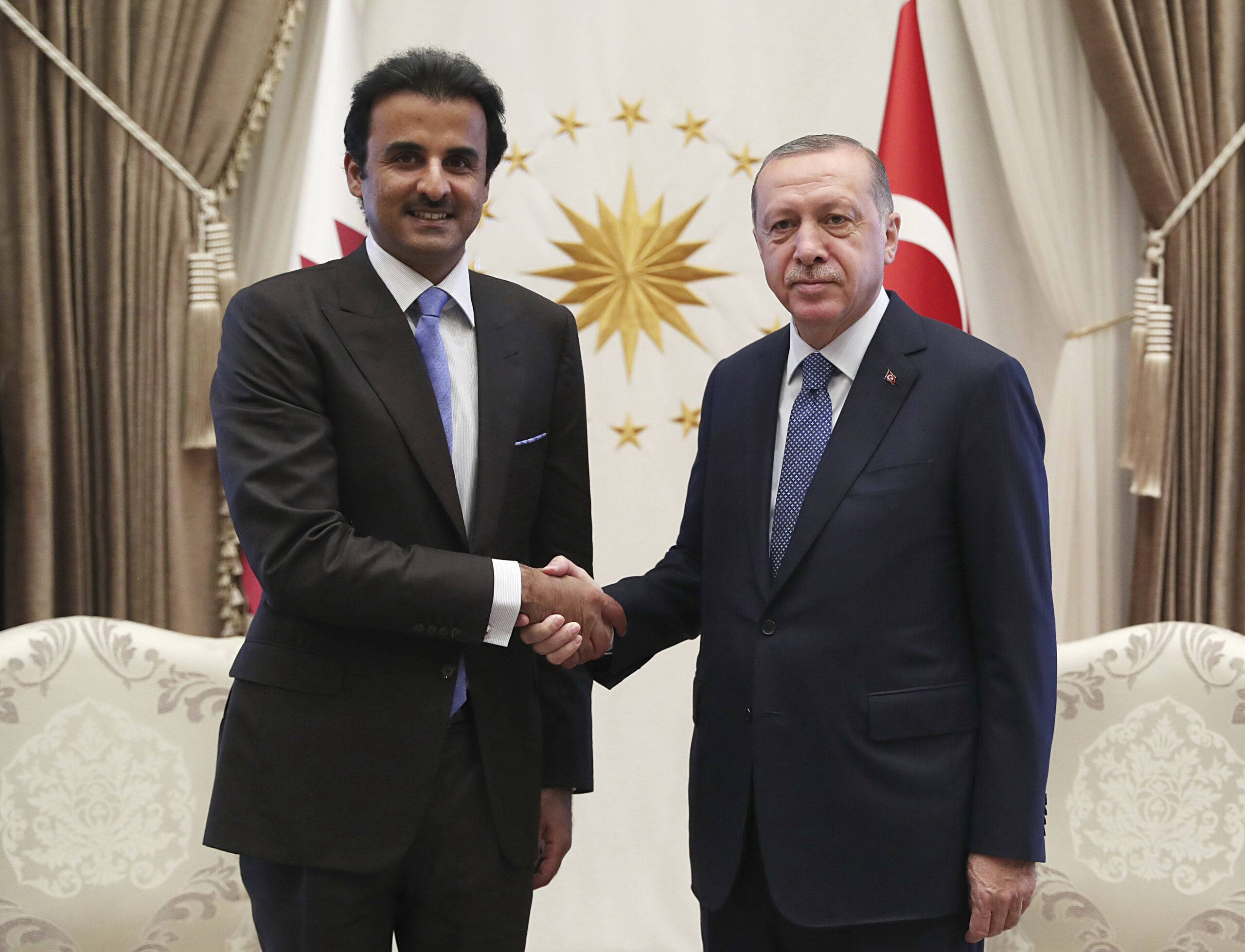
This intensified and accelerated the emergence of Turkey as a fully committed, leading regional power with its own distinctive orientation. And after the boycott of Qatar began in June 2017, it became clear that the Ankara-Doha axis was emerging as a third regional bloc, simultaneously competing with both the pro and anti-Iranian camps.
Aleppo was, therefore, the decisive turning point in transforming the Middle East from a binary to a ternary competition, a new reality that is close to pervasive, albeit sometimes subtly, from Morocco to Iraq.
And because Egypt is so categorically opposed to the pro-Islamist orientation of this Turkish-led third camp, Cairo has increasingly emerged from its crisis-induced introversion and back into broader regional engagement.
As the victorious parties – Russia, Iran and Turkey – established the Astana conferences to try to negotiate the arrangements necessary to consolidate their gains, Ankara and Moscow, in particular, developed new levels of co-operation.
However, as Syria has more firmly entered into a post-war era, it is obvious that both Turkey and Russia are beginning to wonder if, and even when, Iran’s more far-reaching ambitions in Syria will begin to undermine their own, vital but more limited, goals in the country.
In other words, the long-term impact of Aleppo and the end of the war could, however counterintuitively, signal at least a gradual erosion of the Russian-Iranian alliance that secured that victory in the first place.
Aleppo was also decisive in harmonising Arab and Israeli threat perceptions regarding Iran.
Before then, Israel largely saw Iran as a nuclear threat, while Arabs were more focused on Iran’s destabilising regional policies, hegemonic ambitions and support for non-state actors, such as militia groups.
The fall of Aleppo confronted Israel with its own, immediate version of the same threat, with pro-Iranian and other militias far too close for comfort, Iran trying to establish itself as a dominant power in post-war Syria, and Hezbollah transformed from a Lebanese paramilitary organisation to the regional vanguard of the network of pro-Iranian militia and terrorist groups throughout the Middle East.
So, Iran’s victory at Aleppo brought its major Arab and Israeli antagonists closer together, despite major ongoing divisions regarding Palestinian rights, which cannot be to Tehran’s benefit.
Because terrorist groups thrive on war, chaos and state failure, the fall of Aleppo was bad news for ISIS in the short run. It removed the final obstacle to a concerted international campaign to destroy its self-declared “caliphate.”
And while the regime victory in Aleppo meant that affiliates of Al Qaeda would dominate larger portions than ever of the remaining armed Syrian opposition, it might eventually mean that the terrorist organisation will find itself largely driven out of Syria.
In the longer run, however, after so much wanton violence, the regime is likely to find it difficult to rule Syria in peace and quiet. If it cannot and will not find a way to reconcile with so many of its own citizens, terrorist groups, including ISIS, may be back with a vengeance.
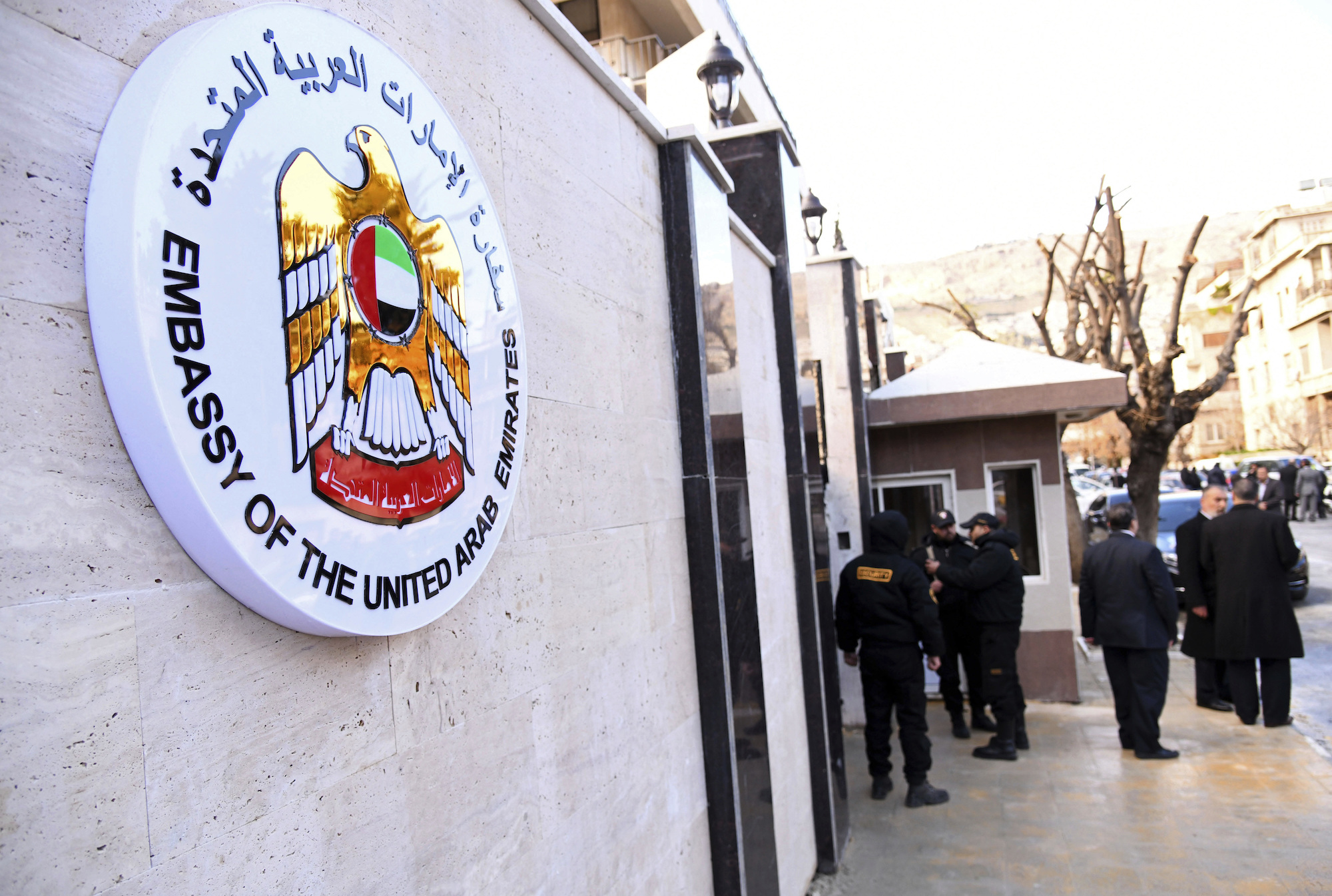
By signalling the end of the Syrian war, the fall of Aleppo also set in motion ongoing Arab efforts to re-engage with Syria, most notably illustrated by the recent reopening of the UAE Embassy in Damascus.
As in Iraq, most Arab states will now have to rely on political and economic outreach, soft power, and the gradual reintegration of Syria into the Arab fold, in order to secure their interests.
These are just a few of the major transformations that the fall of Aleppo set in motion or greatly accelerated. But they irrefutably establish that, over time, it has proven a historic Middle Eastern turning point.
The views represented herein are the author's or speaker's own and do not necessarily reflect the views of AGSI, its staff, or its board of directors.
The metamorphosis of the Islamic Revolutionary Guard Corps into an expeditionary force as a result of the Syrian war bodes ill for the United States and its allies in the Middle East, who will likely encounter a more confrontational Islamic Republic in the future.
Reciprocity has long been a hallmark of Qatar’s foreign policy. The former Qatari prime minister and foreign minister, Hamad bin Jassim al-Thani, summed up this idea nicely when a U.S. official thanked him for Qatar’s investment in New Orleans after Hurricane Katrina struck in 2005 and he responded, “We may have our own Katrina one...
Though they were unsuccessful in preventing the current conflict, and, as expected, have been dragged into the U.S.-Israeli confrontation with Iran, Gulf Arab countries remain crucial to hopes for limiting the war and bringing it to a quick resolution.
After decades of tolerating Hezbollah’s warmaking independence, the current crisis has compelled Lebanese leaders to ban its military activities; this project will do much to determine the reach Iran can maintain in the Arab world.
Gulf Arab countries urged the United States not to strike Iran, but now that is happening, they are in danger of being sucked into a conflict they cannot control but that will likely reshape their present and future realities.
When quickly debunked rumors in the Israeli media that the UAE was seeking to manage postconflict Gaza were widely welcomed in Israel, it demonstrated both the trust the UAE has built among Israelis but also their lack of understanding of Emirati policies and interests.
On January 8, AGSI hosted a virtual roundtable with its leadership and scholars as they look ahead and assess trends likely to shape the Gulf region and U.S. foreign policy during the coming year.















Mar 11, 2019
The Aftershocks of Aleppo’s Fall Continue to Shake the Region
From the establishment of the Turkey-Russia-Iran triumvirate to the ongoing Arab efforts to re-engage with Syria, everything can be traced back to the events of December 2016.
5 min read