Mar 31, 2023
Quds Force Tries to Maintain the Balance in Iran’s Afghanistan Policy
The March 31 edition of the Iran Media Review examines Iran’s efforts to balance its ties with the Taliban and the Afghan Shia minority.
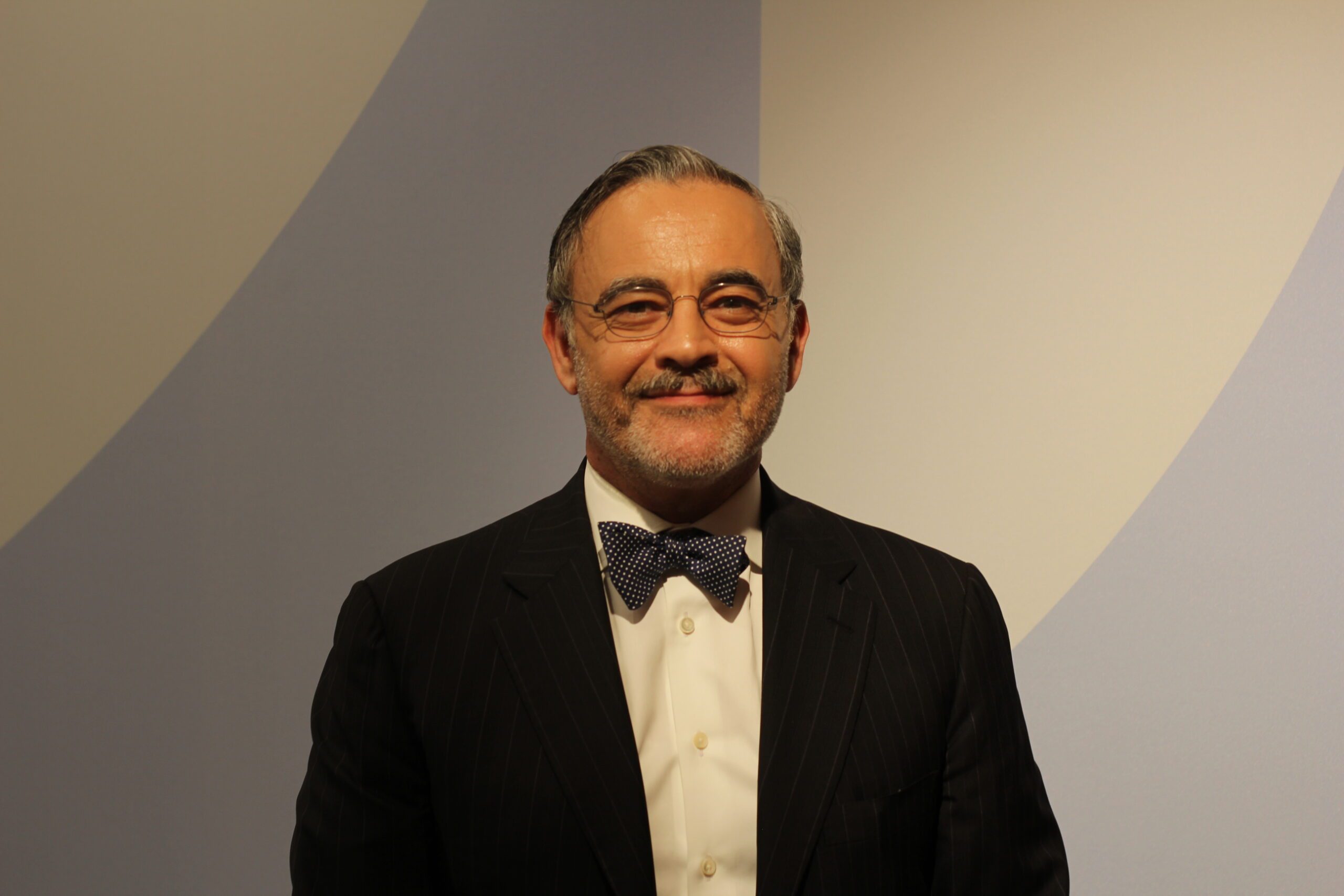
In a 2008 message to General David Petraeus, the commander of the U.S.-led coalition in Iraq, the late Major General Qassim Suleimani, then the chief of the Islamic Revolutionary Guard Corps Quds Force, wrote: “You should know that I … control the policy for Iran with respect to Iraq, Lebanon, Gaza, and Afghanistan.” At the time, Hassan Kazemi Qomi, himself a Quds Force veteran, served as Iran’s ambassador to Iraq but reported directly to Suleimani. In October 2021, Kazemi Qomi was appointed special envoy to Afghanistan, and since December 2022, he has served as Iran’s ambassador to Afghanistan. As in his previous posting in Iraq, Kazemi Qomi may be reporting to the Quds Force chief, Ismail Qaani, rather than the Foreign Ministry. But regardless of the chain of command from the Iranian Embassy in Kabul to Tehran, Kazemi Qomi appears to be engaged in the difficult balancing act of improving relations with the Taliban regime while maintaining relations with Iran’s traditional allies, the Afghan Shia minority.
- March 19: According to Tasnim News, an Iranian delegation led by Hassan Kazemi Qomi, Iran’s ambassador to Afghanistan, was received by the Taliban’s foreign minister, Amir Khan Muttaqi. Kazemi Qomi reportedly expressed Iran’s interest in purchasing Afghan agricultural products and helping the country develop its agricultural sector. The parties also reportedly discussed expanding the rail network connecting Iran to Afghanistan.
- March 26: Tasnim News reported that while receiving Kazemi Qomi, Khalil Haqqani, the Taliban’s minister of refugees, suggested the establishment of a joint Iranian-Afghan committee to investigate the plight of Afghan refugees living in Iran and monitor trafficking in the border area.
- March 26: On the dual occasion of the Persian holiday of Nowruz and the month of Ramadan, Kazemi Qomi received members of the Shia Ulema Council in Kabul and, according to Tasnim News, “considered the engagement of the Afghan Shia with the Taliban regime, positively and in line with the societal cohesion and solidarity of Afghanistan.”
The views represented herein are the author's or speaker's own and do not necessarily reflect the views of AGSI, its staff, or its board of directors.
Related
Iran Media Review
Oct 20, 2026
Who Authorized Iranian Strikes Against U.S. Vessels?
The October 20 edition of the Iran Media Review examines IRGC messaging about July 7 strikes against U.S. Navy vessels and the debate surrounding the confirmation of a new Iranian defense minister.
Iran Media Review
Oct 16, 2026
Qalibaf’s New Equation: War, Negotiation, and Deterrence
The October 16 edition of the Iran Media Review highlights the call by Iran’s parliamentary speaker for a combination of war and negotiation to establish deterrence against further attacks on Iran.
Iran Media Review
Oct 13, 2026
From Neighbor to Target: Iranian Analysts on the UAE
The October 13 edition of the Iran Media Review explores calls by senior Iranian strategists for Iran to target the United Arab Emirates and Dubai’s airport.
Oct 20, 2026
Who Authorized Iranian Strikes Against U.S. Vessels?
The October 20 edition of the Iran Media Review examines IRGC messaging about July 7 strikes against U.S. Navy vessels and the debate surrounding the confirmation of a new Iranian defense minister.
Oct 16, 2026
Qalibaf’s New Equation: War, Negotiation, and Deterrence
The October 16 edition of the Iran Media Review highlights the call by Iran’s parliamentary speaker for a combination of war and negotiation to establish deterrence against further attacks on Iran.
Oct 13, 2026
From Neighbor to Target: Iranian Analysts on the UAE
The October 13 edition of the Iran Media Review explores calls by senior Iranian strategists for Iran to target the United Arab Emirates and Dubai’s airport.
Analysis
The Committee of Six and Strategic Decision Making in Iran
Remarks by Iran’s president offer a rare glimpse of how the Islamic Republic has adapted its decision making to the absence of its supreme leader.
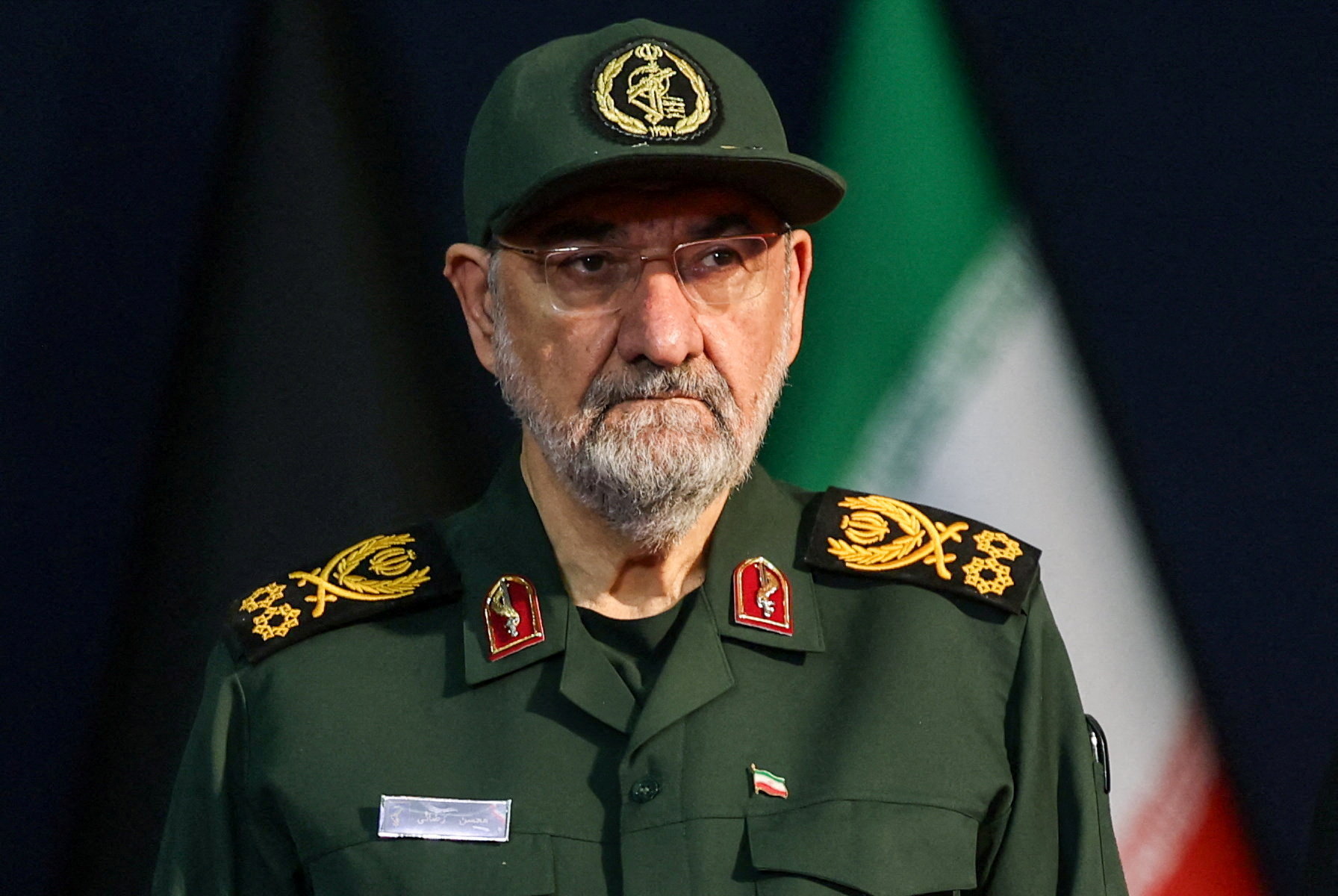
Mohsen Rezaei at the Helm of Iran’s Supreme National Security Council
Under Rezaei, the SNSC could prove constructive or paralyze strategic decision making.
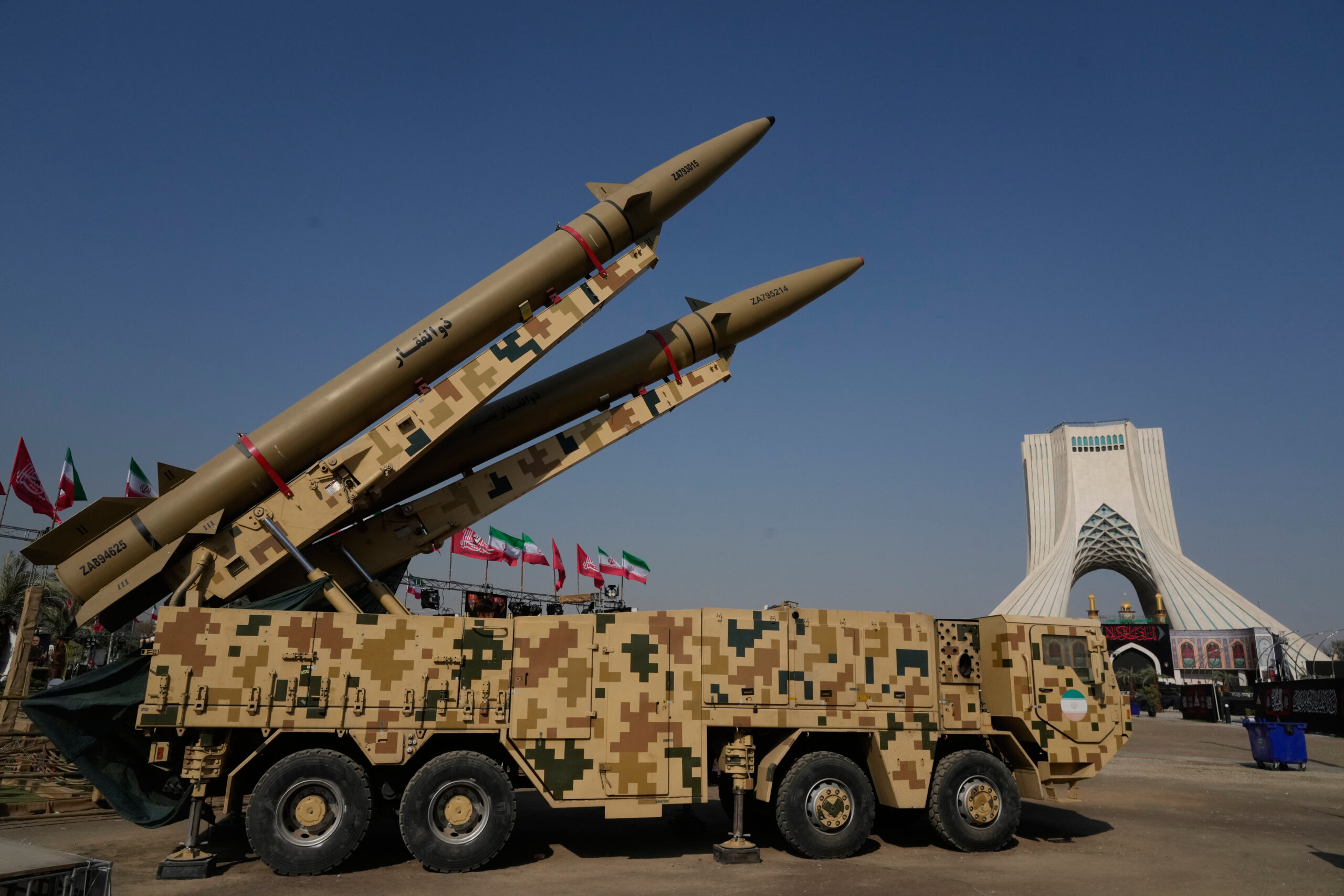
The Islamic Republic Returns to Offense
After U.S.-Israeli strikes killed Supreme Leader Ayatollah Ali Khamenei on February 28, Iran’s collective leadership has concluded that the best defense is a good offense.
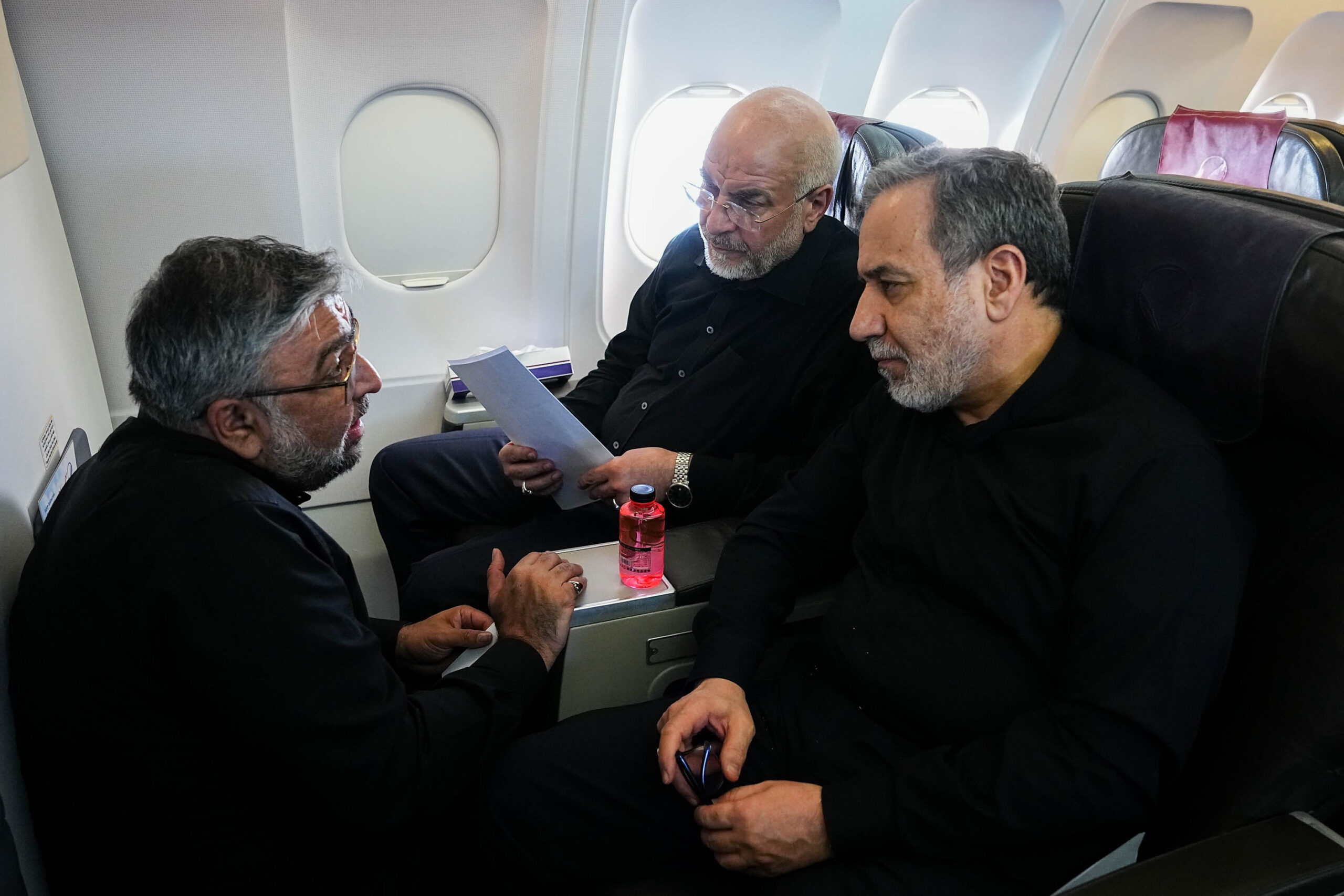
Iran’s Collective Strategic Decision Making
Wartime pressure has temporarily aligned the leadership’s overriding interest in regime survival, even as its members continue to differ over the costs, methods, and ultimate objectives of the war.
Events
Oct 6, 2026
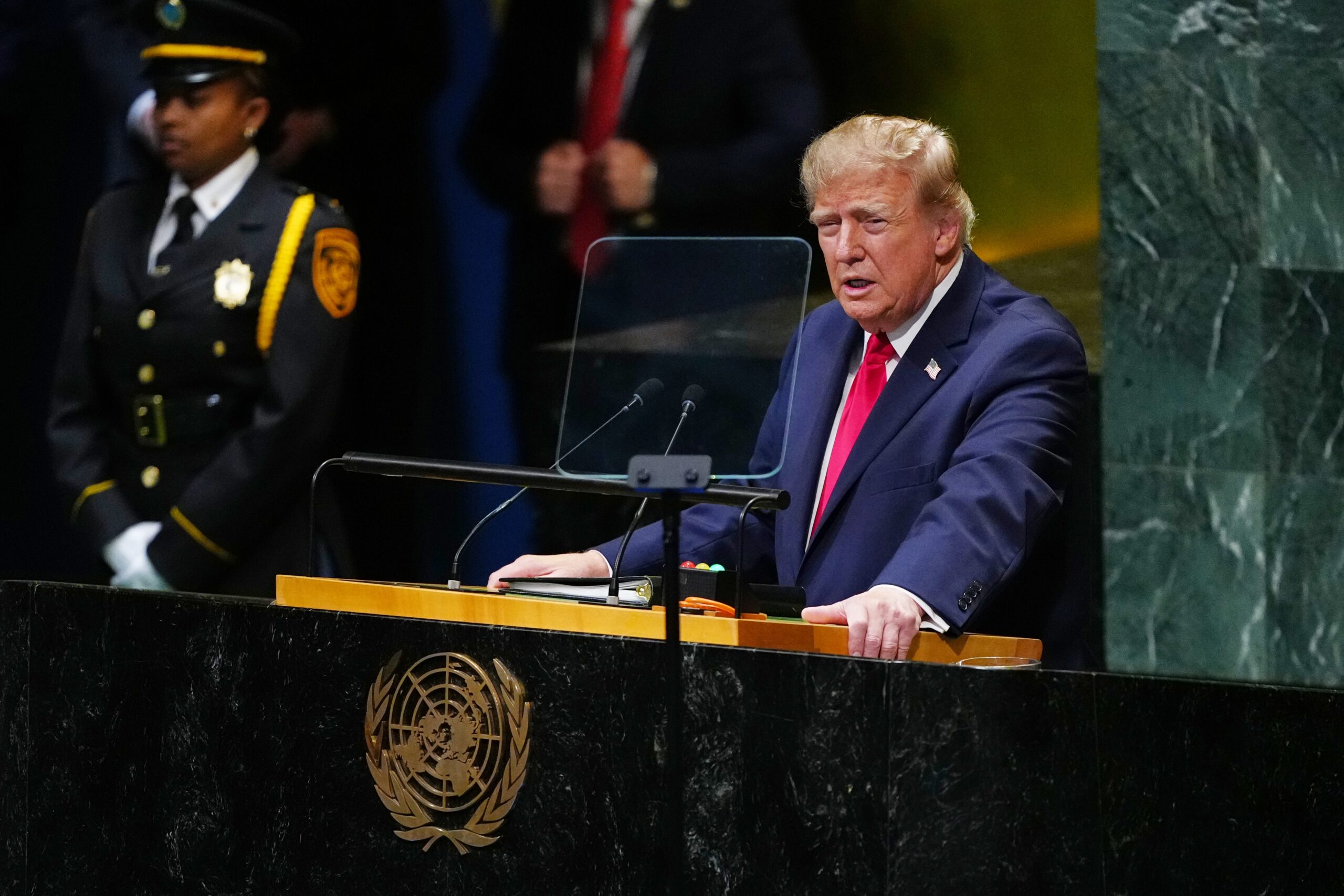
Is the U.S.-Iran Stalemate a “New Normal” or the Prelude to Another Explosion?
On October 6, AGSI hosted a discussion on the U.S.-Iran stalemate and the prospects for a cease-fire.
Speakers


Book Talk: Iran and the Bomb: The United States, Iran and the Nuclear Question
On June 16, AGSI hosted a discussion on the evolution of Iran's nuclear program.
Speakers
Apr 21, 2026
Inside Iran’s Wartime Leadership: Power, Succession, and Regime Stability
On April 21, AGSI hosted a discussion on the evolution of Iran's leadership during the war.
Speakers

Mar 18, 2026
In Its Conflict With the United States and Israel, Does Escalation Favor Iran?
On March 18, AGSI hosted a discussion on the escalation of the Iran war.
Speakers