Nov 22, 2022
Kayhan Newspaper Slams Elections in Bahrain, but in Reality Describes Elections in Iran
The November 22 edition of the Iran Media Review considers commentary by Iranian media outlets on Bahrain’s parliamentary elections.

Few Iranian media outlets show as much concern for the cause of democracy in Bahrain as Kayhan newspaper, which recently dedicated a column to the country’s parliamentary elections. But most Iranian readers may recognize the pseudo-democracy of the Islamic Republic when reading about the target of Kayhan’s affection. Just as remarkable are statements from the Iran-based Bahraini opposition and Iran’s reformist media, who demand free elections in Bahrain but remain silent on unfree elections in Iran.
- November 9: Bahraini Khalas Movement Secretary General Abdul Raoof Al-Shayeb said, as quoted by Iran Press: “The Bahraini nation demands freedom to decide its destiny and its rulers according to a constitution approved by the nation.”
- November 11: “The election is a theatrical comedy. All groups are opposed to the so-called election, for example Sheikh Abdullah Al-Daqaq, the Qom-based director of the Bahraini Theological Seminary,” Kayhan newspaper wrote and continued: “Al-Daqaq said on November 10: ‘Most Bahrainis talk of boycotting the election, while the regime insists on organizing it.’” According to Kayhan, Al-Daqaq nevertheless urged the Bahraini population to “boycott” the elections, claiming: “The Bahraini regime is trying to appear democratic, and the boycott questions the importance and legitimacy of the regime. It shows the world that this has nothing to do with democracy and the vote of the people.” Quoting anonymous online sources, Kayhan further claimed, “Riyadh has accommodated a request by the Kingdom of Bahrain to deploy 1,500 special operation forces in Bahrain in case of reactions during or in the immediate aftermath of the election.”
- November 12: Reformist Shargh newspaper dismissed the elections in Bahrain as “theatrical.”
The views represented herein are the author's or speaker's own and do not necessarily reflect the views of AGSI, its staff, or its board of directors.
Related
Iran Media Review
Nov 18, 2022
Iran’s “Martyrs of Public Security” Reach 53
The November 18 edition of the Iran Media Review considers the unprecedented number of security forces killed during recent protests in Iran.
Iran Media Review
Nov 15, 2022
Morality Police “Not Backing Down,” Yet Seem to be Backing Down – for Now
The November 15 edition of the Iran Media Review highlights contradictory messages from Iran’s morality police regarding enforcing the hijab mandate.
Nov 18, 2022
Iran’s “Martyrs of Public Security” Reach 53
The November 18 edition of the Iran Media Review considers the unprecedented number of security forces killed during recent protests in Iran.
Nov 15, 2022
Morality Police “Not Backing Down,” Yet Seem to be Backing Down – for Now
The November 15 edition of the Iran Media Review highlights contradictory messages from Iran’s morality police regarding enforcing the hijab mandate.
Analysis
The Islamic Republic Returns to Offense
After U.S.-Israeli strikes killed Supreme Leader Ayatollah Ali Khamenei on February 28, Iran’s collective leadership has concluded that the best defense is a good offense.
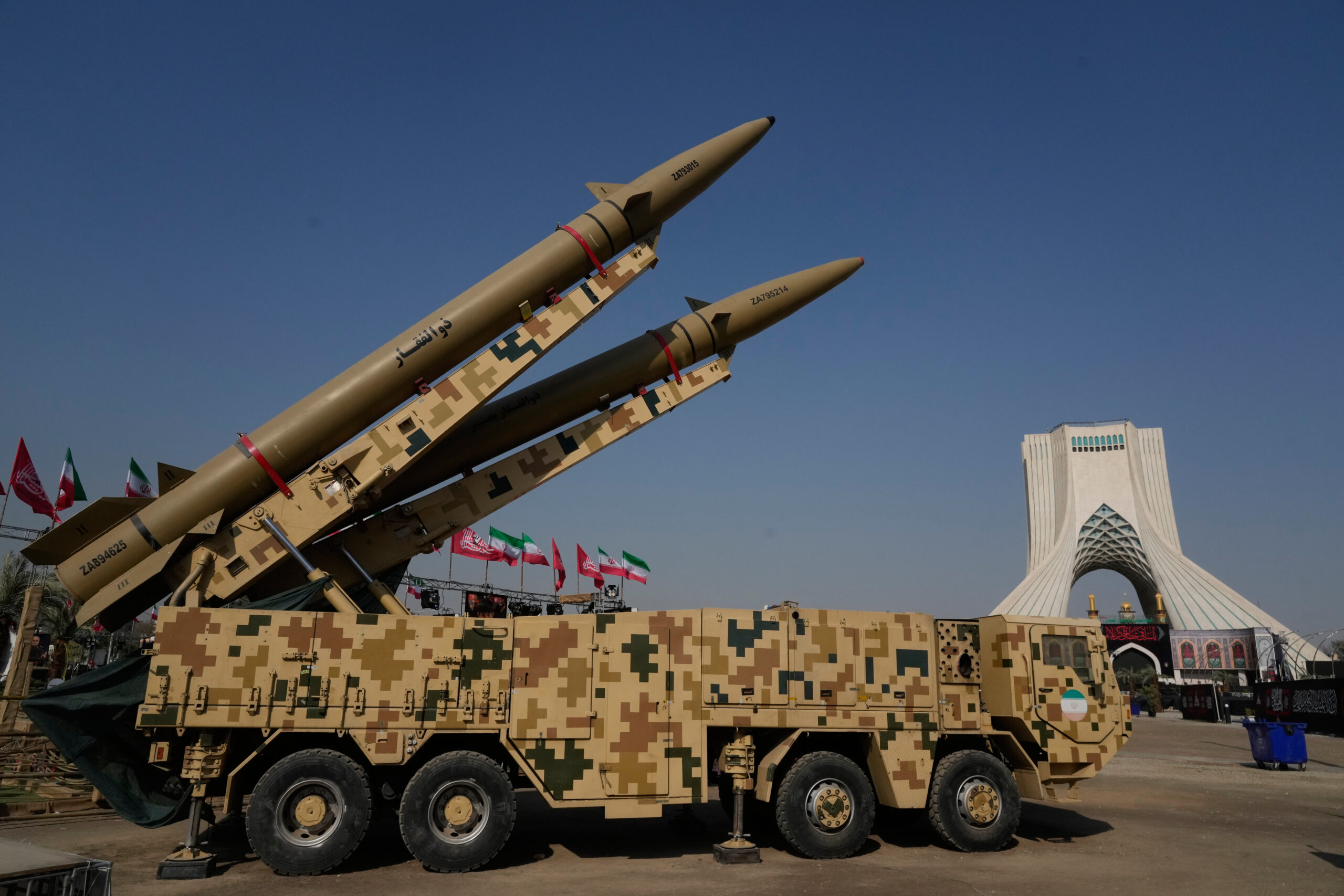
Iran’s Collective Strategic Decision Making
Wartime pressure has temporarily aligned the leadership’s overriding interest in regime survival, even as its members continue to differ over the costs, methods, and ultimate objectives of the war.
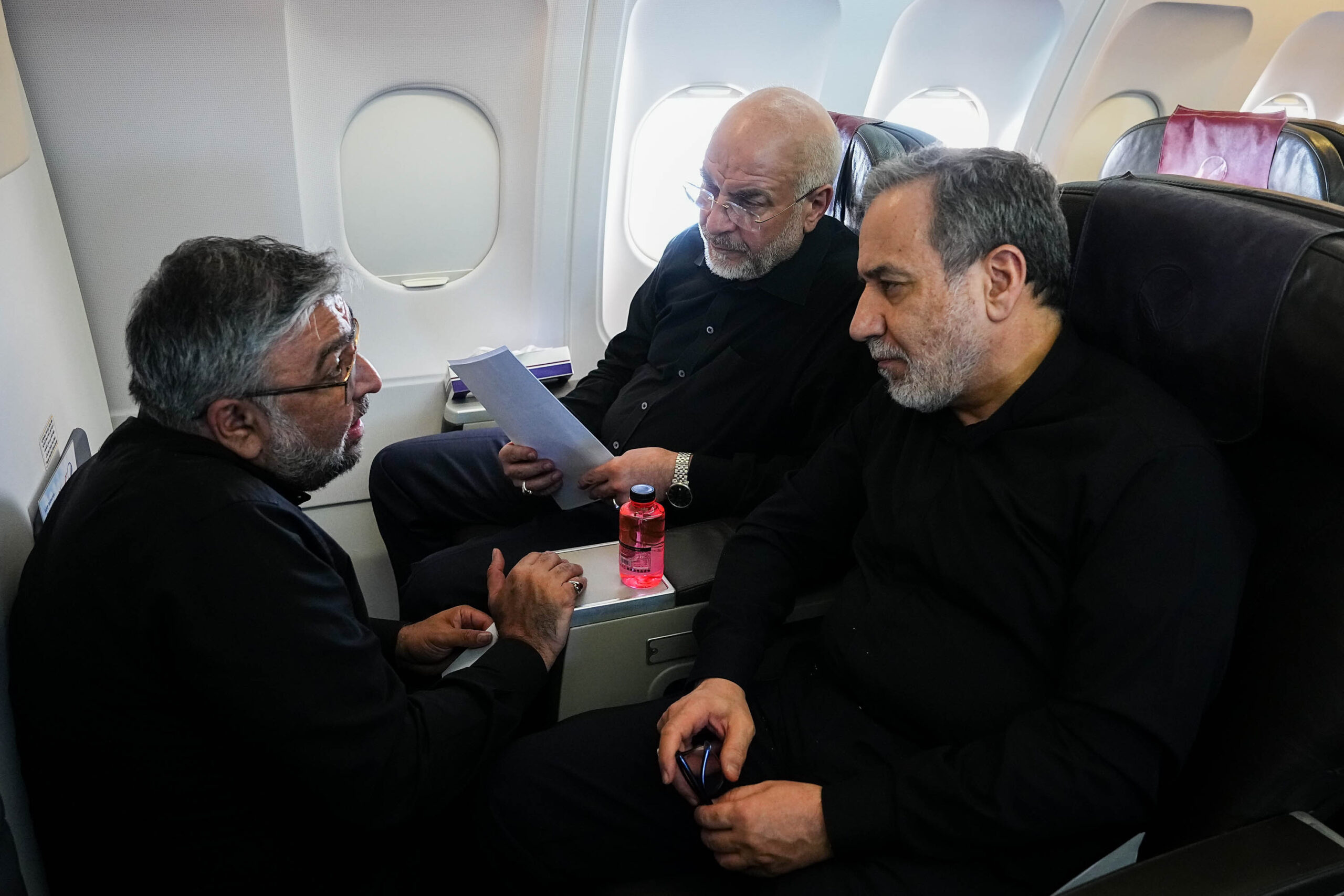
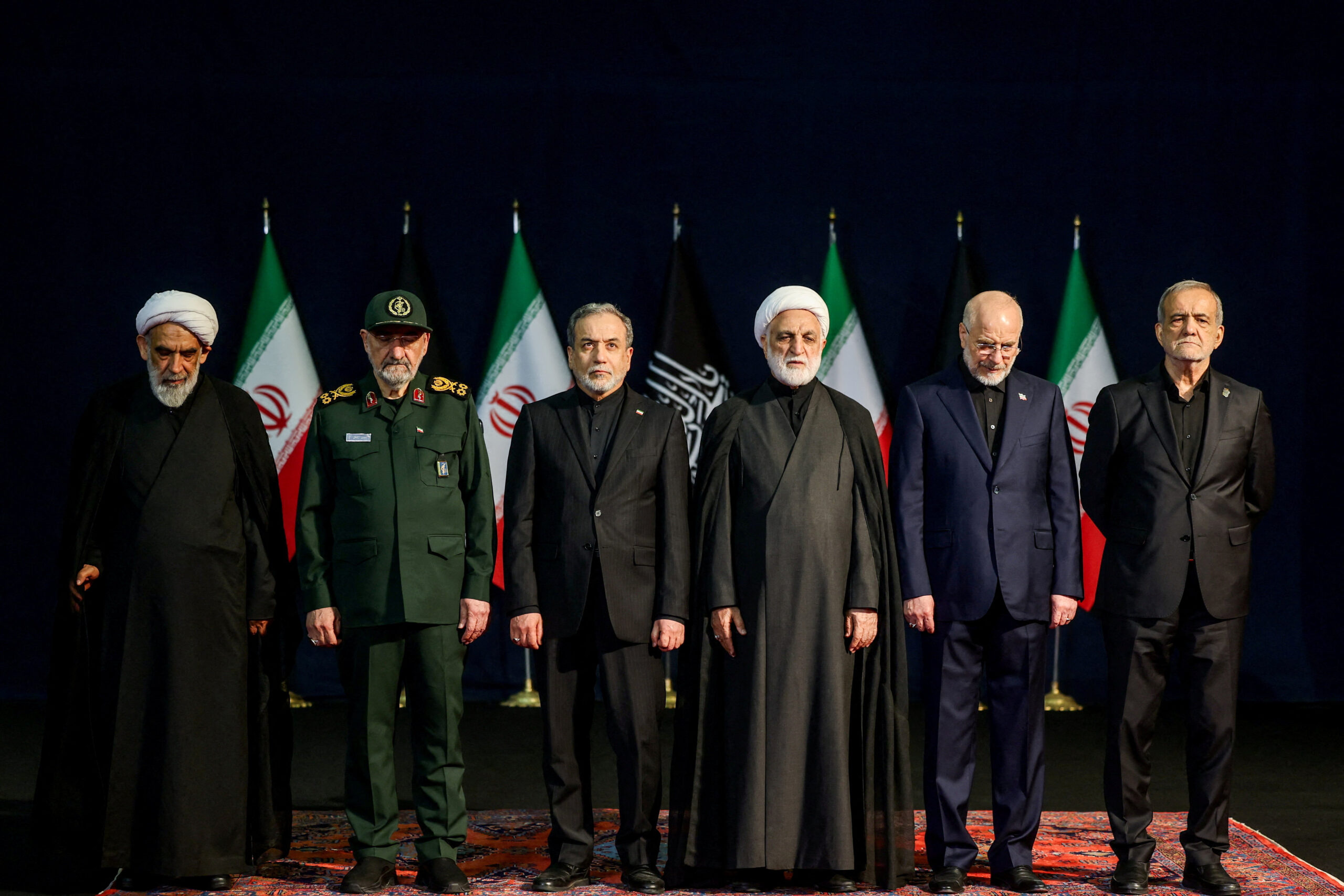
The Islamic Republic’s Collective Leadership
While there is historical precedent for collective leadership in Iran, today’s leadership includes representatives of the IRGC and regular military – a reflection of the IRGC’s expanding role and the necessities of governing under wartime conditions.
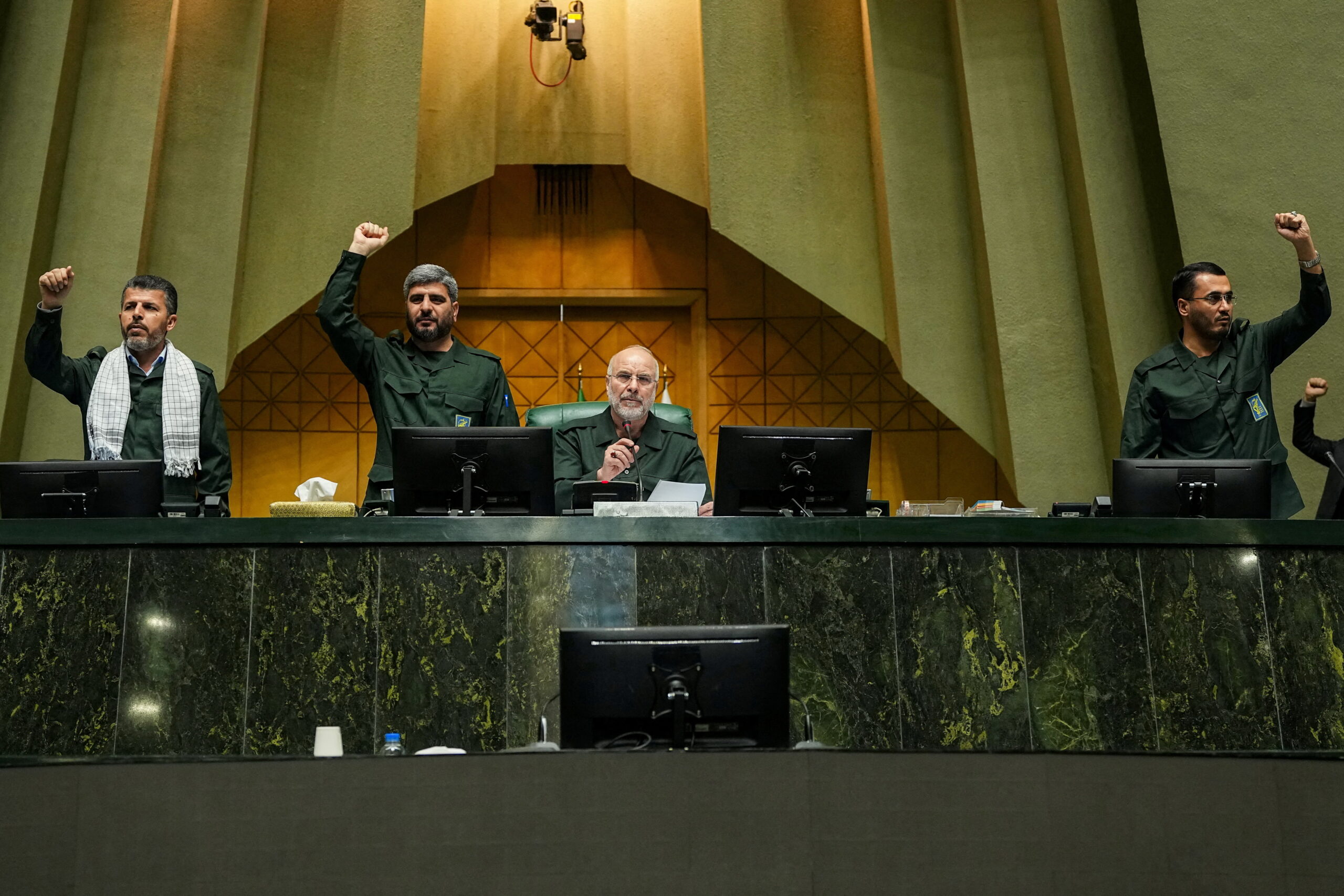
How Did the IRGC Seize Power in Iran?
The IRGC did not seize power in a single stroke. It accumulated it – patiently, methodically – until no counterweight remained.
Events
Book Talk: Iran and the Bomb: The United States, Iran and the Nuclear Question
On June 16, AGSI hosted a discussion on the evolution of Iran's nuclear program.

Speakers


Apr 21, 2026
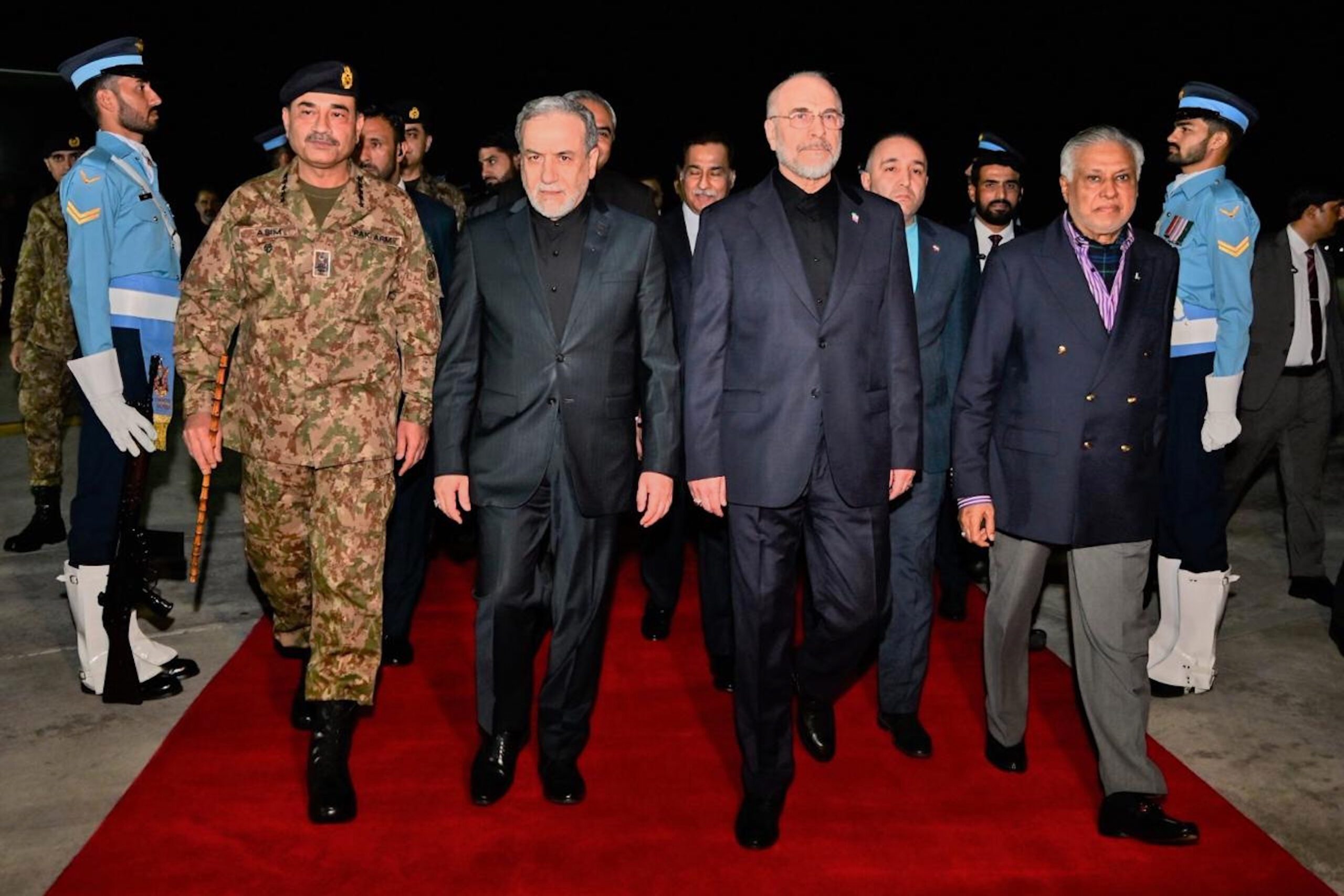
Inside Iran’s Wartime Leadership: Power, Succession, and Regime Stability
On April 21, AGSI hosted a discussion on the evolution of Iran's leadership during the war.
Speakers

Mar 18, 2026
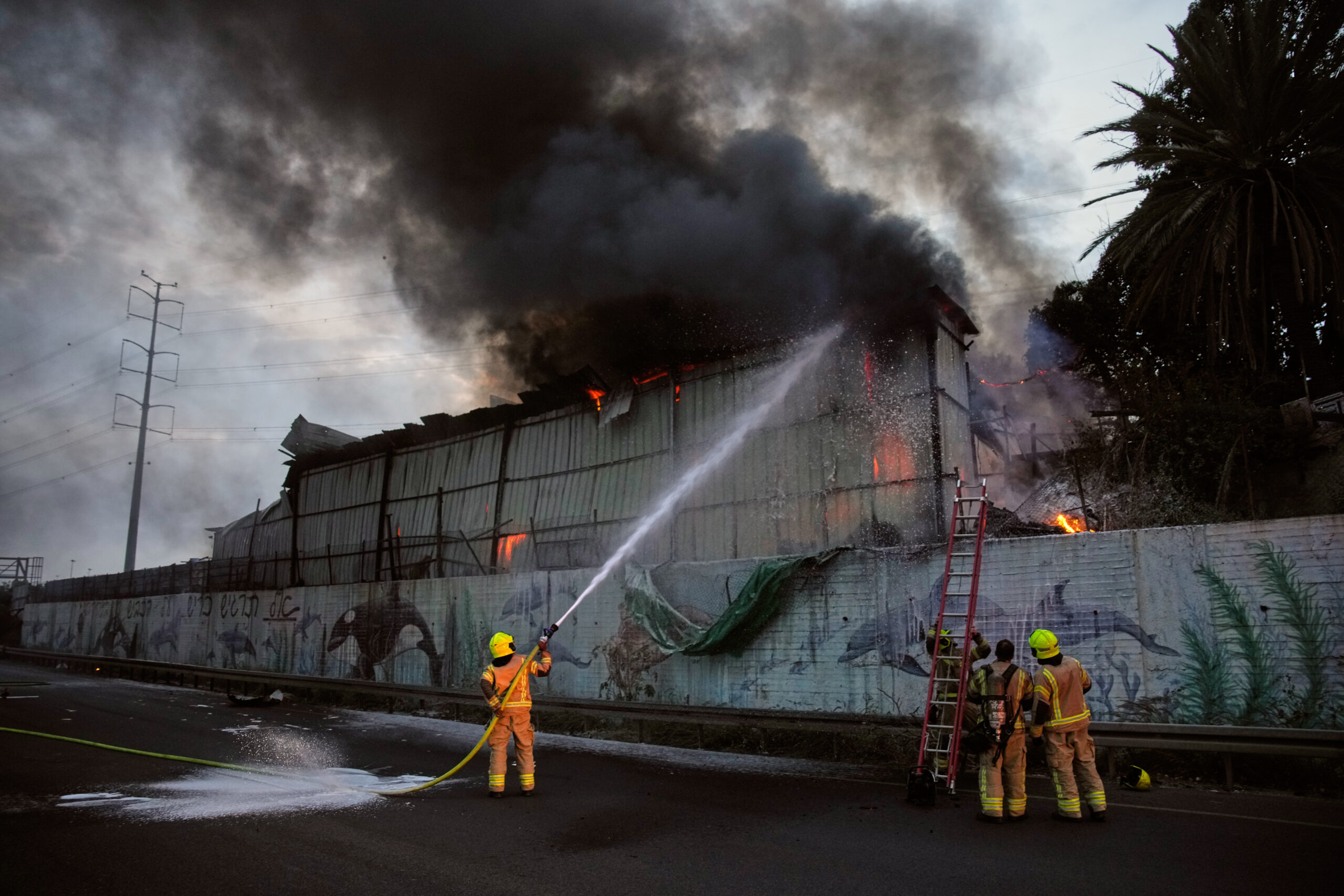
In Its Conflict With the United States and Israel, Does Escalation Favor Iran?
On March 18, AGSI hosted a discussion on the escalation of the Iran war.
Speakers



Mar 2, 2026
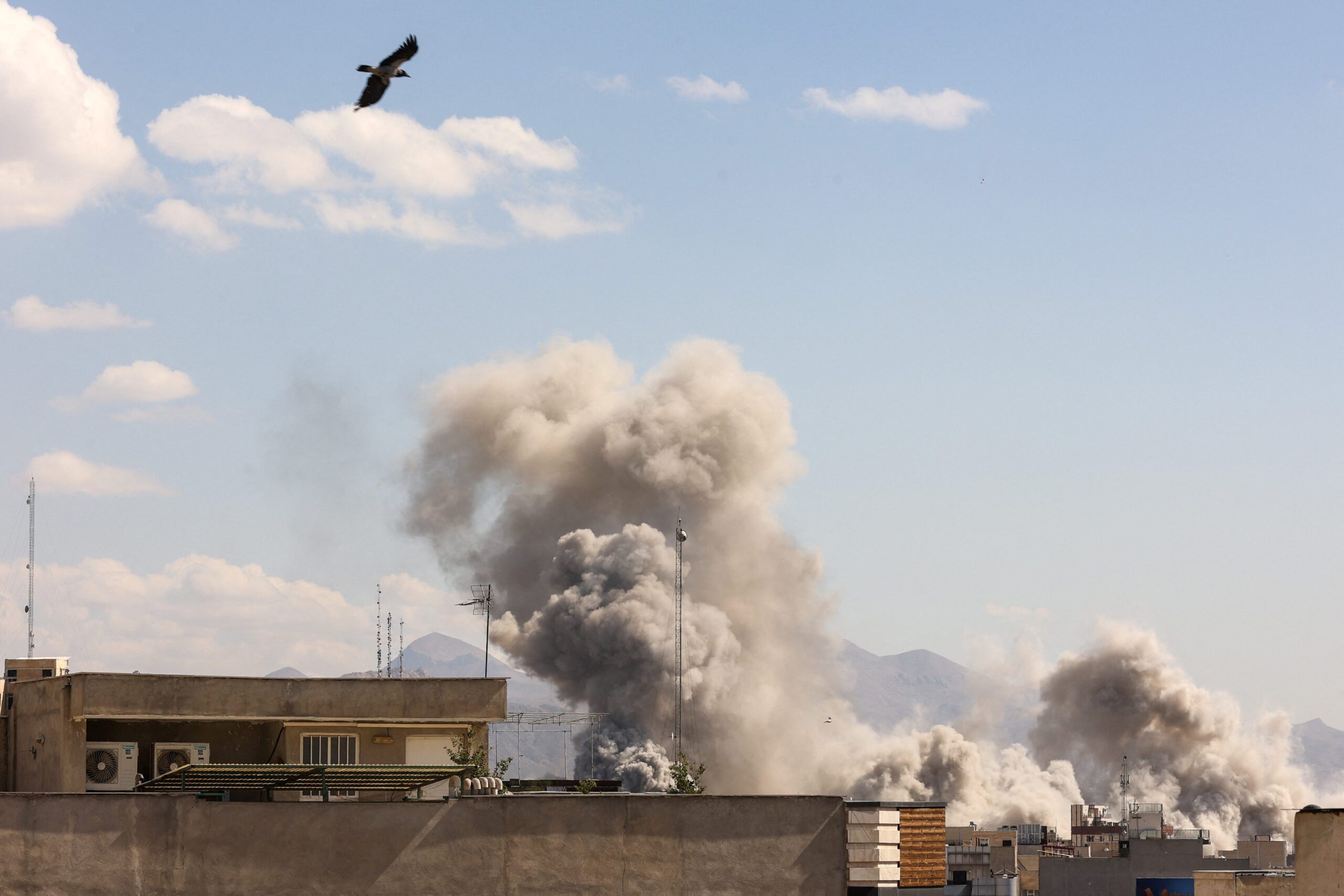
After the Shock: Implications of the U.S.–Israeli Strikes and Iran’s Leadership Transition
On March 2, AGSI hosted a discussion on the U.S.-Israeli strikes on Iran.
Speakers