Nov 15, 2022
Morality Police “Not Backing Down,” Yet Seem to be Backing Down – for Now
The November 15 edition of the Iran Media Review highlights contradictory messages from Iran’s morality police regarding enforcing the hijab mandate.

“We are not backing down on the hijab,” Seyyed Ali Khan-Mohammadi, spokesperson for the Headquarters for the Promotion of Virtue and the Prevention of Vice, also known as the morality police, assured the public. But, at the same time, he also emphasized a memorandum of understanding his organization signed with the Judiciary and the Basij, strictly prohibiting Basij members from enforcing hijab legislation. In a separate incident, regime media widely reported on the presence of an unveiled woman in the November 6 pro-regime rallies commemorating the anniversary of the seizure of the U.S. Embassy in Tehran in 1979.
These seeming contradictions in the morality police spokesperson’s statements and the incident of the unveiled woman have left the Iranian public confused. But the regime appears to have reached the conclusion that it is facing bigger challenges than women’s head gear, or lack thereof, but can’t formally stop enforcement of the hijab, which would be interpreted as a concession to the protesters and perhaps encourage more protests for other causes. Just as important, having lost the battle for the compulsory hijab, the regime is turning to unveiled women in its propaganda to signal they too can be regime supporters.
- October 30: Khan-Mohammadi, quoted by Etedal, said: “The three-page memorandum of understanding with the Judiciary and the Basij was signed in order to utilize the popular capacities of the Basij. The Basij is a peerless popular organization, which will be utilized in culture and promotion of virtue and prevention of vice.” However, when the journalist asked him if the Basij will be engaged in the fight against what he called “bad hijab,” meaning when a woman’s hair is not completely covered, Khan-Mohammadi responded: “No, this is not about the fight against bad hijab. This is about popular capacities and education of Judiciary officers. There is no mention of hijab in the memorandum of understanding.” The journalist asked: “These days, we see that even in the presence of Basij forces, some ladies are walking around without a head scarf, and not even a warning is issued to them. Is removal of the hijab, at the level of removing the head scarf, acceptable by the Headquarters for the Promotion of Virtue and the Prevention of Vice?” Khan-Mohammadi responded: “Removal of the hijab is illegal according to our laws, and the Headquarters for the Promotion of Virtue and the Prevention of Vice will not back down with regard to the hijab. But what your question alludes to, the forces, well, they have entered the arena for a well-defined special mission and will solely deal with those who want to riot and disturb the public order, and they are not authorized to intervene in hijab-related issues. If we do our work with fervor, it may not be desirable for our society. The enemy is awaiting an opportunity for us to deal with a person with bad hijab. That case will be utilized by the enemy.” Asked if the headquarters will deal more decisively with women’s hijab issues “once calm has been restored,” Khan-Mohammadi answered: “The enemy wants to smash the head scarf as an iconic issue. Should this icon be smashed, it will press ahead with other matters.”
- November 4: Iran’s state-censored media, including Asr-e Iran, reported the presence of an unveiled woman in the pro-regime rallies commemorating the anniversary of the seizure of the U.S. Embassy in Tehran in 1979.
The views represented herein are the author's or speaker's own and do not necessarily reflect the views of AGSI, its staff, or its board of directors.
Related
Iran Media Review
Nov 10, 2022
Facing Rising Death Toll in Sistan and Baluchistan Province, the Regime Turns Against Local Sunni Leader
The November 10 edition of the Iran Media Review explores harsh criticism in Iran’s state-censored media of Sunni religious leader Molavi Abdolhamid Ismaeelzahi.
Iran Media Review
Nov 8, 2022
Iranian Editor’s Damning Assessment of President Raisi’s Record, Call for Free Elections
The November 8 edition of the Iran Media Review highlights the increasing criticism of the administration of President Ebrahim Raisi by center to center-right political columnists.
Nov 10, 2022
Facing Rising Death Toll in Sistan and Baluchistan Province, the Regime Turns Against Local Sunni Leader
The November 10 edition of the Iran Media Review explores harsh criticism in Iran’s state-censored media of Sunni religious leader Molavi Abdolhamid Ismaeelzahi.
Nov 8, 2022
Iranian Editor’s Damning Assessment of President Raisi’s Record, Call for Free Elections
The November 8 edition of the Iran Media Review highlights the increasing criticism of the administration of President Ebrahim Raisi by center to center-right political columnists.
Analysis
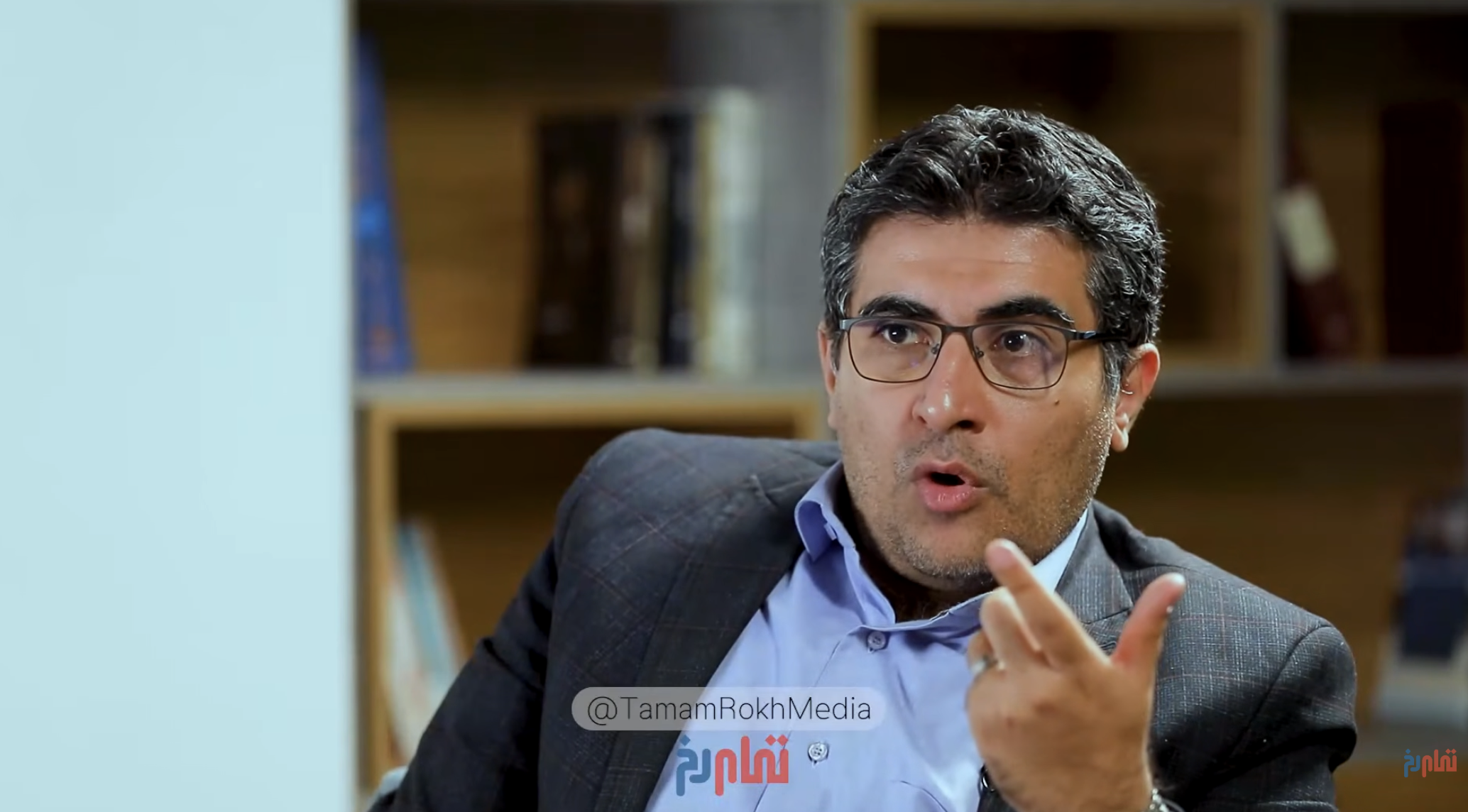
Debating Policy in Public: Iranian Elites Turn to YouTube
Rival camps within the Islamic Republic are increasingly turning to YouTube for policy debate, but there is a limit to the regime’s tolerance for that debate.
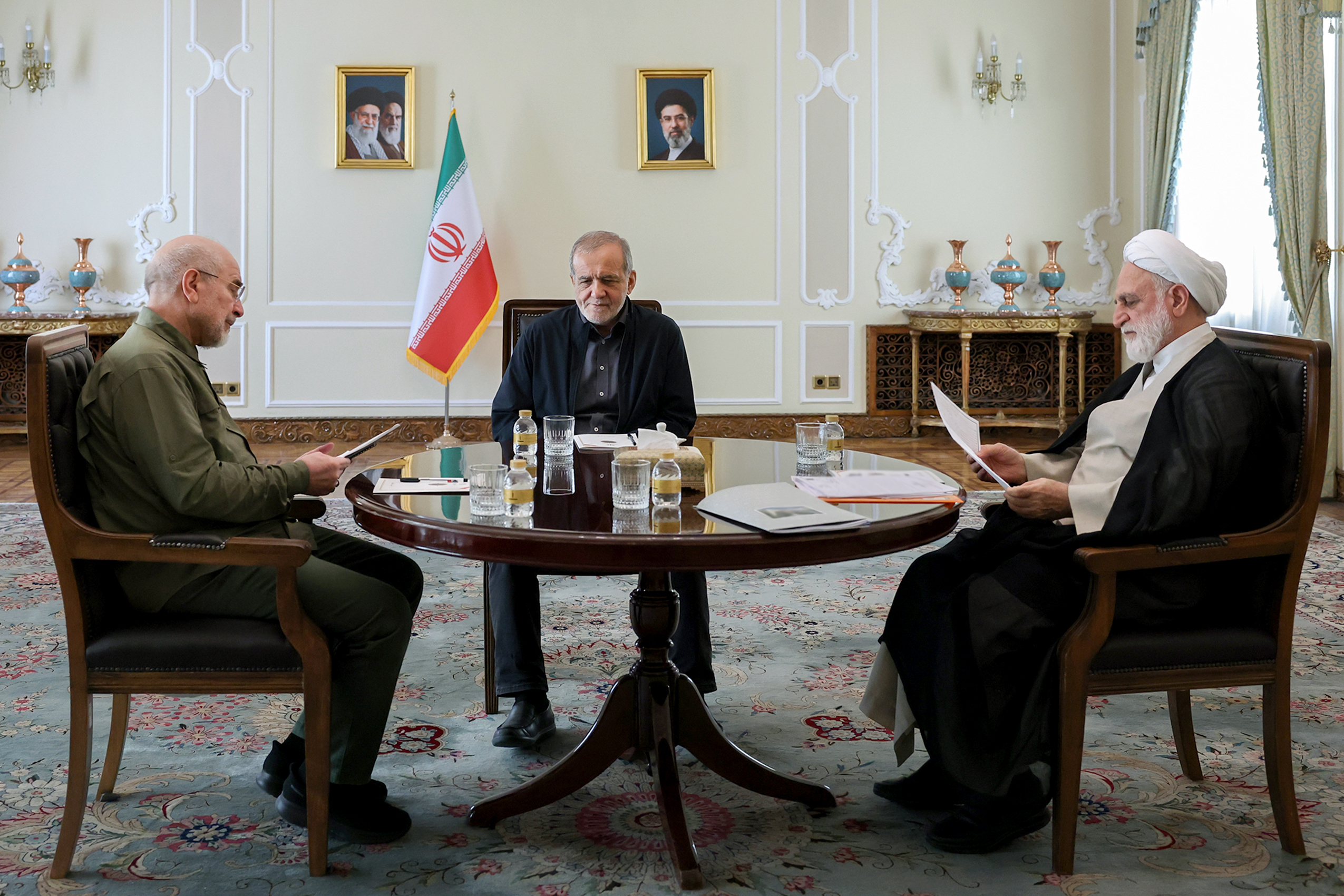
The Committee of Six and Strategic Decision Making in Iran
Remarks by Iran’s president offer a rare glimpse of how the Islamic Republic has adapted its decision making to the absence of its supreme leader.
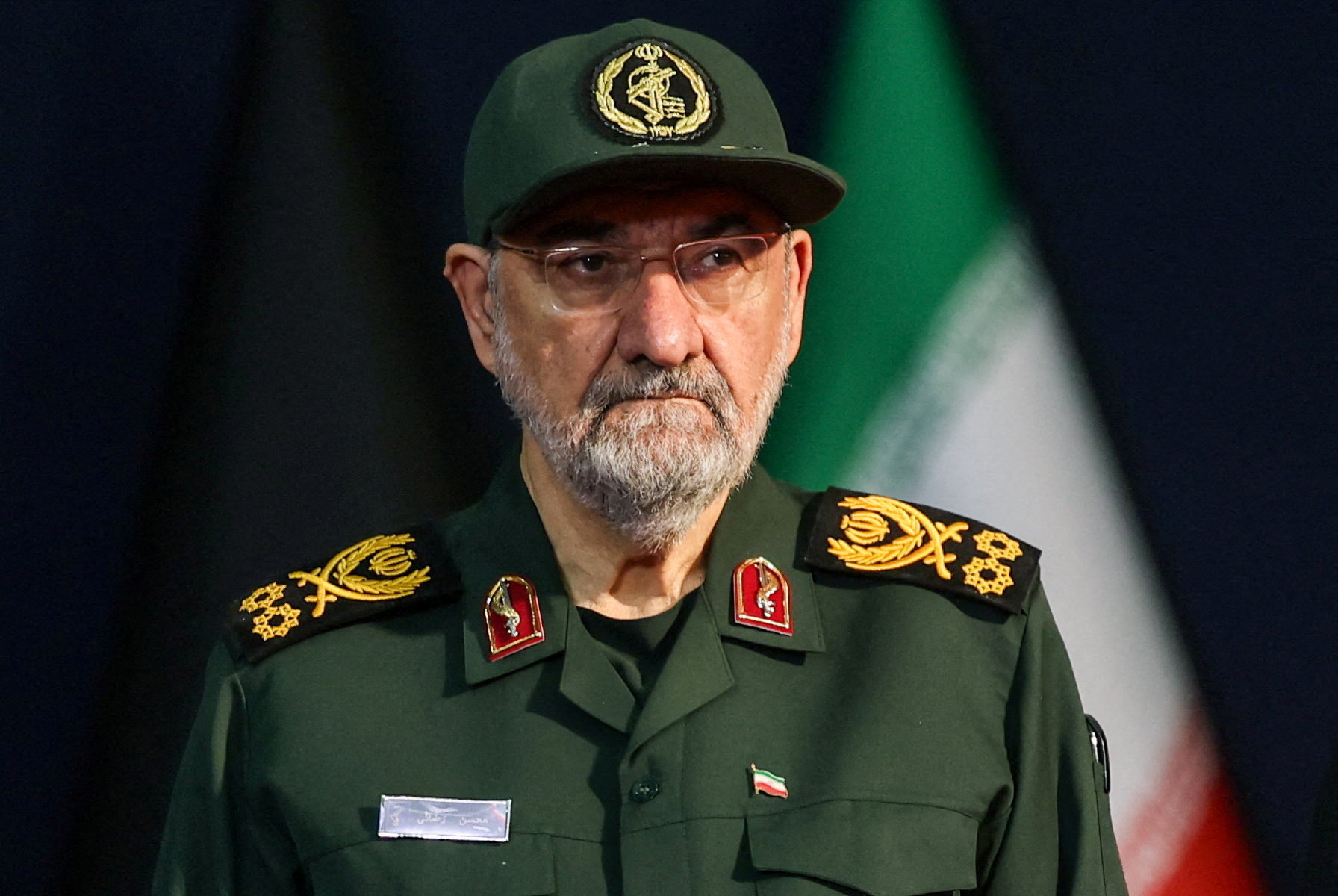
Mohsen Rezaei at the Helm of Iran’s Supreme National Security Council
Under Rezaei, the SNSC could prove constructive or paralyze strategic decision making.
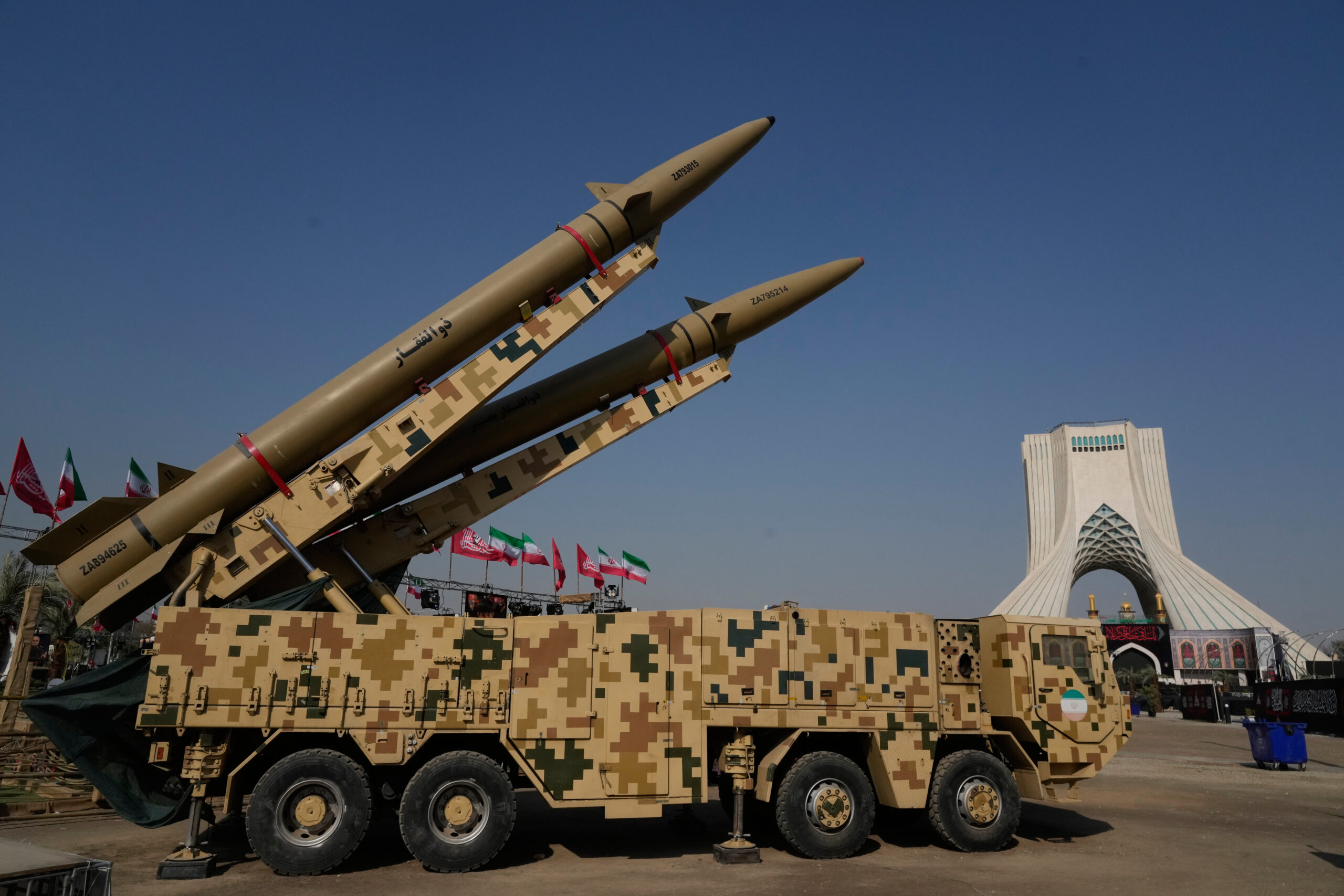
The Islamic Republic Returns to Offense
After U.S.-Israeli strikes killed Supreme Leader Ayatollah Ali Khamenei on February 28, Iran’s collective leadership has concluded that the best defense is a good offense.
Events
Oct 6, 2026
Is the U.S.-Iran Stalemate a “New Normal” or the Prelude to Another Explosion?
On October 6, AGSI hosted a discussion on the U.S.-Iran stalemate and the prospects for a cease-fire.
Speakers



Book Talk: Iran and the Bomb: The United States, Iran and the Nuclear Question
On June 16, AGSI hosted a discussion on the evolution of Iran's nuclear program.

Speakers

Apr 21, 2026
Inside Iran’s Wartime Leadership: Power, Succession, and Regime Stability
On April 21, AGSI hosted a discussion on the evolution of Iran's leadership during the war.
Speakers

Mar 18, 2026
In Its Conflict With the United States and Israel, Does Escalation Favor Iran?
On March 18, AGSI hosted a discussion on the escalation of the Iran war.
Speakers