Nov 18, 2022
Iran’s “Martyrs of Public Security” Reach 53
The November 18 edition of the Iran Media Review considers the unprecedented number of security forces killed during recent protests in Iran.

More than two months since the eruption of anti-government protests in Iran, the Islamic Republic is breaking a remarkable record: Based on data from Persian-language coverage of funeral services in Iran, 53 members of various branches of Iran’s security forces have been killed while suppressing the ongoing protests. This is the highest number of uniformed regime personnel fatalities, or “martyrs of public security” in regime parlance, during domestic unrest since the early 1980s.
The Islamic Republic itself was born out of anti-government protests, which led to the victory of the revolution in 1979. Before long, the revolutionaries turned against each other in their attempts to seize control over the new regime. But by June 1981, the dominant group among the ruling elites of the Islamic Republic defeated all organized opposition and consolidated its rule.
Since that time, Iran has experienced seven major anti-government protests:
- The 1992 protests provoked by local government to bulldoze shantytowns in Mashhad
- The 1995 protests against a 30% increase in bus fares from the suburbs to central Tehran
- The 1999 student uprisings against the closure of the Salam newspaper
- The 2009 protests against fraudulent elections that secured President Mahmoud Ahmadinejad’s reelection
- The 2017-18 protests against the increased price of foodstuffs
- The 2019 protests against gasoline rationing and price hikes
- The 2022 protests against the death of Mahsa Amini and enforcement of the hijab law by the “morality police”
During the 1990s, then-President Ali Akbar Hashemi Rafsanjani’s urban modernization plans and economic stabilization policy provoked violent protests among unprivileged classes, who lost government subsidies and even their dwellings in shantytowns in Mashhad, in northeastern Iran. Despite their size and importance, the government personnel death toll was limited to six police officers. The dramatic student uprisings in 1999, which were Iran’s replay of China’s Tiananmen Square protests a decade earlier, did not entail loss of life for the regime’s uniformed personnel. And the total death toll of 23 regime members in the wake of protests against the fraudulent elections in 2009 is somewhat debatable, as some of the victims may have been onlookers rather than uniformed government personnel. The 2018 economic protests cost the life of one member of the Basij militia, and six members were killed in the 2019 protests.
The 2022 protests, on the other hand, have hitherto cost the lives of 53 uniformed regime personnel, 31 of whom served in the Basij, nine in the IRGC, ten in the Law Enforcement Forces, two in the army, who appear to have countered the protesters in a private capacity, not as a part of a deployed army force, and one, whose service affiliation cannot be determined. Just as remarkable are the causes of death of regime personnel: 26 were shot, ten stabbed, four hit by cars, one struck by a hand grenade, another hit by a molotov cocktail, and yet another beaten to death, while the specific cause of death of the rest is unclear. Use of rifles appears to have been more widespread in the periphery provinces of Kurdistan and Sistan and Baluchistan. More remarkable, one Colonel of the police was shot when his home was attacked, and another Colonel of the police was stabbed to death when driving home in civilian dress, but stabbed to death when his car was stopped and his affiliation with the Law Enforcement Forces became known.
The views represented herein are the author's or speaker's own and do not necessarily reflect the views of AGSI, its staff, or its board of directors.
Related
Iran Media Review
Nov 15, 2022
Morality Police “Not Backing Down,” Yet Seem to be Backing Down – for Now
The November 15 edition of the Iran Media Review highlights contradictory messages from Iran’s morality police regarding enforcing the hijab mandate.
Iran Media Review
Nov 10, 2022
Facing Rising Death Toll in Sistan and Baluchistan Province, the Regime Turns Against Local Sunni Leader
The November 10 edition of the Iran Media Review explores harsh criticism in Iran’s state-censored media of Sunni religious leader Molavi Abdolhamid Ismaeelzahi.
Nov 15, 2022
Morality Police “Not Backing Down,” Yet Seem to be Backing Down – for Now
The November 15 edition of the Iran Media Review highlights contradictory messages from Iran’s morality police regarding enforcing the hijab mandate.
Nov 10, 2022
Facing Rising Death Toll in Sistan and Baluchistan Province, the Regime Turns Against Local Sunni Leader
The November 10 edition of the Iran Media Review explores harsh criticism in Iran’s state-censored media of Sunni religious leader Molavi Abdolhamid Ismaeelzahi.
Analysis
Debating Policy in Public: Iranian Elites Turn to YouTube
Rival camps within the Islamic Republic are increasingly turning to YouTube for policy debate, but there is a limit to the regime’s tolerance for that debate.
The Committee of Six and Strategic Decision Making in Iran
Remarks by Iran’s president offer a rare glimpse of how the Islamic Republic has adapted its decision making to the absence of its supreme leader.
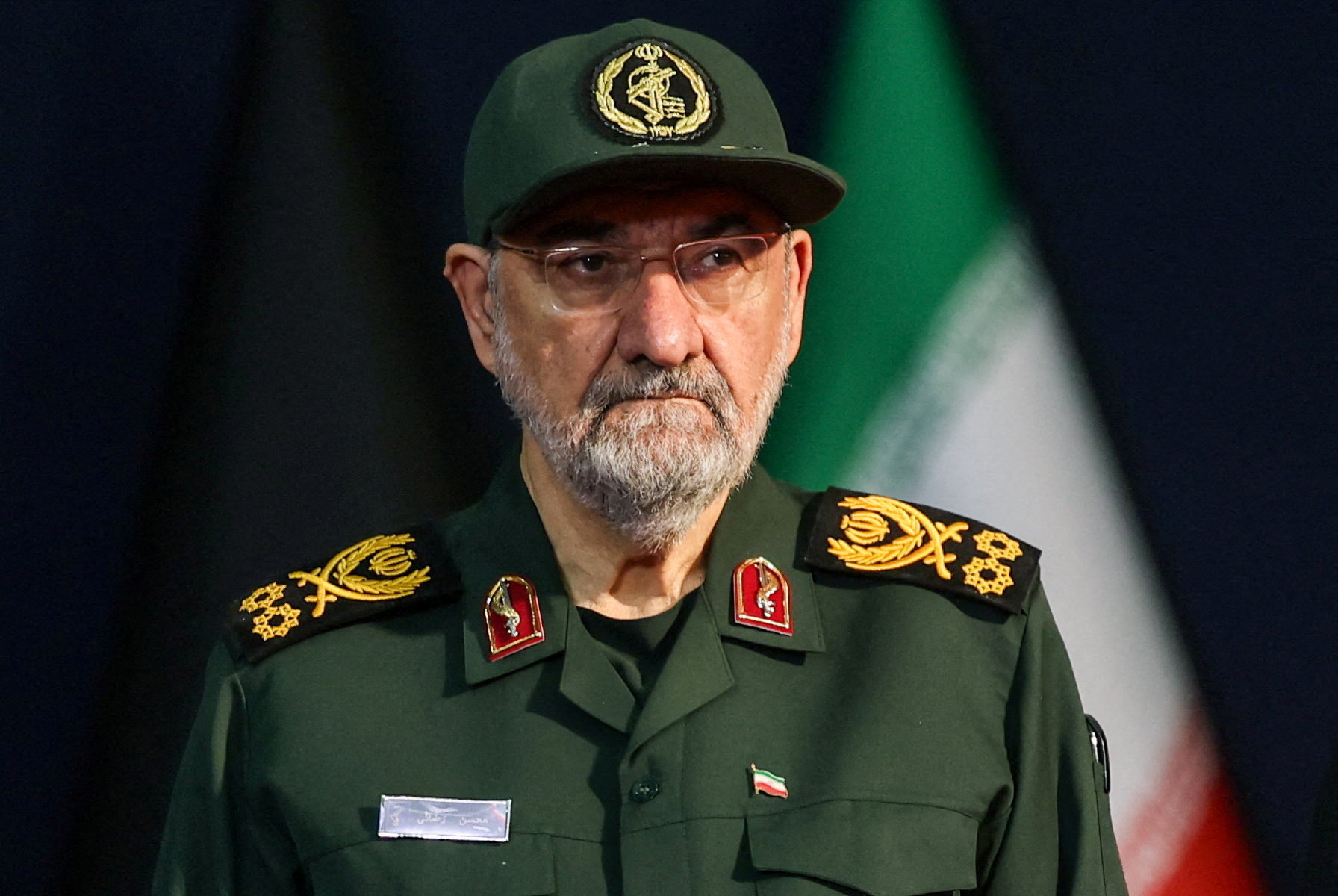
Mohsen Rezaei at the Helm of Iran’s Supreme National Security Council
Under Rezaei, the SNSC could prove constructive or paralyze strategic decision making.
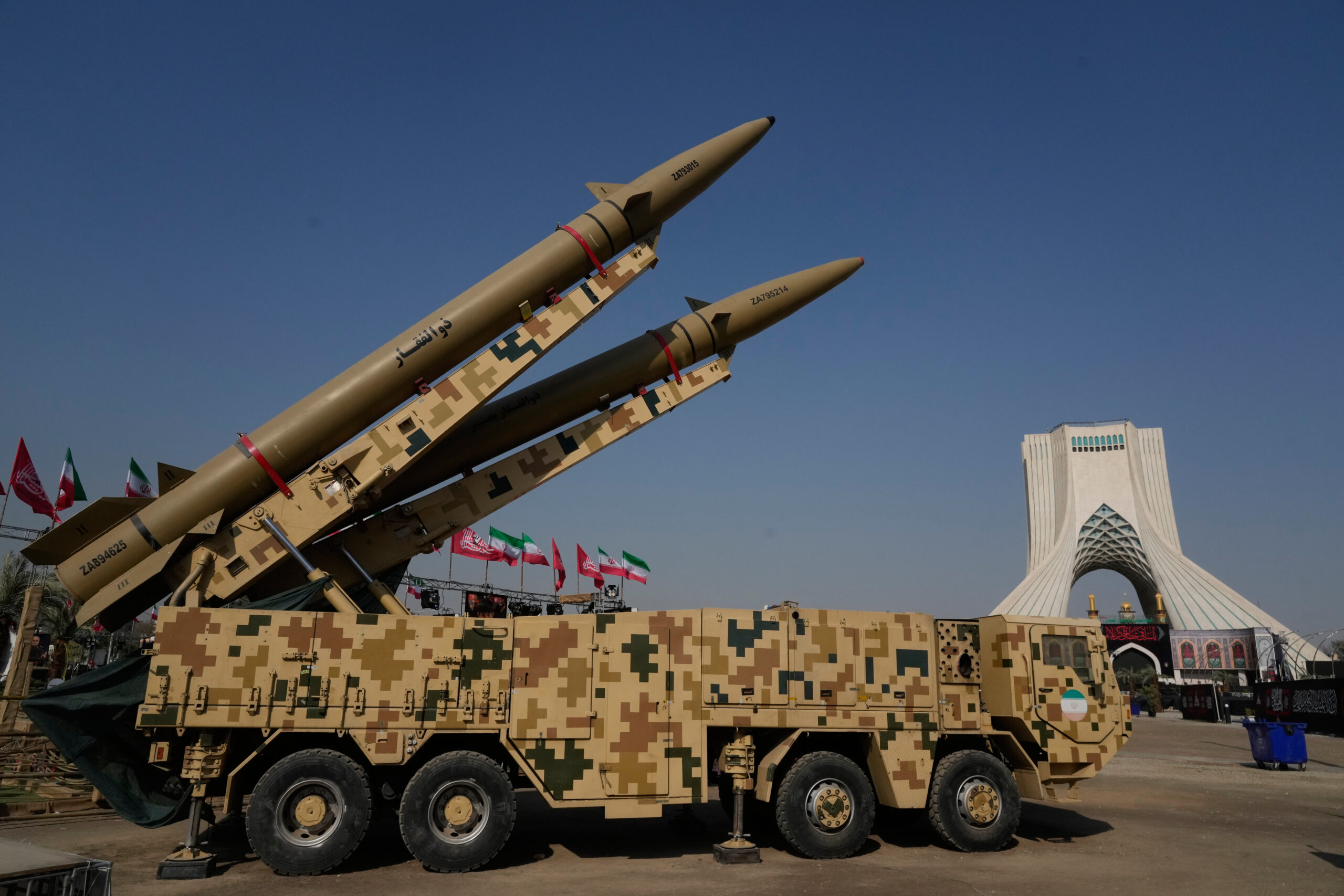
The Islamic Republic Returns to Offense
After U.S.-Israeli strikes killed Supreme Leader Ayatollah Ali Khamenei on February 28, Iran’s collective leadership has concluded that the best defense is a good offense.
Events
Oct 6, 2026
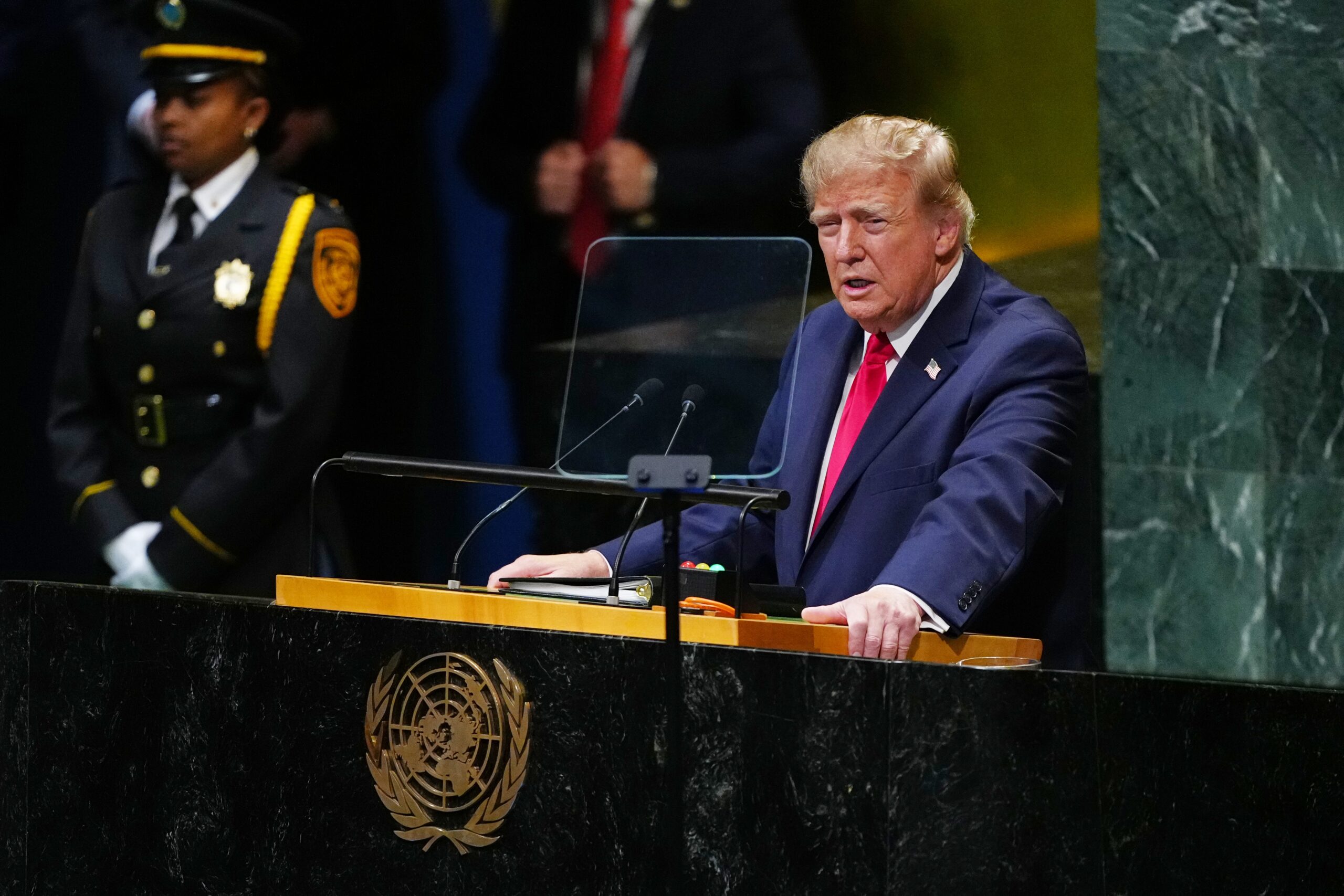
Is the U.S.-Iran Stalemate a “New Normal” or the Prelude to Another Explosion?
On October 6, AGSI hosted a discussion on the U.S.-Iran stalemate and the prospects for a cease-fire.
Speakers


Book Talk: Iran and the Bomb: The United States, Iran and the Nuclear Question
On June 16, AGSI hosted a discussion on the evolution of Iran's nuclear program.
Speakers
Apr 21, 2026
Inside Iran’s Wartime Leadership: Power, Succession, and Regime Stability
On April 21, AGSI hosted a discussion on the evolution of Iran's leadership during the war.
Speakers

Mar 18, 2026
In Its Conflict With the United States and Israel, Does Escalation Favor Iran?
On March 18, AGSI hosted a discussion on the escalation of the Iran war.
Speakers