Oct 17, 2023
Iran Uses Threats of Intervention to Complicate Israeli Calculations
The October 17 edition of the Iran Media Review examines Iran’s posture vis-a-vis the Israel-Hamas conflict.

Absent physical signs of war preparations and troop movements, it is difficult to imagine that Iran intends to voluntarily and directly entangle itself in the Israel-Hamas conflict. Yet Iran’s state-censored media has propagated the probability of such involvement, likely hoping to complicate Israel’s calculations. Ismail Qaani, commander of the expeditionary Quds Force of the Islamic Revolutionary Guard Corps, may have set up a war headquarters in Syria, and Iran’s foreign minister warned that “all fingers are on the trigger.” But revealingly, Iran’s mission to the United Nations emphasized Iran will not get militarily involved in the conflict unless attacked.
- October 10: Centrist Vatan-e Emrooz sarcastically wondered why foreign Persian-language television channels, such as BBC Persian and Iran International, which have long looked down on Qaani, now admit he “feels empowered.”
- October 15: Nour News, the official mouthpiece of Iran’s Supreme National Security Council, warned: “Should Israel, due to the complex circumstances it finds itself in, voluntarily enter Gazan territory, it will be walking into a trap, and a second surprise may await the helpless and disorganized Zionist regime.”
- October 15: Iranian Foreign Minister Hossein Amir-Abdollahian, who recently returned from visits to Iraq, Lebanon, Syria, and Qatar, said, according to IRGC mouthpiece Mashregh News: “The visit to Iraq, Lebanon, Syria, and Qatar served two purposes. First, to meet with the leaders of the resistance and receive precise reports from the field of the resistance countering the war crimes of the Zionist regime. Next, it served the purpose of consulting with political leaders in the region to find a fast political solution to stop the war crimes and break the encirclement” of Gaza by the Israel Defense Forces. Amir-Abdollahian continued: “We bluntly told all parties that if the crimes and massacres of women and children do not immediately cease, all fingers are on the trigger, and the situation in the region is explosive and may no longer be controlled … During these meetings, the American party was warned that you cannot on the one hand urge the resistance and other countries to show restraint and not expand the war but on the other hand declare full support for the imploded Zionist regime … The United States and the Zionist regime are to blame should the war expand to other parties.”
- October 15: Hassan Fazl-Allah, a Lebanese parliamentarian and supporter of Lebanese Hezbollah, said, as quoted by IRGC mouthpiece Tasnim News: “We are ready for any eventuality and all options are on the table, but we do not want to disclose our next moves. This is part of the struggle!”
- October 15: Javan newspaper, an IRGC mouthpiece, emphasized that Iran has signaled to Israel and the United States that it “will not remain on the side” should Israel launch a ground invasion of Gaza.
- October 15: Cutting in the opposite direction of nearly all other Iranian media statements, Iran’s mission to the U.N., in a statement published by the Islamic Republic News Agency, declared: “Iran’s armed forces will not engage” in Gaza, “provided that the Israeli apartheid does not dare to attack Iran, its interests, and nationals.”
- October 16: Technocratic Donya-ye Eqtesad, quoting a post on X (formerly known as Twitter) by Middle East expert Mostafa Najafi that has since been deleted, wrote: “Commander Ismail Qaani, Quds Force chief, is in Syria, and all resistance forces are in a state of alert. Three days ago, he met with the commanders of several Iraqi militias, and force movement logistics have been prepared. A joint operations headquarters in Syria is monitoring all developments and is ready to execute Qaani’s orders.”
The views represented herein are the author's or speaker's own and do not necessarily reflect the views of AGSI, its staff, or its board of directors.
Related
Iran Media Review
Oct 13, 2023
Quds Force Chief Oversees War Game in Syria
The October 13 edition of the Iran Media Review highlights Quds Force chief Brigadier General Ismail Qaani’s recent visit to Syria.
Iran Media Review
Oct 10, 2023
Iran’s State-Censored Media on the Hamas-Israel War
The October 10 edition of the Iran Media Review highlights Iranian reactions to Hamas’ attack on Israel.
Oct 13, 2023
Quds Force Chief Oversees War Game in Syria
The October 13 edition of the Iran Media Review highlights Quds Force chief Brigadier General Ismail Qaani’s recent visit to Syria.
Oct 10, 2023
Iran’s State-Censored Media on the Hamas-Israel War
The October 10 edition of the Iran Media Review highlights Iranian reactions to Hamas’ attack on Israel.
Analysis
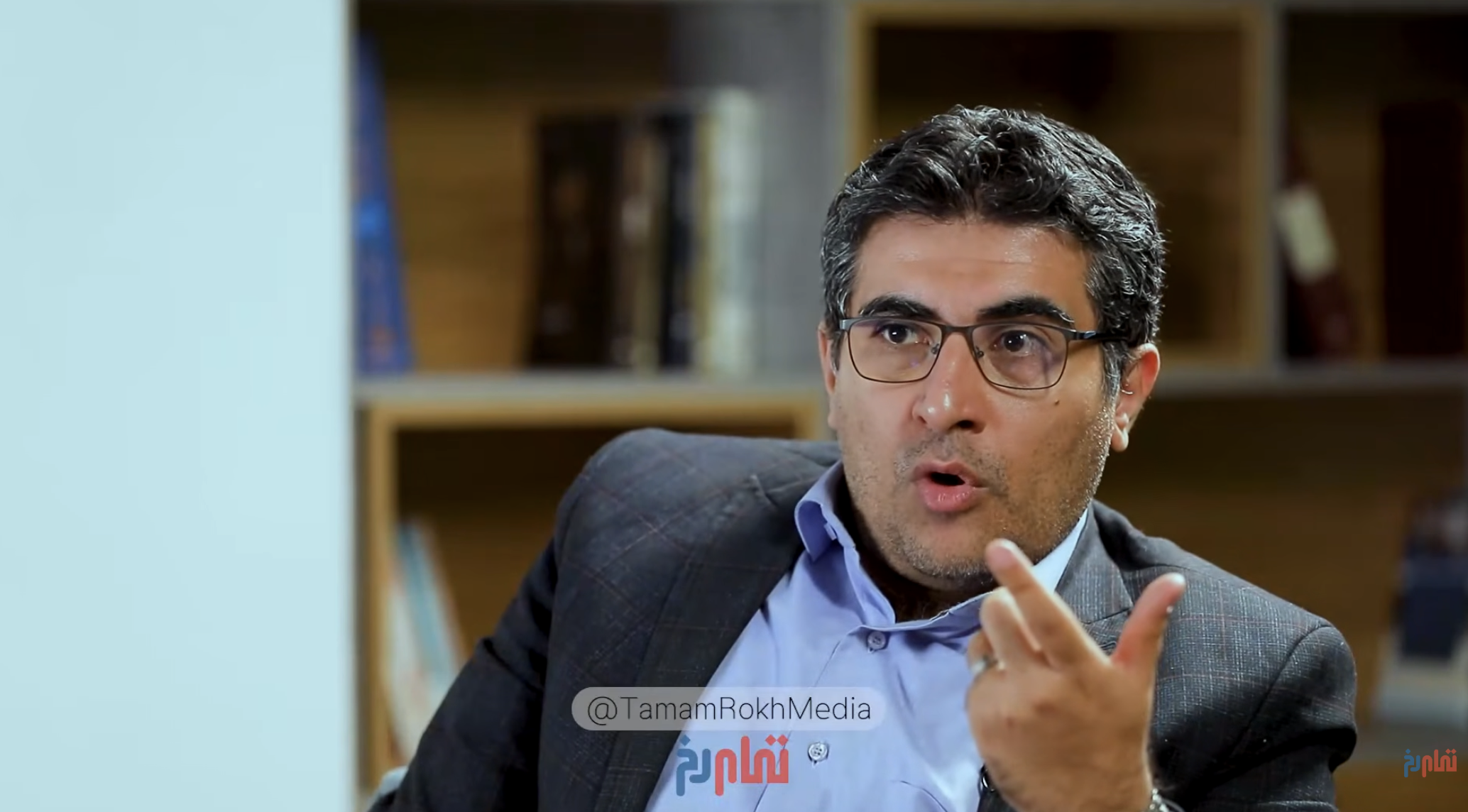
Debating Policy in Public: Iranian Elites Turn to YouTube
Rival camps within the Islamic Republic are increasingly turning to YouTube for policy debate, but there is a limit to the regime’s tolerance for that debate.
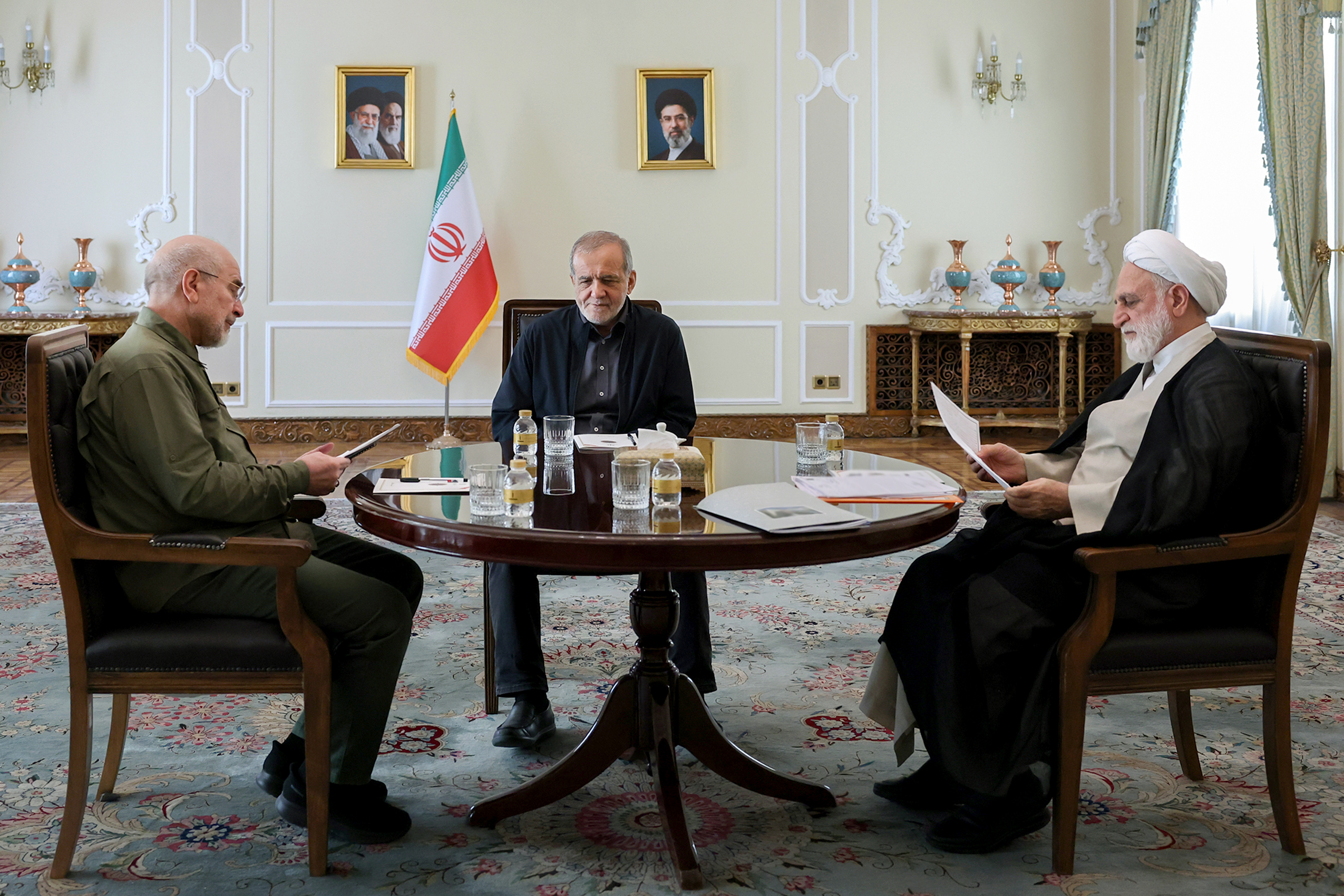
The Committee of Six and Strategic Decision Making in Iran
Remarks by Iran’s president offer a rare glimpse of how the Islamic Republic has adapted its decision making to the absence of its supreme leader.
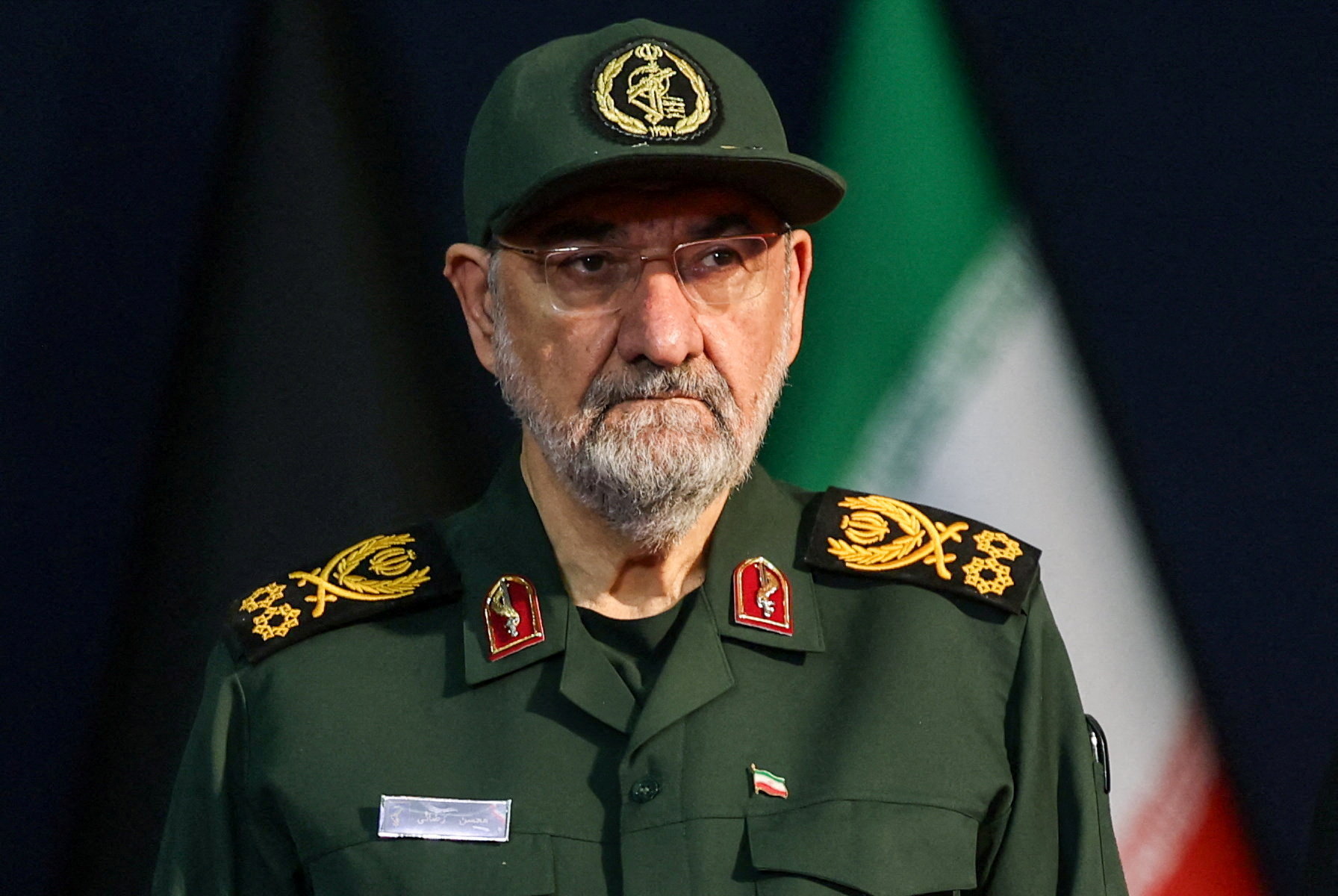
Mohsen Rezaei at the Helm of Iran’s Supreme National Security Council
Under Rezaei, the SNSC could prove constructive or paralyze strategic decision making.
The Islamic Republic Returns to Offense
After U.S.-Israeli strikes killed Supreme Leader Ayatollah Ali Khamenei on February 28, Iran’s collective leadership has concluded that the best defense is a good offense.
Events
Oct 6, 2026
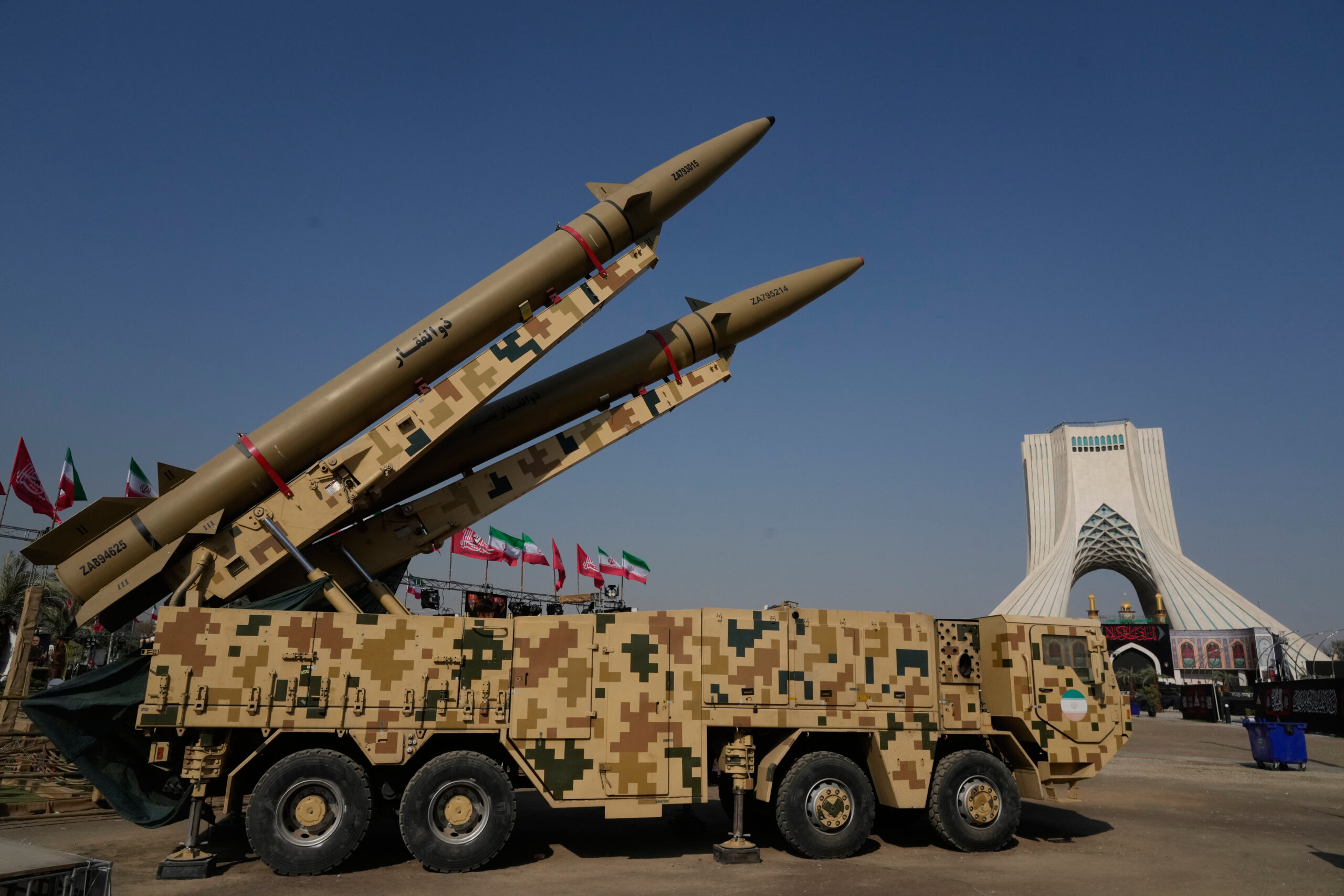
Is the U.S.-Iran Stalemate a “New Normal” or the Prelude to Another Explosion?
On October 6, AGSI hosted a discussion on the U.S.-Iran stalemate and the prospects for a cease-fire.
Speakers



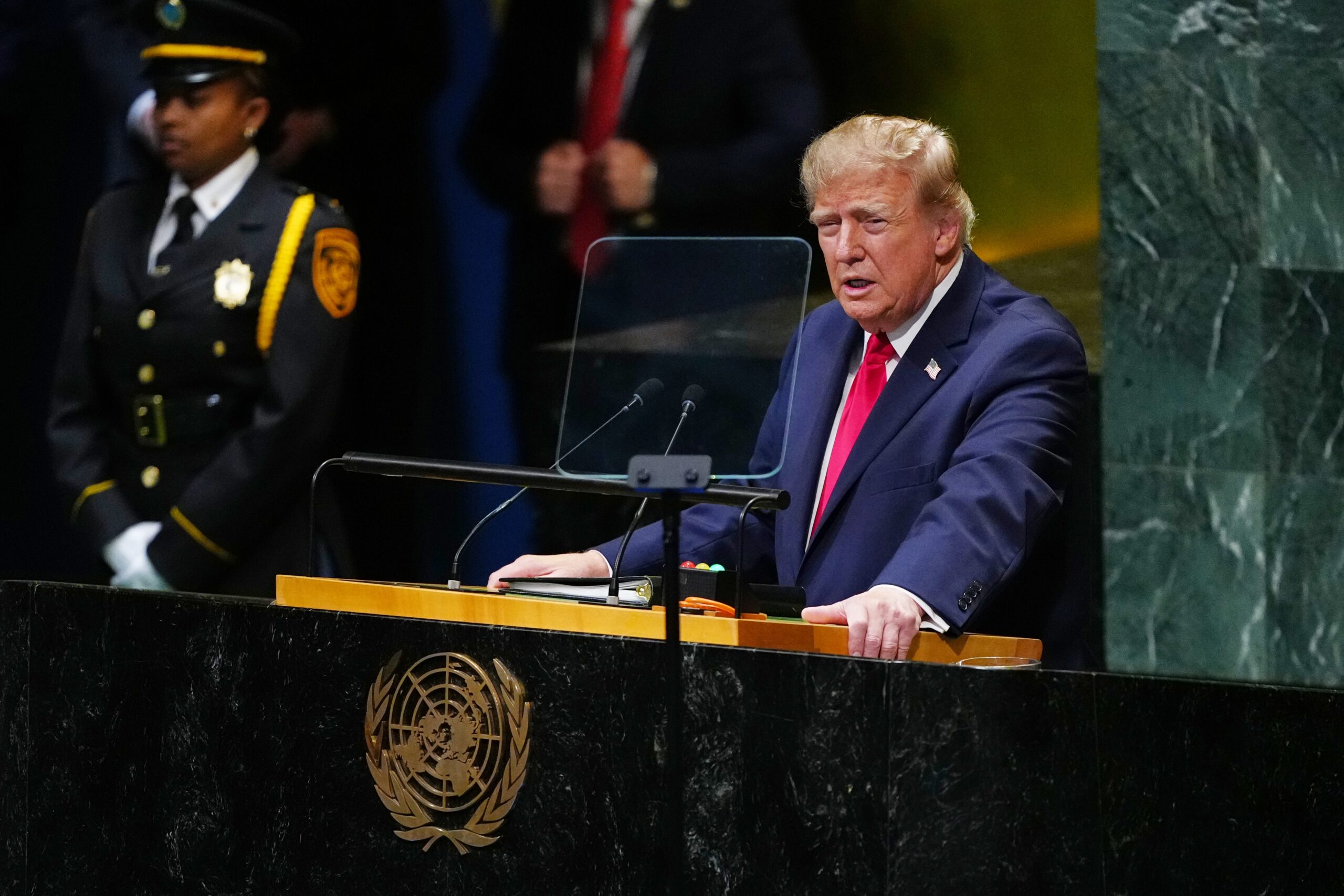
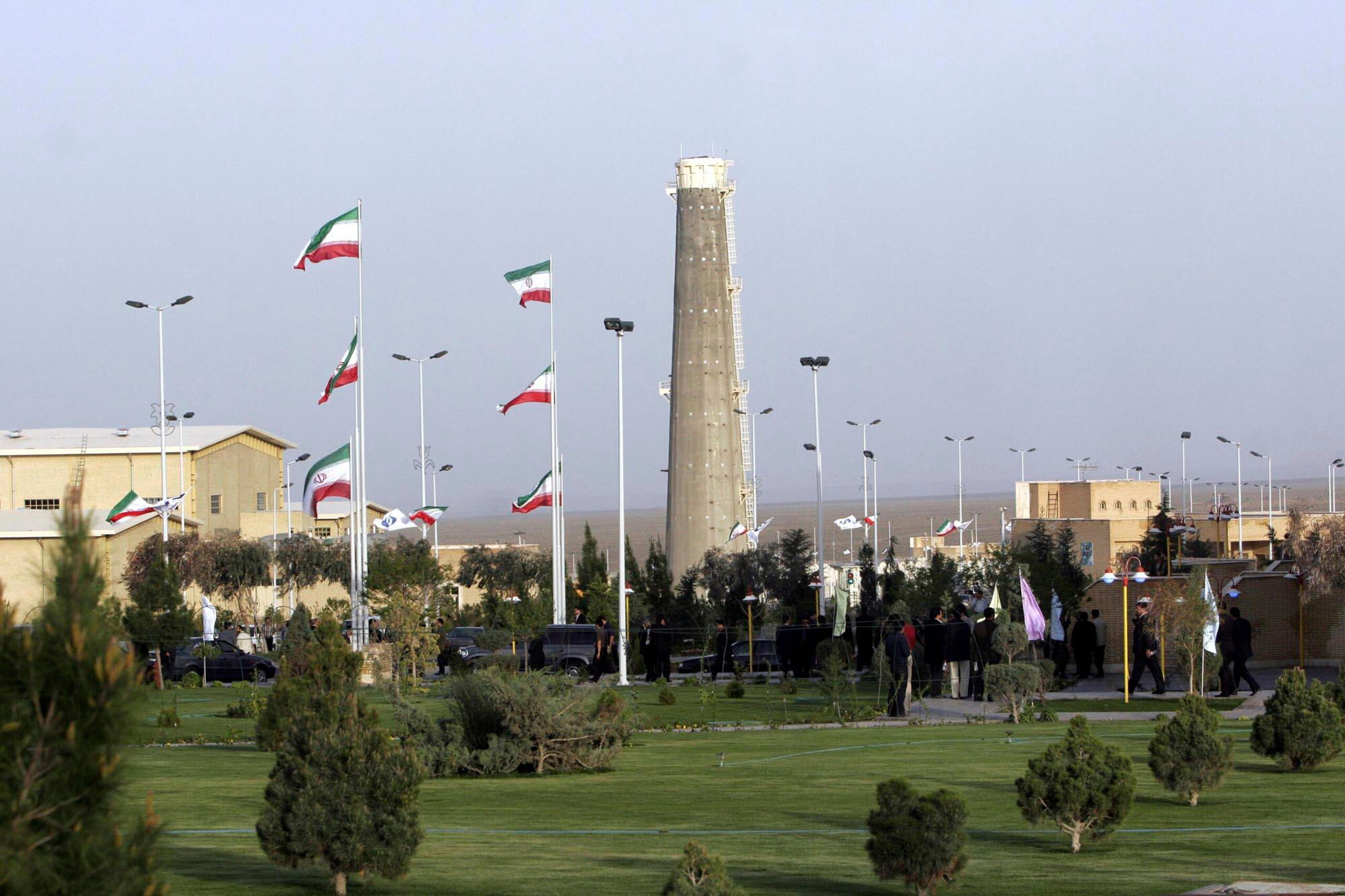
Book Talk: Iran and the Bomb: The United States, Iran and the Nuclear Question
On June 16, AGSI hosted a discussion on the evolution of Iran's nuclear program.
Speakers
Apr 21, 2026
Inside Iran’s Wartime Leadership: Power, Succession, and Regime Stability
On April 21, AGSI hosted a discussion on the evolution of Iran's leadership during the war.
Speakers

Mar 18, 2026
In Its Conflict With the United States and Israel, Does Escalation Favor Iran?
On March 18, AGSI hosted a discussion on the escalation of the Iran war.
Speakers