Oct 10, 2023
Iran’s State-Censored Media on the Hamas-Israel War
The October 10 edition of the Iran Media Review highlights Iranian reactions to Hamas’ attack on Israel.

While Iran claims it is not involved in the Hamas-Israel war, and while Iranian proxy Hezbollah has not engaged along the northern Israeli border beyond tit-for-tat artillery strikes in the Shebaa Farms area, Iran’s state-censored media is engaged in a heavy propaganda war against Israel.
- October 8: In a summary of official Iranian reactions to the war, reformist Shargh Daily reported:
- “Yahya Rahim Safavi, an advisor to the supreme leader and former Islamic Revolutionary Guard Corps chief commander … declared his support for yesterday’s operation conducted by the resistance forces and said the ‘axis of resistance,’” referencing Iran’s proxies throughout the region, “supports the operation.” Safavi also congratulated “Palestinian holy warriors” and reportedly said the souls of “martyred defenders of the shrines,” meaning Iranian and allied forces killed in the civil war in Syria, “and great martyrs, such as Qassim Suleimani, have joined these holy warriors. We shall remain alongside the Palestinian holy warriors until the liberation of Palestine and Quds,” or Jerusalem.
- Ayatollah Mohammad-Hassan Akhtari, head of the Committee Supporting the Islamic Revolution of the People of Palestine, said: “Our dear ones in the resistance expect support from all Muslim and free people of the globe and all those awaiting” the return of the Shia Messiah. “We must support them” in their struggle against “the brigands of the Zionist regime.”
- Nasser Kanani, the Iranian Foreign Ministry’s spokesperson, congratulated the “Palestinian nation and all the groups of the resistance” for the October 6 attack, referred to as “Operation Al-Aqsa Storm.”
- Ali Bahadori Jahromi, the Cabinet’s spokesperson, using the hashtag “losing horse” on X, formerly known as Twitter, wrote: “The powerful response of Palestinian youth in the Al-Aqsa Storm operation proved to the infanticidal regime that, today, the Zionist regime is more prone to defeat than any time before. The initiative is now in the hands of the Palestinian youth.”
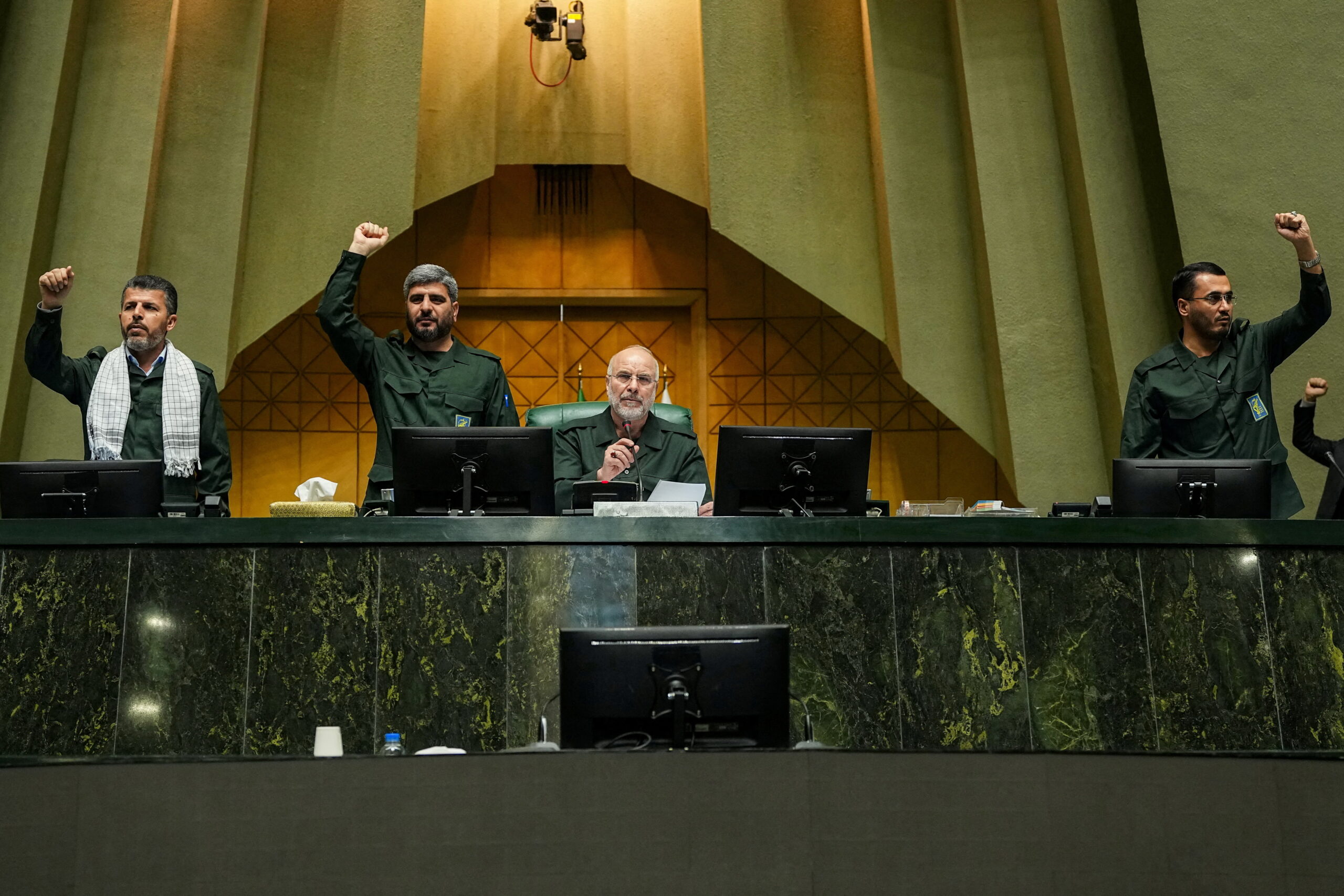
- Iranian parliamentarians opened their session by chanting, “death to Israel,” “death to America,” “death to England,” and “Israel is annihilated; Palestine is victorious.”
- October 8: Technocratic Donya-ye Eqtesad’s summary of the war read: “Yesterday, Israel witnessed the apocalypse with its own eyes!” Reformist Etemad Daily’s front page used a similar phrase: “Apocalypse of Zionism.”
- October 8: IRGC mouthpiece Javan newspaper’s editorial read:
- “The promised land became the land of the destruction of the Zionists. A thousand” Israelis “killed in just one day,” although Israeli sources reported lower casualties, “show the power of the Palestinian resistance, which has astonished the world. The Zionists and London-based networks,” referencing the reportedly Saudi-owned Iran International television channel, “try to directly or indirectly connect this war to Iran to escape the humiliation of being destroyed by a Palestinian group. But in doing so, they unwittingly admit to the prowess of Iran, which, even in its role as a spectator, has power.”
- October 8: Hard-line Kayhan’s editorial used the Quranic quote from the Surah Al-Hashr, which in Marmaduke Pickthall’s English translation reads: “Ye deemed not that they would go forth, while they deemed that their strongholds would protect them from Allah. But Allah reached them from a place whereof they recked not, and cast terror in their hearts so that they ruined their houses with their own hands and the hands of the believers. So learn a lesson, O ye who have eyes!”
- October 9: According to IRGC mouthpiece Mashregh News, Ayatollah Abbas Kaabi, a member of the Assembly of Experts, used “the mysterious words ‘Vahdat al-Sahat,’” or magical unity, when talking of the war. According to Kaabi, this phrase means that “all resistance brigades, be it Islamic Jihad, Hamas, or other forces of the resistance, are participating in the operations” against Israel, “and the entire resistance front in Lebanon, Syria, Iraq, Yemen, and the entire region is carefully monitoring developments and is ready to participate.”
- October 9: Kanaani, as quoted by IRGC mouthpiece Tasnim News, warned that “any stupid threat against Iran will receive a ruinous response.”
- October 9: According to Tasnim, Mohammad Yazbek, a member of the religious council of Lebanese Hezbollah, warned Israel against “crossing the redline of the resistance … Should the redline be crossed, we shall be fighting on the side of the Palestinian resistance in the Al-Aqsa Storm operation.” Referencing Hezbollah’s shelling of Israeli positions in the disputed Shebaa Farms October 8, Yazbek said: “By targeting the positions of the occupying Zionist regime in Shebaa Farms, we meant to send our message of gratitude to the resistance fighters of Palestine. We are telling the entire world so everyone knows that in the axis of resistance, we will not abandon the free-spirited people of the world or Palestine.”
The views represented herein are the author's or speaker's own and do not necessarily reflect the views of AGSI, its staff, or its board of directors.
Related
Iran Media Review
Oct 6, 2023
U.S.-Iranian Relations: From Wishful Thinking to Cautious Optimism
The October 6 edition of the Iran Media Review examines optimistic commentary on the prospects for U.S.-Iranian diplomacy.
Iran Media Review
Oct 3, 2023
Did Iran’s Khamenei Greenlight Direct Negotiations With the United States?
The October 3 edition of the Iran Media Review examines reactions to reports that Supreme Leader Ayatollah Ali Khamenei granted Iranian officials permission to enter direct negotiations with the United States.
Oct 6, 2023
U.S.-Iranian Relations: From Wishful Thinking to Cautious Optimism
The October 6 edition of the Iran Media Review examines optimistic commentary on the prospects for U.S.-Iranian diplomacy.
Oct 3, 2023
Did Iran’s Khamenei Greenlight Direct Negotiations With the United States?
The October 3 edition of the Iran Media Review examines reactions to reports that Supreme Leader Ayatollah Ali Khamenei granted Iranian officials permission to enter direct negotiations with the United States.
Analysis
The Islamic Republic Returns to Offense
After U.S.-Israeli strikes killed Supreme Leader Ayatollah Ali Khamenei on February 28, Iran’s collective leadership has concluded that the best defense is a good offense.
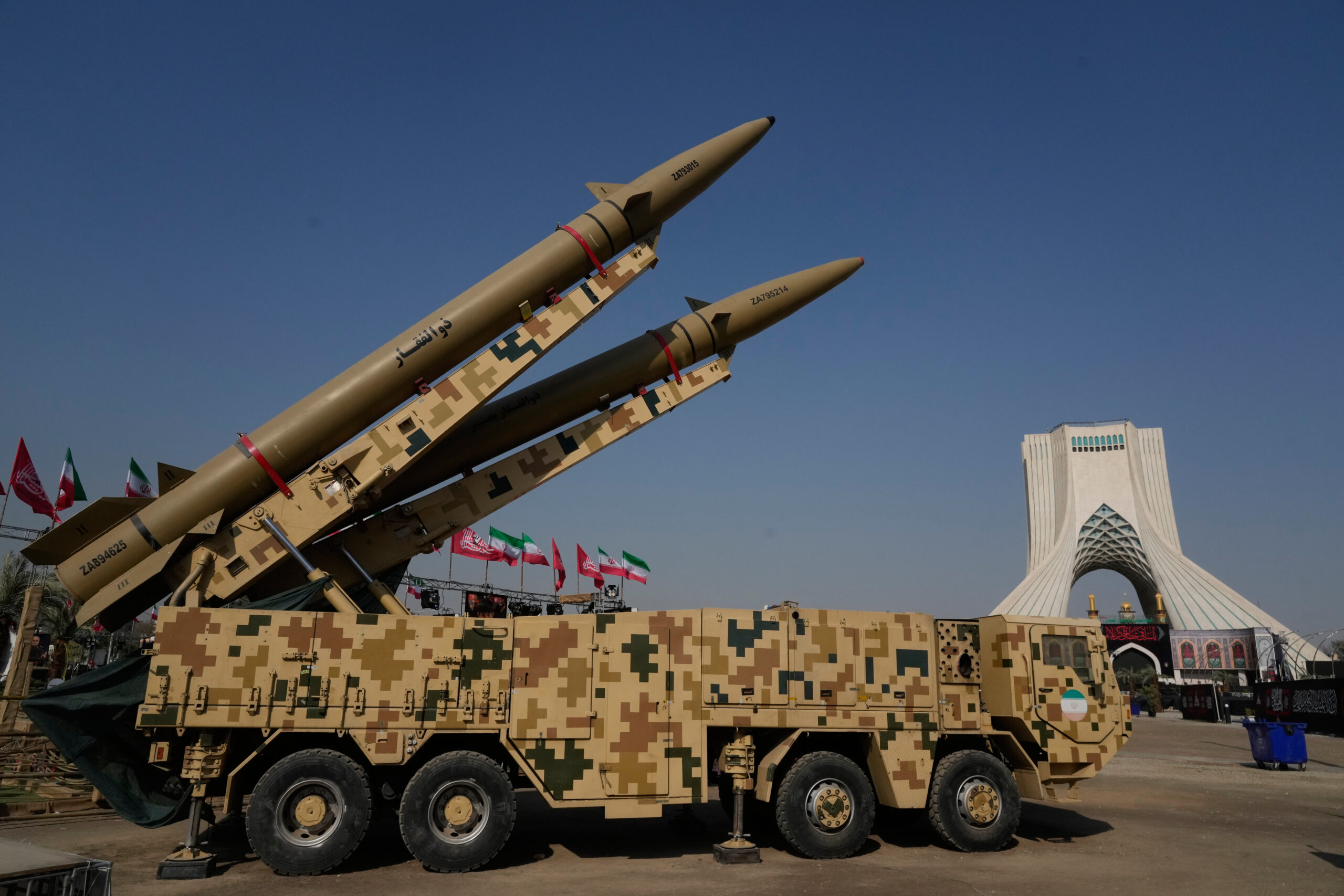
Iran’s Collective Strategic Decision Making
Wartime pressure has temporarily aligned the leadership’s overriding interest in regime survival, even as its members continue to differ over the costs, methods, and ultimate objectives of the war.
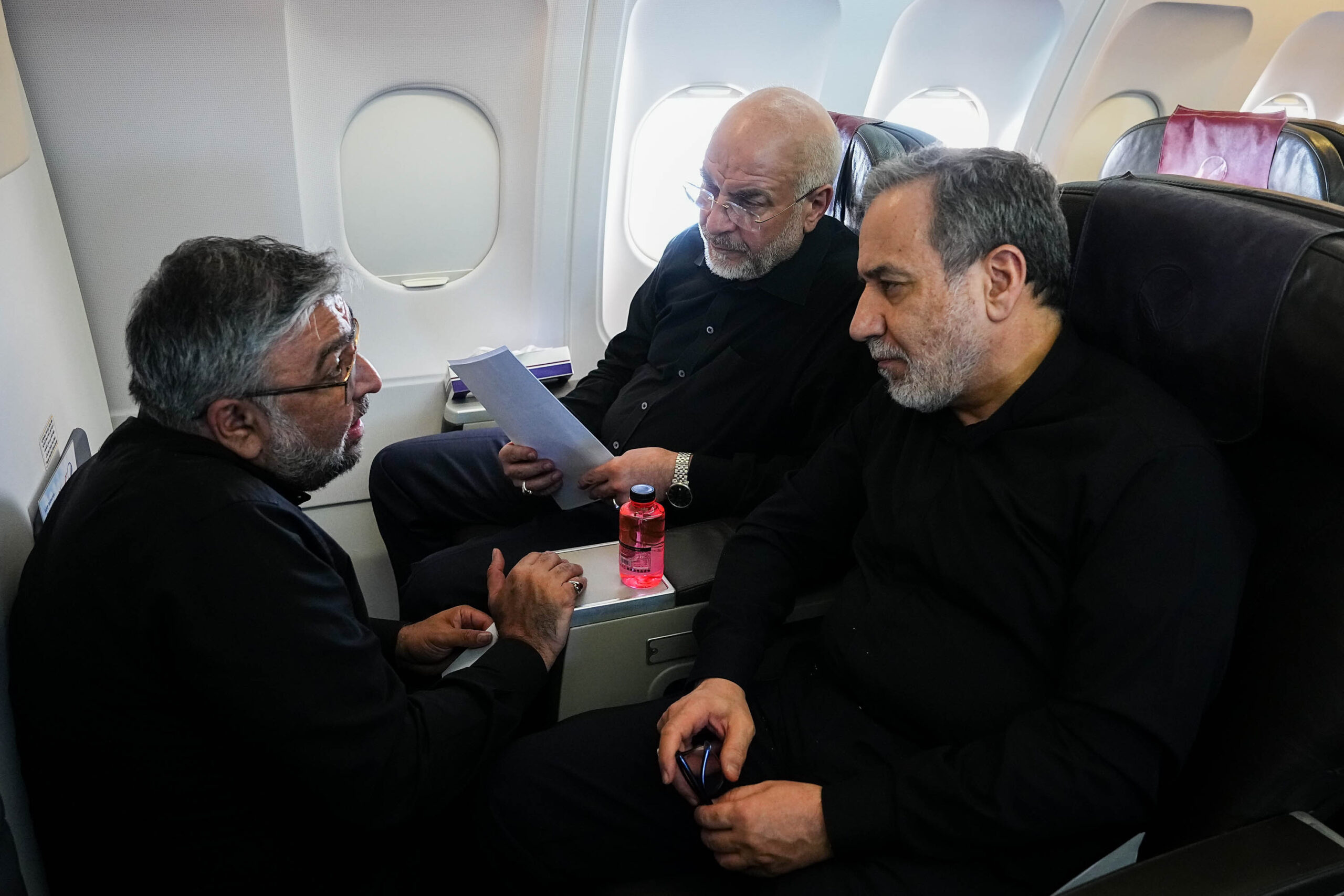
The Islamic Republic’s Collective Leadership
While there is historical precedent for collective leadership in Iran, today’s leadership includes representatives of the IRGC and regular military – a reflection of the IRGC’s expanding role and the necessities of governing under wartime conditions.
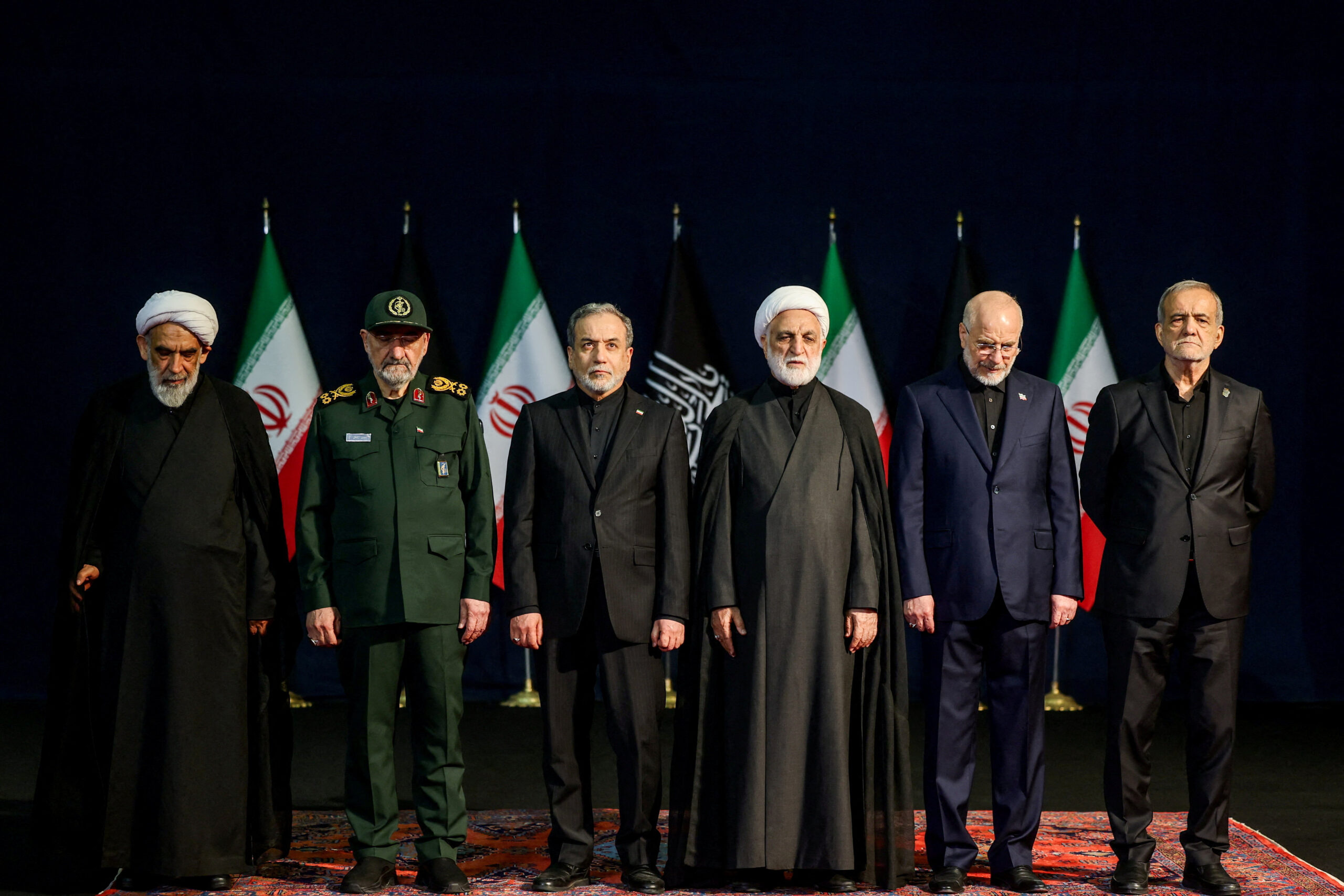
How Did the IRGC Seize Power in Iran?
The IRGC did not seize power in a single stroke. It accumulated it – patiently, methodically – until no counterweight remained.
Events
Book Talk: Iran and the Bomb: The United States, Iran and the Nuclear Question
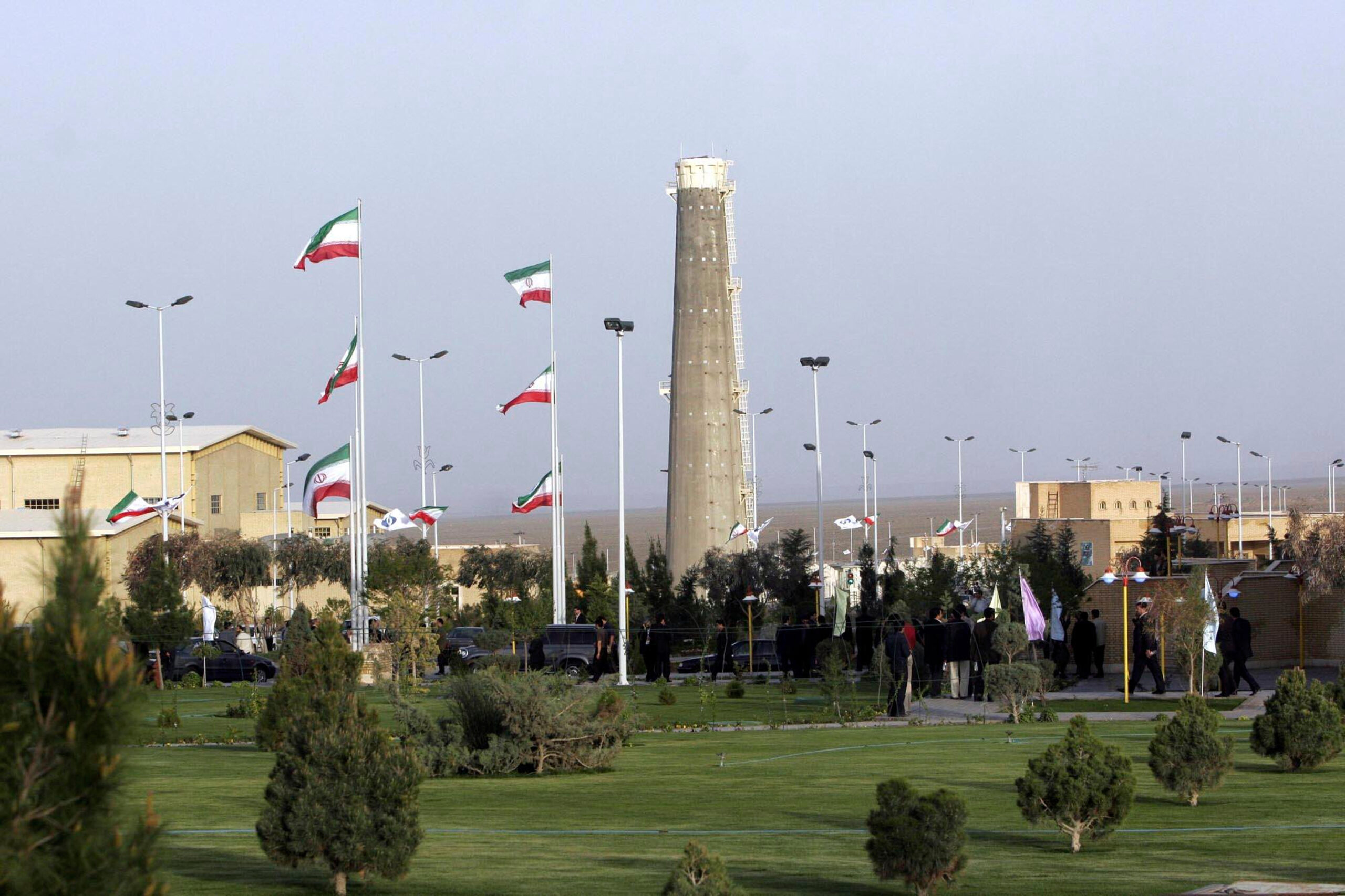
On June 16, AGSI hosted a discussion on the evolution of Iran's nuclear program.
Speakers

Apr 21, 2026
Inside Iran’s Wartime Leadership: Power, Succession, and Regime Stability
On April 21, AGSI hosted a discussion on the evolution of Iran's leadership during the war.
Speakers

Mar 18, 2026
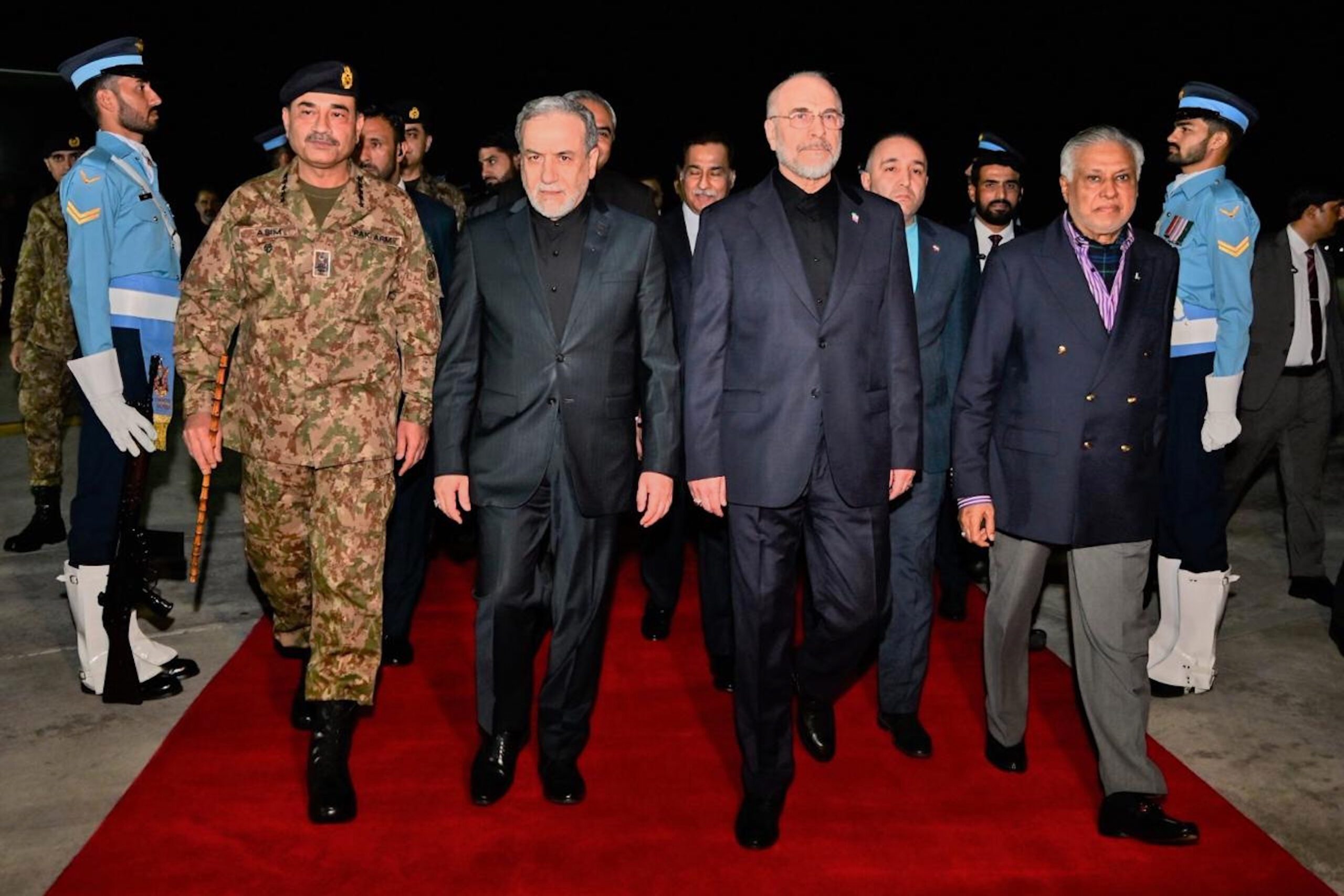
In Its Conflict With the United States and Israel, Does Escalation Favor Iran?
On March 18, AGSI hosted a discussion on the escalation of the Iran war.
Speakers



Mar 2, 2026
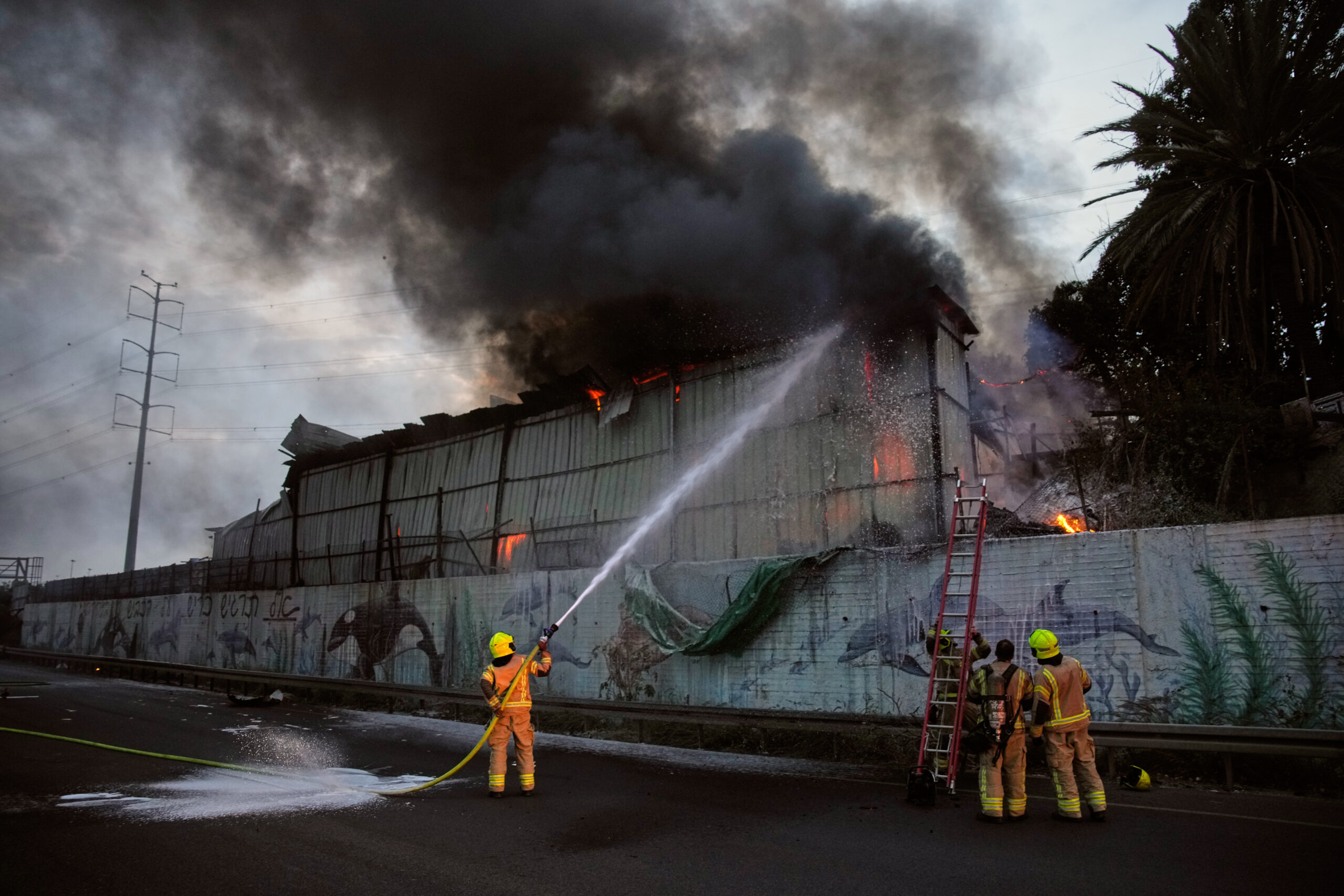
After the Shock: Implications of the U.S.–Israeli Strikes and Iran’s Leadership Transition
On March 2, AGSI hosted a discussion on the U.S.-Israeli strikes on Iran.
Speakers