Oct 6, 2023
U.S.-Iranian Relations: From Wishful Thinking to Cautious Optimism
The October 6 edition of the Iran Media Review examines optimistic commentary on the prospects for U.S.-Iranian diplomacy.

No, neither Apple nor Amazon is about to start doing business in Iran, and there is no immediate prospect for the normalization of diplomatic relations between Tehran and Washington. Nevertheless, there is a sense of cautious optimism about U.S.-Iranian relations in Iran’s state-censored media.
- October 2: Technocratic Donya-ye Eqtesad emphasized that the recent registration of Apple and Amazon as businesses in Iran, which received significant attention after being revealed in the Official Gazette of Iran, was the work of a crafty businessperson hoping to represent the companies in Iran in the future. The registration was neither at the behest of the two companies nor a sign of the U.S. technology giants starting operations in Iran.
- October 3: In an interview with reformist Aftab-e Yazd, Abd al-Reza Faraji-Rad, Iran’s former ambassador to Norway and Hungary, expressed cautious optimism about the future of U.S.-Iranian relations.
- Commenting on Rodger Shanahan’s October 1 article in The National Interest defending U.S. diplomacy with Iran, Faraji-Rad said: “Clearly, talks between the Americans and Iranians but also negotiations with the Europeans, which were interrupted, are taking place. By taking a look at domestic politics in the United States,” the administration of President Joseph R. Biden Jr. “is under pressure from the House of Representatives, the Senate, and influential individuals in U.S. foreign policy. Therefore, the policy currently adopted by the Americans is one of continuing negotiations, reaching partial agreements, and preserving the status quo … Iran continuing uranium enrichment at the 60% level is perceived as a win for the Americans, and there really is no need for publicizing the talks and negotiations, which only risks further complicating the situation … The Americans are surely not looking for trouble before the election. Should the agreements” between Tehran and Washington “be satisfactory and should the Americans and their regional allies Saudi Arabia and Israel feel safe, they will remain committed to continuing negotiations. However, a great deed,” or a grand bargain between the United States and Iran, “being done is most unlikely prior to the” 2024 U.S. presidential election. Faraji-Rad concluded: “Due to the polarized atmosphere in the United States, the Americans are preventing the publicization of the negotiations and talks. Therefore, if we do not see news coverage of the subject, it does not necessarily mean the negotiations have ceased or are unproductive.”
The views represented herein are the author's or speaker's own and do not necessarily reflect the views of AGSI, its staff, or its board of directors.
Related
Iran Media Review
Oct 3, 2023
Did Iran’s Khamenei Greenlight Direct Negotiations With the United States?
The October 3 edition of the Iran Media Review examines reactions to reports that Supreme Leader Ayatollah Ali Khamenei granted Iranian officials permission to enter direct negotiations with the United States.
Iran Media Review
Sep 29, 2023
Raisi at the United Nations and Anniversary of Iran’s 2022 Protests
The September 29 edition of the Iran Media Review examines regime commentary on the anniversary of Iran’s 2022 protests.
Oct 3, 2023
Did Iran’s Khamenei Greenlight Direct Negotiations With the United States?
The October 3 edition of the Iran Media Review examines reactions to reports that Supreme Leader Ayatollah Ali Khamenei granted Iranian officials permission to enter direct negotiations with the United States.
Sep 29, 2023
Raisi at the United Nations and Anniversary of Iran’s 2022 Protests
The September 29 edition of the Iran Media Review examines regime commentary on the anniversary of Iran’s 2022 protests.
Analysis
The Islamic Republic Returns to Offense
After U.S.-Israeli strikes killed Supreme Leader Ayatollah Ali Khamenei on February 28, Iran’s collective leadership has concluded that the best defense is a good offense.
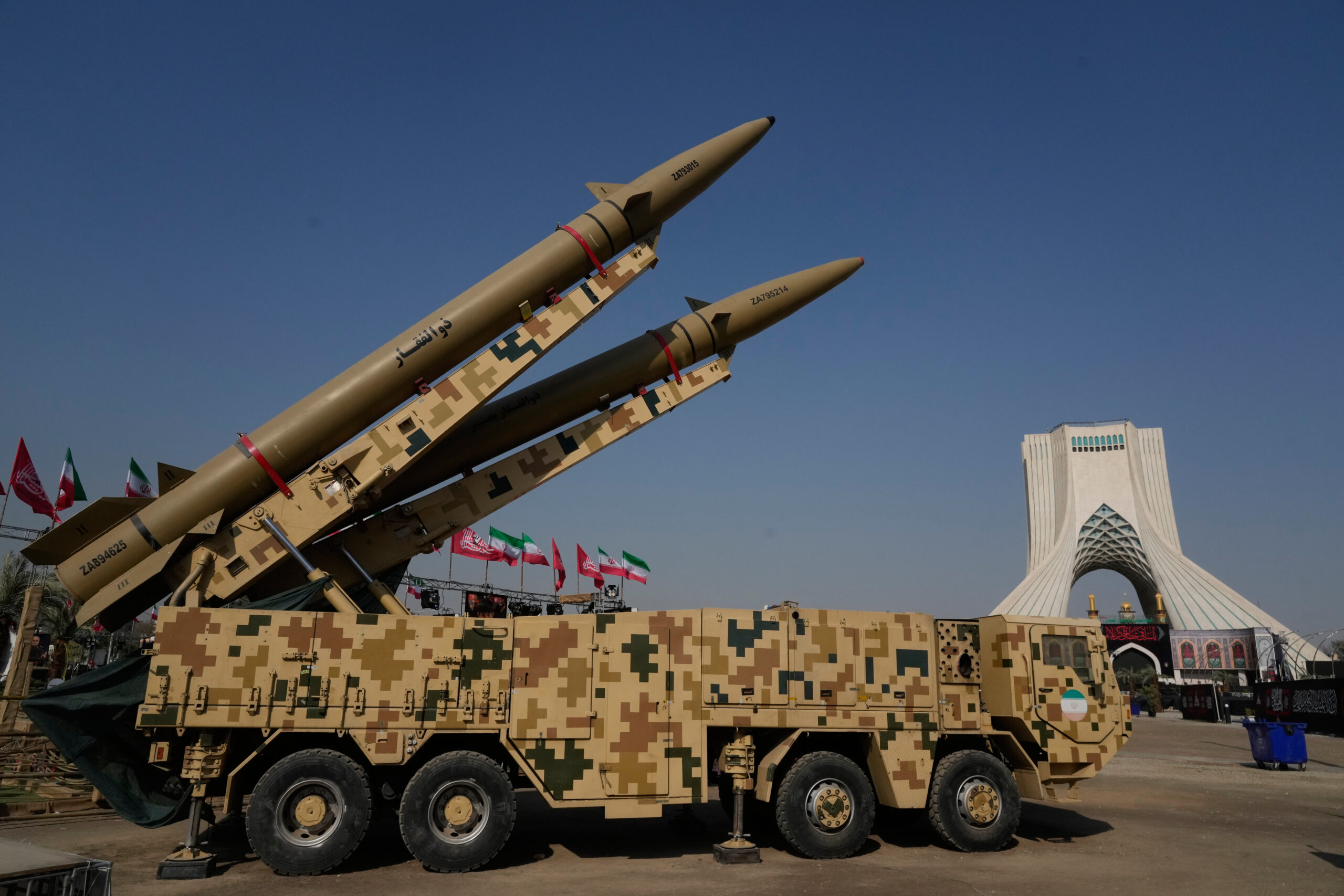
Iran’s Collective Strategic Decision Making
Wartime pressure has temporarily aligned the leadership’s overriding interest in regime survival, even as its members continue to differ over the costs, methods, and ultimate objectives of the war.
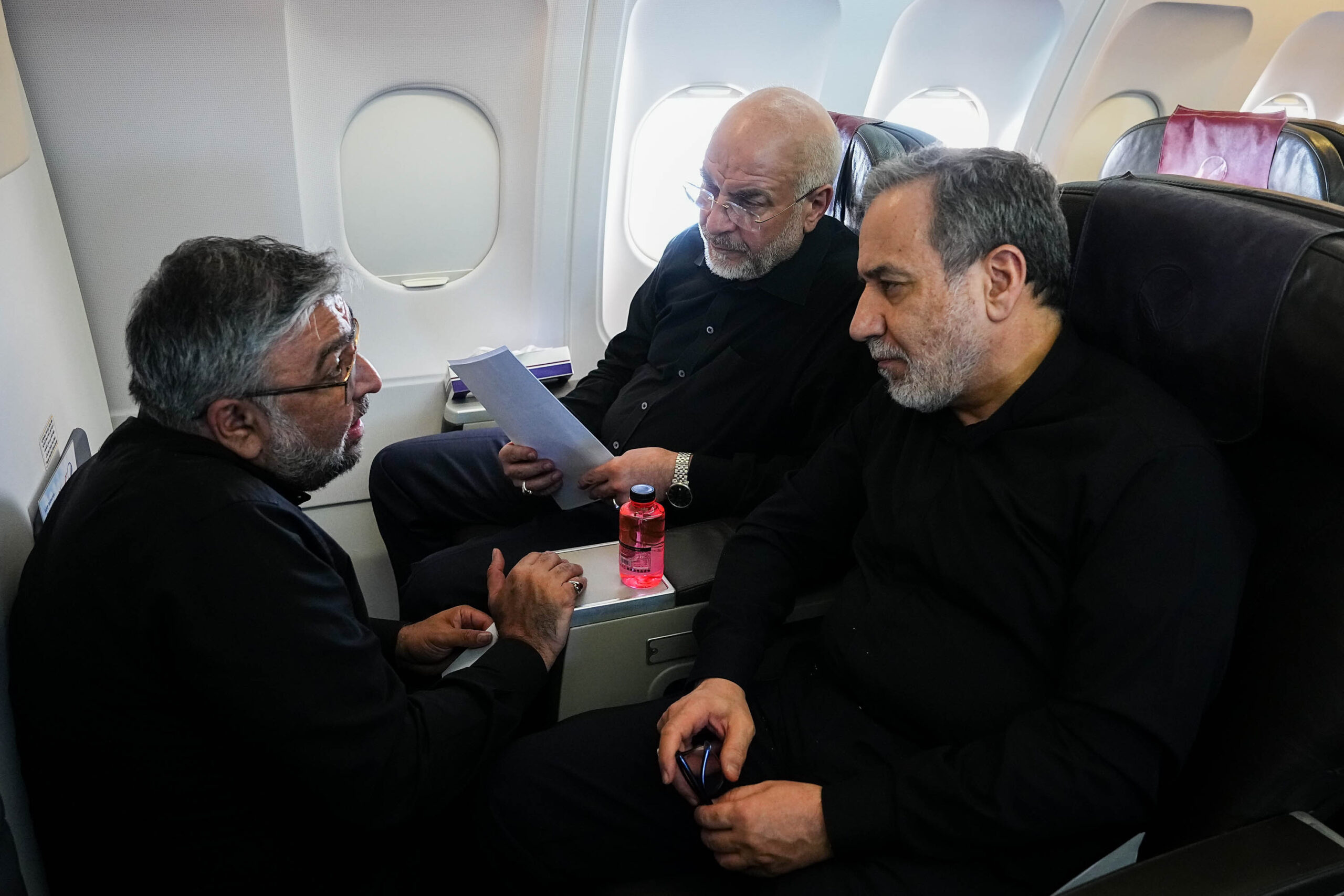
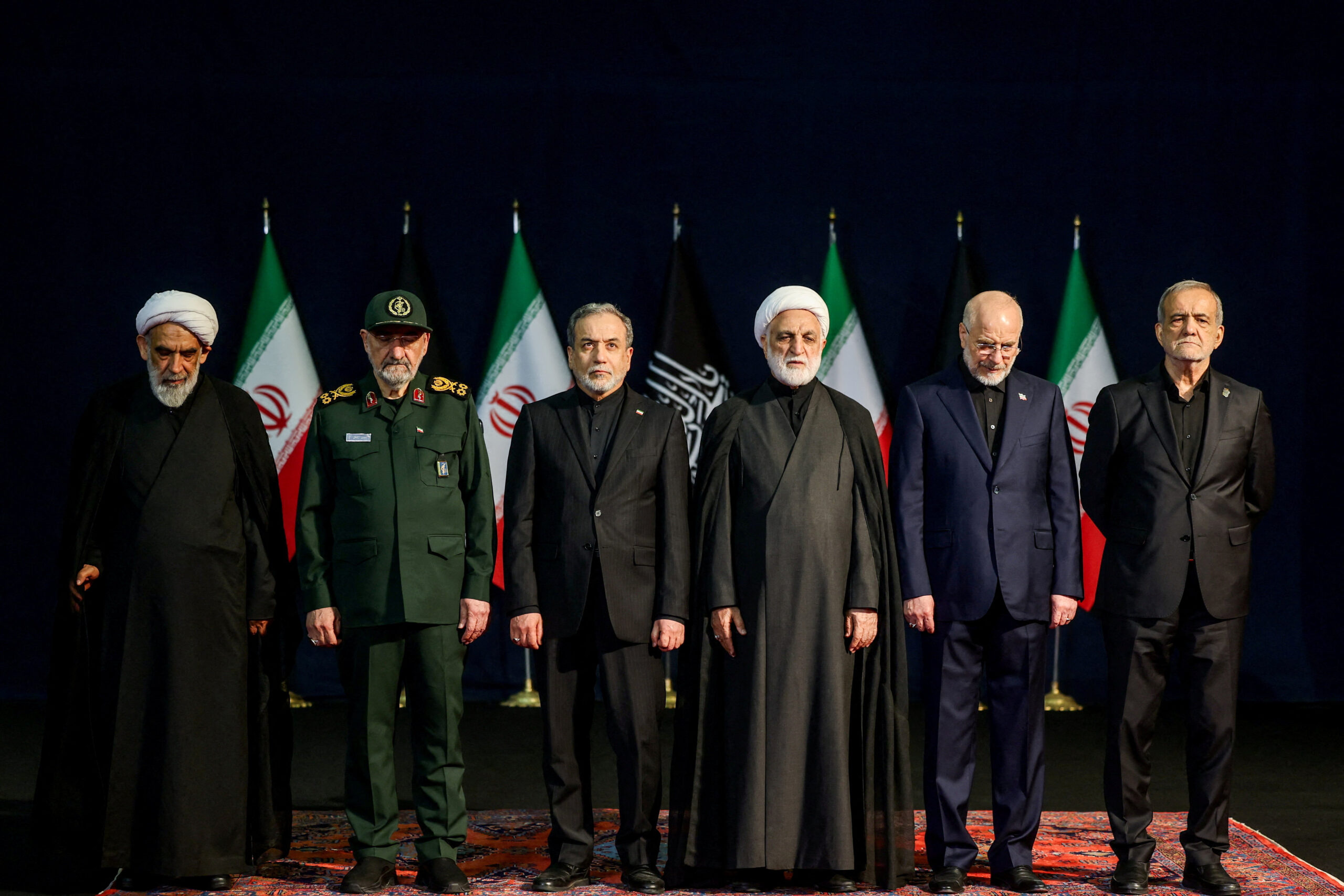
The Islamic Republic’s Collective Leadership
While there is historical precedent for collective leadership in Iran, today’s leadership includes representatives of the IRGC and regular military – a reflection of the IRGC’s expanding role and the necessities of governing under wartime conditions.
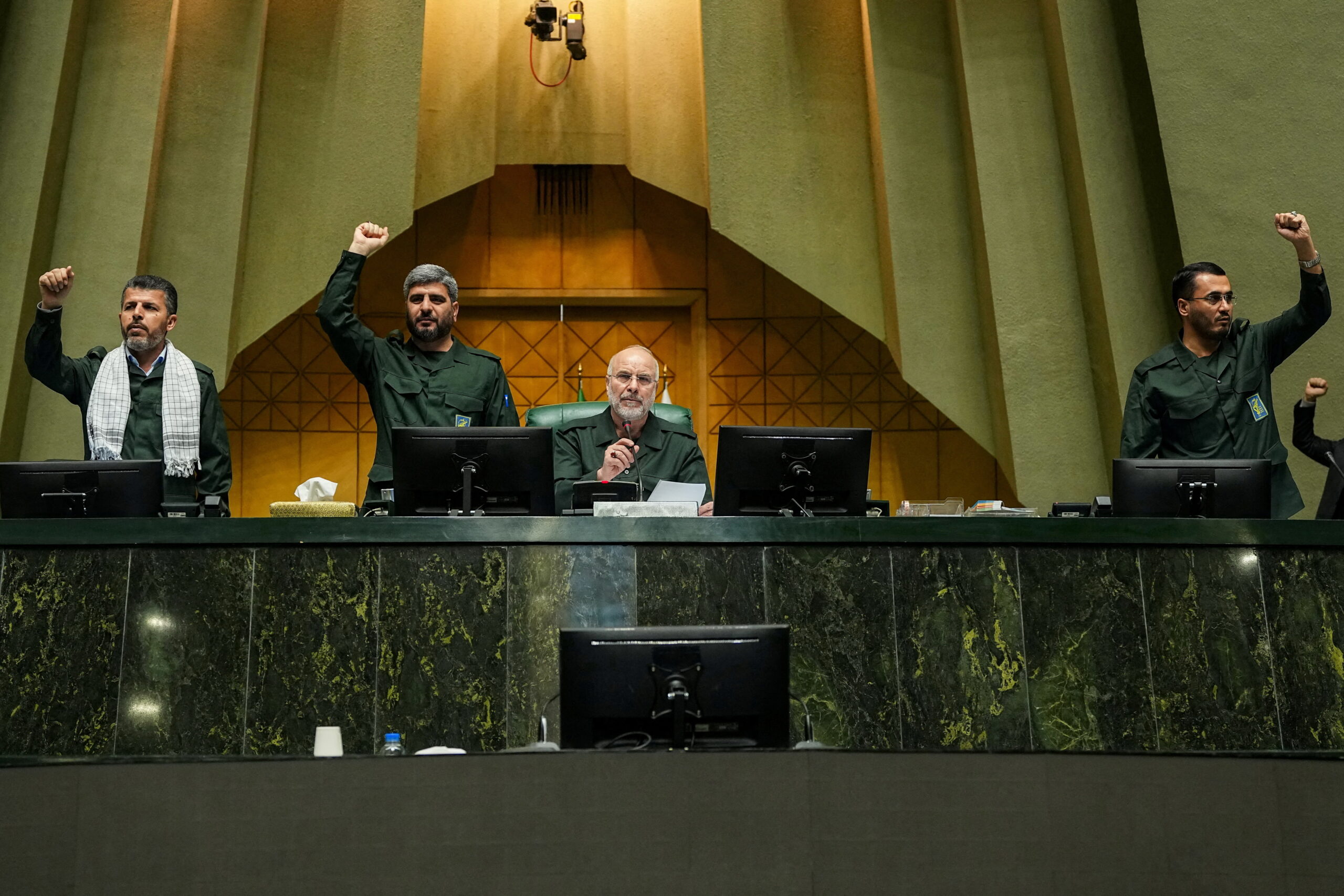
How Did the IRGC Seize Power in Iran?
The IRGC did not seize power in a single stroke. It accumulated it – patiently, methodically – until no counterweight remained.
Events
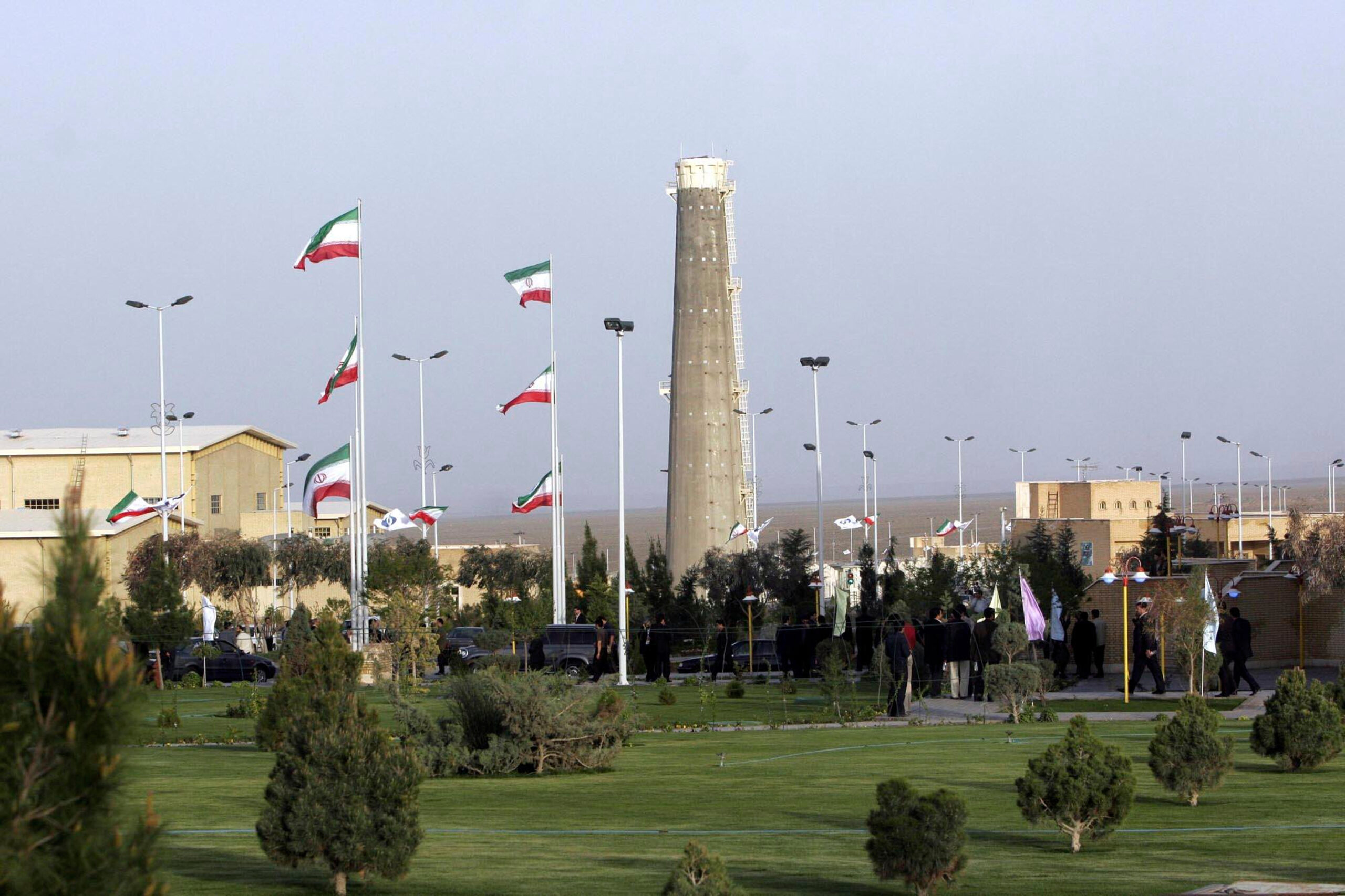
Book Talk: Iran and the Bomb: The United States, Iran and the Nuclear Question
On June 16, AGSI hosted a discussion on the evolution of Iran's nuclear program.
Speakers


Apr 21, 2026
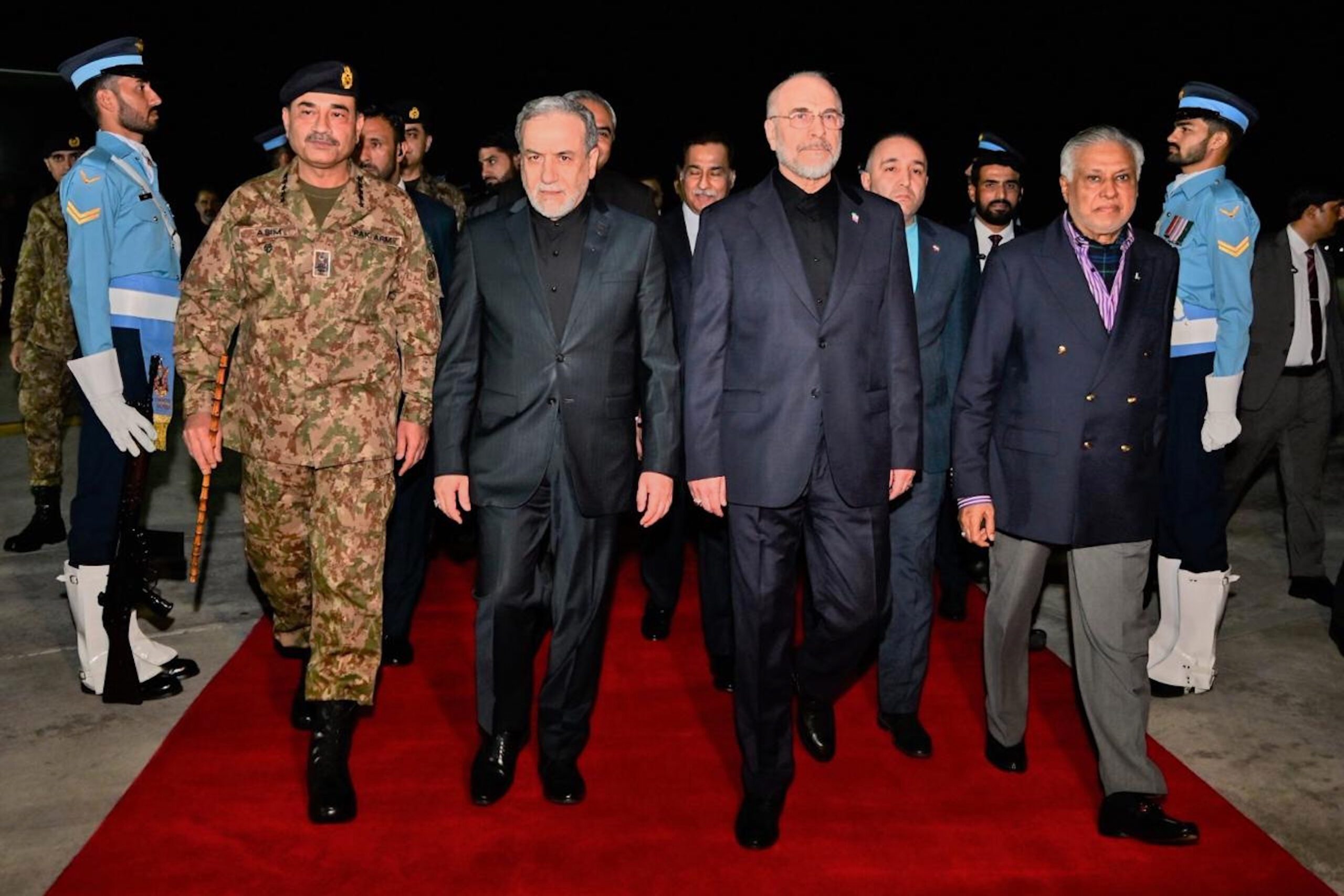
Inside Iran’s Wartime Leadership: Power, Succession, and Regime Stability
On April 21, AGSI hosted a discussion on the evolution of Iran's leadership during the war.
Speakers

Mar 18, 2026
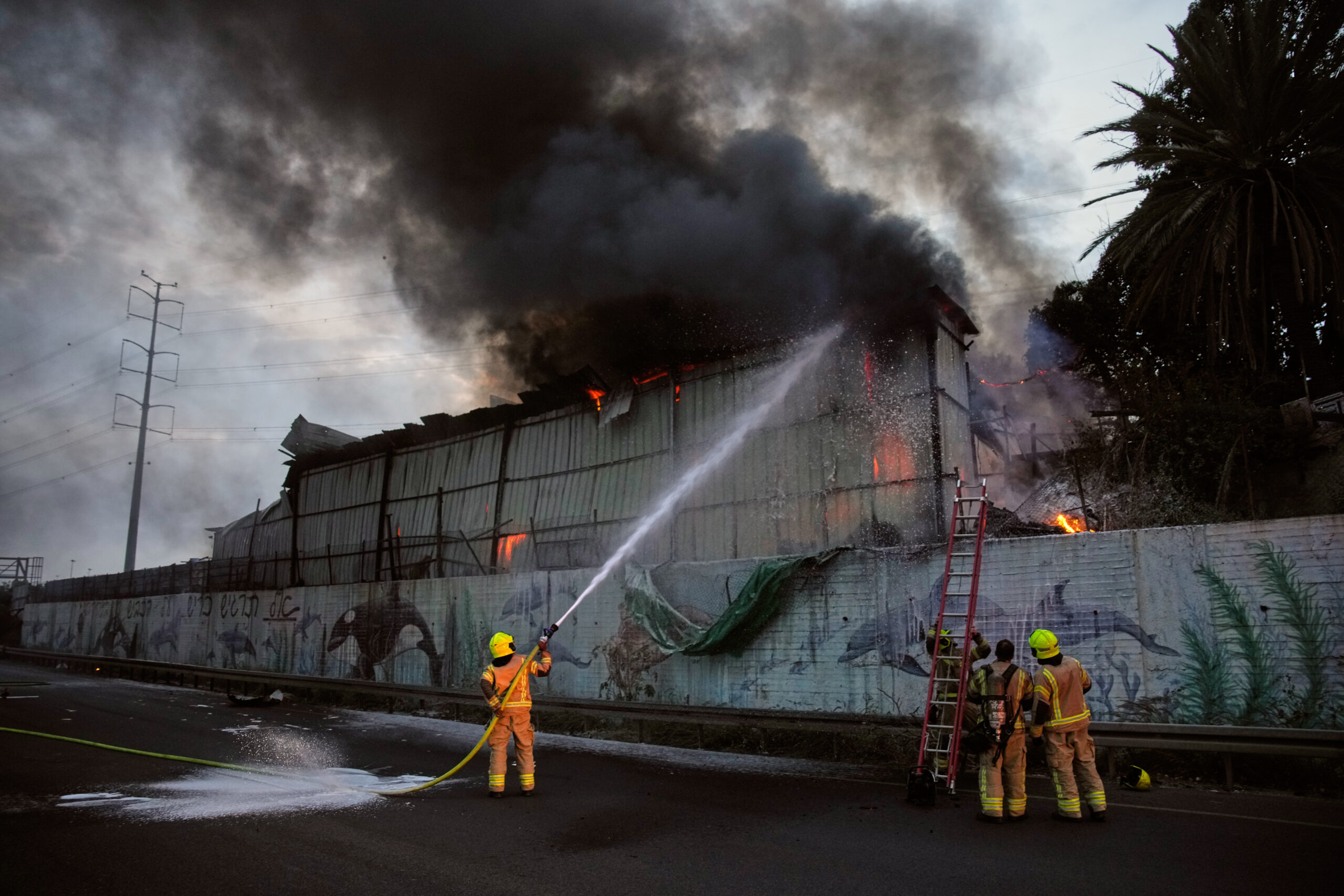
In Its Conflict With the United States and Israel, Does Escalation Favor Iran?
On March 18, AGSI hosted a discussion on the escalation of the Iran war.
Speakers


Mar 2, 2026
After the Shock: Implications of the U.S.–Israeli Strikes and Iran’s Leadership Transition
On March 2, AGSI hosted a discussion on the U.S.-Israeli strikes on Iran.
Speakers