Sep 29, 2023
Raisi at the United Nations and Anniversary of Iran’s 2022 Protests
The September 29 edition of the Iran Media Review examines regime commentary on the anniversary of Iran’s 2022 protests.

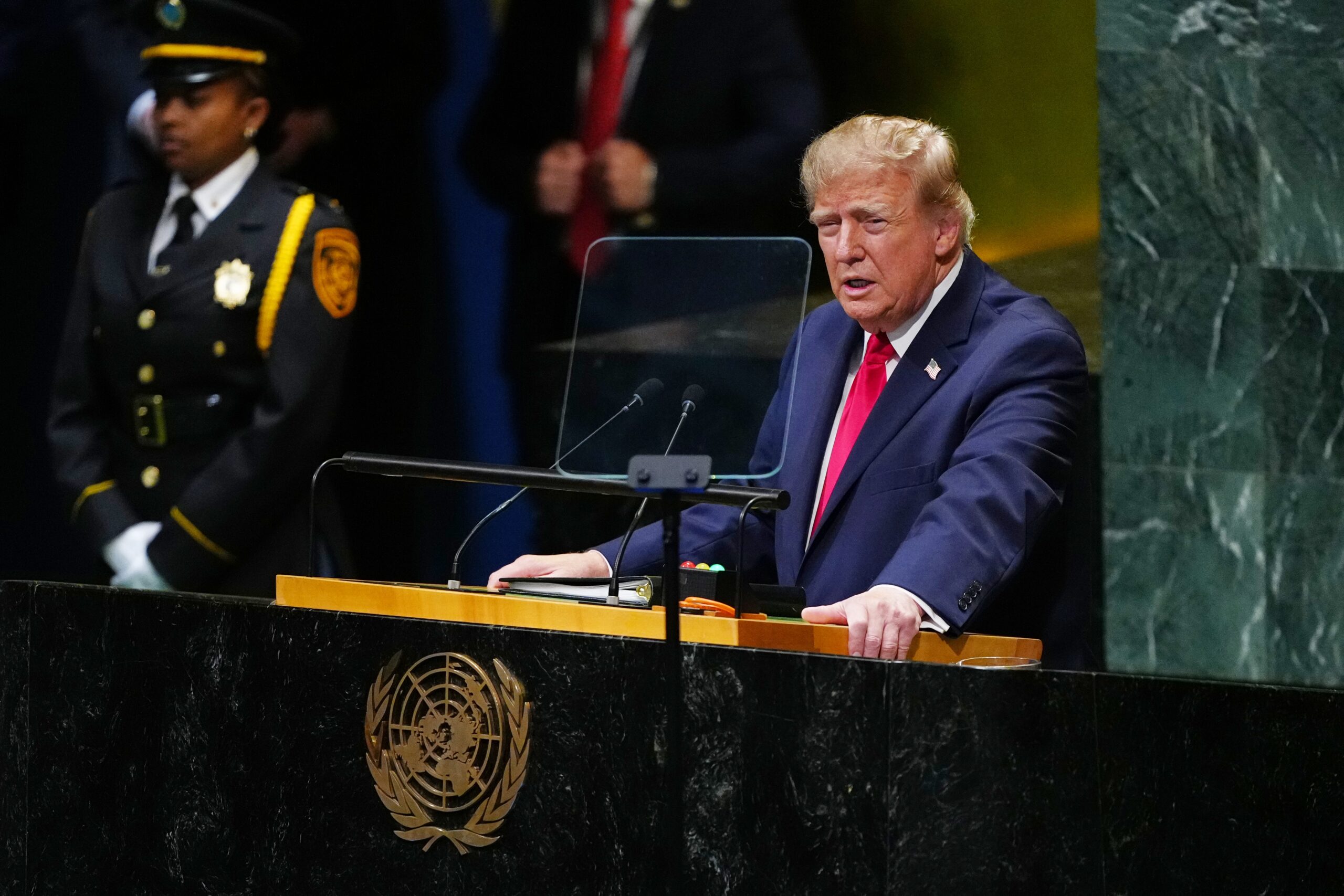
Iran had prepared for the worst as President Ebrahim Raisi took to the podium to deliver his United Nations General Assembly address September 19. The General Assembly coincided with the anniversary of Mahsa Amini’s tragic killing in the custody of the morality police, and the regime feared renewed protests to commemorate the occasion. There were indeed a few protests, but they largely occurred outside of Iran, which Raisi attributed to “foreign machinations.” Islamic Revolutionary Guard Corps mouthpiece Sobh-e Sadeq delivered a similar analysis and triumphantly claimed the lack of public protests in Iran marked “the end of an illusion.” However, all cannot be well if foreign governments, as Raisi and the IRGC claim, can so easily mobilize protests against the regime. The source of the IRGC’s expressed pleasure – not pro-regime rallies but rather the absence of widespread anti-regime protests in Iran – also indicates the regime’s awareness of its unpopularity.
- September 19: Sobh-e Sadeq’s editor, Brigadier General Yadollah Javani, wrote in the weekly’s editorial: “Life goes on, and the counterrevolution’s attempts to take advantage of the anniversary of last year’s events remain frustrated. This despite the unprecedented hybrid warfare against our dear country. A war that, according to our security services, involved at least 20 states conspiring against the Iranian nation … The hybrid warfare tried to deceive the people, in particular the youth, and rattle the resolve of the authorities … According to the relevant authorities, many of those arrested during the first hours and days of last year’s unrest were under the illusion that they had prevailed and the Islamic Republic was on the verge of collapse. They reacted arrogantly to the security services, but as days passed and they realized the Islamic Republic was still in charge, they expressed remorse and begged for clemency and mercy. They said that they would no longer be deceived. Deceived by whom? Deceived by satellite television channels, social media, and by those … whose work was based on lies.” They were deceived by “people who were provoking hatred, anger, and revenge against the regime among the youth.”
The views represented herein are the author's or speaker's own and do not necessarily reflect the views of AGSI, its staff, or its board of directors.
Related
Iran Media Review
Sep 26, 2023
Sabotage or Policy Shift? Kayhan Editor Questions Bahrain’s Sovereignty, Derides GCC Rulers as “Stooges,” “Bandits,” and “Pirates”
The September 26 edition of the Iran Media Review examines recent caustic remarks targeting Iran’s Arab neighbors.
Iran Media Review
Sep 22, 2023
IRGC Mouthpiece: Iran “Increased Oil Exports Despite Sanctions”
The September 22 edition of the Iran Media Review highlights triumphant commentary about the resilience of Iran’s oil industry.
Sep 26, 2023
Sabotage or Policy Shift? Kayhan Editor Questions Bahrain’s Sovereignty, Derides GCC Rulers as “Stooges,” “Bandits,” and “Pirates”
The September 26 edition of the Iran Media Review examines recent caustic remarks targeting Iran’s Arab neighbors.
Sep 22, 2023
IRGC Mouthpiece: Iran “Increased Oil Exports Despite Sanctions”
The September 22 edition of the Iran Media Review highlights triumphant commentary about the resilience of Iran’s oil industry.
Analysis
The Islamic Republic Returns to Offense
After U.S.-Israeli strikes killed Supreme Leader Ayatollah Ali Khamenei on February 28, Iran’s collective leadership has concluded that the best defense is a good offense.
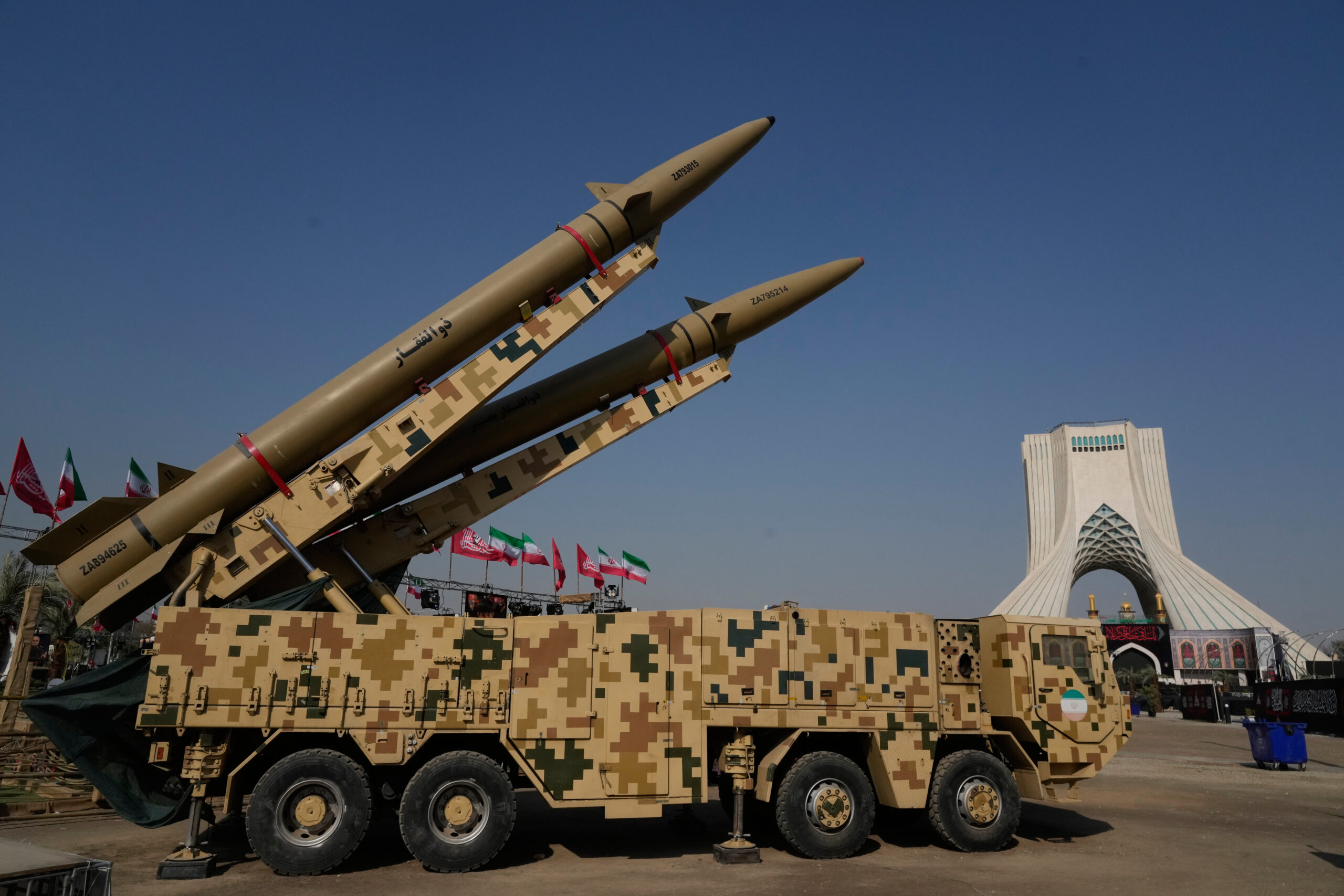
Iran’s Collective Strategic Decision Making
Wartime pressure has temporarily aligned the leadership’s overriding interest in regime survival, even as its members continue to differ over the costs, methods, and ultimate objectives of the war.
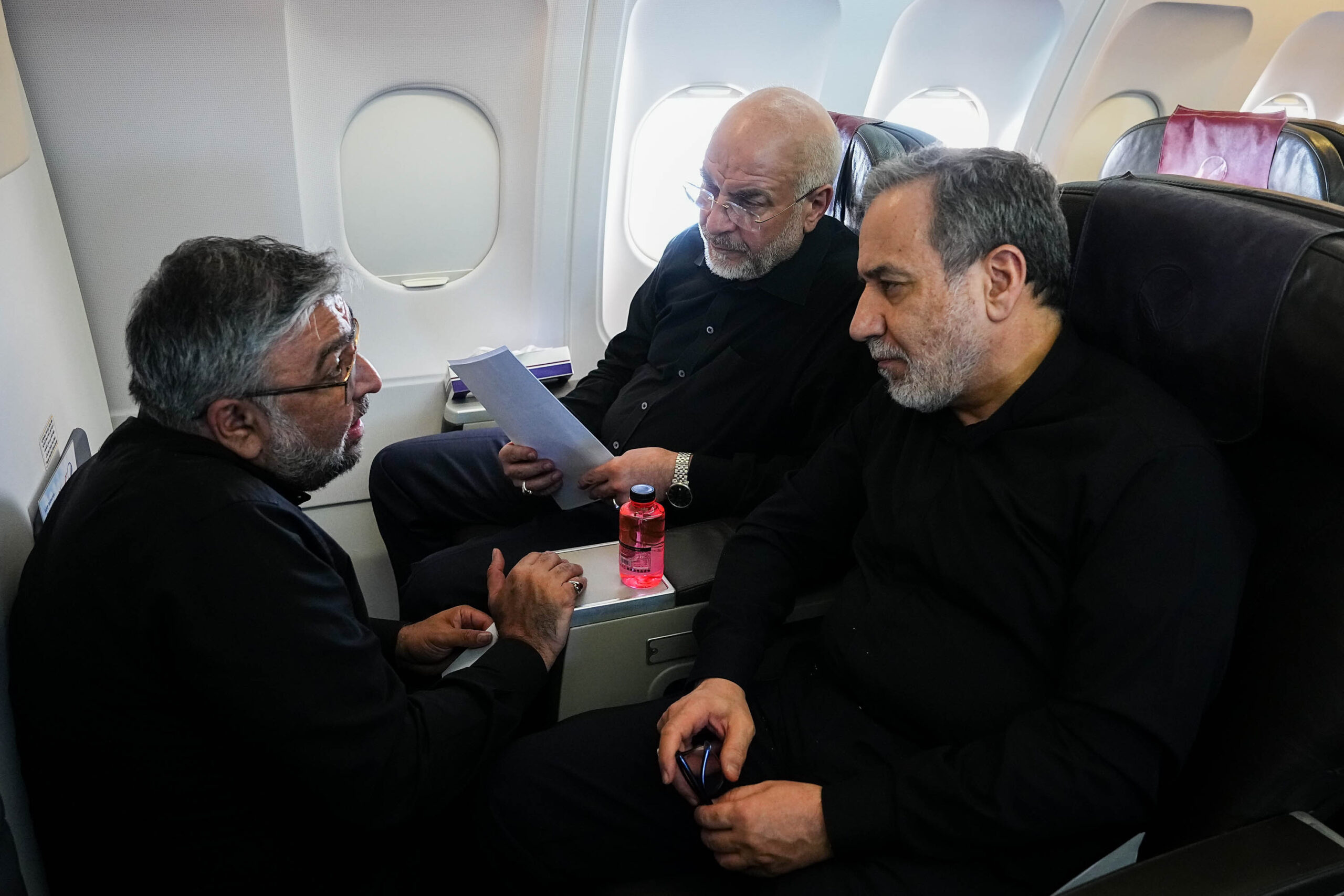
The Islamic Republic’s Collective Leadership
While there is historical precedent for collective leadership in Iran, today’s leadership includes representatives of the IRGC and regular military – a reflection of the IRGC’s expanding role and the necessities of governing under wartime conditions.
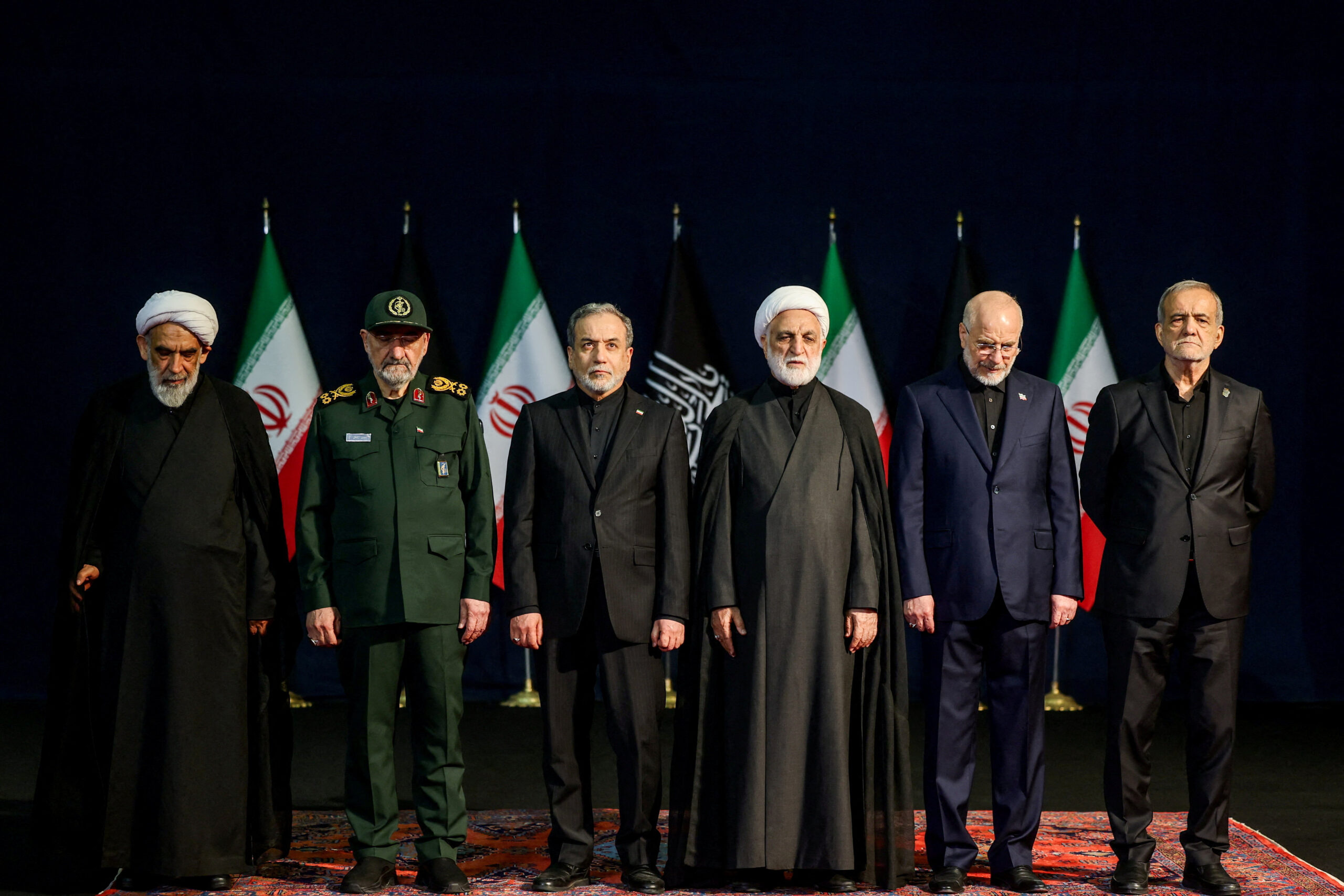
How Did the IRGC Seize Power in Iran?
The IRGC did not seize power in a single stroke. It accumulated it – patiently, methodically – until no counterweight remained.
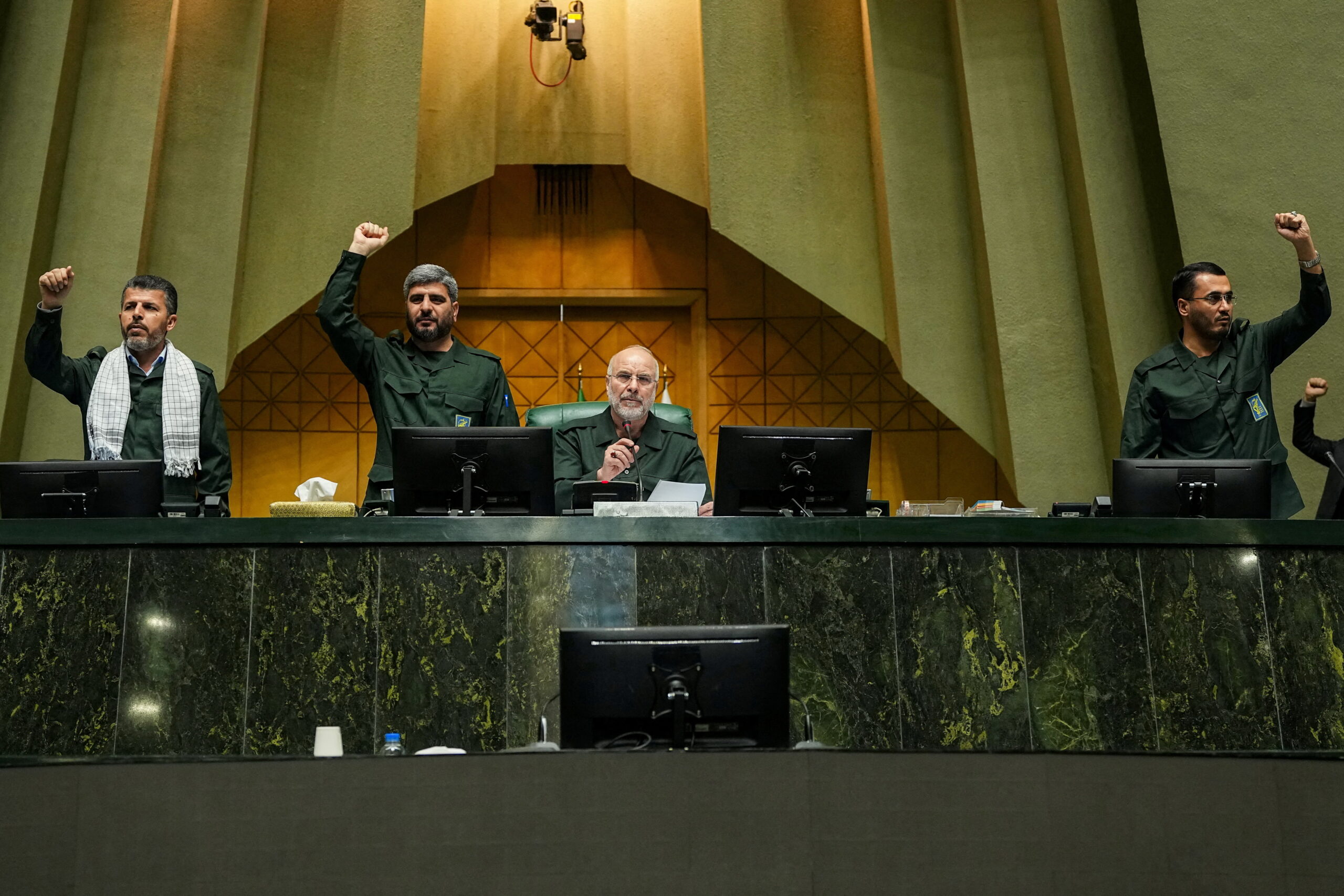
Events
Oct 6, 2026
10:00am - 11:00am
Is the U.S.-Iran Stalemate a “New Normal” or the Prelude to Another Explosion?
On October 6, AGSI will host a discussion on the U.S.-Iran stalemate and the prospects for a cease-fire.
Speakers



Book Talk: Iran and the Bomb: The United States, Iran and the Nuclear Question
On June 16, AGSI hosted a discussion on the evolution of Iran's nuclear program.

Speakers

Apr 21, 2026
Inside Iran’s Wartime Leadership: Power, Succession, and Regime Stability
On April 21, AGSI hosted a discussion on the evolution of Iran's leadership during the war.

Speakers

Mar 18, 2026
In Its Conflict With the United States and Israel, Does Escalation Favor Iran?
On March 18, AGSI hosted a discussion on the escalation of the Iran war.
Speakers