Oct 13, 2023
Quds Force Chief Oversees War Game in Syria
The October 13 edition of the Iran Media Review highlights Quds Force chief Brigadier General Ismail Qaani’s recent visit to Syria.

Brigadier General Ismail Qaani, commander of the expeditionary Quds Force of the Islamic Revolutionary Guard Corps, is the latest in a long line of formidable commanders who have led Iran’s proxy wars since the early 1960s. Rather than emulate his charismatic predecessor, Major General Qassim Suleimani, who from 2004 onward transformed the Quds Force from a clandestine service into a public mobilization force in the Middle East, media-shy and methodical Qaani has brought his organization back into the shadows. Qaani visited Syria in September following reports of renewed protests against the regime of Syrian President Bashar al-Assad and perhaps even paramilitary activity against the regime, but news of his visit was first released after his return to Iran. It remains unknown which Syrian officials and other individuals he met with, and Iran’s state-censored media has explained the purpose of the visit in general terms.
- September 21: IRGC mouthpiece Tasnim News, reporting on Qaani’s visit to Syria, wrote: “Qaani participated in a joint Iranian-Syrian war game in the framework of planning joint countermeasures in the face of military and security challenges in sensitive locations.” In conversations with Iranian media, Qaani reportedly accused the United States of being the “real source of corruption, anarchy, terrorism, and discord in Syria” and declared that “Syria and Iran are brother countries and enjoy strategic, comprehensive, and deep relations. In the face of challenges, the Islamic Republic of Iran will remain on the side of the people and leadership of Syria.”
- September 22: Mashregh News, another IRGC mouthpiece, reported that Qaani visited Syrian artillery positions in Homs.
The views represented herein are the author's or speaker's own and do not necessarily reflect the views of AGSI, its staff, or its board of directors.
Related
Iran Media Review
Oct 10, 2023
Iran’s State-Censored Media on the Hamas-Israel War
The October 10 edition of the Iran Media Review highlights Iranian reactions to Hamas’ attack on Israel.
Iran Media Review
Oct 6, 2023
U.S.-Iranian Relations: From Wishful Thinking to Cautious Optimism
The October 6 edition of the Iran Media Review examines optimistic commentary on the prospects for U.S.-Iranian diplomacy.
Oct 10, 2023
Iran’s State-Censored Media on the Hamas-Israel War
The October 10 edition of the Iran Media Review highlights Iranian reactions to Hamas’ attack on Israel.
Oct 6, 2023
U.S.-Iranian Relations: From Wishful Thinking to Cautious Optimism
The October 6 edition of the Iran Media Review examines optimistic commentary on the prospects for U.S.-Iranian diplomacy.
Analysis
The Islamic Republic Returns to Offense
After U.S.-Israeli strikes killed Supreme Leader Ayatollah Ali Khamenei on February 28, Iran’s collective leadership has concluded that the best defense is a good offense.
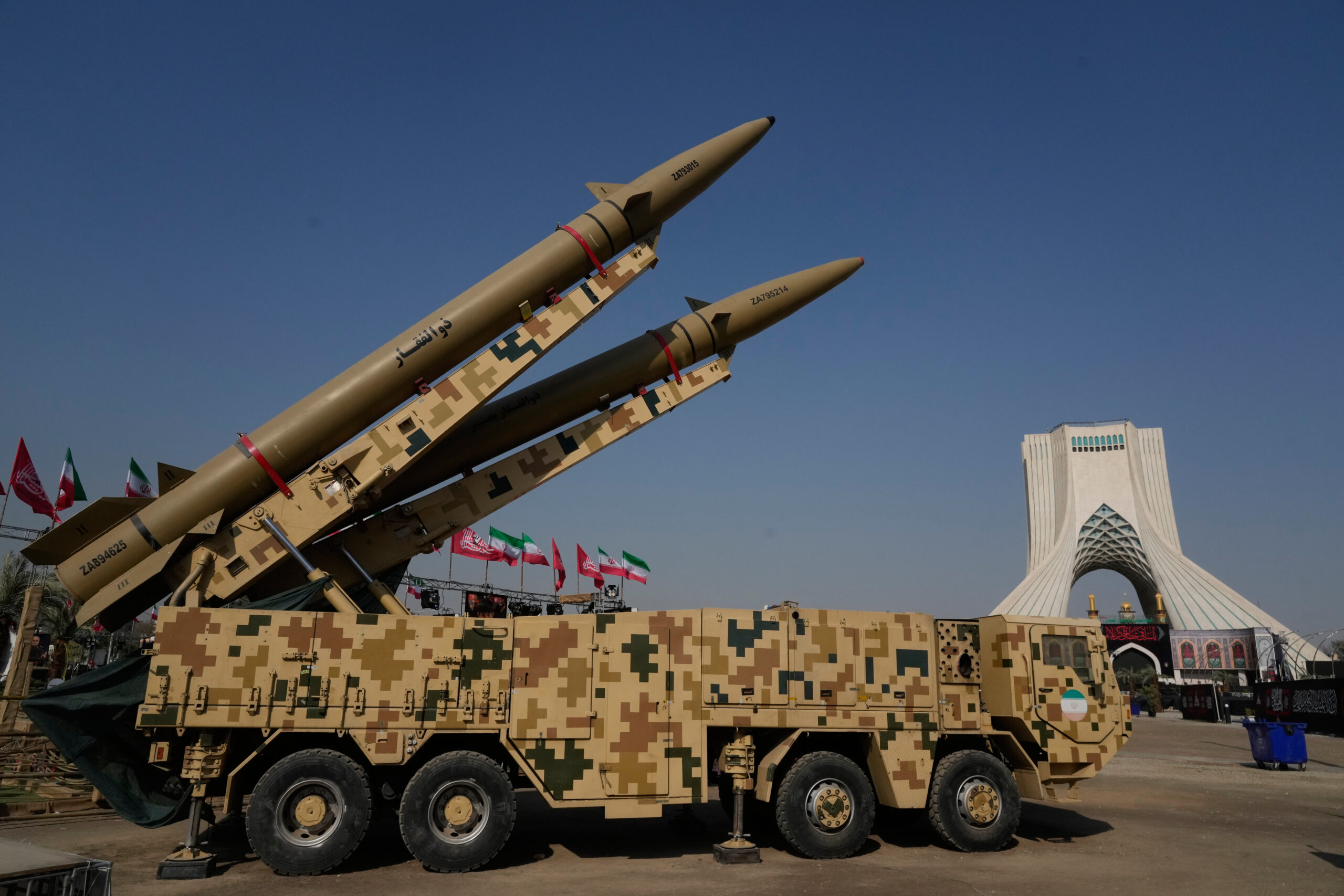
Iran’s Collective Strategic Decision Making
Wartime pressure has temporarily aligned the leadership’s overriding interest in regime survival, even as its members continue to differ over the costs, methods, and ultimate objectives of the war.
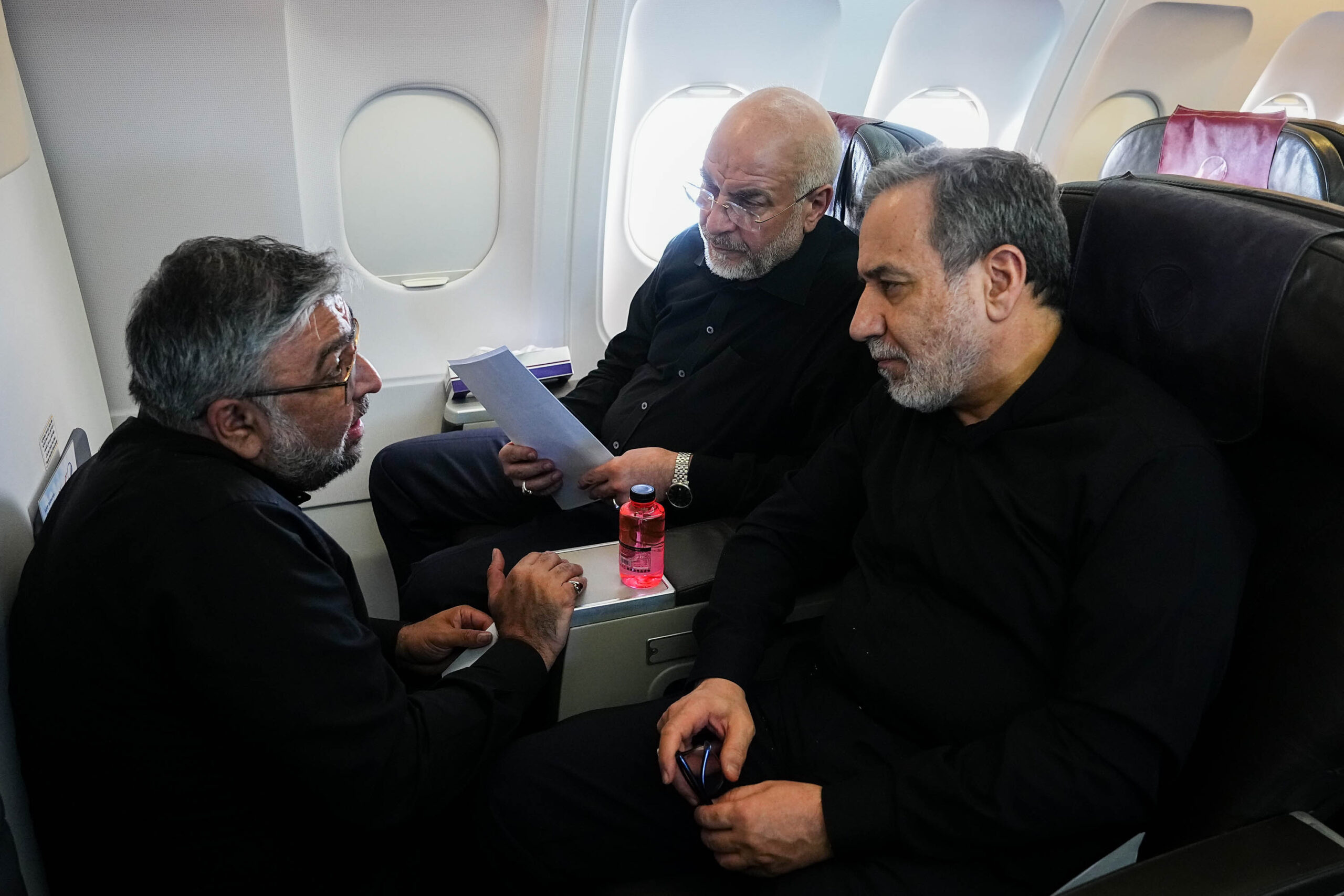
The Islamic Republic’s Collective Leadership
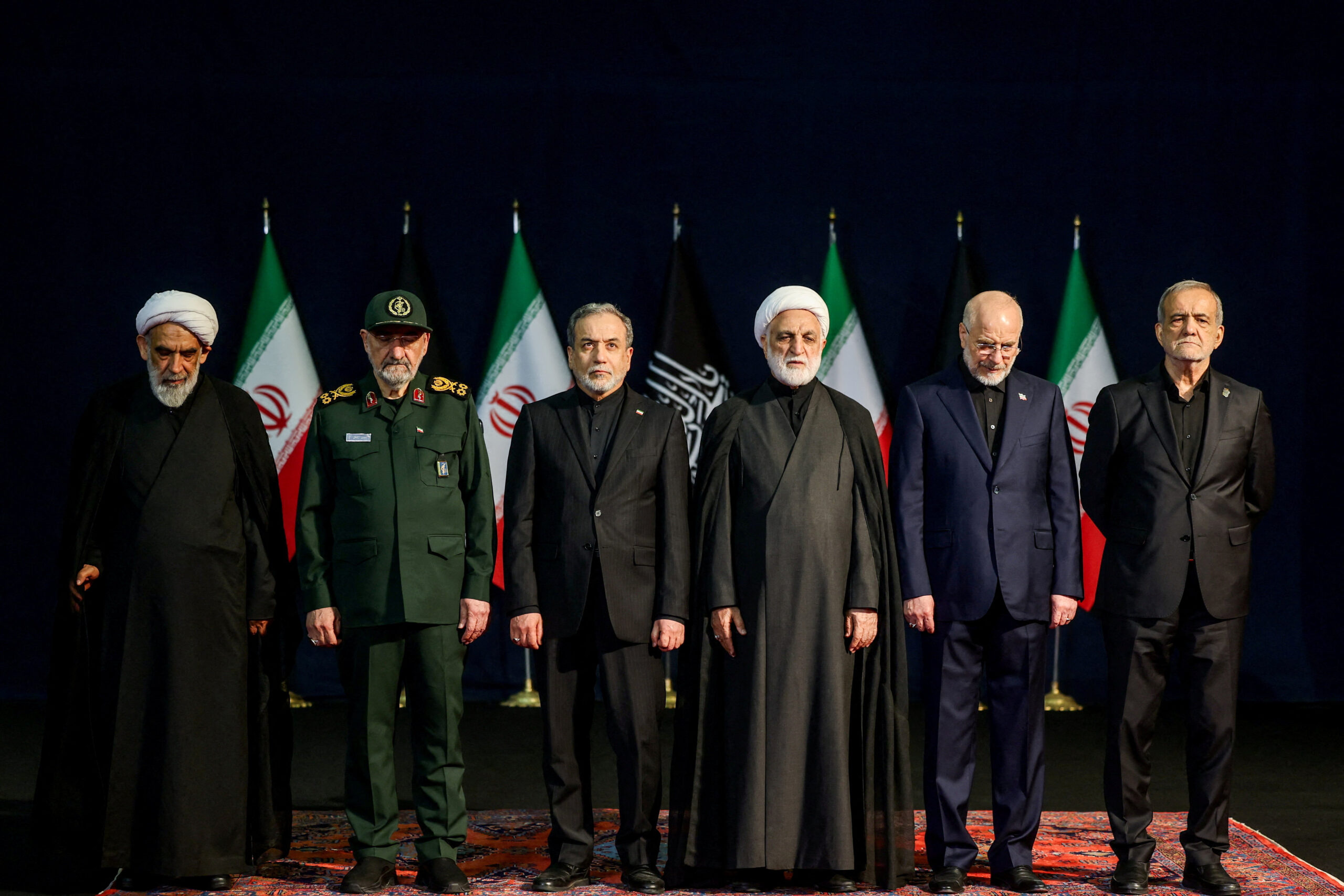
While there is historical precedent for collective leadership in Iran, today’s leadership includes representatives of the IRGC and regular military – a reflection of the IRGC’s expanding role and the necessities of governing under wartime conditions.
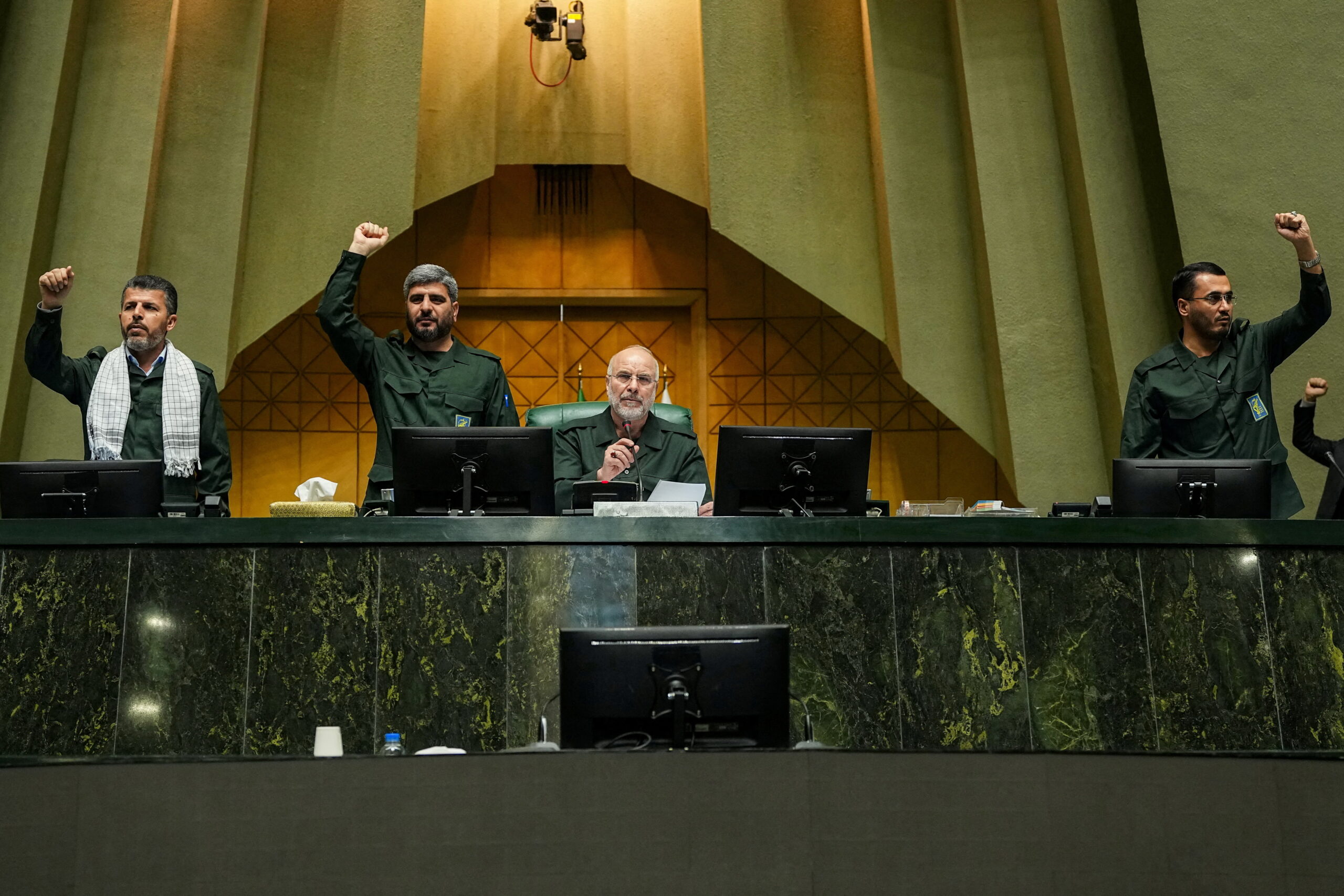
How Did the IRGC Seize Power in Iran?
The IRGC did not seize power in a single stroke. It accumulated it – patiently, methodically – until no counterweight remained.
Events
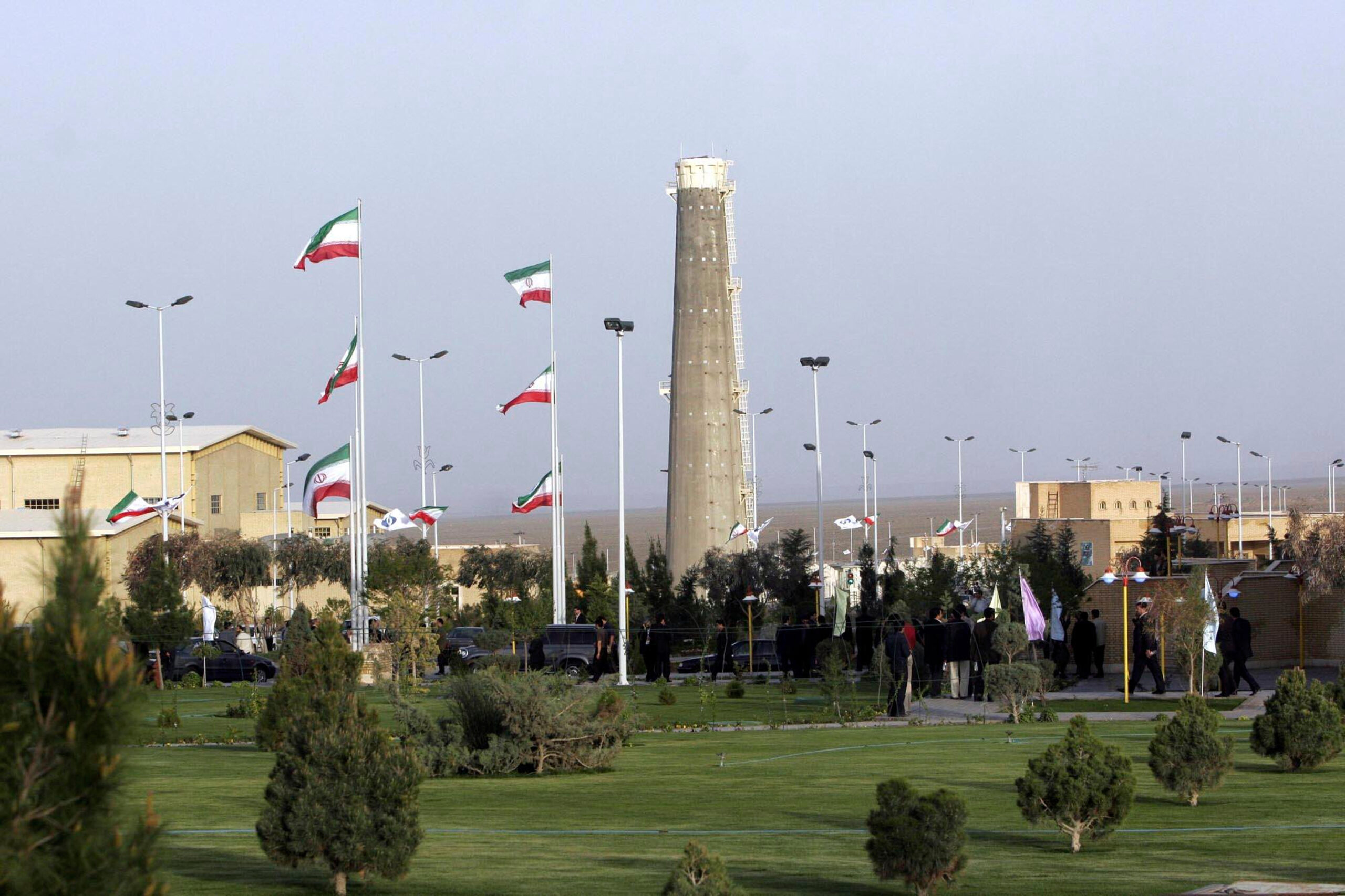
Book Talk: Iran and the Bomb: The United States, Iran and the Nuclear Question
On June 16, AGSI hosted a discussion on the evolution of Iran's nuclear program.
Speakers

Apr 21, 2026
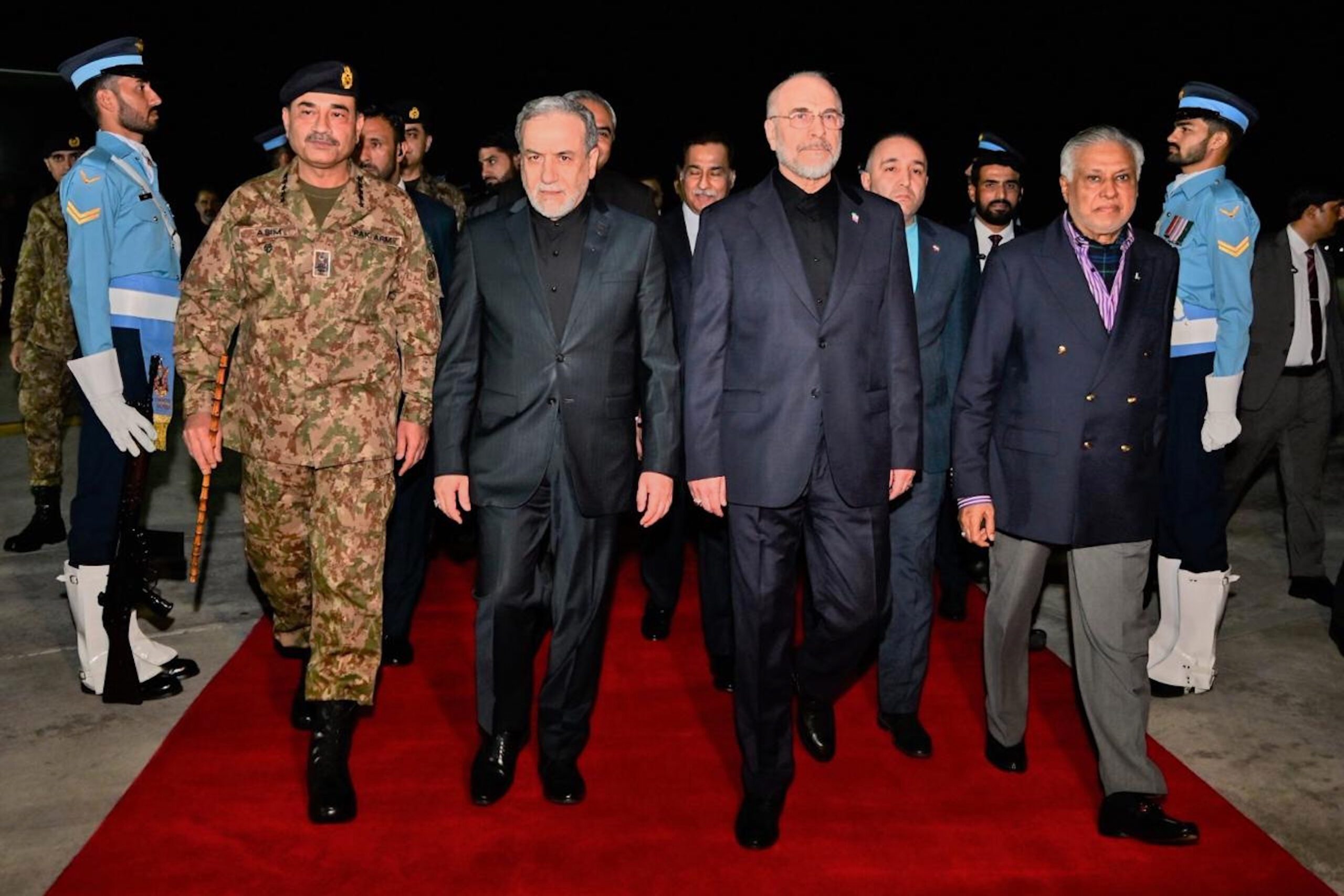
Inside Iran’s Wartime Leadership: Power, Succession, and Regime Stability
On April 21, AGSI hosted a discussion on the evolution of Iran's leadership during the war.
Speakers

Mar 18, 2026
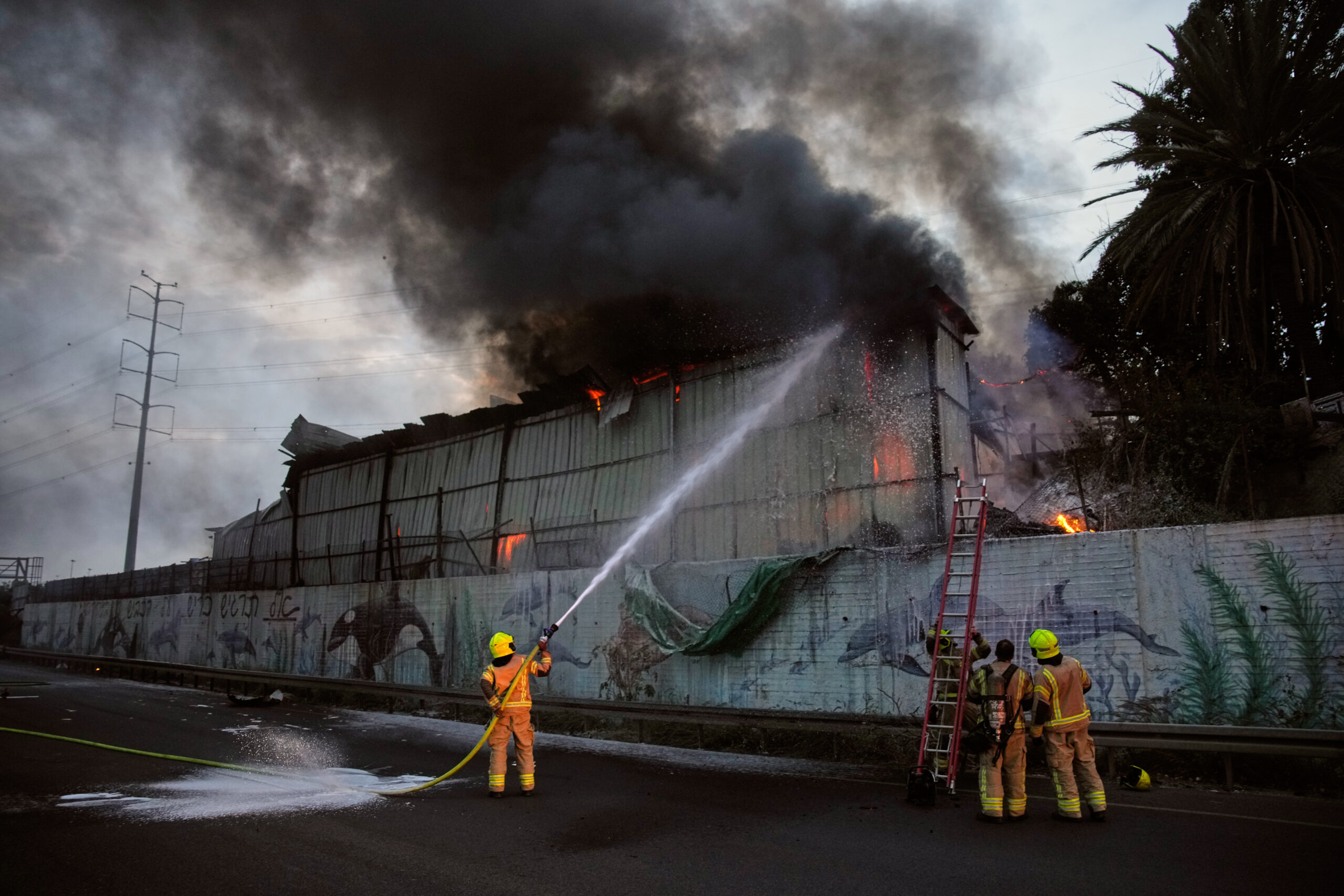
In Its Conflict With the United States and Israel, Does Escalation Favor Iran?
On March 18, AGSI hosted a discussion on the escalation of the Iran war.
Speakers


Mar 2, 2026
After the Shock: Implications of the U.S.–Israeli Strikes and Iran’s Leadership Transition
On March 2, AGSI hosted a discussion on the U.S.-Israeli strikes on Iran.
Speakers