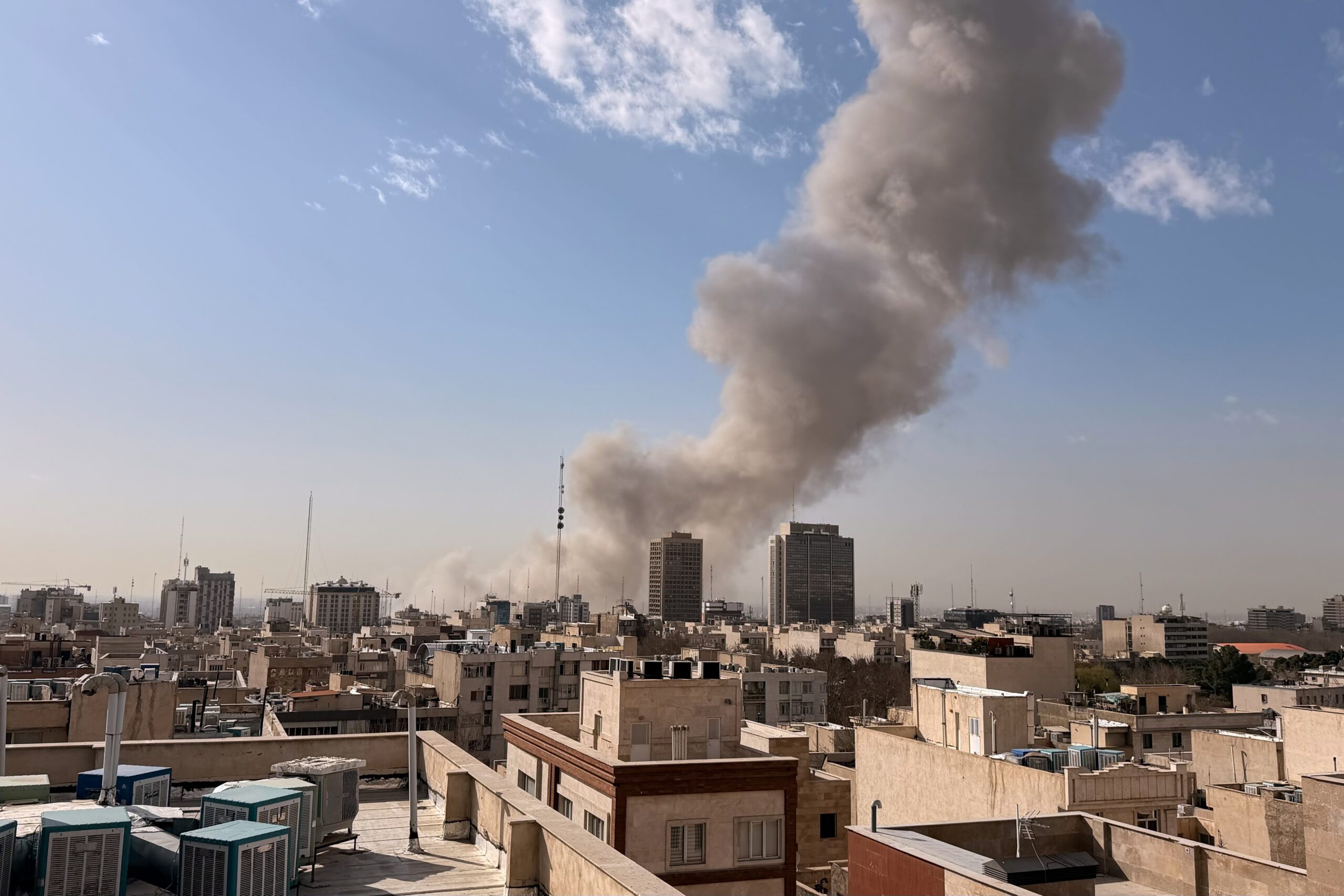
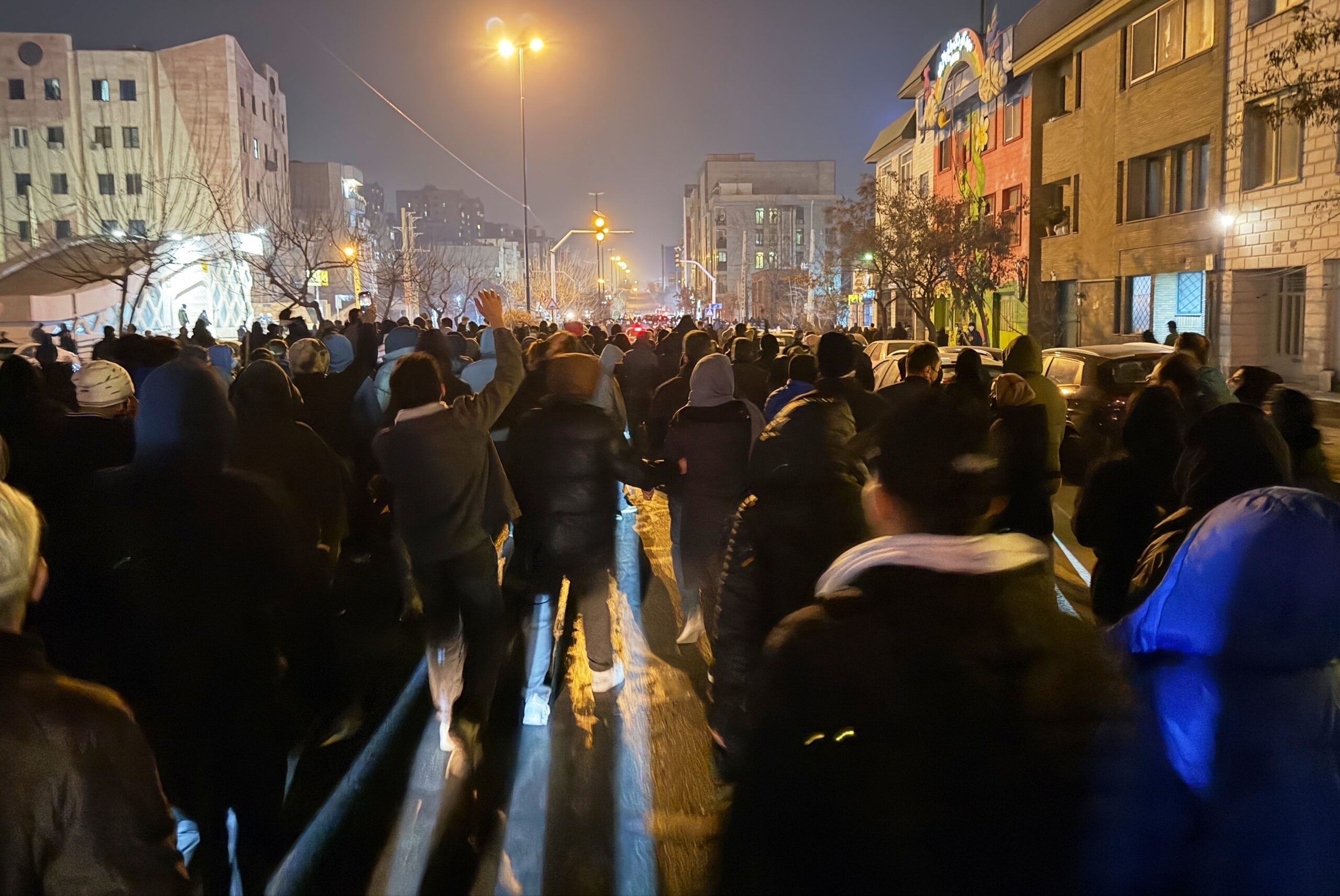
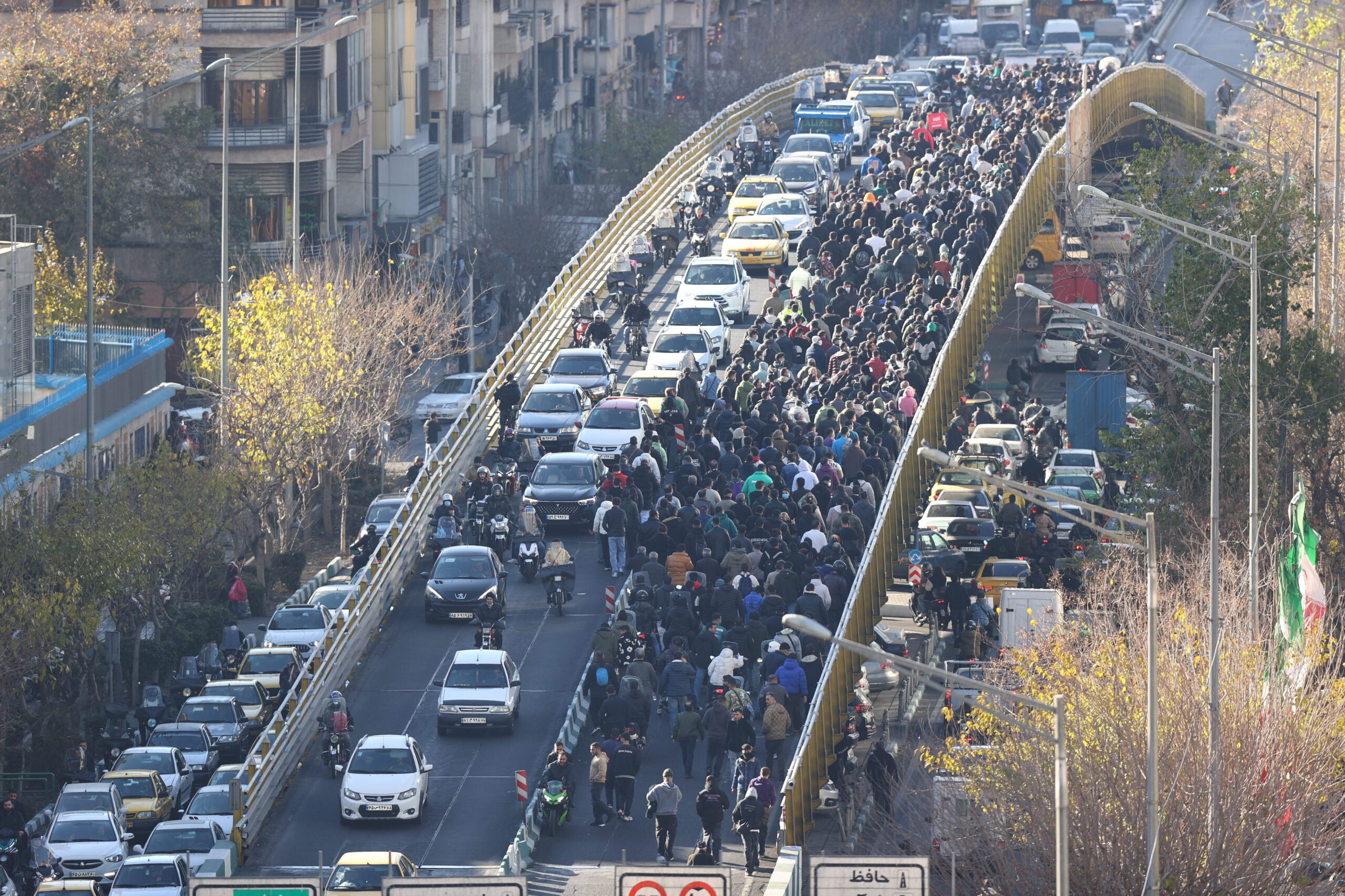
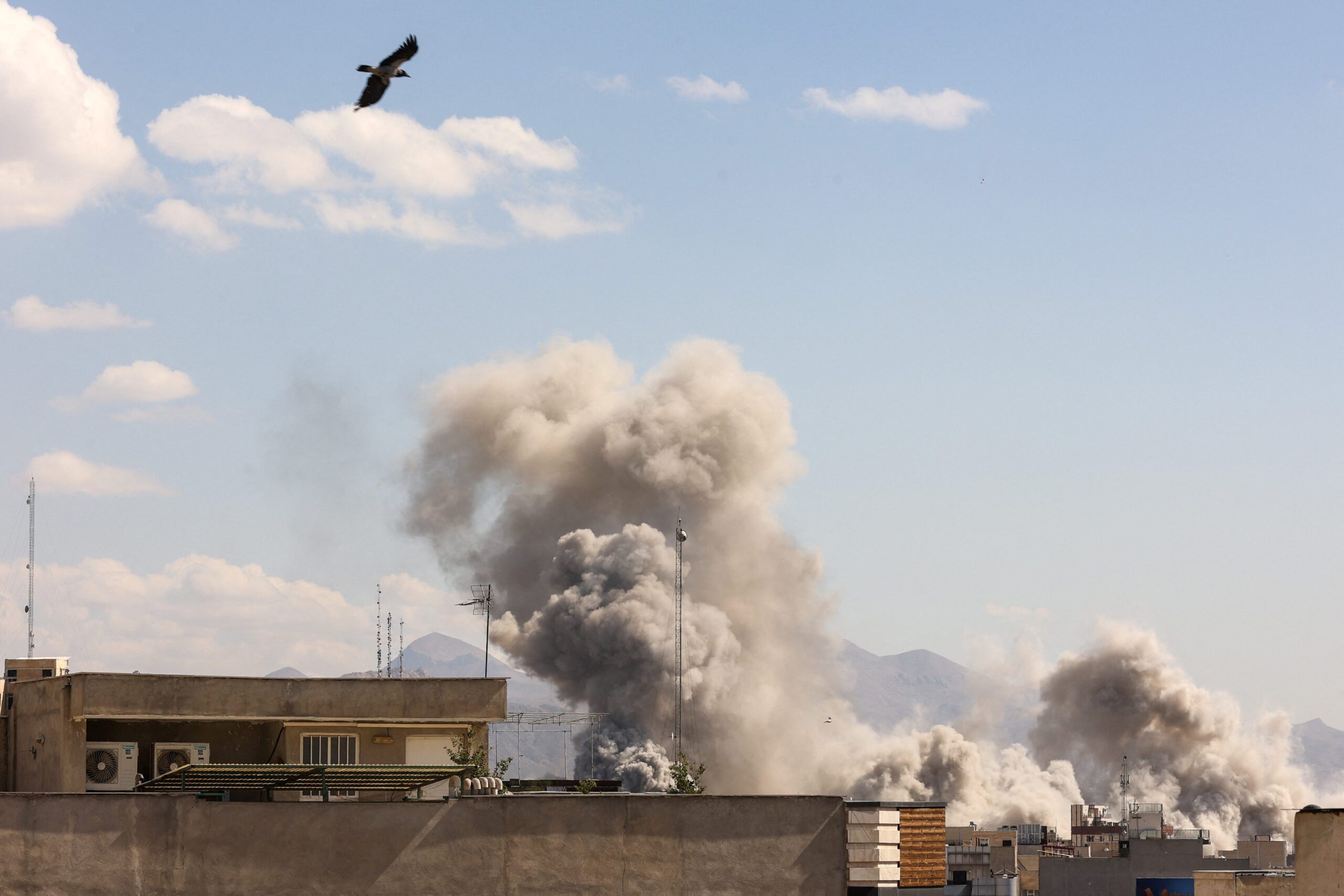
On July 31, the Islamic Republic was once again shaken by rallies beginning in Gohardasht, in Alborz province, and Isfahan, the third largest city in Iran, as Iranians took to the streets to protest rising prices. Bread riots alone, however, are not likely to shake the foundations of the regime. But should the protests spread...
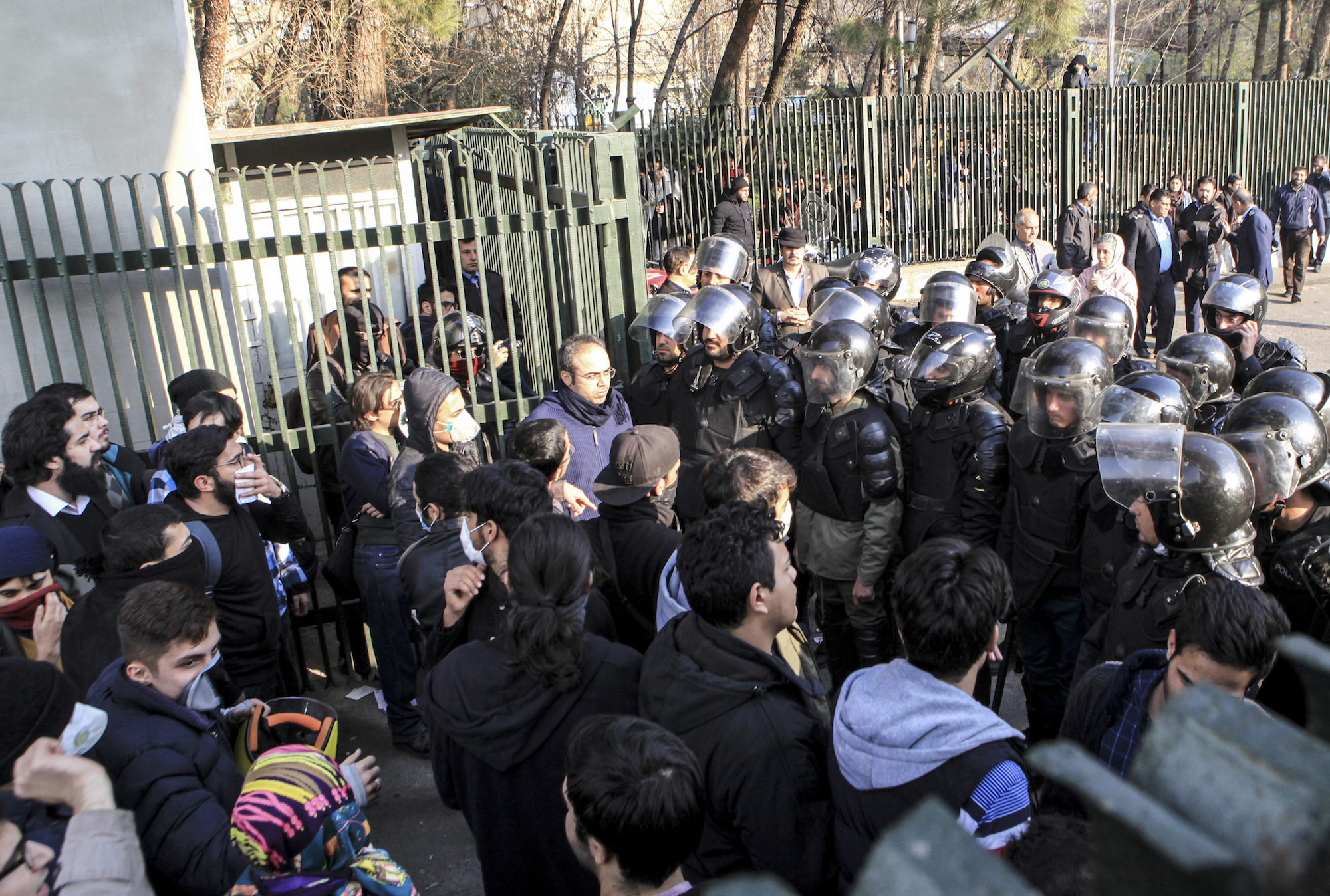
FILE- In this Dec. 30, 2017 file photo taken by an individual not employed by the Associated Press and obtained by the AP outside Iran, anti-riot Iranian police prevent university students to join other protesters over Iran weak economy, in Tehran, Iran. In recent months, Iran has been beset by economic problems despite the promises surrounding the 2015 nuclear deal it struck with world powers. (AP Photo, File)
On July 31, the Islamic Republic was once again shaken by rallies beginning in Gohardasht, in Alborz province, and Isfahan, the third largest city in Iran, as Iranians took to the streets to protest rising prices. Bread riots alone, however, are not likely to shake the foundations of the regime. But should the protests spread to other major population centers, and, more importantly, if those demonstrating over prices are joined by upper middle class Iranians demanding freedom, the regime in Tehran is likely to face serious peril.
Video footage from Gohardasht shows the protesters chanting “Rising prices and inflation torment the people” and “They lie when blaming America, the enemy is right here.” Plainclothes security service personnel attacked the protesters with batons, but all they managed was to further radicalize those assembled: From the early evening hours, the protesters chanted “Death to the dictator,” “Death to Khamenei,” and “God help you when we are armed!”
In Isfahan, the protesters, mostly drivers and shopkeepers, were closely watched by security forces, but there still are no reports of violent suppression of the rally. Apart from chanting slogans against rising prices and an electricity shortage, Isfahani protesters chanted “Reza Shah, blessed be your soul,” referring to the secular and anti-clerical founder of the Pahlavi dynasty, which was ousted from power in the 1979 Iranian Revolution.
Anti-regime demonstrations have a long history in the Islamic Republic, tracing back to the tumultuous aftermath of the revolution. But by the early 1980s, the revolutionary regime had consolidated its rule and effectively suppressed all internal opposition. Revolutionary fervor, the war with Iraq, a new mood of nationalism, and a spirit of self-sacrifice rallied Iranians around the flag, and the regime at no point faced an existential domestic threat.
The end of the war with Iraq in 1988 also changed the level of public expectations of the regime. Tired of war-era sacrifices, Iranians demanded the much-promised “peace dividend.” President Ali Akbar Hashemi Rafsanjani contributed to those expectations by pursuing an economic liberalization policy modeled on International Monetary Fund prescriptions and the so-called Washington Consensus. However, the short-term effects of this proved catastrophic: Inflation soared by 50 percent and the lower strata of Iranian society, whom Grand Ayatollah Ruhollah Khomeini called the mostazafin (the oppressed), longed for the war years when coupons for subsidized foodstuffs at least ensured survival.
Rafsanjani also turned a blind eye to aggressive urban planning in major population centers, which proceeded with no regard for the plight of the urban poor. In May 1992, trouble started in Kouye Tollab, a neighborhood in Mashhad. A 10-year-old boy was killed as local authorities tried to bulldoze shantytowns. Riots erupted with mobs attacking police stations, looting banks, and burning government offices to the ground. The riots spread to Arak in Markazi province, Mobarakeh in Isfahan province, and the Chahardangeh neighborhood of Tehran. It was with some difficulty that the Islamic Revolutionary Guard Corps (IRGC) imposed order in the affected areas.
On April 4, 1995, Eslamshahr, a poor suburb of Tehran, became the center of another major anti-government riot. Bus drivers protested insufficient gas supplies and commuters protested a 30 percent increase in fares from the suburbs to central Tehran, where they worked. An estimated 50,000 people attacked gas stations and government buildings and blocked the roads to the capital. IRGC special operations forces dispersed the rioters but only after 50 people were killed.
By July 9, 1999, there was a major shift in the motive behind protests. Just as Rafsanjani’s promise of economic liberalization and a peace dividend raised public expectations for higher living standards, President Mohammad Khatami’s promise of political liberalization raised the level of the public’s expectations and hopes for democracy. This spirit of optimism was particularly prominent among university students, who decided to protest against the judiciary’s closure of the reformist newspaper Salam. The riot police responded by raiding a dormitory at Tehran University. A student was killed, sparking six days of protests and rioting throughout the country.
The Green Movement of 2009 was another politically motivated uprising. It was provoked by a disputed election that secured President Mahmoud Ahmadinejad a second term. However, the protests also mobilized the underprivileged, who initially supported Ahmadinejad’s populist agenda, but felt betrayed by the government. Millions of people all over the country took to the streets in protest of the election results, but the rallies soon developed into anti-regime demonstrations. More than 125 protesters, including Neda Agha-Soltan, who became the face of public resistance, died at the hands of the IRGC and the Basij militia. As leaders of the Green Movement urged the people to withdraw from the streets, the regime regained control.
The challenge of rising expectations has repeated itself under President Hassan Rouhani, who promised a negotiated solution to the crisis over Iran’s nuclear program, reviving Rafsanjani’s promise of a peace dividend. The peace dividend, however, remained a mirage for most Iranians, and all hopes were shattered after U.S. President Donald J. Trump withdrew from the Iran nuclear deal igniting the free fall of the Iranian currency.
In fact, public discontent with Rouhani, and the regime at large, began even before the U.S. withdrawal from the nuclear deal, but was accelerated by it: In December 2017, a peaceful protest in Mashhad, in northeastern Iran, against rising food prices was the catalyst for violence that spread across the country. On December 27, the arrest of Vida Movahed, who had taken off her headscarf in protest against compulsory hijab, sparked countrywide women’s protests. In March, the regime found itself engaged in clashes with Sufis, who protested the arrest of their leader. In June, merchants and shopkeepers went on strike to protest the collapse of the rial, and later that month, Iran was engulfed in public protests against a lack of drinking water.
The protests in Gohardasht and Isfahan are just the latest in a long series of manifestations of public dissatisfaction with Iran’s regime. It is not yet known if they will spread to other cities, and it remains to be seen how violent they will turn.
Individually, such protests don’t threaten the Islamic Republic’s leaders but, occurring in consecutive waves, they appear to erode the foundations of the regime, which comes across as either unwilling or incapable of providing bread or freedom.
The views represented herein are the author's or speaker's own and do not necessarily reflect the views of AGSI, its staff, or its board of directors.
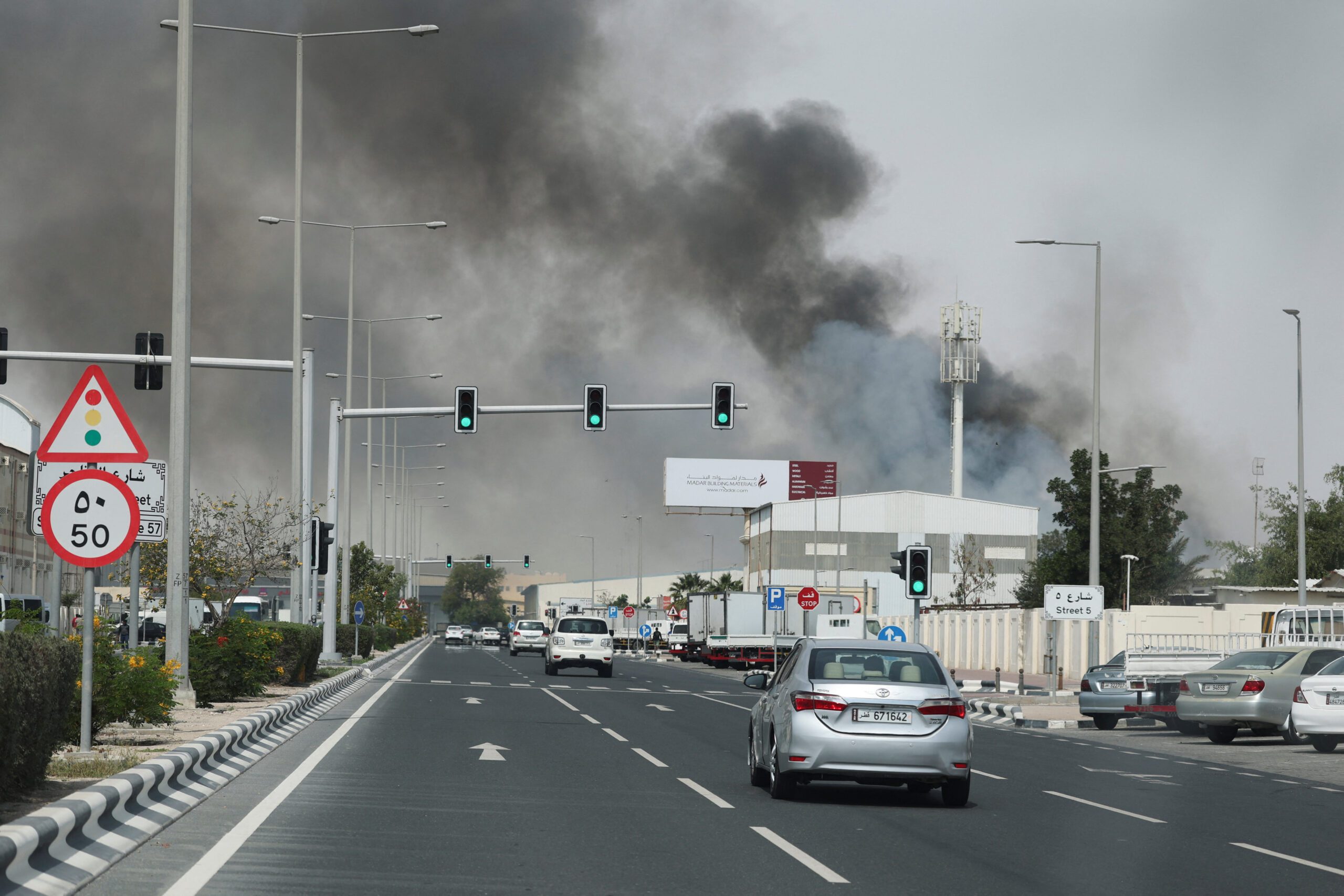
Iran’s attacks have perhaps irrevocably damaged Qatari-Iranian bilateral relations and erased the last few years of broader rapprochement efforts between Iran and the GCC states.
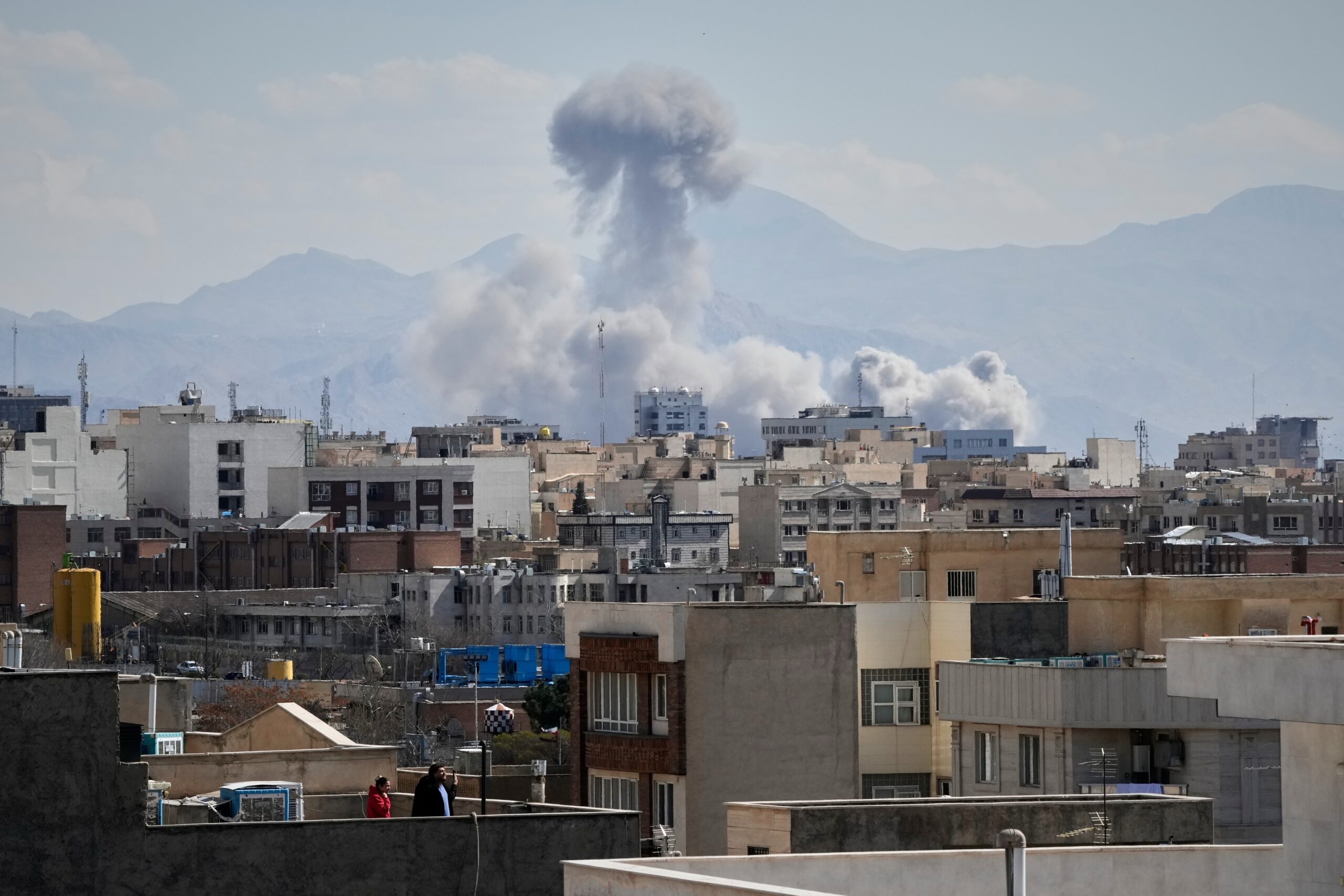
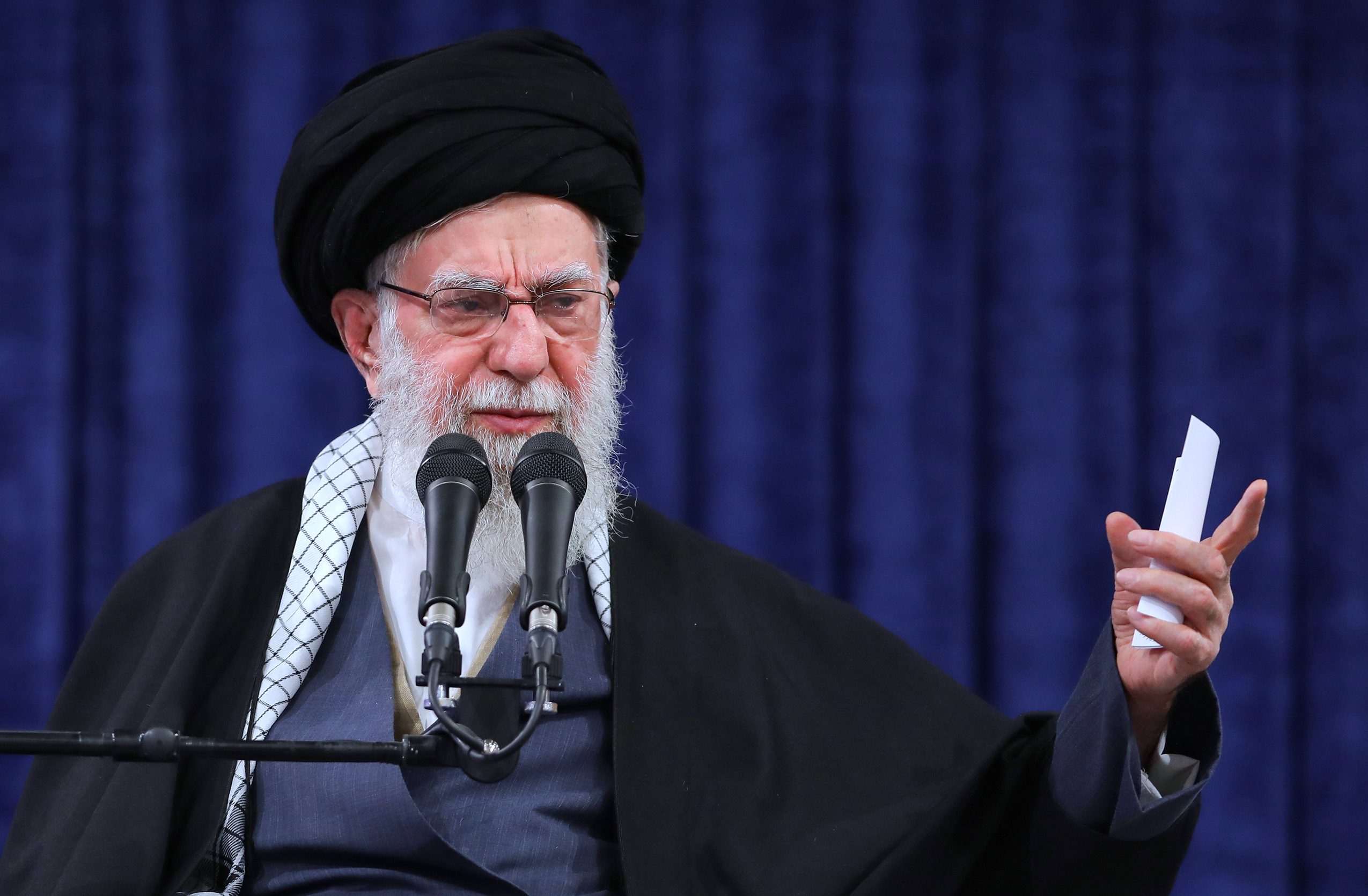
Ayatollah Ali Khamenei was killed in his office in Tehran at age 86, leaving behind a country in ruins and on the verge of civil war and potential disintegration.
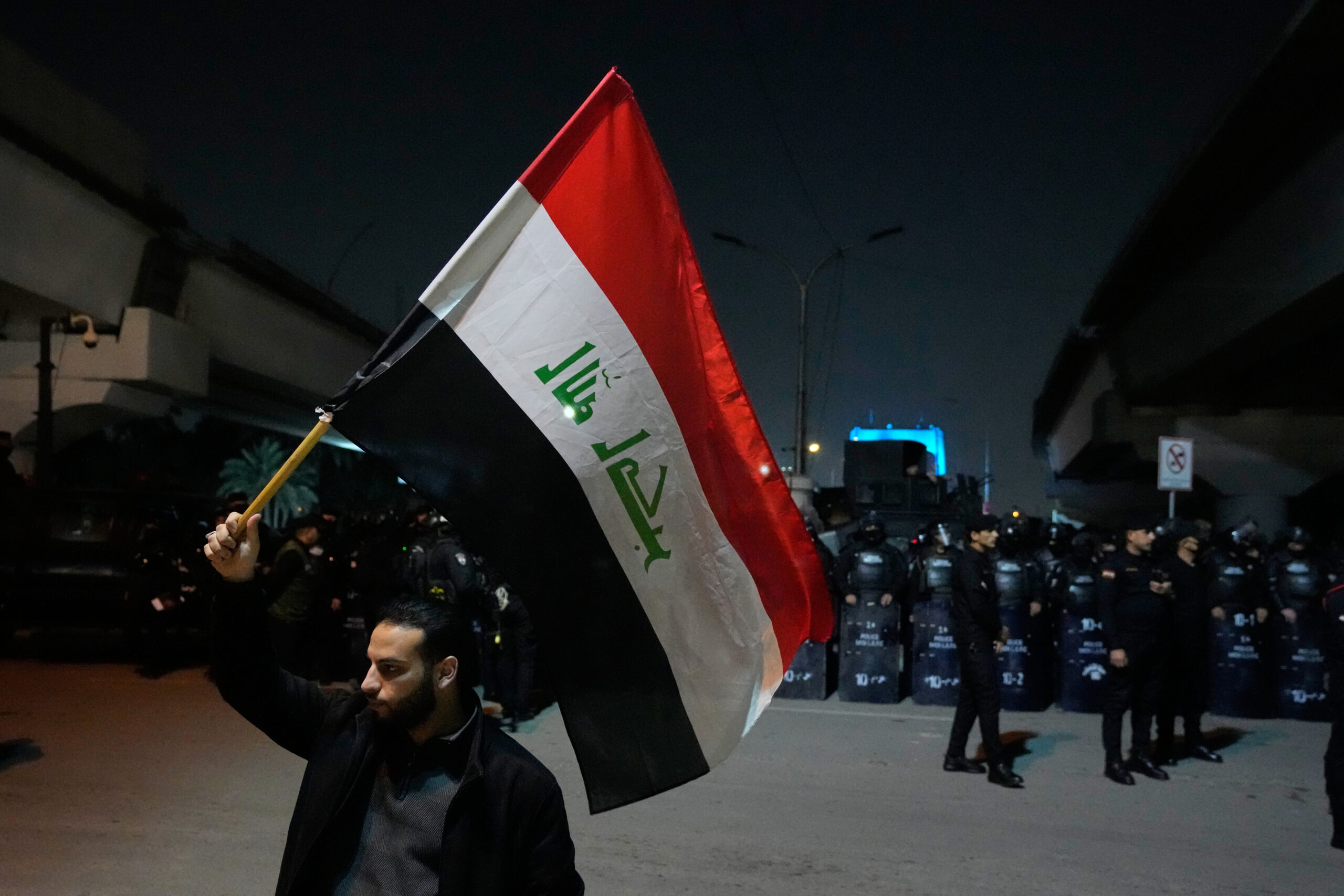
Iran is signaling that it will not absorb attacks passively. But whether this strategy ensures the regime’s survival, seals its fate, or accelerates a broader catastrophe will shape the region for years to come.
The erosion of the regime’s legitimacy across broad segments of society, combined with the breadth of the 2025-26 protest coalition, raises the possibility that a new confrontation could trigger renewed anti-regime mobilization.
Though the Iranian regime is facing increasing pressure from protesters and armed insurgent groups, it is not yet doomed – but without a deal with the United States, the regime is likely headed for a slow collapse.
On January 8, AGSI hosted a virtual roundtable with its leadership and scholars as they look ahead and assess trends likely to shape the Gulf region and U.S. foreign policy during the coming year.