"*" indicates required fields

This field is for validation purposes and should be left unchanged.

Subscribe

By subscribing you agree to our Privacy Policy

Subscription Settings
Analysis

From the Mountains, Into the Palace: The Houthis Won the War but Might Lose What Comes Next

The Houthis will be more vulnerable after the full withdrawal of Saudi and Emirati forces than they have been at any time during the war.

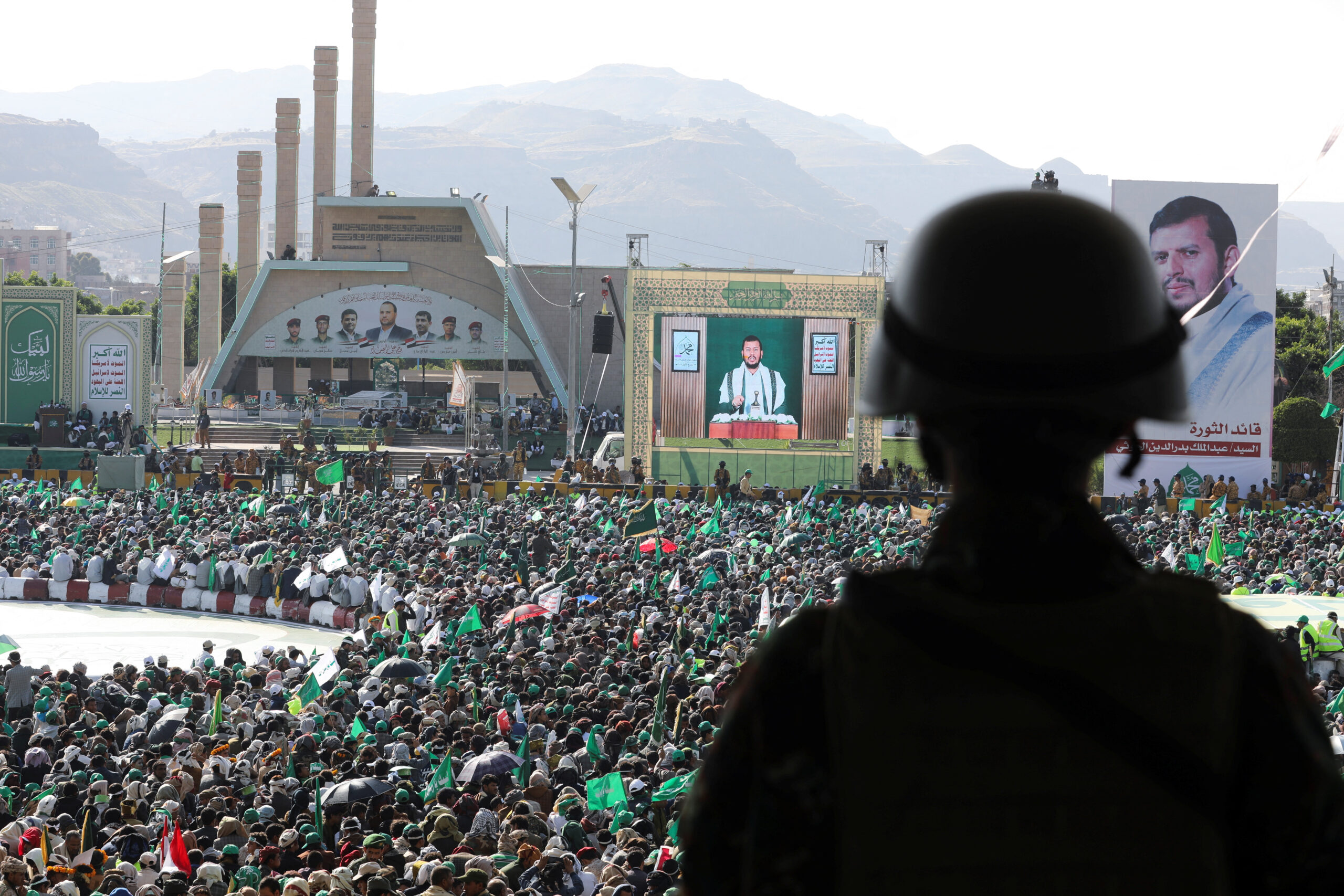
'The leader of the Houthi movement, Abdul Malik al-Houthi, addresses a rally marking the birthday of the Prophet Muhammad through a video feed in Sanaa, Yemen, October 8, 2022. (REUTERS/Khaled Abdullah)'

Executive Summary

After more than eight years of a devastating war in Yemen, one thing is clear: The Houthis remain in control of Sanaa. Saudi and Emirati airstrikes have not chased them back to the mountains, and international pressure has not forced them to capitulate at the bargaining table. In that sense, the Houthis have won the war. At this late date, the group is unlikely to be militarily or diplomatically forced out of Sanaa.

There are three major reasons for the Houthis’ victory. First, the group has been more flexible and agile than its opponents, and it has done a better job of turning enemies into allies, as opposed to the Saudi-led coalition, which has often turned allies into enemies. Second, the Houthis benefitted from a string of poor policy decisions and battlefield blunders by their opponents in the United Nations-recognized government of Yemen as well as by the Saudi-led coalition.

Finally, the Houthis took advantage of the fragmentation among their opponents. This was the case both domestically as well as regionally. On the domestic front, the various armed groups affiliated with the U.N.-recognized government, such as the Southern Transitional Council and Islah Party, had different objectives and, at times, came into conflict with one another. Regionally, Saudi Arabia and the United Arab Emirates pursued different end states and fought different wars. All of this allowed the Houthis to remain in control in Sanaa, holding territory, and, ultimately, achieving victory.

However, the Houthis have created significant challenges for themselves that will be difficult to overcome in a postconflict scenario. The three most pressing pertain to governance, the economy, and domestic allies. The Houthis have not governed effectively or transparently, they lack the economic base to support an independent state, and they have alienated power centers, particularly many of Yemen’s tribes, whose support they may soon need. In short, the Houthis will be more vulnerable after the full withdrawal of Saudi and Emirati forces than they have been at any time during the war.

Read full paper


The views represented herein are the author's or speaker's own and do not necessarily reflect the views of AGSI, its staff, or its board of directors.

Gregory D. Johnsen

Non-Resident Fellow, AGSI

Analysis

How the Houthis Fight, Negotiate, and Win

The Houthis don’t win because they are smarter or better fighters than their adversaries. They win because they are focused and unified, while their opponents tend to be divided and distracted.

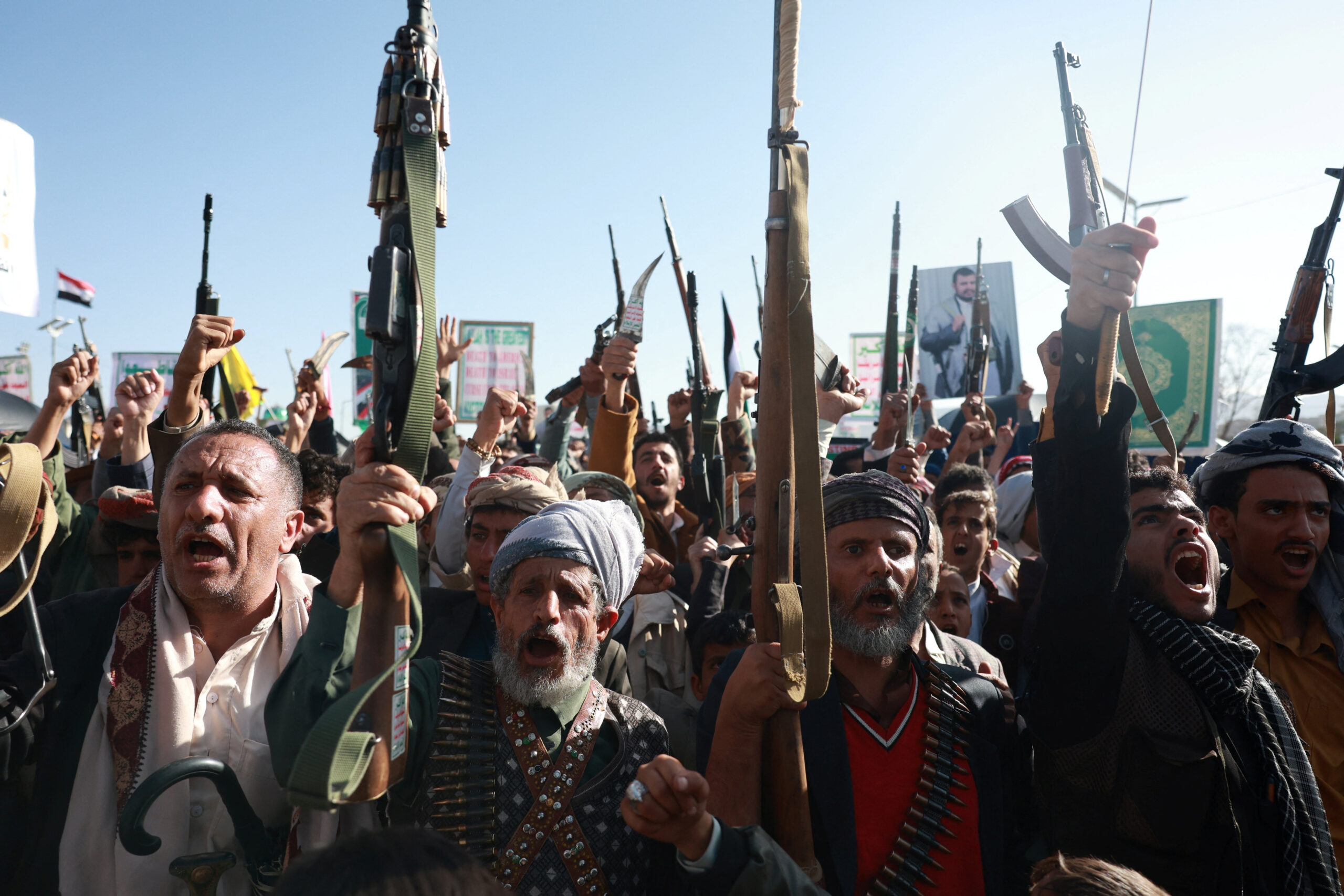
Houthi supporters rally to show support for the movement as fighting intensifies across several Yemeni fronts, in Sanaa, Yemen, October 9. (REUTERS/Mohammed al-Mahdi)

Saudi Arabia’s Grim Options as the Houthis Storm Mokha

In tandem with President Trump’s refusal to offer help with the Houthis, the Saudis are facing grim options to reverse Houthi military successes and a chokehold over their oil exports.

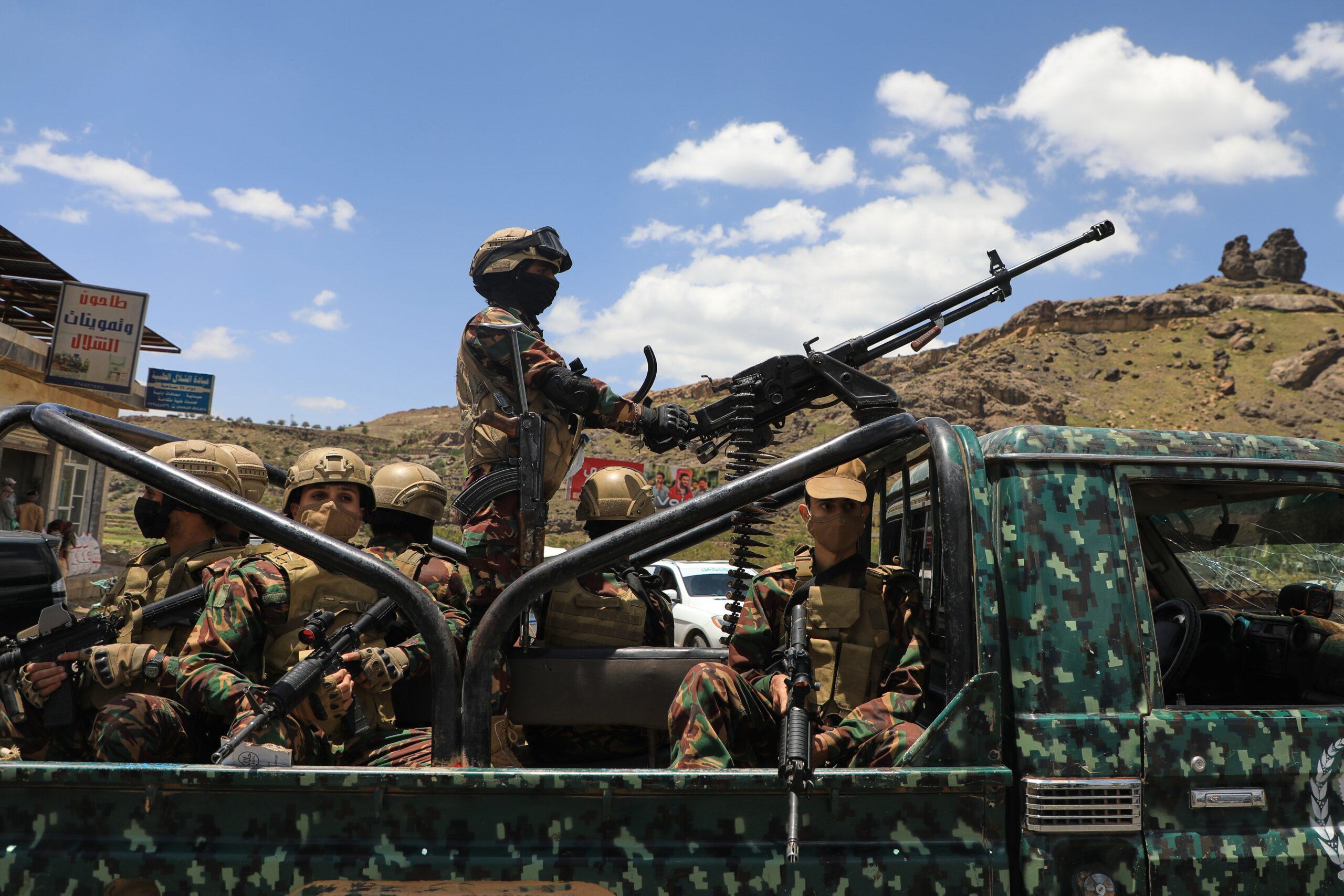
Houthi fighters escort a convoy carrying prisoners freed in Mokha through the Bani Matar district on its way to Sanaa, Yemen, September 12. (AP Photo/STR)

Why the Houthis Entered the War

The Houthis’ decision to dip their toes into the conflict is a calculated choice based on military capacity, a blueprint, and the need for retaliatory pressure.

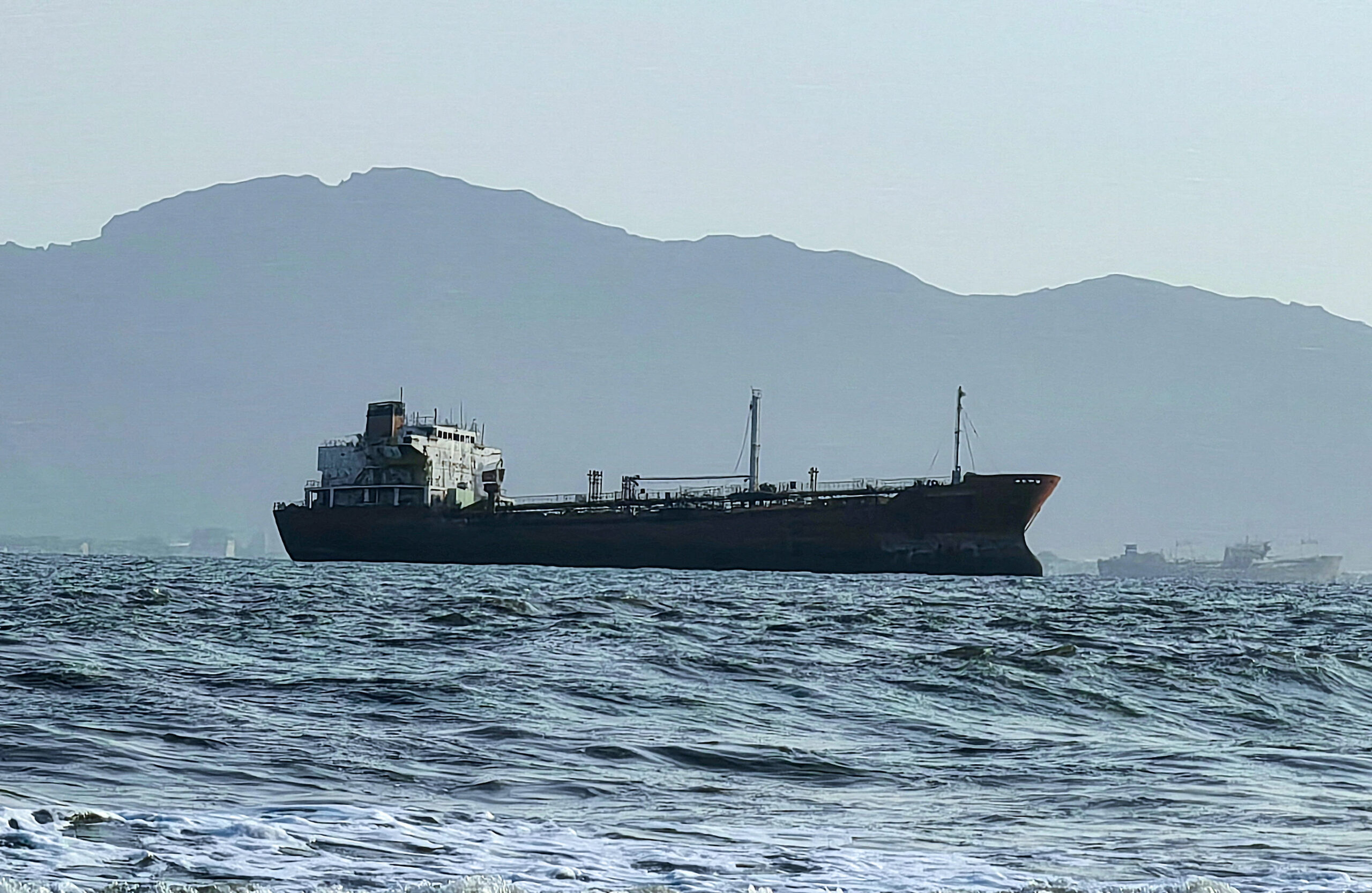
A ship off the port of Aden, where traffic remained steady after the Iran-aligned Houthis said their forces had carried out missile and drone strikes on Saudi oil tankers, in Aden, Yemen, July 23. (REUTERS/Stringer)

The Houthi Balancing Act

Houthi threats to block commercial shipping in the Red Sea that have not materialized are part of a strategy to balance competing interests.

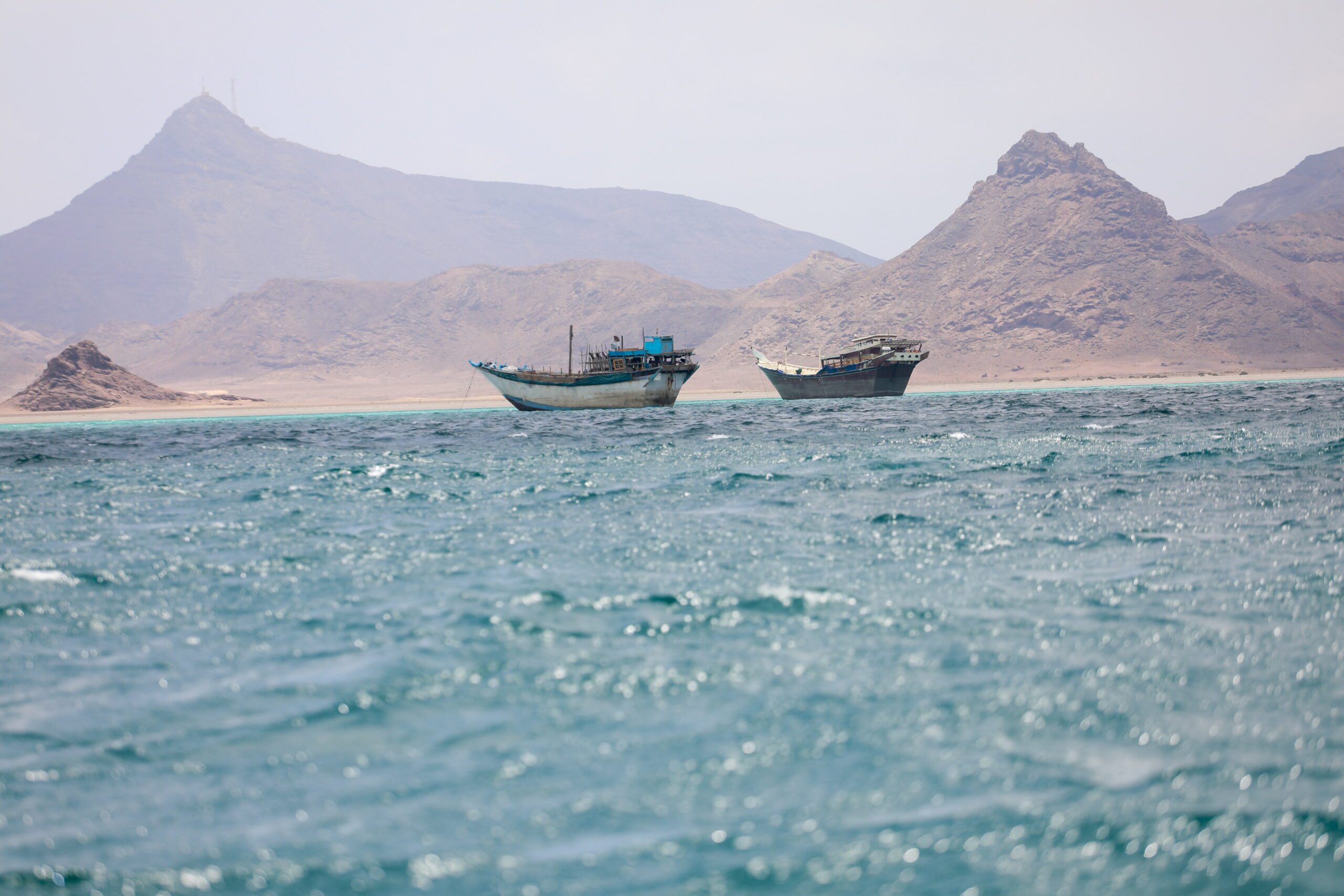
Boats float near the coast of Bab el-Mandeb, Yemen, April 2. (REUTERS)
View All

Events

Sep 10, 2026

Yemen’s Strategic Reckoning? The Houthis and the Expanding Regional War

On September 10, AGSI hosted a discussion on the latest escalation between the Houthis and Saudi Arabia.

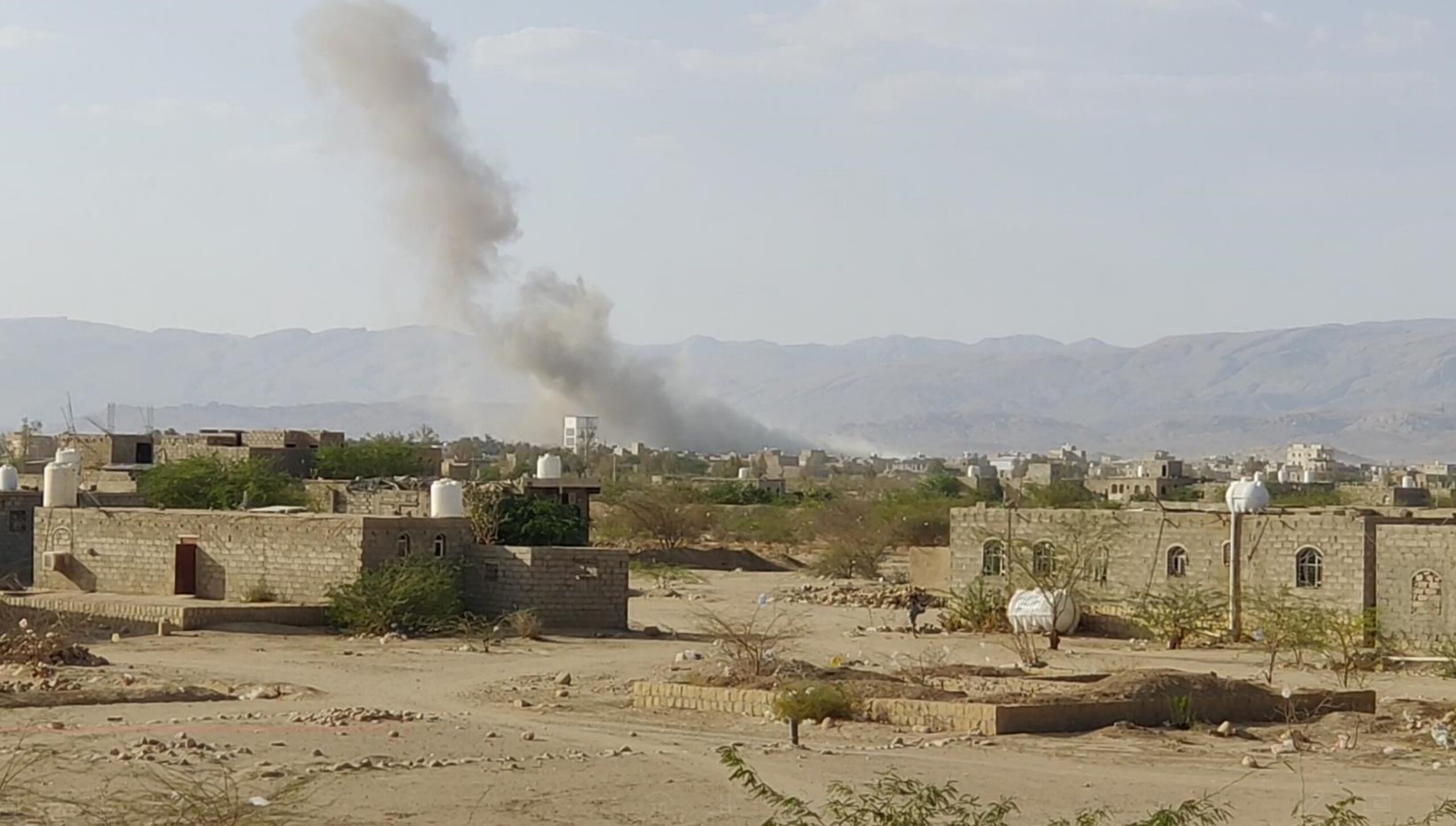
Smoke rises from a prison after an airstrike in Jawf province, Yemen, on September 7. (Handout / Latin America News Agency via Reuters Connect)

Apr 8, 2026

What Do Houthi Attacks on Israel Mean for the Iran War?

On April 8, AGSI hosted a discussion on the Houthis' involvement in the Iran war.

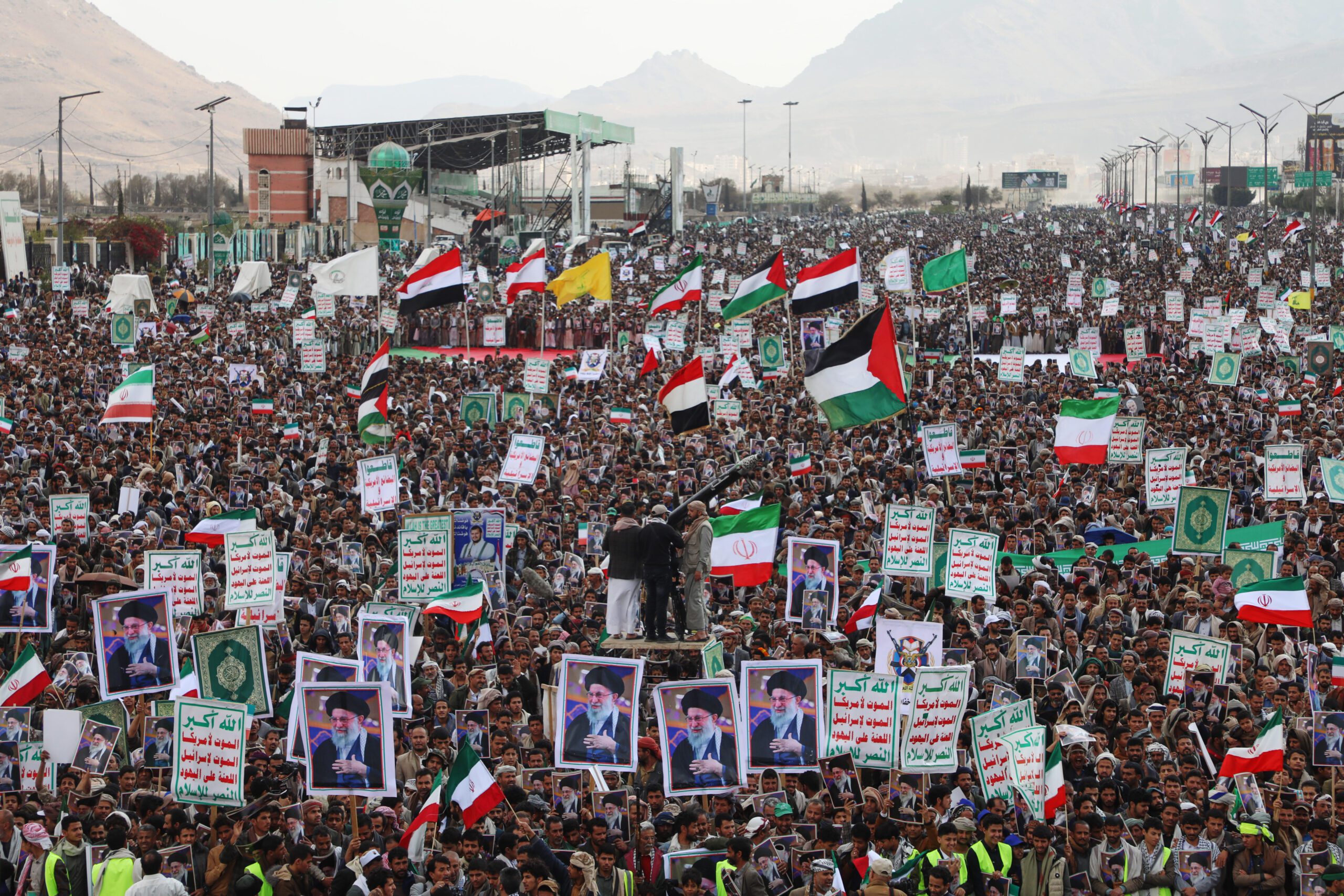
Houthi supporters raise posters of the late Iranian Supreme Leader Ayatollah Ali Khamenei as they chant slogans against Israel and the United States during a rally in Sanaa, Yemen, March 1. (AP Photo/Osamah Abdulrahman)

May 20, 2025

Assessing the U.S. Military Response to the Houthis: Implications for Yemen and Red Sea Security

On May 20, AGSI hosted a discussion on the United States' policy toward the Houthis.

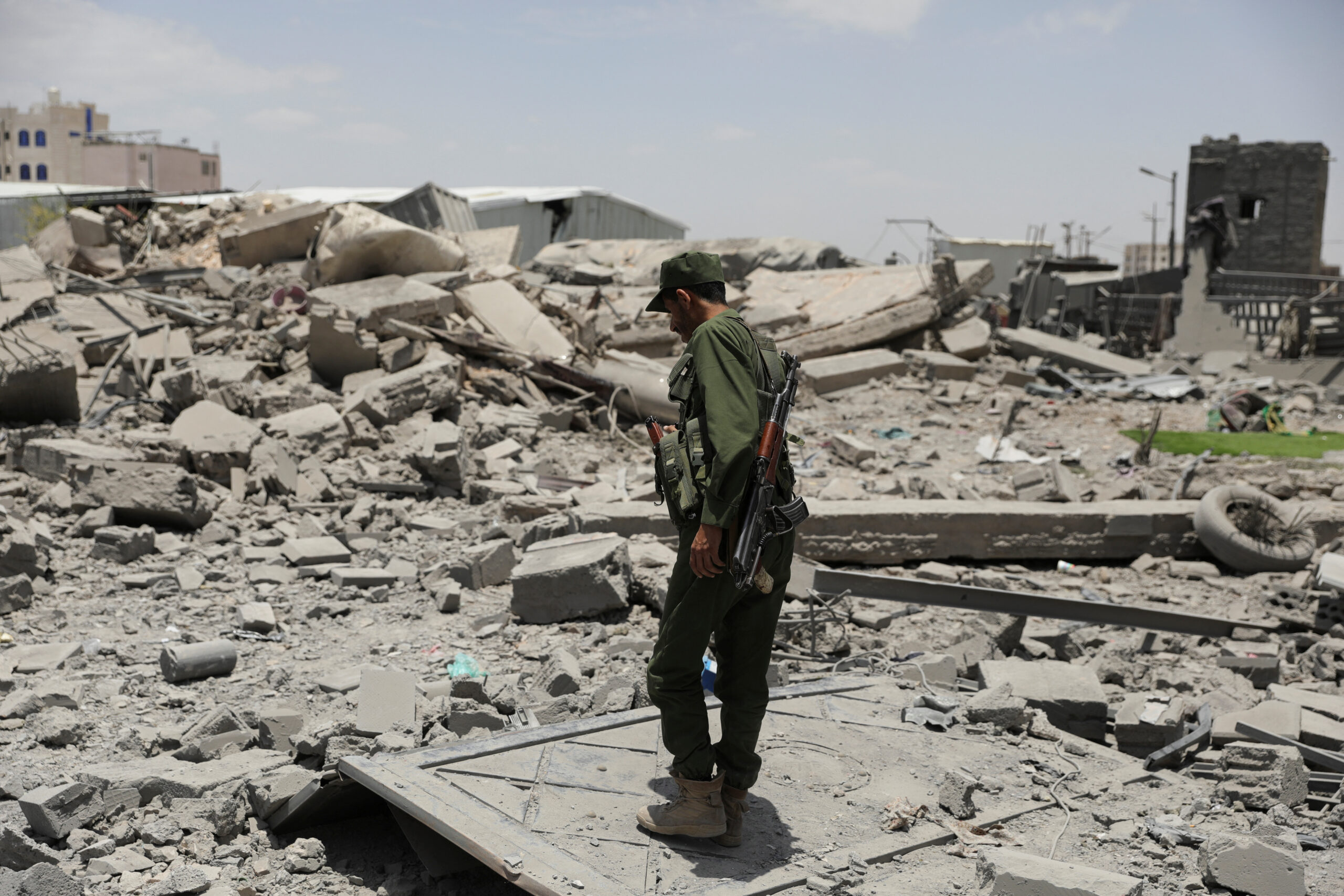
A police trooper stands on the rubble of a building destroyed by U.S. air strikes in Sanaa, Yemen April 27. (REUTERS/Khaled Abdullah)
A police trooper stands on the rubble of a building destroyed by U.S. airstrikes in Sanaa, Yemen, April 27. (REUTERS/Khaled Abdullah)

Mar 12, 2024

The Houthi Challenge to Maritime Security

On March 12, AGSIW hosted a discussion on the Houthi challenge to maritime security in the Red Sea and the Gulf of Aden.

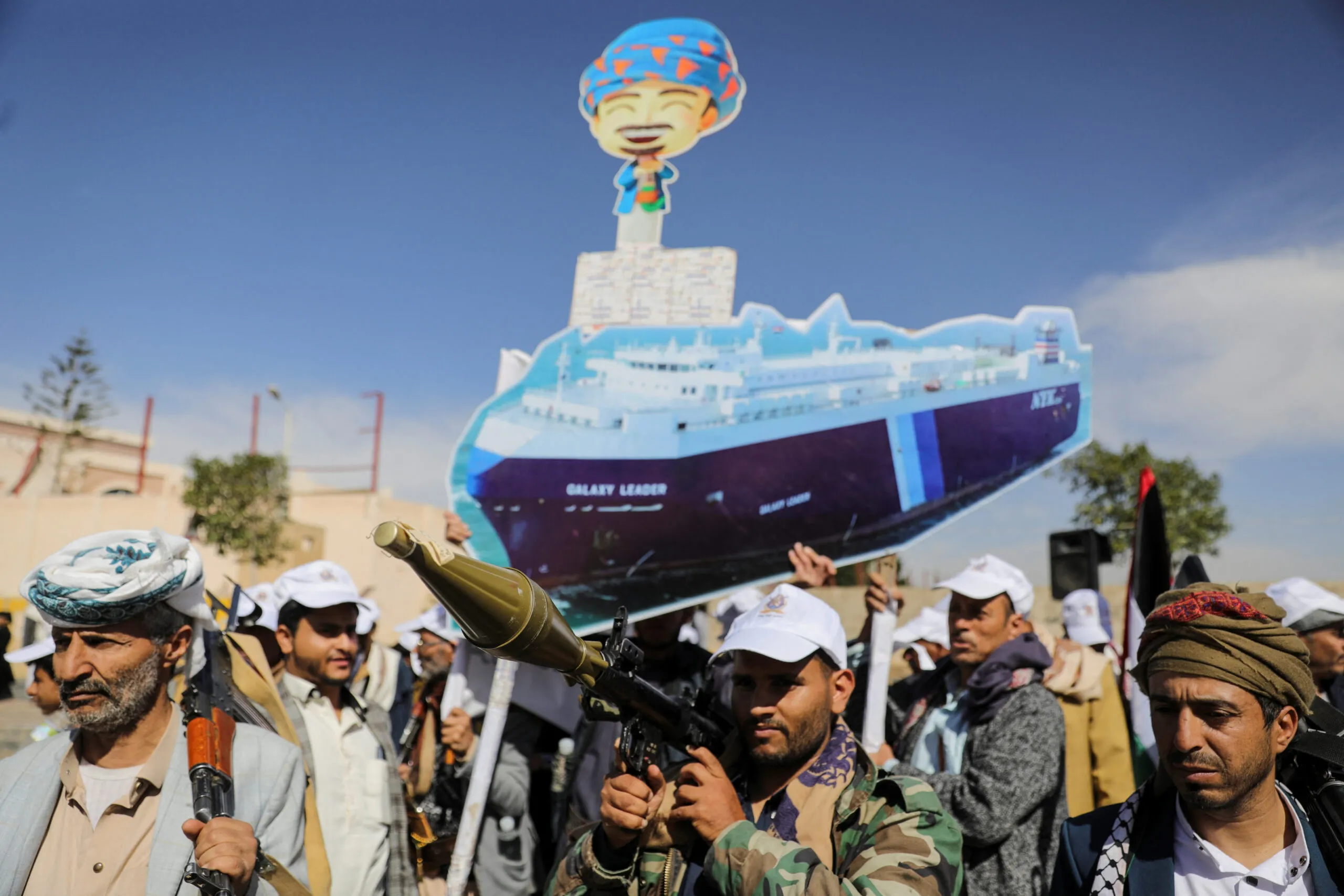
Houthi followers hold a cutout banner portraying the Galaxy Leader cargo ship, which was seized by Houthis, during a parade as part of a "popular army" mobilization campaign by the movement, in Sanaa, Yemen, February 7. (REUTERS/Khaled Abdullah)
View All