Nov 21, 2023
Former Foreign Minister Zarif’s Balancing Act on the Israel-Hamas Conflict
The November 21 edition of the Iran Media Review examines former Iranian Foreign Minister Mohammad Javad Zarif’s calculated stance on the Israel-Hamas conflict.

Neither a hard-liner nor a reformist, former Iranian Foreign Minister Mohammad Javad Zarif is an apparatchik, a man of the system harboring political ambitions. As such, it is no surprise that he on the one hand follows the regime’s line of extending support to Hamas but on the other recently emphasized that Iran is not obliged to “fight the war of the downtrodden.”
- November 8: During the “Palestine Issue According to International Law” conference, Zarif said, as quoted by reformist Jamaran News:
- “We cannot consider” Israeli “settlers, who are armed and kill Palestinians, as civilians just because they are not wearing a military uniform … Well, children, the elderly, and the like are civilians, but living in settlements itself is illegal … Imagine if the Iraqis who invaded Iran” in 1980 “started settlements” on Iranian territory. “Would we have been obliged to respect their rights? They are elements of occupation. We are in need of establishing a standard. In an occupied land, the occupying force has only obligations and no rights.” The Israeli government “has neither the right to establish order nor the right to imprison or execute” the occupied people.
- Turning to public opinion in Iran and the role of Iran in the conflict, Zarif continued: “Our people should accept that we must defend what is right, but defending what is right does not mean deploying forces. Right now, the best way of defending the rights of the Palestinian nation is to not allow Israel to call Palestinians ‘a proxy’ … As stated in our constitution, the solution for Iran is to defend the downtrodden, but we are not supposed to fight the war of the downtrodden. In foreign policy, one thing is having influence and another thing is getting involved. These issues are contradictory. I also believe the people” of Iran “are tired of paying a price. There is no need for us to pay a price” by getting involved. “We are capable of defending what is right.”
The views represented herein are the author's or speaker's own and do not necessarily reflect the views of AGSI, its staff, or its board of directors.
Related
Iran Media Review
Nov 17, 2023
Mehr News on Lebanon: “The Cradle of Resistance”
The November 17 edition of the Iran Media Review highlights a report on alleged Lebanese public support for Palestinian militant groups and war with Israel.
Iran Media Review
Nov 14, 2023
Shargh Daily: Majority of Iranians Are Indifferent Toward the Gaza Crisis
The November 14 edition of the Iran Media Review examines debate over the Iranian public’s support for Palestinians.
Nov 17, 2023
Mehr News on Lebanon: “The Cradle of Resistance”
The November 17 edition of the Iran Media Review highlights a report on alleged Lebanese public support for Palestinian militant groups and war with Israel.
Nov 14, 2023
Shargh Daily: Majority of Iranians Are Indifferent Toward the Gaza Crisis
The November 14 edition of the Iran Media Review examines debate over the Iranian public’s support for Palestinians.
Analysis
The Committee of Six and Strategic Decision Making in Iran
Remarks by Iran’s president offer a rare glimpse of how the Islamic Republic has adapted its decision making to the absence of its supreme leader.
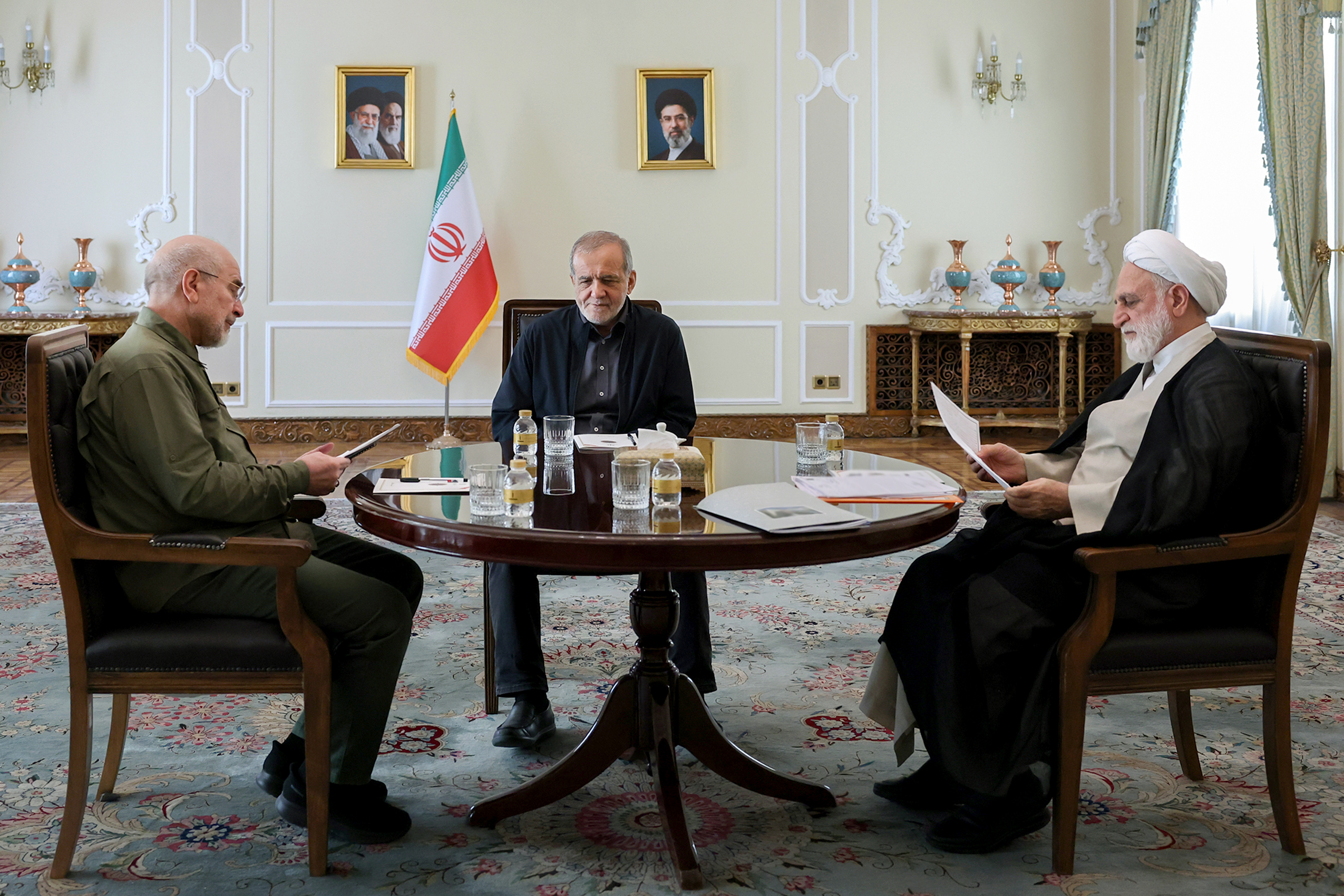
Mohsen Rezaei at the Helm of Iran’s Supreme National Security Council
Under Rezaei, the SNSC could prove constructive or paralyze strategic decision making.
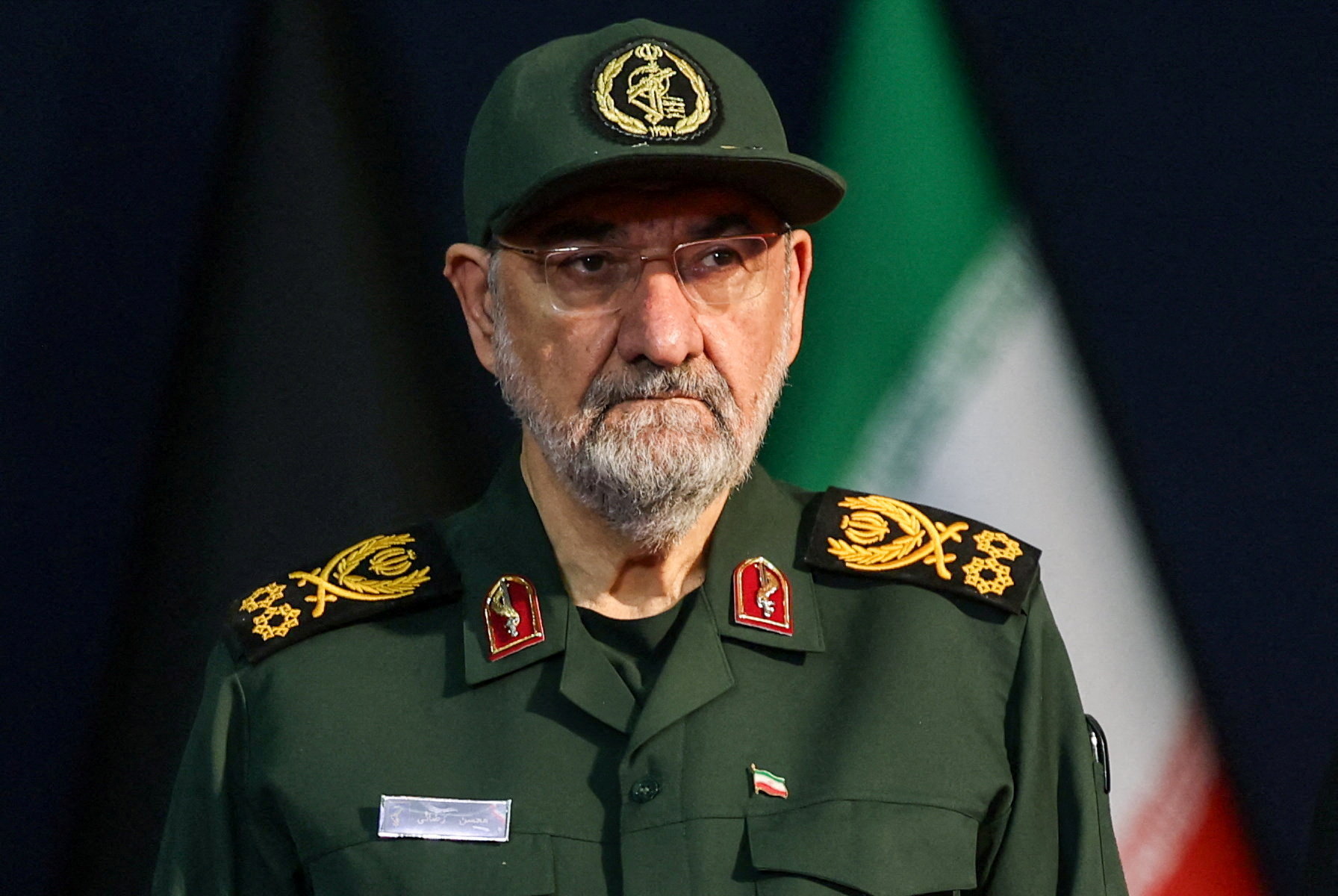
The Islamic Republic Returns to Offense
After U.S.-Israeli strikes killed Supreme Leader Ayatollah Ali Khamenei on February 28, Iran’s collective leadership has concluded that the best defense is a good offense.
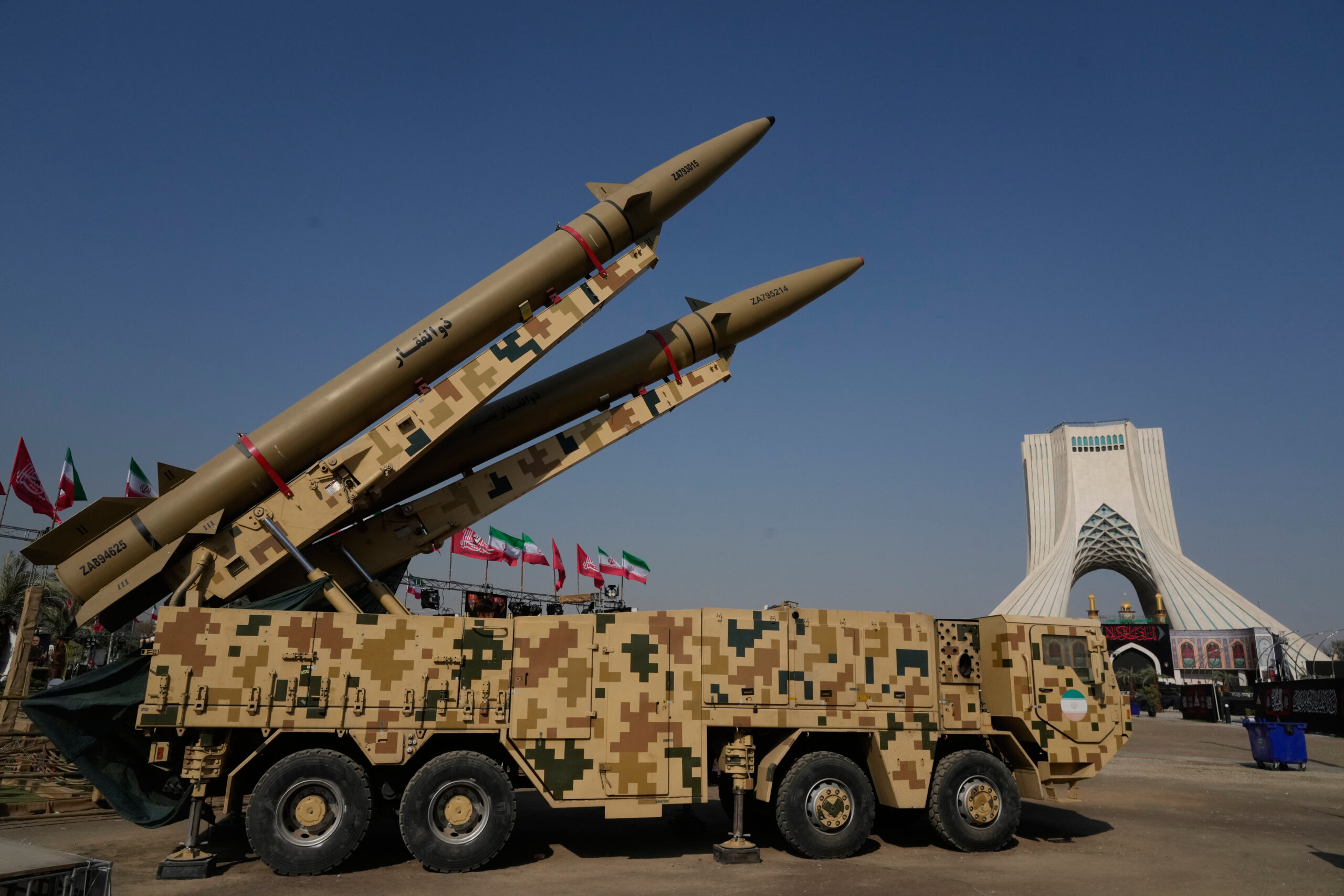
Iran’s Collective Strategic Decision Making
Wartime pressure has temporarily aligned the leadership’s overriding interest in regime survival, even as its members continue to differ over the costs, methods, and ultimate objectives of the war.
Events
Oct 6, 2026
Is the U.S.-Iran Stalemate a “New Normal” or the Prelude to Another Explosion?
On October 6, AGSI hosted a discussion on the U.S.-Iran stalemate and the prospects for a cease-fire.
Speakers



Book Talk: Iran and the Bomb: The United States, Iran and the Nuclear Question
On June 16, AGSI hosted a discussion on the evolution of Iran's nuclear program.
Speakers
Apr 21, 2026
Inside Iran’s Wartime Leadership: Power, Succession, and Regime Stability
On April 21, AGSI hosted a discussion on the evolution of Iran's leadership during the war.
Speakers

Mar 18, 2026
In Its Conflict With the United States and Israel, Does Escalation Favor Iran?
On March 18, AGSI hosted a discussion on the escalation of the Iran war.
Speakers