Nov 17, 2023
Mehr News on Lebanon: “The Cradle of Resistance”
The November 17 edition of the Iran Media Review highlights a report on alleged Lebanese public support for Palestinian militant groups and war with Israel.

Lebanese Hezbollah’s political leadership does not appear to have any interest in getting entangled in the Israel-Hamas conflict. And Iran appears to perceive Hezbollah principally as a deterrent against potential Israeli attacks against Iranian nuclear facilities. Meanwhile, the Iranian public seems “indifferent” to the war in Gaza. Mehr News, however, reported November 8 on the alleged popularity of Hamas in Lebanon and the willingness of the Lebanese to fight another war with Israel. Who is Mehr News trying to convince of Lebanon’s readiness for war?
- November 8: Mohammad-Ali Takht-Ravandeh of centrist Mehr News reported from Beirut:
- “With regard to the popularity of the Palestinian resistance in Lebanon, Hamas appears to top the list, followed by the Islamic Jihad Movement, Fatah, and the Popular Front for the Liberation of Palestine … Remarkably, Fatah or Palestine Liberation Organization members who are based in Lebanon do not follow the line of some of their leaders within Palestine who are in favor of collaboration” with Israel, “and there is not the slightest inclination toward collaboration and peace with the Zionists among them.”
- “In my conversations with the Lebanese, I discovered that the people of Lebanon are moving according to the strategic guidelines issued by their leader, Seyyed Hassan Nasrallah, Lebanese Hezbollah’s secretary general. This is to the extent that we can call Beirut the cradle of resistance … Talking with the young people, they said they are counting the minutes until the opening of a Lebanese front so they can participate in this war, and they are convinced and believe that in this war, too, the Axis of Resistance will defeat the Zionist regime.”
The views represented herein are the author's or speaker's own and do not necessarily reflect the views of AGSI, its staff, or its board of directors.
Related
Iran Media Review
Nov 14, 2023
Shargh Daily: Majority of Iranians Are Indifferent Toward the Gaza Crisis
The November 14 edition of the Iran Media Review examines debate over the Iranian public’s support for Palestinians.
Iran Media Review
Nov 7, 2023
Iraq Tries to Avoid Entanglement in Web of Regional Conflict
The November 7 edition of the Iran Media Review highlights Iraqi Prime Minister Mohammed al-Sudani’s visit to Tehran as attacks by Iranian-backed militias risk leading to escalation between the United States and Iran.
Nov 14, 2023
Shargh Daily: Majority of Iranians Are Indifferent Toward the Gaza Crisis
The November 14 edition of the Iran Media Review examines debate over the Iranian public’s support for Palestinians.
Nov 7, 2023
Iraq Tries to Avoid Entanglement in Web of Regional Conflict
The November 7 edition of the Iran Media Review highlights Iraqi Prime Minister Mohammed al-Sudani’s visit to Tehran as attacks by Iranian-backed militias risk leading to escalation between the United States and Iran.
Analysis
The Islamic Republic Returns to Offense
After U.S.-Israeli strikes killed Supreme Leader Ayatollah Ali Khamenei on February 28, Iran’s collective leadership has concluded that the best defense is a good offense.
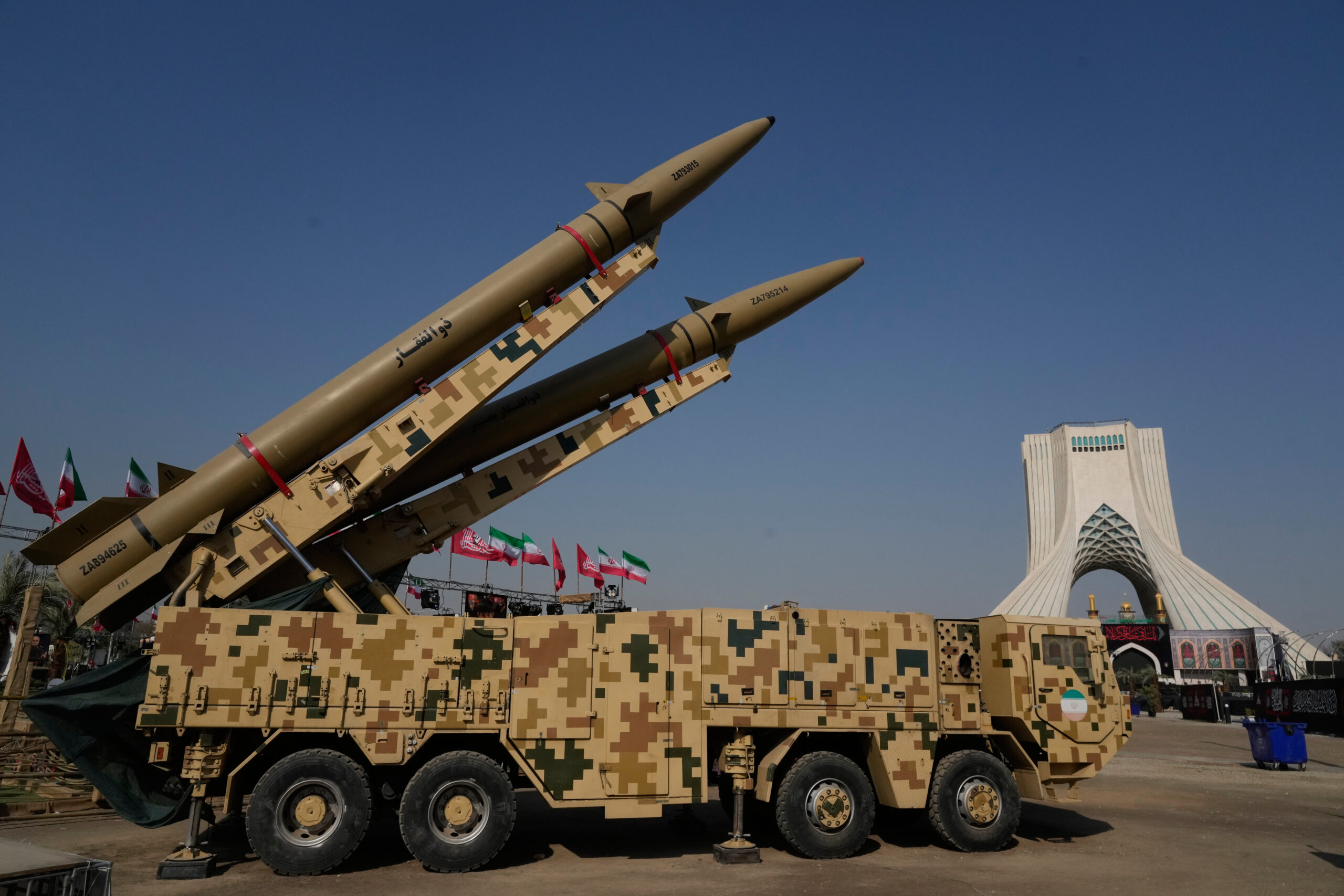
Iran’s Collective Strategic Decision Making
Wartime pressure has temporarily aligned the leadership’s overriding interest in regime survival, even as its members continue to differ over the costs, methods, and ultimate objectives of the war.
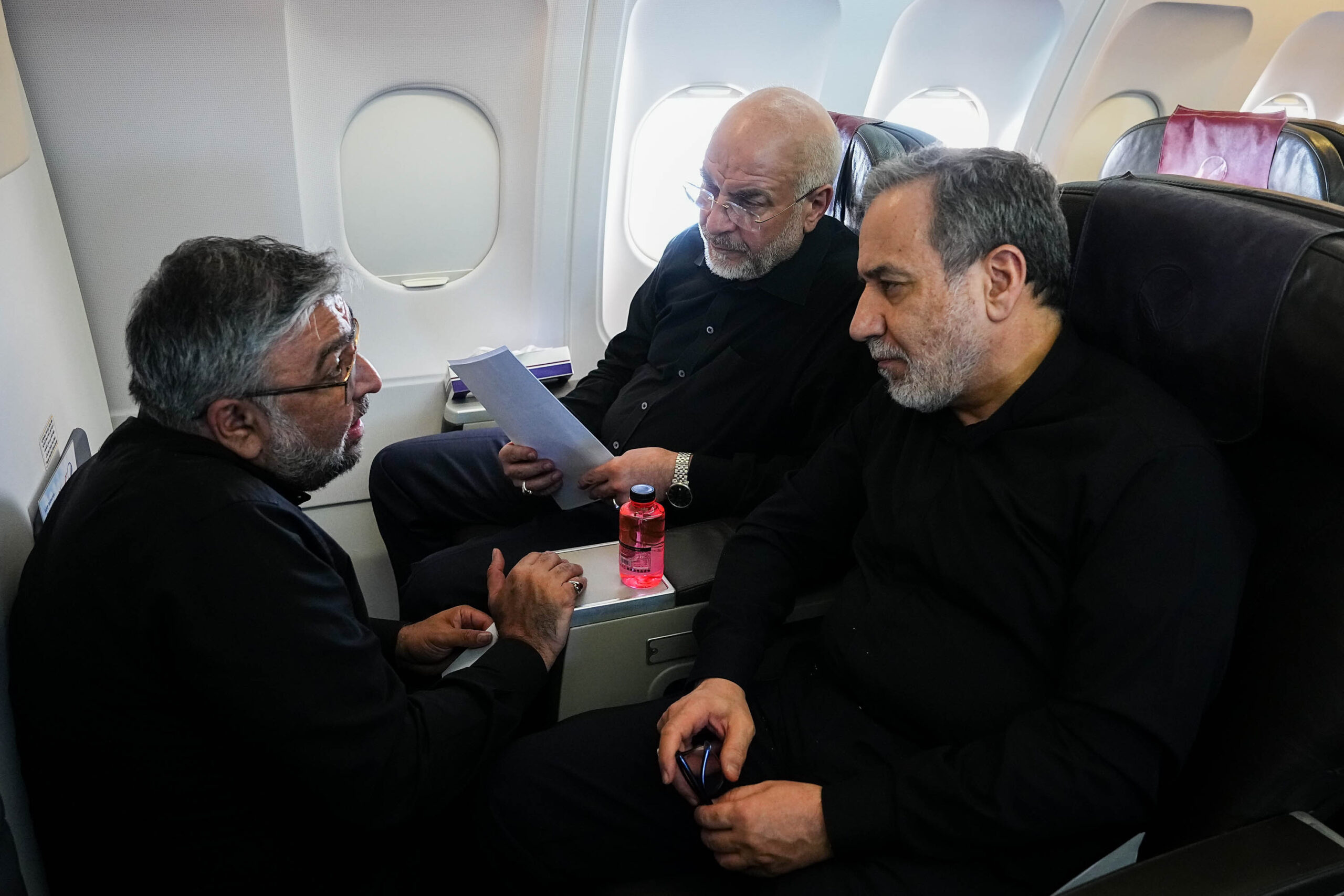
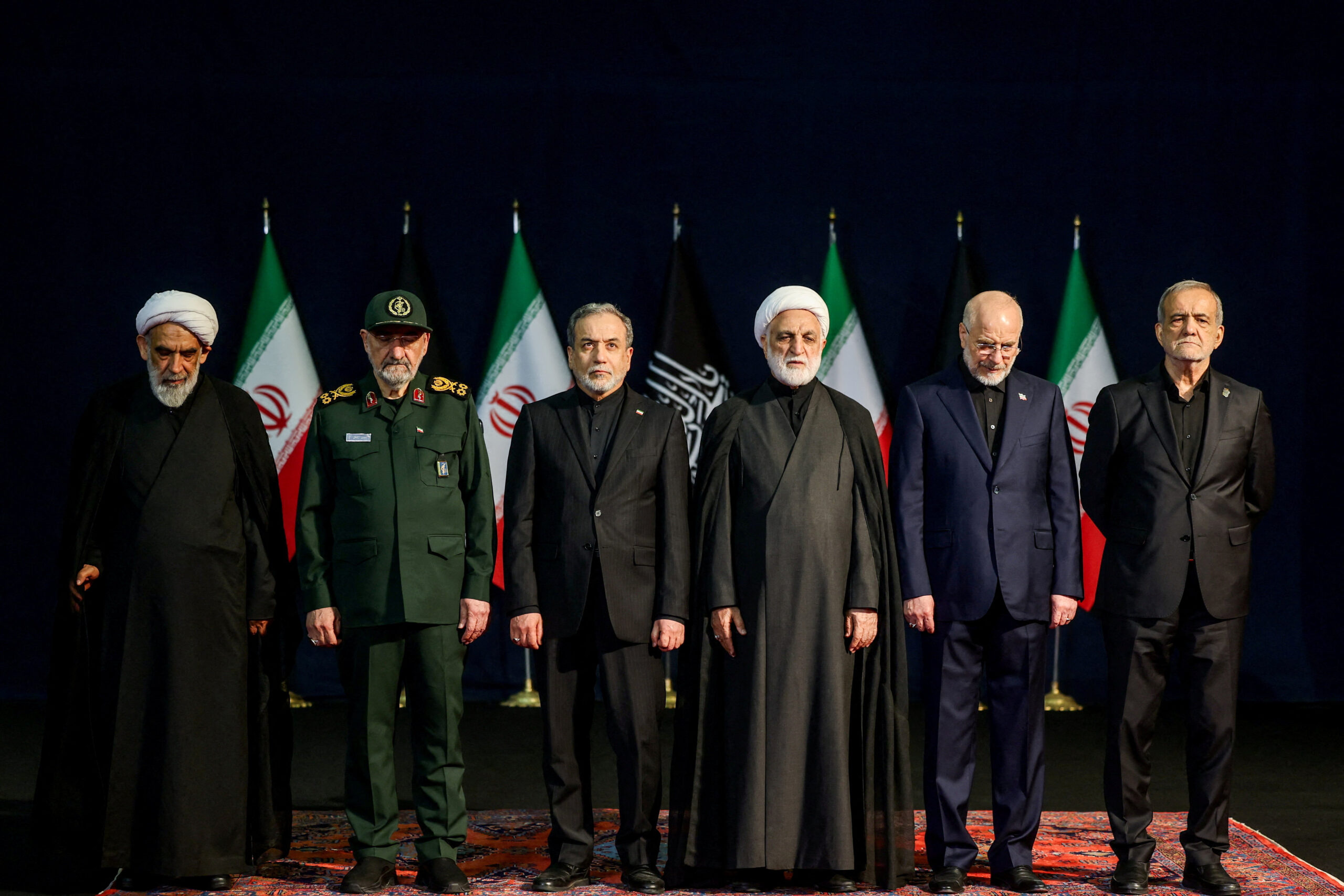
The Islamic Republic’s Collective Leadership
While there is historical precedent for collective leadership in Iran, today’s leadership includes representatives of the IRGC and regular military – a reflection of the IRGC’s expanding role and the necessities of governing under wartime conditions.
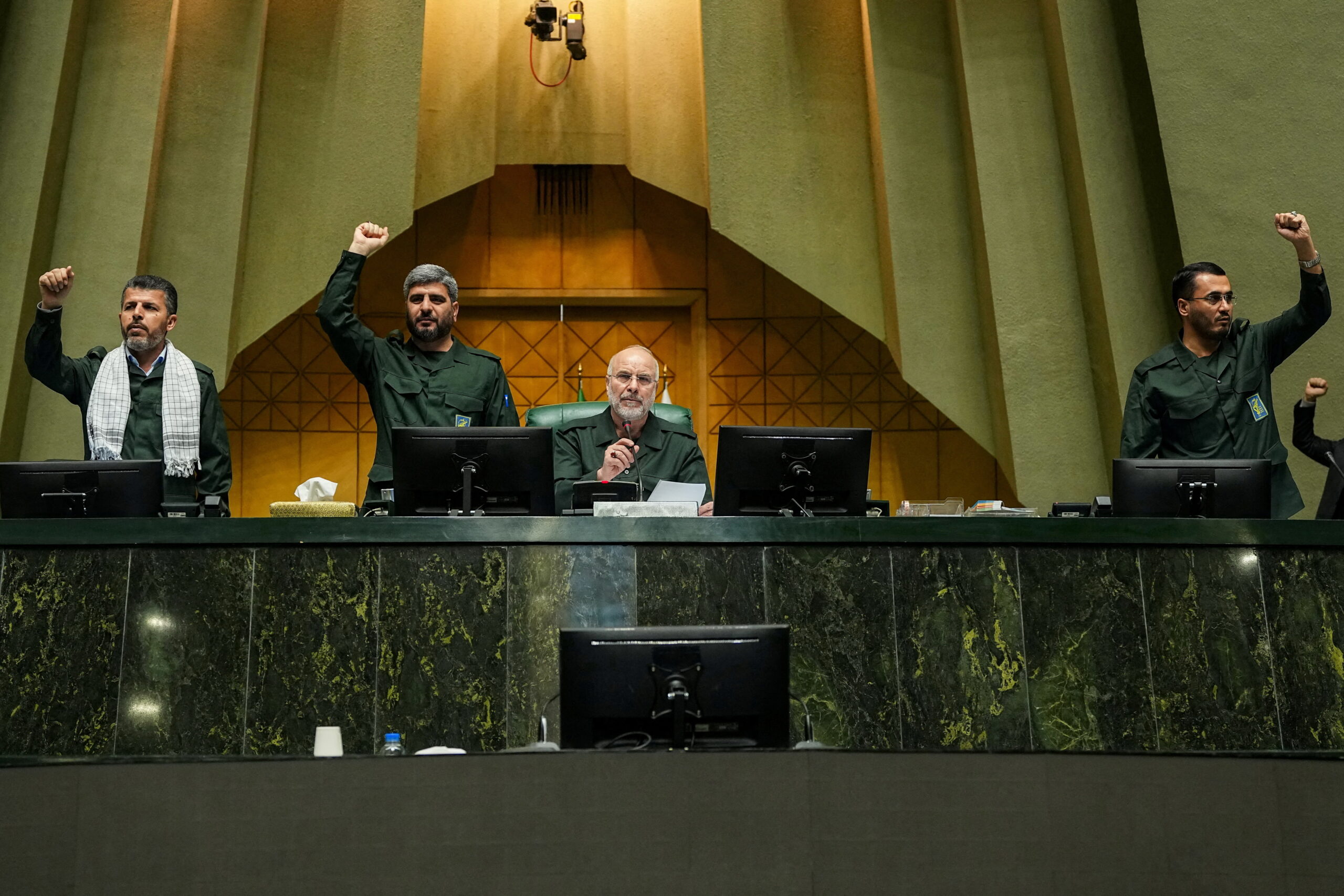
How Did the IRGC Seize Power in Iran?
The IRGC did not seize power in a single stroke. It accumulated it – patiently, methodically – until no counterweight remained.
Events
Oct 6, 2026
10:00am - 11:00am
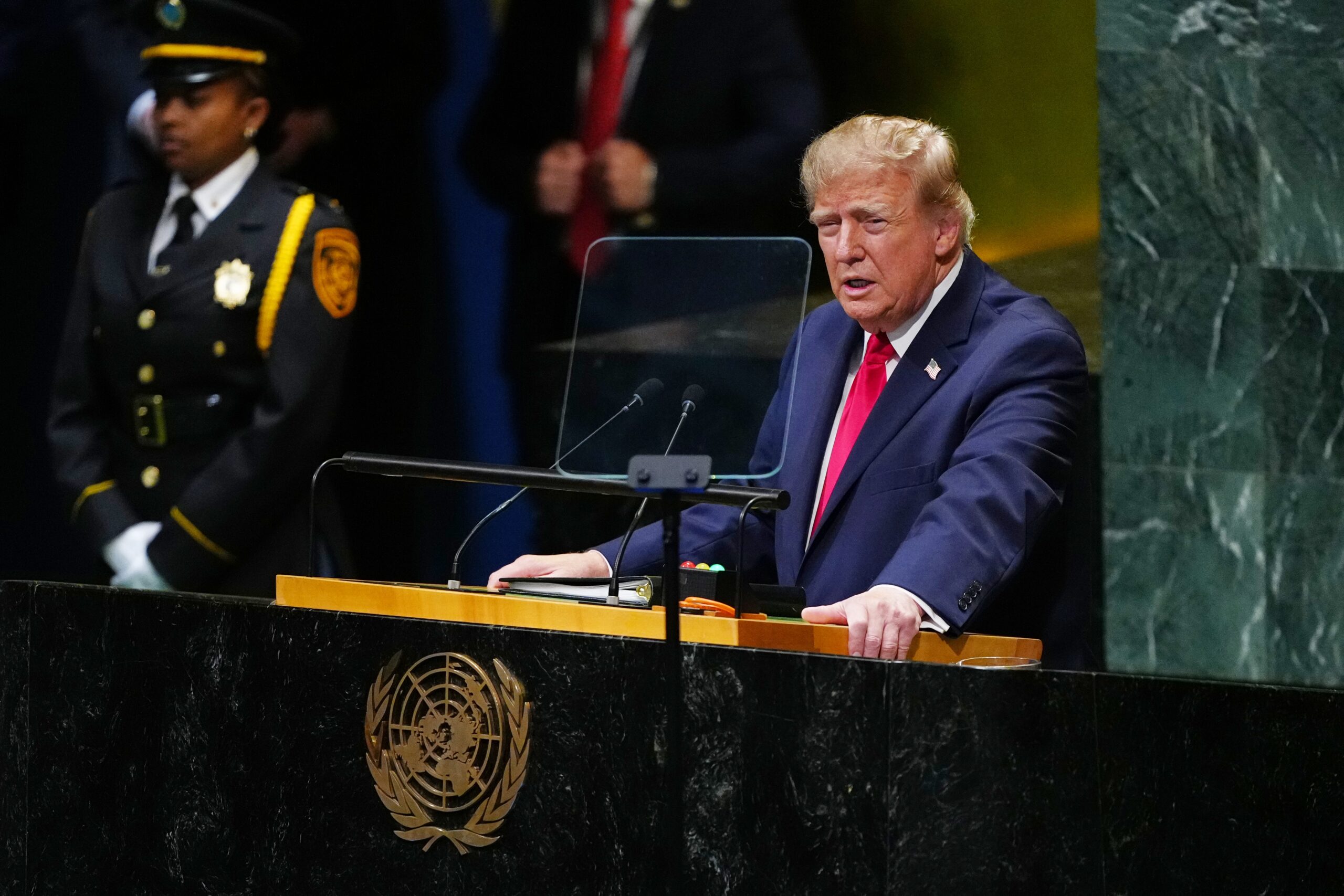
Is the U.S.-Iran Stalemate a “New Normal” or the Prelude to Another Explosion?
On October 6, AGSI will host a discussion on the U.S.-Iran stalemate and the prospects for a cease-fire.
Speakers



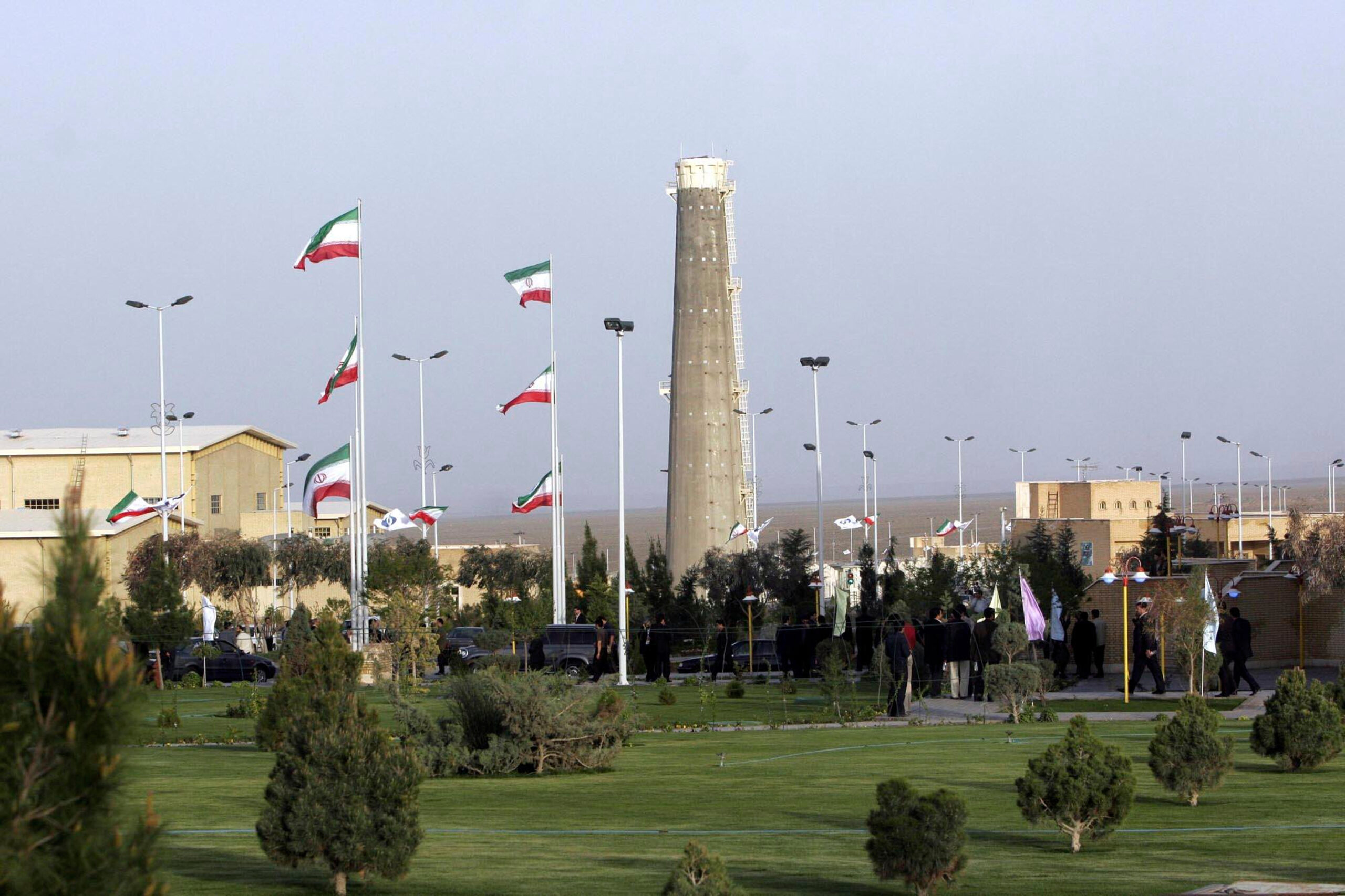
Book Talk: Iran and the Bomb: The United States, Iran and the Nuclear Question
On June 16, AGSI hosted a discussion on the evolution of Iran's nuclear program.
Speakers
Apr 21, 2026
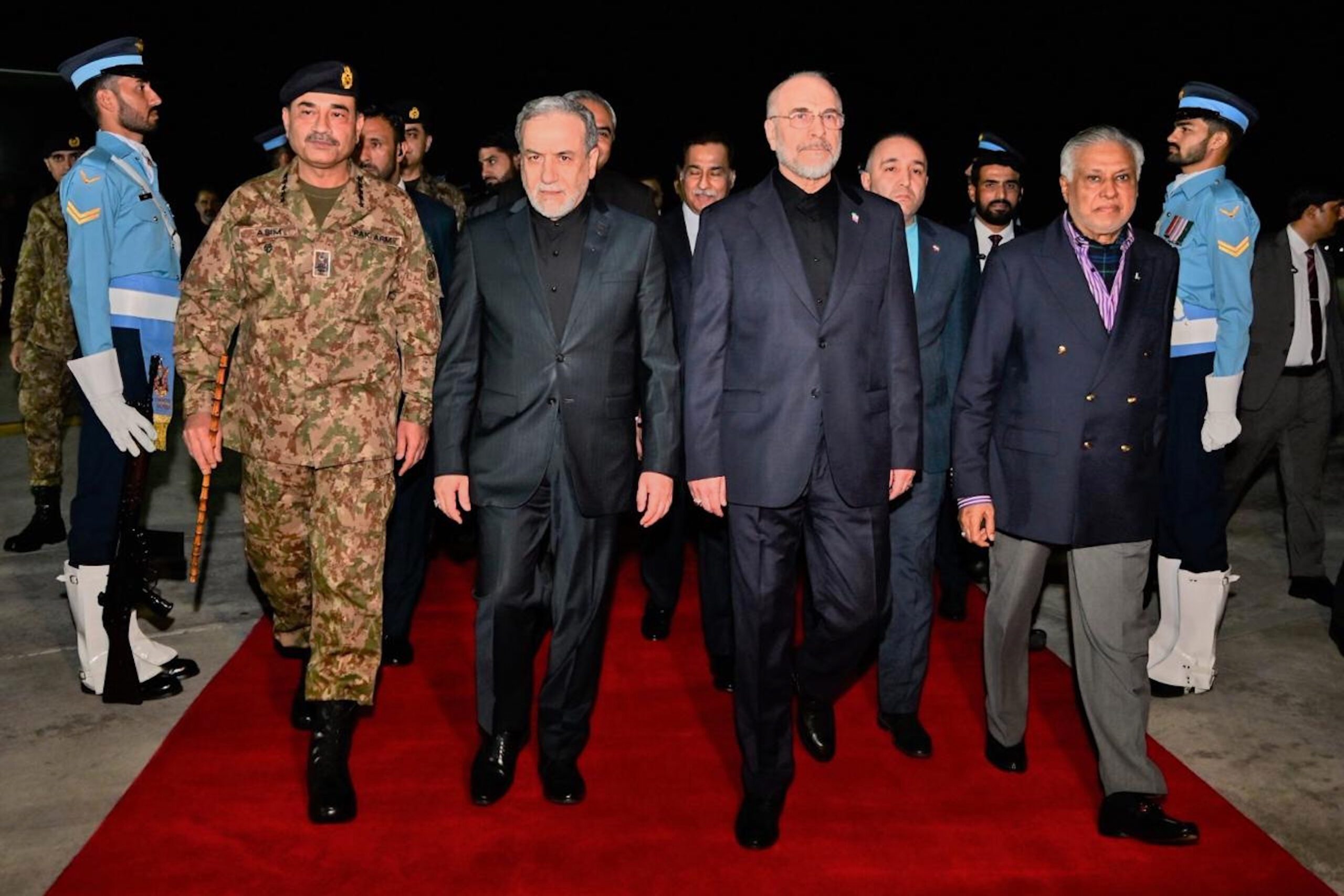
Inside Iran’s Wartime Leadership: Power, Succession, and Regime Stability
On April 21, AGSI hosted a discussion on the evolution of Iran's leadership during the war.
Speakers

Mar 18, 2026
In Its Conflict With the United States and Israel, Does Escalation Favor Iran?
On March 18, AGSI hosted a discussion on the escalation of the Iran war.
Speakers