Nov 14, 2023
Shargh Daily: Majority of Iranians Are Indifferent Toward the Gaza Crisis
The November 14 edition of the Iran Media Review examines debate over the Iranian public’s support for Palestinians.

On November 7, retired Iranian diplomat Kourosh Ahmadi argued in Shargh Daily that Iranians are indifferent to the Israel-Hamas conflict and Palestinian suffering. The editorial was met with a sharp reaction from Islamic Revolutionary Guard Corps mouthpiece Mashregh News. Mashregh accused him of repeating “Zionist propaganda” allegedly aimed at “souring relations” between Iranians and Palestinians. The truth, however, is much more bitter than Ahmadi’s cautious formulation. Those Iranians who see the Islamic Republic as their enemy tend to perceive the enemy of their enemy, in this case Israel, as their friend. Mashregh News ought not be concerned about Ahmadi’s statement of the facts but rather with the deeper unpopularity of the Islamic Republic.
- November 7: In an editorial for reformist Shargh Daily, Ahmadi depicted Iranians as largely “indifferent” toward the war in Gaza and the plight of Palestinians:
- In Iran, the debate about the Israel-Hamas conflict “is not just about the current war but has a wider dimension concerning developments within Iran and the relationship between the people and the regime. Therefore, we are witnessing contradictory positionings ranging from radical right to radical leftist views, the like of which cannot be found in Islamic states. Indifference is the most visible characteristic in the reactions of the majority of Iranians toward this crisis. This indifference is understandable but not defensible. It is understandable since the people’s demands” from the regime “are ignored, and they can therefore not be expected to be sensitive to matters of interest to the regime. But it is not defensible since the Palestinian issue is of primary importance for who we are, for the future of our policy, and for the role of the law and morality in our domestic politics … At a very minimum, every Iranian ought to feel solidarity with the people of Palestine at an individual level.”
- November 8: Mashregh News condemned Ahmadi’s editorial as a repetition of “Zionist propaganda”:
- “Apart from Shargh Daily, BBC Persian, too, has made this claim. This is how Zionist media works on the people of Iran so that they perceive Palestinians as the enemies of the people of Iran. A similar psychological operation was done against the people of Palestine. Western and certain Arab media outlets constantly tell Palestinians: ‘Iranians want to’” fight Israel “‘to the last drop of Palestinian blood.’ They spread all sorts of rumors in Palestine about Iran, but the people of Palestine still perceive Iran as a country that aids the resistance and a country whose population supports Palestine … The Zionists are engaged in a futile effort to sour the relations between the people of Palestine and Iran.”
The views represented herein are the author's or speaker's own and do not necessarily reflect the views of AGSI, its staff, or its board of directors.
Related
Iran Media Review
Nov 7, 2023
Iraq Tries to Avoid Entanglement in Web of Regional Conflict
The November 7 edition of the Iran Media Review highlights Iraqi Prime Minister Mohammed al-Sudani’s visit to Tehran as attacks by Iranian-backed militias risk leading to escalation between the United States and Iran.
Iran Media Review
Nov 3, 2023
Iranian Proxies and Proxies of the Proxies
The November 3 edition of the Iran Media Review examines the stances of Iran and its allied militias on recent attacks against Israel.
Nov 7, 2023
Iraq Tries to Avoid Entanglement in Web of Regional Conflict
The November 7 edition of the Iran Media Review highlights Iraqi Prime Minister Mohammed al-Sudani’s visit to Tehran as attacks by Iranian-backed militias risk leading to escalation between the United States and Iran.
Nov 3, 2023
Iranian Proxies and Proxies of the Proxies
The November 3 edition of the Iran Media Review examines the stances of Iran and its allied militias on recent attacks against Israel.
Analysis
The Islamic Republic Returns to Offense
After U.S.-Israeli strikes killed Supreme Leader Ayatollah Ali Khamenei on February 28, Iran’s collective leadership has concluded that the best defense is a good offense.
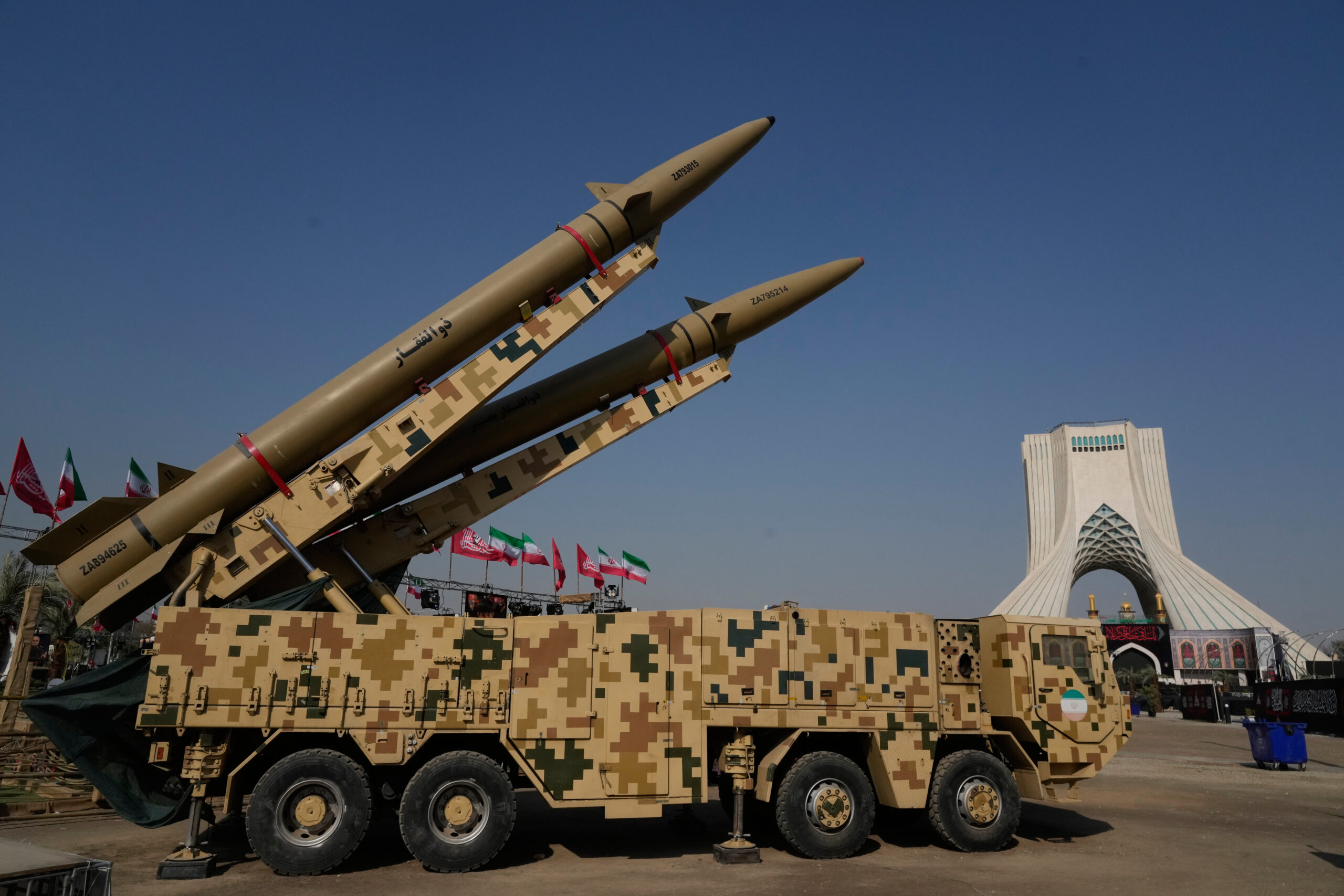
Iran’s Collective Strategic Decision Making
Wartime pressure has temporarily aligned the leadership’s overriding interest in regime survival, even as its members continue to differ over the costs, methods, and ultimate objectives of the war.
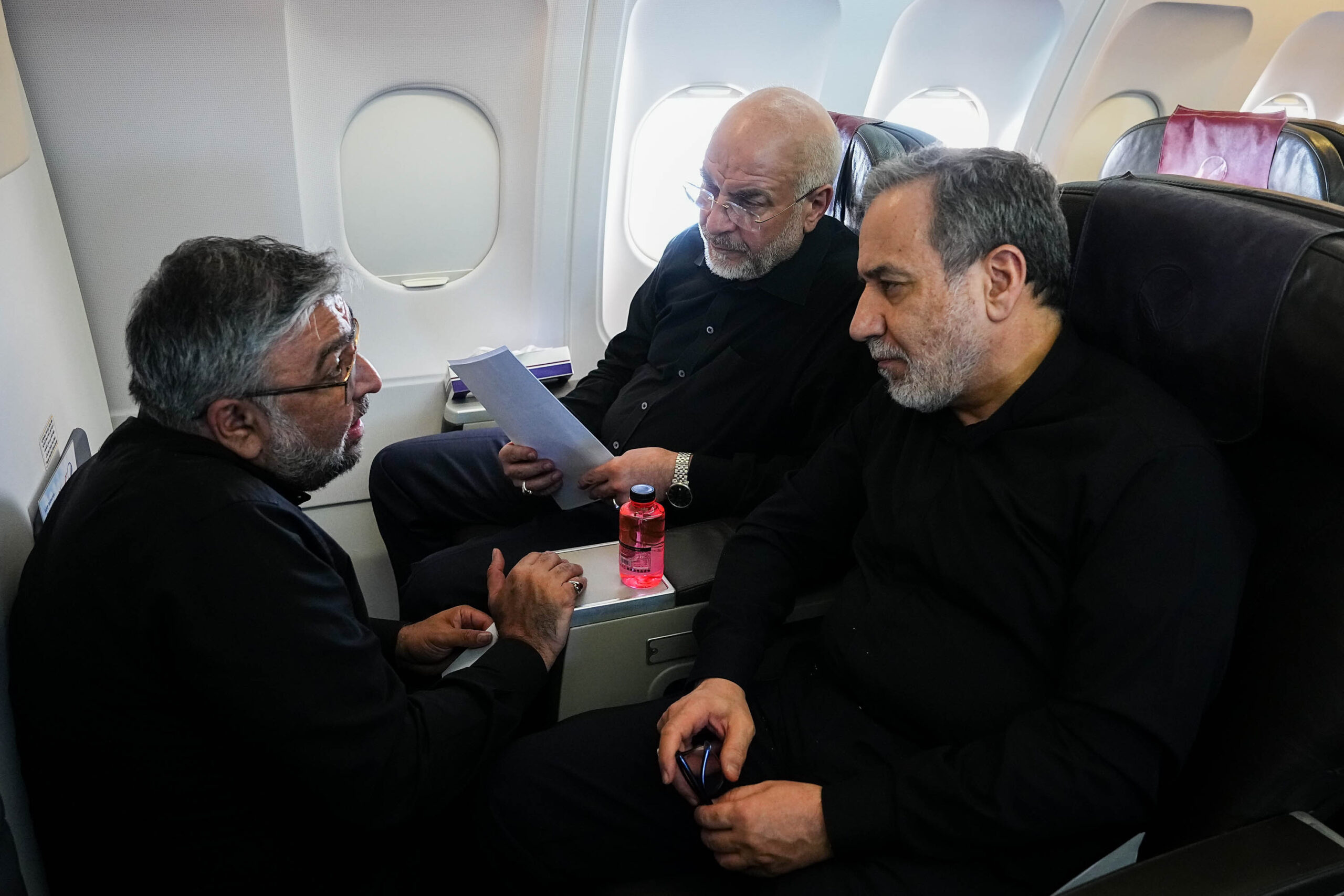
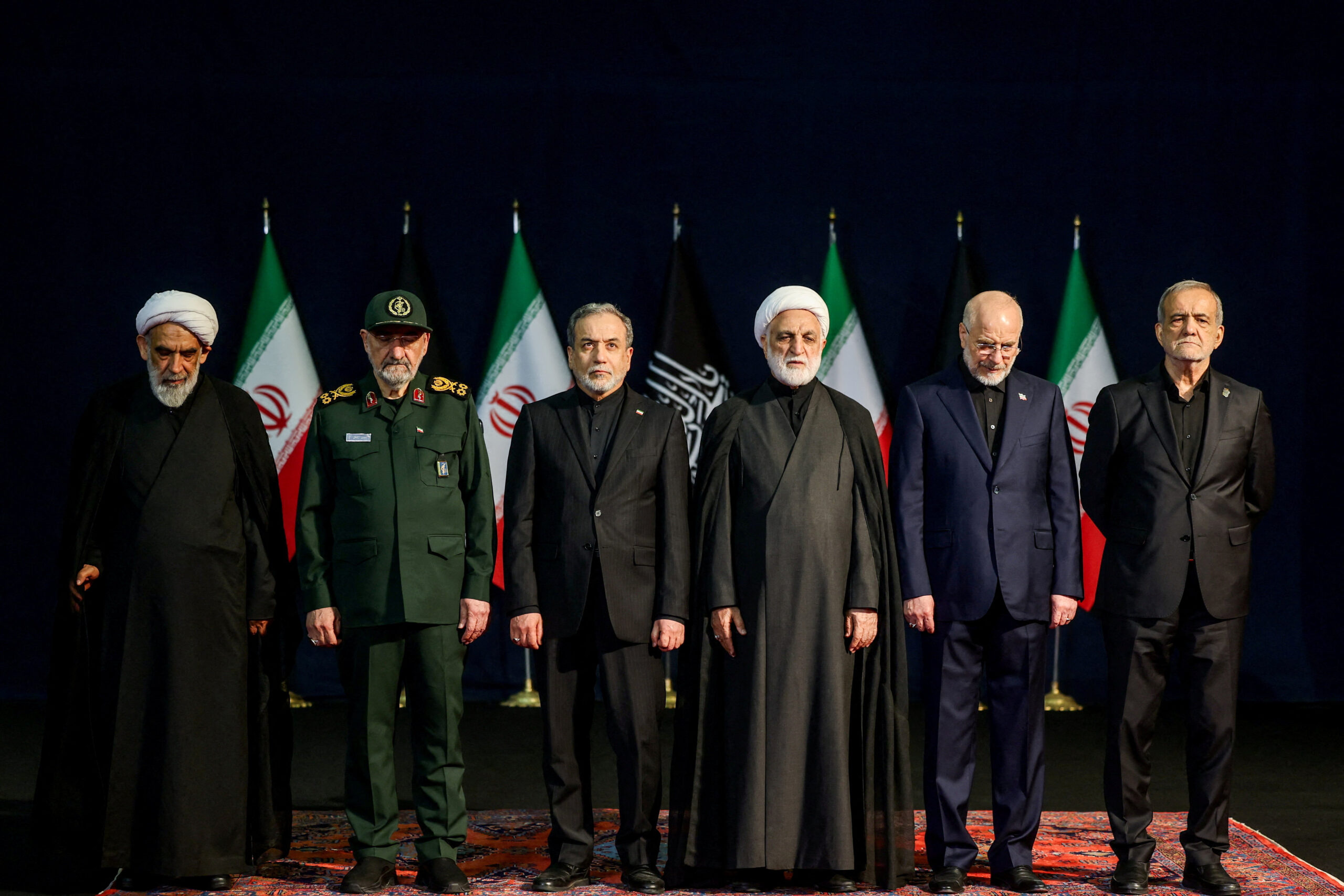
The Islamic Republic’s Collective Leadership
While there is historical precedent for collective leadership in Iran, today’s leadership includes representatives of the IRGC and regular military – a reflection of the IRGC’s expanding role and the necessities of governing under wartime conditions.
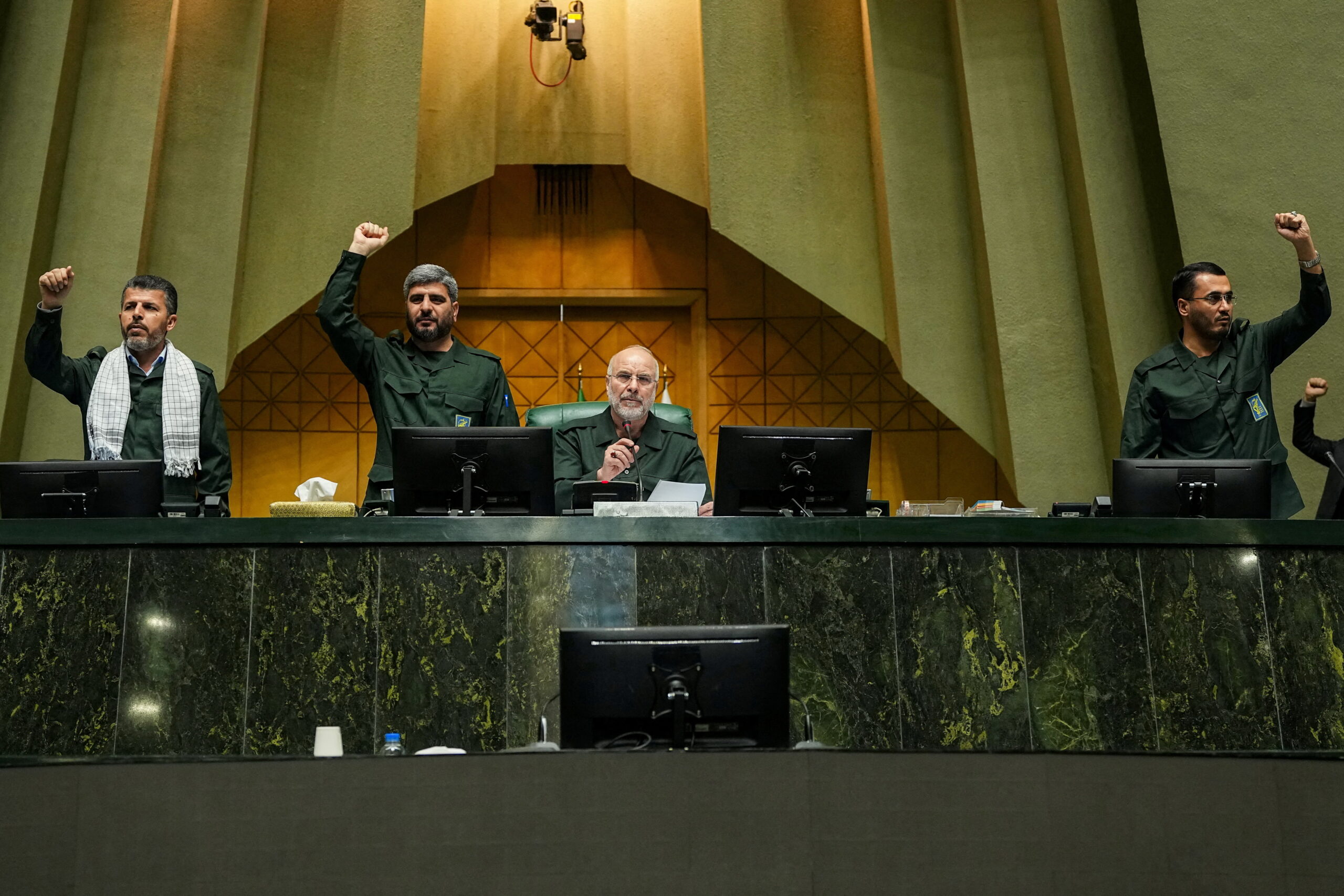
How Did the IRGC Seize Power in Iran?
The IRGC did not seize power in a single stroke. It accumulated it – patiently, methodically – until no counterweight remained.
Events
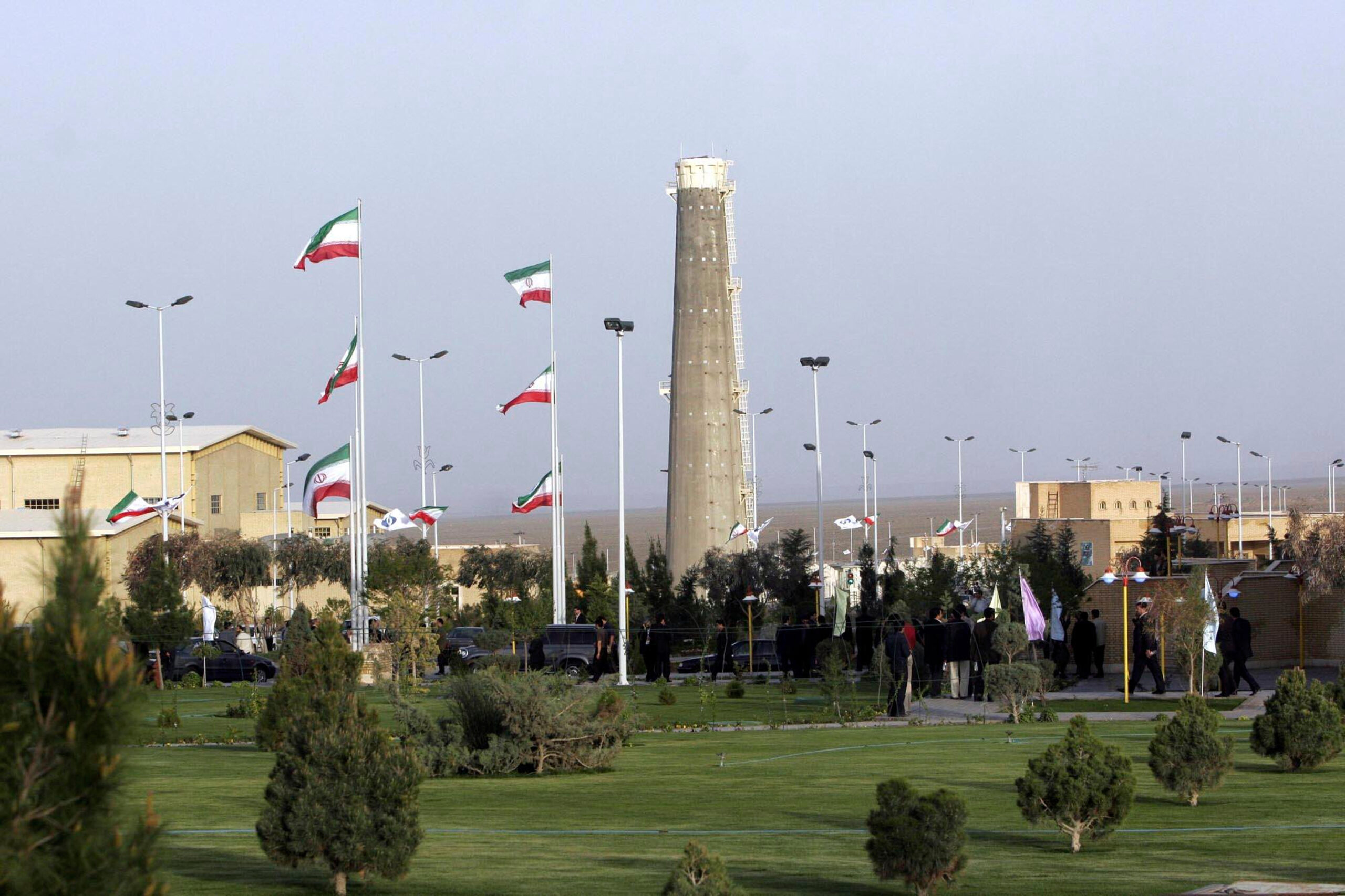
Book Talk: Iran and the Bomb: The United States, Iran and the Nuclear Question
On June 16, AGSI hosted a discussion on the evolution of Iran's nuclear program.
Speakers

Apr 21, 2026
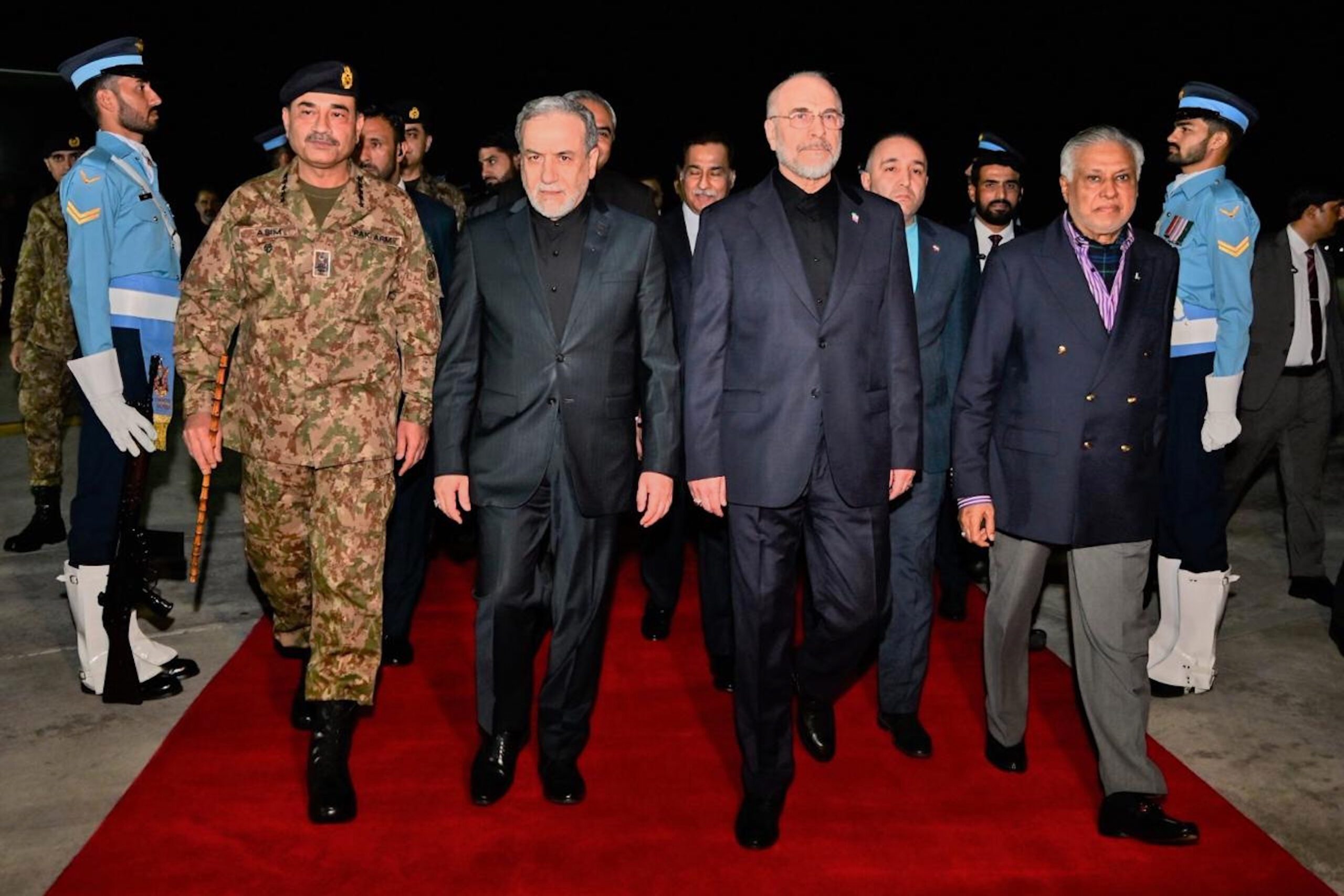
Inside Iran’s Wartime Leadership: Power, Succession, and Regime Stability
On April 21, AGSI hosted a discussion on the evolution of Iran's leadership during the war.
Speakers

Mar 18, 2026
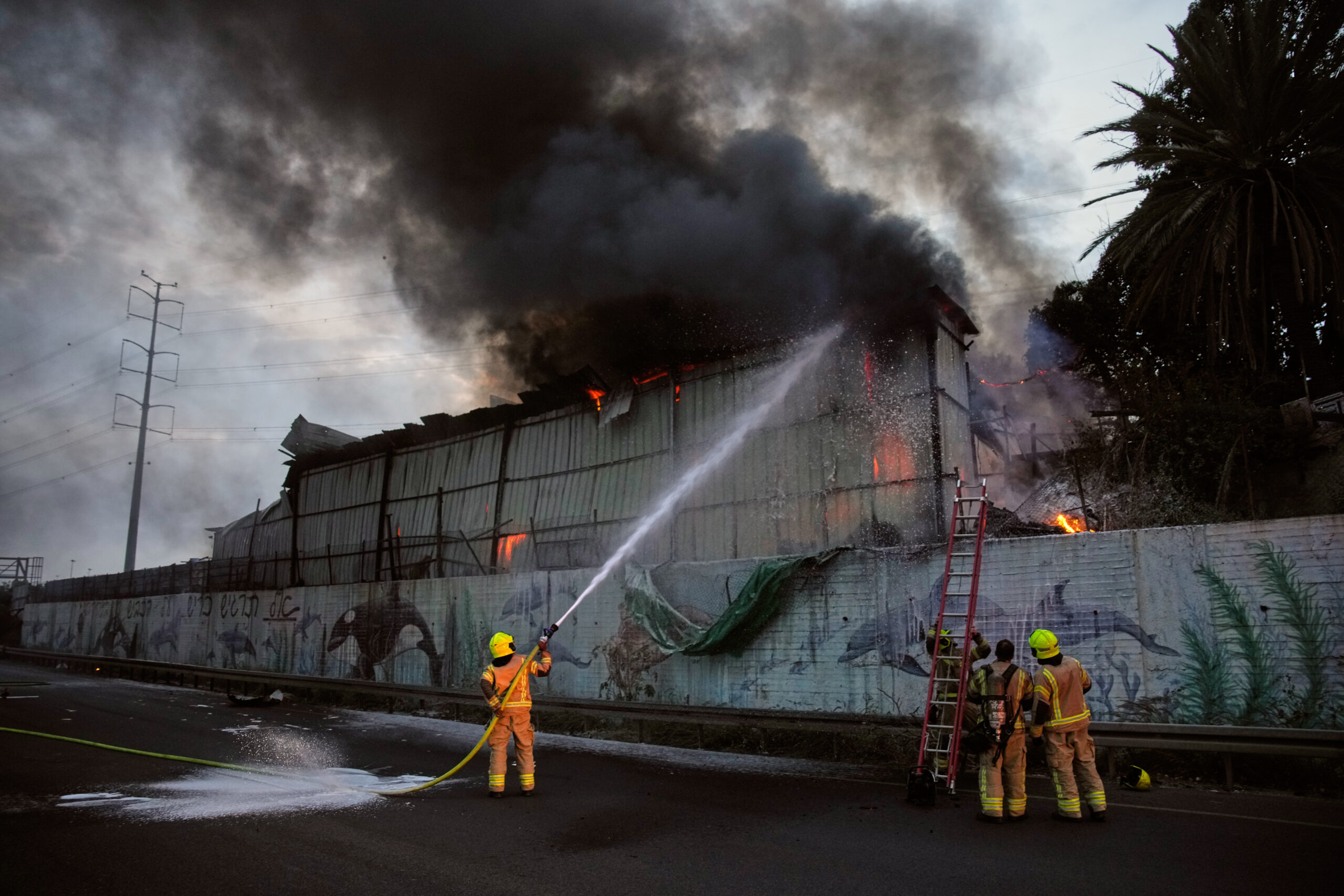
In Its Conflict With the United States and Israel, Does Escalation Favor Iran?
On March 18, AGSI hosted a discussion on the escalation of the Iran war.
Speakers


Mar 2, 2026
After the Shock: Implications of the U.S.–Israeli Strikes and Iran’s Leadership Transition
On March 2, AGSI hosted a discussion on the U.S.-Israeli strikes on Iran.
Speakers