Nov 7, 2023
Iraq Tries to Avoid Entanglement in Web of Regional Conflict
The November 7 edition of the Iran Media Review highlights Iraqi Prime Minister Mohammed al-Sudani’s visit to Tehran as attacks by Iranian-backed militias risk leading to escalation between the United States and Iran.

“The U.S. military is taking decisive self-defense military actions to defend U.S. forces that have been attacked by Iranian-backed groups in Iraq and Syria” 23 times from October 17-30, according to an October 30 Department of Defense article. Fearing the spread of the Israel-Hamas conflict and the risk of Iraq being entangled in a regional war, Iraqi Prime Minister Mohammed al-Sudani visited Tehran November 6, one day after meeting with U.S. Secretary of State Antony Blinken in Baghdad. While Iranian officials claim they have no influence over Iraqi militias, the United States is likely to hold Tehran responsible for the behavior of its proxies and allies.
- November 6: The website of Iranian Supreme Leader Ayatollah Ali Khamenei reported on his meeting with Sudani. Khamenei reportedly said:
- “From the very first days of the Zionist regime’s attacks, all evidence pointed at the direct intervention of the Americans in the management of the war. As more time passes, the motives behind direct U.S. intervention in guiding the crimes of the Zionist regime become clearer … Had it not been for arms transfers and political aid from the United States, the Zionist regime would not have been capable of continuing” the war. “The Americans are complicit in the crimes of the Zionist regime in Gaza.”
- Turning to counteractions, Khamenei said it is necessary to increase political pressure on the United States and Israel to stop the bombardment of Gaza: “In this regard, the Islamic Republic of Iran and Iraq can coordinate and be impactful.”
- November 6: Reformist Shargh Daily’s survey of recent attacks against U.S. forces in the Middle East included attacks by the Islamic Resistance of Iraq, a newly formed umbrella of militias, “against an illegal U.S. base in Tal Bidar” and a U.S. base in al-Shaddadi, both of which are in Syria’s Hasaka province. These attacks, political analyst Mojtaba Rahimi-Nia said, likely motivated Sudani’s visit to Tehran:
- “It is clear that the visit is about the activities of armed groups in Iraq” that have targeted U.S. bases in Syria in recent weeks. Sudani is hoping to “achieve a cease-fire in Palestine and prevent the spread of the conflict and insecurity to Iraq and the Middle East region.” Shargh quoted Iranian Foreign Minister Hossein Amir-Abdollahian as saying, “Groups that target American forces in Syria and Iraq act independently and have not received any guidance from Tehran … They do not receive orders from us. The Americans claim these groups are related to Iran, but the reality is that the groups make their decisions on their own.” Rahimi-Nia, however, said Sudani is aware of “Tehran’s regional influence” and is interested in persuading Iran to de-escalate.
The views represented herein are the author's or speaker's own and do not necessarily reflect the views of AGSI, its staff, or its board of directors.
Related
Iran Media Review
Nov 3, 2023
Iranian Proxies and Proxies of the Proxies
The November 3 edition of the Iran Media Review examines the stances of Iran and its allied militias on recent attacks against Israel.
Iran Media Review
Oct 31, 2023
Iran Prepares for 2024 Parliamentary Elections
The October 31 edition of the Iran Media Review highlights efforts to make the Israel-Hamas conflict a theme in Iran’s 2024 elections.
Nov 3, 2023
Iranian Proxies and Proxies of the Proxies
The November 3 edition of the Iran Media Review examines the stances of Iran and its allied militias on recent attacks against Israel.
Oct 31, 2023
Iran Prepares for 2024 Parliamentary Elections
The October 31 edition of the Iran Media Review highlights efforts to make the Israel-Hamas conflict a theme in Iran’s 2024 elections.
Analysis
The Islamic Republic Returns to Offense
After U.S.-Israeli strikes killed Supreme Leader Ayatollah Ali Khamenei on February 28, Iran’s collective leadership has concluded that the best defense is a good offense.
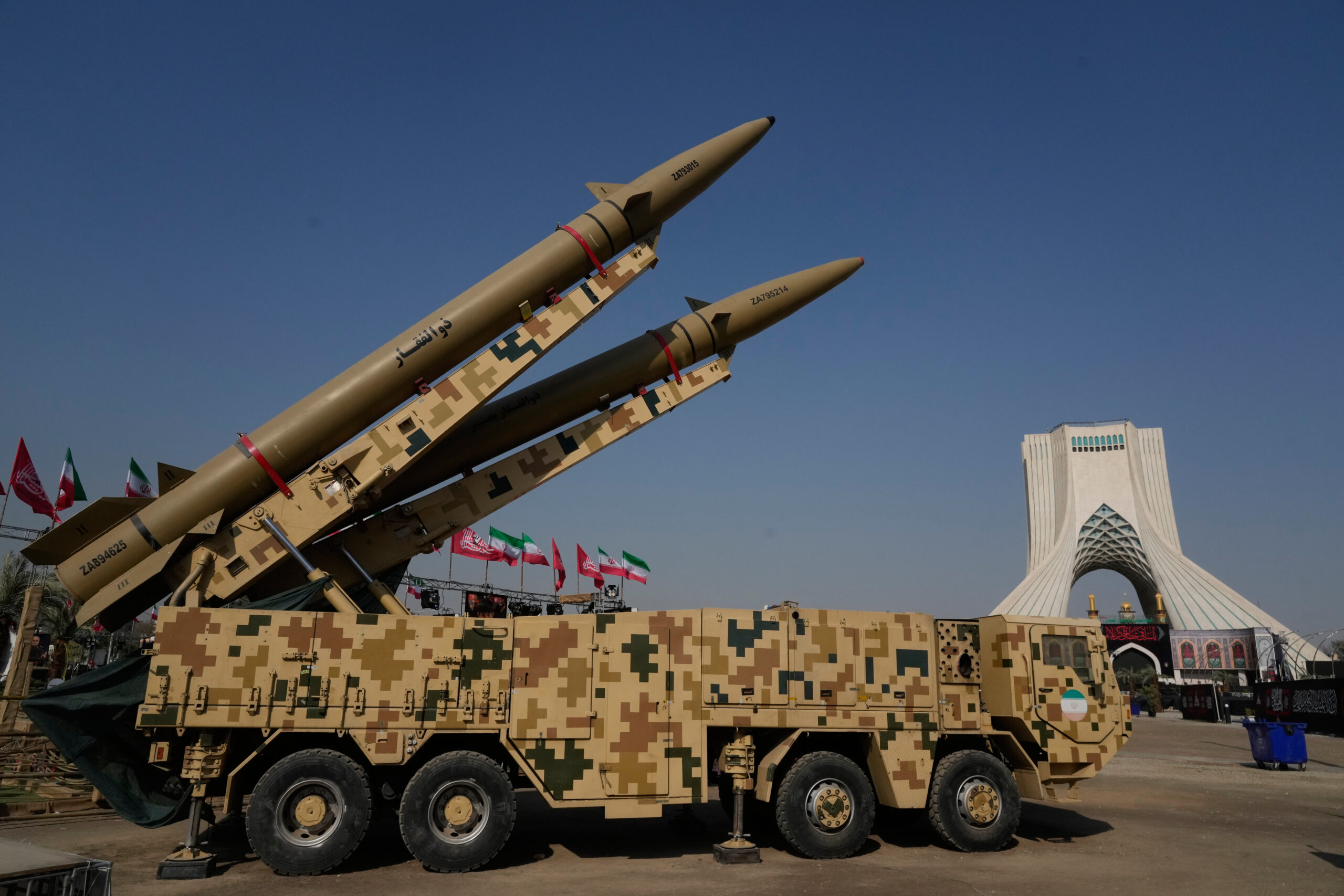
Iran’s Collective Strategic Decision Making
Wartime pressure has temporarily aligned the leadership’s overriding interest in regime survival, even as its members continue to differ over the costs, methods, and ultimate objectives of the war.
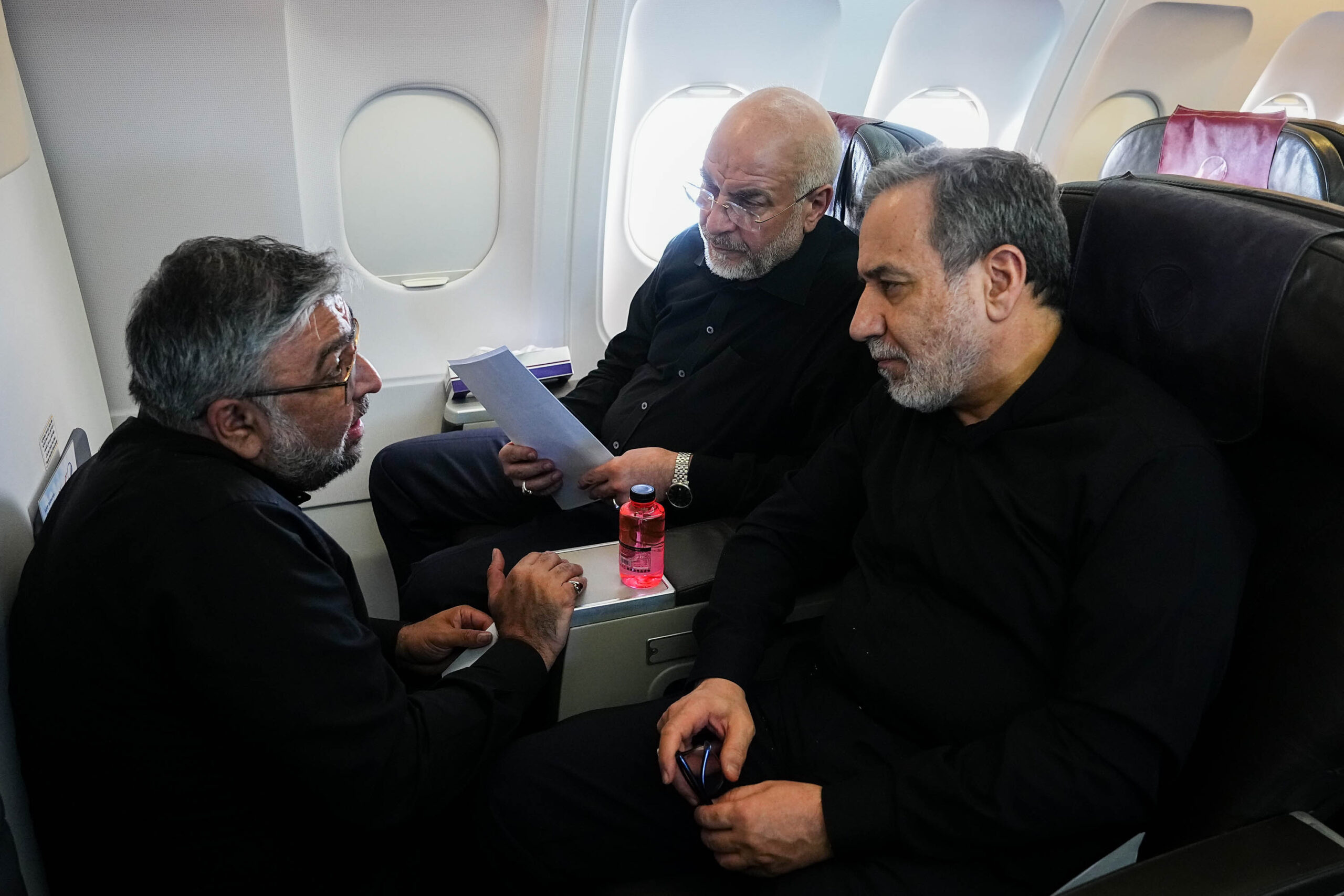
The Islamic Republic’s Collective Leadership
While there is historical precedent for collective leadership in Iran, today’s leadership includes representatives of the IRGC and regular military – a reflection of the IRGC’s expanding role and the necessities of governing under wartime conditions.
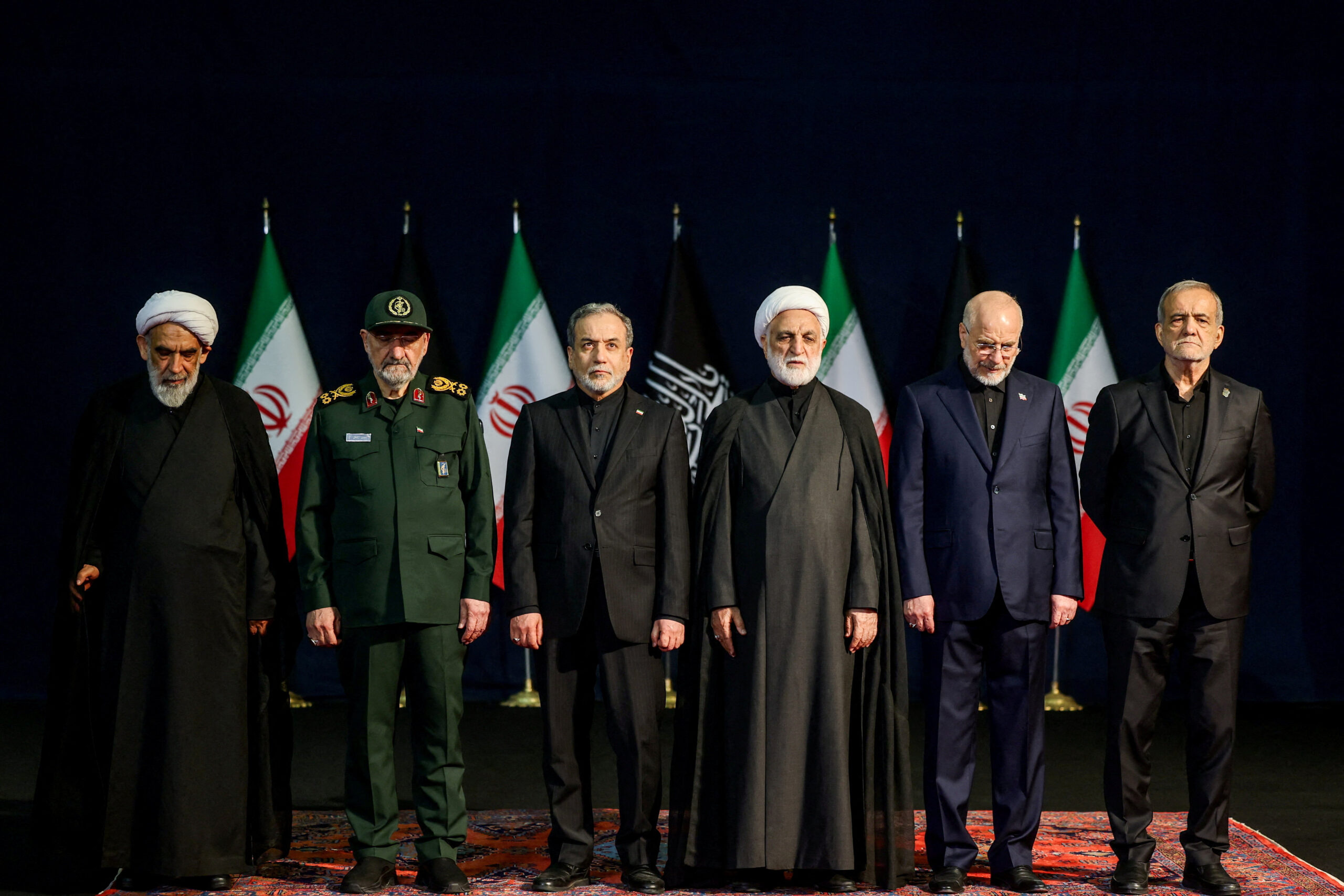
How Did the IRGC Seize Power in Iran?
The IRGC did not seize power in a single stroke. It accumulated it – patiently, methodically – until no counterweight remained.
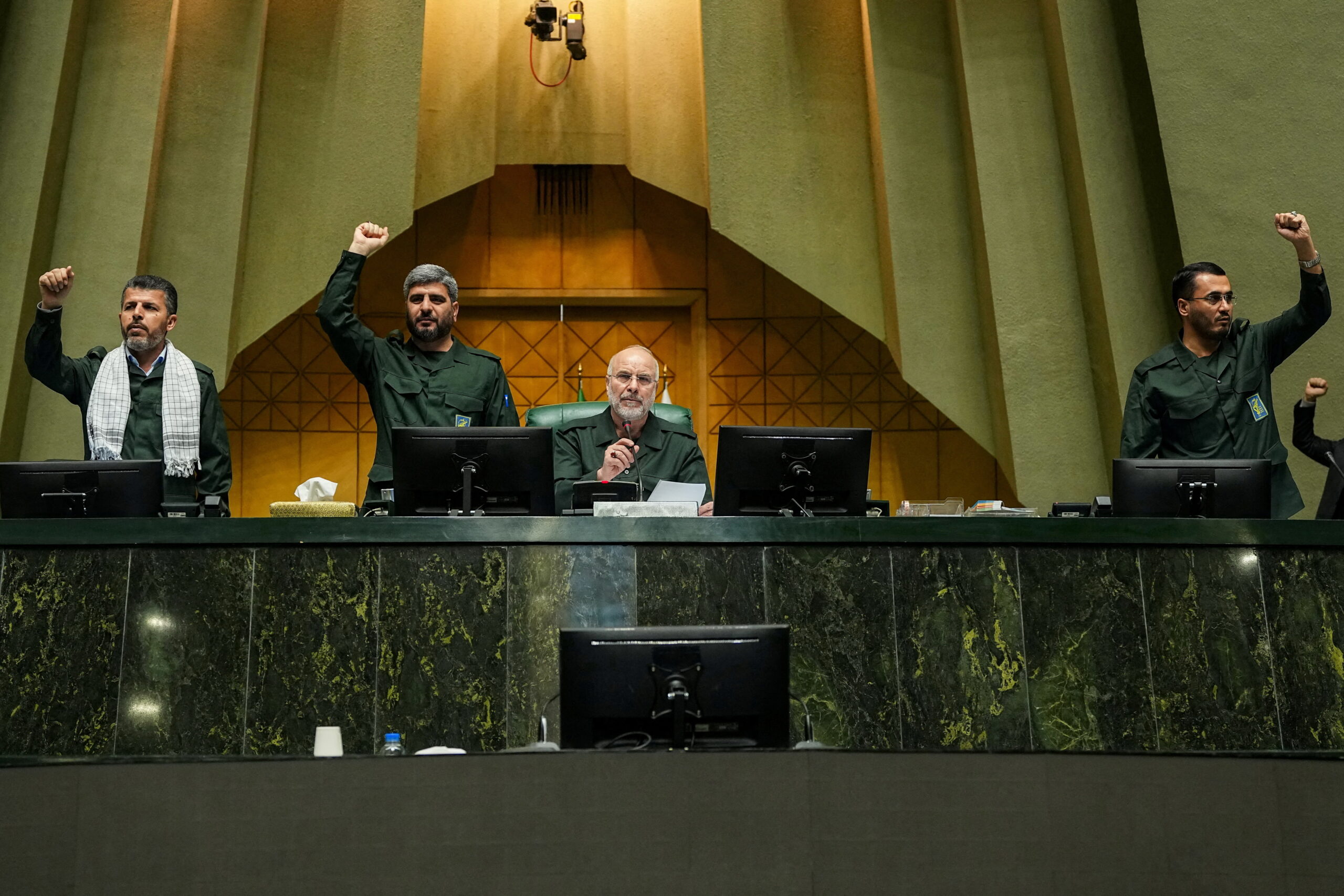
Events
Book Talk: Iran and the Bomb: The United States, Iran and the Nuclear Question
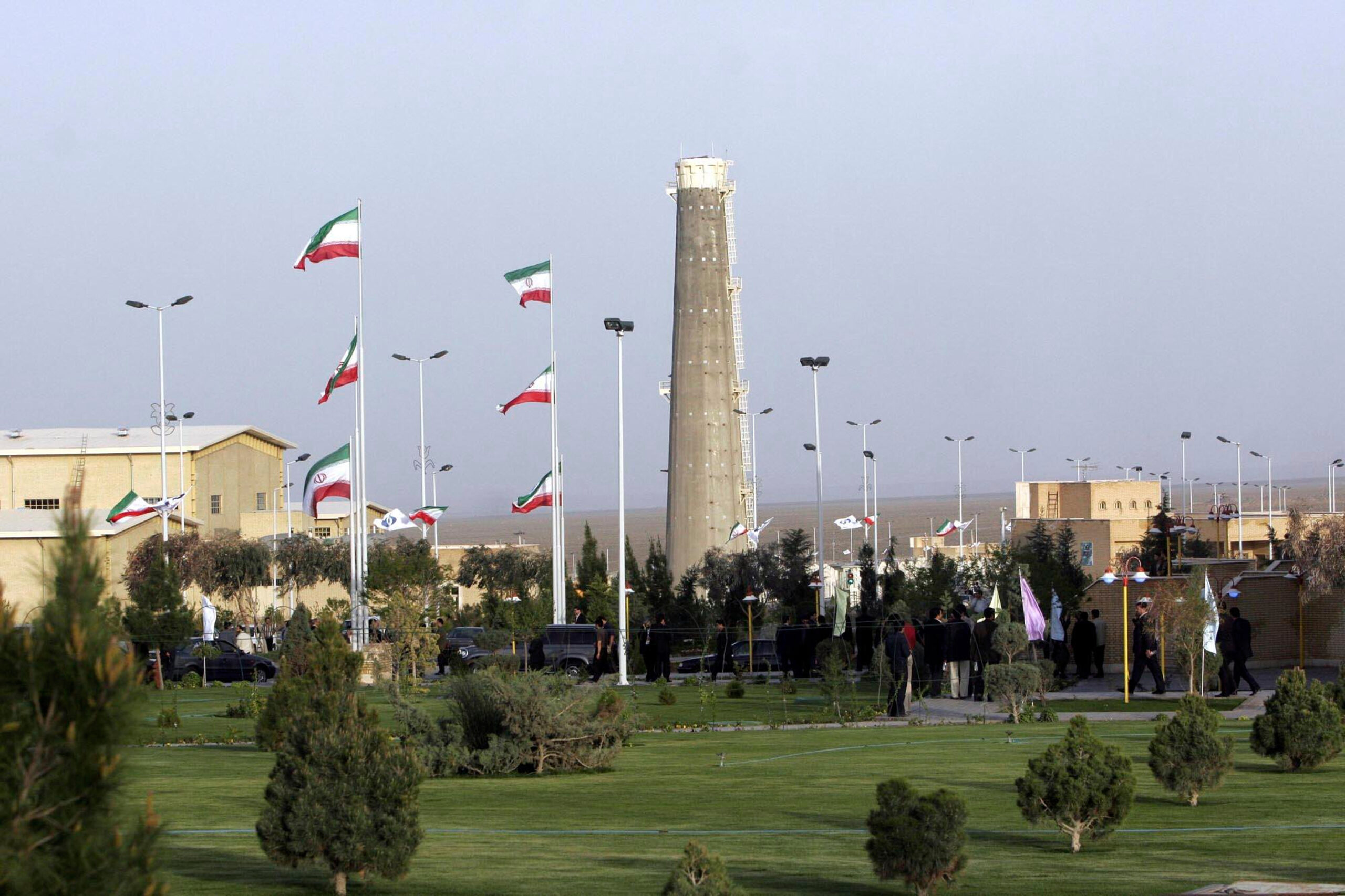
On June 16, AGSI hosted a discussion on the evolution of Iran's nuclear program.
Speakers

Apr 21, 2026
Inside Iran’s Wartime Leadership: Power, Succession, and Regime Stability
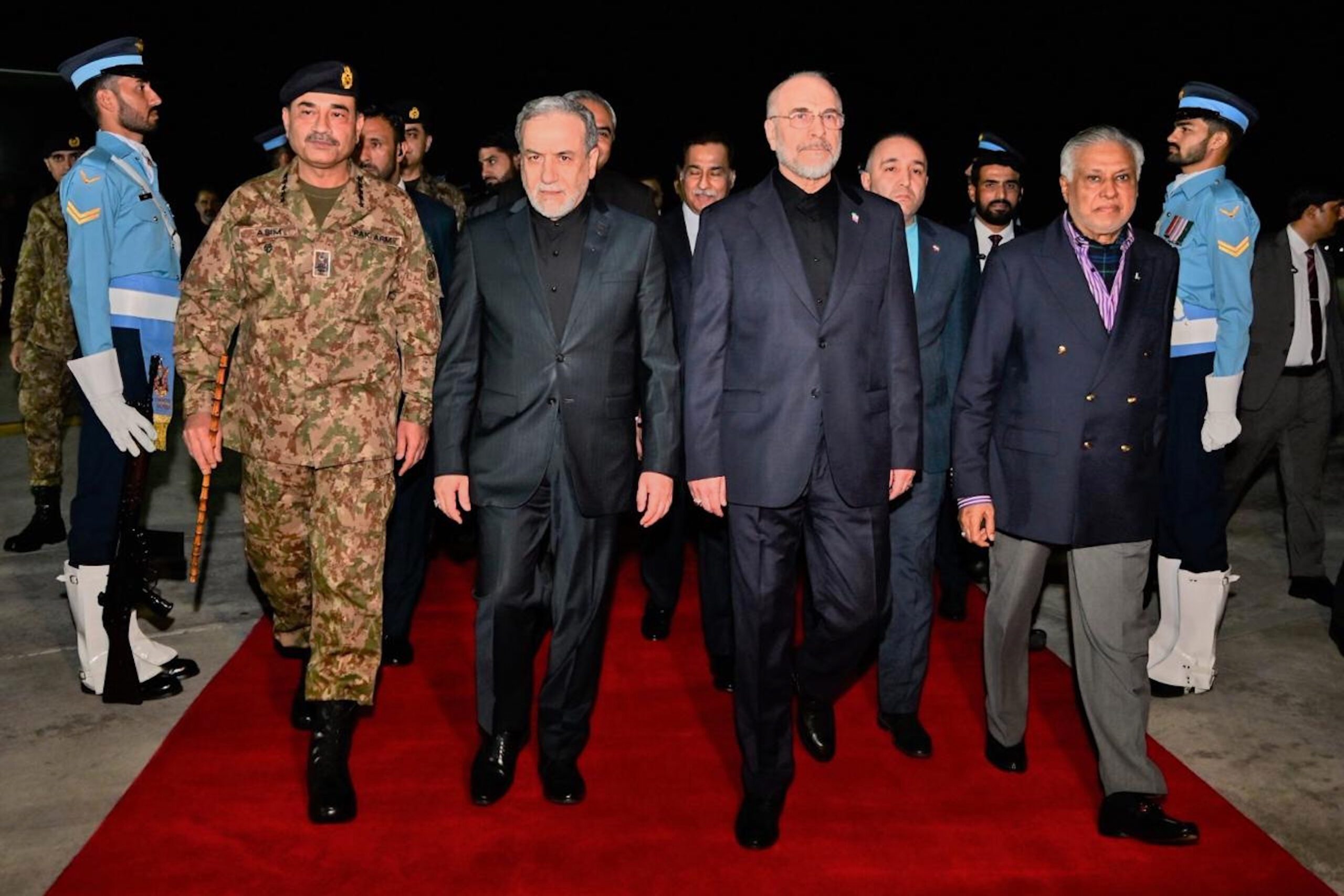
On April 21, AGSI hosted a discussion on the evolution of Iran's leadership during the war.
Speakers

Mar 18, 2026
In Its Conflict With the United States and Israel, Does Escalation Favor Iran?
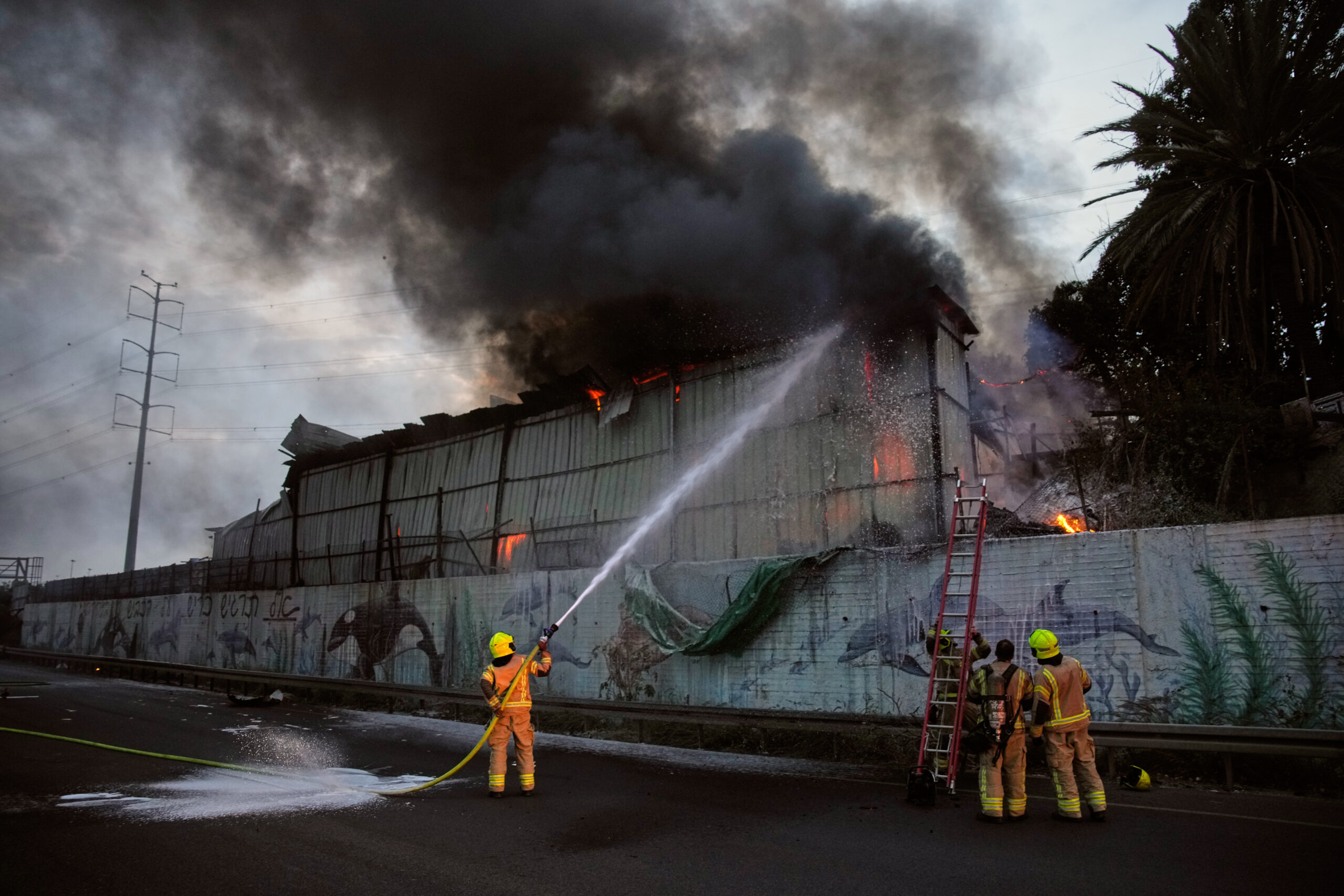
On March 18, AGSI hosted a discussion on the escalation of the Iran war.
Speakers



Mar 2, 2026
After the Shock: Implications of the U.S.–Israeli Strikes and Iran’s Leadership Transition
On March 2, AGSI hosted a discussion on the U.S.-Israeli strikes on Iran.
Speakers