War at Any Price: Domestic and Regional Economic Consequences of Yemen’s Civil War
While the immediate costs to the Yemeni people have been clear, the future cost to Gulf neighbors, Saudi Arabia and the United Arab Emirates in particular, may be more than these states have estimated.
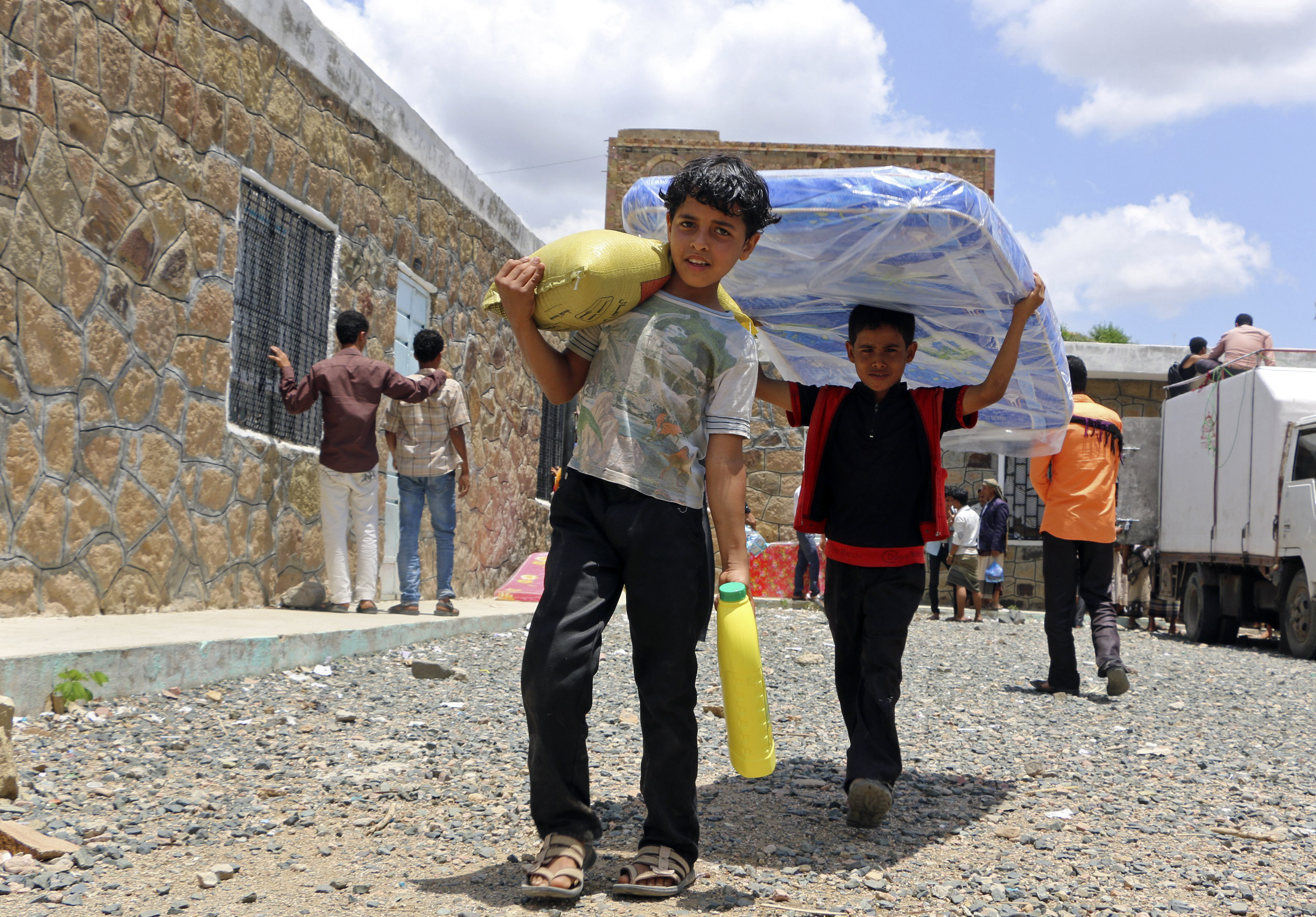
Yemeni boys carry relief supplies to their families during a food distribution effort by Yemeni volunteers in Taiz, May 9, 2015. (AP Photo/Abdulnasser Alseddik)
Executive Summary
The civil war in Yemen is now approaching its fourth year, and the rising cost of the conflict in its humanitarian disaster and continued investments by the warring parties in military expenditures suggest that cost is not a deterrent or impediment to war. While the immediate costs to the Yemeni people have been clear, the future cost to Gulf neighbors, Saudi Arabia and the United Arab Emirates in particular, may be more than these states have estimated.
Considering social science research on civil wars, this paper evaluates the economic consequences of the conflict in Yemen, for the country itself, as well as for the Gulf region. Further, it offers suggestions on how the Gulf Cooperation Council states can learn from past conflicts and theory in their approach to reconstruction efforts to avoid the conflict trap and violence cycle.
NATO’s Operation Ocean Shield helped secure freedom of navigation in the Red Sea, but diplomatic fractures and naval constraints mean its success is unlikely to be repeated in the Strait of Hormuz.
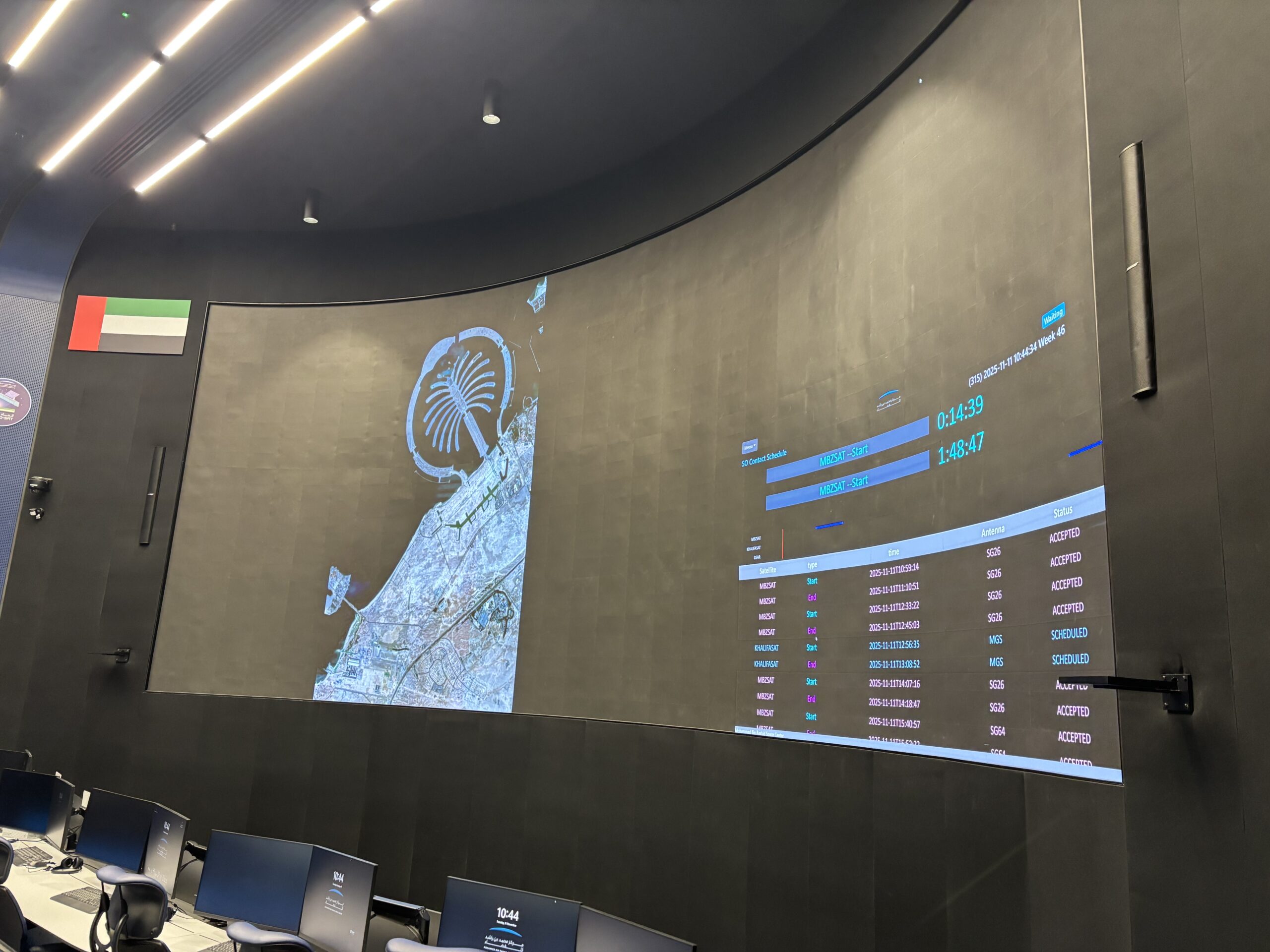
As the UAE navigates a more volatile regional environment, the next phase of its space effort will hinge on how quickly it can scale its commercial ecosystem and deepen international integration.
With the Iran war, large AI projects now sit inside a regional battlespace. The next phase of Gulf AI strategy will need to focus on resilience, continuity, and trusted infrastructure, not only capital and scale.
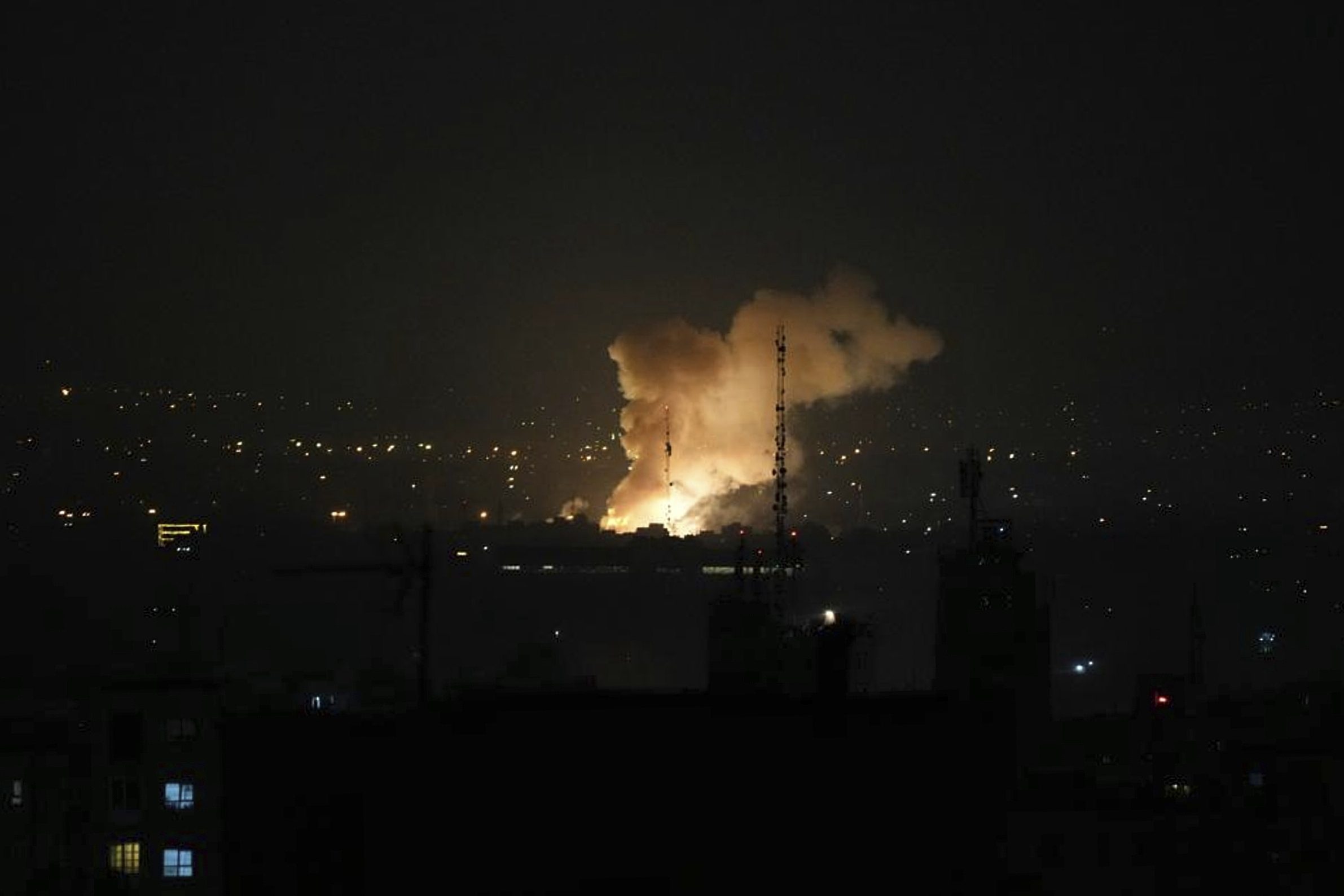
AGSI explains what Israel’s sudden and massive attack on Iran is likely to mean for Gulf Arab states, Iran, the United States, and global and regional economies.
The conflict in Yemen has exacted a disastrous toll on the country. This paper considers the outside forces in the conflict, seeking to elucidate who they are, what the nature is of their involvement, and what their converging and conflicting interests mean for reconstruction.
This post is part of an AGSIW series on Saudi Vision 2030, a sweeping set of programs and reforms adopted by the Saudi government to be implemented by 2030. Saudi Arabia did one thing right this week. It is seeing some positive news in the return on investment in its outwardly placed capital in new technology....