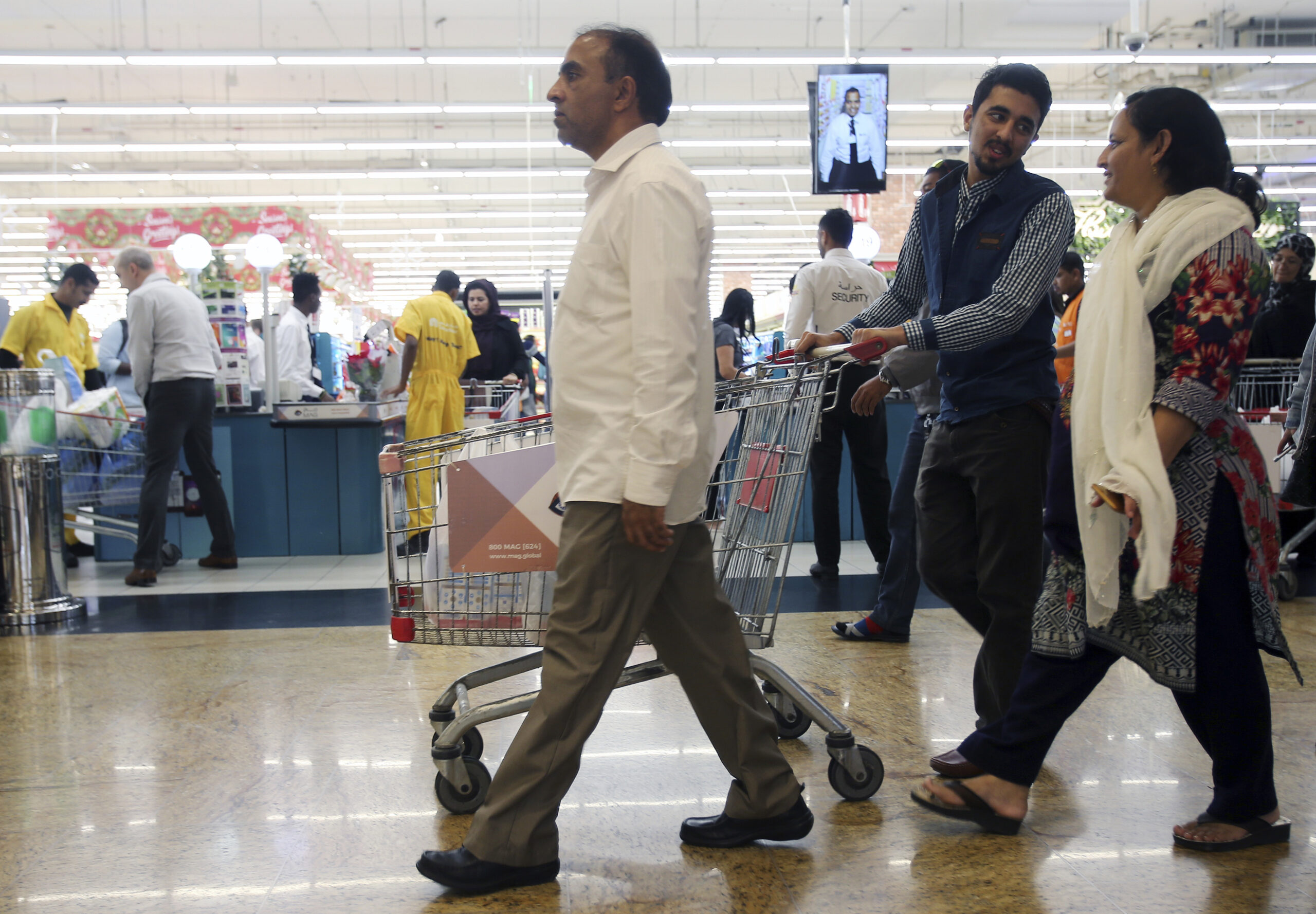
Gulf Arab states remain in the early stages of implementing a value-added tax following the Gulf Cooperation Council’s adoption of the Unified VAT Agreement in 2016. A VAT functions as an indirect tax on select goods and services – often referred to as a consumption tax – that is imposed wherever value is added along the supply chain. This fiscal measure is part of a series of economic reforms Gulf Arab states have introduced since the oil price shock beginning in 2014, seeking to diversify government budgets and boost non-oil revenue with new taxes and fees. International organizations, such as the International Monetary Fund, have strongly encouraged Gulf Arab states to introduce a VAT and also recommended an increase in the standard tax rate beyond 5%.
Progress to date has been mixed. Saudi Arabia and the United Arab Emirates each imposed the VAT in January 2018, whereas Bahrain began implementing the tax at the outset of 2019. Total revenue collection figures in Saudi Arabia and the UAE exceeded initial expectations, averaging 1.55% and 1.79% of gross domestic product respectively. Inflation jumped in both countries following the introduction of the tax, but price increases are expected to moderate over the coming years. Saudi Arabia, the UAE, and Bahrain simultaneously passed measures to minimize the economic impact of the VAT on businesses and local citizens. These measures include zero rating (levying a VAT at the rate of 0% on a product or service), exemptions, and VAT-free zones. Preferential treatment not only reduces the overall tax base – and consequently the total revenue potential – but also complicates the future integration of each country’s VAT system.
The remaining GCC states have delayed the VAT implementation. Kuwait, Oman, and Qatar are expected to launch domestic VAT systems by 2020 or 2021. The reasons behind the delays are not entirely clear. Kuwait’s slow-moving political bureaucracy, Oman’s challenging economic environment, and the boycott of Qatar posed genuine challenges to an implementation of the tax by the beginning of 2018. These countries have achieved more progress in the adoption of a modest excise tax, in accordance with the GCC’s Common Excise Tax Agreement of 2016. Qatar and Oman adopted an excise tax in 2019, and Kuwait plans to introduce the tax in 2020.
Despite beginning as a regional policy and being strongly encouraged by international organizations like the IMF, the VAT in the Gulf is becoming an increasingly country-focused initiative. This approach may be required for individual countries to advance a VAT system that is palatable to political insiders, members of the economic elite, and other actors in key sectors. The regional context also shifted since the adoption of the Unified VAT Agreement in 2016: A less cohesive GCC hampers policy coordination among the bloc’s member states. Variation in the timing of implementation and technicalities of tax policy designs could increase competitive dynamics among states. Moreover, uncoordinated development of local tax systems complicates the regional integration of tax systems needed for the smooth functioning of intra-GCC trade in goods and services.
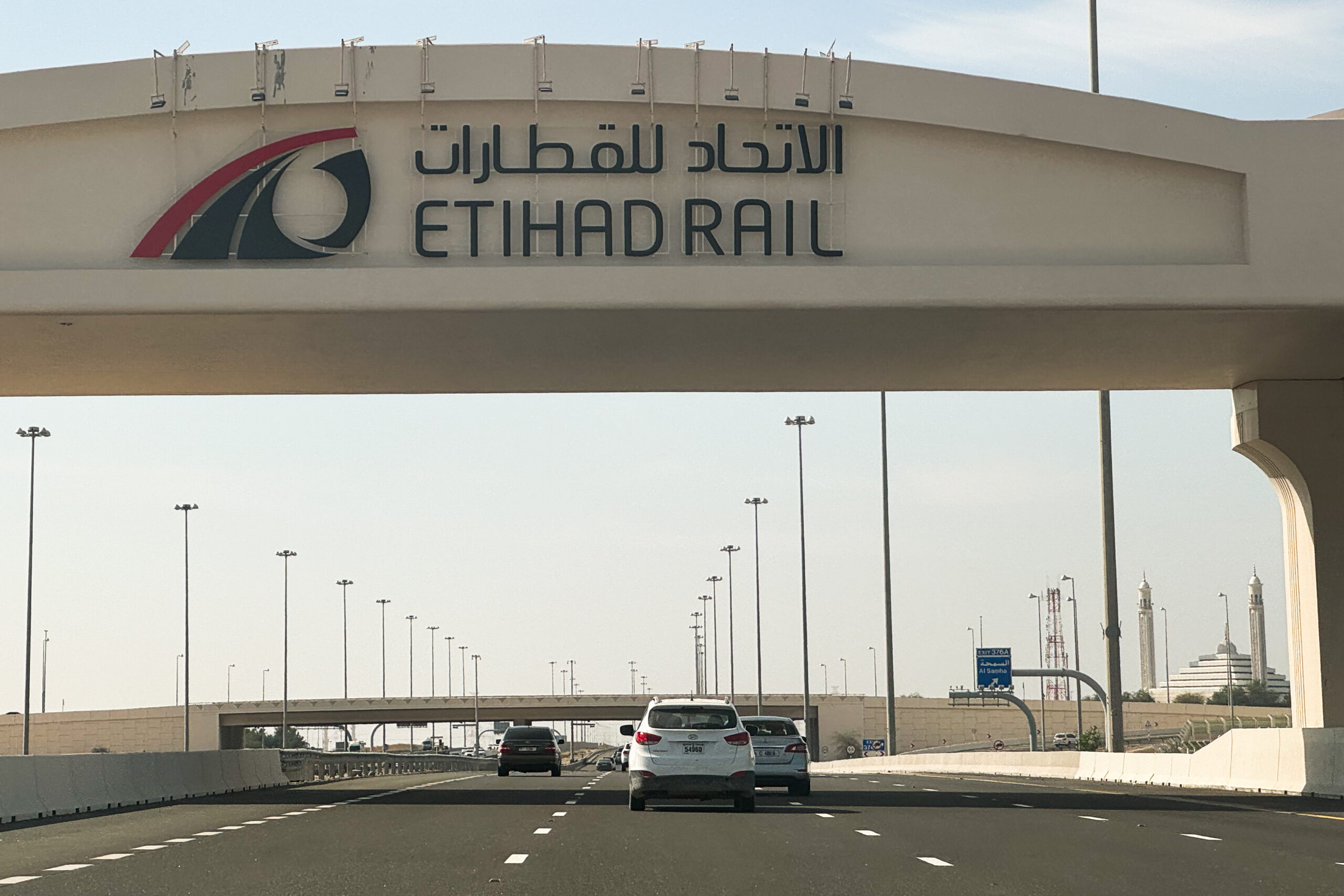
As Gulf countries seek alternative routes beyond the Strait of Hormuz, Lebanon is positioning Tripoli as a complementary Mediterranean gateway alongside Syria, but long-standing political and financial risks could limit serious capital inflows.
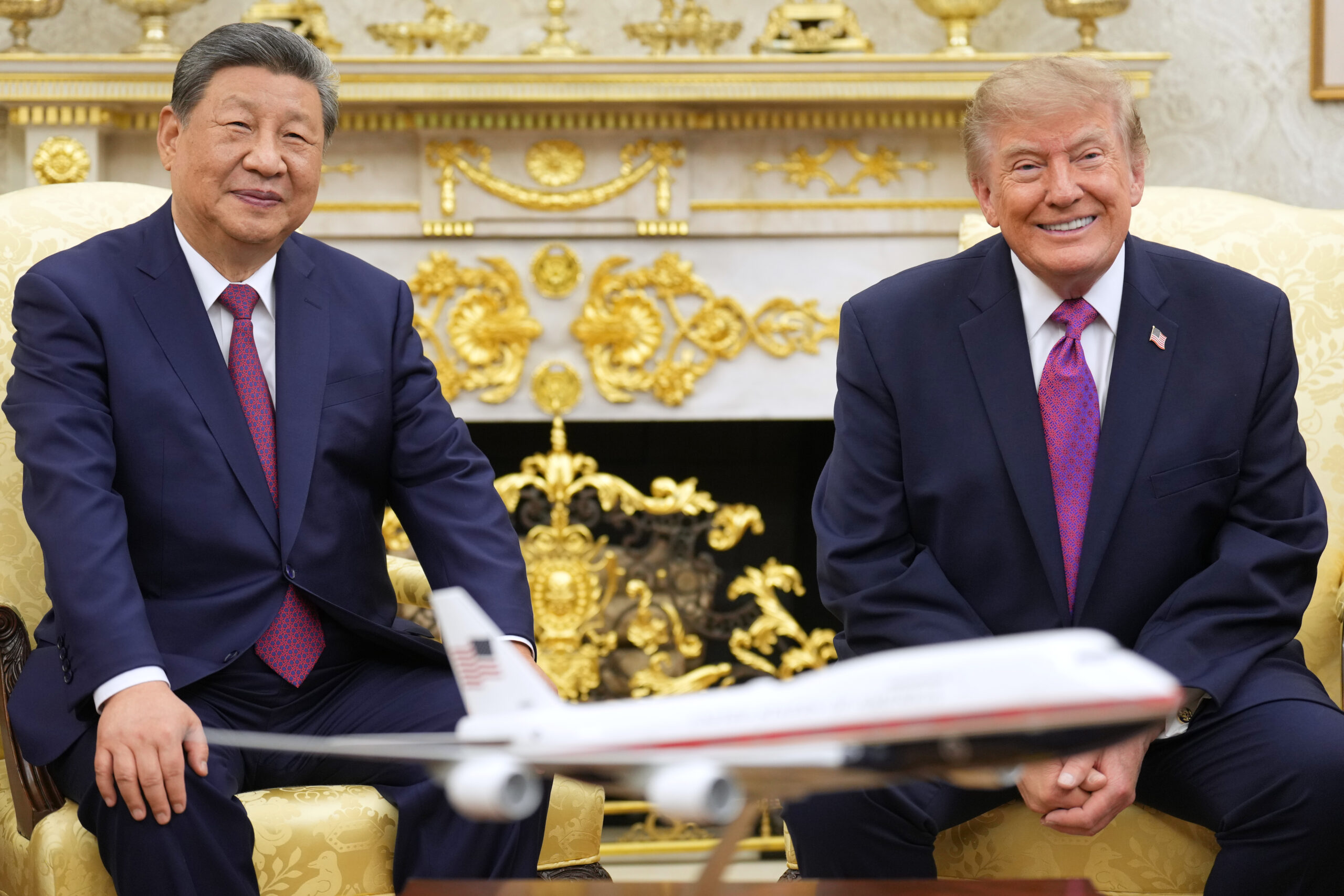
Beijing keeps treading carefully around conflict in the Middle East while seeking opportunities to deepen ties with key country partners through a longer-term regional engagement strategy.
Beijing keeps treading carefully around conflict in the Middle East while seeking opportunities to deepen ties with key country partners through a longer-term regional engagement strategy.
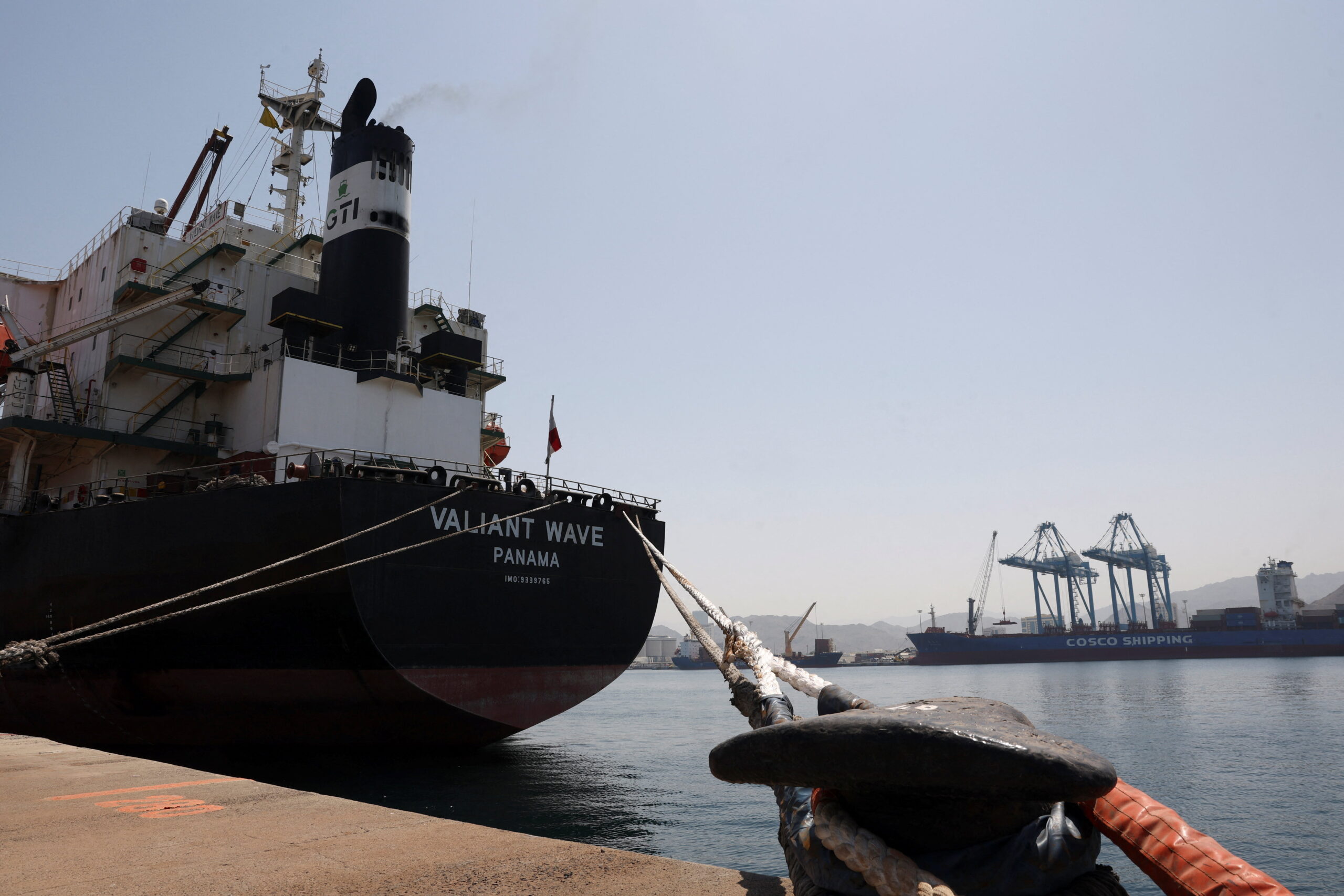
The UAE’s decision to halt trade and commercial ties with Iran reflects an exercise in applying carefully calibrated geoeconomic pressure amid an uncertain and evolving geopolitical context.