Jun 9, 2023
U.S. Sanctions Cast Long Shadow Over Iran’s Exports to Iraq
The June 9 edition of the Iran Media Review highlights complaints that U.S. sanctions complicate Iran-Iraq trade.

While Iranian authorities dismiss the economic impact of U.S. sanctions, Iranians involved in business with Iraq complain about U.S. sanctions, which, among other things, prevent the Iraqi government from paying its debts to Iran in U.S. dollars.
- May 30: Shargh Daily published a background article on Iran’s difficult business relations with Iraq, which are complicated by U.S. restrictions on Iraq’s ability to purchase Iranian products with dollars:
- “Some time ago, Majid Chegini, Iran’s deputy oil minister … said Iraq owes Iran 8 billion euros,” or around $8.5 billion, “for natural gas exports … However, other sources provide different numbers … In June 2022, Oil Minister Javad Owji said the government had received $1.6 billion owed by Iraq to the previous Cabinet … Yahya Ale Eshaq, the chairman of the Iran-Iraq Chamber of Commerce, said $1.6 billion in Iraqi debt is ready to be paid and that the Central Bank of Iran should decide if the amount is to be sent to Iran in cash or transferred as credit to third countries so Iran can import products from those countries … In April 2023, Mohammad Kazem Al-e Sadeq, the Iranian ambassador to Iraq, said Iraq’s electricity and natural gas debts to Iran had reached $11 billion, which is close to the 8 billion euros announced by the deputy oil minister. What explains these discrepancies? Hamid Reza Salehi, the deputy head of the Iran Chamber of Commerce’s Energy Committee, says: ‘Our funds in Iraq are due to the export of natural gas and electricity, and it is only natural that this amount constantly grows. The little amount that has been paid to Iran came through the import to Iran of basic Iraqi goods, such as medicine or animal fodder. No cash has been directly transferred into the country. Many Iranian companies work with Iraq, but there are great difficulties in transferring payments due to U.S. restrictions, which limit us to purchasing animals, rice, medicine, or corn from Iraq in return for our exports … We don’t have any banking relations with foreign countries, and Iraq is no exception to this rule. Therefore, nobody can make money transfers from Iraqi banks to Iranian banks. Therefore, the only way is to purchase products in Iraq … Iraq clearly welcomes the accumulation of the funds over there, and this should not be interpreted as Iraq creating obstacles in the path of paying its debts to Iran, although it would not mind them! Perhaps we should invest in Iraq. For example, invest in oil refineries so we can benefit from the profits and build assets in the country.’”
The views represented herein are the author's or speaker's own and do not necessarily reflect the views of AGSI, its staff, or its board of directors.
Related
Iran Media Review
Aug 21, 2026
Qalibaf and Pezeshkian at Odds With the IRGC?
The August 21 edition of the Iran Media Review examines arguments from Iranian leaders for ending the war with the United States through negotiations rather than escalating.
Iran Media Review
Aug 18, 2026
Qalibaf: The Strait of Hormuz Will Not Reopen
The August 18 edition of the Iran Media Review highlights a speech by Iran’s parliamentary speaker pledging not to reopen the Strait of Hormuz until the United States fulfills the conditions of the Islamabad memorandum of understanding.
Iran Media Review
Aug 14, 2026
Iran Has No Intention of Relinquishing the Strait of Hormuz
The August 14 edition of the Iran Media Review considers remarks made by the new Supreme National Security Council secretary on his first day in office.
Aug 21, 2026
Qalibaf and Pezeshkian at Odds With the IRGC?
The August 21 edition of the Iran Media Review examines arguments from Iranian leaders for ending the war with the United States through negotiations rather than escalating.
Aug 18, 2026
Qalibaf: The Strait of Hormuz Will Not Reopen
The August 18 edition of the Iran Media Review highlights a speech by Iran’s parliamentary speaker pledging not to reopen the Strait of Hormuz until the United States fulfills the conditions of the Islamabad memorandum of understanding.
Aug 14, 2026
Iran Has No Intention of Relinquishing the Strait of Hormuz
The August 14 edition of the Iran Media Review considers remarks made by the new Supreme National Security Council secretary on his first day in office.
Analysis
The Islamic Republic Returns to Offense
After U.S.-Israeli strikes killed Supreme Leader Ayatollah Ali Khamenei on February 28, Iran’s collective leadership has concluded that the best defense is a good offense.
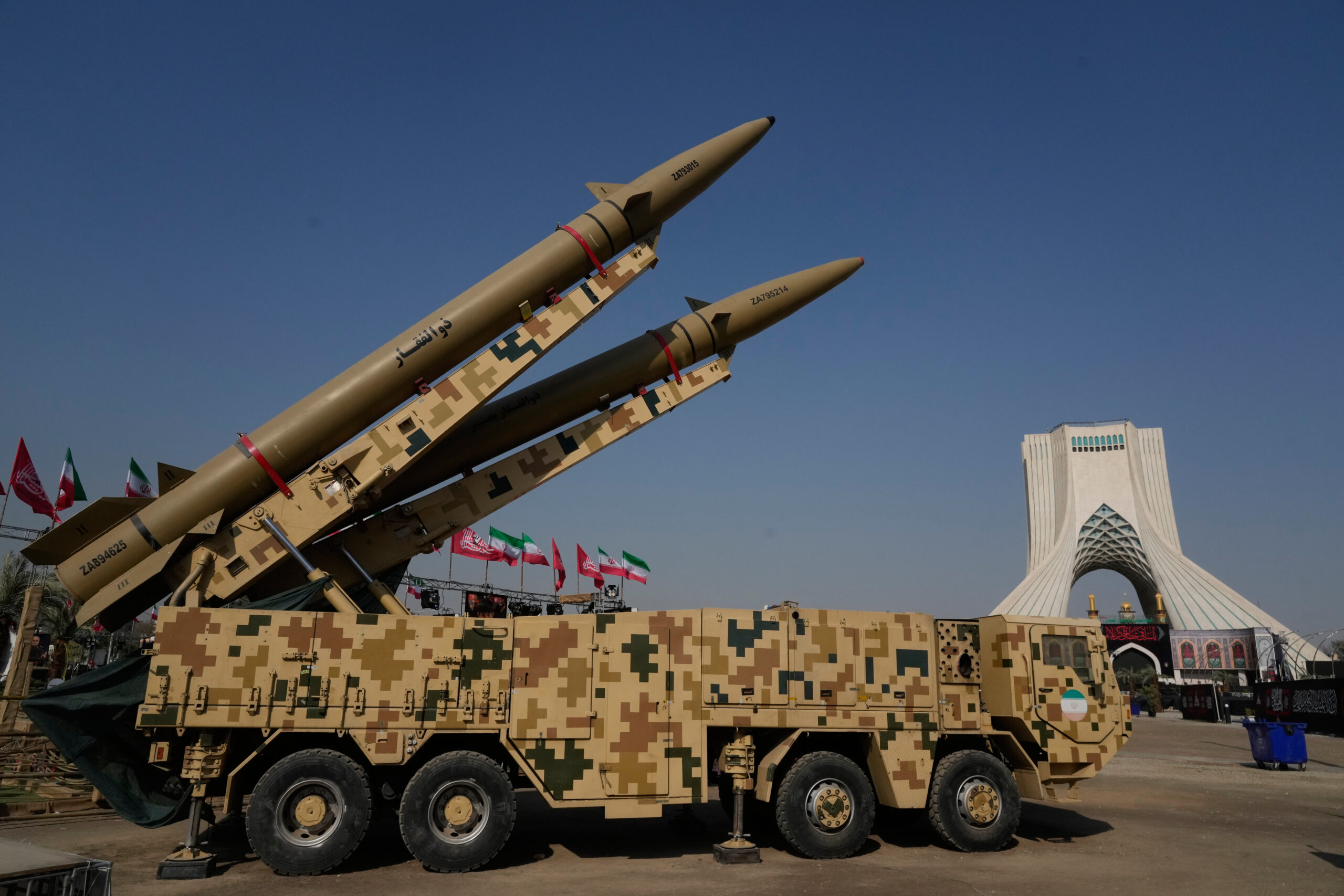
Iran’s Collective Strategic Decision Making
Wartime pressure has temporarily aligned the leadership’s overriding interest in regime survival, even as its members continue to differ over the costs, methods, and ultimate objectives of the war.
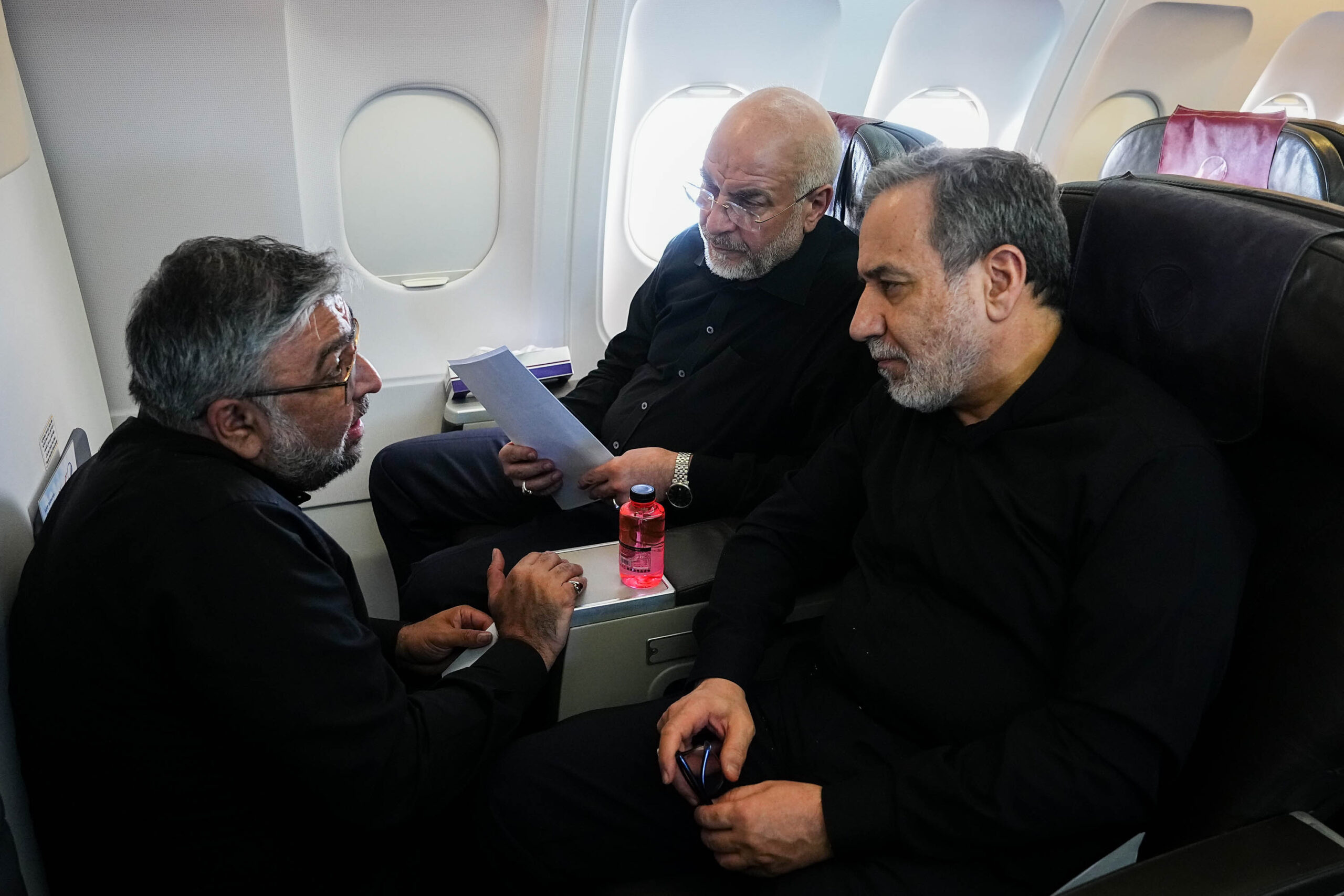
The Islamic Republic’s Collective Leadership
While there is historical precedent for collective leadership in Iran, today’s leadership includes representatives of the IRGC and regular military – a reflection of the IRGC’s expanding role and the necessities of governing under wartime conditions.
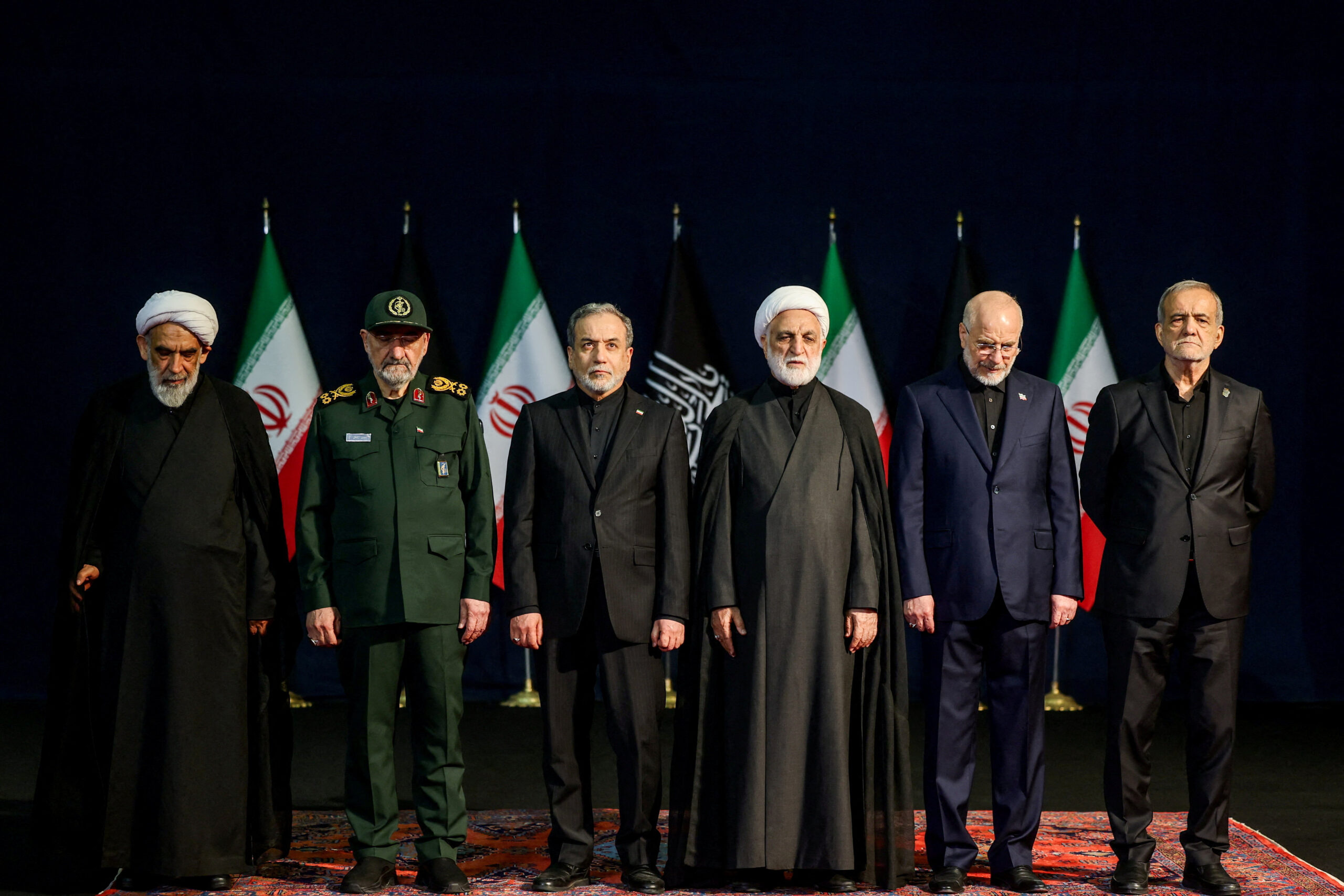
How Did the IRGC Seize Power in Iran?
The IRGC did not seize power in a single stroke. It accumulated it – patiently, methodically – until no counterweight remained.
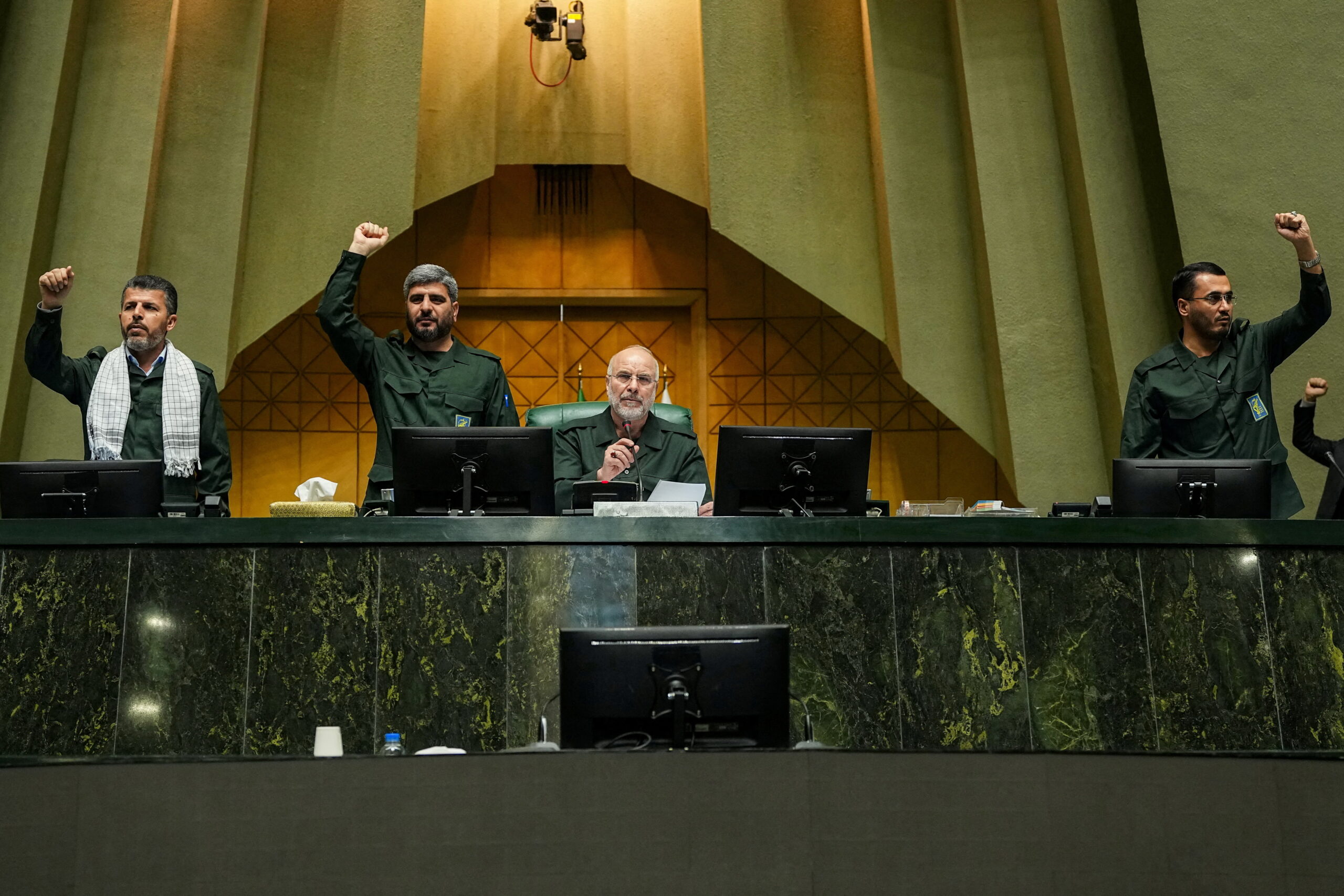
Events
Book Talk: Iran and the Bomb: The United States, Iran and the Nuclear Question
On June 16, AGSI hosted a discussion on the evolution of Iran's nuclear program.

Speakers


Apr 21, 2026
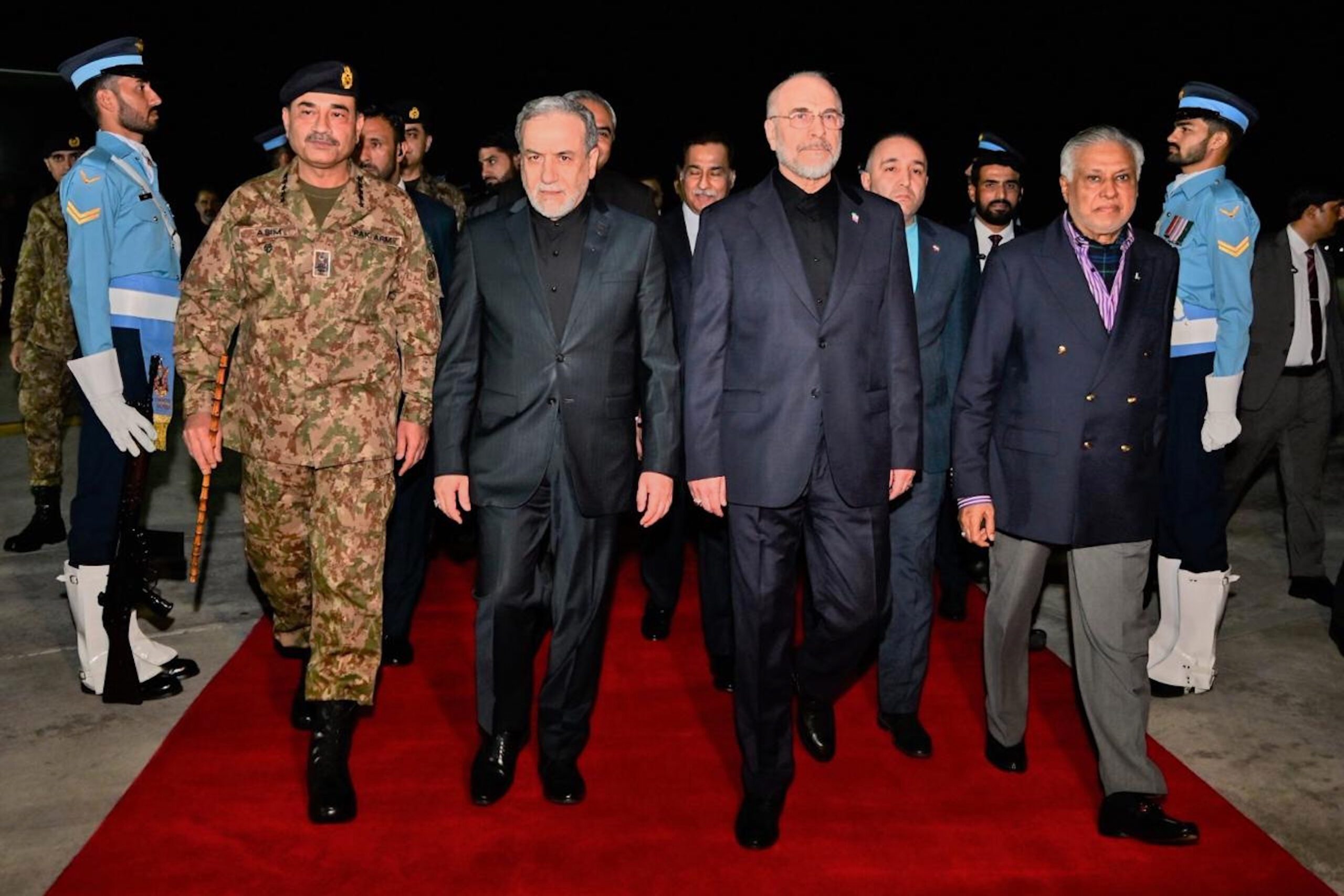
Inside Iran’s Wartime Leadership: Power, Succession, and Regime Stability
On April 21, AGSI hosted a discussion on the evolution of Iran's leadership during the war.
Speakers

Mar 18, 2026
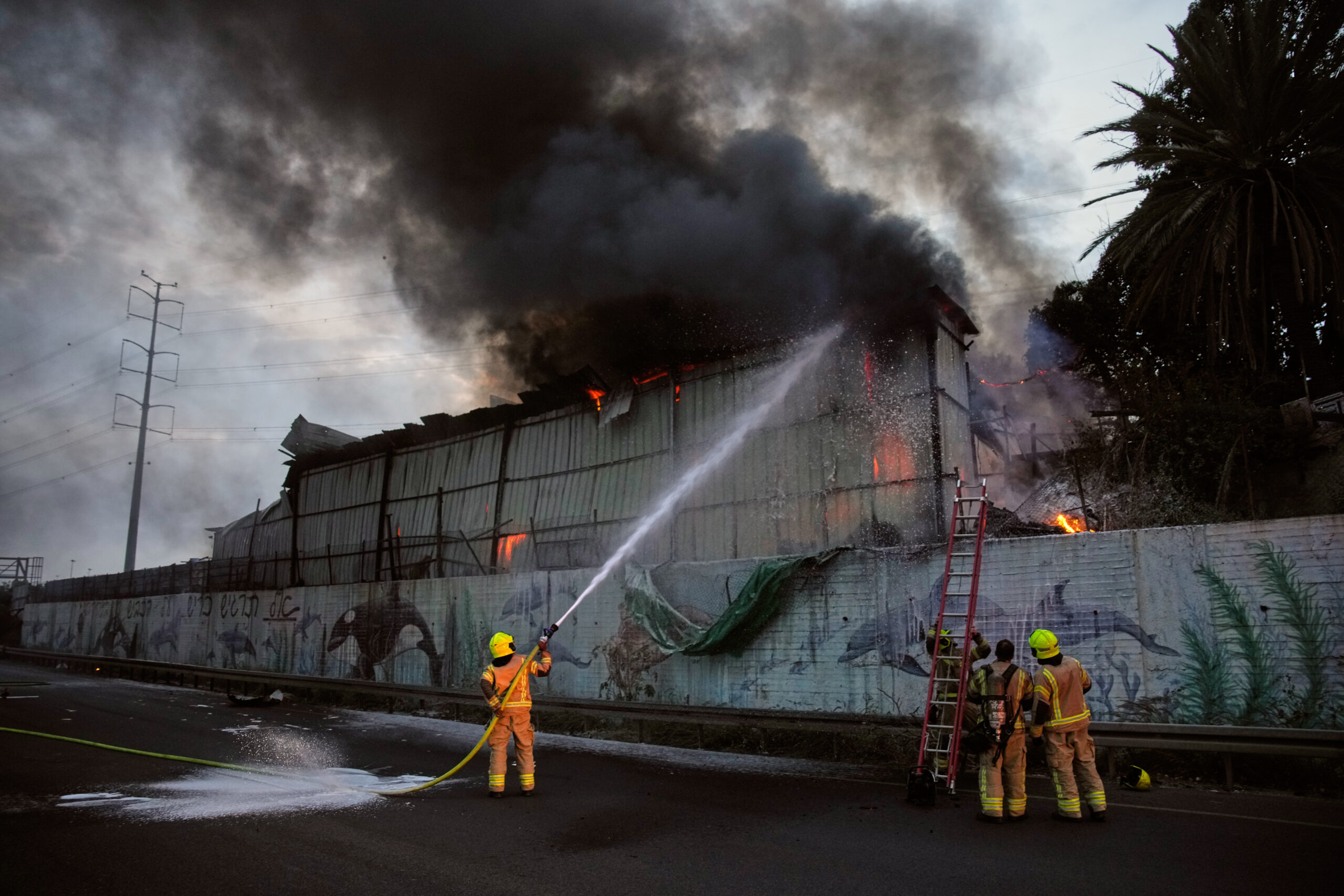
In Its Conflict With the United States and Israel, Does Escalation Favor Iran?
On March 18, AGSI hosted a discussion on the escalation of the Iran war.
Speakers



Mar 2, 2026
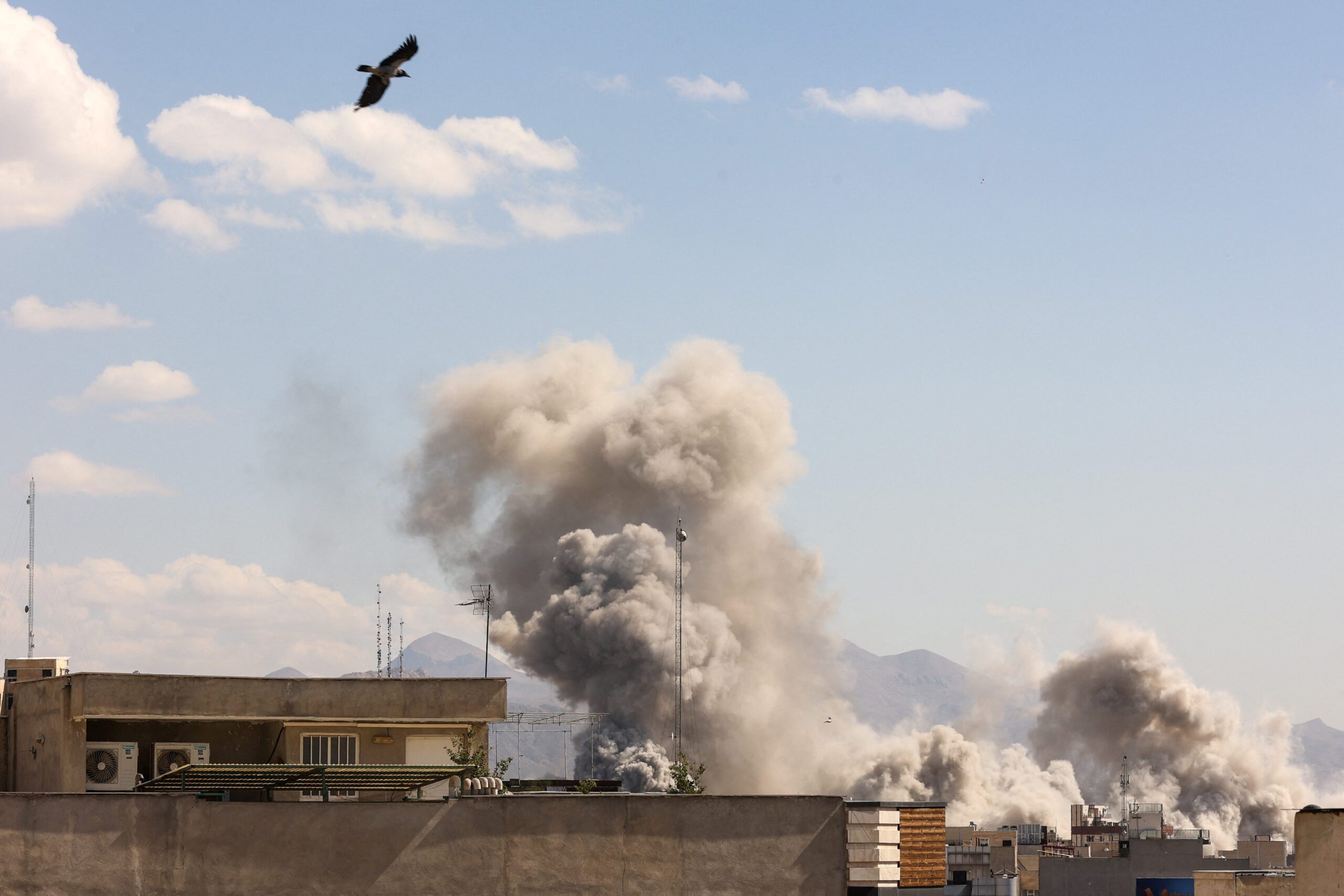
After the Shock: Implications of the U.S.–Israeli Strikes and Iran’s Leadership Transition
On March 2, AGSI hosted a discussion on the U.S.-Israeli strikes on Iran.
Speakers