The Saudi-UAE Rift: Taking the Measure of the Gulf That Separates and Unites Them
Disputes in the Gulf tend to be structurally constrained by dense interdependence, established patterns of dispute management, and various shades of elite empathy among leaderships.
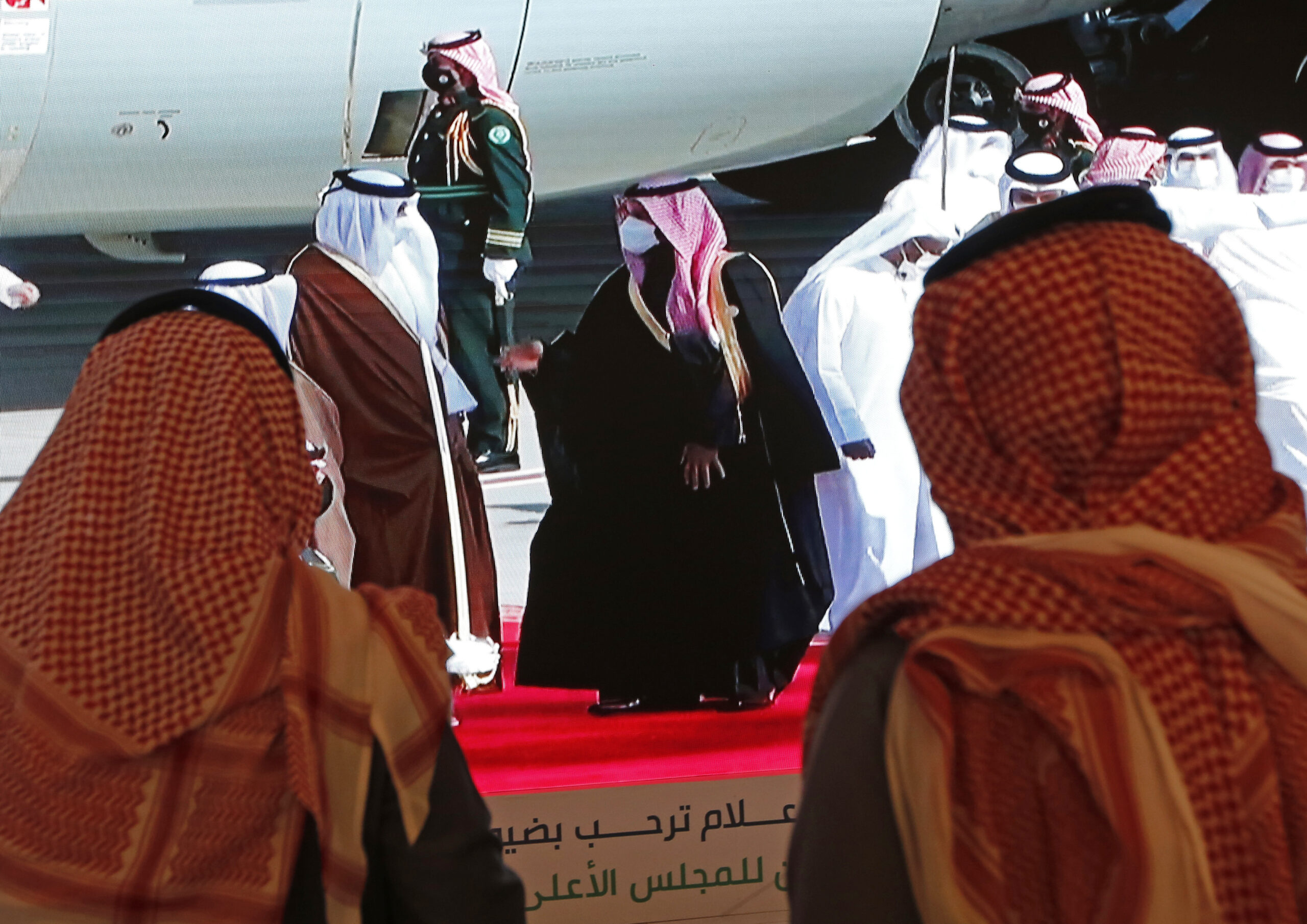
President of the United Arab Emirates Mohammed bin Zayed al-Nahyan bids farewell to Saudi Crown Prince Mohammed bin Salman at King Khalid International Airport in Riyadh, Saudi Arabia, September 3, 2025. (Abdulla Al Bedwawi/UAE Presidential Court/Handout)
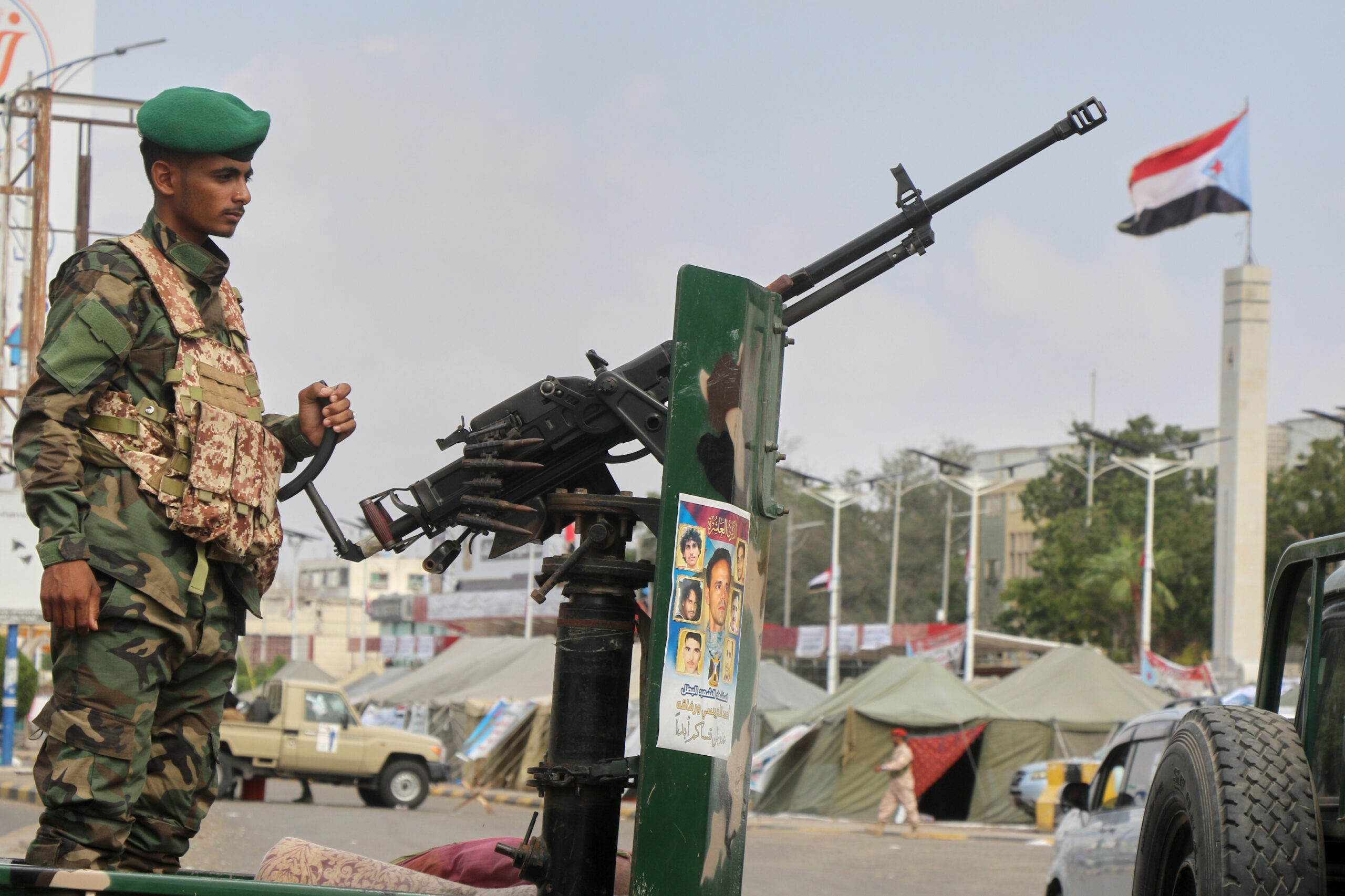
The current dispute between Saudi Arabia and the United Arab Emirates erupted in December 2025 in Yemen after forces linked to the UAE-backed Southern Transitional Council took over Hadramout and Mahra, two far-flung governorates. Saudi Arabia responded forcefully in the port of Mukalla, bombing what it said was a shipment of military equipment from the UAE intended for STC-linked forces. The Saudis also took diplomatic and media action, effectively dissolving the STC. The UAE subsequently announced the withdrawal of its counterterrorism forces from Yemen, the only deployed forces that remained after Abu Dhabi’s broader pullout in 2019.
A December 30 Saudi Ministry of Foreign Affairs statement regarding the developments in Yemen alleged UAE support for separatist forces and “highly dangerous” actions. It characterized the moves by the STC taking over the two governorates that border Saudi Arabia as a threat to the kingdom’s national security.
Since these tense developments, Saudi media outlets and social media have expressed heightened criticism of Emirati actions in Yemen, eventually widening their attacks to criticize Emirati regional security efforts and commercial investments as uncoordinated and harmful to Saudi interests. In its own Ministry of Foreign Affairs statement, the UAE disputed the Saudi accusations, denying that it ordered or influenced the STC to undertake the offensive on the governorates bordering Saudi Arabia and clarified that no weapons had been included in a shipment of military vehicles intended for use only by Emirati forces in Yemen. The statement also reaffirmed the UAE’s unwavering commitment to the security and stability of Saudi Arabia. Social media in the UAE has pushed back against what a range of commentators have characterized as a Saudi media campaign against the UAE. Analysts including Anwar Gargash, diplomatic advisor to the UAE president, have pushed back against the broader Saudi accusations, noting that the orchestrated media campaign undermined regional cohesion and failed to appreciate the sacrifices the UAE made as a security partner of Saudi Arabia in Yemen; they have also acknowledged that the UAE did not want to provoke Saudi Arabia, which it respected as a big brother.
Broader Regional Factors Exacerbating the Disagreement
In examining the dispute, it’s useful to take a step back and consider causes and drivers and to compare it to previous Gulf crises. Getting a sense about how long previous crises endured – and how they were resolved – can help inform assessments about how this dispute is likely to evolve. Such considerations also help identify what might be distinctive in the current contretemps.
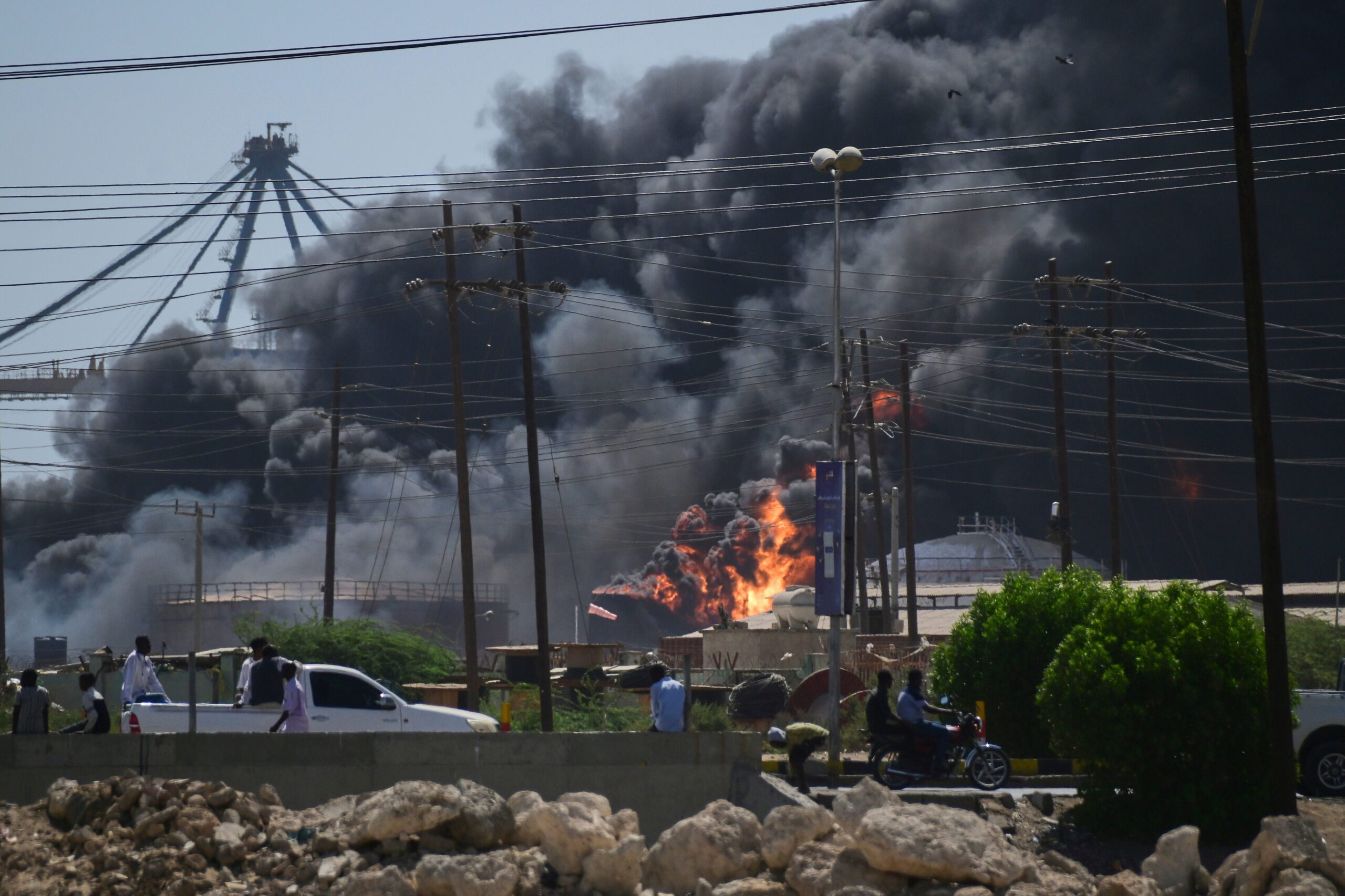
In addition to developments in Yemen, the issue of Sudan has emerged as a principal driver in the dispute between Riyadh and Abu Dhabi. Accusations of UAE support for the Rapid Support Forces, accusations the UAE routinely denies, have informed broader Saudi concerns about what the kingdom labels support for nonstate actors that threaten the sovereignty, territorial integrity, and stability of neighboring states. In addition, the Saudi bill of particulars usually clarifies that this support for nonstate actors is focused in areas that are contiguous with Saudi Arabia, in short constituting its “backyard” and touching on its national security.
A similar regional driver that often crops up in Saudi grievances and receives regular attention from Western analysts as a cause for the current dispute is Somalia, where the UAE has mounted ambitious security and commercial efforts in three autonomous areas – Somaliland, Puntland, and Jubaland – each exercising varying degrees of independence from the federal government in Mogadishu. Dubai-based DP World is executing a $442 million contract to develop and operate Somaliland’s port of Berbera, on the Gulf of Aden along the maritime approaches to the Red Sea. A second UAE company, also Dubai based, has a project of similar scale and objective ($336 million) for the Gulf of Aden port of Bossaso, in Puntland, and a much smaller-scale project for the Jubaland port of Kismayo, on the Indian Ocean in southern Somalia. In addition to these port deals, the Emiratis have security agreements for train and equip programs and funding for infrastructure (roads and bridges to enhance security control) in these de facto autonomous regions.
As it has taken note of these UAE efforts in Somalia, Saudi Arabia has begun ramping up support for the federal government in Mogadishu and for the broader notions of territorial integrity and sovereignty. It has also ensured that media conversation has focused on establishing a military alliance with Somalia and Egypt (the latter also its partner in Sudan in supporting the national army against the Rapid Support Forces). The deal reportedly focuses on strengthening military cooperation and Red Sea security. Somalia has also taken steps to cancel the port and security agreements the UAE signed, although there are questions about the enforceability of such action, given that the contracts and agreements were made directly with the de facto autonomous entities.
The focus on Somaliland, in particular – and its level of independence – heightened considerably in December 2025 as an issue in the region after Israel became the first country to recognize it as an independent state. Somaliland declared independence from Somalia in 1991 and has since operated as a de facto autonomous political entity. On January 6, the UAE released a joint statement with the African Union pledging “support for Somalia’s sovereignty, territorial integrity, security and stability.”
Yemen, Sudan, and Somalia, often lumped together, have been assessed in significant detail by regional commentators and Western analysts in the past few weeks. They have outlined Saudi Arabia’s diplomatic and military reinvestment in the Red Sea region and explained Riyadh’s unease over potential regional fragmentation that could harden in geopolitical division. Emirati officials have not commented on this broader regional concern expressed by the Saudis; Emirati analysts have continued to emphasize the state’s focus on de-escalation, calm handling of the media, and responsible statecraft prioritizing verification, coordination with partners, and strategic judgment.
Classic Drivers of Conflict in the Gulf
These specific regional issues point to classic drivers of conflict between Gulf states in the past, which have included territorial and border disputes, ideological differences, clashes over external alignments, and decisions on intervention in foreign conflicts. In previous crises, there have been ambassador recalls and severing of relations, economic measures, and sharpened public rhetoric often accompanied by media attacks. The current crisis has been limited mostly to media and diplomatic activity.
Previous crises have often been resolved with informal mediation by one or more Gulf states not party to the dispute, as Kuwait did in the 2017-21 Qatar dispute with Saudi Arabia, the UAE, and Bahrain. Crises between Gulf states have endured for different periods: The 2014 diplomatic dispute, which preceded the 2017-21 Qatar boycott, took some eight months to resolve. A Qatar-Oman diplomatic crisis that erupted in 1999 took six to nine months to de-escalate and for ties to normalize. In some instances, such as the Bahrain-Qatar dispute over Hawar Island and the surrounding maritime boundaries (which trailed on for years), the dispute was only resolved by outside arbitration, in this case, an International Court of Justice opinion in 2001.
The point here in referencing a few previous disputes is to underscore that one size doesn’t fit all: There has been variety of issue; vehemence of response by each side; manner of resolution; and length of time of each dispute. The bigger point is that most disputes between Gulf states have historically been managed rather than rupturing, and even in the most serious instances, the rupture was ultimately contained and reversible. The Gulf Cooperation Council as an institution has provided a buffering mechanism limiting fallout. Backchannel diplomacy by nondisputant Gulf states has also been heavily relied on to contain previous disputes. In short, Gulf states have significant experience in managing and containing disputes so that diplomatic and bilateral resets can occur relatively quickly post resolution.
Key Frameworks for Understanding the Dispute
It is also useful to consider a few classic international relations frameworks in viewing the current dispute. These frameworks serve as useful prisms for understanding why a dispute erupts at a particular time, how each side interprets risk, and what kinds of outcomes are most likely. In examining the current dispute, international relations experts would likely discern an alliance between unequal but converging partners, in which the junior partner over time becomes more capable. Disputes erupt in the time when those power dynamics converge between the two states, but the alliance dynamics have remained traditional.
International relations experts also point to inflection-point reasoning and “now or never” assessments that inform a critical juncture perception. Disputes become more likely in cases in which leaders believe that structural trends are becoming irreversible. Another useful international relations prism for understanding the current dispute is a security dilemma – where one party in an alliance fears entrapment or being dragged into unwanted conflict and another party fears abandonment of its preferred regional end states. A final prism for considering the current conflict relates to strategic autonomy as a primary objective. Both the UAE and Saudi Arabia prize strategic autonomy and have prioritized optionality among great powers, independent regional initiative, and reduced vulnerability to external pressure. The rub comes when two states within the same alignment pursue such optionality; disputes can emerge at unexpected intersections.
These international relations prisms, taken together, suggest that structural tensions are produced by power convergences (between traditionally unequal partners), inflection point reasoning, and prioritizing of strategic autonomy. But the key here in the Gulf context is that rupture is not inevitable; it is structurally constrained by dense interdependence, established patterns of dispute management, and various shades of elite empathy where leaderships in Gulf states operate under similar constraints and similar confidence in the legitimacy and durability of their political systems and ruling families. If this dispute is structural in some respects, as some analysts argue, the Gulf political system and alliance in which it has emerged is even more structurally distinct. Taking the measure of the dispute is helpful for understanding such developments are natural over time in an alliance; taking the measure of the Gulf – its history of managing such differences in the past – is a reminder of the dynamics and structures that have constrained disputes and bent them toward resolution.
The views represented herein are the author's or speaker's own and do not necessarily reflect the views of AGSI, its staff, or its board of directors.
The recent visit by the Saudi crown prince to Washington turbocharged prospects for U.S.-led mediation on Sudan, but the case for skepticism remains compelling.
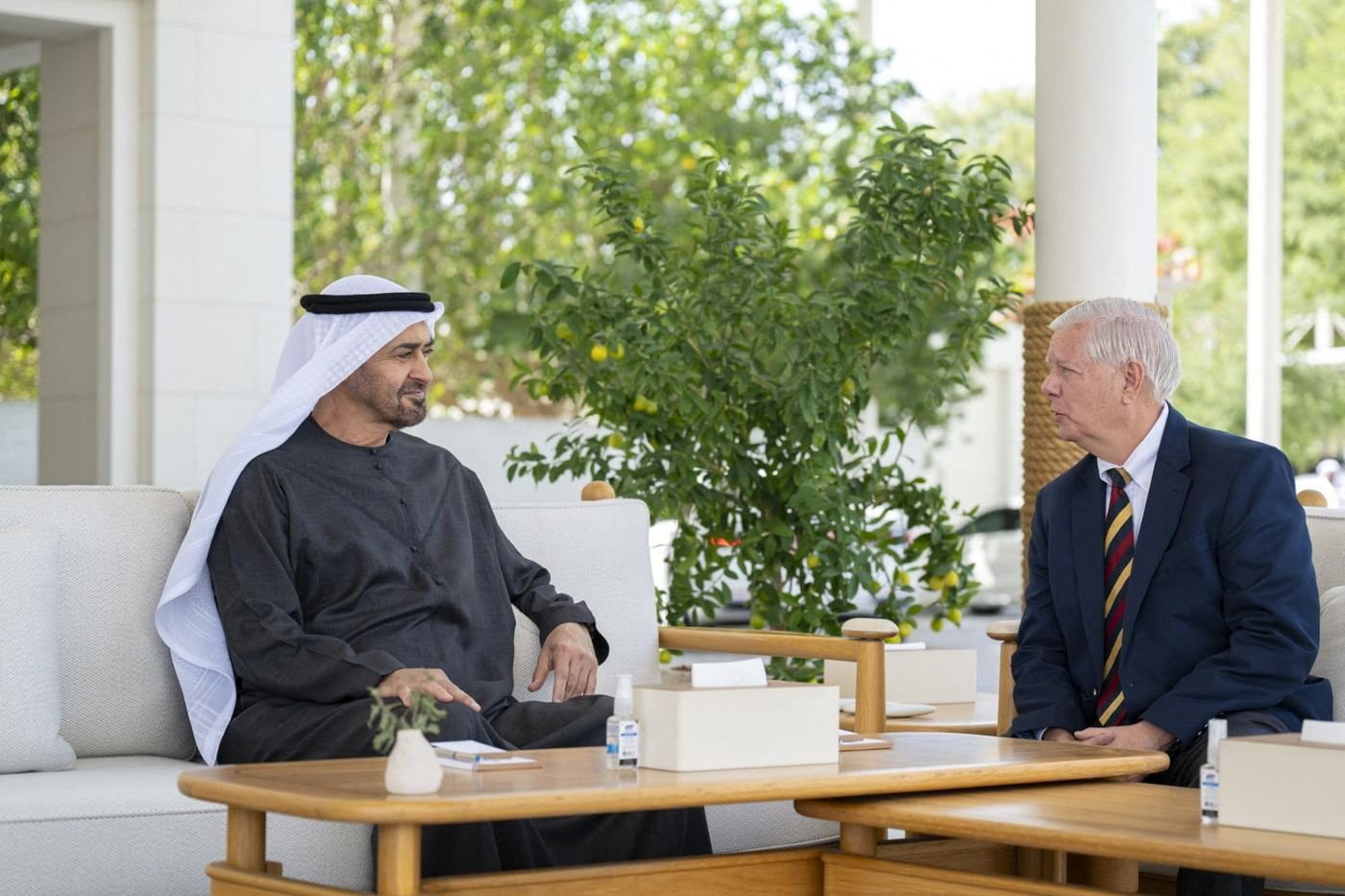
To respond to harsh Saudi criticisms, the Emiratis have sought to reframe, deflect, and calibrate, avoiding escalation while also benefitting from powerful advocates, including Senator Lindsey Graham.
Syria’s challenge moving ahead will be the difficult effort to develop a political system that will empower Syria’s people to embrace the more pedestrian but necessary political compromises upon which inclusion and representative government are based.
The recent visit by the Saudi crown prince to Washington turbocharged prospects for U.S.-led mediation on Sudan, but the case for skepticism remains compelling.
While the Syrian president is the one coming to Washington, he and President Trump each have flipped the script, surprising skeptics with bold action and fresh approaches, opening a desperately needed conversation on Syria.
On January 8, AGSI hosted a virtual roundtable with its leadership and scholars as they look ahead and assess trends likely to shape the Gulf region and U.S. foreign policy during the coming year.