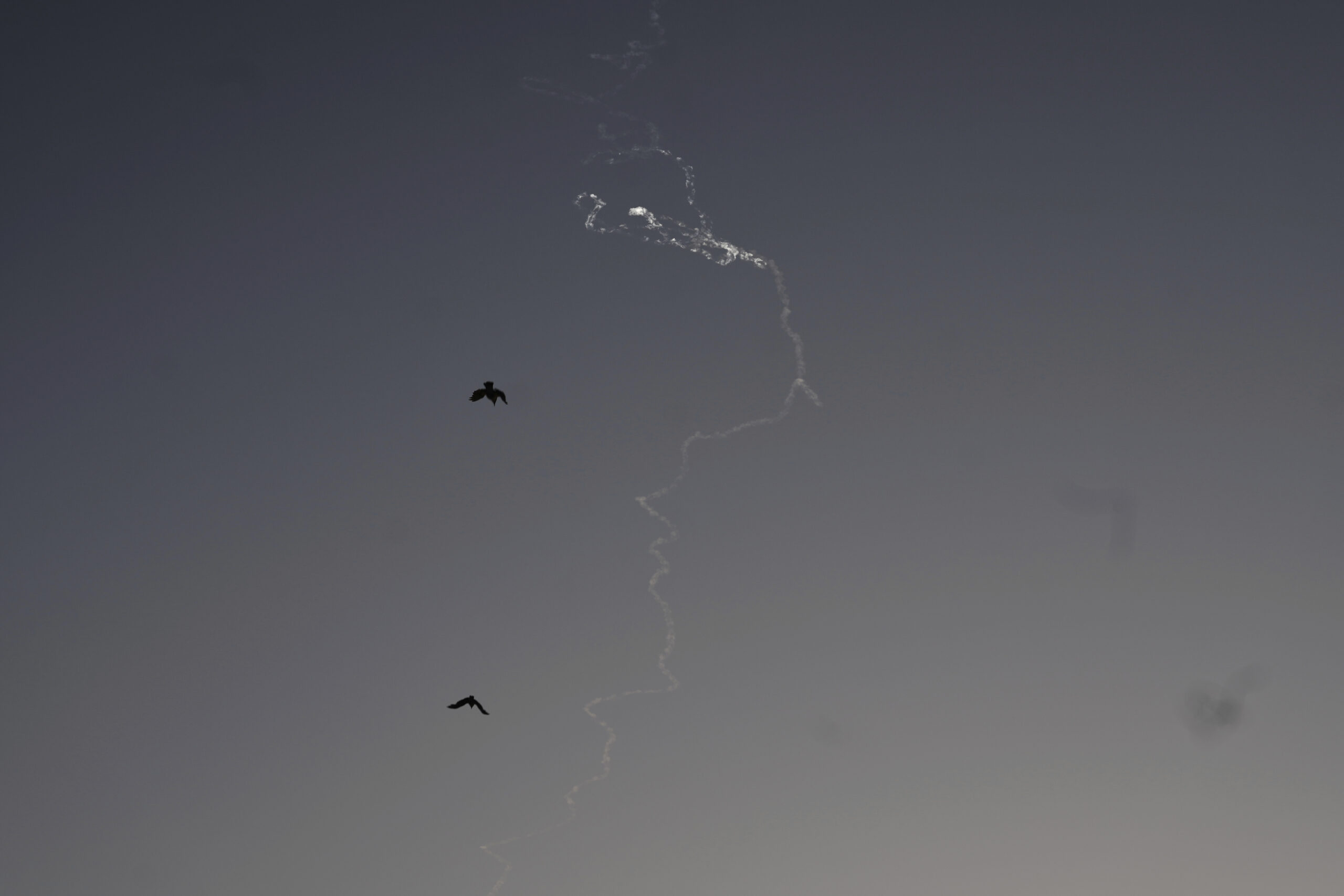
Birds fly overhead as smoke trails from the Israeli Iron Dome air defense system streak across the sky during an interception of missiles fired in an Iranian attack over Jerusalem, June 18. (AP Photo/Mahmoud Illean)
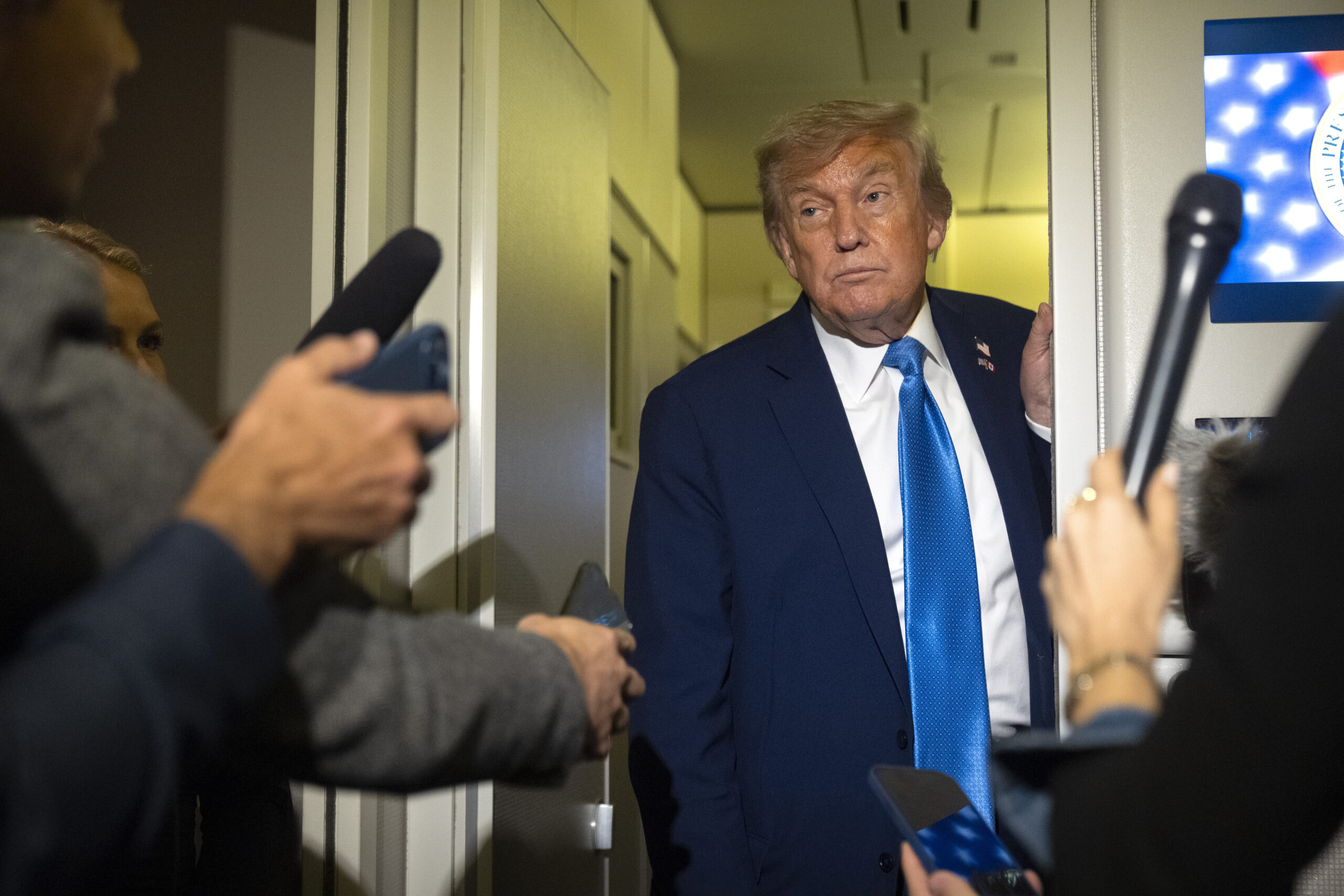
As the administration of President Donald J. Trump engages in a high-stakes game of chicken with the Iranian leadership, the Gulf Arab states have signaled they want no part of it. Statements issued June 17 by Gulf Foreign Ministries were united in calling for an immediate halt to the war and return to negotiations. It may be that the United States’ ambiguity as to whether it will enter the war to aid the Israelis in bombing nuclear sites, or perhaps even to further ends, could yield concessions from the Iranians. But for the Gulf Arab states, literally in the middle of the bombing, this seems too risky. There were other more urgent threats to Gulf citizens. Gulf governments are working through a collective framework to monitor potential radiation from bombings on nuclear facilities in Iran. Gulf states also coordinated to provide consular services to Gulf citizens inside Iran. This included the evacuation of Bahrainis overland via Iraq and Kuwait and Omanis by sea via Bandar Abbas.
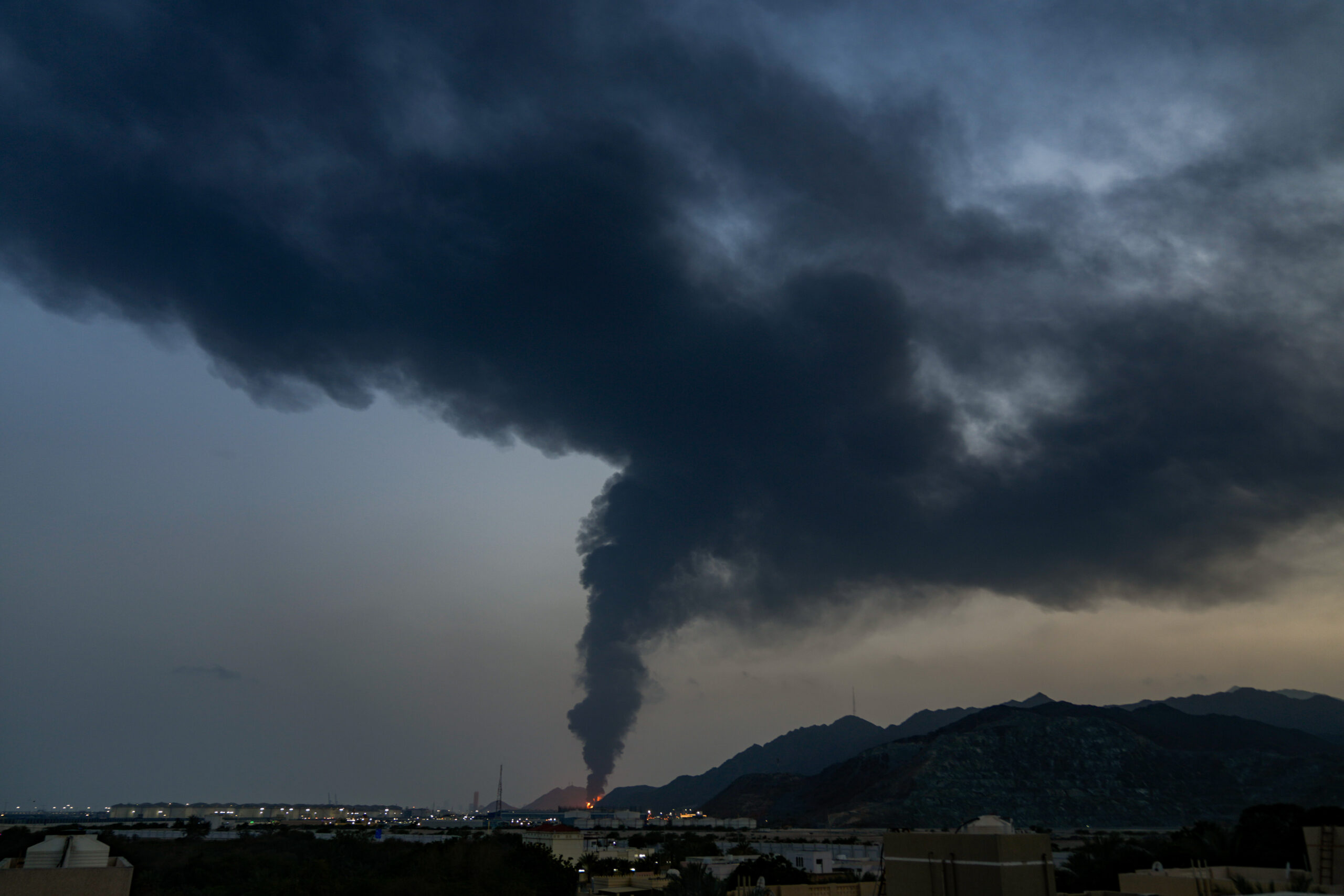
The Gulf states do have much more on the line. The Iranians have threatened to strike U.S. bases in the region if the United States enters, leaving some uncertainty as to whether that will include Gulf Arab states were they to resist their territory being used. This appears corroborated by reports citing U.S. officials that Iran is preparing missiles for retaliatory strikes on U.S. bases in Arab countries that take part in attacks. Other threats to oil facilities and transportation routes would endanger the main source of revenue for Gulf states. But statements from Gulf Foreign Ministries indicate that they also are thinking more strategically, beyond these most immediate risks.
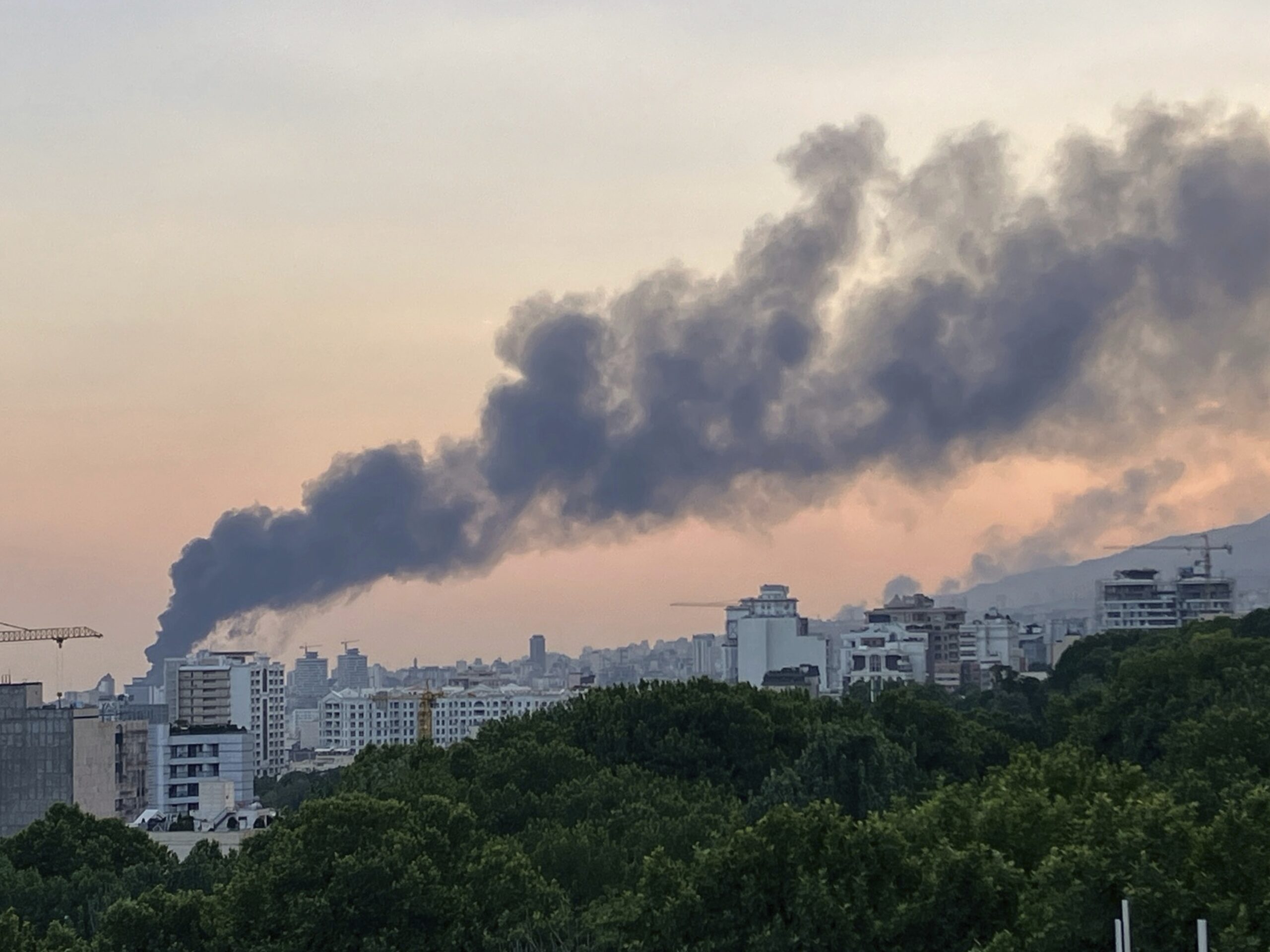
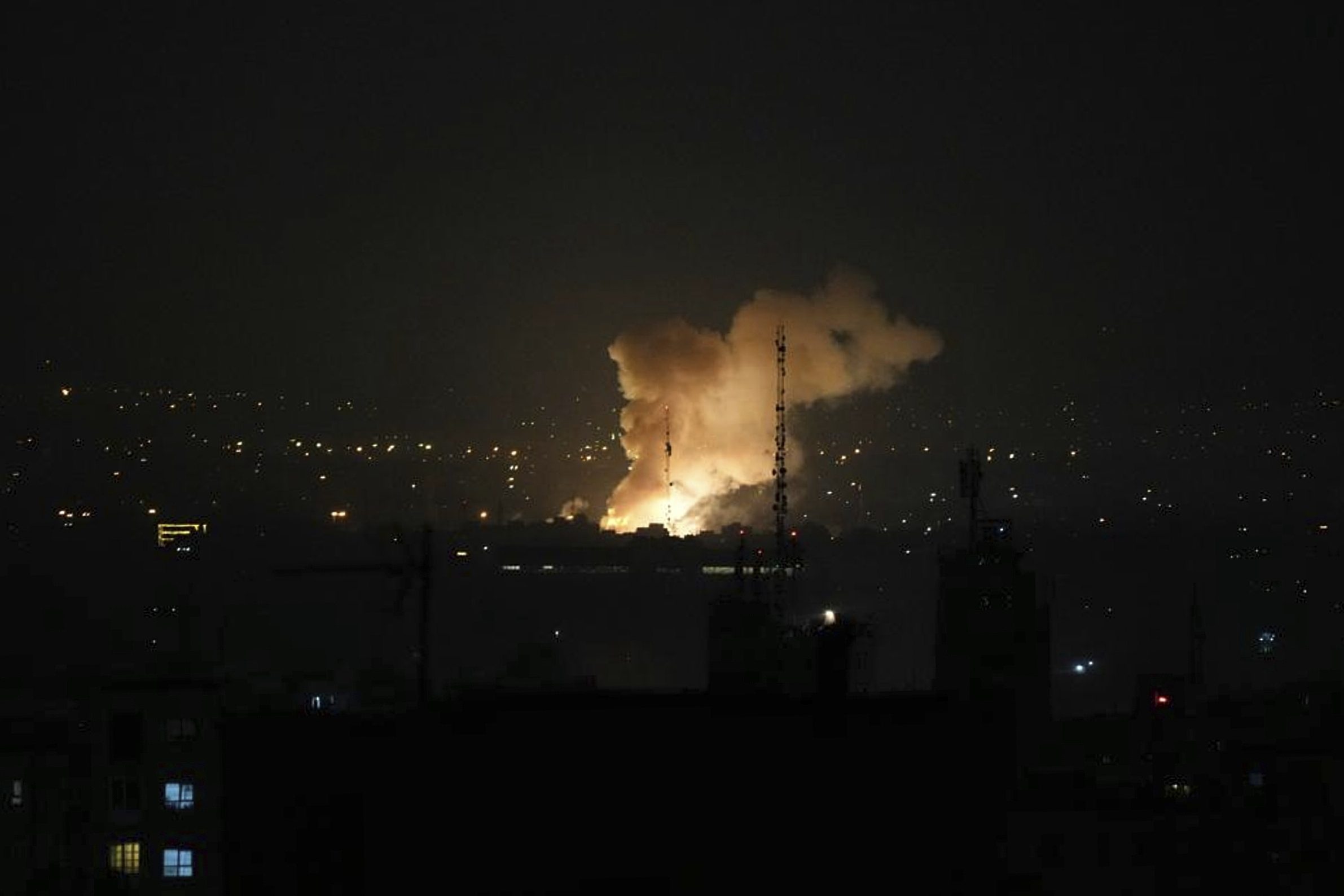
The expansion of the Israel-Iran conflict, beyond Iran’s borders or even deeper within them, seemed paramount in their considerations. Emirati Foreign Minister Abdullah bin Zayed al-Nahyan warned of “reckless and miscalculated actions that could extend beyond the borders of the two countries” urging “swift action … before the situation spirals out of control.” Other statements from high-ranking Emirati and Qatari advisors spoke to the conflict already undermining regional order and the tenuous stability of other states. In an interview with the French publication Le Grand Continent, Anwar Gargash, diplomatic advisor to the president of the United Arab Emirates, noted “There is a real concern about escalation as a result of the Israeli attack on Iran,” placing such concerns in the regional context of what he termed the “open wounds” of the war in Gaza and the situation in Lebanon and Syria. A statement from Majid al-Ansari, advisor to the Qatari prime minister and spokesperson for the Ministry of Foreign Affairs, was more pointed in assigning blame, calling Israel’s attack on Iran “a new chapter in an ongoing pattern of provocations,” and stating emphatically that the regional security situation “is already strained and cannot handle further crises.”
In response, Gulf states intensified their diplomatic outreach to end the war. After extensive bilateral contacts over the past several days, diplomatic activities took a more multilateral form. All Gulf Cooperation Council members signed a joint statement by 21 Arab and Islamic countries calling for an end to Israeli hostilities against Iran and a return to the negotiating track. The statement specifically stressed the need to avoid the targeting of nuclear facilities under International Atomic Energy Agency safeguards in accordance with the relevant IAEA and United Nations Security Council resolutions. On June 17, the Foreign Ministry of the UAE issued a second statement demanding coordinated regional and international action to halt escalation, specifically urging the U.N. General Assembly and Security Council to fulfill their responsibilities to achieve a cease-fire. Meanwhile Saudi Arabia and Qatar joined a U.N. statement regretting the postponement of a conference to end hostilities in Gaza and support a two-state solution to the Israeli-Palestinian crisis, pledging to continue their efforts to that end. And the GCC issued a statement signed by all its members calling for an immediate cease-fire. While it condemned the attack on Iran as “a clear violation of international law and the United Nations Charter” the GCC’s prescription took a balanced approach, calling for all sides to de-escalate and to “exercise maximum restraint.”
The Gulf Arab states find themselves in the unenviable position of being bystanders in a battle for supremacy between two regional actors that they fear of either gaining dominance. The best outcome may be the already weakened Iranian camp remaining at least a unified state and an Israeli state secured by its many military advances and ready to consider de-escalation and cooperation toward greater regional stability. To that end, Gulf states stand by to encourage – and may yet facilitate – a resumption of negotiations.
The views represented herein are the author's or speaker's own and do not necessarily reflect the views of AGSI, its staff, or its board of directors.
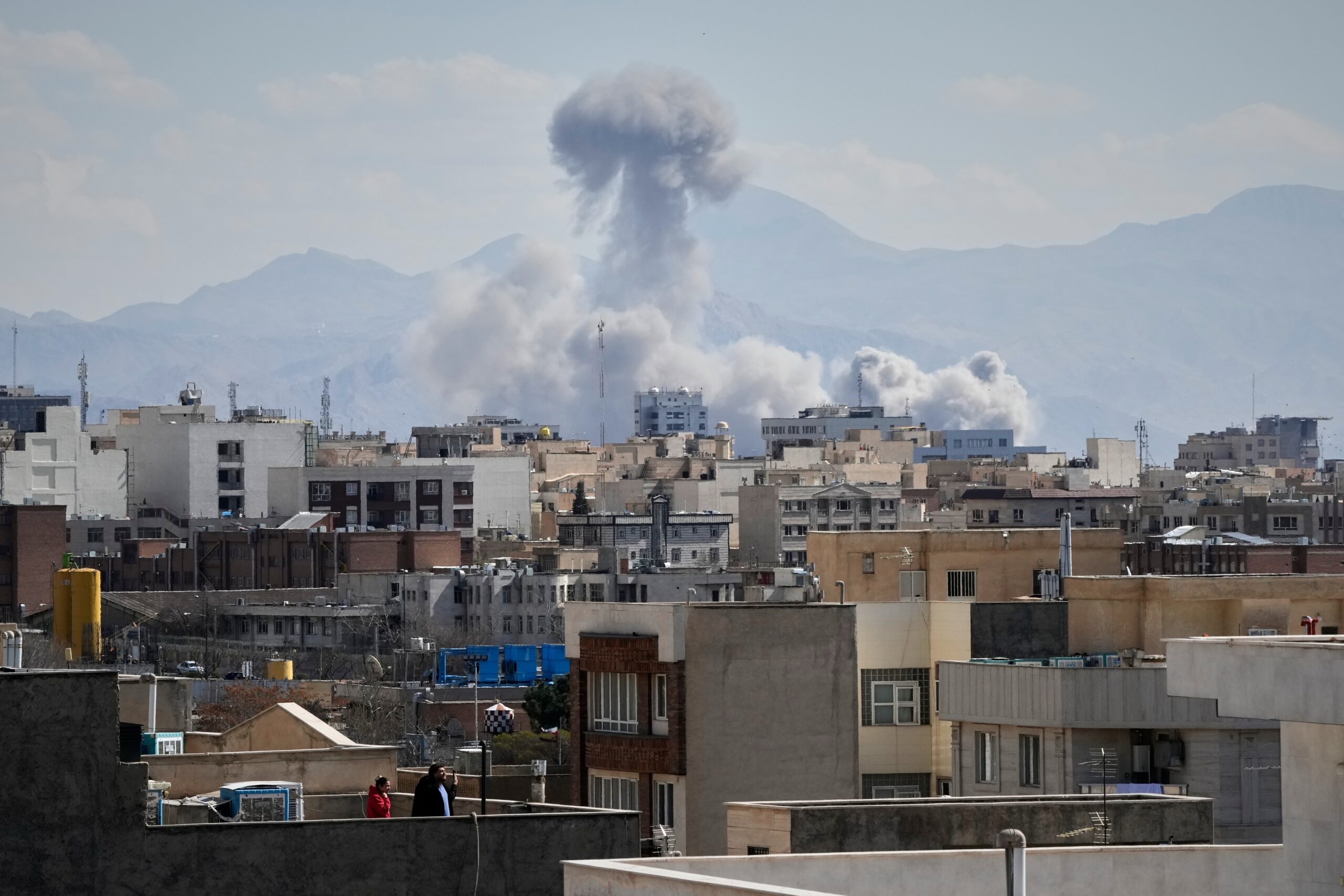
AGSI explains what Israel’s sudden and massive attack on Iran is likely to mean for Gulf Arab states, Iran, the United States, and global and regional economies.
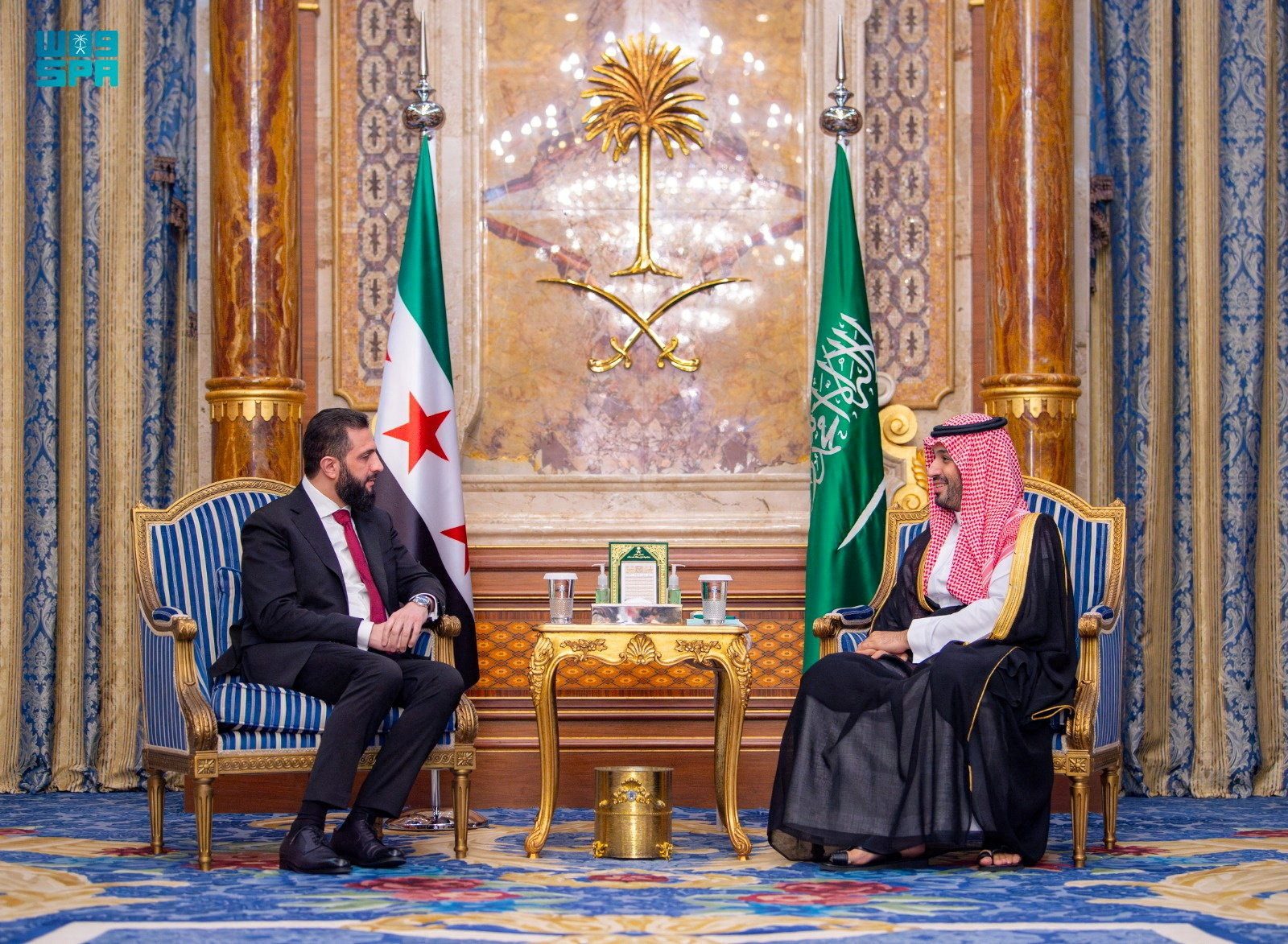
Syria hopes to use the Iran war to deepen its connection to its Gulf Arab partners. Can it compete for inclusion within the regional security order and emerging trade corridors?
The imperative for Gulf states to unify their position has grown since the onset of Iranian attacks on their countries. Yet under conditions of uncertainty about the U.S. position and the war's outcome, Gulf states are demonstrating differing regional alignments and preferences for managing the crisis.
Caught between Iranian strikes and U.S.-Israeli pressure to join the fight, Gulf Arab states strive to maintain their autonomy over decision making, playing defense and preserving the space to maneuver when the war ends.