Aug 16, 2024
The Great Escape: Presidential Research Institute Warns of Mass Emigration
The August 16 edition of the Iran Media Review highlights a report by the Center for Strategic Studies of the Presidency warning about the drivers and implications of human capital flight from Iran.

Since the 1979 revolution and establishment of the Islamic Republic, Iran has experienced sustained human capital flight documented by the International Monetary Fund and other international organizations. Until recently, the regime in Tehran either ignored or welcomed the exodus of intelligentsia, which relieved it of dealing with restive and ideologically nonconformist minds. The emigration, however, has apparently reached proportions that unsettle Iran’s own experts.
- August 15: The Center for Strategic Studies of the Presidency, quoted in reformist Etemad newspaper, in its latest report warned against mass emigration of the expert work force from Iran:
- According to the polling upon which the report is based, “The Iranian society is currently undergoing a particular condition regarding emigration. Absent attempts to control and manage trends accelerating emigration, the society may enter a phase of mass emigration, or cluster emigration with waves of emigration, all of which may prove devastating and have grave consequences for society and future growth and development of the country.”
- “Increased inclination to emigrate among different social groups, such as laborers, athletes, medical doctors, scholars, job creators, capitalists, and the like, all indicate that the state is facing serious problems regarding keeping its human resources and managing emigration abroad … This is also a crisis of mismanagement.”
- “Managing this crisis necessitates improved economic, social, and political structures in the country, and creating hope regarding general conditions in the country.”
- “The poll shows that economic developments due to sanctions and inflation particularly motivate medical doctors, nurses, university students, and university graduates … Job creators and startups too point at lack of trust in the economy … Economic sanctions, inflation, fluctuating currency value, a sense of insecurity and unpredictability of the economic system … and the like encourage them to emigrate.”
The views represented herein are the author's or speaker's own and do not necessarily reflect the views of AGSI, its staff, or its board of directors.
Related
Iran Media Review
Aug 13, 2024
Reformist Criticism of Pezeshkian’s Proposed Cabinet
The August 13 edition of the Iran Media Review explores criticism from Iran’s reformist camp regarding President Masoud Pezeshkian’s Cabinet picks.
Iran Media Review
Aug 9, 2024
Iran Struggles to Deter Israel
The August 9 edition of the Iran Media Review explores Iranian media outlet quotes of alleged Israeli media sources regarding an anticipated Iranian response to the killing of Hamas’ political leader Ismail Haniyeh.
Aug 13, 2024
Reformist Criticism of Pezeshkian’s Proposed Cabinet
The August 13 edition of the Iran Media Review explores criticism from Iran’s reformist camp regarding President Masoud Pezeshkian’s Cabinet picks.
Aug 9, 2024
Iran Struggles to Deter Israel
The August 9 edition of the Iran Media Review explores Iranian media outlet quotes of alleged Israeli media sources regarding an anticipated Iranian response to the killing of Hamas’ political leader Ismail Haniyeh.
Analysis
Mohsen Rezaei at the Helm of Iran’s Supreme National Security Council
Under Rezaei, the SNSC could prove constructive or paralyze strategic decision making.
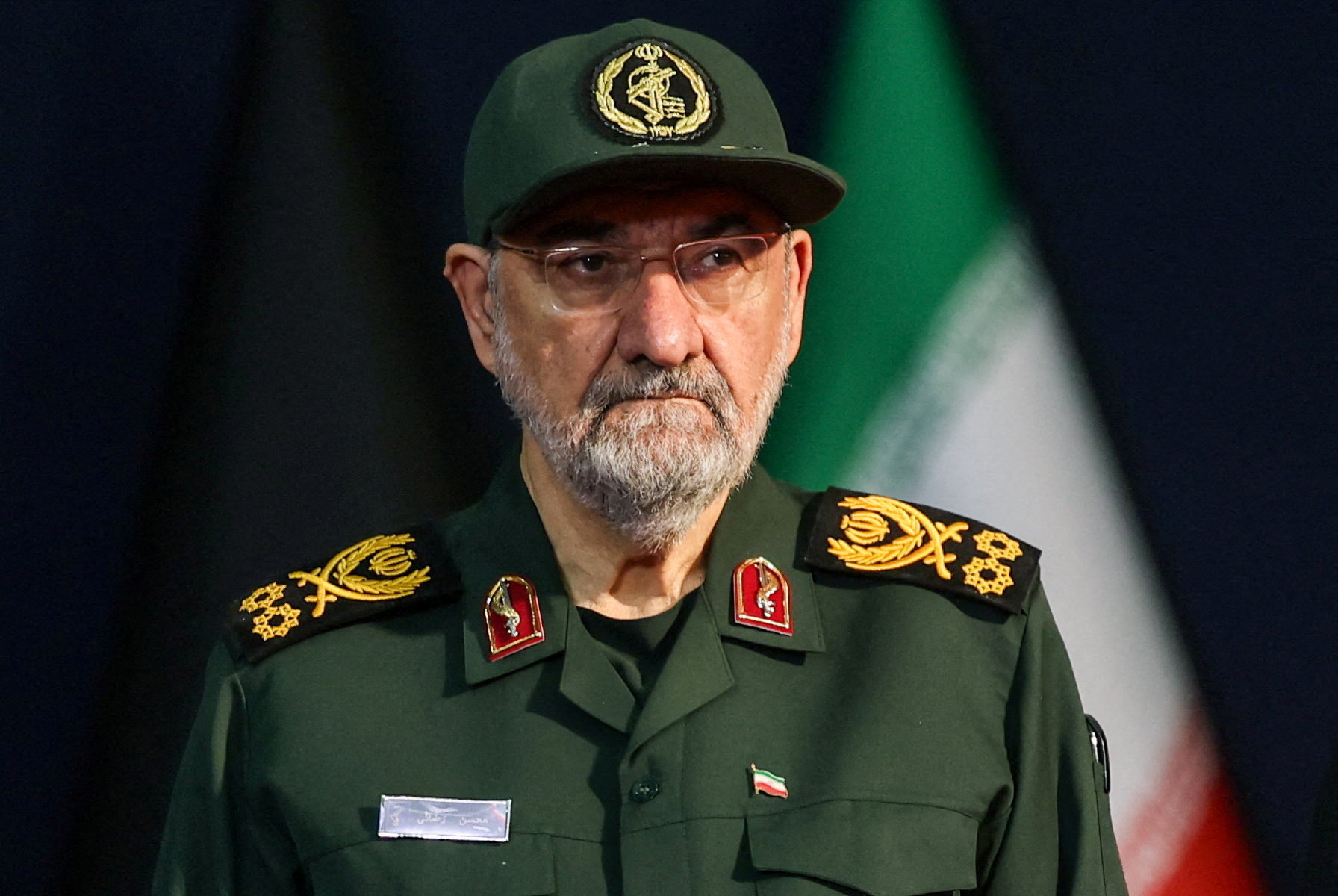
The Islamic Republic Returns to Offense
After U.S.-Israeli strikes killed Supreme Leader Ayatollah Ali Khamenei on February 28, Iran’s collective leadership has concluded that the best defense is a good offense.
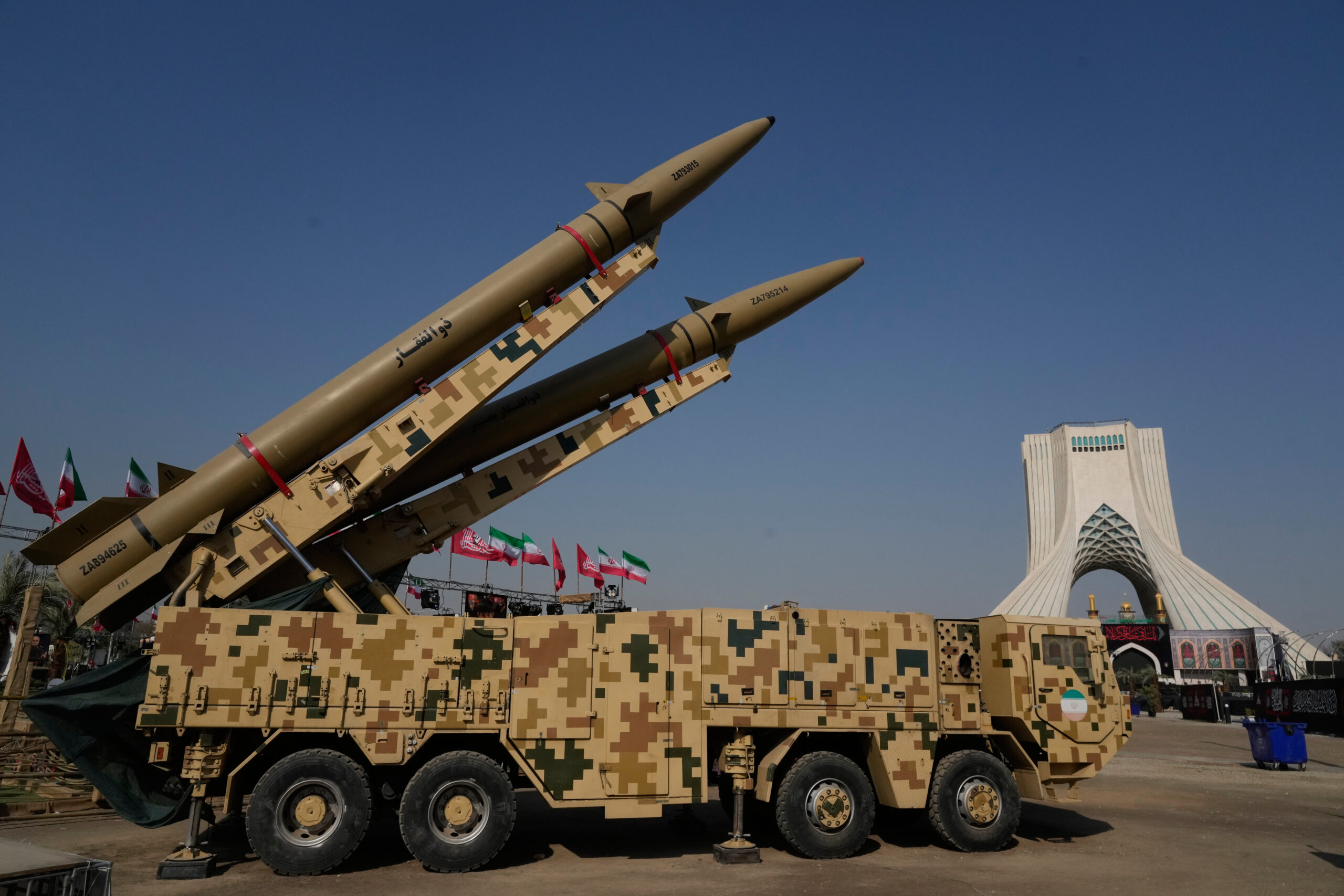
Iran’s Collective Strategic Decision Making
Wartime pressure has temporarily aligned the leadership’s overriding interest in regime survival, even as its members continue to differ over the costs, methods, and ultimate objectives of the war.
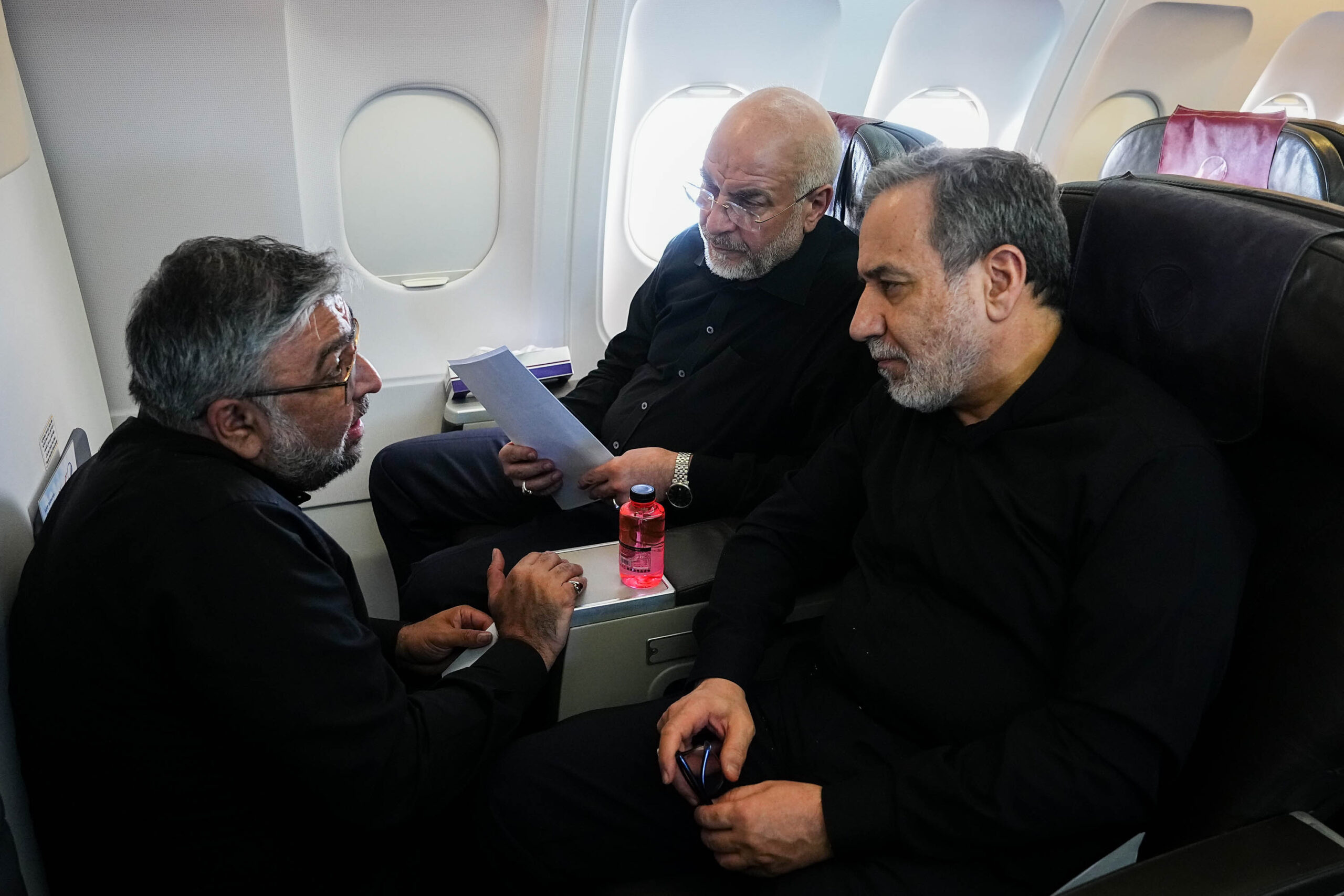
The Islamic Republic’s Collective Leadership
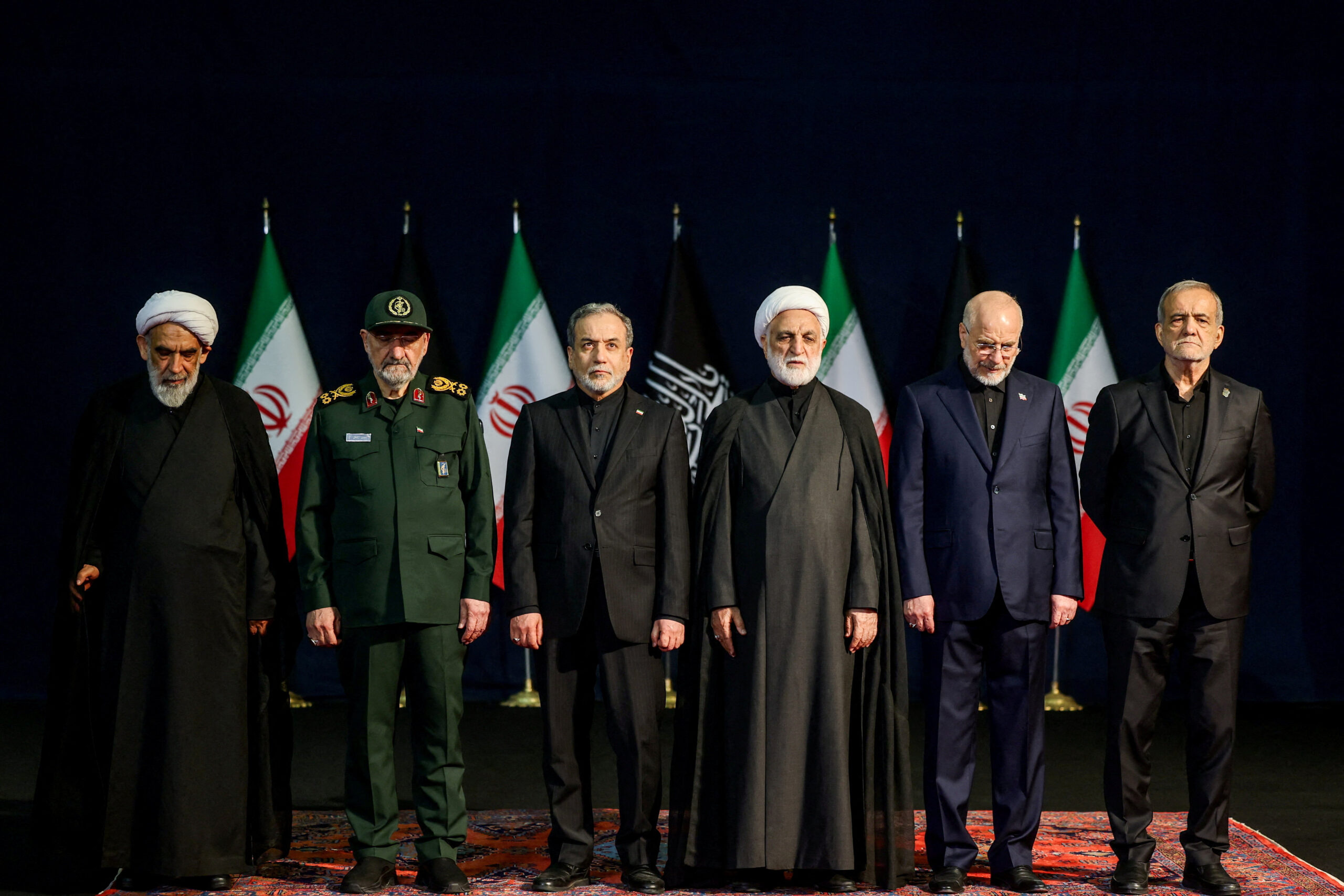
While there is historical precedent for collective leadership in Iran, today’s leadership includes representatives of the IRGC and regular military – a reflection of the IRGC’s expanding role and the necessities of governing under wartime conditions.
Events
Oct 6, 2026
Is the U.S.-Iran Stalemate a “New Normal” or the Prelude to Another Explosion?
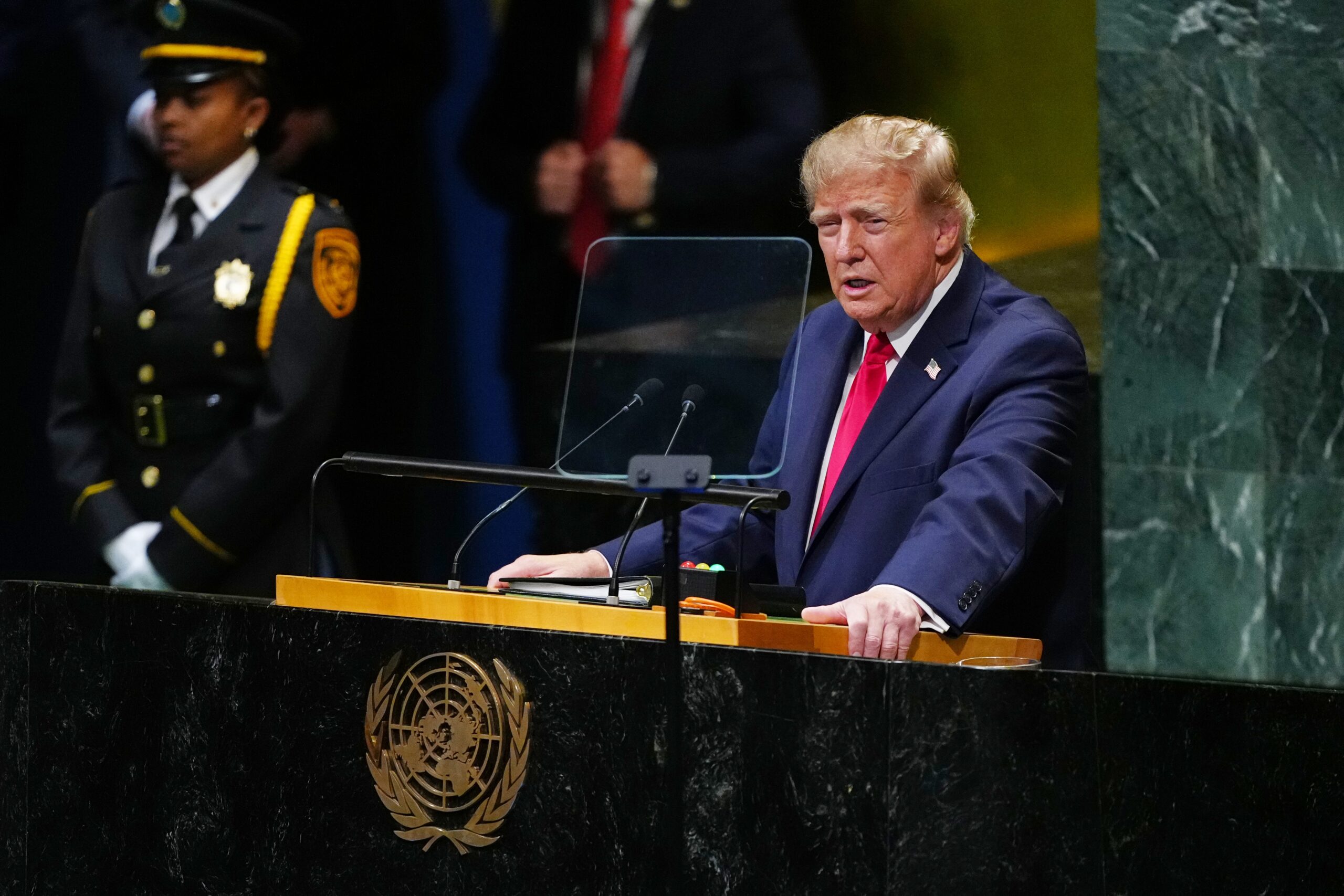
On October 6, AGSI hosted a discussion on the U.S.-Iran stalemate and the prospects for a cease-fire.
Speakers



Book Talk: Iran and the Bomb: The United States, Iran and the Nuclear Question
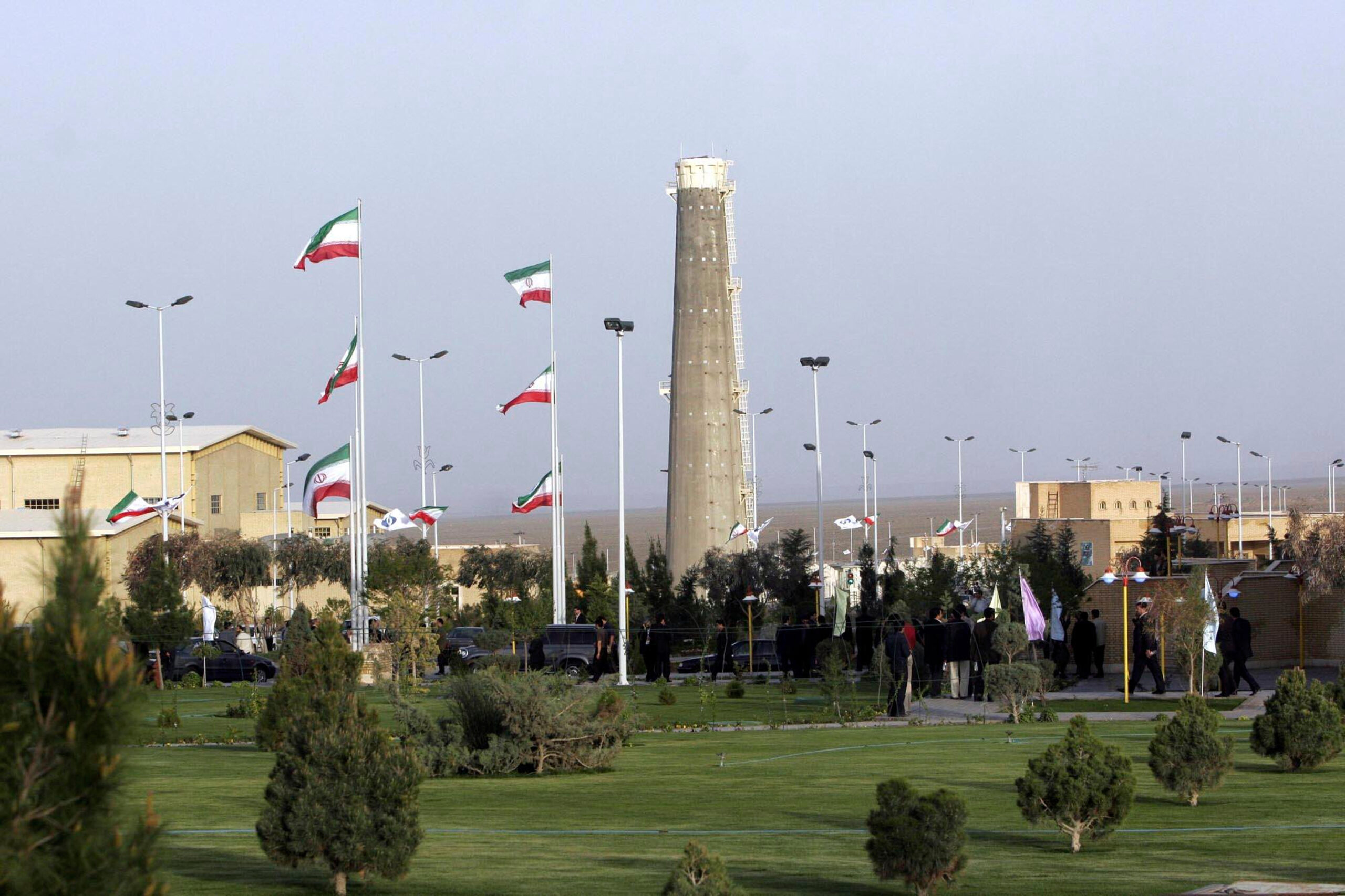
On June 16, AGSI hosted a discussion on the evolution of Iran's nuclear program.
Speakers

Apr 21, 2026
Inside Iran’s Wartime Leadership: Power, Succession, and Regime Stability
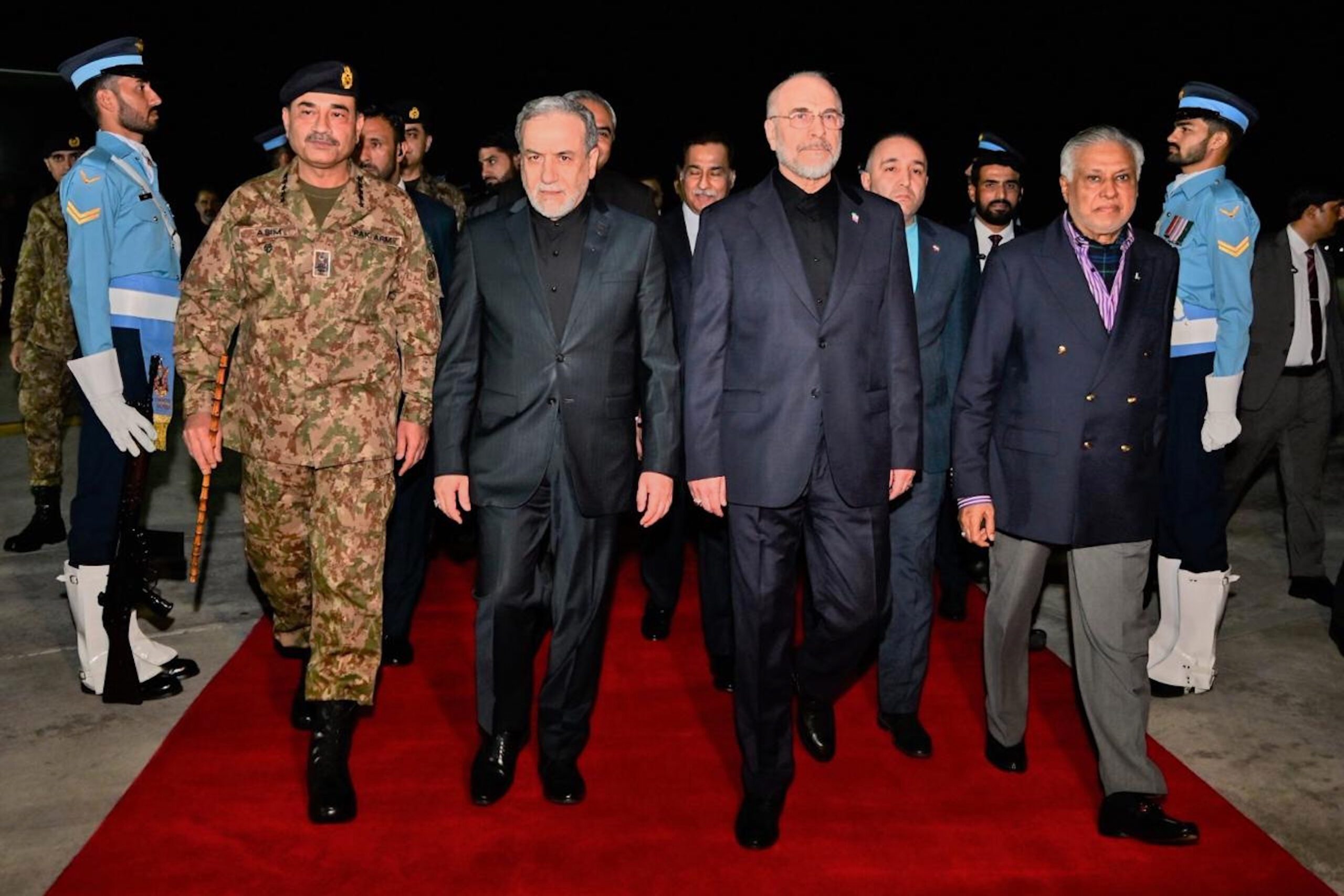
On April 21, AGSI hosted a discussion on the evolution of Iran's leadership during the war.
Speakers

Mar 18, 2026
In Its Conflict With the United States and Israel, Does Escalation Favor Iran?
On March 18, AGSI hosted a discussion on the escalation of the Iran war.
Speakers