Aug 9, 2024
Iran Struggles to Deter Israel
The August 9 edition of the Iran Media Review explores Iranian media outlet quotes of alleged Israeli media sources regarding an anticipated Iranian response to the killing of Hamas’ political leader Ismail Haniyeh.

On April 13, Iran launched a barrage of drones as well as cruise and ballistic missiles against Israel to retaliate for the April 1 bombing of the Iranian Consulate in Damascus that killed two Iranian generals, among others. Iran’s retaliatory strike aimed at preventing further Israeli attacks on sovereign Iranian territory, but Iran demonstrably failed in achieving this objective: Israel attacked a radar site in Iran on April 19 and is also suspected of having perpetrated the July 31 assassination of Ismail Haniyeh, Hamas Political Bureau chairman, in Tehran. Islamic Revolutionary Guard Corps leaders have promised a retaliatory attack against Israel but haven’t expanded on the nature of such an attack, and IRGC mouthpieces have merely quoted translations of articles in Israeli and U.S. media. Other media outlets openly warn against a response that would entangle the United States in a direct military conflict with Iran. For now, Iran appears to be struggling to find a way to respond that contributes to deterring Israel, as IRGC-aligned pundits are reduced to lauding the economic costs and psychological terror its delayed response has imposed on Israel.
- August 5: IRGC chief commander Major General Hossein Salami was quoted by Tabnak News, mouthpiece of former IRGC Chief Commander Mohsen Rezaei, as saying:
- “The Zioinist regime was born in a cradle of terror and possesses none of the constituent elements of nationhood. This regime has created a whirlpool of fire around itself. It thinks it is capable of preventing a nation from achieving nuclear power by assassinating its nuclear scientists. By assassinating a revolutionary leader, and a freedom fighter, who is trying to reclaim his land, this regime thinks it can secure its own survival … But once they receive a hard answer, they will realize their miscalculation.”
- August 5: IRGC mouthpiece Tasnim News, quoting an alleged report by Israeli public radio, wrote: “The Israelis are gripped by fear and terror, as they await the response to the assassination any moment.”
- August 5: Tasnim News, claiming to quote Israel Hayom, wrote: “The delay in Iran’s response may be due to its work on the launchers, but the delay too has added to Israel’s problems, and has, at the very least imposed economic losses on Israel.”
- August 6: IRGC mouthpiece Mashregh News quoted alleged reports from unidentified “Zionist media” on the missile types Iran is likely to deploy against Israel in its retaliatory attack.
- August 9: Mohammad Hossein Adeli, former ambassador to the United Kingdom, in an interview with reformist Entekhab, warned against a disproportionate response to the Haniyeh assassination:
- “The assassination of Haniyeh was a terrorist act aiming at increasing regional tensions and entangling Iran in a direct war. The aim was that Iran would retaliate so that Netanyahu could entangle Iran and the United States in a war. Such a scenario serves Netanyahu’s interests, since it would derail discussions about a permanent cease-fire in Gaza, do away with the two-state solution, and even lead to the defeat of the Democrats and Trump’s victory” in the U.S. presidential election.
The views represented herein are the author's or speaker's own and do not necessarily reflect the views of AGSI, its staff, or its board of directors.
Related
Iran Media Review
Aug 6, 2024
Reformist Media Warns Against the Risk of War in the Wake of Haniyeh Assassination
The August 6 edition of the Iran Media Review considers the hard questions being asked by reformist media outlets after the killing of Hamas’ political leader Ismail Haniyeh.
Iran Media Review
Aug 2, 2024
Reactions to Assassination of Ismail Haniyeh in Tehran
The August 2 edition of the Iran Media Review examines reactions by Iranian authorities to the killing of Hamas' political leader Ismail Haniyeh in Tehran.
Aug 6, 2024
Reformist Media Warns Against the Risk of War in the Wake of Haniyeh Assassination
The August 6 edition of the Iran Media Review considers the hard questions being asked by reformist media outlets after the killing of Hamas’ political leader Ismail Haniyeh.
Aug 2, 2024
Reactions to Assassination of Ismail Haniyeh in Tehran
The August 2 edition of the Iran Media Review examines reactions by Iranian authorities to the killing of Hamas' political leader Ismail Haniyeh in Tehran.
Analysis
Mohsen Rezaei at the Helm of Iran’s Supreme National Security Council
Under Rezaei, the SNSC could prove constructive or paralyze strategic decision making.
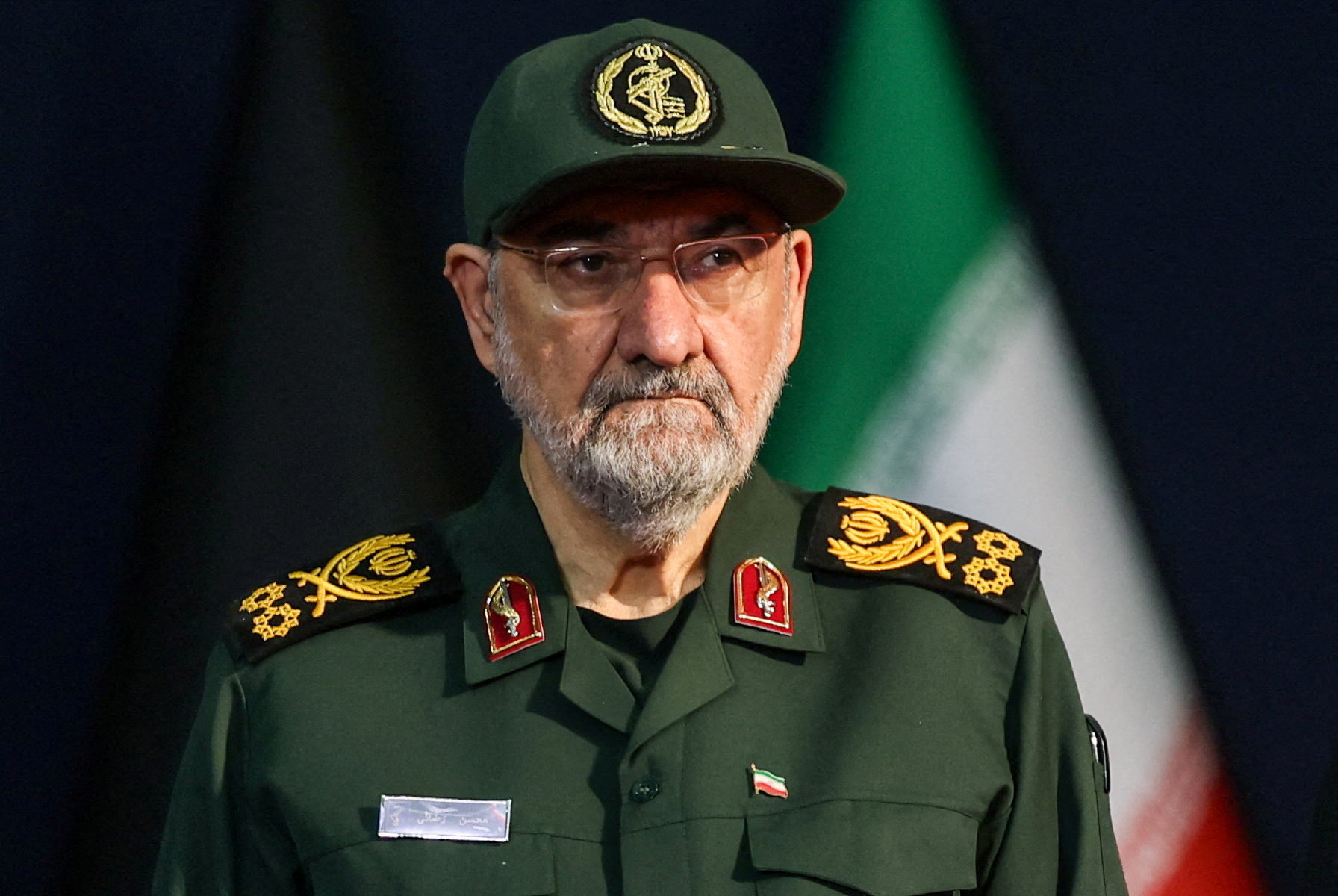
The Islamic Republic Returns to Offense
After U.S.-Israeli strikes killed Supreme Leader Ayatollah Ali Khamenei on February 28, Iran’s collective leadership has concluded that the best defense is a good offense.
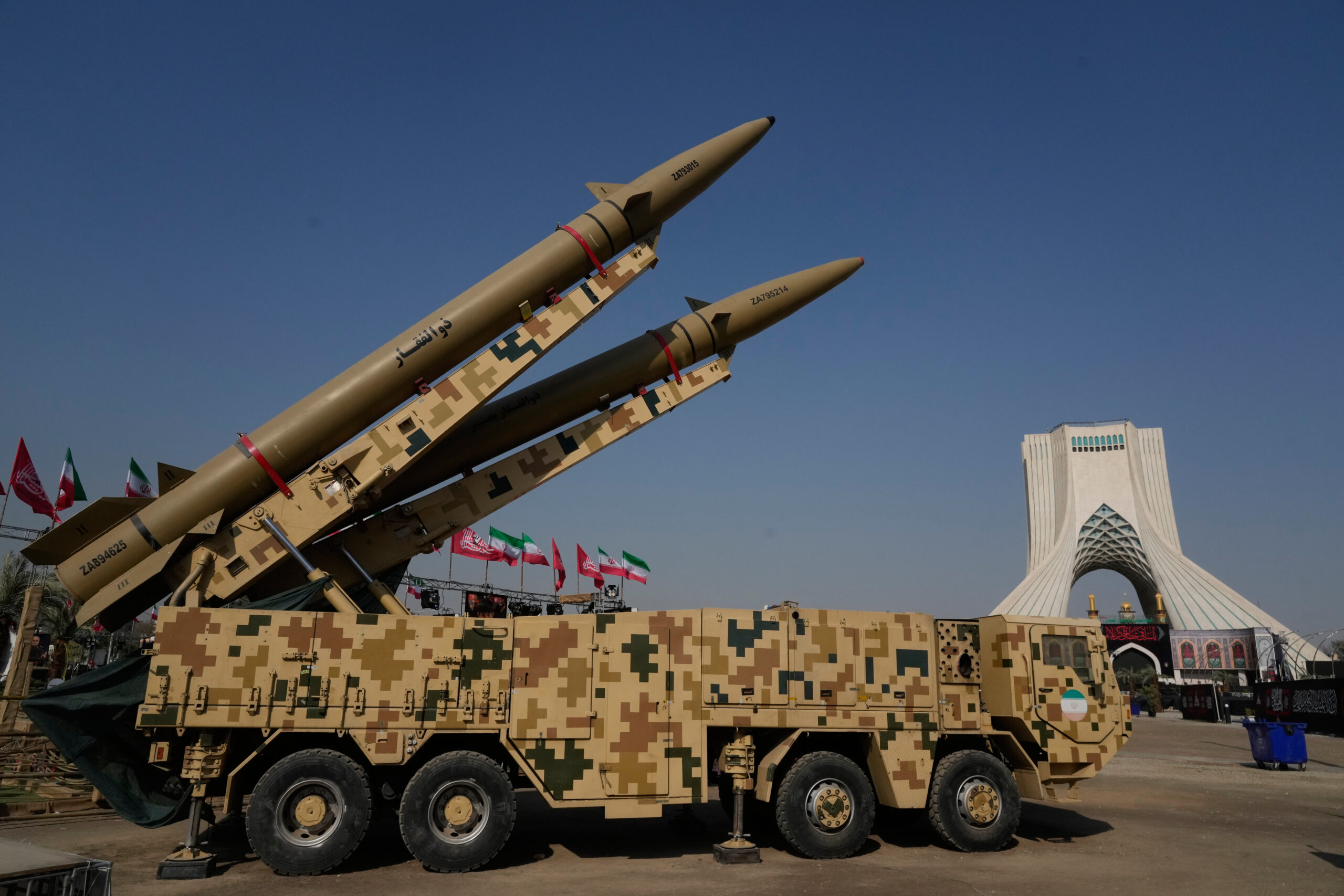
Iran’s Collective Strategic Decision Making
Wartime pressure has temporarily aligned the leadership’s overriding interest in regime survival, even as its members continue to differ over the costs, methods, and ultimate objectives of the war.
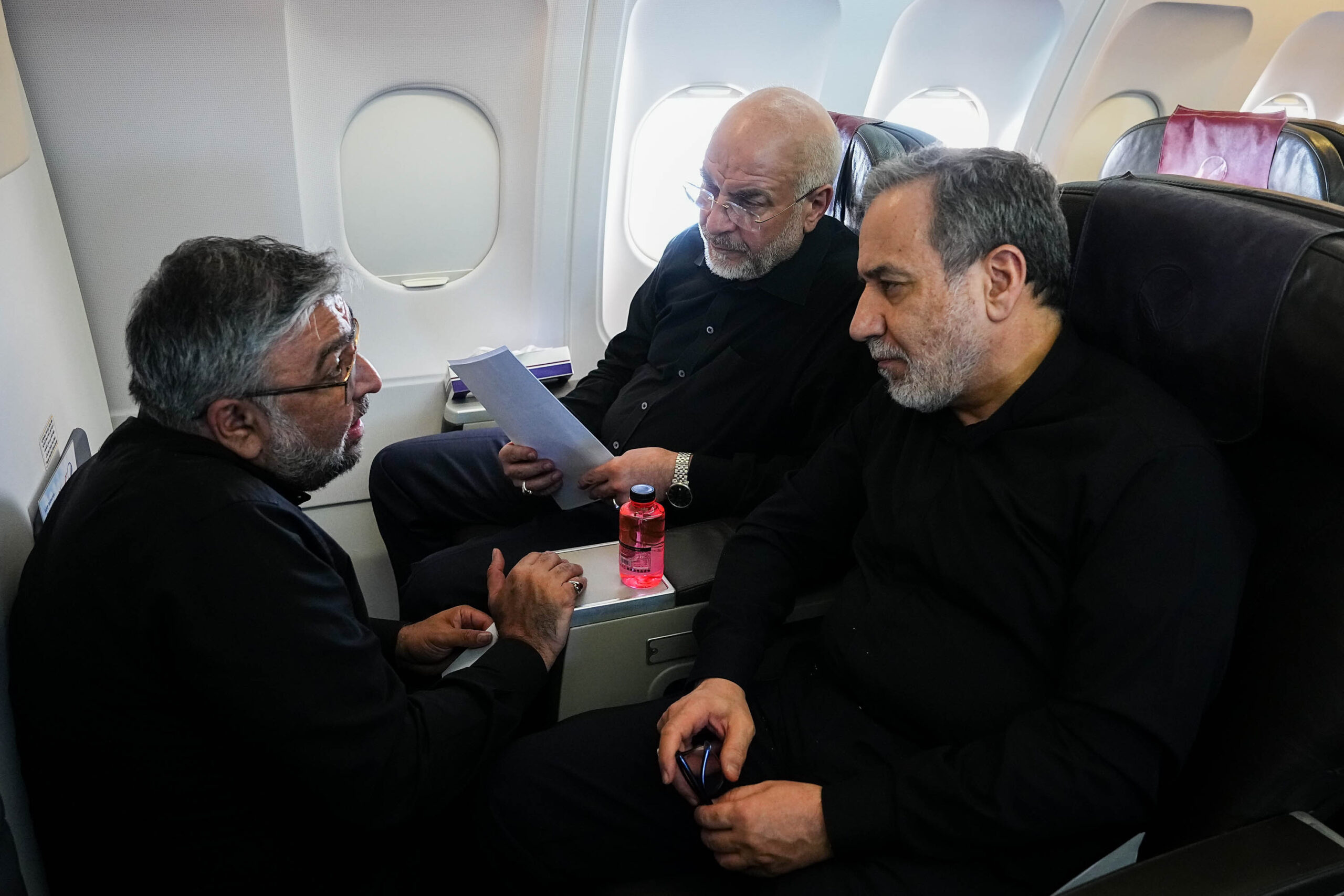
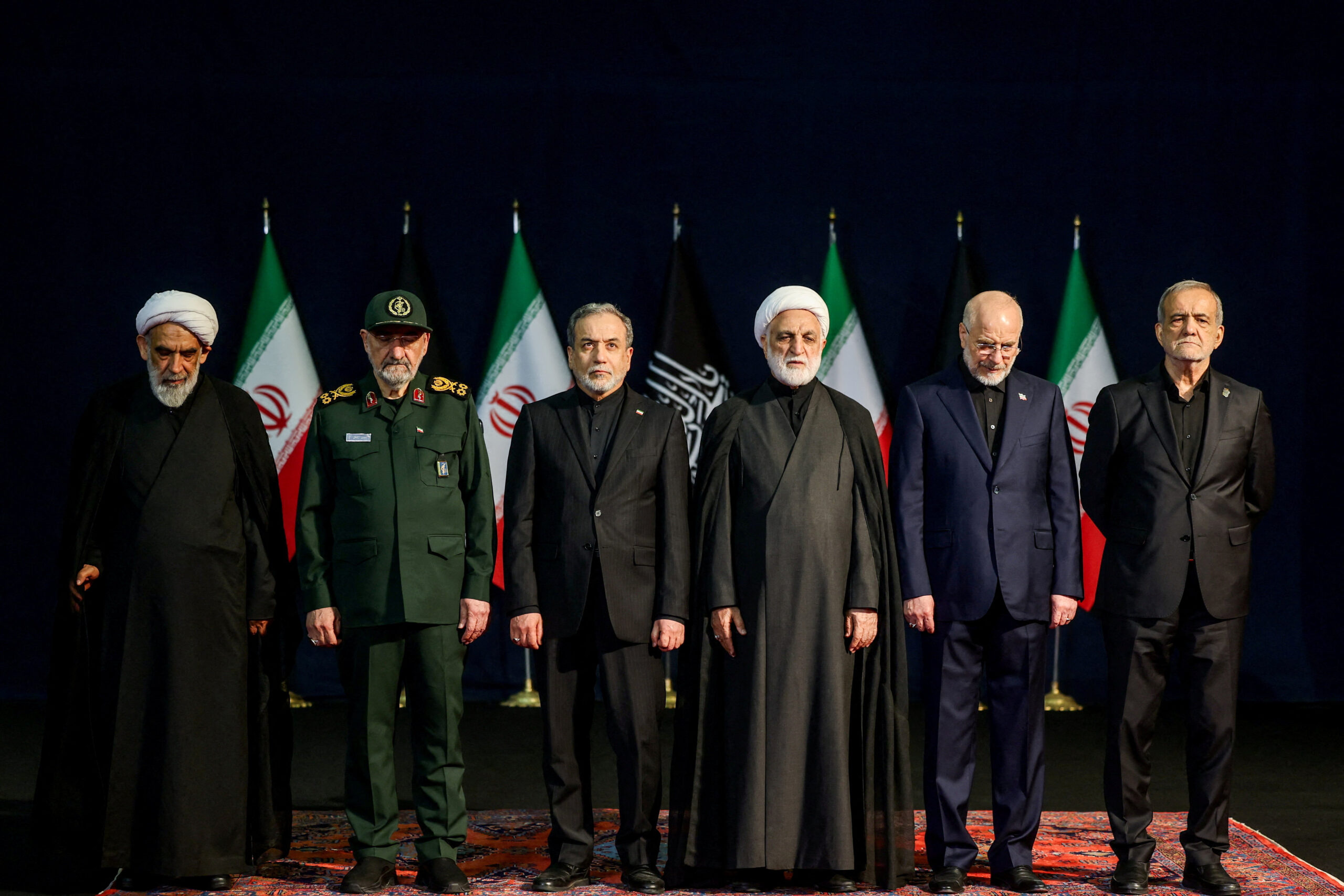
The Islamic Republic’s Collective Leadership
While there is historical precedent for collective leadership in Iran, today’s leadership includes representatives of the IRGC and regular military – a reflection of the IRGC’s expanding role and the necessities of governing under wartime conditions.
Events
Oct 6, 2026
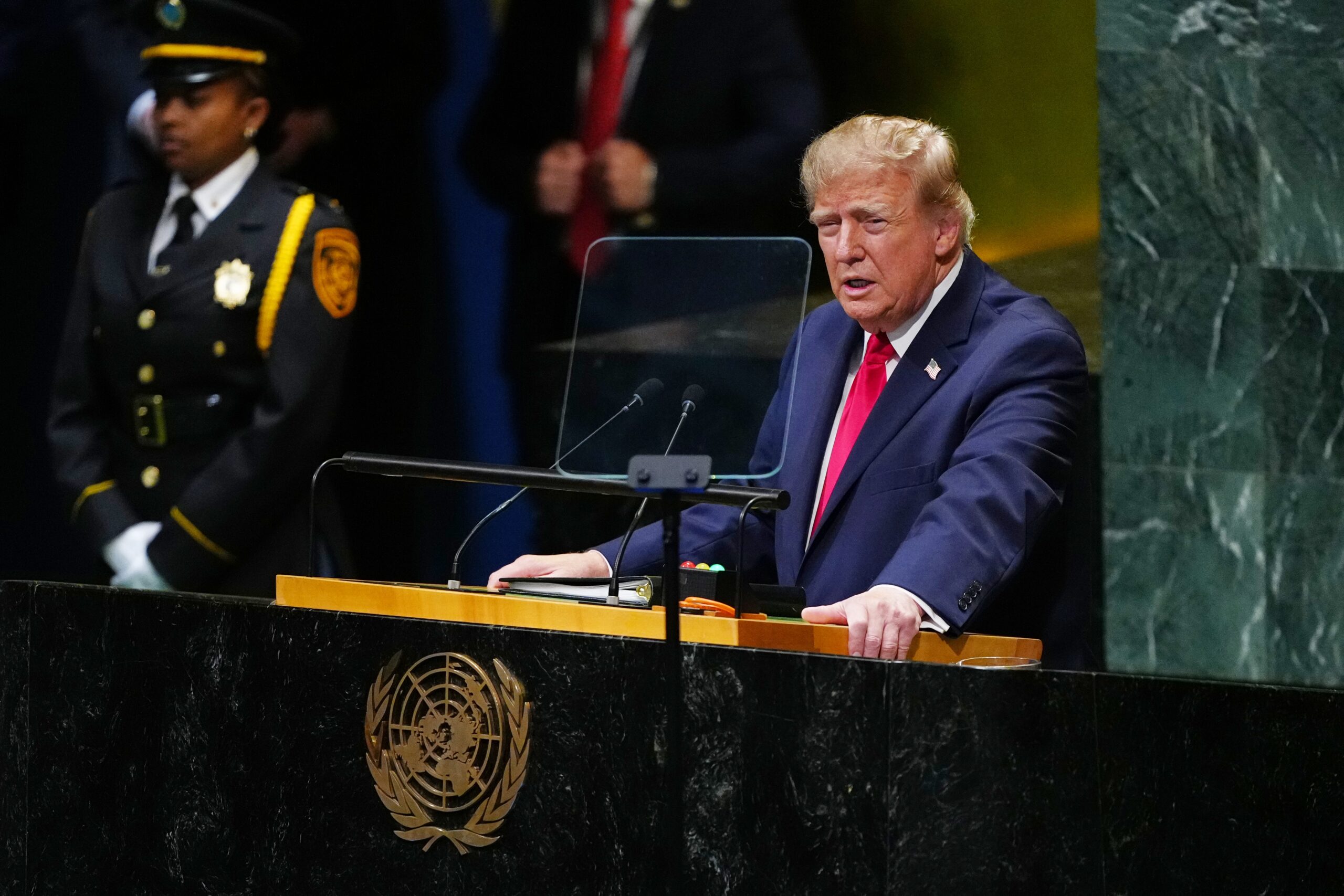
Is the U.S.-Iran Stalemate a “New Normal” or the Prelude to Another Explosion?
On October 6, AGSI hosted a discussion on the U.S.-Iran stalemate and the prospects for a cease-fire.
Speakers



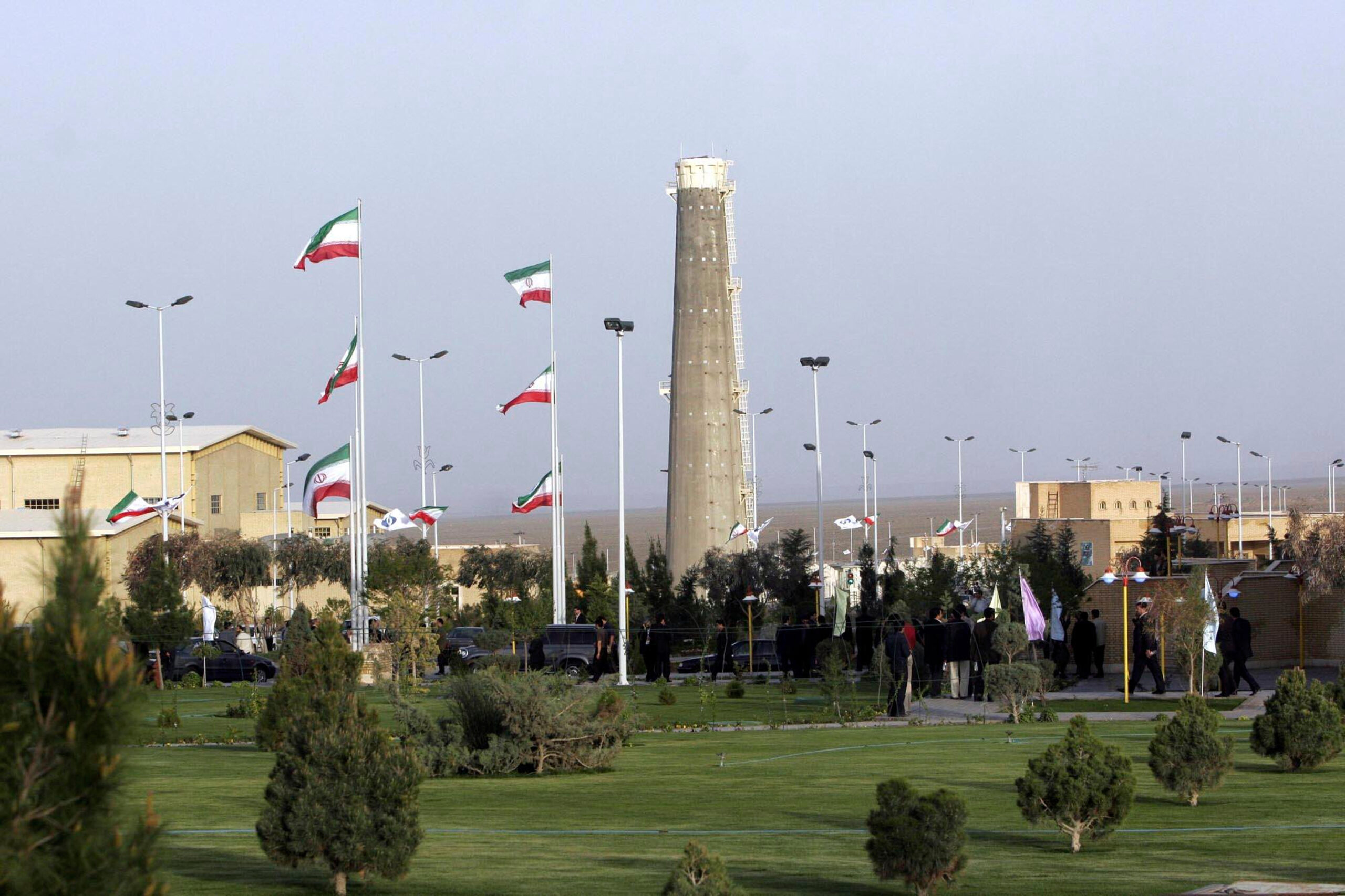
Book Talk: Iran and the Bomb: The United States, Iran and the Nuclear Question
On June 16, AGSI hosted a discussion on the evolution of Iran's nuclear program.
Speakers
Apr 21, 2026
Inside Iran’s Wartime Leadership: Power, Succession, and Regime Stability
On April 21, AGSI hosted a discussion on the evolution of Iran's leadership during the war.
Speakers

Mar 18, 2026
In Its Conflict With the United States and Israel, Does Escalation Favor Iran?
On March 18, AGSI hosted a discussion on the escalation of the Iran war.
Speakers