Apr 8, 2025
Tehran Signals Readiness as U.S.-Iran Talks Remain on Hold
The April 8 edition of the Iran Media Review examines Iranian views on Tehran’s position regarding negotiating with the United States.

While addressing the Iranian Parliament’s National Security and Foreign Policy Committee, Deputy Foreign Minister Abbas Araghchi acknowledged that negotiations between Iran and the United States in Oman have not yet commenced. Nonetheless, several indicators suggest that Tehran is signaling a strategic willingness to engage: The chief of the general staff of the armed forces, Major General Mohammad Baqeri, has initiated high-level briefings with senior commanders of both the Islamic Revolutionary Guard Corps and the conventional military, focusing on the contents of Supreme Leader Ayatollah Ali Khamenei’s correspondence with President Donald J. Trump. Concurrently, reformist media platforms are openly challenging the hard-line narrative, going so far as to accuse Kayhan Editor-in-Chief Hossein Shariatmadari of actively sabotaging the diplomatic process.
- April 7: Deputy Foreign Minister Abbas Araghchi said, as quoted by the Islamic Revolutionary Guard Corps aligned Tasnim News:
- “No negotiation has taken place yet.” When questioned about a U.S. senator advocating for a Libya-style disarmament framework, Araghchi responded: “In their dreams!”
- April 7: Mohammad Baqeri, in remarks delivered at the Khatam al-Anbia Central Command and reported by the IRGC-aligned Javan, summarized Supreme Leader Ayatollah Ali Khamenei’s letter to President Donald J. Trump:
- “We will not initiate hostilities, but we will respond decisively to any threat. Our objective is regional stability, and regarding the nuclear dossier, we deny intentions of weaponization. The nuclear program is designed to meet national development needs. We will not engage in direct negotiations, though indirect dialogue is not ruled out. The U.S. remains the most untrustworthy and reneging actor in diplomatic history; therefore, no trust can be placed in the U.S.”
- April 7: Reformist Shargh Daily columnist Davoud Heshmati issued a pointed critique of resistance to diplomatic overture to the United States, suggesting it jeopardizes Iran’s strategic interests:
- “Just as Iran was preparing the answer to Trump’s letter, in Tehran, there is talk of assassinating him,” referencing an April 3 satirical column in the hard-line Kayhan. He continued that, while Israeli Prime Minister Benjamin Netanyahu is “lobbying Trump to prevent any agreement that can help the Islamic Republic survive, there is a campaign in Tehran reminding the Cabinet of its obligations to serve as the pivot of the Islamic world.”
- April 7: Technocratic Sazandegi newspaper spotlighted hard-liner opposition to negotiations with a stark visual juxtaposition: Its front page featured portraits of Kayhan Editor Hossein Shariatmadari and former Vice President Mike Pence under the headline: “Warmongers.”
The views represented herein are the author's or speaker's own and do not necessarily reflect the views of AGSI, its staff, or its board of directors.
Related
Iran Media Review
Apr 4, 2025
Tehran Positions Itself for Renewed Talks With Washington Part 2
The April 4 edition of the Iran Media Review considers remarks made by a top Iranian official on Iran’s stance toward negotiations with the United States.
Iran Media Review
Apr 1, 2025
Tehran Positions Itself for Renewed Talks With Washington
The April 1 edition of the Iran Media Review highlights Iranian officials’ messaging indicating increased willingness to negotiate with the United States.
Apr 4, 2025
Tehran Positions Itself for Renewed Talks With Washington Part 2
The April 4 edition of the Iran Media Review considers remarks made by a top Iranian official on Iran’s stance toward negotiations with the United States.
Apr 1, 2025
Tehran Positions Itself for Renewed Talks With Washington
The April 1 edition of the Iran Media Review highlights Iranian officials’ messaging indicating increased willingness to negotiate with the United States.
Analysis
Mohsen Rezaei at the Helm of Iran’s Supreme National Security Council
Under Rezaei, the SNSC could prove constructive or paralyze strategic decision making.
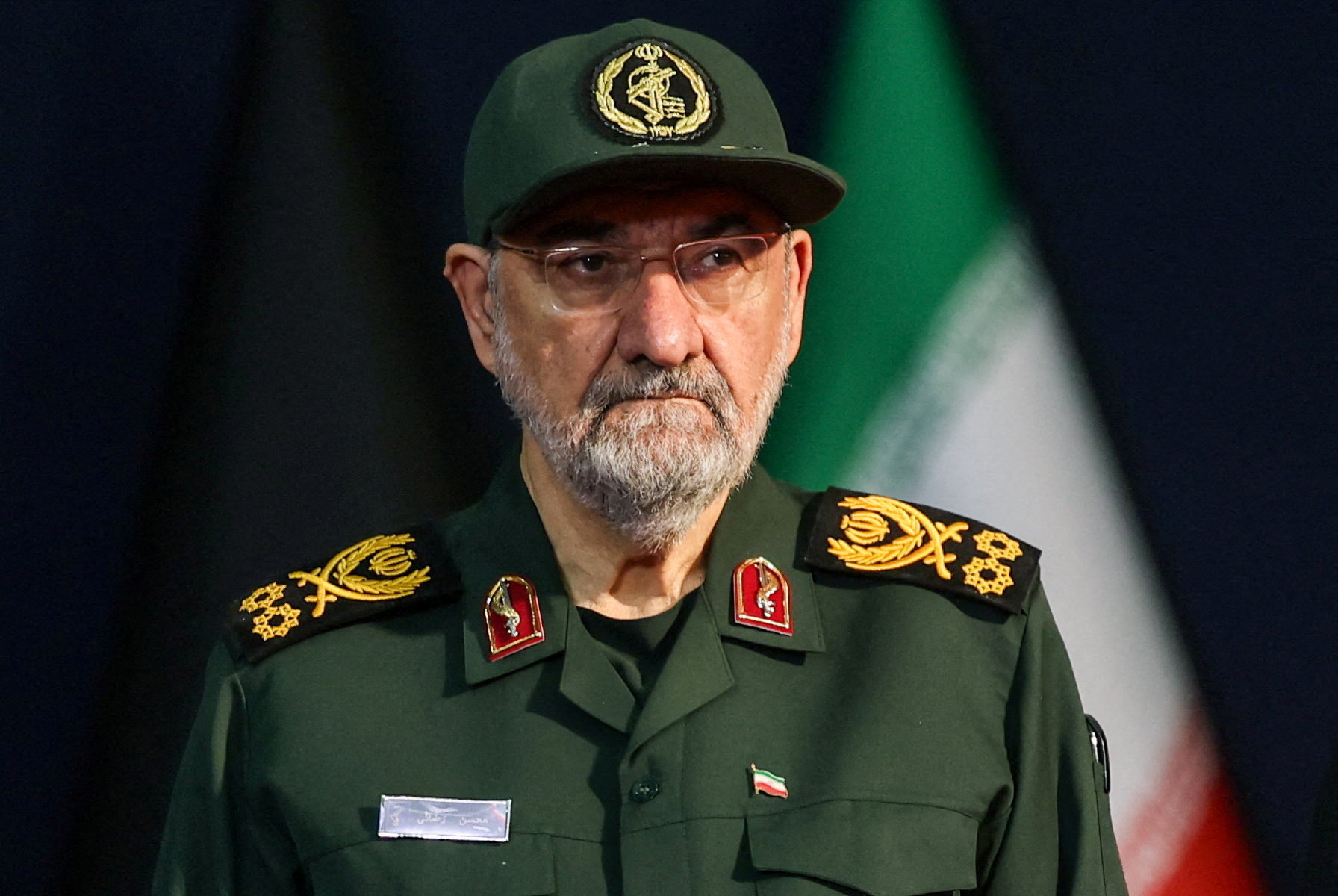
The Islamic Republic Returns to Offense
After U.S.-Israeli strikes killed Supreme Leader Ayatollah Ali Khamenei on February 28, Iran’s collective leadership has concluded that the best defense is a good offense.
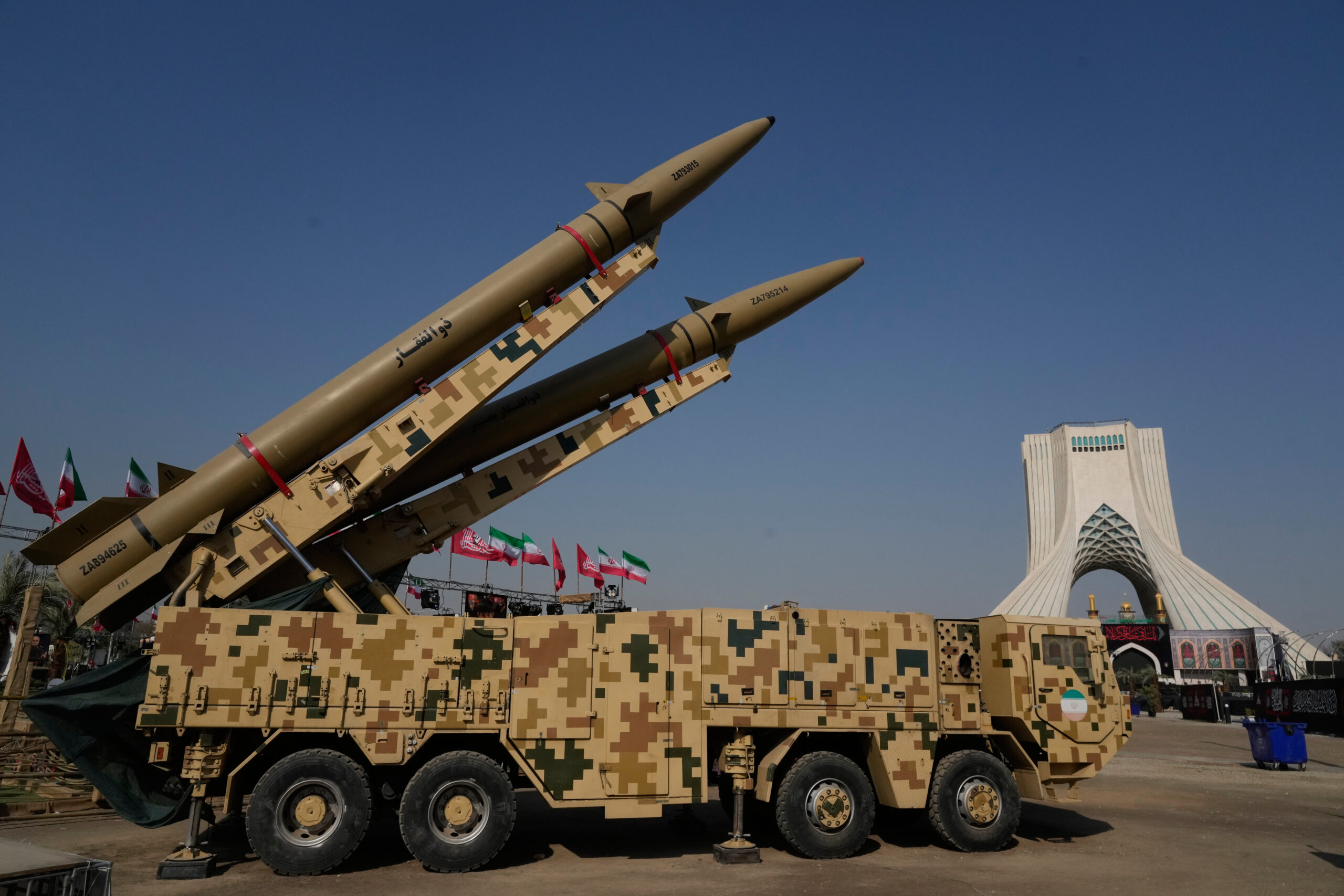
Iran’s Collective Strategic Decision Making
Wartime pressure has temporarily aligned the leadership’s overriding interest in regime survival, even as its members continue to differ over the costs, methods, and ultimate objectives of the war.
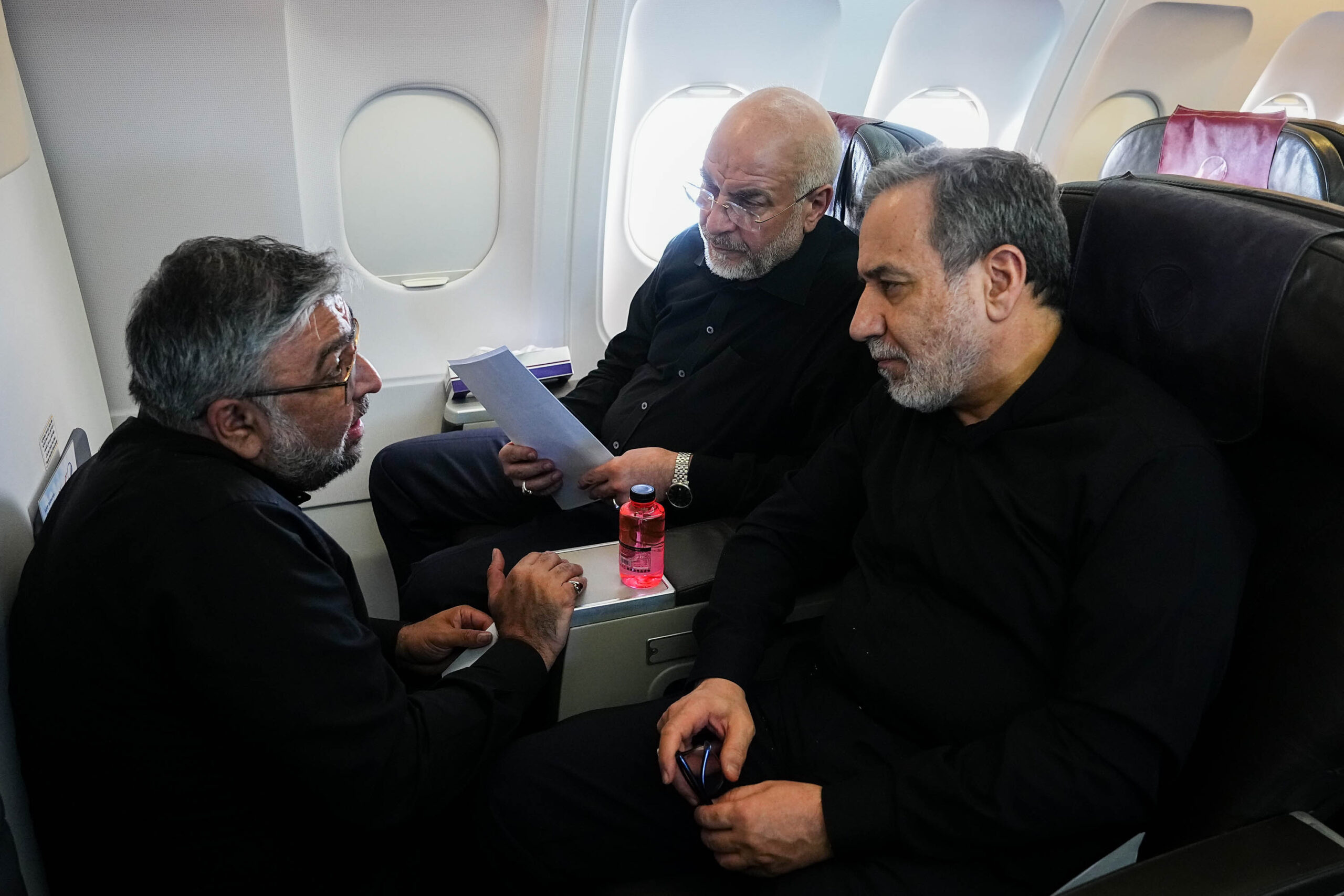
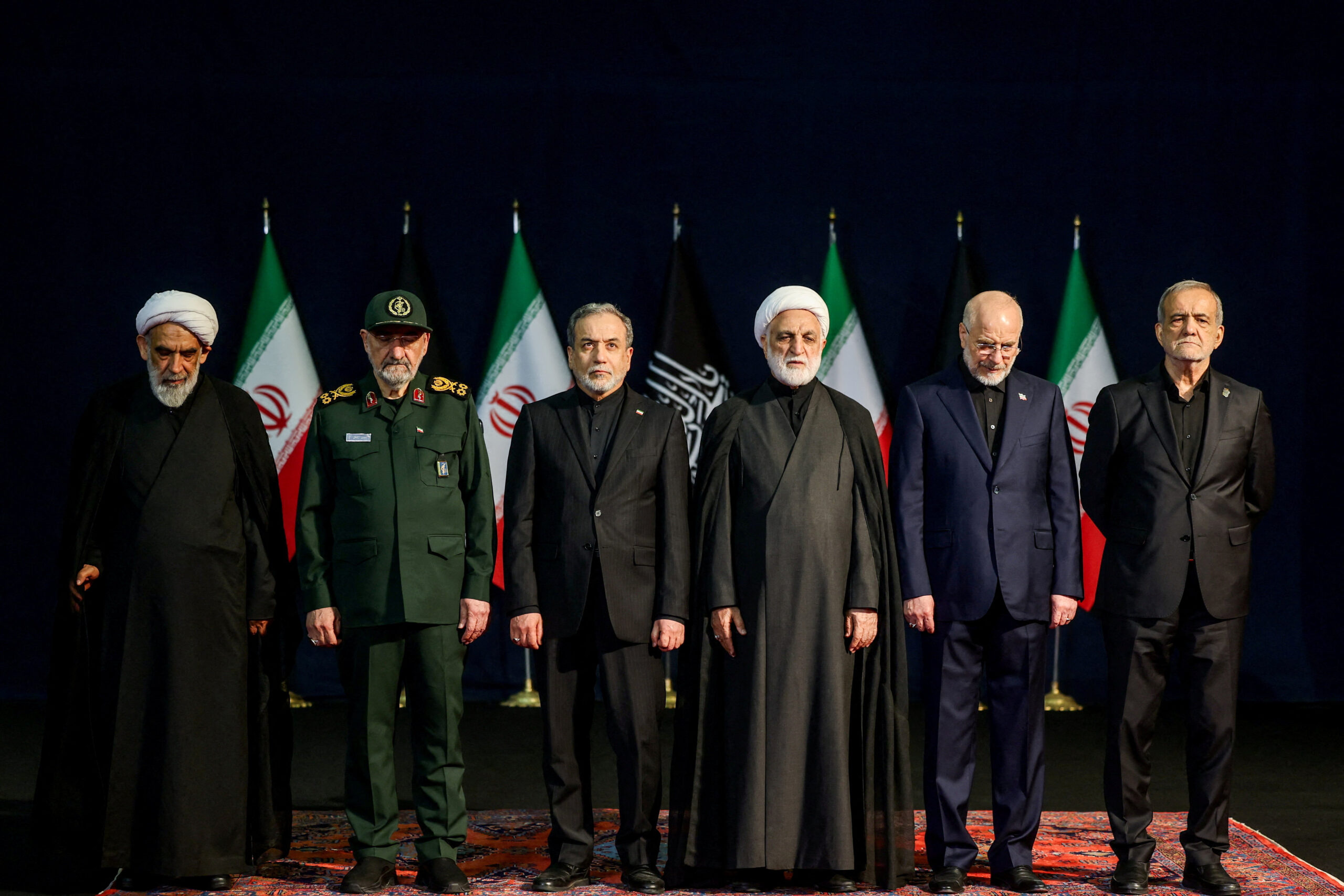
The Islamic Republic’s Collective Leadership
While there is historical precedent for collective leadership in Iran, today’s leadership includes representatives of the IRGC and regular military – a reflection of the IRGC’s expanding role and the necessities of governing under wartime conditions.
Events
Oct 6, 2026
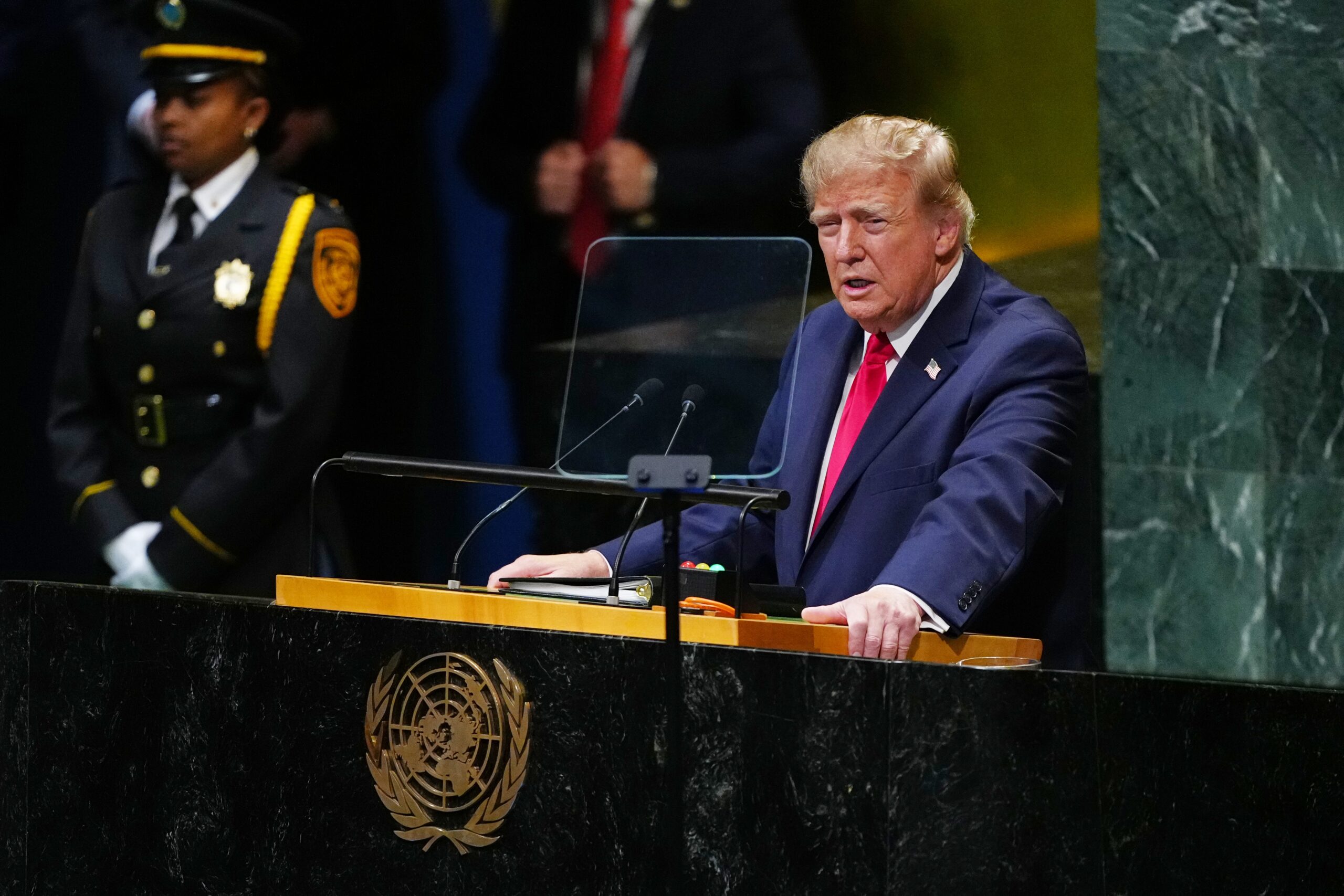
Is the U.S.-Iran Stalemate a “New Normal” or the Prelude to Another Explosion?
On October 6, AGSI hosted a discussion on the U.S.-Iran stalemate and the prospects for a cease-fire.
Speakers



Book Talk: Iran and the Bomb: The United States, Iran and the Nuclear Question
On June 16, AGSI hosted a discussion on the evolution of Iran's nuclear program.

Speakers

Apr 21, 2026
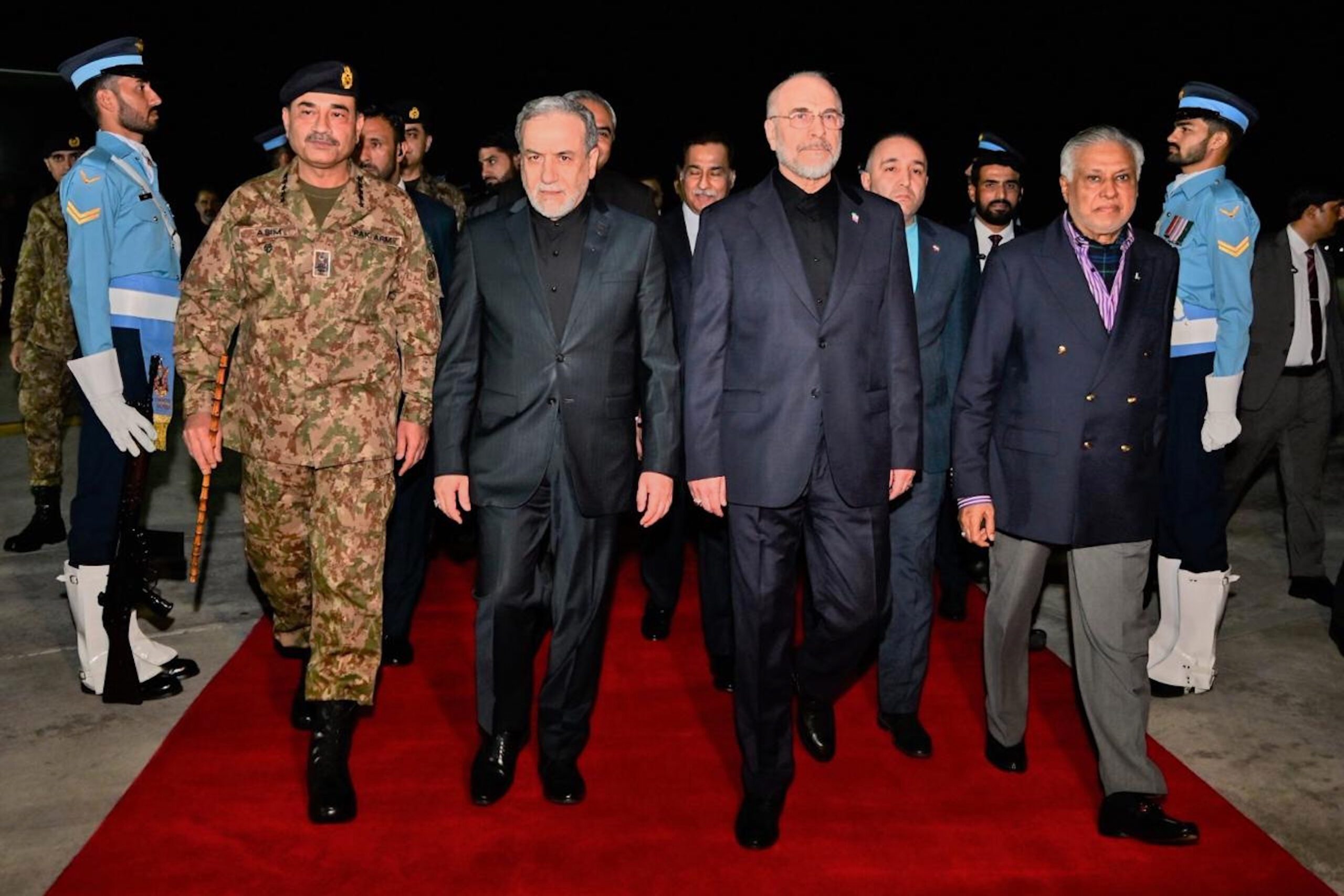
Inside Iran’s Wartime Leadership: Power, Succession, and Regime Stability
On April 21, AGSI hosted a discussion on the evolution of Iran's leadership during the war.
Speakers

Mar 18, 2026
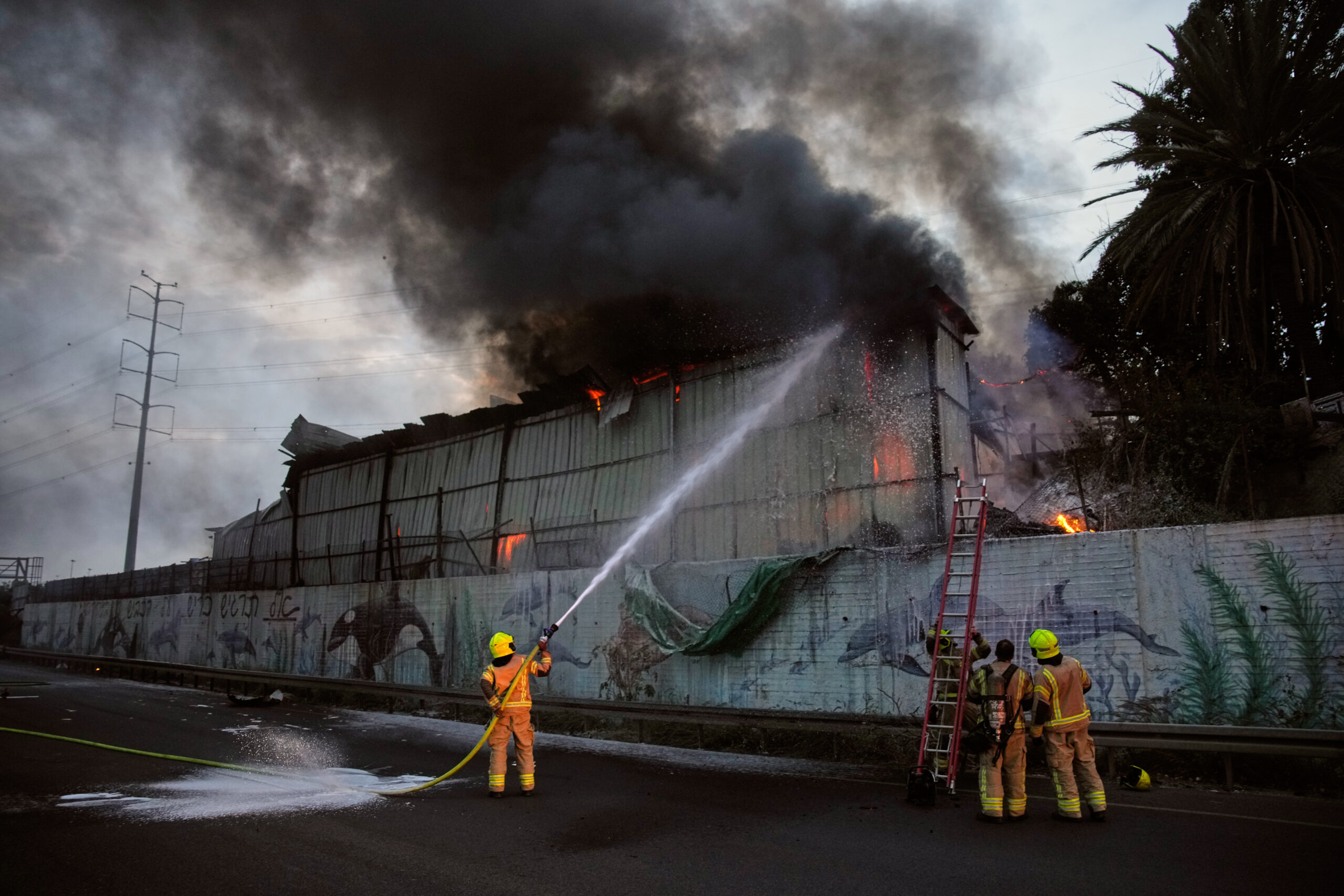
In Its Conflict With the United States and Israel, Does Escalation Favor Iran?
On March 18, AGSI hosted a discussion on the escalation of the Iran war.
Speakers