Apr 1, 2025
Tehran Positions Itself for Renewed Talks With Washington
The April 1 edition of the Iran Media Review highlights Iranian officials’ messaging indicating increased willingness to negotiate with the United States.
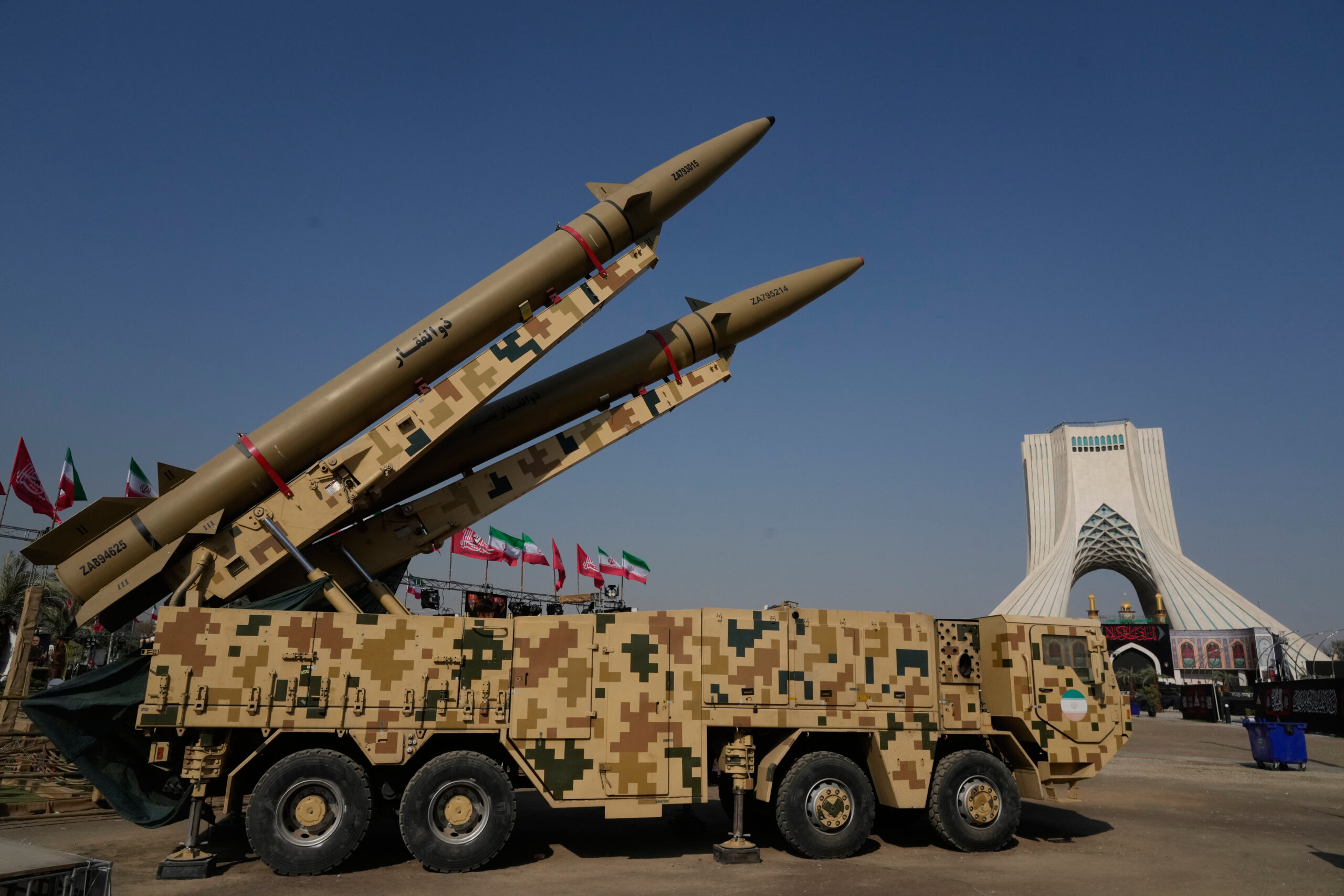
As a prelude to potential diplomatic engagement with the United States, Iran is strategically signaling both deterrence and openness to negotiation. The activation of Yemeni Houthi proxies and the controlled disclosure of the Islamic Revolutionary Guard Corps’ subterranean missile infrastructure serve as calibrated demonstrations of Iran’s strategic depth and military resilience, aimed at reinforcing its bargaining position vis-a-vis President Donald J. Trump. Simultaneously, the removal of the U.S. flag from the missile complex floor, alongside Tehran’s formal diplomatic response (as explained by a former Iranian nuclear negotiator), indicates a conditional willingness to engage in dialogue.
However, Iran appears to be setting its own parameters for negotiations. Two sources have dismissed the United Arab Emirates as a potential intermediary, suggesting that Abu Dhabi is an unlikely venue for talks. Furthermore, while Tehran has signaled readiness to deliberate on its nuclear program within the established framework of the 2015 Joint Comprehensive Plan of Action, it has categorically ruled out any discussion of its defense posture and ballistic missile capabilities, framing these as nonnegotiable aspects of its national security strategy.
- March 27: Ambassador Hossein Mousavian, a former nuclear negotiator and de facto representative of Iran in the United States, elaborated on Iran’s response to President Donald J. Trump’s letter in a bilingual statement published on his Telegram channel:
- “1 Iran responded to the letter through Oman, while Trump’s letter had been received via the UAE. Iran’s distrust of the UAE, due to its extensive relations with Israel and the Abraham Accords, explains why Iran refuses to involve Abu Dhabi in Tehran-Washington relations.
- 2 Tehran stated that ‘under the current U.S. policy (sanctions and pressure threats), it would not engage in direct negotiations with Washington. However, as before, the door for indirect negotiations remains open.’
- I believe Tehran wants to first test Trump’s goodwill and seriousness, and if the response is positive, it will enter into direct negotiations. At the same time, the direct response from Iran’s SL to the U.S. President is a notable point.
- 3 My interpretation is that Iran, with an ambiguous response, has addressed all the key points in Trump’s letter. Iran likely welcomed the positive aspects of the U.S. letter and responded to the threats with a counter-threats.
- 4 In the current situation, the role of intermediary countries for negotiations between Iran and the U.S. will be important. As of now, Oman and Russia have a higher chance of mediating.”
- “1 Iran responded to the letter through Oman, while Trump’s letter had been received via the UAE. Iran’s distrust of the UAE, due to its extensive relations with Israel and the Abraham Accords, explains why Iran refuses to involve Abu Dhabi in Tehran-Washington relations.
- March 28: Admiral Ali Shamkhani, former secretary of the Supreme National Security Council, whose precise governmental role remains undefined, stated in an interview with the Islamic Revolutionary Guard Corps-affiliated Tasnim News Agency that Iran had formally responded to Trump’s letter on March 27:
- “Iran’s response was measured and calculated … The message was transmitted to the Americans through Omani channels. The United States had proposed an alternative intermediary, but Iran opted to deliver its response via Oman … Historically, Iran has engaged in indirect negotiations with the United States, and this response signals that, should negotiations proceed on the basis of parity, Tehran is prepared to take the next steps in the diplomatic process.”
- March 28: Ali Larijani, former secretary of the Supreme National Security Council and Supreme Leader Ayatollah Ali Khamenei’s recent envoy to Syria, Lebanon, and Iraq, spoke to Tasnim News Agency about the feasibility of an agreement between Iran and the United States:
- “At present, both sides are articulating their respective positions, but an agreement necessitates a mutual understanding of the conditions governing negotiations.”
- He further conveyed optimism regarding the prospects of reaching a diplomatic settlement with Washington.
- March 28: The centrist news agency Asr-e Iran analyzed statements made by Foreign Minister Abbas Araghchi and former Foreign Minister Kamal Kharazi, who chairs the Strategic Foreign Policy Council think tank. The analysis suggests that Araghchi frequently echoes specific terminology used by Kharazi, leading to the conclusion that Kharazi is in charge of preparations for potential negotiations with the United States.
- March 29: The reformist-aligned Entekhab News Agency published the Persian translation of an article from the London-based and Qatari-owned newspaper The New Arab, offering insights into Tehran’s response to Trump’s letter addressed to Khamenei:
- Iranian “sources, who requested anonymity, emphasized that Tehran has ‘meticulously addressed each paragraph of the U.S. president’s letter, employing language calibrated to mirror Trump’s diplomatic style.'”
- The sources elaborated: “The letter encompasses four principal dimensions: the nuclear dossier, defense capabilities, regional policies, and the threats articulated by Trump.”
- “They further clarified that ‘Tehran has categorically rejected any discussions pertaining to its defense and missile capabilities … However, the response indicates Iran’s willingness to deliberate on its nuclear program, albeit strictly within the framework of the 2015 Joint Comprehensive Plan of Action and contingent upon mutual respect.’ The sources stressed that ‘unreasonable demands seeking additional constraints on Iran’s nuclear activities … will not be entertained under any circumstances.'”
- In the letter, Iranian officials reportedly sought to reassure Trump that “Iran’s nuclear program remains exclusively peaceful in nature.”
- Regarding regional dynamics, the response purportedly asserted that “Iran’s bilateral relations with neighboring states are governed by sovereign agreements. Iran’s allies operate autonomously and are not subordinate to Tehran. Any diplomatic engagement with them would be welcomed.”
- The letter stipulated that negotiations with the United States must be conducted in a manner that is “dignified, devoid of coercion, and free from the maximum pressure” campaign.
- On the final dimension of Trump’s letter – his implicit reference to the potential use of military force against Iran – Tehran’s response reportedly affirmed: “Iran will resolutely safeguard its national interests and security. Any hostile action will be met with an unrestricted response.”
The views represented herein are the author's or speaker's own and do not necessarily reflect the views of AGSI, its staff, or its board of directors.
Related
Iran Media Review
Mar 28, 2025
IRGC Shows Subterranean Missile Complex, but No Tramping on Stars and Stripes
The March 28 edition of the Iran Media Review explores the release of a video of an IRGC missile complex without the usual U.S. flag on the floor.
Iran Media Review
Mar 25, 2025
Somber Resilience: Ayatollah Khamenei’s New Year Address
The March 25 edition of the Iran Media Review examines the Iranian supreme leader’s remarks about Iran’s proxy forces.
Mar 28, 2025
IRGC Shows Subterranean Missile Complex, but No Tramping on Stars and Stripes
The March 28 edition of the Iran Media Review explores the release of a video of an IRGC missile complex without the usual U.S. flag on the floor.
Mar 25, 2025
Somber Resilience: Ayatollah Khamenei’s New Year Address
The March 25 edition of the Iran Media Review examines the Iranian supreme leader’s remarks about Iran’s proxy forces.
Analysis
Debating Policy in Public: Iranian Elites Turn to YouTube
Rival camps within the Islamic Republic are increasingly turning to YouTube for policy debate, but there is a limit to the regime’s tolerance for that debate.
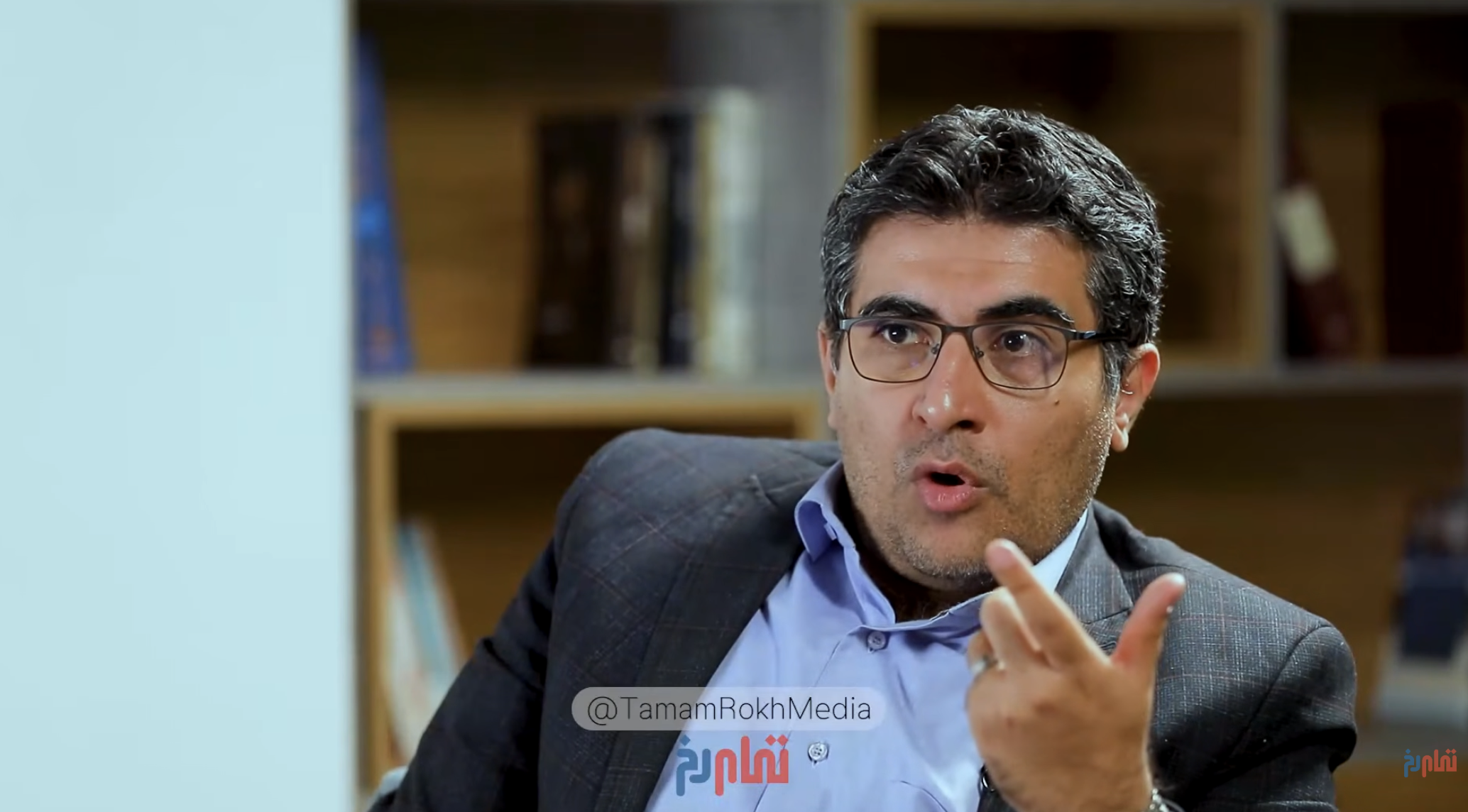
The Committee of Six and Strategic Decision Making in Iran
Remarks by Iran’s president offer a rare glimpse of how the Islamic Republic has adapted its decision making to the absence of its supreme leader.
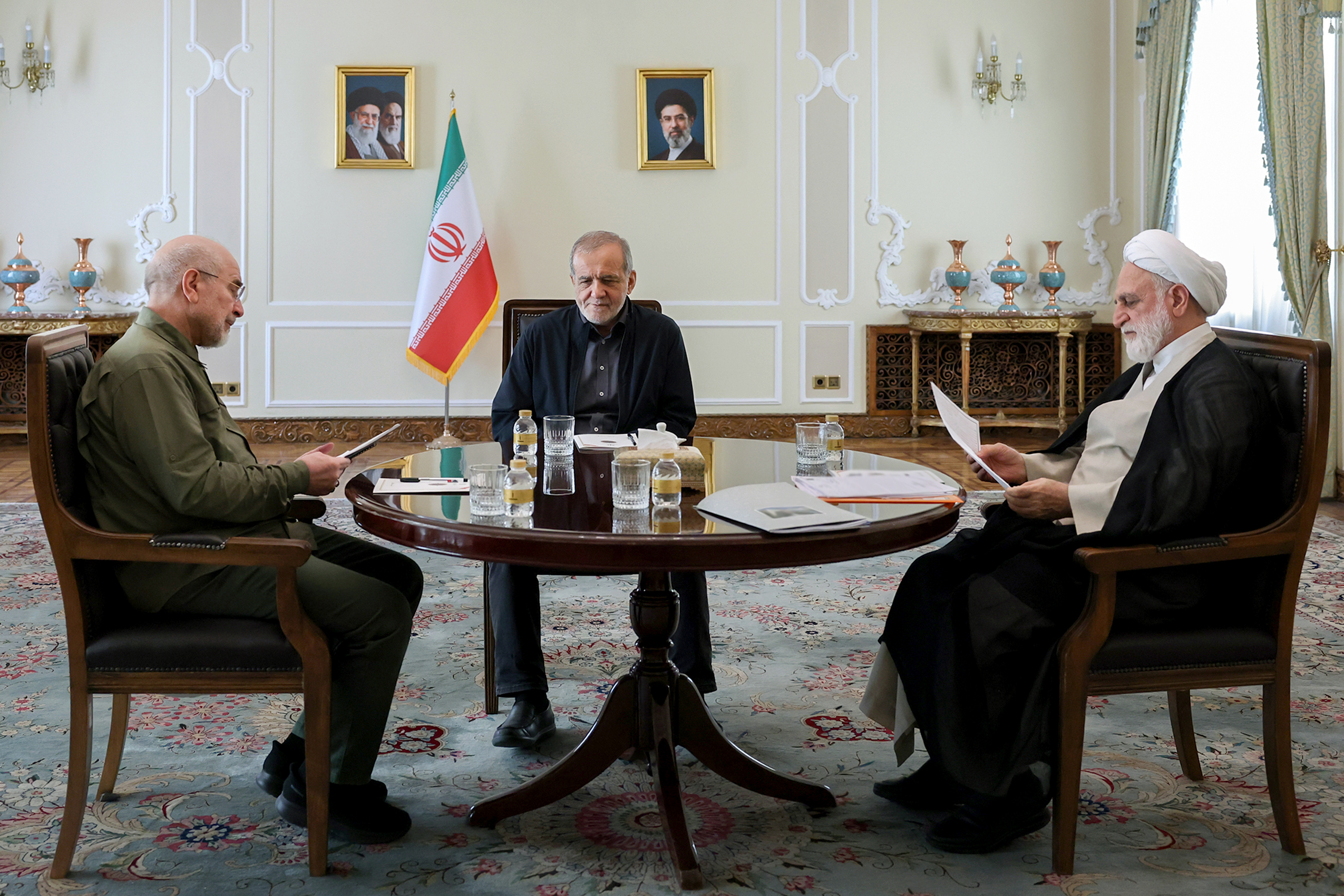
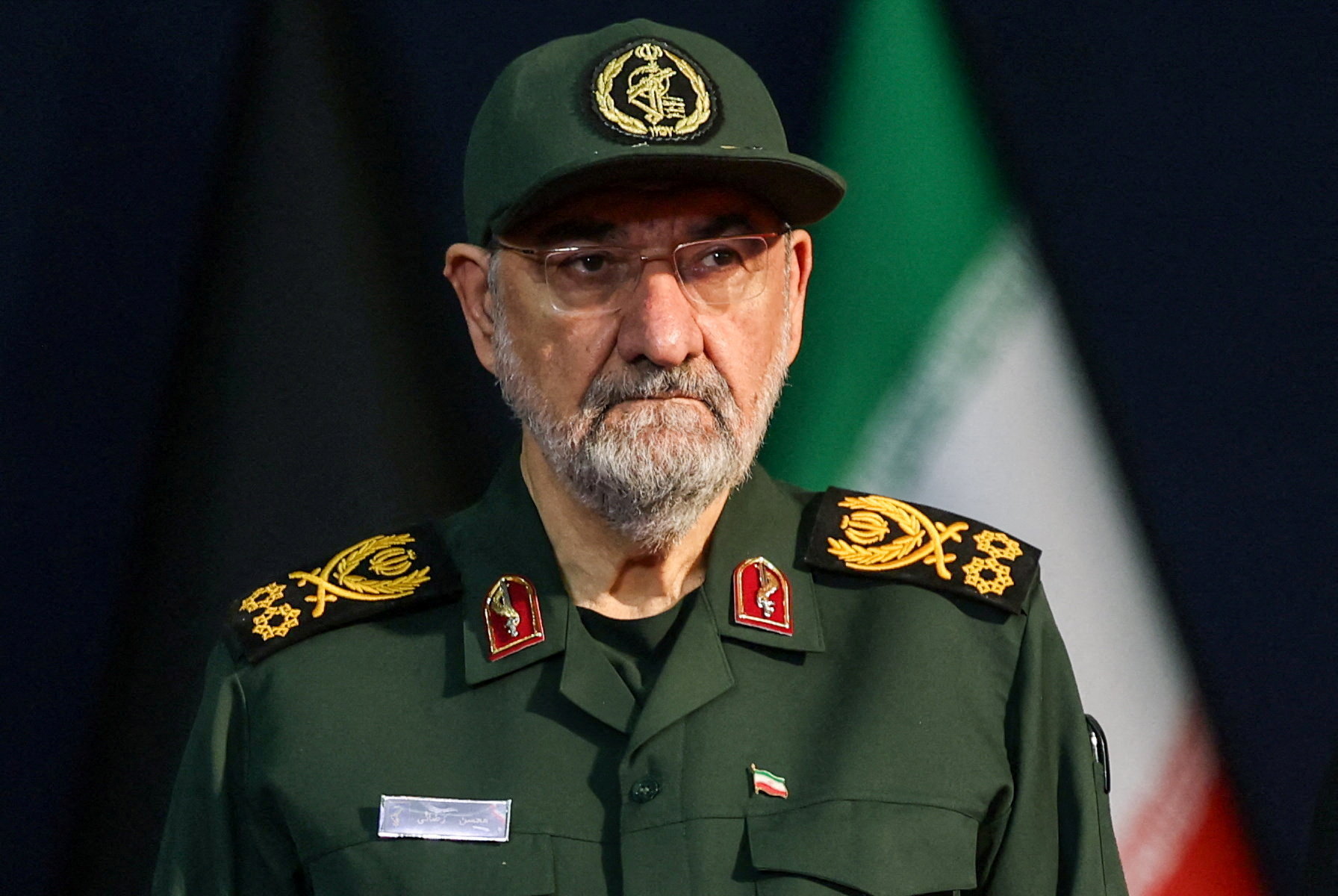
Mohsen Rezaei at the Helm of Iran’s Supreme National Security Council
Under Rezaei, the SNSC could prove constructive or paralyze strategic decision making.
The Islamic Republic Returns to Offense
After U.S.-Israeli strikes killed Supreme Leader Ayatollah Ali Khamenei on February 28, Iran’s collective leadership has concluded that the best defense is a good offense.
Events
Oct 6, 2026
Is the U.S.-Iran Stalemate a “New Normal” or the Prelude to Another Explosion?
On October 6, AGSI hosted a discussion on the U.S.-Iran stalemate and the prospects for a cease-fire.
Speakers



Book Talk: Iran and the Bomb: The United States, Iran and the Nuclear Question
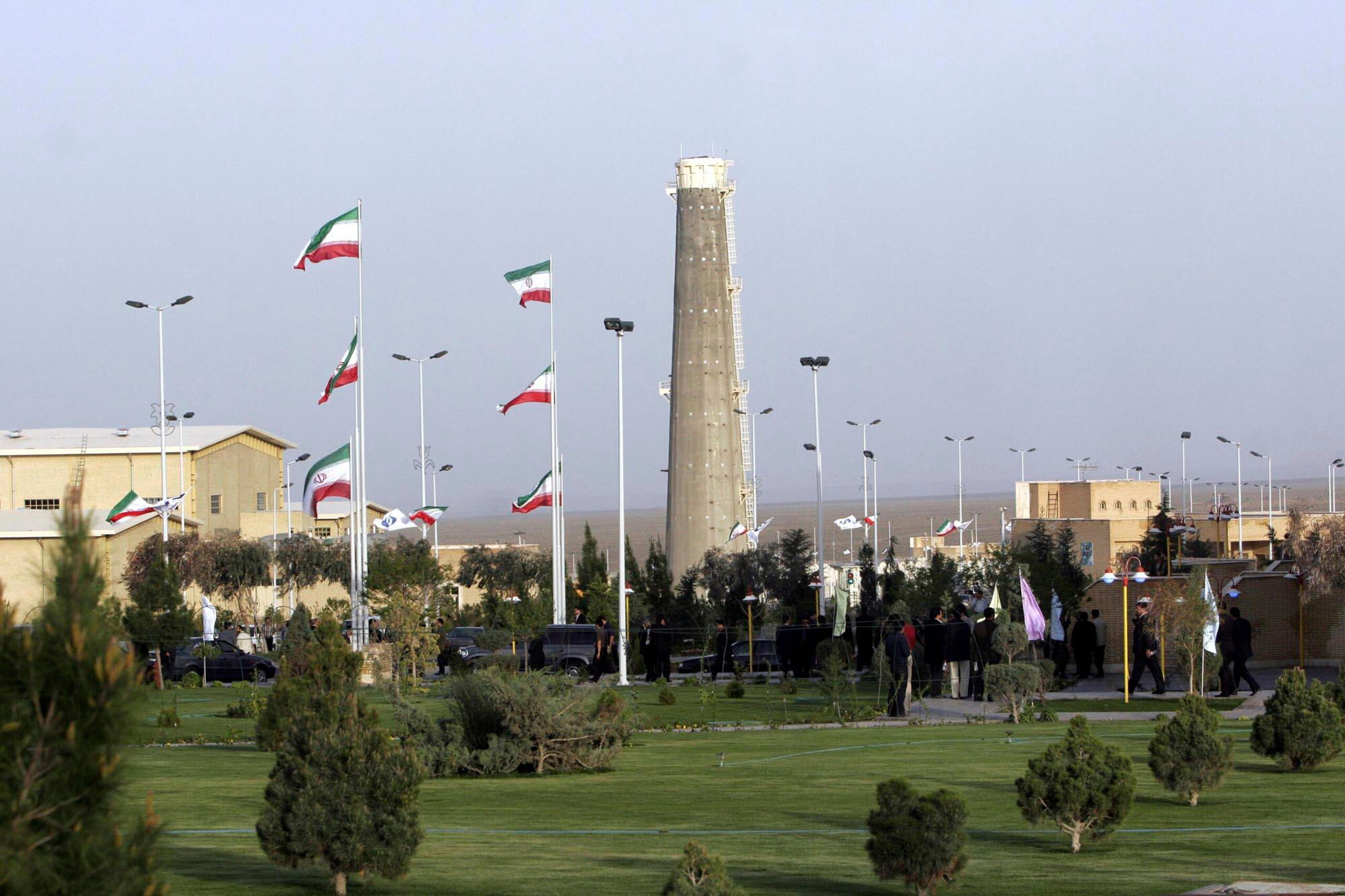
On June 16, AGSI hosted a discussion on the evolution of Iran's nuclear program.
Speakers
Apr 21, 2026
Inside Iran’s Wartime Leadership: Power, Succession, and Regime Stability
On April 21, AGSI hosted a discussion on the evolution of Iran's leadership during the war.
Speakers

Mar 18, 2026
In Its Conflict With the United States and Israel, Does Escalation Favor Iran?
On March 18, AGSI hosted a discussion on the escalation of the Iran war.
Speakers