Mar 28, 2025
IRGC Shows Subterranean Missile Complex, but No Tramping on Stars and Stripes
The March 28 edition of the Iran Media Review explores the release of a video of an IRGC missile complex without the usual U.S. flag on the floor.

Amid escalating geopolitical tensions between Washington and Tehran, the Iranian state television broadcaster, Islamic Republic of Iran Broadcasting, aired video footage purportedly recorded within an underground Islamic Revolutionary Guard Corps missile complex. The broadcast was likely intended as a demonstrative display of Iran’s strategic deterrence posture but also sent a subtle message to Washington: The facility’s access tunnel floor was emblazoned with an Israeli flag, but as opposed to previous footage of similar installations, the U.S. flag was not positioned adjacent to the Israeli flag.
- March 25: The unofficial regime strategic communications media channel Aparat disseminated video footage from Iranian state television allegedly showcasing a fortified subterranean missile storage and launch facility operated by the Islamic Revolutionary Guard Corps Aerospace Force.
- The narrator declared: “Somewhere in the depths of the earth, we find one of the hundreds of missile cities of the Islamic Revolutionary Guard Corps Aerospace Force. This is the nest of thousands of precision-guided munitions, an integral component of a vast operational network managed by the Aerospace Force’s technical specialists. Present here is Major General Baqeri, chief of staff of the armed forces of the Islamic Republic of Iran, alongside Commander Hajizadeh, the IRGC Aerospace Force chief, who have arrived at this missile city to assess the operational readiness of personnel and strategic assets. The commanders inspect multiple classes of missile platforms, encompassing both solid and liquid propulsion systems. Included in this arsenal are the Kheibar-Shekan” solid-fuel medium-range ballistic missile, the Ghadr-H medium-range ballistic missile, the Sejjil solid-fuel medium-range ballistic missile, the Emad liquid-fuel medium-range ballistic missile, the Haj Qassim ballistic missile, and the Paveh cruise missile.
- The narrator continued: “These munitions, coupled with thousands of high-explosive warheads, represent only a fraction of the missile inventory showcased in this fortified underground facility. Iran’s adversaries are already acquainted with these missile systems. During Operations True Promise One and True Promise Two, these assets were successfully deployed against strategic targets within occupied territories, breaching the Zionist regime’s multilayered air defense network and delivering precision strikes. The IRGC Aerospace Force, the iron fist of the commander in chief, has meticulously analyzed adversary vulnerabilities through combat experience in True Promise One and True Promise Two and has identified critical areas for further capability enhancement.”
- Addressing the personnel, Baqeri said:
- “Efforts to exponentially enhance the capabilities employed in Operations True Promise One and True Promise Two have been underway and continue at an accelerated pace. This strategic iron fist has grown significantly stronger. The velocity of our advancements now far surpasses the rate at which the adversary reinforces its own defensive architecture. The enemy is experiencing a definitive lag in the evolving balance of power.”
- March 25: In response to the broadcast, the IRGC-affiliated Tasnim News Agency provided contextual analysis regarding Iran’s underground missile complexes, asserting that:
- “The Islamic Republic has publicly signaled its operational readiness to execute True Promise Three at a strategically opportune moment. Furthermore, it has declared that should any hostile actions compromise Iranian territorial integrity or national interests, the Islamic Republic stands prepared to retaliate in kind.”
- March 25: IRGC mouthpiece Javan published a declaration reinforcing Iran’s defiance against external pressure:
- “The Islamic Republic of Iran has evolved into a formidable military power that will not capitulate to coercion.”
- March 25: Centrist Asr-e Iran noted that the U.S. flag did not appear on the floor of the underground missile complex.
The views represented herein are the author's or speaker's own and do not necessarily reflect the views of AGSI, its staff, or its board of directors.
Related
Iran Media Review
Mar 25, 2025
Somber Resilience: Ayatollah Khamenei’s New Year Address
The March 25 edition of the Iran Media Review examines the Iranian supreme leader’s remarks about Iran’s proxy forces.
Iran Media Review
Mar 21, 2025
Iran’s Seismic Vulnerability, Energy and Water Crises
The March 21 edition of the Iran Media Review evaluates the compounding environmental and infrastructural crises facing Iran.
Mar 25, 2025
Somber Resilience: Ayatollah Khamenei’s New Year Address
The March 25 edition of the Iran Media Review examines the Iranian supreme leader’s remarks about Iran’s proxy forces.
Mar 21, 2025
Iran’s Seismic Vulnerability, Energy and Water Crises
The March 21 edition of the Iran Media Review evaluates the compounding environmental and infrastructural crises facing Iran.
Analysis
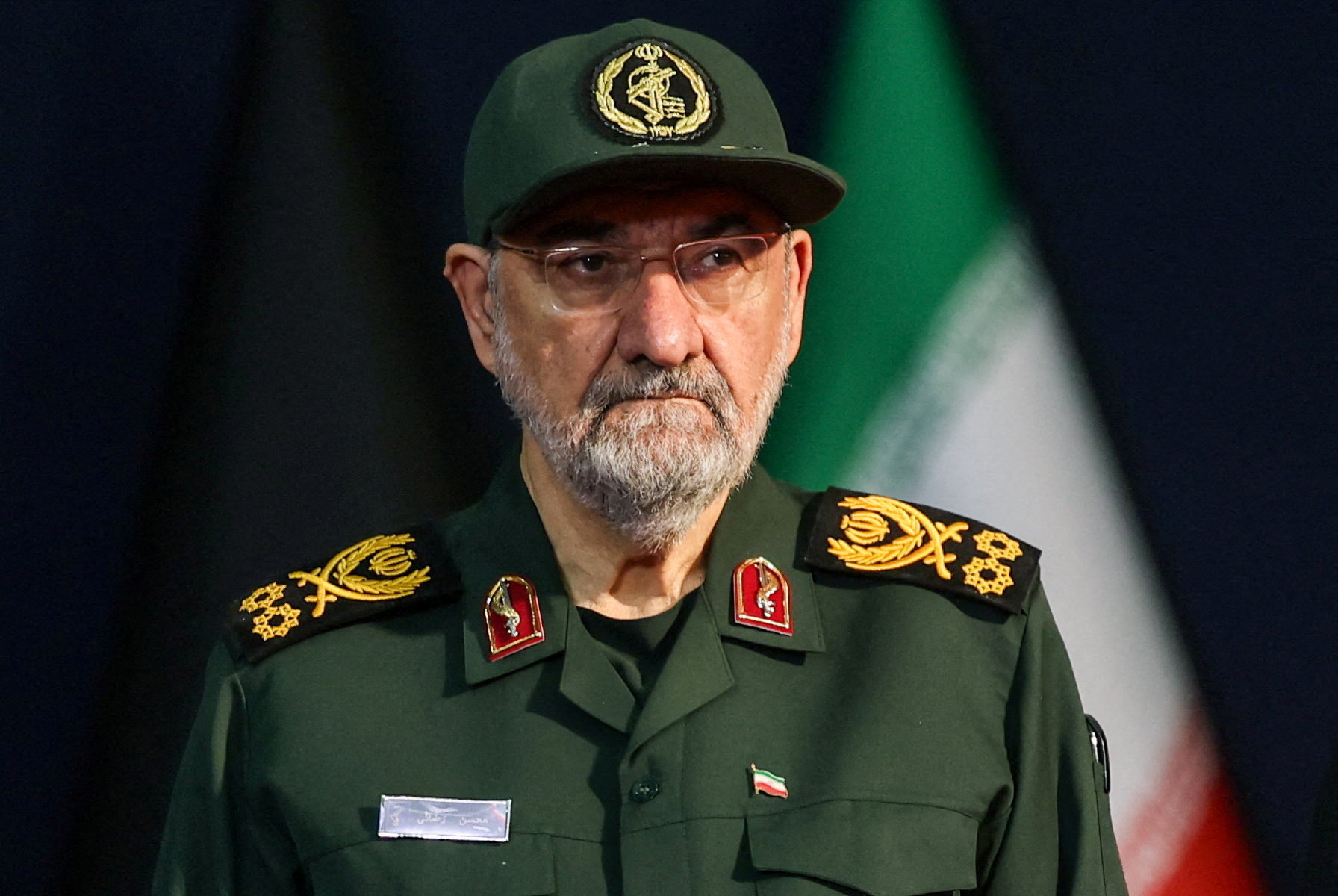
Mohsen Rezaei at the Helm of Iran’s Supreme National Security Council
Under Rezaei, the SNSC could prove constructive or paralyze strategic decision making.
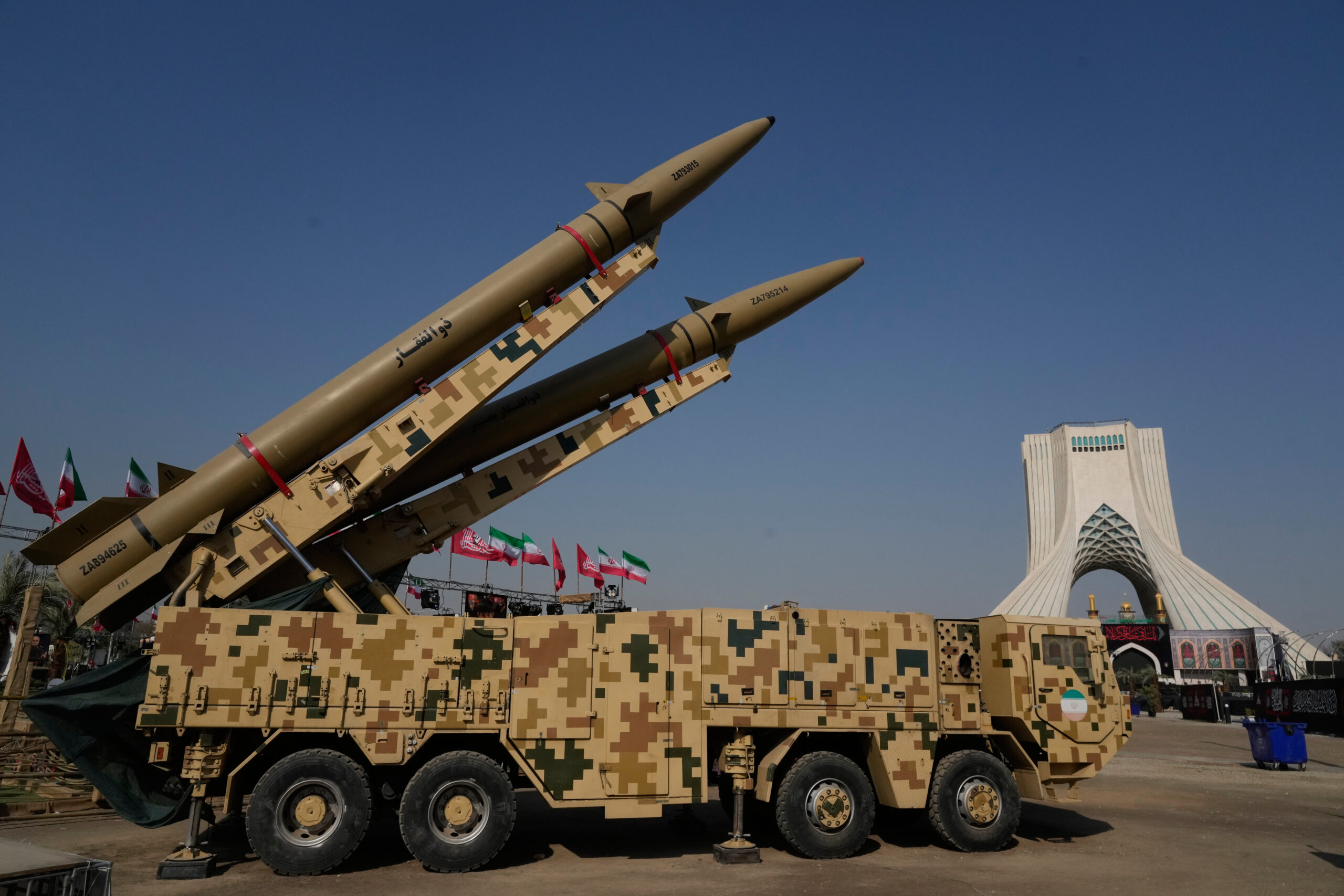
The Islamic Republic Returns to Offense
After U.S.-Israeli strikes killed Supreme Leader Ayatollah Ali Khamenei on February 28, Iran’s collective leadership has concluded that the best defense is a good offense.
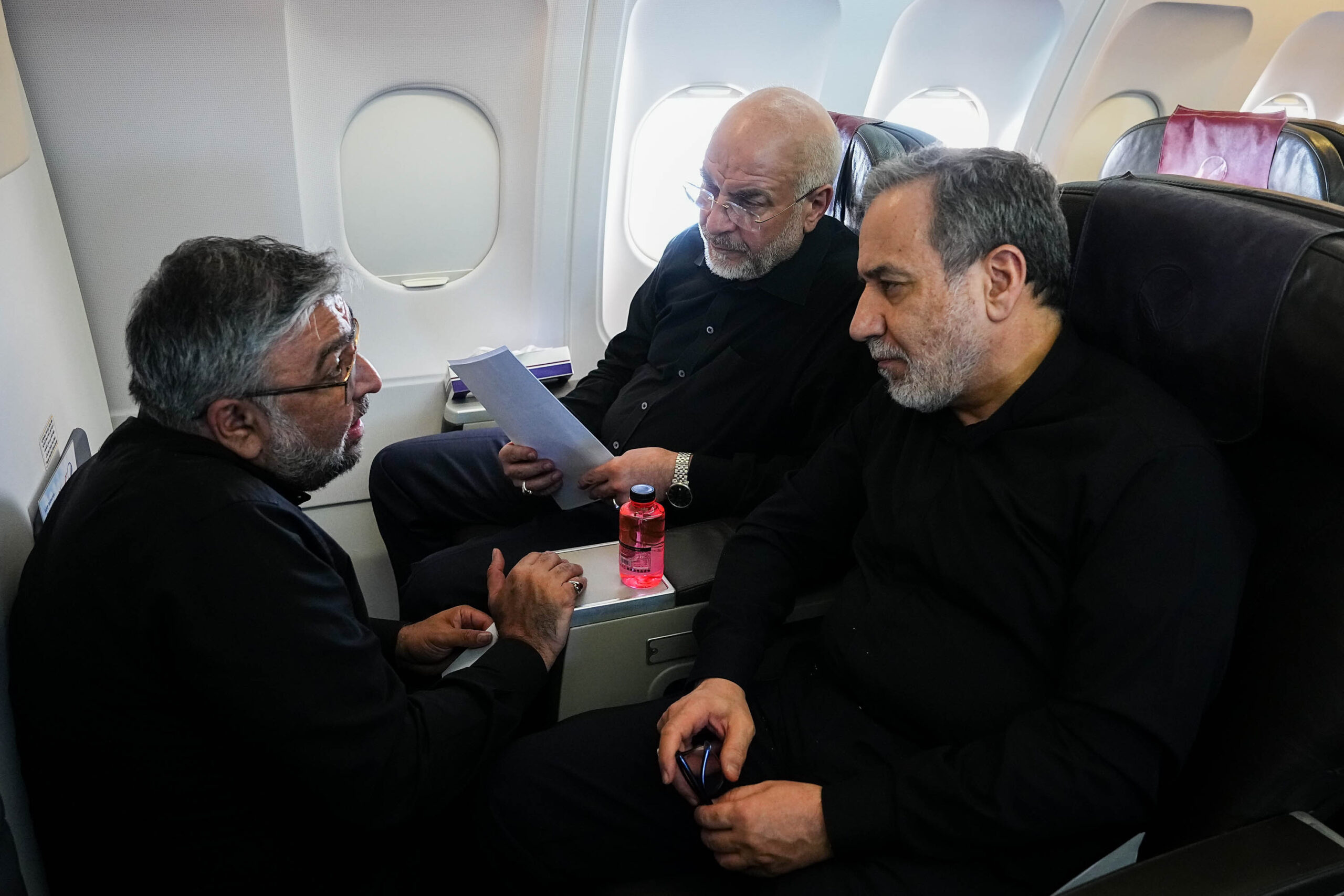
Iran’s Collective Strategic Decision Making
Wartime pressure has temporarily aligned the leadership’s overriding interest in regime survival, even as its members continue to differ over the costs, methods, and ultimate objectives of the war.
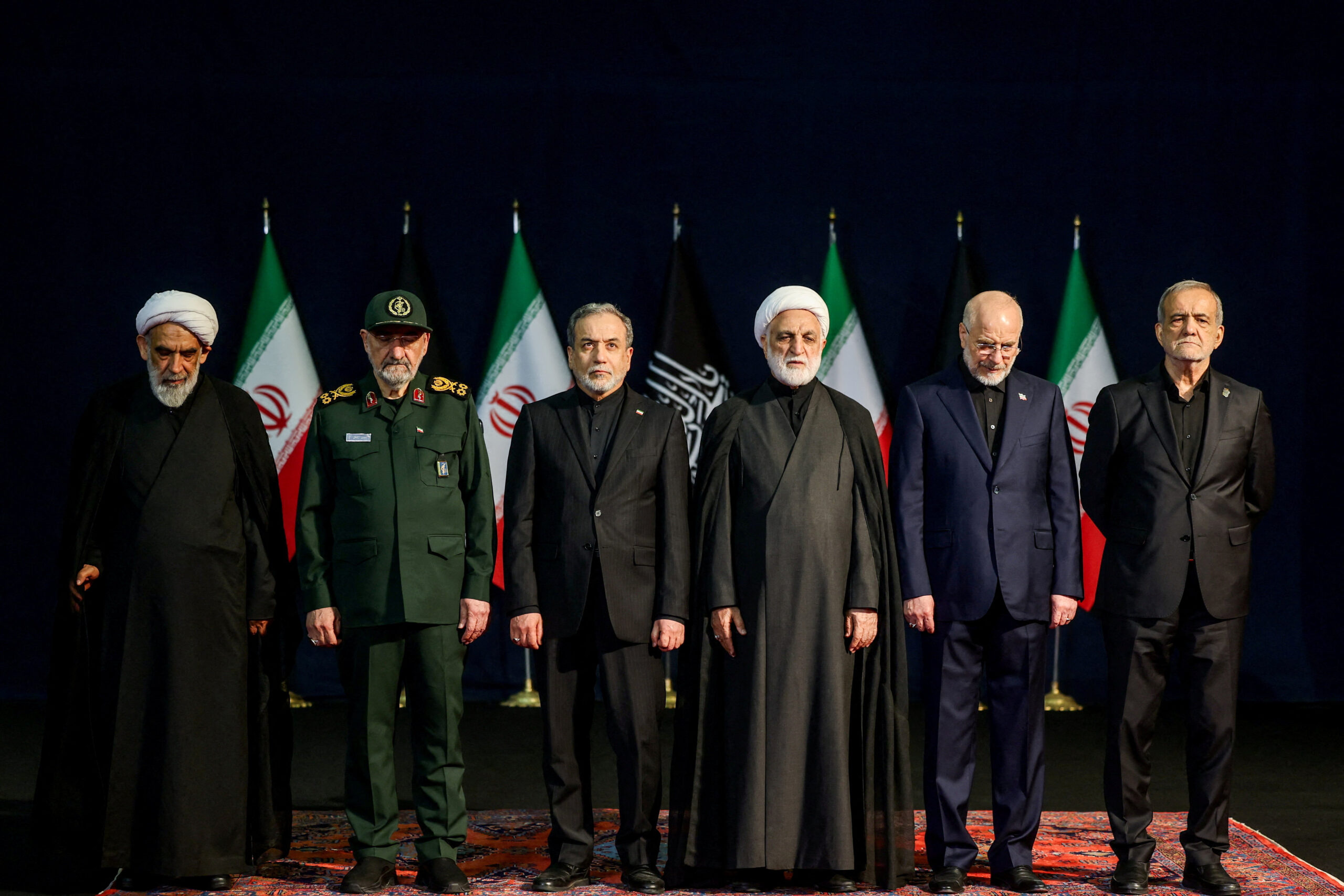
The Islamic Republic’s Collective Leadership
While there is historical precedent for collective leadership in Iran, today’s leadership includes representatives of the IRGC and regular military – a reflection of the IRGC’s expanding role and the necessities of governing under wartime conditions.
Events
Oct 6, 2026
Is the U.S.-Iran Stalemate a “New Normal” or the Prelude to Another Explosion?
On October 6, AGSI hosted a discussion on the U.S.-Iran stalemate and the prospects for a cease-fire.
Speakers



Book Talk: Iran and the Bomb: The United States, Iran and the Nuclear Question
On June 16, AGSI hosted a discussion on the evolution of Iran's nuclear program.
Speakers
Apr 21, 2026
Inside Iran’s Wartime Leadership: Power, Succession, and Regime Stability
On April 21, AGSI hosted a discussion on the evolution of Iran's leadership during the war.
Speakers

Mar 18, 2026
In Its Conflict With the United States and Israel, Does Escalation Favor Iran?
On March 18, AGSI hosted a discussion on the escalation of the Iran war.
Speakers