Jan 16, 2024
Tehran Does Not Expect Major Escalation in the Red Sea
The January 16 edition of the Iran Media Review highlights reactions to recent U.S. and allied strikes against Houthi targets.

Iran strongly condemned the U.S.-led coalition’s January 11 strikes against Houthi targets, which, according to U.S. Central Command, were intended to degrade the Houthis’ “capability to continue their illegal and reckless attacks on U.S. and international vessels and commercial shipping in the Red Sea.” However, the regime does not appear overly concerned about a major escalation in the conflict with the United States in the Red Sea, which may in part be due to Tehran’s perception of the Houthis as expendable pawns on the grander regional chessboard.
- January 12: Supreme National Security Council mouthpiece Nour News condemned what it termed “British-American aggression against Yemen.”
- January 12: Islamic Revolutionary Guard Corps mouthpiece Tasnim News reported that the Houthis, “in response to aerial attacks by the United States, Britain, and other countries against targets in Yemen, fired missiles against the vessels of the aggressors in the Red Sea.”
- January 12: Rahbord-e Moaser (Contemporary Strategy), which appears to be a government-linked think tank, released two reports on the ongoing conflict in Yemen:
- In “Strategic Dimensions of the U.S.-Ansar Allah Confrontation in the Red Sea,” analyst Mostafa Mottahari concluded: “The evolution of the coalition does not mean the evolution of the war on the ground” in Gaza “into a direct confrontation between Washington and its newly established maritime coalition and Sanaa. In reality, Washington is trying to manage and restore the balance in the Red Sea … So, the maritime coalition will for the most part try to secure vulnerable ships.”
- In “Yemen’s Instruments to Decisively Respond to Anglo-American Aggression,” analyst Hassan Hanizadeh argued: “It is possible that Ansar Allah will target countries that are members of the American maritime coalition with ballistic missiles. This may spread the war.” He continued: “The West-East internet cable goes through the Bab el-Mandeb strait and the Red Sea. Should Ansar Allah desire to cut this important internet cable, the entirety of Europe will be faced with a great challenge, and the world, too, will not be unimpacted by it. Separately, Ansar Allah’s ballistic missiles may once again target the occupied territories,” referencing Israel.
The views represented herein are the author's or speaker's own and do not necessarily reflect the views of AGSI, its staff, or its board of directors.
Related
Iran Media Review
Jan 12, 2024
Iran Fearful of Low Voter Participation in March 1 Parliamentary Elections
The January 12 edition of the Iran Media Review highlights regime concerns about participation in Iran’s March parliamentary elections.
Iran Media Review
Jan 9, 2024
Shargh Daily on the Joint Taliban/ISIL Threat
The January 9 edition of the Iran Media Review considers how Iran might retaliate against ISIL and address rising terrorist threats.
Jan 12, 2024
Iran Fearful of Low Voter Participation in March 1 Parliamentary Elections
The January 12 edition of the Iran Media Review highlights regime concerns about participation in Iran’s March parliamentary elections.
Jan 9, 2024
Shargh Daily on the Joint Taliban/ISIL Threat
The January 9 edition of the Iran Media Review considers how Iran might retaliate against ISIL and address rising terrorist threats.
Analysis
The Islamic Republic Returns to Offense
After U.S.-Israeli strikes killed Supreme Leader Ayatollah Ali Khamenei on February 28, Iran’s collective leadership has concluded that the best defense is a good offense.
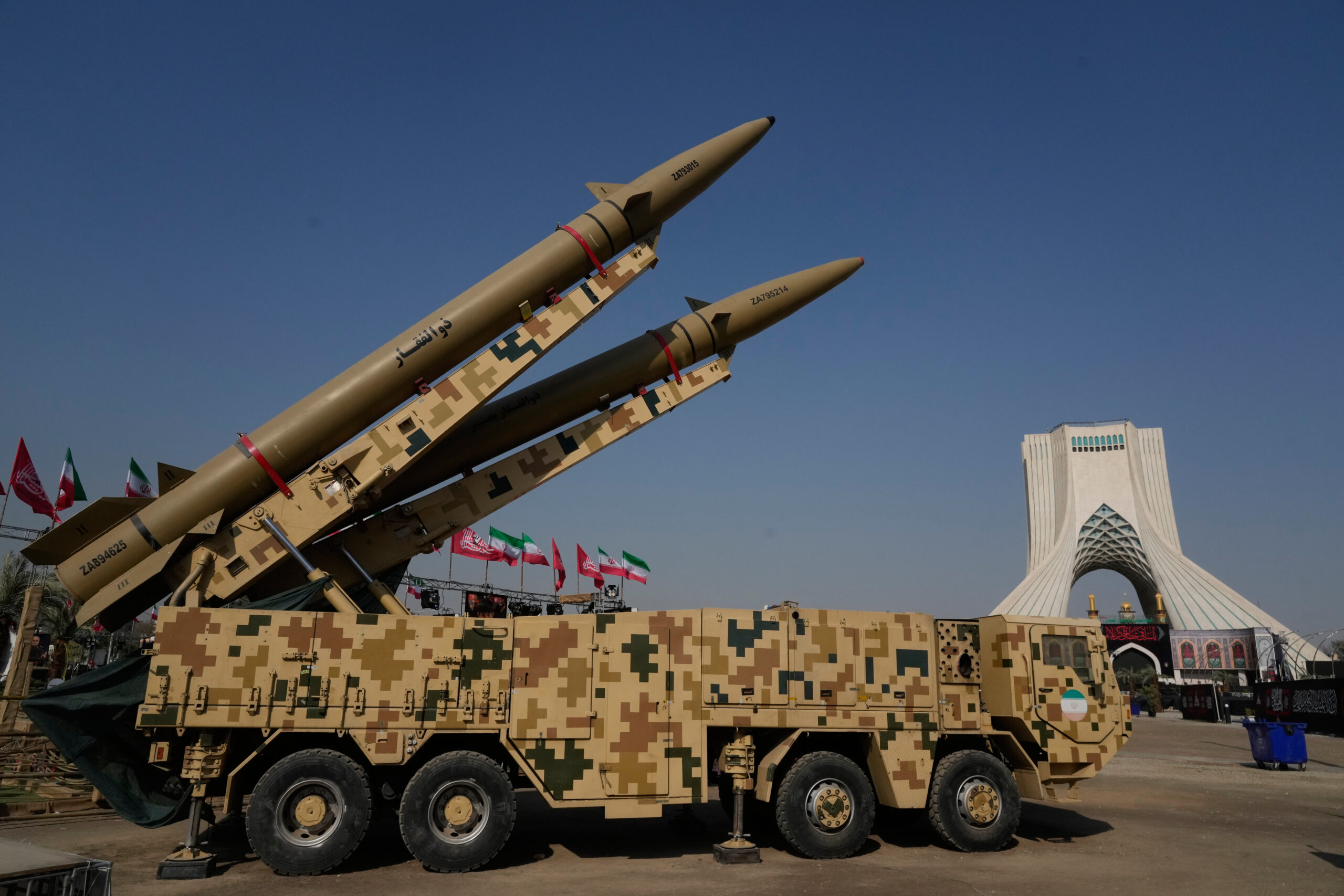
Iran’s Collective Strategic Decision Making
Wartime pressure has temporarily aligned the leadership’s overriding interest in regime survival, even as its members continue to differ over the costs, methods, and ultimate objectives of the war.
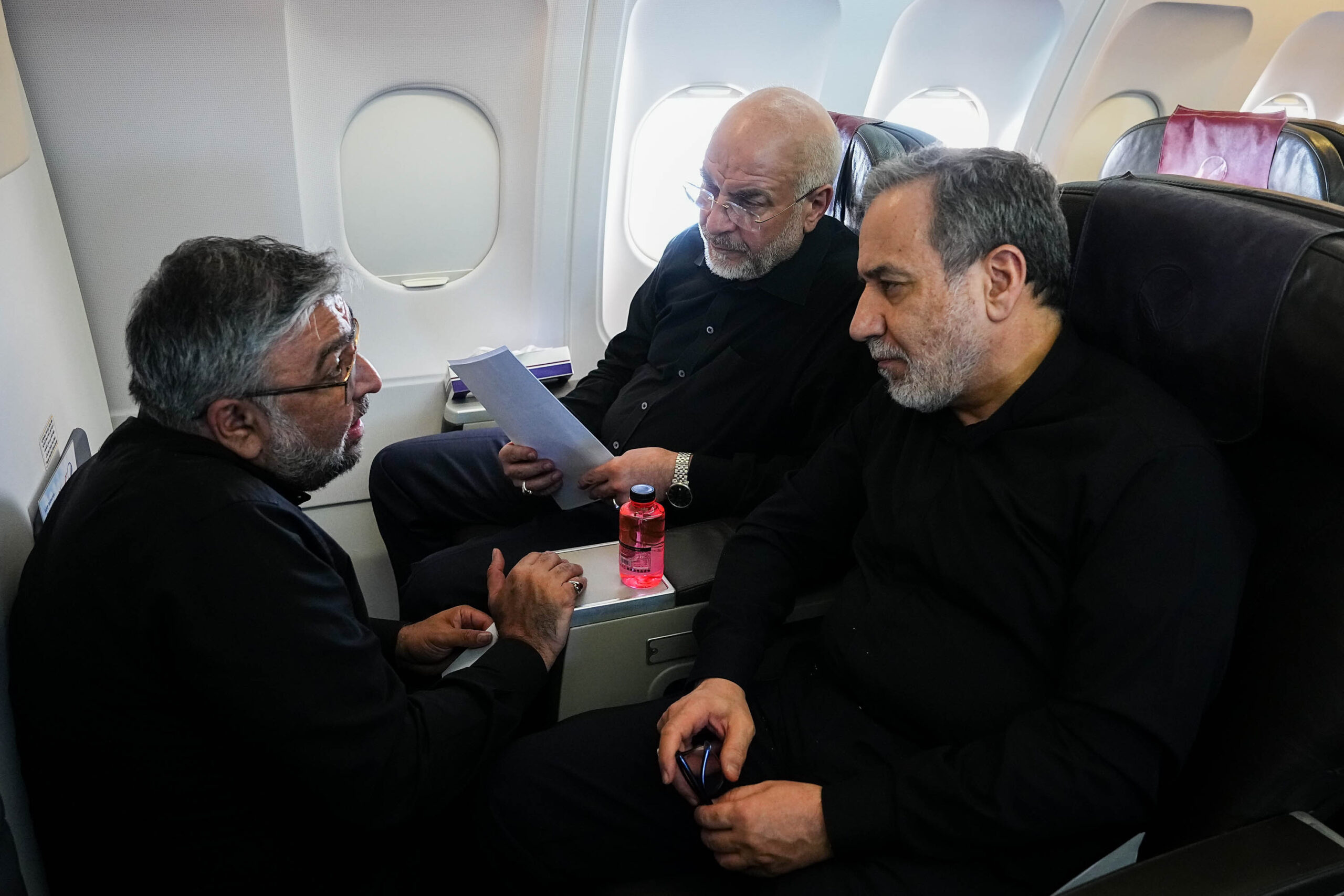
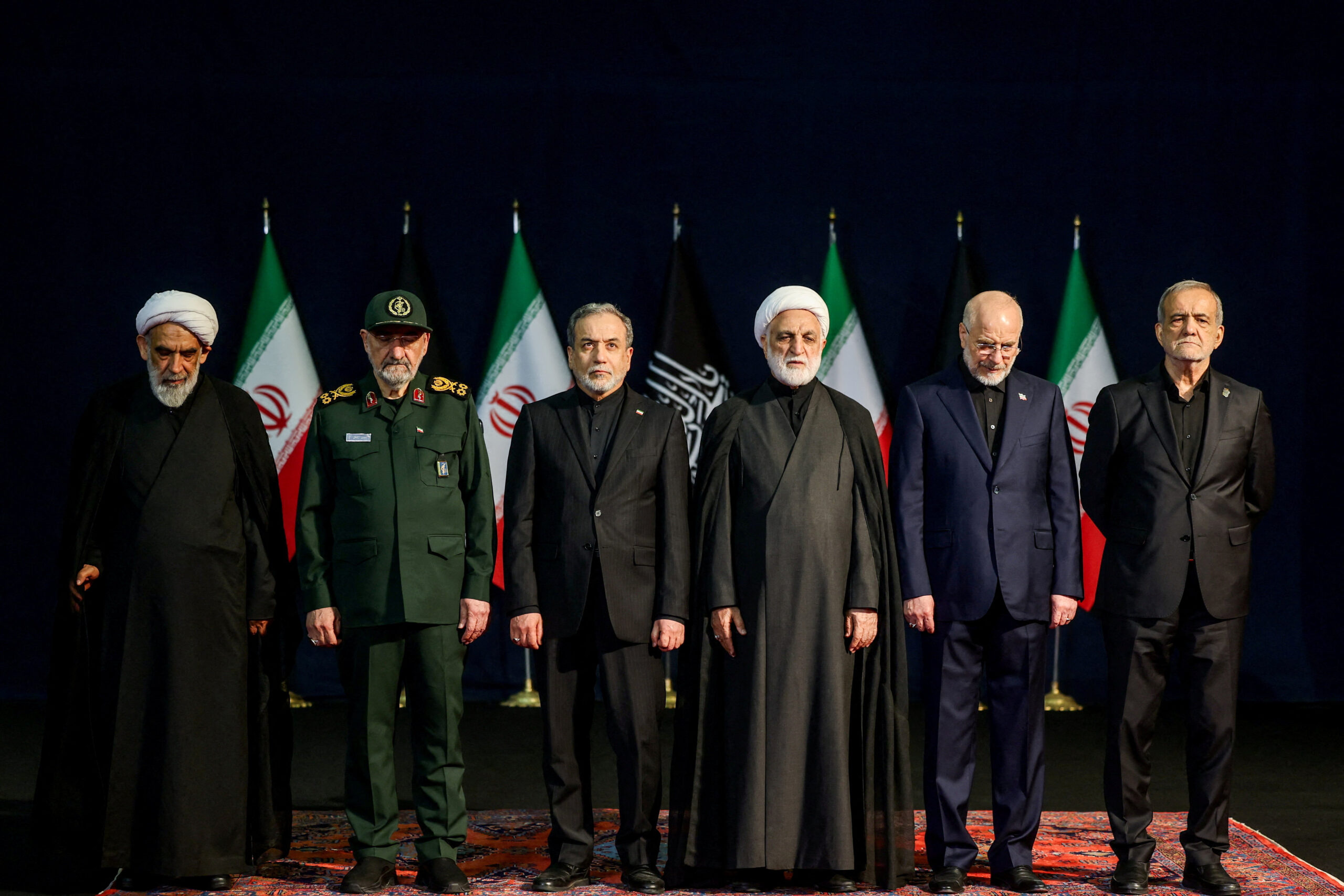
The Islamic Republic’s Collective Leadership
While there is historical precedent for collective leadership in Iran, today’s leadership includes representatives of the IRGC and regular military – a reflection of the IRGC’s expanding role and the necessities of governing under wartime conditions.
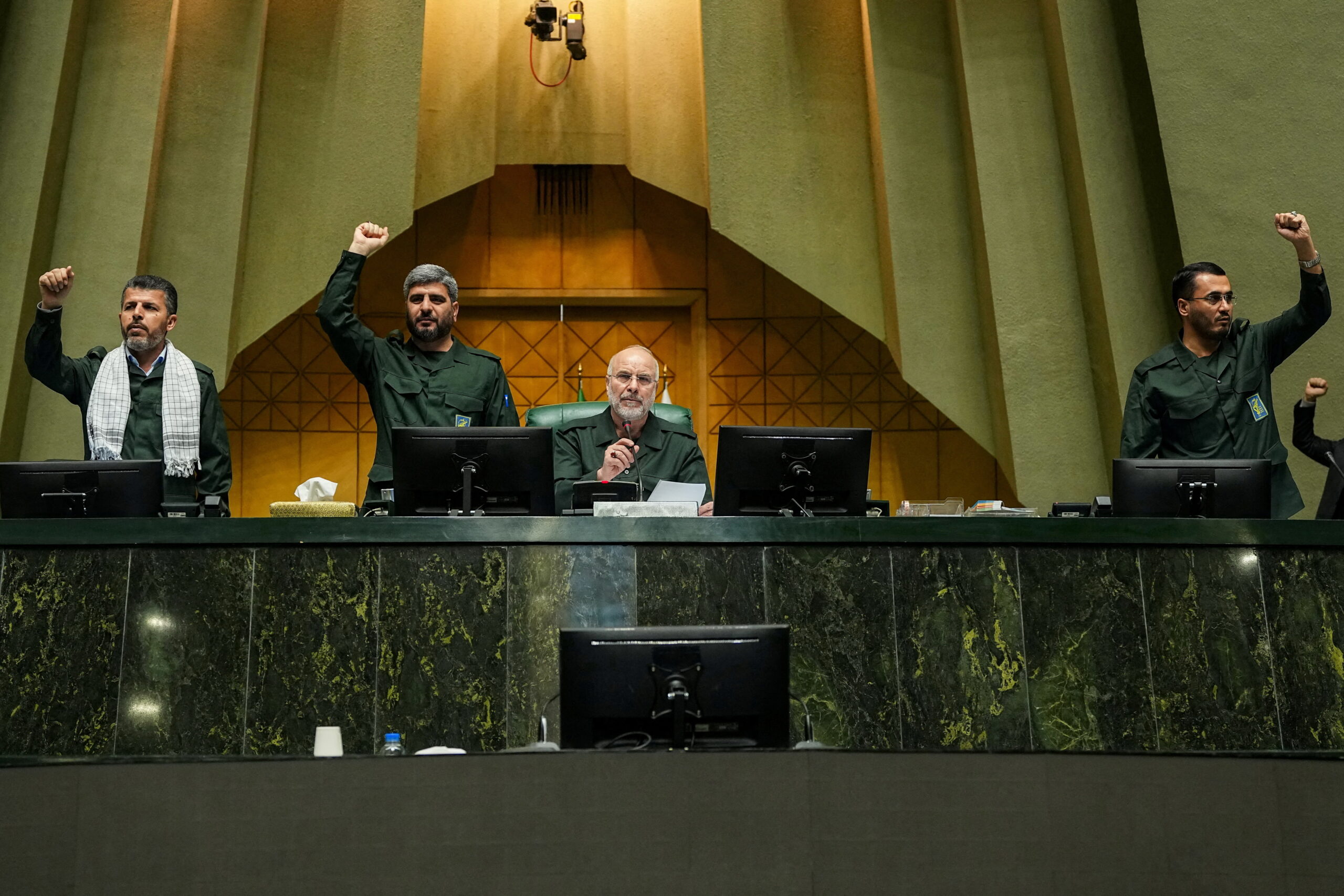
How Did the IRGC Seize Power in Iran?
The IRGC did not seize power in a single stroke. It accumulated it – patiently, methodically – until no counterweight remained.
Events
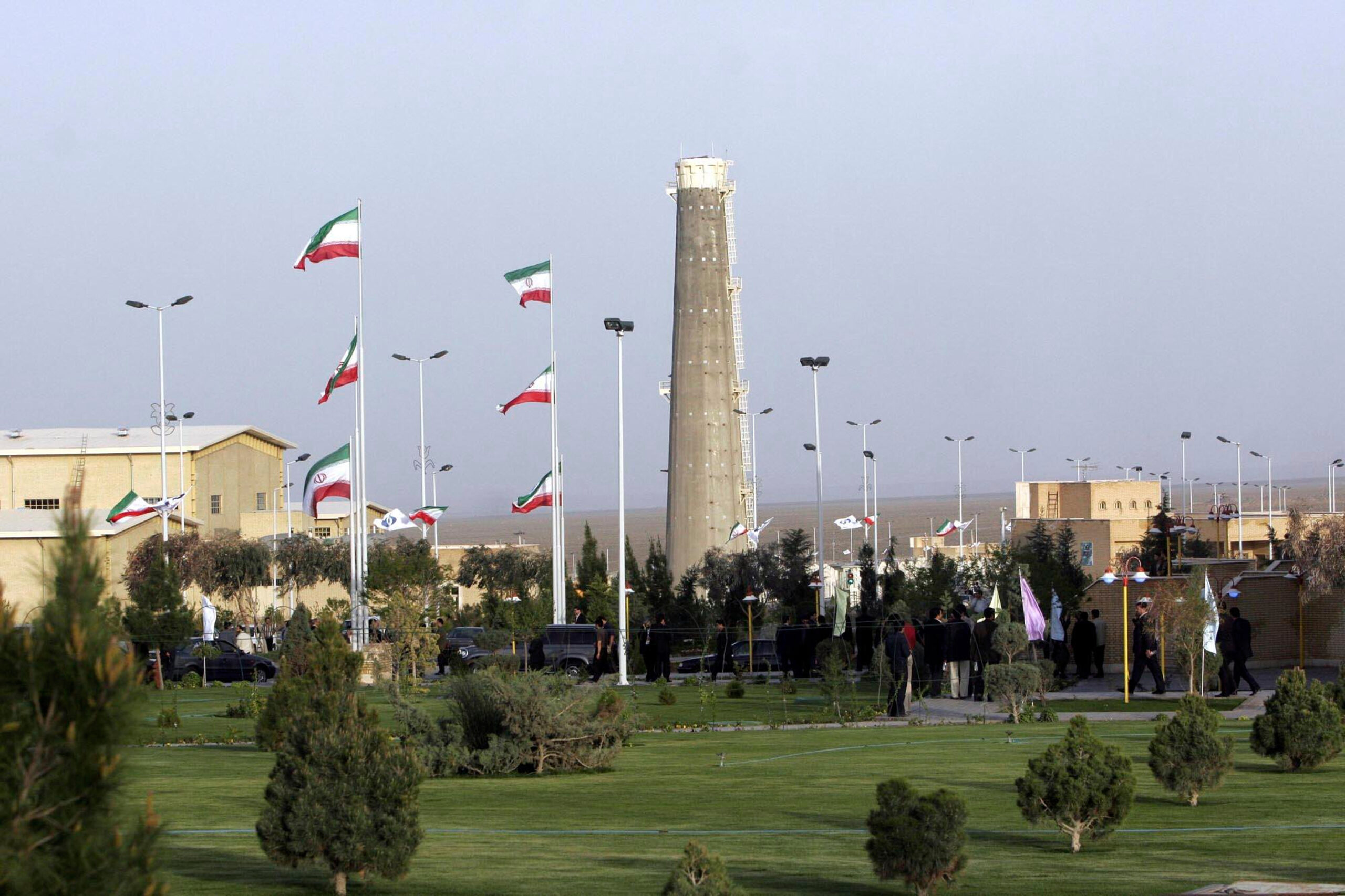
Book Talk: Iran and the Bomb: The United States, Iran and the Nuclear Question
On June 16, AGSI hosted a discussion on the evolution of Iran's nuclear program.
Speakers


Apr 21, 2026
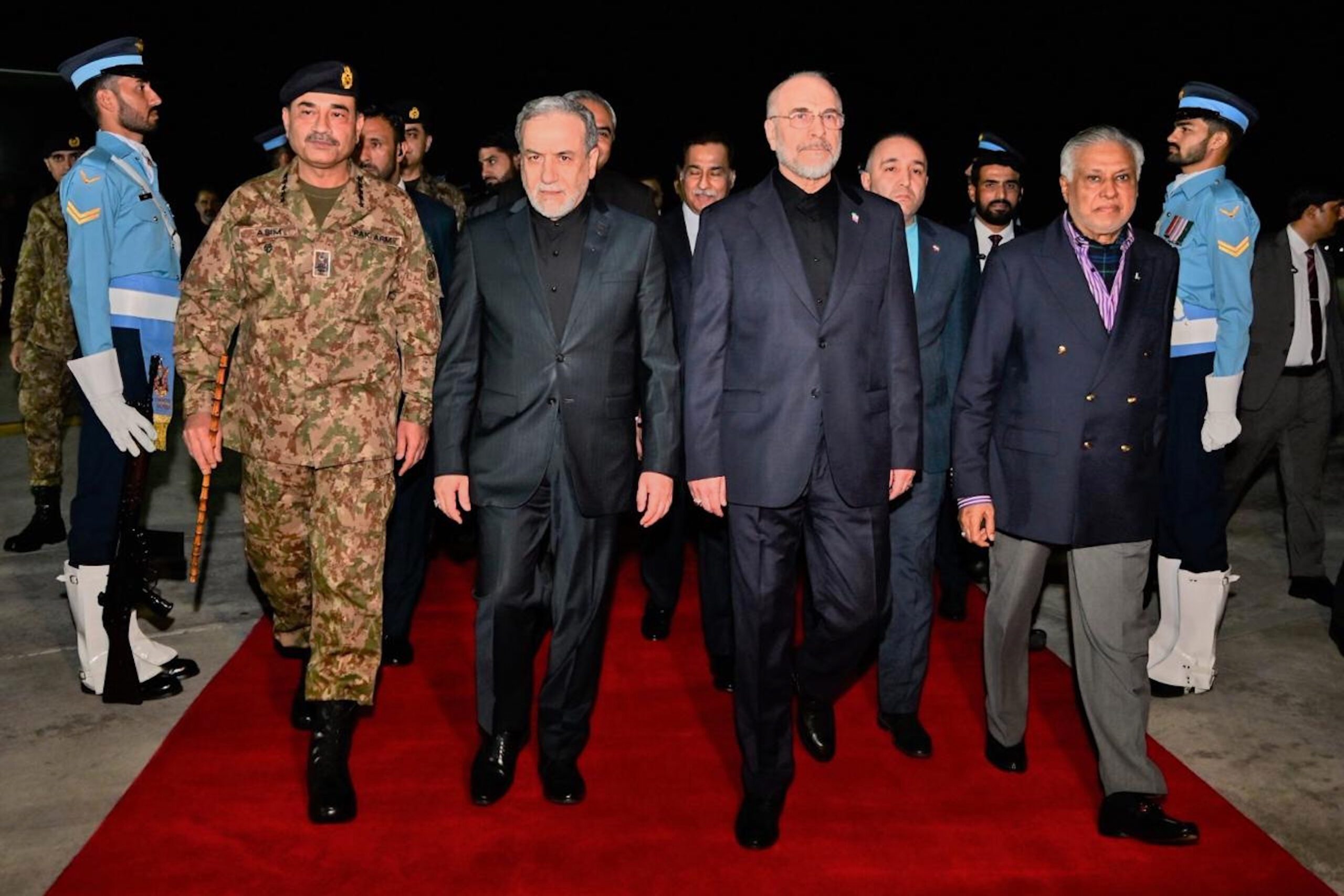
Inside Iran’s Wartime Leadership: Power, Succession, and Regime Stability
On April 21, AGSI hosted a discussion on the evolution of Iran's leadership during the war.
Speakers

Mar 18, 2026
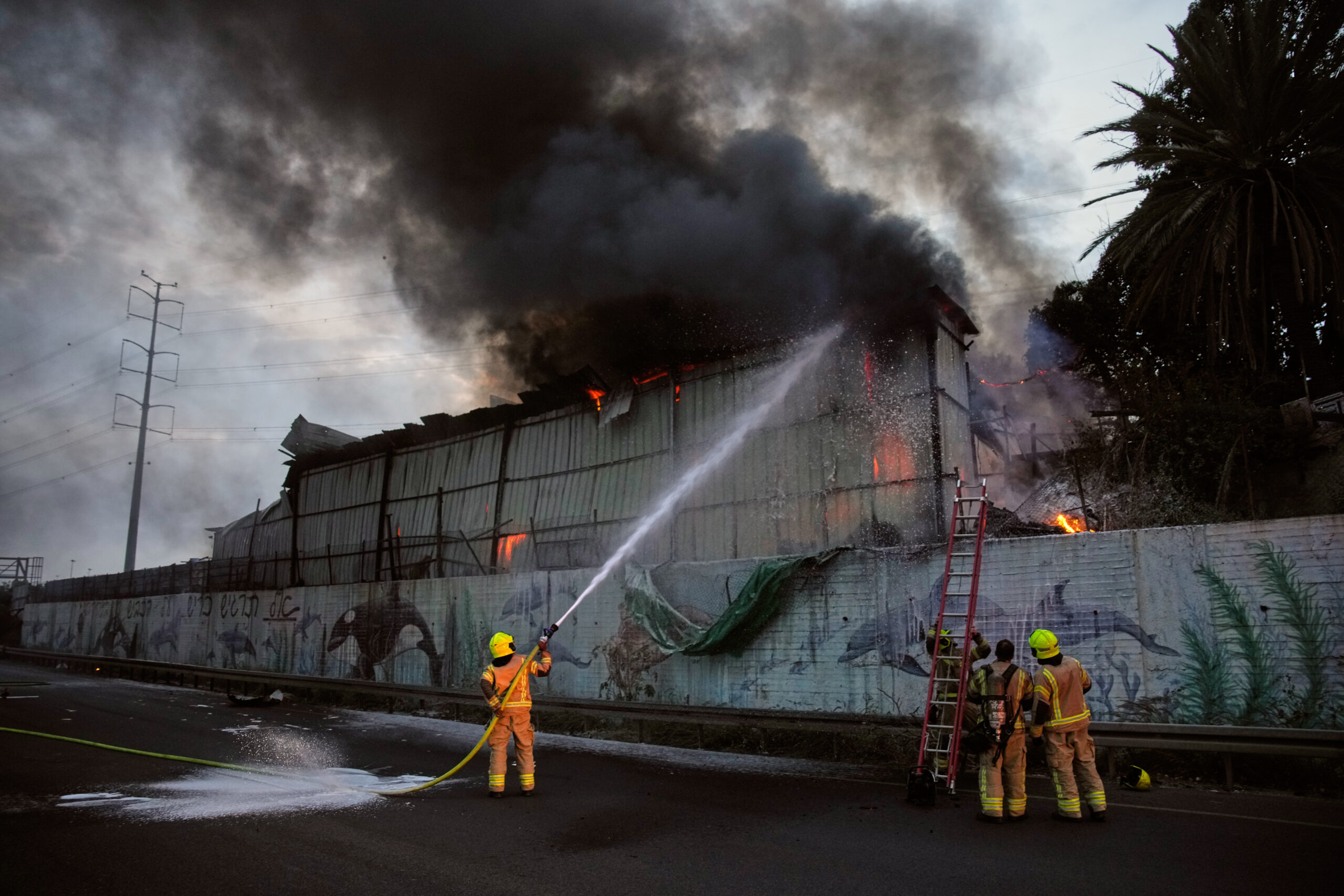
In Its Conflict With the United States and Israel, Does Escalation Favor Iran?
On March 18, AGSI hosted a discussion on the escalation of the Iran war.
Speakers



Mar 2, 2026
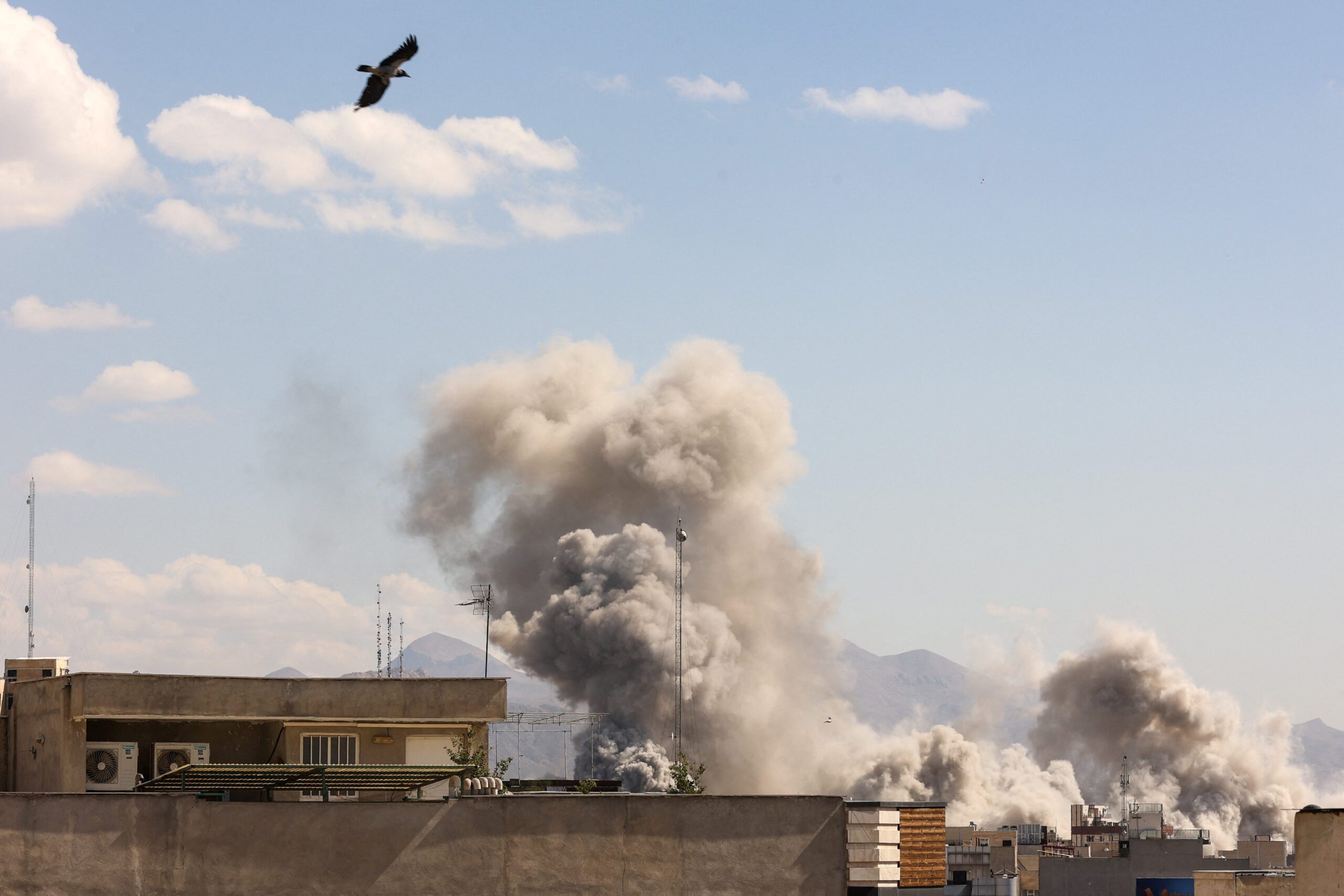
After the Shock: Implications of the U.S.–Israeli Strikes and Iran’s Leadership Transition
On March 2, AGSI hosted a discussion on the U.S.-Israeli strikes on Iran.
Speakers