Jan 9, 2024
Shargh Daily on the Joint Taliban/ISIL Threat
The January 9 edition of the Iran Media Review considers how Iran might retaliate against ISIL and address rising terrorist threats.

After the Islamic State in Iraq and the Levant claimed responsibility for conducting twin bombings January 3 in Kerman, Iran’s state-censored media has started speculating about countermeasures. Among these, reformist Shargh Daily suggested Iran may attack remaining ISIL positions in Syria and, perhaps, Iraq but also indirectly criticized the Islamic Republic’s conciliatory approach to the Taliban regime in Afghanistan, which, according to the newspaper, may have provided material support to the perpetrators.
- January 6: Shargh Daily’s lead article by Abd al-Rahman Fath-Allahi discussed Iran’s likely response after ISIL claimed responsibility for the bombings:
- “Since ISIS has taken responsibility, the most likely scenario for Tehran’s response to the terrorist incident in Kerman will be something similar to its reaction to the June 7, 2017 ISIS attack against the Islamic Consultative Assembly and the shrine of the Imam,” Grand Ayatollah Ruhollah Khomeini, “or its reaction to the Ahwazieh attack against a military parade on September 22, 2018,” referencing an attack by the separatist Arab Struggle Movement for the Liberation of Ahwaz. “Therefore, in the coming days and weeks, we will most likely see action against remaining ISIS forces in Syria and possibly in Iraq. But of course, there is also the likelihood of a similar reaction against ISIS groups in Afghan territory.”
- “That said, Tel Aviv has, in two separate attacks on December 2 and December 25, 2023, killed three high-ranking Quds Force commanders (Mohammad-Ali Ataei Shourcheh, Panah Taqizadeh, and Razi Mousavi) in Syria. Therefore, Iran may also respond to these attacks, separate from its response to the ISIS bombing.”
- “Another important issue is that of the place from which ISIS forces infiltrated to take part in the terrorist attack in Kerman. Until the emergence of the Taliban regime in Afghanistan, almost all ISIS movements took place from the western borders, more specifically from Iraq. However, due to Kerman’s geographic location and proximity to the eastern borders of the country, it is likely that the entrance point of ISIS elements was in the eastern borders. In this context, we cannot ignore the presence of the Taliban in Afghanistan. Many scholars, analysts, and observers had for long warned against the risk of increased terrorist attacks emanating from Afghan soil after the emergence of the Taliban, discussing the possibility of the Taliban providing arms, logistics, training, and other support to terrorist groups like ISIS … We must revisit the vulnerabilities of Tehran’s foreign policy toward the Taliban throughout the past couple of years, and we must accept the bitter truth, that the rising terrorist threat from the eastern borders is one of the inescapable impacts of restoration of Taliban rule.”
The views represented herein are the author's or speaker's own and do not necessarily reflect the views of AGSI, its staff, or its board of directors.
Related
Iran Media Review
Jan 5, 2024
Iran’s State-Censored Media Blames Abstract Enemies for Bombings
The January 5 edition of the Iran Media Review examines reactions to the January 3 attack at a memorial for former Quds Force chief Qassim Suleimani.
Iran Media Review
Dec 19, 2023
Iran Engulfed by the Deluge of “Sadeq the Trumpetist”
The December 19 edition of the Iran Media Review highlights public support for social media sensation “Sadeq the Trumpetist.”
Jan 5, 2024
Iran’s State-Censored Media Blames Abstract Enemies for Bombings
The January 5 edition of the Iran Media Review examines reactions to the January 3 attack at a memorial for former Quds Force chief Qassim Suleimani.
Dec 19, 2023
Iran Engulfed by the Deluge of “Sadeq the Trumpetist”
The December 19 edition of the Iran Media Review highlights public support for social media sensation “Sadeq the Trumpetist.”
Analysis
The Islamic Republic Returns to Offense
After U.S.-Israeli strikes killed Supreme Leader Ayatollah Ali Khamenei on February 28, Iran’s collective leadership has concluded that the best defense is a good offense.
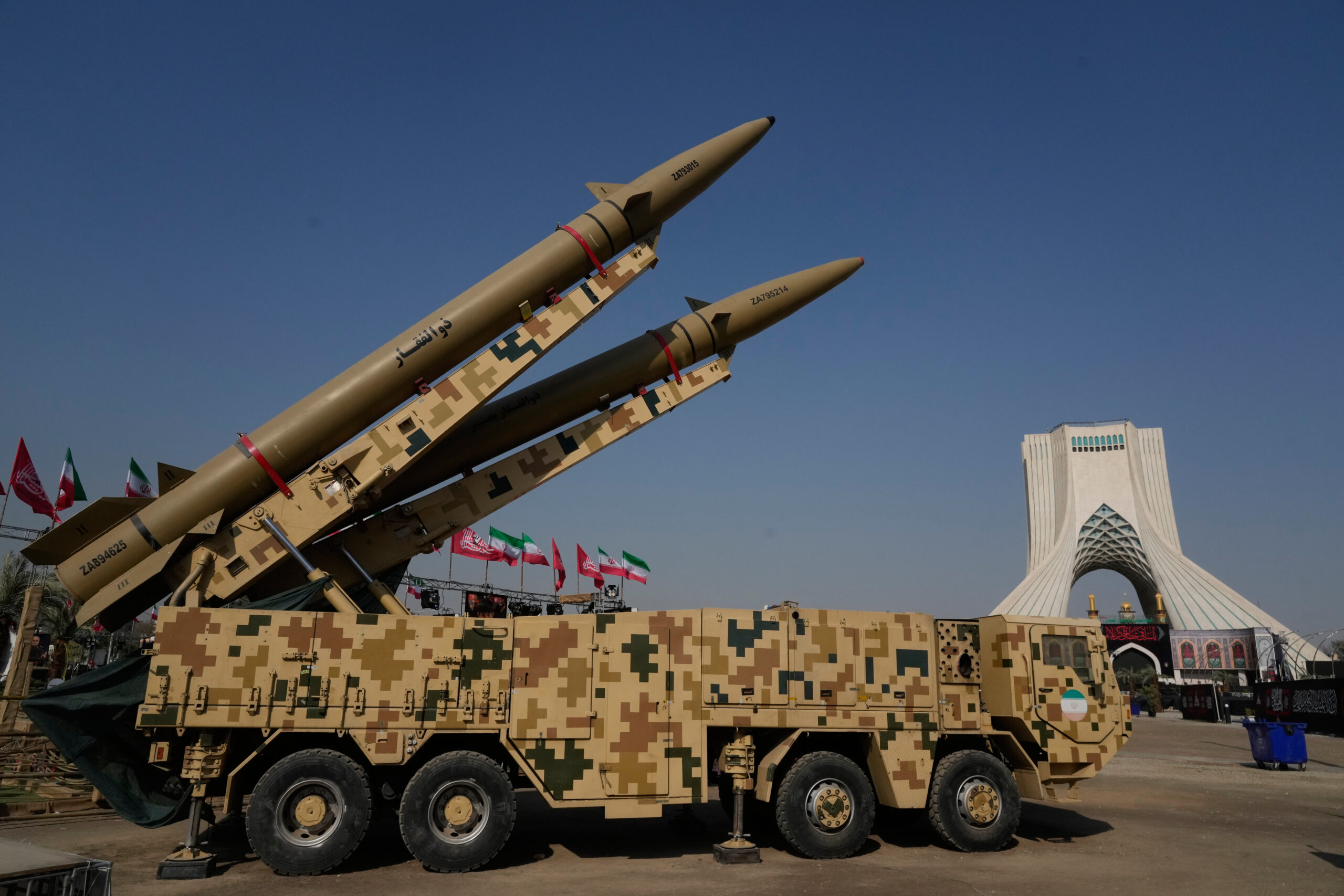
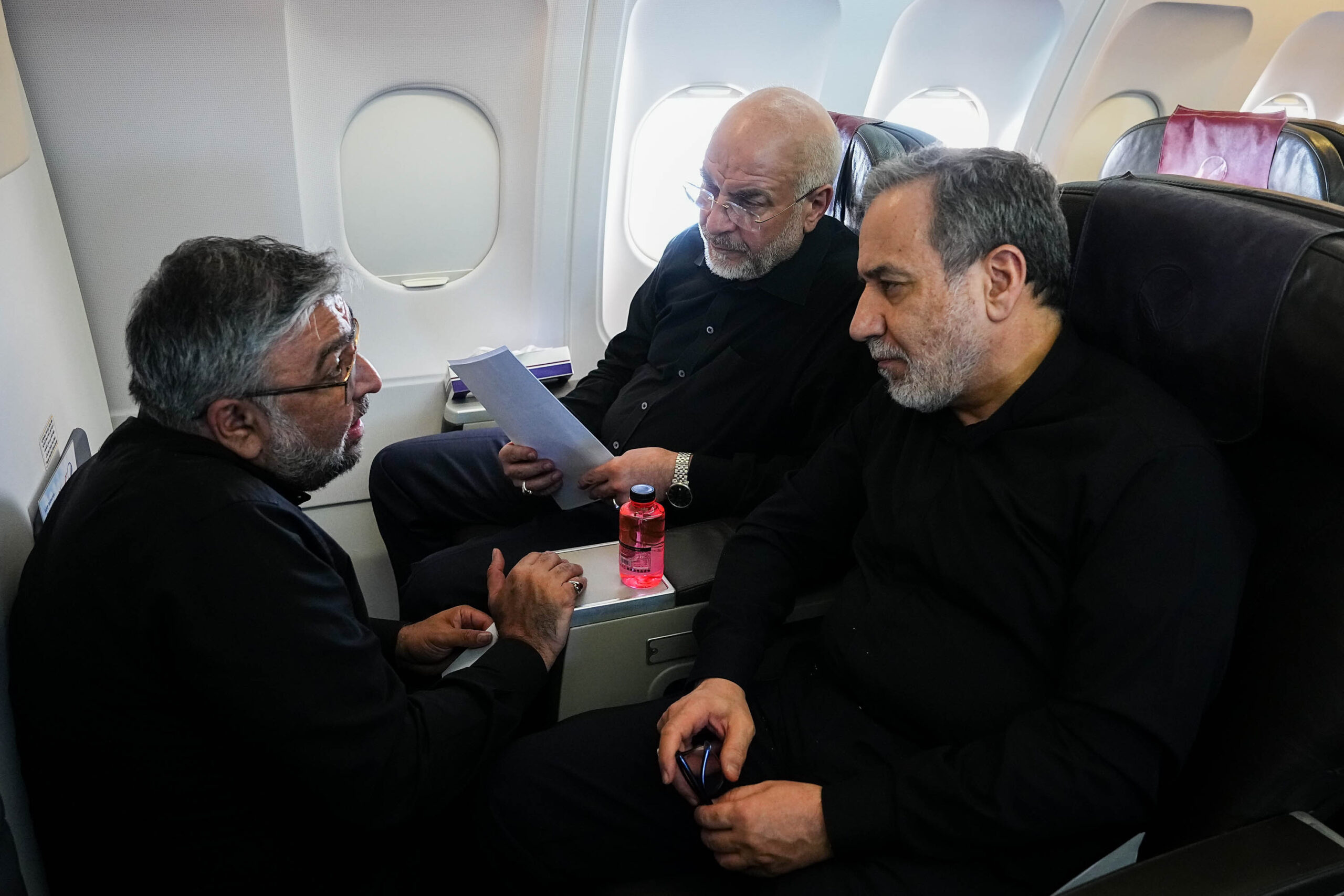
Iran’s Collective Strategic Decision Making
Wartime pressure has temporarily aligned the leadership’s overriding interest in regime survival, even as its members continue to differ over the costs, methods, and ultimate objectives of the war.
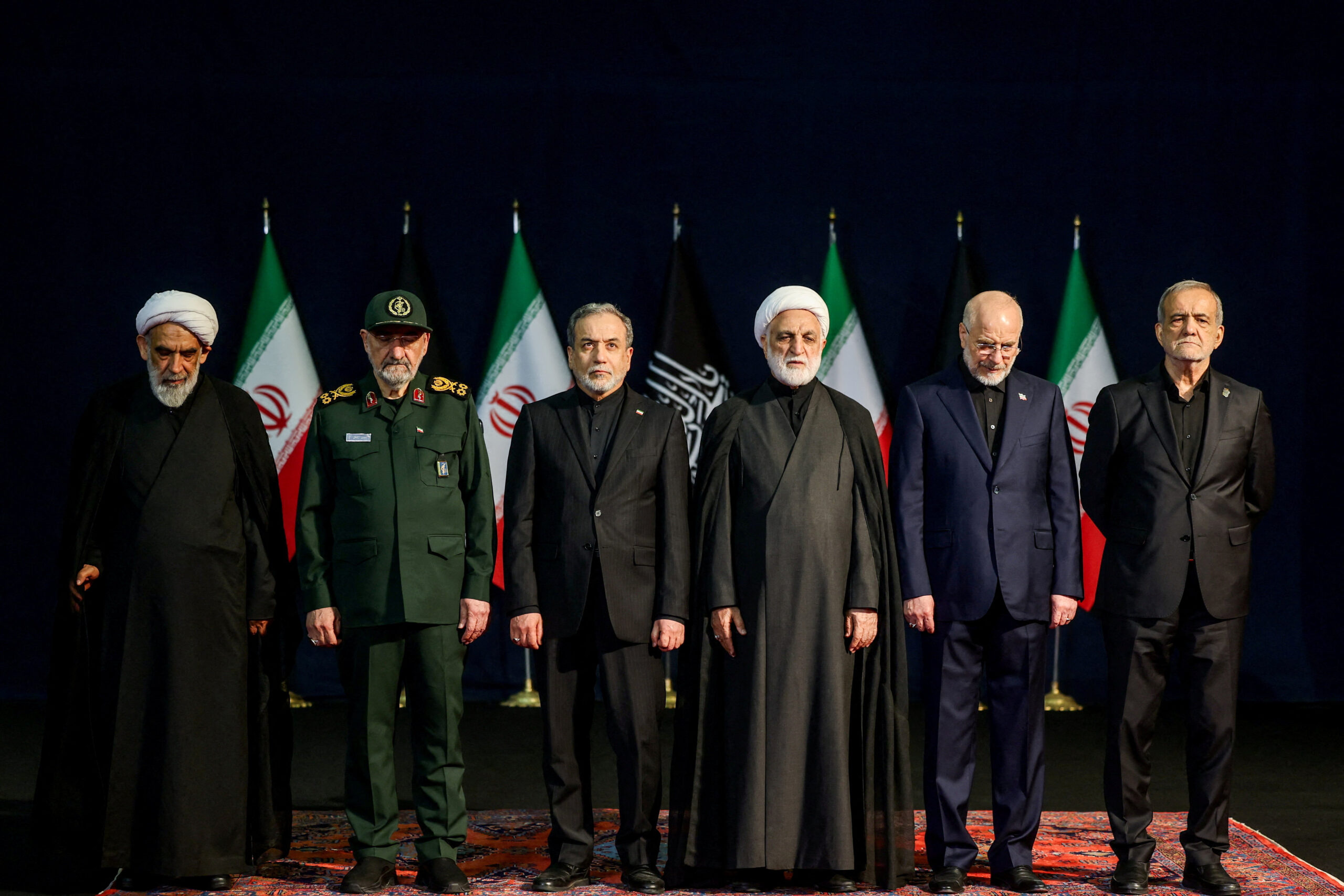
The Islamic Republic’s Collective Leadership
While there is historical precedent for collective leadership in Iran, today’s leadership includes representatives of the IRGC and regular military – a reflection of the IRGC’s expanding role and the necessities of governing under wartime conditions.
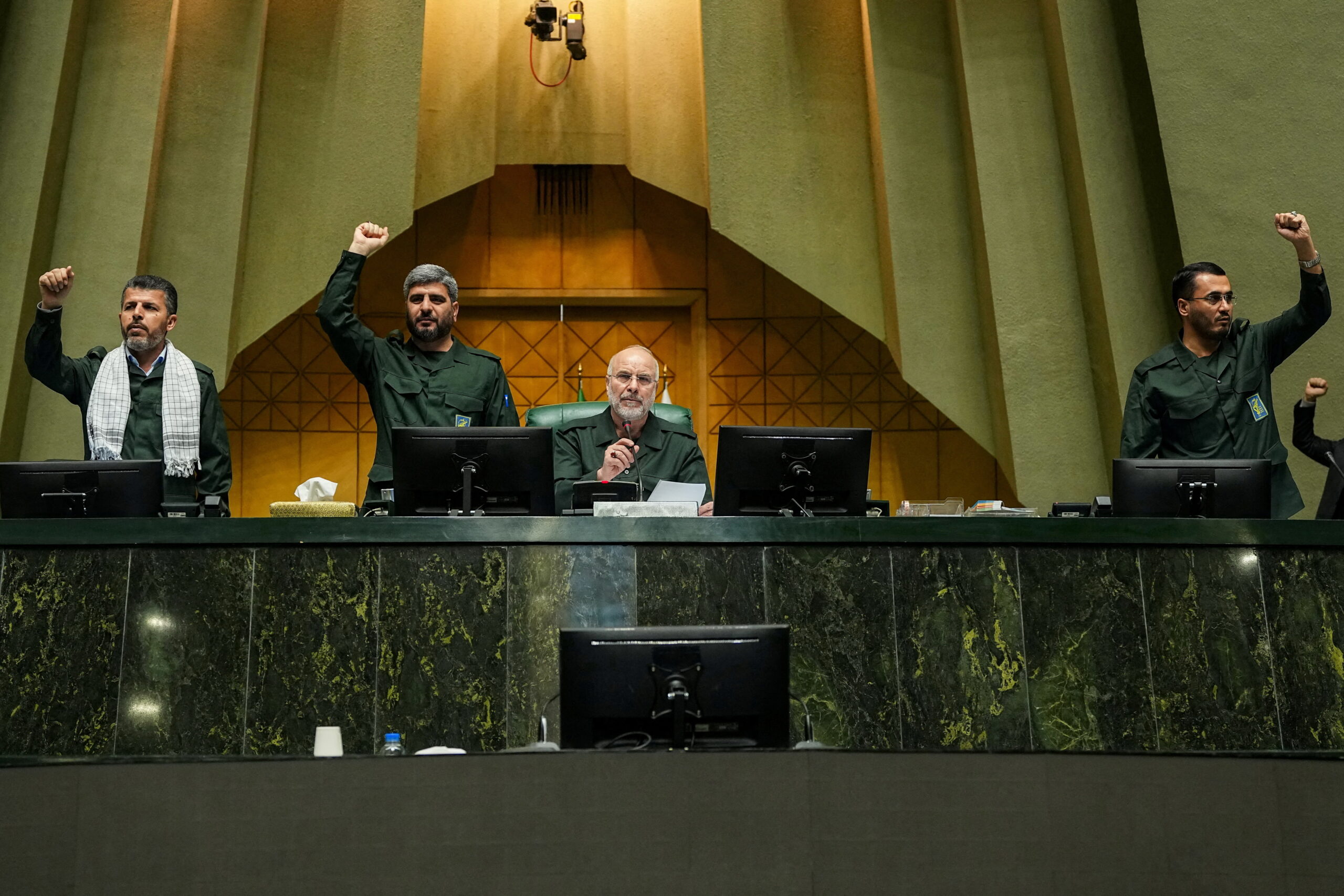
How Did the IRGC Seize Power in Iran?
The IRGC did not seize power in a single stroke. It accumulated it – patiently, methodically – until no counterweight remained.
Events
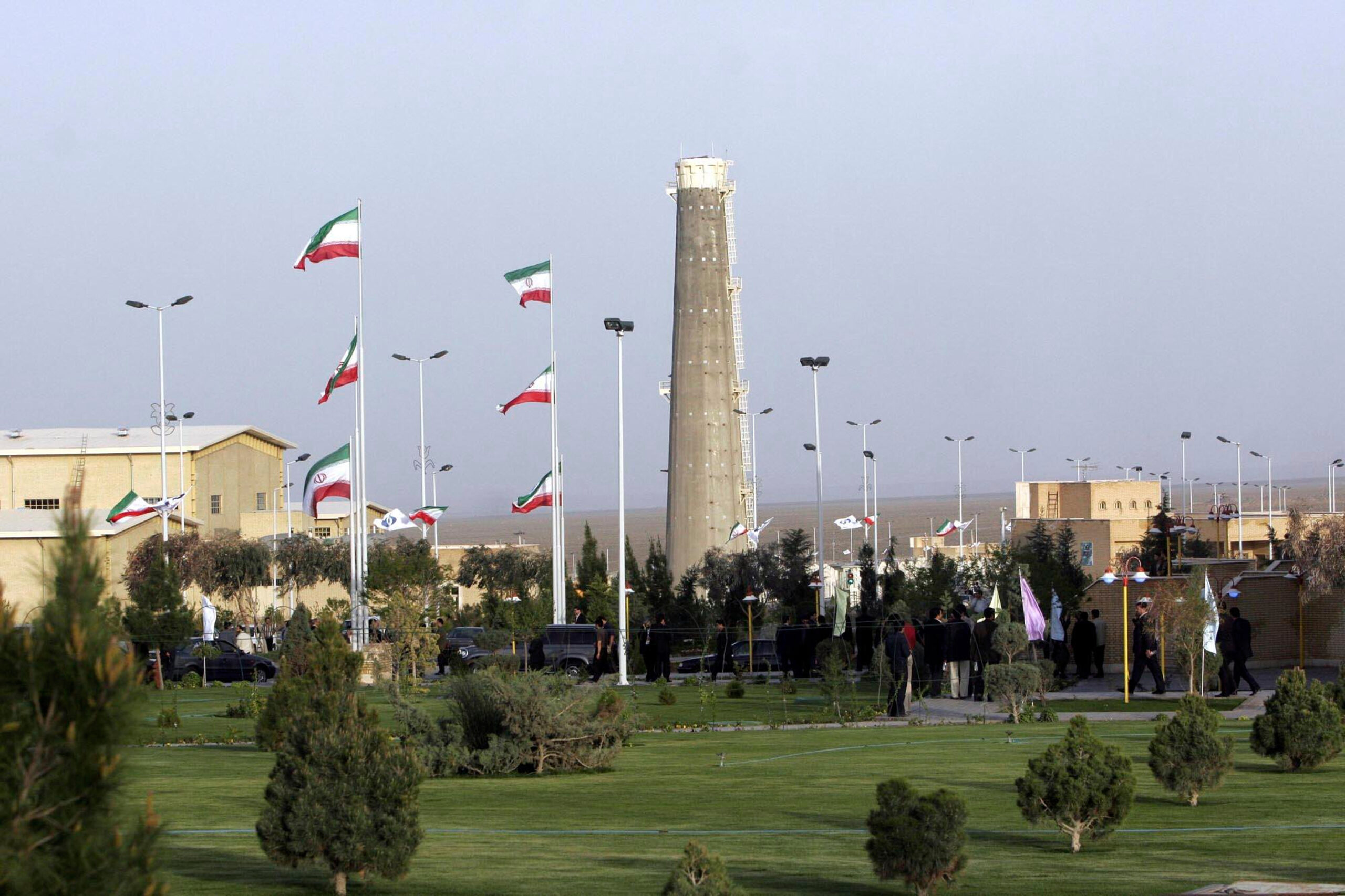
Book Talk: Iran and the Bomb: The United States, Iran and the Nuclear Question
On June 16, AGSI hosted a discussion on the evolution of Iran's nuclear program.
Speakers

Apr 21, 2026
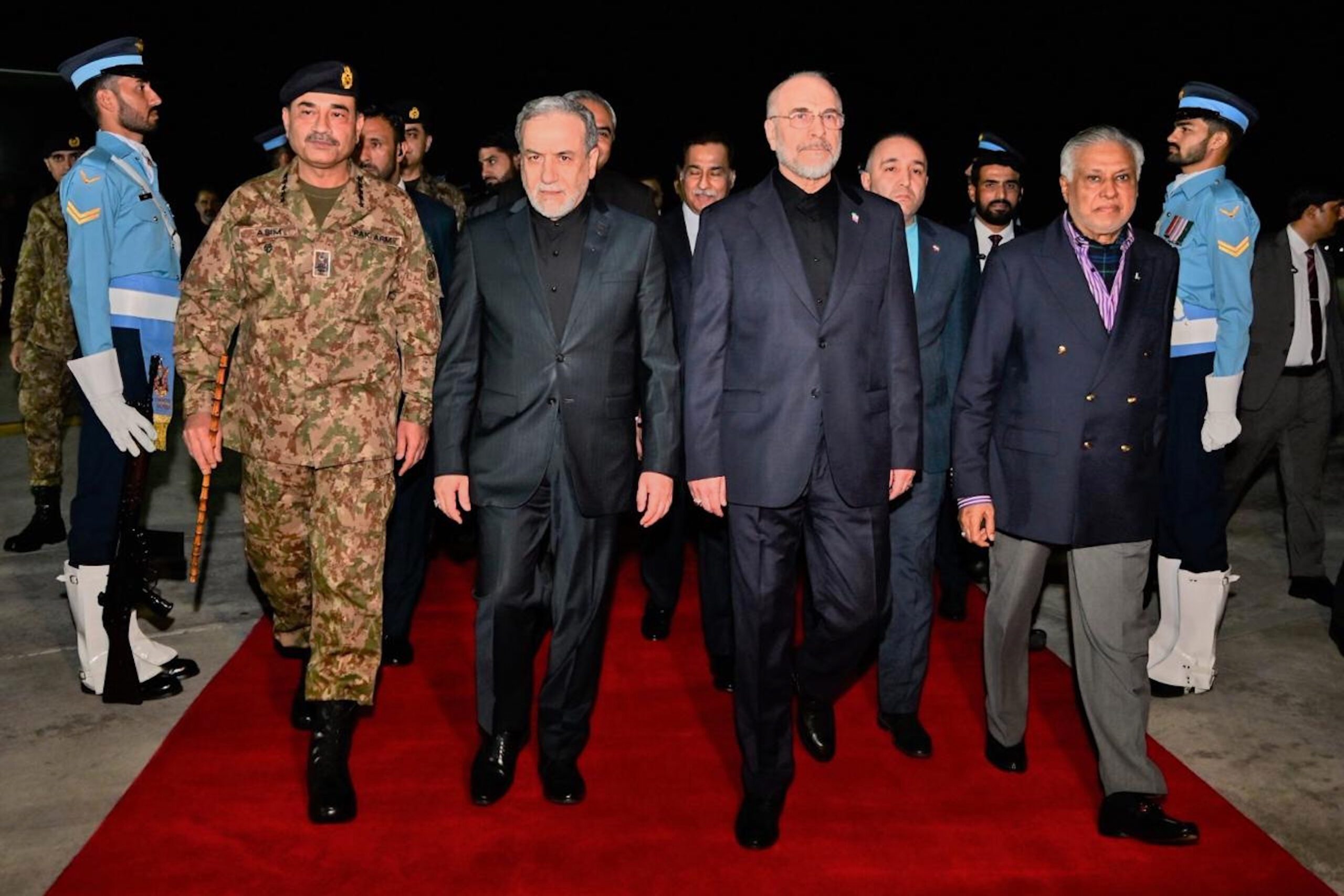
Inside Iran’s Wartime Leadership: Power, Succession, and Regime Stability
On April 21, AGSI hosted a discussion on the evolution of Iran's leadership during the war.
Speakers

Mar 18, 2026
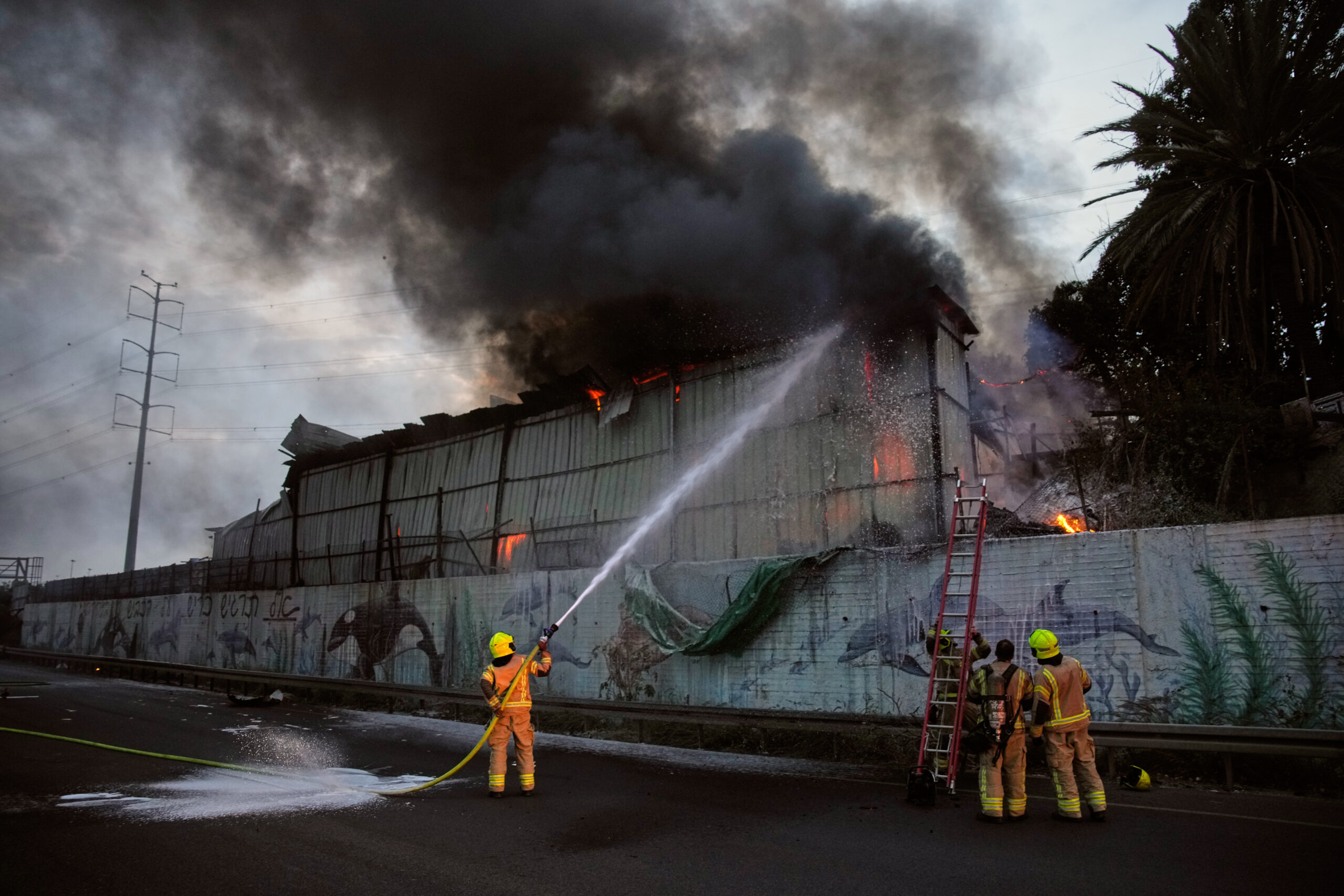
In Its Conflict With the United States and Israel, Does Escalation Favor Iran?
On March 18, AGSI hosted a discussion on the escalation of the Iran war.
Speakers


Mar 2, 2026
After the Shock: Implications of the U.S.–Israeli Strikes and Iran’s Leadership Transition
On March 2, AGSI hosted a discussion on the U.S.-Israeli strikes on Iran.
Speakers