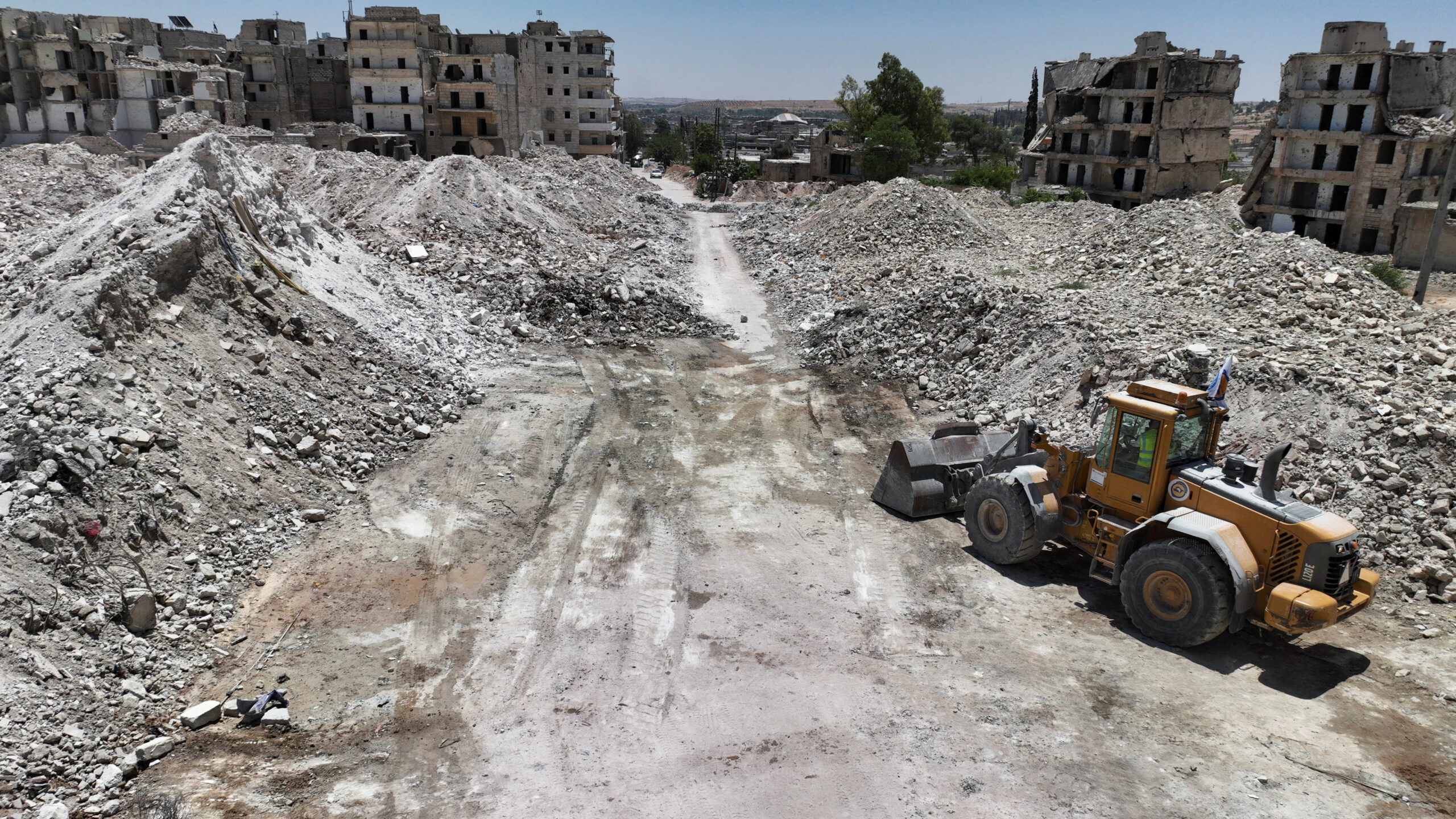
Syria’s challenge moving ahead will be the difficult effort to develop a political system that will empower Syria’s people to embrace the more pedestrian but necessary political compromises upon which inclusion and representative government are based.
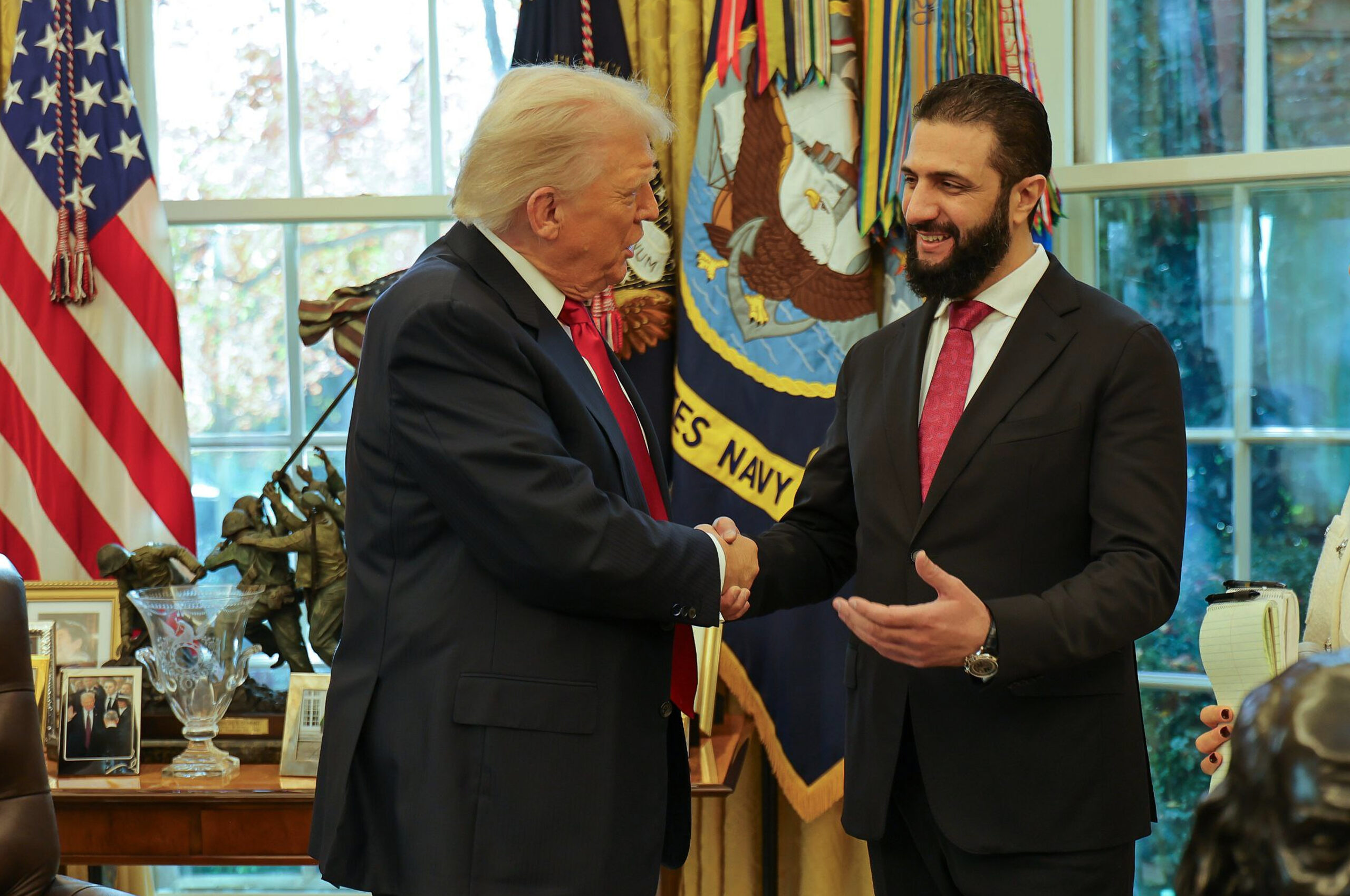
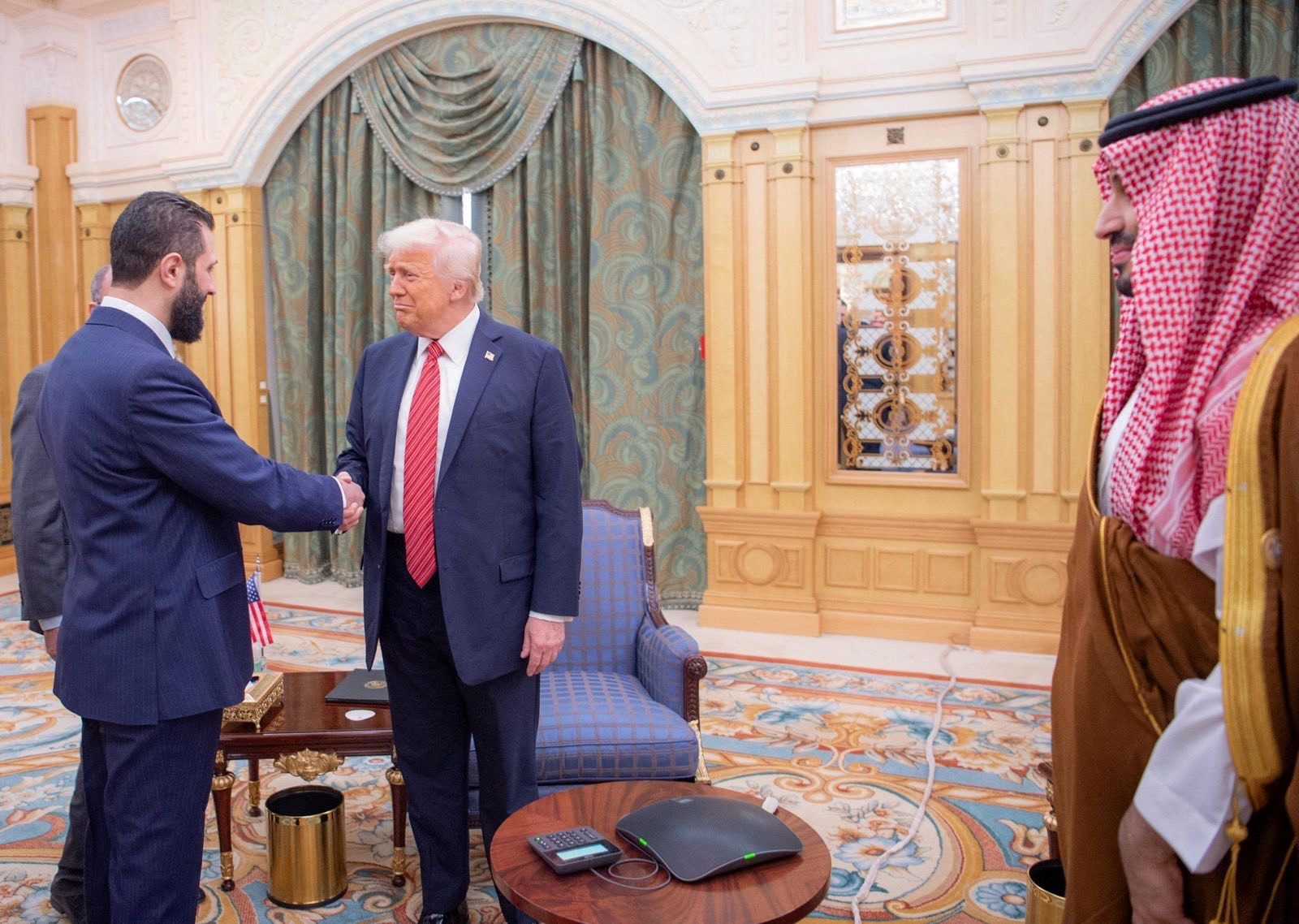
President Donald J. Trump, left, shakes hands with Syrian President Ahmed al-Sharaa, at the White House in Washington, November 10. (Syrian Presidency press office via AP)
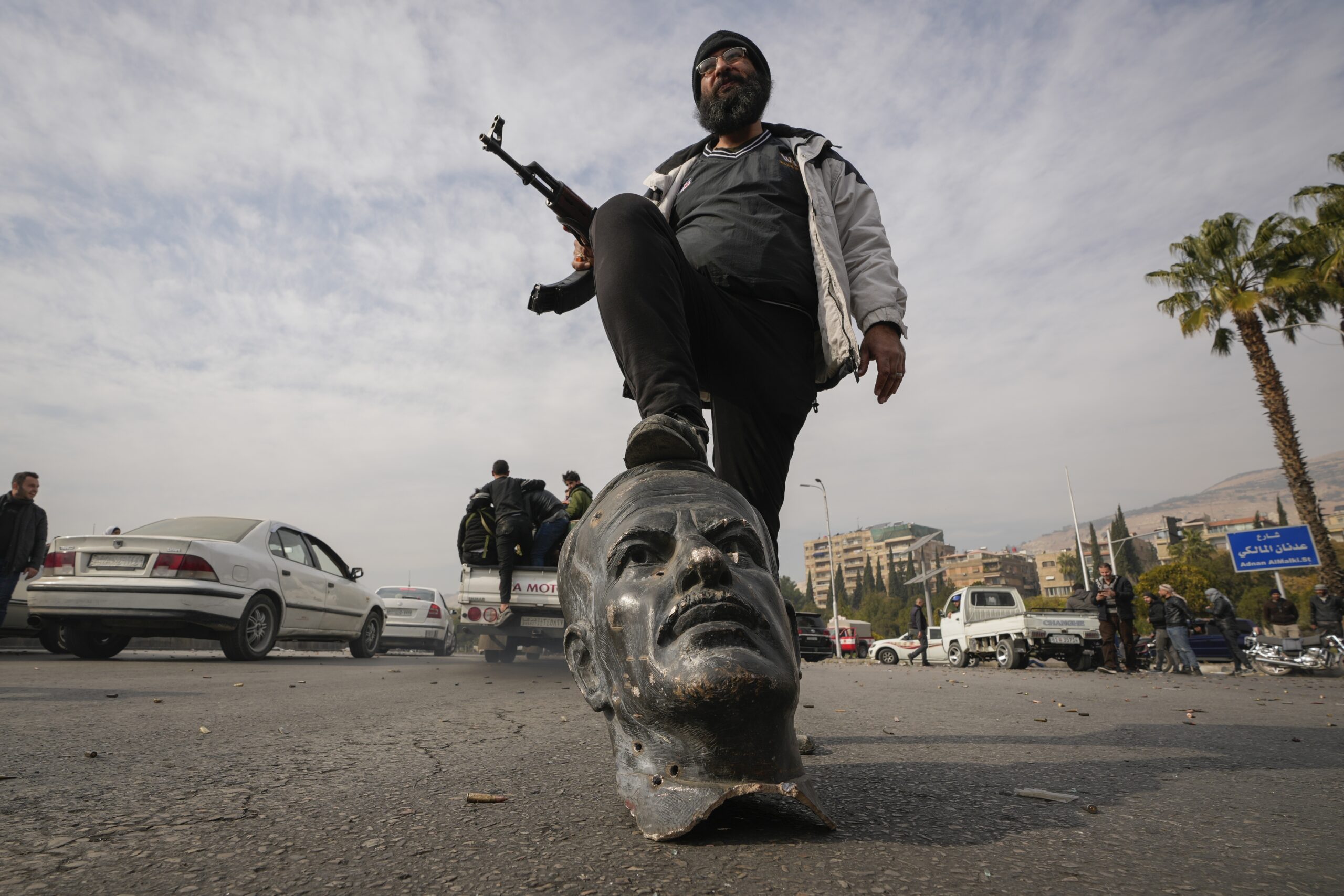
Syria has just celebrated its first anniversary of freedom from the brutal, tenacious father-son Assad regime. The euphoria and shock of December 8, 2024 – experienced like a political earthquake in Syria, cannot be overstated. In retrospect, it seems clear the regime was hollowed out and brittle, qualities that had been evident for a number of years since Syria’s first Arab Spring demonstrations in 2011. And yet it hung on, perpetrating unspeakable atrocities in war and repression against Syrians and clinging tightly to remarkably determined alliances with Russia and Iran. All that changed one year ago.
Sharaa’s Astonishing Emergence
Beyond the shocking, scurrying collapse of the regime and hasty retreat of those suddenly helpless allies, year one in the new Syria played out in a manner that has continued to surprise its people and the international community. Four key aspects were particularly noteworthy in shaping that year. The first was the remarkable political performance of interim President Ahmed al-Sharaa. A leader for whom the phrase “love him or hate him” seems to have been invented, he has astonished observers from the very first days post-Bashar al-Assad with his acumen, ability to forge powerfully beneficial relationships, and gift for managing a treacherous communications environment where a few missteps, clustered together, could have led him and Syria toward a very different first year.
A Quickly Established Set of Foreign Relations
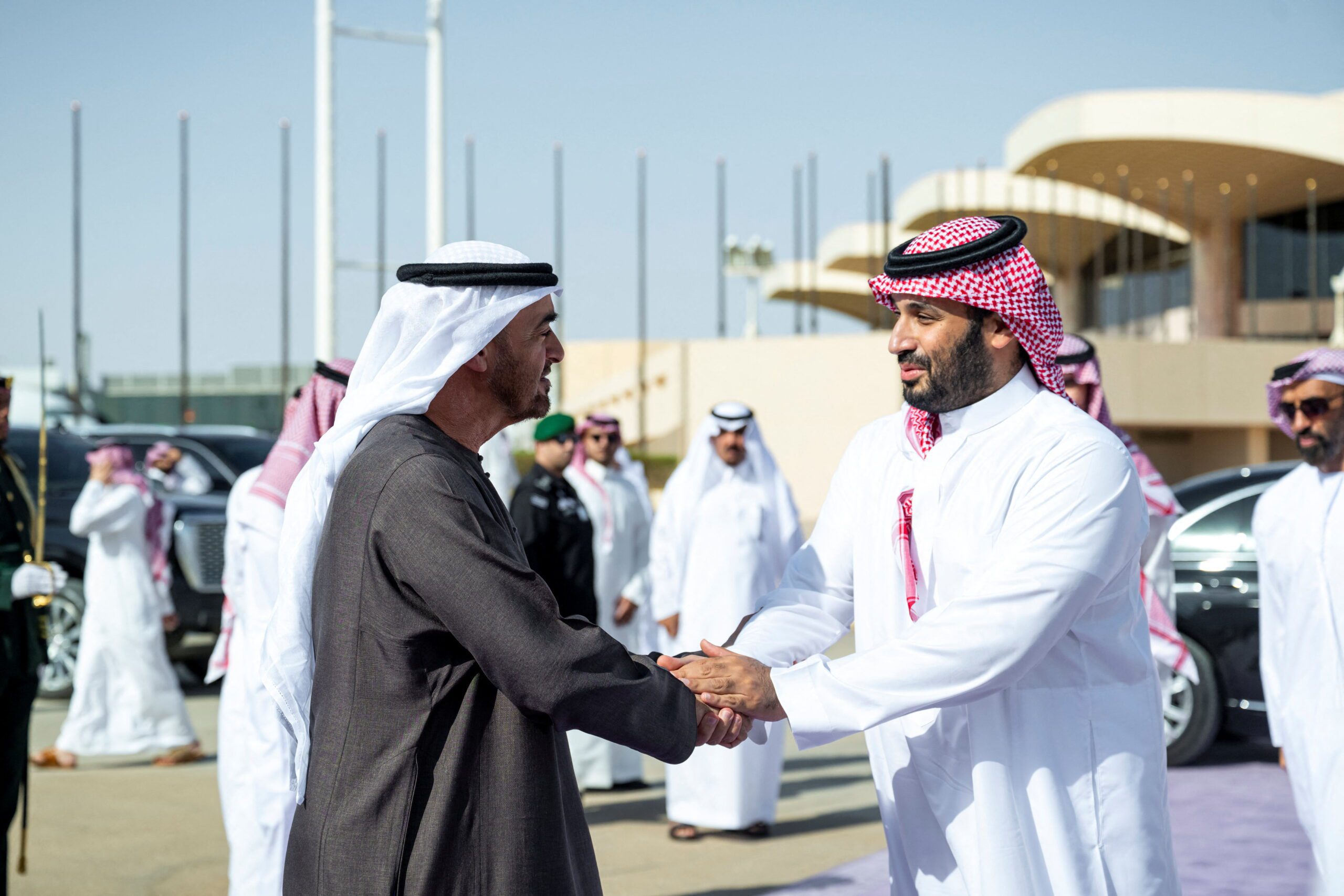
Reinforcing already developing relations with leaderships in Turkey and Qatar, he quickly established a strong bond with Saudi Crown Prince Mohammed bin Salman, who is influential in the Gulf, the wider Arab and Islamic worlds, and corridors of power from Washington to Europe and beyond. With two visits to Abu Dhabi, he also made substantial progress in developing a relationship with the more skeptical leadership in the United Arab Emirates, though that remains a work in progress. Another key potential regional ally is Egypt, but substantial work also remains to be done there to overcome suspicions about the new Syrian regime’s radical Islamist lineage. While the relationship with Turkey will be important on the security front, as Syria strives to rebuild its shattered security forces and assert control over its territory, the Gulf is likely to play the prime role in helping Syria rebuild, marshaling investment, loans, assistance, and the currency of confidence in international finance to persuade a wider circle of players that Syria’s massive reconstruction challenge represents credible opportunity. The Gulf states’ remarkably improved relations with Turkey over the past four years should allow for concerted efforts in Syria, with each country playing to its strengths on the rebuilding and investment effort. Abu Dhabi’s and Riyadh’s now close relations with Turkey also provide a regional security and geopolitical condominium in which a rebuilding Syria sees its future.
Sharaa has thus far adroitly managed a difficult relationship with Russia, navigating between that leadership’s legacy expectations and long memories of warm relations with the Assad regimes, and his own people’s suspicion of the regime of Russian President Vladimir Putin and raw sense of grievance about the brutality with which Russia prosecuted its air war to prop up the Assad regime. He has spoken realistically about the important military legacies of the relationship with Moscow and moved slowly in dealing with the future of Russia’s two former bases in Syria to give the Syrian people time to move toward his calculating approach.
In managing these relations, as in so much else he has done, Sharaa has demonstrated pragmatism – relying on the vocabulary of investment and technocratic accomplishment, rather than turning to an ideological, Islamist lexicon, and on a cool assessment of Syria’s interests, weaknesses, and potential. It is less clear how he will handle Syria’s challenge on the domestic front, where his and his government’s intentions for representative government and inclusiveness remain opaque. Some of his government’s early steps on constitutional efforts, a national dialogue, and signposts for elections fell flat and signaled elements of uncertainty and calculated obscurity that were not reassuring.
Trump Astonishes as Well
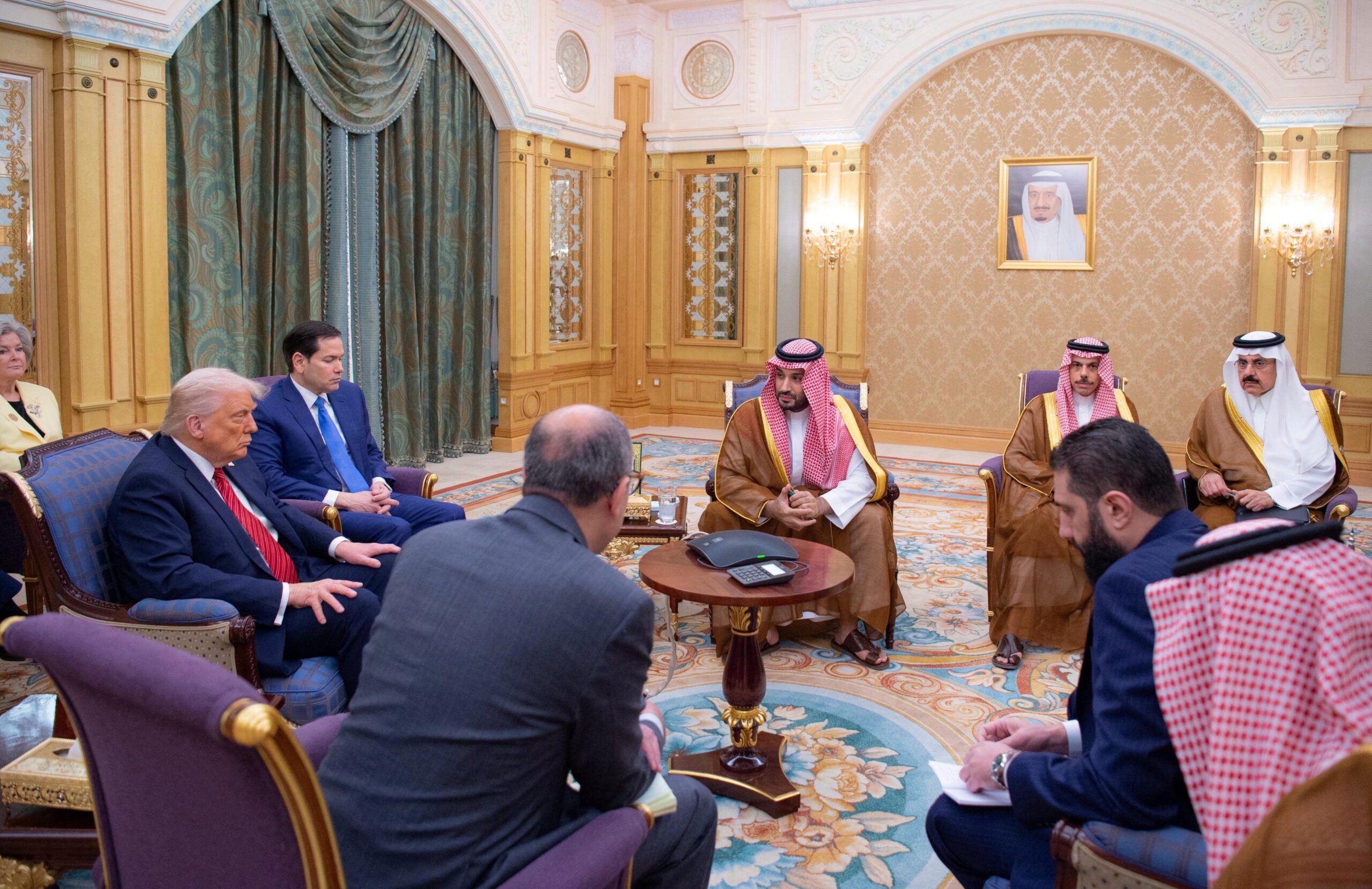
In addition to Sharaa’s remarkable performance, two other aspects of Syria’s year of astonishing political developments stand out. The first is President Donald J. Trump’s decision to embrace the former Islamist warlord who would be president. This was a decisional calculus that first became evident as Trump made the first foreign trip of his new administration to visit the Gulf. He absorbed the counsel of Mohammed bin Salman and – reportedly – Turkish President Recep Tayyip Erdogan and moved boldly to develop a relationship with the young leader of Syria. Trump’s confident embrace of Sharaa in Riyadh improved the latter’s global standing and dragged Syria in from the political isolation it had suffered under for decades under the Assads. As important, he signaled through detailed executive action that choking U.S. economic sanctions, layered in on Syria over decades, would be lifted. Trump made this decision and stuck with it despite the dismay and second-guessing of elites across U.S. political aisles. Trump built on this momentum, receiving Sharaa at the White House in November amid unconfirmed breaking reports that the United States would be establishing a military relationship with the new government and was already eyeing some real estate for a small military presence outside Damascus. The move would make sense in the context of Syria’s acceptance of the U.S. invitation to join the Global Coalition to Defeat ISIS. Any Syrian security relationship with the United States would be established under the rubric of joint cooperation to fight the Islamic State group, with its tenacious, if shadowy, presence in the uncontrolled hinterlands of Syria in the Badiya Desert south of Deir al-Zour province. The United States is already cooperating with its local partner, the Kurdish-led Syrian Democratic Forces, in northeast Syria in the fight against ISIS.
At Year’s End, Congress Moves Toward Repeal of Caesar Sanctions
Trump’s embrace of Sharaa and his decision on sanctions leads to the final aspect of momentous developments in the new Syria’s year one: the move by the U.S. Congress, exactly one year after Assad’s ignominious flight to Moscow, toward lifting the legislatively imposed Caesar Syria Civilian Protection Act. On December 8, House and Senate leaders finally agreed on the precise language that would lift the Caesar Act sanctions. While these sanctions served their purpose in choking off nearly all investment and reconstruction efforts as Assad clung to power in his final years and put unrelenting pressure on Syria’s economy and financial system, their legal and political rationales had collapsed with the fall of the Assad regime. Trump bulldozed past the hesitation and skepticism of those who mused that perhaps it made sense nevertheless to keep those punishing sanctions on Syria, for leverage against the Sharaa government, despite persuasive evidence the sanctions were also causing widespread humanitarian suffering. The Caesar Act repeal, like the original legislation in 2019 and its fresh five-year extension enacted in late 2024, will be included in the massive 2026 National Defense Authorization Act, for which House passage and presidential signature are expected in the coming days. The Senate has already approved it.
And so, Syria’s decades of living dangerously have folded into a year of astonishing developments. In international relations, states, not people, are the main actors. And as Friedrich Nietzsche wrote, “A state, is called the coldest of cold monsters.” This may be an exaggeration for effect, perhaps, but a needed reminder that Syria’s year of astonishing developments is likely to feed into less astonishing, more pedestrian haggling over progress as the state seeks to consolidate its internal and international position. The key will be the development of a political system, over the long haul, that can register the vastly competing aims and interests still emerging in Syria after decades of authoritarian rule and crushing repression, allow for compromise to emerge, and create a political culture that will still be able to embrace and celebrate such difficult, halting progress.
The views represented herein are the author's or speaker's own and do not necessarily reflect the views of AGSI, its staff, or its board of directors.
The map of Syria has undergone a shocking revision, and domestic instability and retribution, with broader regional fallout, remain possible, even as diplomats engage and hope for the best.
The disconnect on Syria is so profound it risks rupturing the assessment of shared interests that underlies the Abraham Accords and the tentative efforts by others in the Gulf to find the right circumstances and timing to sign on to that project.
At least four significant geostrategic efforts focused on Syria are underway, an indication of the continuing fascination with – and desire to shape – developments in Syria.
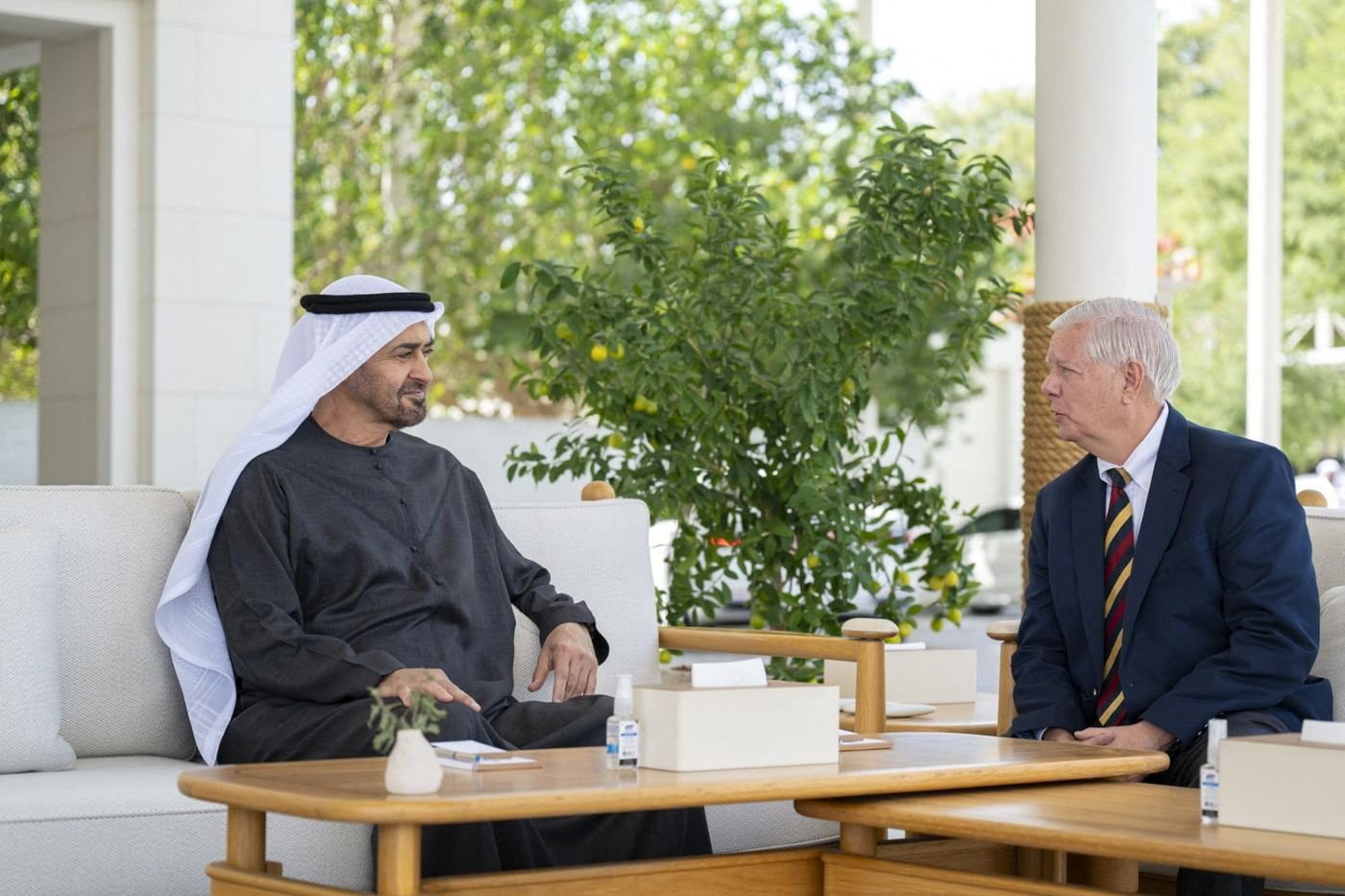
To respond to harsh Saudi criticisms, the Emiratis have sought to reframe, deflect, and calibrate, avoiding escalation while also benefitting from powerful advocates, including Senator Lindsey Graham.
Disputes in the Gulf tend to be structurally constrained by dense interdependence, established patterns of dispute management, and various shades of elite empathy among leaderships.
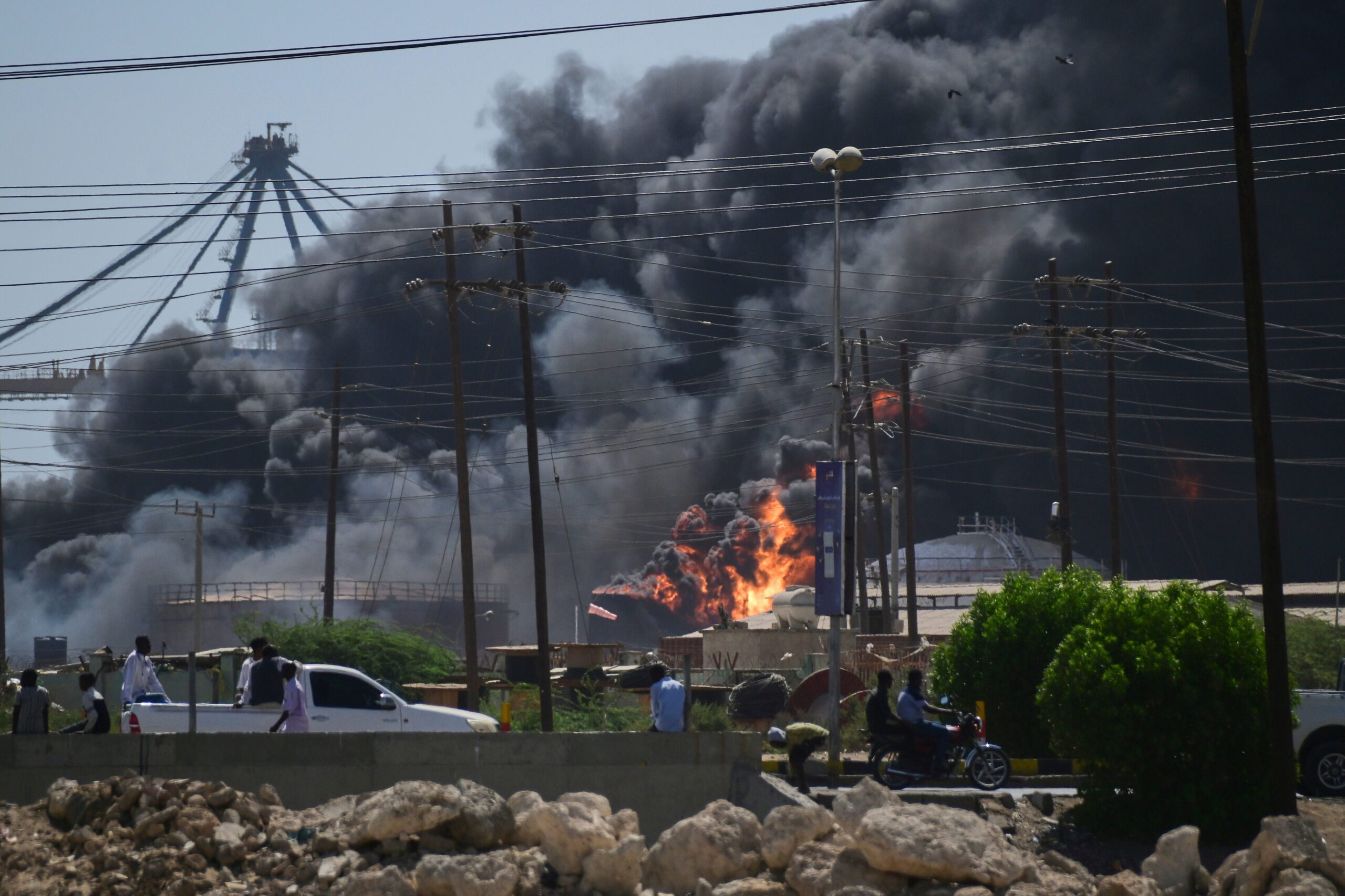
The recent visit by the Saudi crown prince to Washington turbocharged prospects for U.S.-led mediation on Sudan, but the case for skepticism remains compelling.
While the Syrian president is the one coming to Washington, he and President Trump each have flipped the script, surprising skeptics with bold action and fresh approaches, opening a desperately needed conversation on Syria.
On January 8, AGSI hosted a virtual roundtable with its leadership and scholars as they look ahead and assess trends likely to shape the Gulf region and U.S. foreign policy during the coming year.