"*" indicates required fields

This field is for validation purposes and should be left unchanged.

Subscribe

By subscribing you agree to our Privacy Policy

Subscription Settings
Analysis

Sovereign Data: The Development and Marketing of Bahrain’s Digital Domain

Gulf Arab states like Bahrain cannot preserve the traditional form of their economies indefinitely, but they can influence how their new digital future will unfold.

The Amazon Web Services logo is seen at Bahrain Technology Week, Manama, Bahrain, September 26, 2017. (REUTERS/Hamad I Mohammed)

Executive Summary

Bahrain is a small country with big digital growth ambitions. Enabling better data access, management, and utilization is an important economic differentiator for Bahrain. In April 2017, Bahrain’s government published a Cloud First Policy to modernize government information and communications technology, by using cloud computing services. The government introduced a Personal Data Protection Law in July to better align Bahrain’s data protection frameworks with global best practices. The Bahraini government passed another law concerning the provision of cloud computing services to foreign parties through Legislative Decree No. 56 of 2018, establishing a legal framework for hosting external content on Bahraini data centers.

Bahrain’s aspirations to become a regional data-hosting hub have met with some early successes. In 2019, Amazon Web Services opened a Middle East “region” in Bahrain, which entailed the deployment of AWS data centers and linking them to the company’s global network. Bahrain’s economic policy officials also see high-growth potential in partnerships with Chinese firms. For example, Huawei and China Telecom are involved in rolling out controversial 5G mobile network infrastructure across Bahrain.

Some U.S. officials fear that Chinese technologies could be leveraged for cyberespionage purposes. The Bahraini government has thus far mitigated security concerns by balancing the involvement of U.S., European, and Asian technology partners in the development of its digital domain. Challenges surrounding cyberspace and data issues in the Gulf region, however, are set to intensify. The economic shocks caused by the coronavirus outbreak and oil price rout have increased fiscal pressure on Gulf Arab governments, which will look for cheap, advanced technologies and digital applications to provide services to citizens and protect their economies.

Read full paper

The views represented herein are the author's or speaker's own and do not necessarily reflect the views of AGSI, its staff, or its board of directors.

Robert Mogielnicki

Non-Resident Fellow, AGSI

Analysis

The Gulf Economic Infrastructure Buildout

Gulf countries are at the center of an emerging regional economic infrastructure expansion, but the implications will be global in nature.

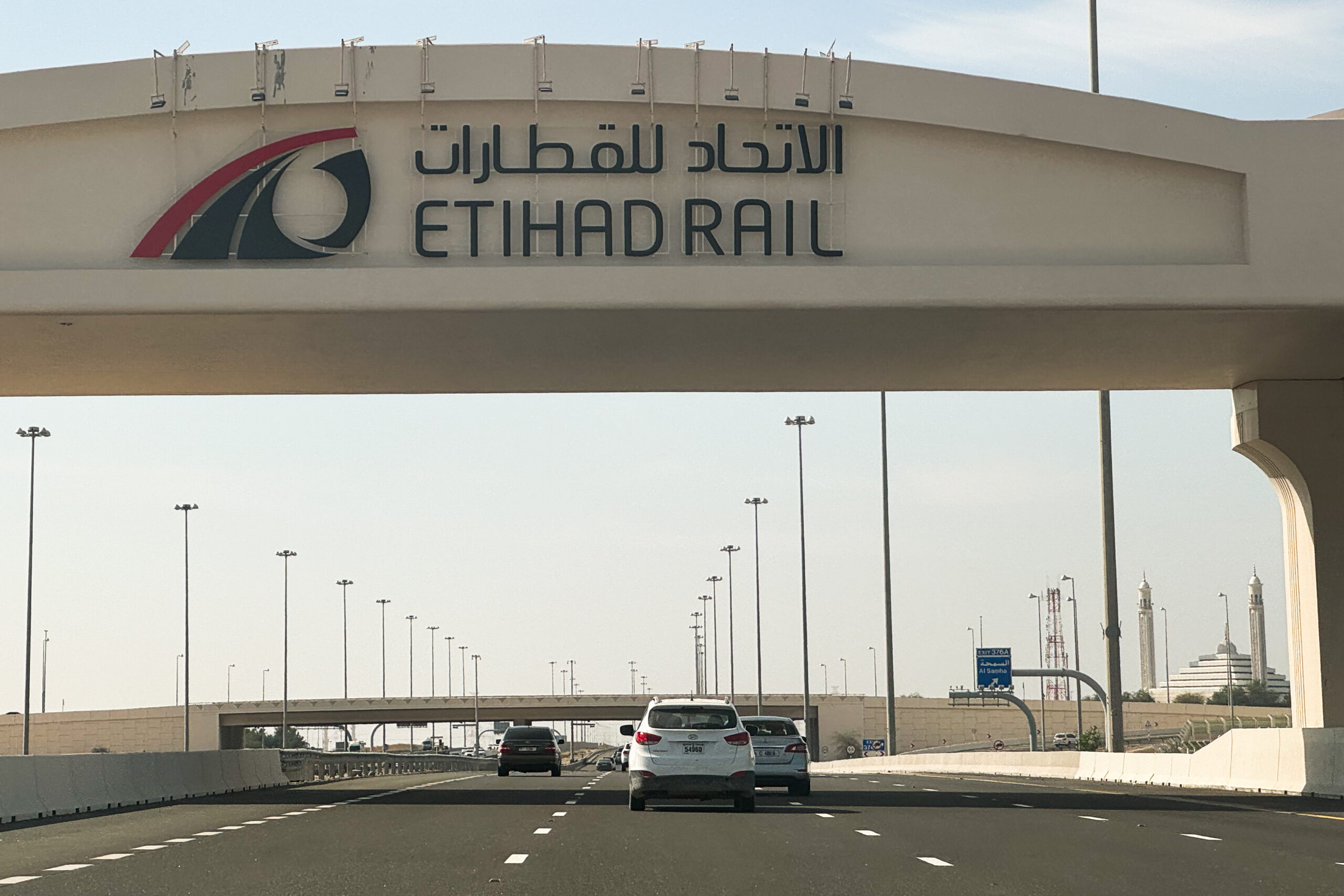
Etihad Rail is seen above a highway in the United Arab Emirates on November 26, 2023. (Photo by Jakub Porzycki/NurPhoto)

Kuwait Gets Some Good News Amid Tough Times

Investors continue to bet on Kuwait’s longer-term outlook, though stiff economic headwinds and geopolitical uncertainty remain on the horizon.

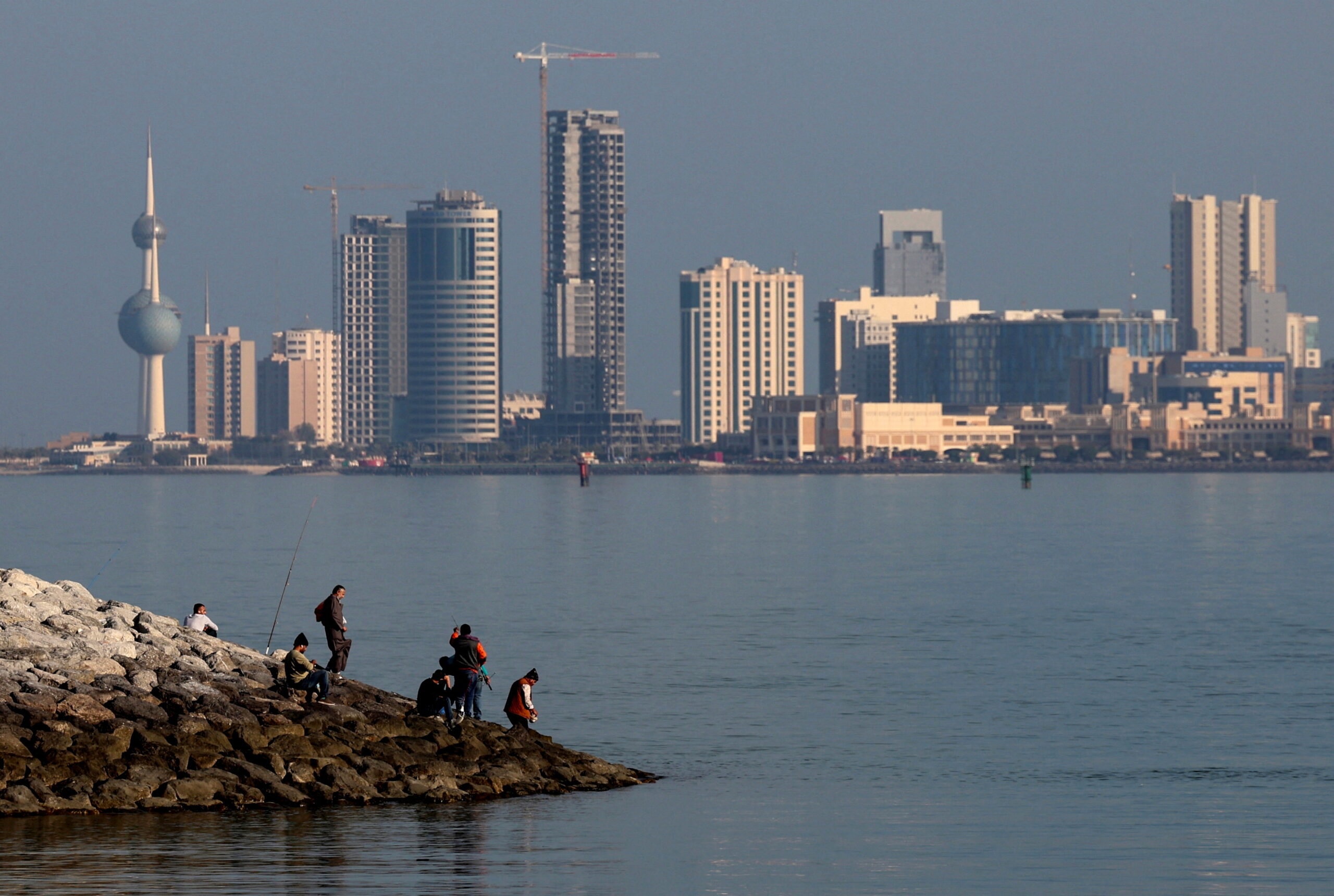
A general view of Kuwait City, Kuwait, December 23, 2024. (REUTERS /Mohamed Abd El Ghany)

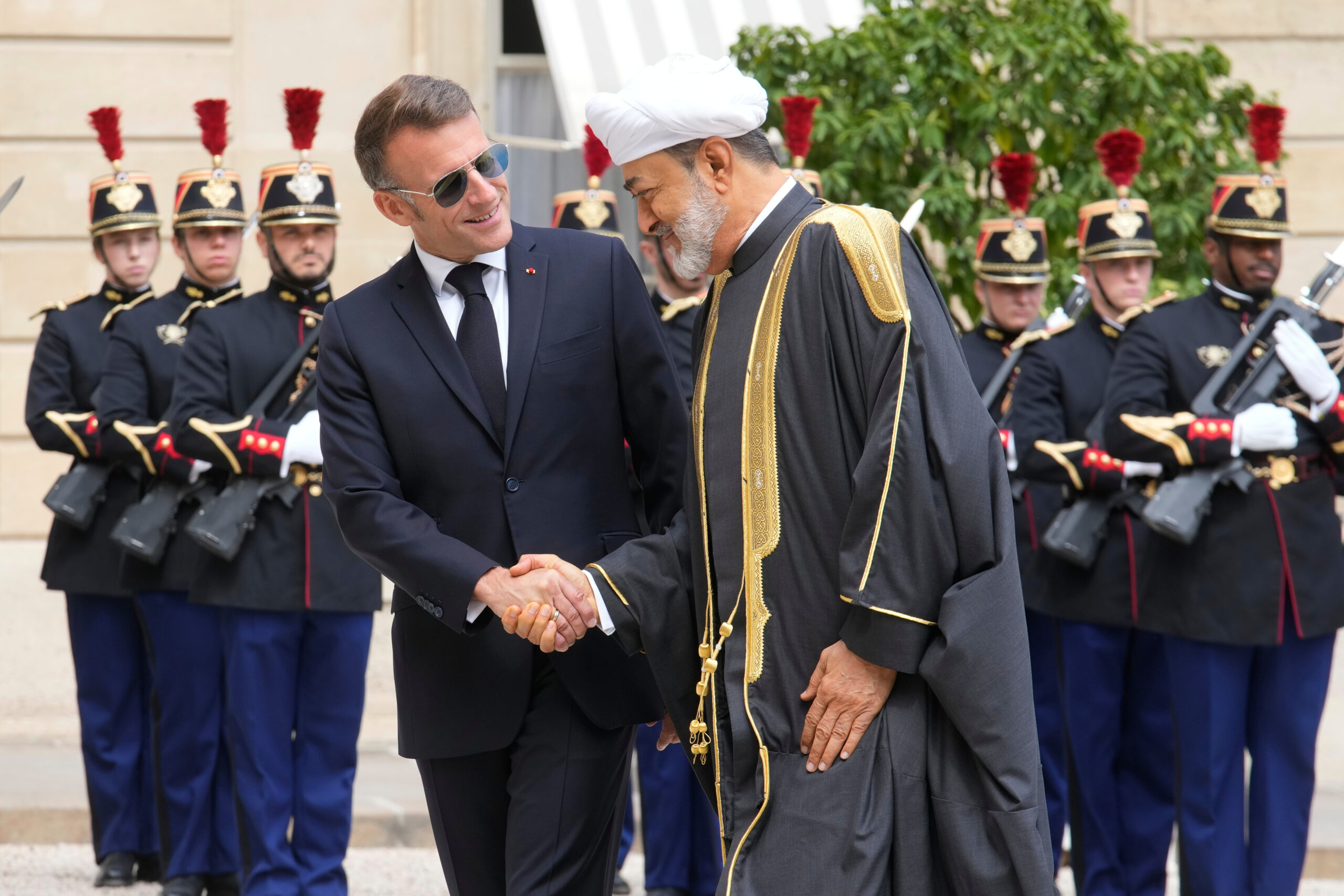
The Pull of French-Gulf Economic Ties

France is positioning to be a more influential actor across the Middle East, but the European powerhouse is most likely to see immediate traction on the economic tracks that run to and from the Gulf.


French President Emmanuel Macron, left, greets Omani Sultan Haitham bin Tariq al-Said before a meeting at the Elysee Palace, in Paris, June 29. (AP Photo/Michel Euler)

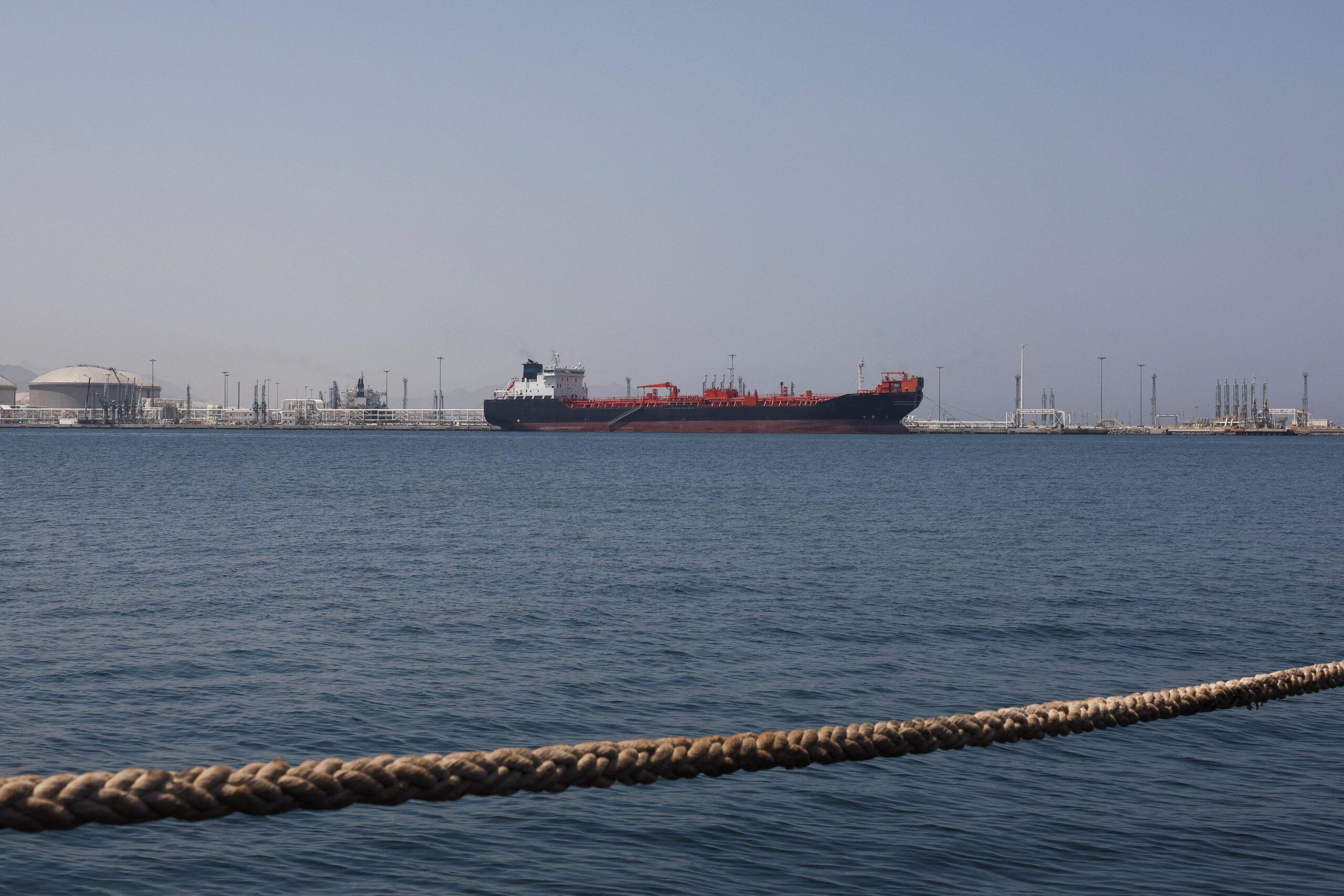
All About Those Ports

Ports will be key focus areas of economic infrastructure buildout efforts as the region works to move beyond the Iran conflict.

An oil Tanker at the Port of Fujairah in Fujairah, United Arab Emirates, May 6. (REUTERS/Amr Alfiky)
View All

Events

Sep 9, 2026

Preparing for the Gulf’s Economic Infrastructure Buildout

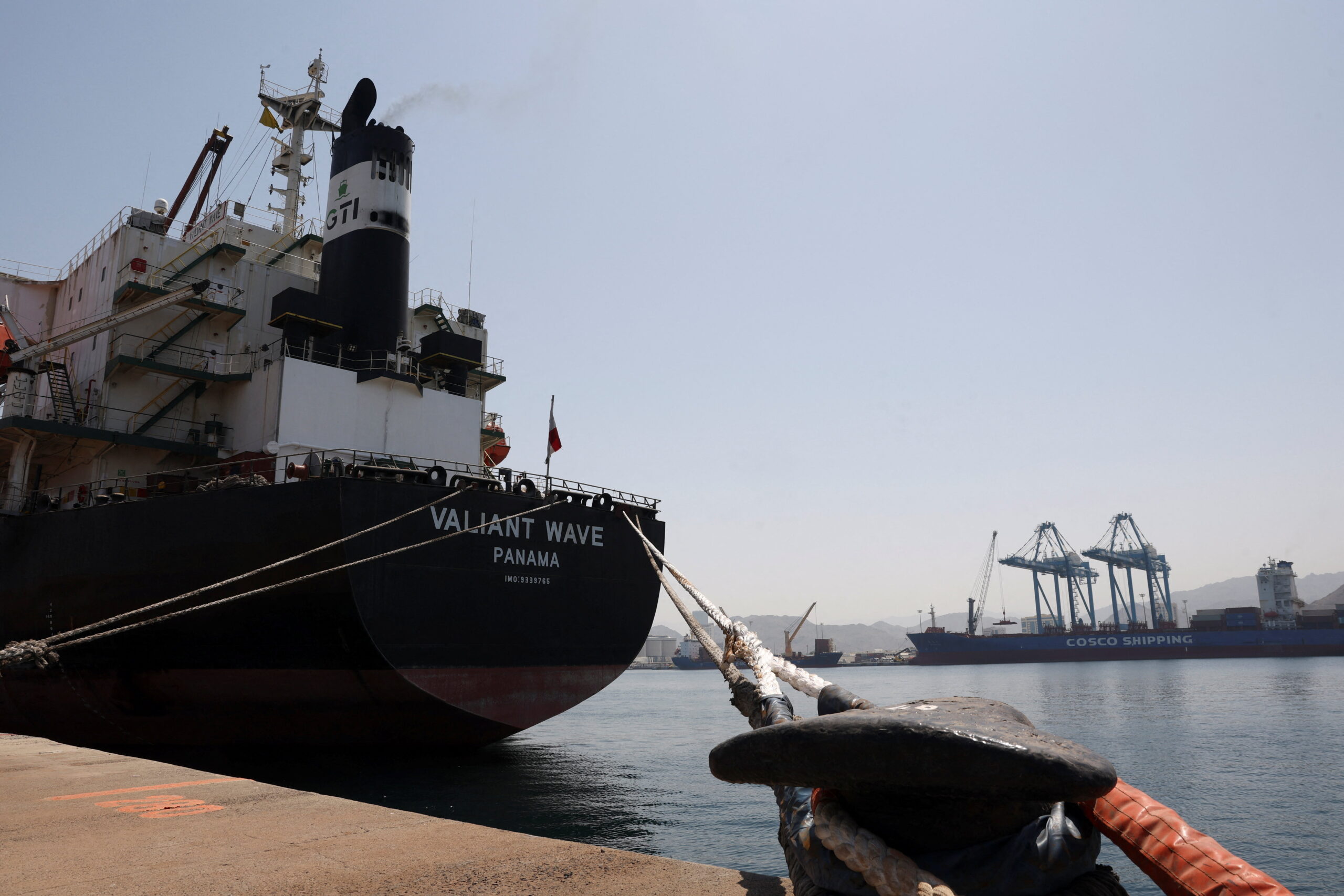
On September 9, AGSI hosted a discussion on Gulf infrastructure development post-Iran war.

A bulk carrier docked at the Port of Fujairah, as the U.S.-Israel conflict with Iran limits marine traffic in the Strait of Hormuz, in Fujairah, United Arab Emirates, May 6. (REUTERS/Amr Alfiky)
A bulk carrier docked at the Port of Fujairah, as the U.S.-Israel conflict with Iran limits marine traffic in the Strait of Hormuz, in Fujairah, United Arab Emirates, May 6, 2026. (REUTERS/Amr Alfiky)

Aug 25, 2026

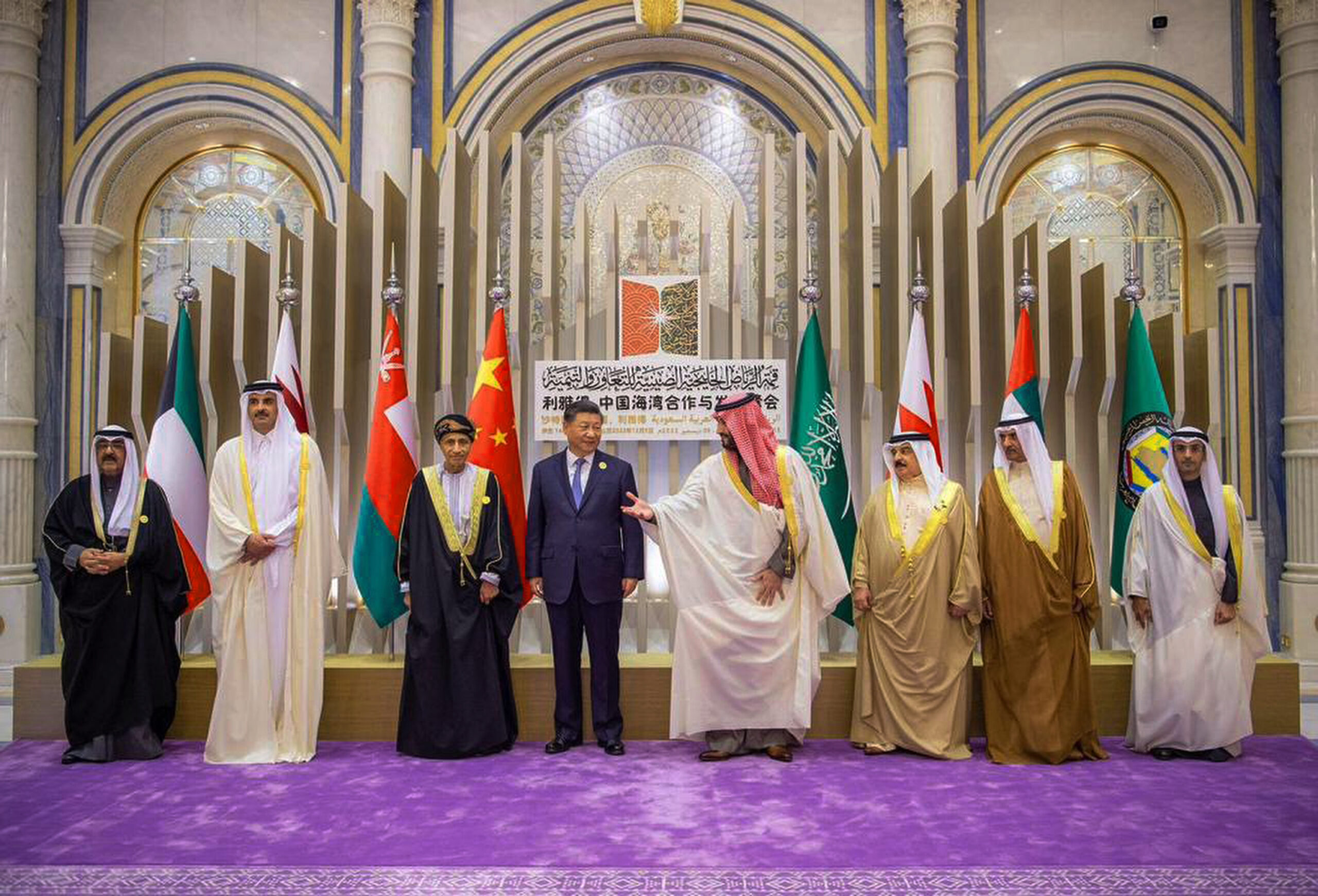
The Challenge of Gulf-China Ties: Reassessing Beijing’s Role After the Iran War

On August 25, AGSI hosted a discussion on the impact of the Iran war on Gulf-China relations.

Saudi Crown Prince and Prime Minister Mohammed bin Salman greets Chinese President Xi Jinping after a group photo during the Gulf Cooperation Council summit in Riyadh, Saudi Arabia, December 9, 2022. (Saudi Press Agency via AP)

Mar 17, 2026

Investing Through Uncertainty: Capital, Technology, and the Future of Gulf Markets

On March 17, AGSI hosted a discussion on Gulf economic advancement.

Light traffic moves along a main road in downtown Dubai, United Arab Emirates, March 7. (AP Photo/ Fatima Shbair)

Mar 11, 2026

Shockwaves From Iran: Implications for Energy Markets and the Global Economy

On March 11, AGSI hosted a discussion on global energy and economic market volatility.

Flames rise from an oil storage facility south of Tehran as strikes hit the city, Iran, March 7. (AP Photo/Vahid Salemi)
View All