Protests in Iran: Regime Deal With Trump or Degrade Toward Collapse?
Though the Iranian regime is facing increasing pressure from protesters and armed insurgent groups, it is not yet doomed – but without a deal with the United States, the regime is likely headed for a slow collapse.
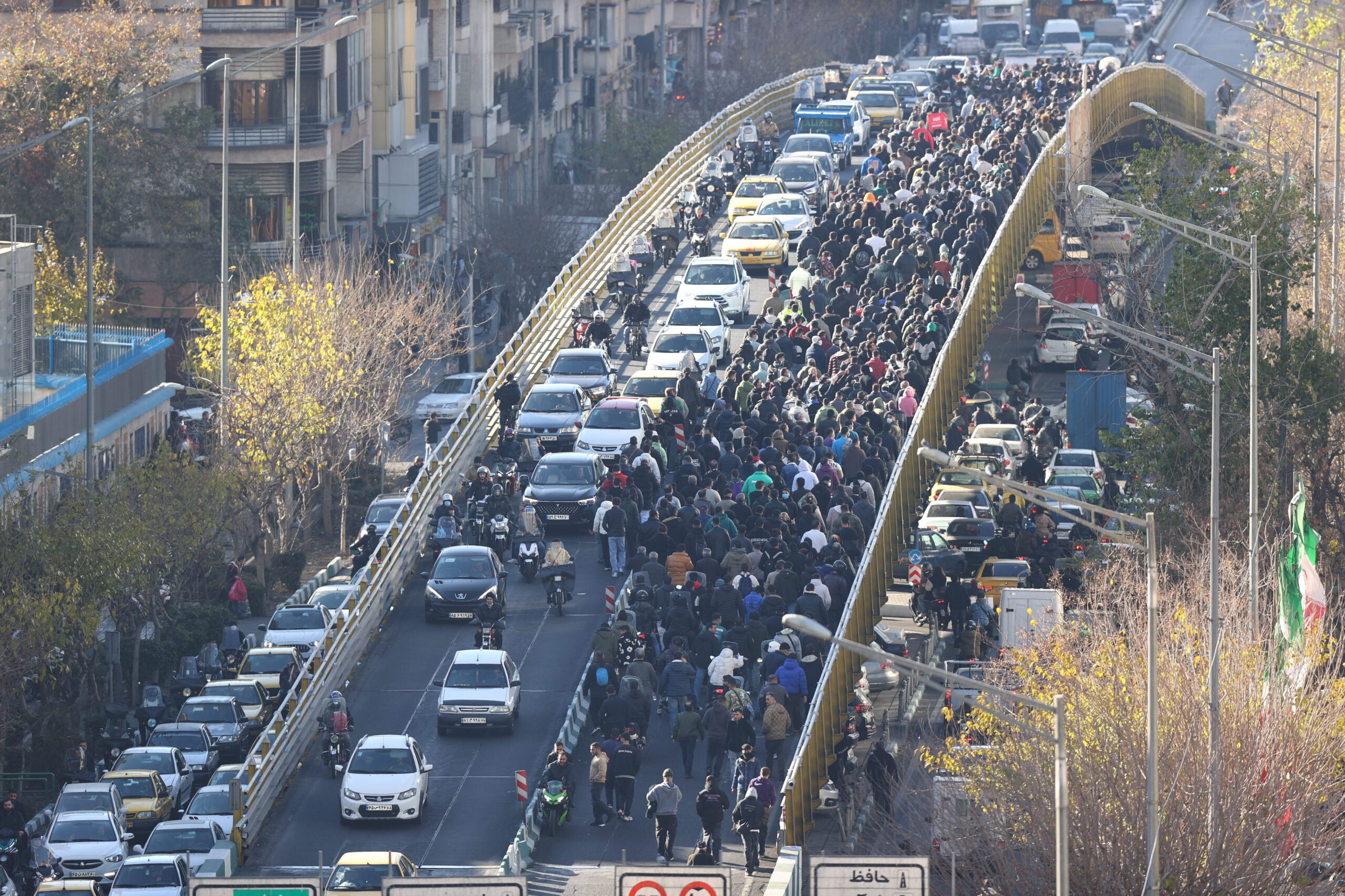
Protesters march on a bridge in Tehran, Iran, Dec. 29, 2025. (Fars News Agency via AP, File)
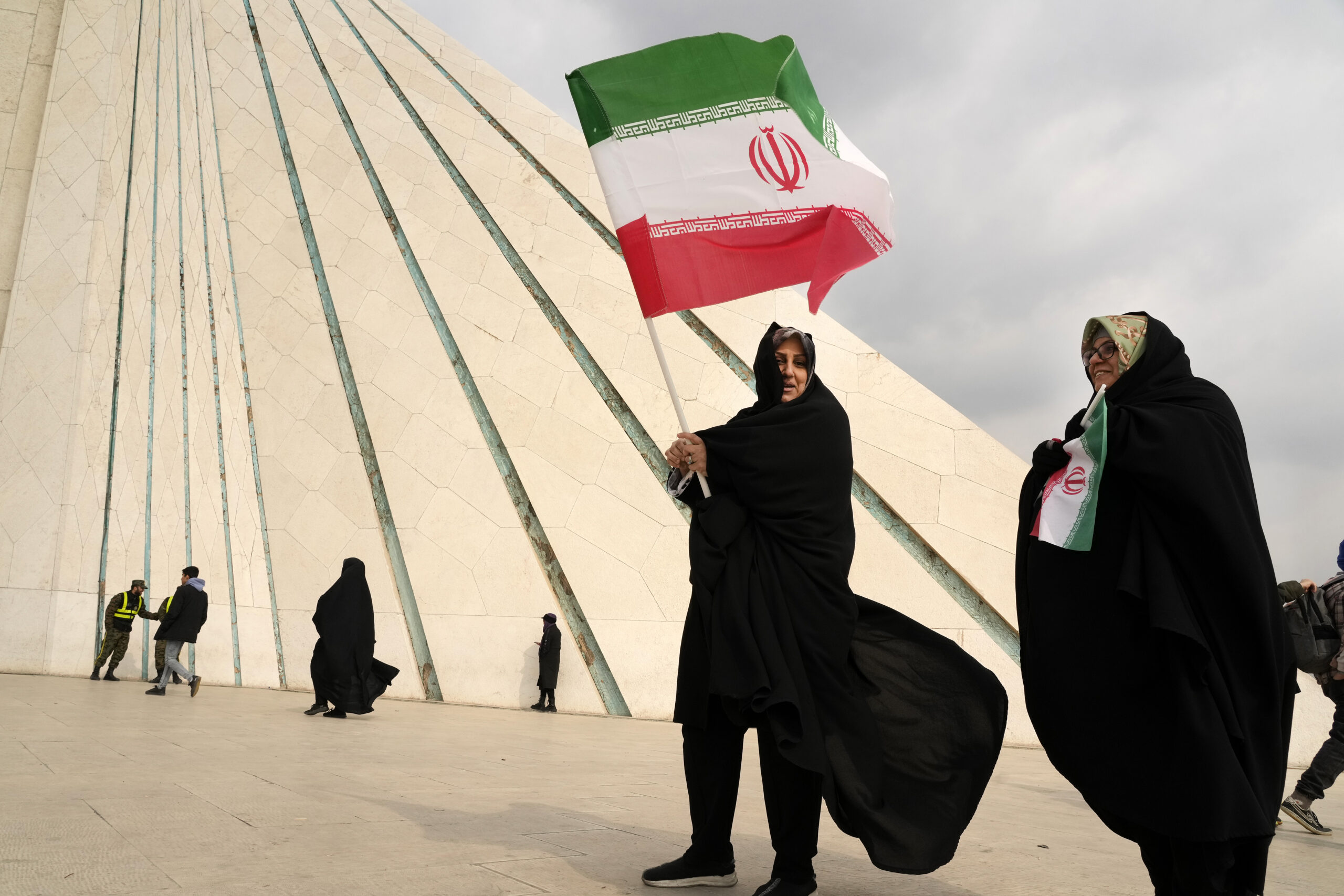
The Islamic Republic is under severe and mounting pressure, yet its collapse is neither imminent nor inevitable. The current protest wave instead reflects a progressive narrowing of the regime’s strategic options. Iran’s leadership is approaching a critical juncture: It can either pursue a Venezuelan-style accommodation with President Donald J. Trump – potentially entailing leadership change while preserving the regime’s core institutions – or remain on a trajectory of economic deterioration, recurrent mass protest, and the gradual erosion of cohesion within the security services, a process that could ultimately culminate in regime collapse. This latter path would be significantly accelerated should the United States resume military strikes against Iran’s coercive institutions.
The current unrest began on December 28, 2025, when merchants in Tehran’s Grand Bazaar – specifically in the mobile phone and electronics sector – went on strike following a sharp collapse of the rial against the U.S. dollar. Unlike previous episodes of unrest, these strikes rapidly spread nationwide and revealed an unusually broad social coalition. Protesters now include not only the economically marginalized populations in rural and urban areas but also the downwardly mobile urban middle class. Most striking, wealthy bazaar merchants who have historically been among the regime’s most reliable constituencies are also among the protesters. The participation of the bazaar signals not merely economic grievance but a crisis of confidence in the regime’s capacity to manage the economy.
Equally destabilizing is the emergence of an externally mediated opposition leadership. Reza Pahlavi, the former crown prince, has begun to fill the leadership vacuum, aided significantly by Iran International Television, which broadcasts from London and Washington and has played an active role in encouraging mass defiance. Other contenders – notably Kurdish, Baluchi, and Arab armed groups – lack national appeal but retain the capacity to militarize unrest in peripheral regions. Kurdish groups based in Iraqi Kurdistan called for a general strike on January 7, which was widely observed the following day. On January 9, eight members of the Islamic Revolutionary Guard Corps were killed when preventing cross-border infiltration by the Kurdish group The Party of Free Life of Kurdistan. Unrest in Ilam province has similarly been linked to the activities of Komala, a Kurdish armed opposition group. These developments raise the risk that localized protests could mutate into a separatist insurgency or, worse, a civil war along ethnic lines.
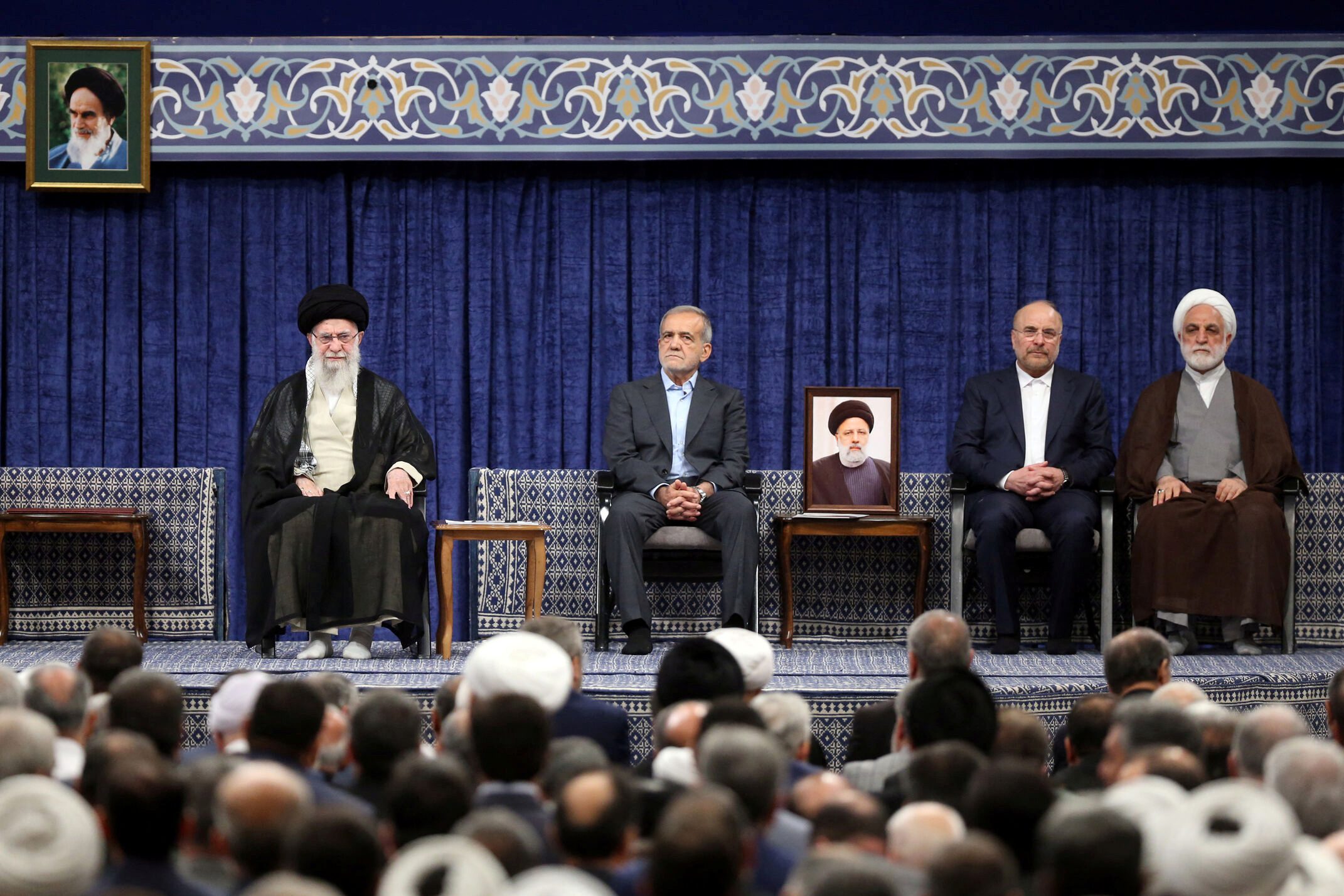
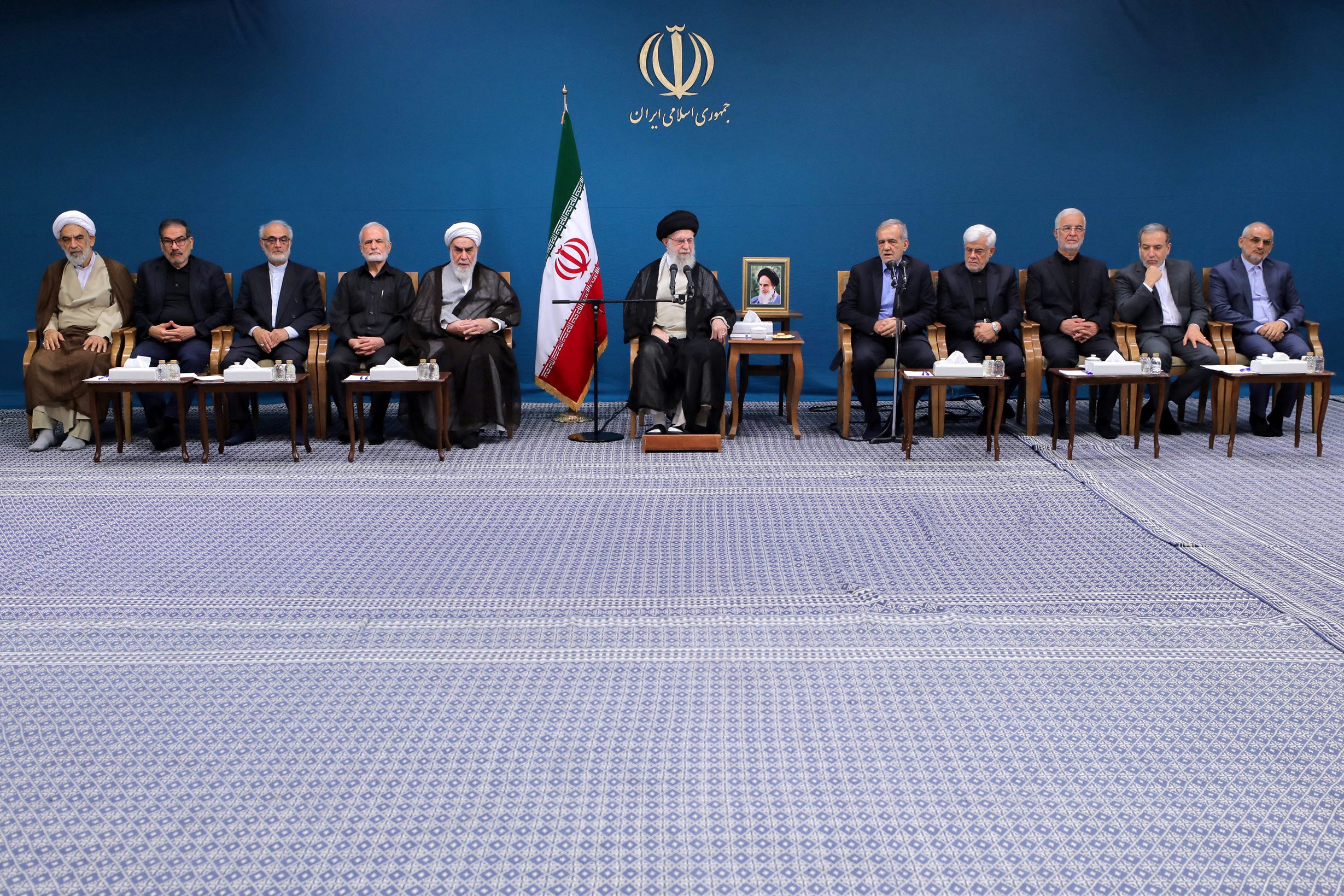
Inside the regime, the response has thus far emphasized elite cohesion and tactical adjustment. President Masoud Pezeshkian, Parliamentary Speaker Mohammad-Bagher Qalibaf, and Judiciary Chief Gholam-Hossein Mohseni Ejei – who, together with senior commanders from the IRGC and the army, have operated as a de facto collective leadership since before the 12-day war in June 2025 – have publicly acknowledged failures in economic governance. On December 31, 2025, the president replaced the governor of the central bank and expressed sympathy for popular grievances. Even Supreme Leader Ayatollah Ali Khamenei, increasingly a political liability, conceded on January 3 that economic hardship is widespread while continuing to dismiss demonstrators as “rioters.”
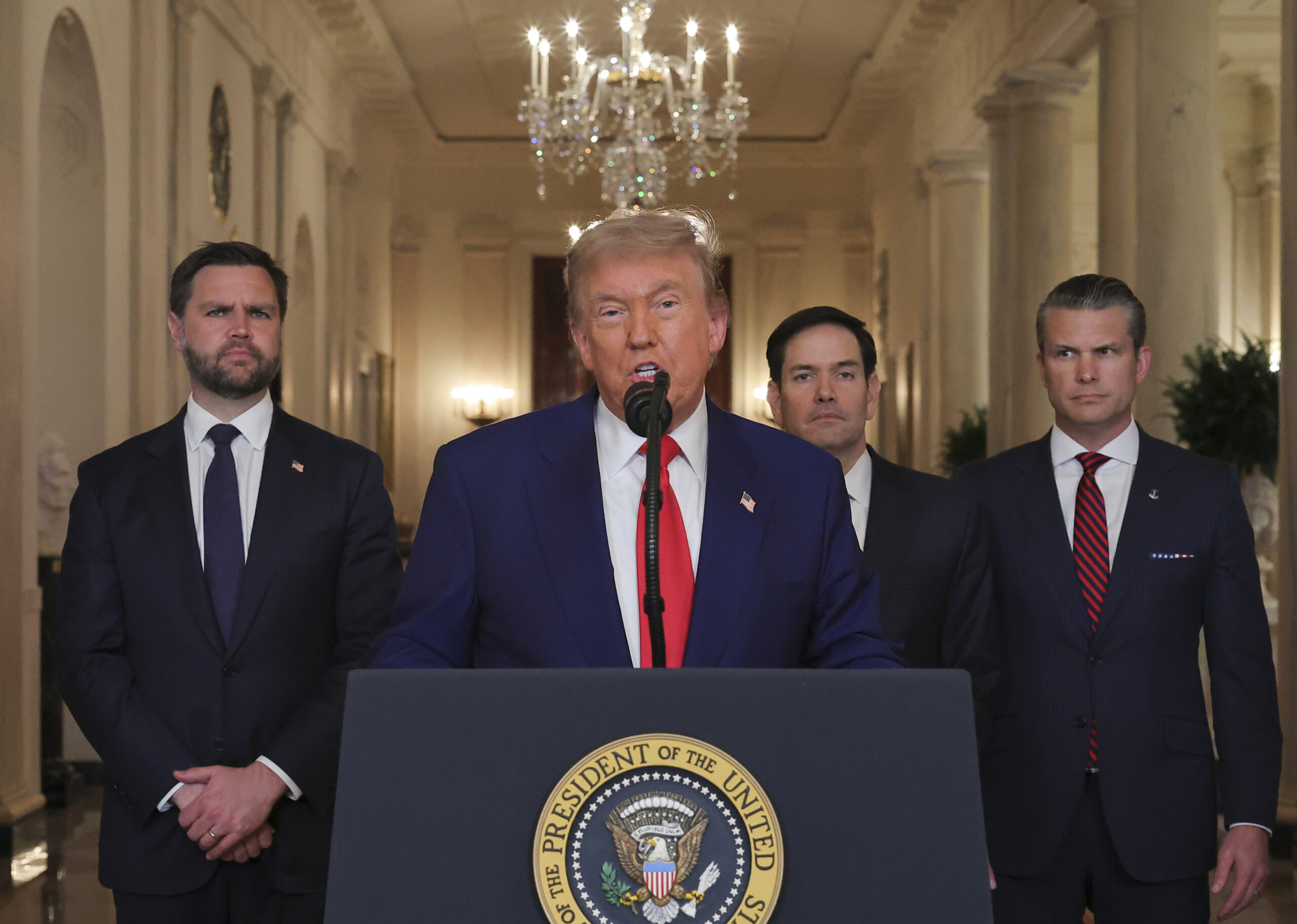
The same day, Trump voiced public support for the protesters and warned that he would bomb Iran if the regime engaged in mass killings. This statement, while ambiguous, may have contributed to renewed unrest in western provinces. Trump’s persistent strategic ambiguity – supporting protesters rhetorically while withholding recognition of any opposition leader – keeps both the regime and its opponents uncertain about Washington’s endgame.
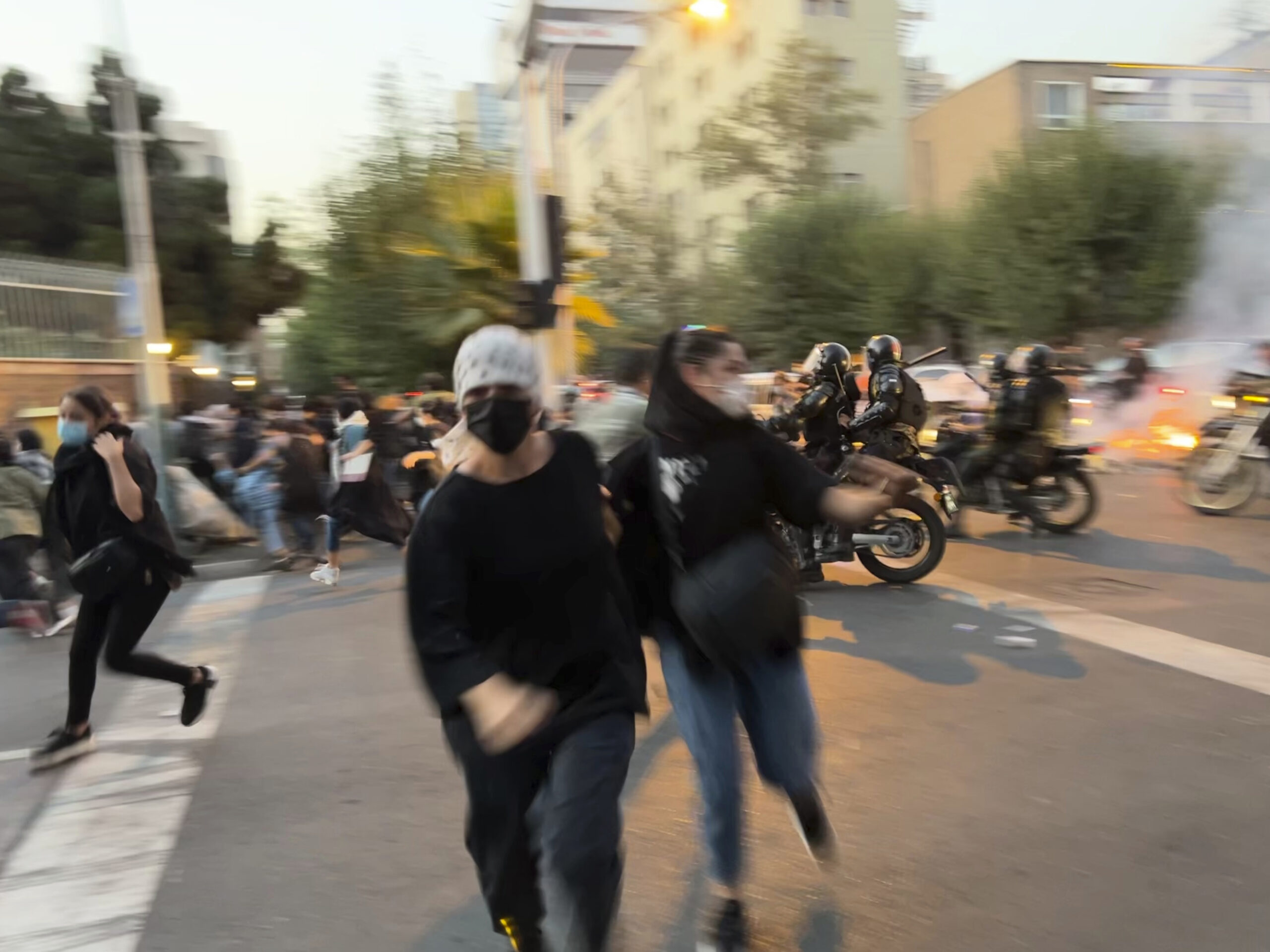
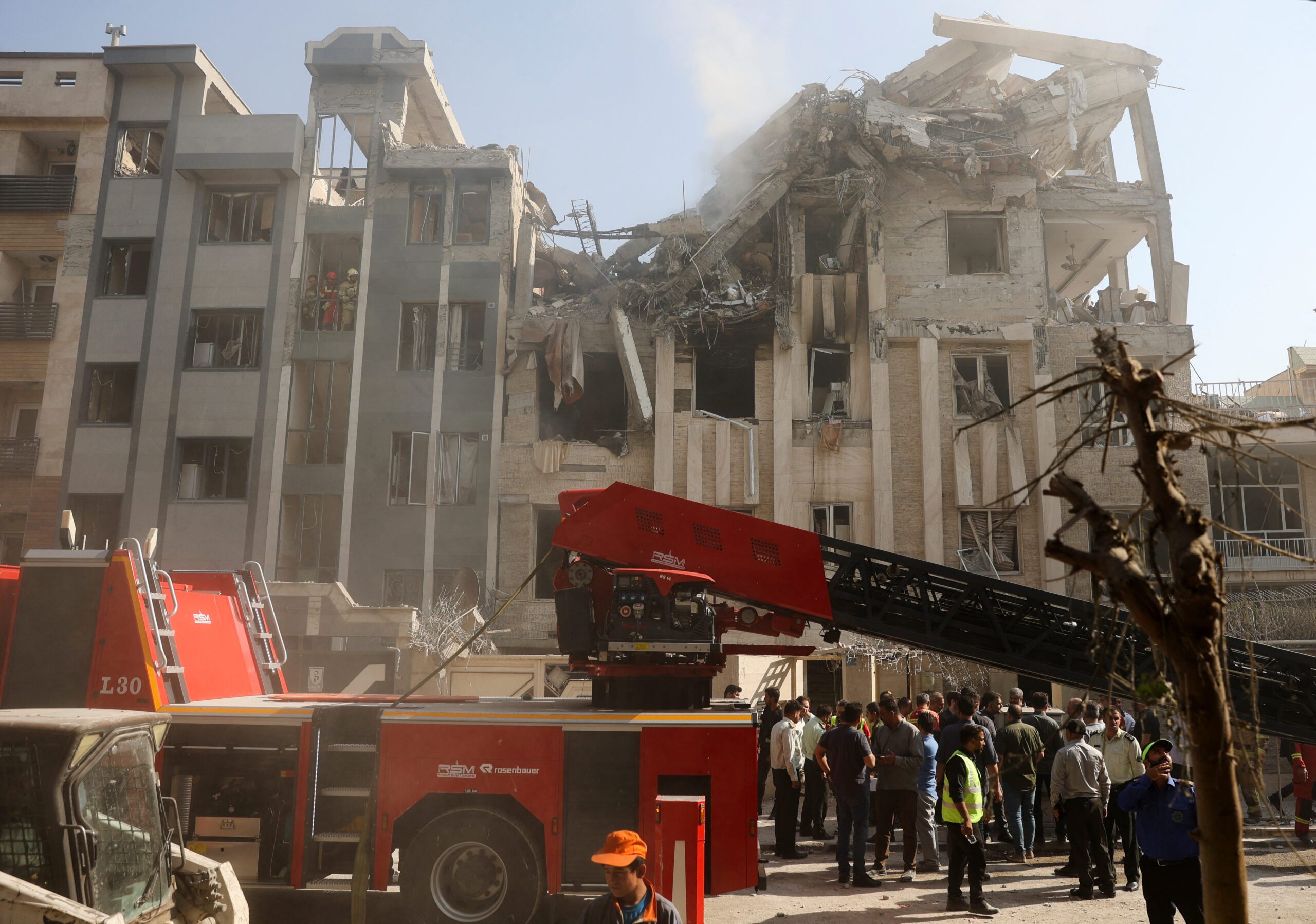
The regime’s security response entered a new phase on January 8 with a nationwide internet shutdown, mobile phone disruptions, and nightly restrictions on the national intranet. These measures degraded the ability of Iran International Television to provide real-time coordination, although satellite broadcasts continue under heavy jamming. At the same time, the blackout enabled harsher repression beyond public scrutiny. Reporting from IRGC-affiliated sources suggests a sharp escalation: On January 10, 24 IRGC and six Basij members were reportedly killed in Isfahan province, indicating the emergence of armed resistance and, almost certainly, substantial protester casualties. Claims by opposition sources may exaggerate these figures, which range widely and are unverified, but the direction of escalation is clear.
At this point, the regime’s political leadership remains intact and unified, and there are no confirmed defections within the armed forces. Yet even if the current protests are suppressed, Iran’s structural economic crisis – rooted in sanctions, capital flight, and institutional decay – will persist. Renewed unrest is therefore highly likely.
This leaves the regime with a narrowing window for strategic choice. To stabilize the system, it must address the sanctions regime, which in turn requires engagement with Washington. A Venezuelan-style arrangement remains conceivable: Iran’s collective leadership could marginalize or remove Khamenei, open negotiations with Trump, invite U.S. oil companies back into Iran, and secure sanctions relief sufficient to stabilize the economy. Trump’s refusal to endorse Pahlavi and his stated preference to “see who emerges” suggest openness to a negotiated outcome rather than regime replacement. This, in turn, would likely be opposed by Israel, which has endorsed Pahlavi as its preferred leadership candidate.
Absent such an accommodation, the regime is likely to face continued degradation – erosion of elite cohesion, rising regional insurgency, and eventual defections within the security services. Collapse, in this scenario, would not be sudden but cumulative, driven by economic exhaustion and political fragmentation. U.S. military intervention would sharply accelerate this process. The Islamic Republic may survive the current protests, but, without a strategic reset, it is running out of time and options.
The views represented herein are the author's or speaker's own and do not necessarily reflect the views of AGSI, its staff, or its board of directors.
The demands of the protesters for regime change are a clear manifestation of the deep frustration and the loss of hope for reform among the Iranian public and seem to signal that the time is ripe for comprehensive change.
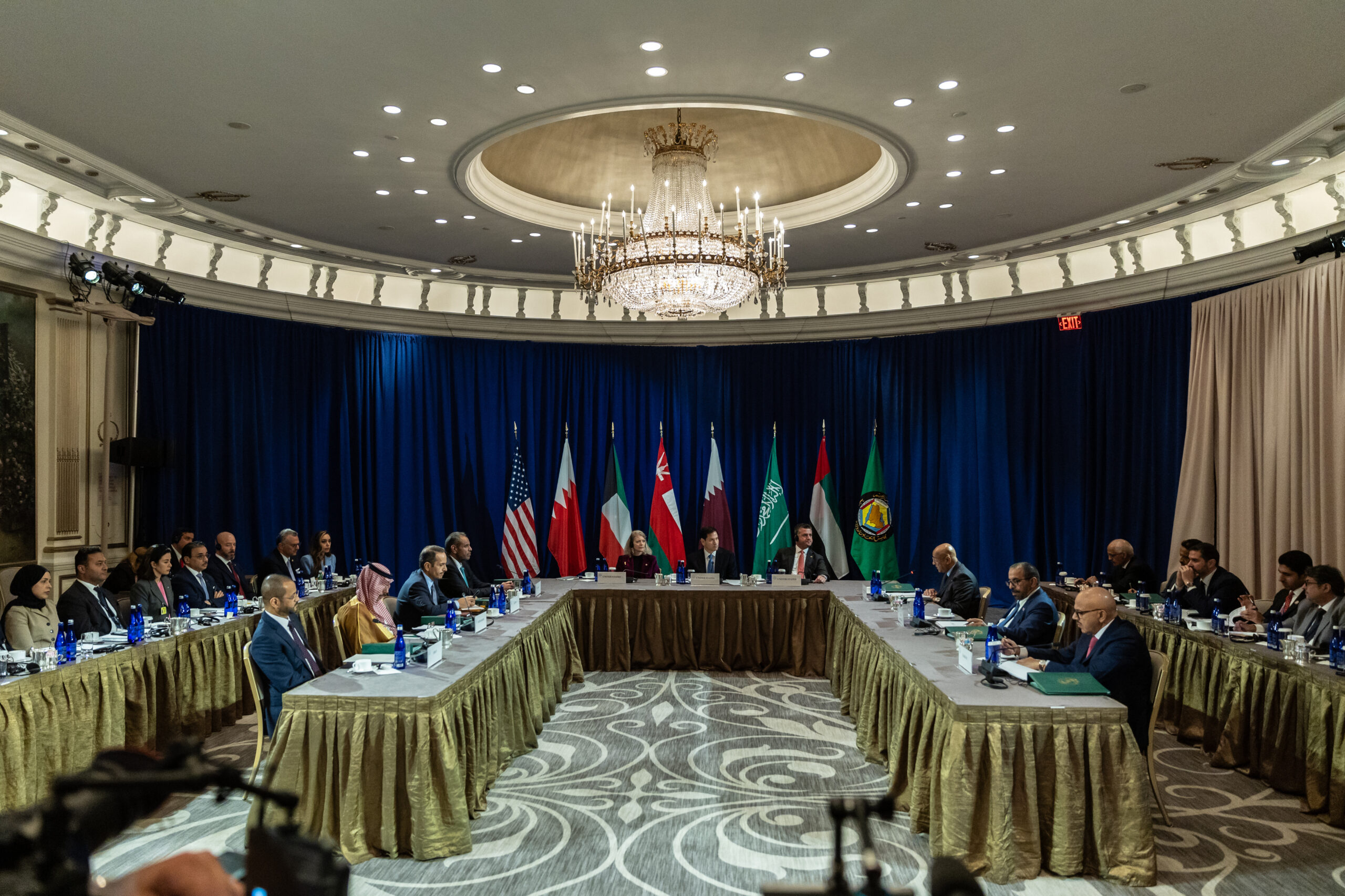
Saudi Arabia seeks a U.S. security umbrella strong enough to deter Iran but a diplomatic posture measured enough to avoid provoking Iran unnecessarily.
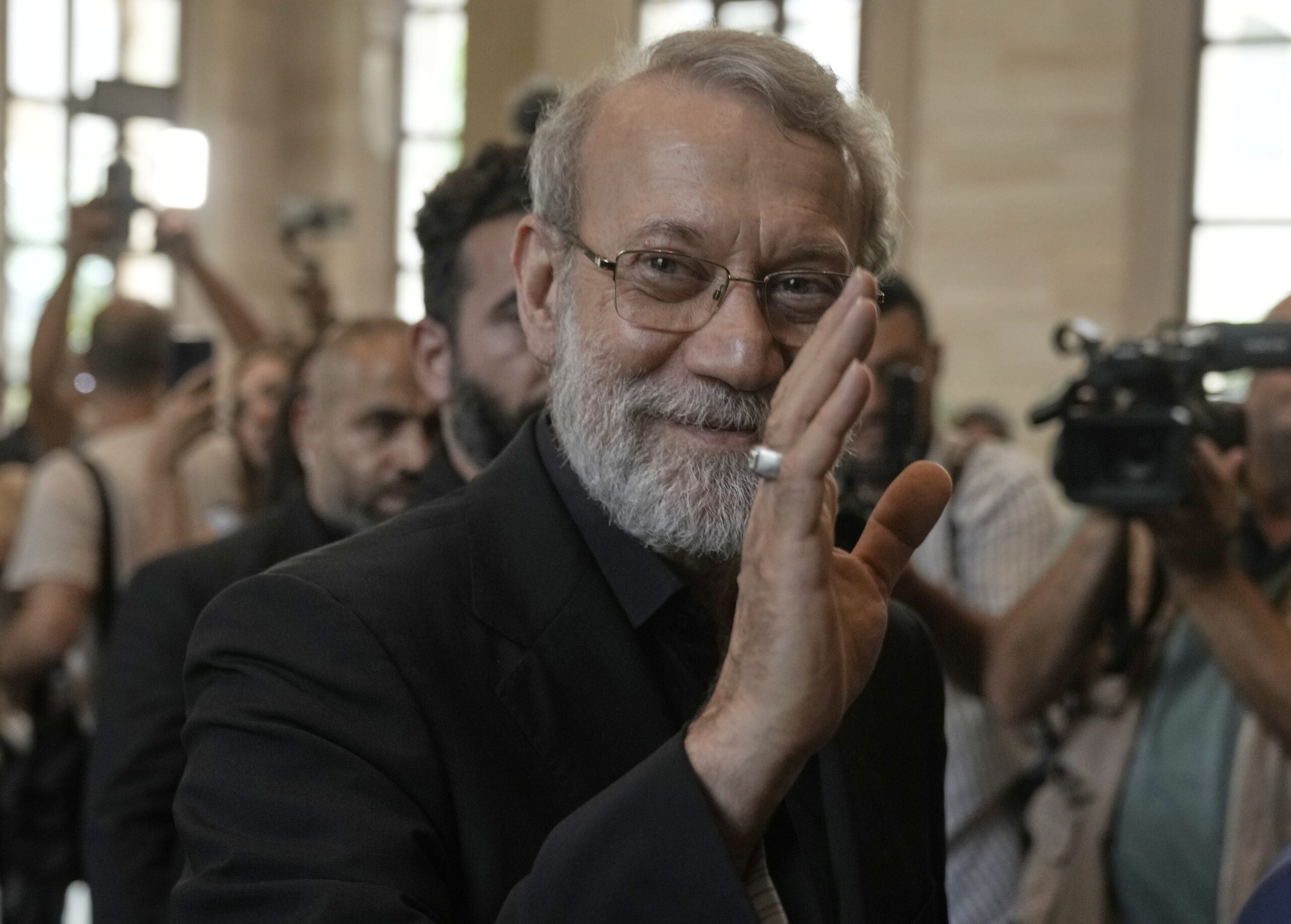
An Iraqi-born native of Najaf but an unmistakably Iranian nationalist, Ali Larijani is expected to leverage his record of bureaucratic competence and global fluency to coordinate Iran’s security bureaucracy.
Confronted with the clear and present danger posed by Israel, Iran’s collective leadership appears mired in policy paralysis, leaving Iran strategically adrift.
On January 8, AGSI hosted a virtual roundtable with its leadership and scholars as they look ahead and assess trends likely to shape the Gulf region and U.S. foreign policy during the coming year.